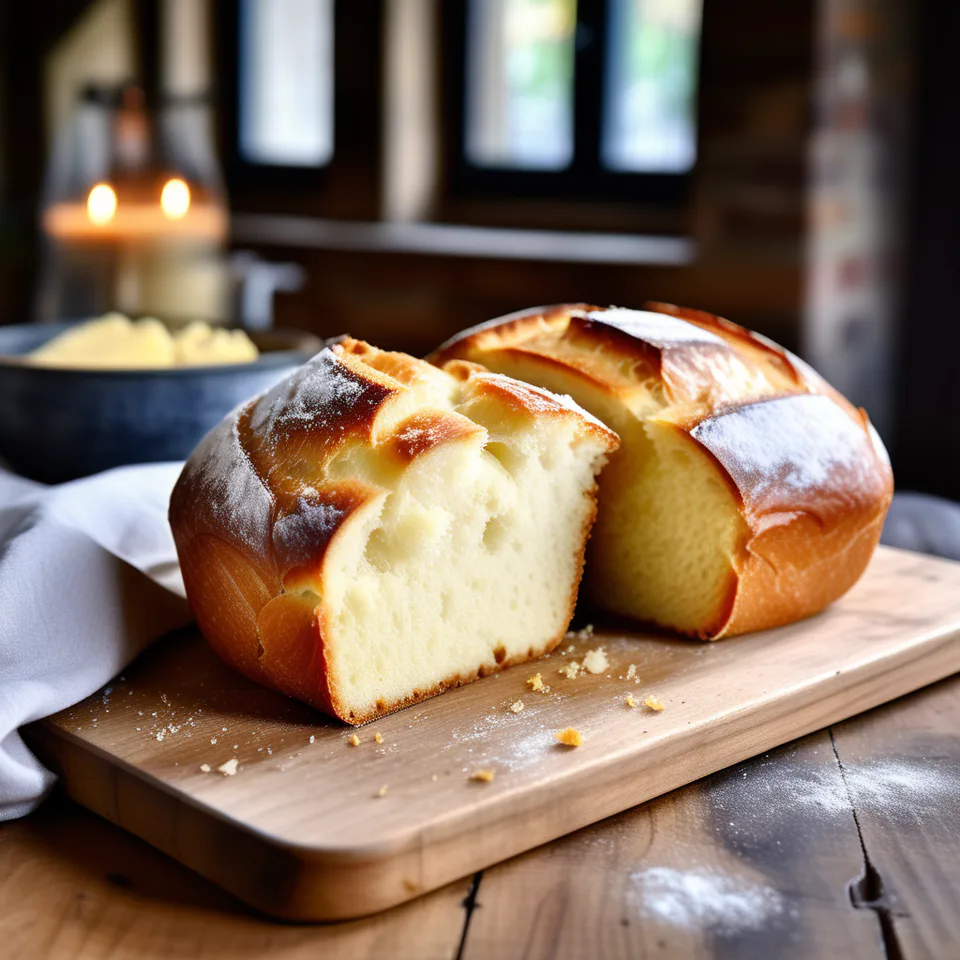
Exploring the World of Bread: A Journey Through Various Varieties

Bread, in its many forms, is a universal language of comfort and sustenance. Each culture has its unique spin on this staple food, creating an incredible variety that ranges from simple flatbreads to intricate braided loaves. In this post, we’ll explore some of the most popular and beloved types of bread from around the globe.

Baguette – France

  • Description: A long, thin loaf known for its crispy crust and chewy interior.
  • Origin and Use: A symbol of French cuisine, baguettes are perfect for sandwiches or as an accompaniment to cheese and wine.
  • Discover more: Dive deeper into our comprehensive post about the baguette, where we not only share its rich history but also guide you through baking your own authentic baguette at home. Perfect your baking skills and bring a taste of France to your kitchen! Click here.

Sourdough – San Francisco

  • Description: Distinct for its tangy flavor, due to fermentation that acts as a natural leavening agent.
  • Origin and Use: A staple in San Francisco, sourdough is ideal for toast and hearty sandwiches.
  • Discover more: Dive deeper into our comprehensive post about the sourdough bread, where we not only share its rich history but also guide you through baking your own bread at home. Click here.

Ciabatta – Italy

  • Description: An Italian white bread with a crisp crust and porous, chewy interior.
  • Origin and Use: Ciabatta is excellent for paninis or served with olive oil.
  • Discover more: Dive deeper into our comprehensive post about Ciabatta, where we not only share its rich history but also guide you through baking your own bread at home. Click here.

Challah – Jewish Cuisine

  • Description: A rich, slightly sweet braided bread made with eggs.
  • Origin and Use: Traditionally served on the Sabbath and Jewish holidays, challah is great for French toast.
  • Discover more: Dive deeper into our comprehensive post about Challah, where we not only share its rich history but also guide you through baking your own bread at home. Click here.

Naan – India

  • Description: A soft and pillowy flatbread cooked in a tandoor.
  • Origin and Use: Naan is typically served with Indian curries or as a wrap for kebabs.
  • Discover more: Dive deeper into our comprehensive post about Naan, where we not only share its rich history but also guide you through baking your own bread at home. Click here.

Pumpernickel – Germany

  • Description: A dense, dark bread made from coarsely ground rye flour.
  • Origin and Use: Often used in sandwiches, especially with smoked meats and cheeses.
  • Discover more: Dive deeper into our comprehensive post about Pumpernickel, where we not only share its rich history but also guide you through baking your own bread at home. Click here.

Brioche – France

  • Description: A rich, tender bread made with a high egg and butter content.
  • Origin and Use: Brioche is versatile, perfect for sweet and savory applications, from burgers to French toast.
  • Discover more: Delve into the rich world of Brioche with us! From its intriguing history to a step-by-step baking guide, our in-depth post is a treasure trove for bread enthusiasts. Whether you’re a baking pro or a beginner, there’s something for everyone. Ready for a culinary adventure? Start your journey with Brioche here.

Focaccia – Italy

  • Description: An olive oil-rich flatbread, often topped with herbs and other seasonings.
  • Origin and Use: Focaccia can be a side to many meals or used as the base for unique pizzas.
  • Discover more: Delve into the rich world of Focaccia with us! From its intriguing history to a step-by-step baking guide, our in-depth post is a treasure trove for bread enthusiasts. Whether you’re a baking pro or a beginner, there’s something for everyone. Ready for a culinary adventure? Start your journey with Focaccia here.

Conclusion: Types of Bread

This exploration is just a glimpse into the vast world of different types of bread, a realm rich in diversity, history, and culinary art. Each type of bread we’ve delved into showcases not just the versatility but also the profound cultural significance this staple food holds across various regions and traditions. From the crusty exterior of a French baguette to the soft, pillowy texture of Indian naan, every variety of bread carries with it a unique story, a set of traditional practices, and a distinct flavour profile.

As we’ve seen, the types of bread around the world are as varied as the cultures they come from. They do more than just satisfy hunger; they represent a community’s heritage, geographical identity, and culinary ingenuity. Whether it’s the ceremonial importance of challah in Jewish culture, the rustic, homey appeal of a San Francisco sourdough, or the simple pleasure of an Italian ciabatta, bread in its many forms is a testament to human creativity in the kitchen.

This culinary exploration through different types of bread invites us to appreciate bread as more than a basic food item. It encourages us to see each loaf, each slice, as a piece of a larger, global tapestry of food and culture. As we break bread – whether at our dining tables or while traveling to new destinations – we partake in a ritual that is both ordinary and profound, sharing in a universal human experience.

So the next time you enjoy a piece of bread, remember that you’re not just tasting a mix of flour, water, and yeast; you’re experiencing a piece of history, a slice of someone’s culture, and the creativity that makes the world of bread so endlessly fascinating and delicious.