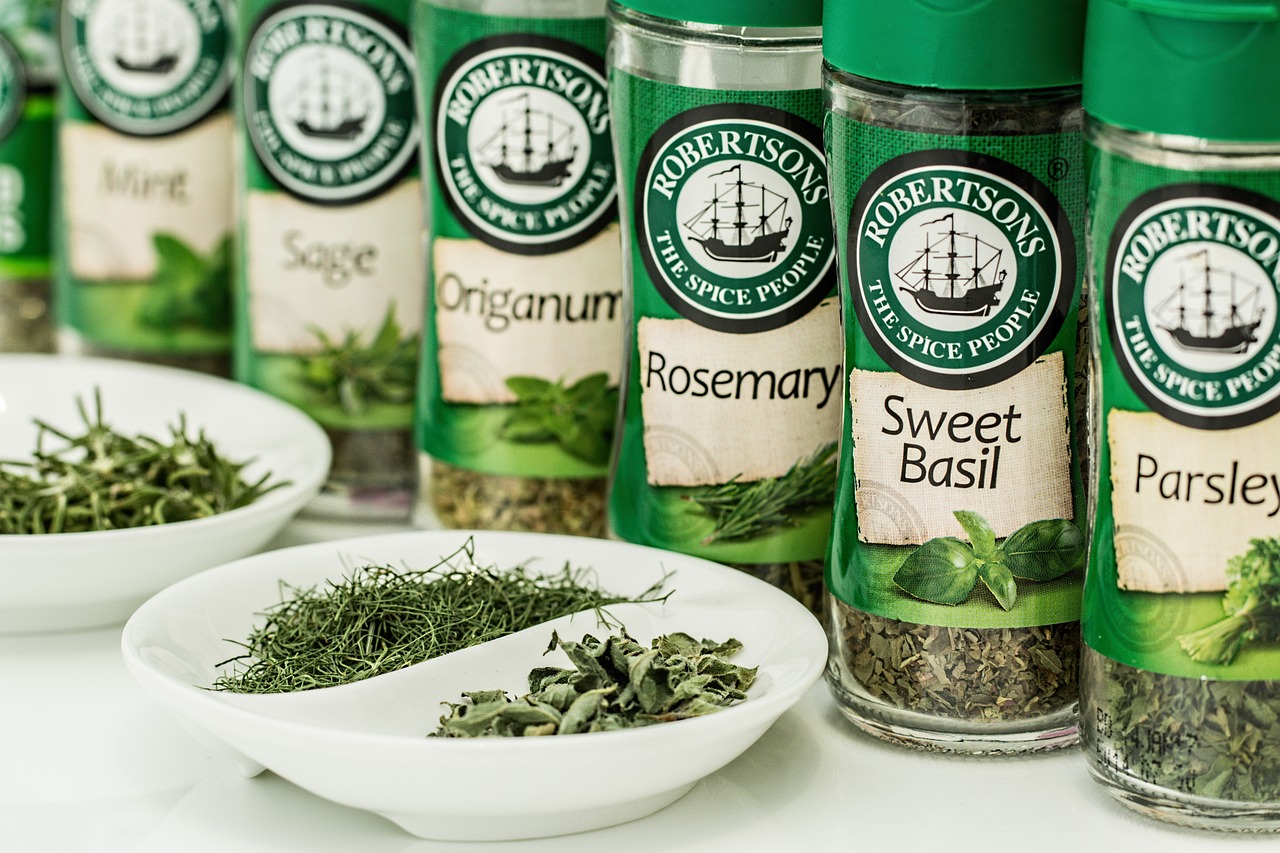
In the world of cooking, few debates stir up as much passion as the use of fresh herbs versus dried herbs. Some chefs and food enthusiasts insist that fresh herbs are the only way to go for exceptional flavour, while others swear by the convenience and longevity of dried herbs. So, the question remains: Should you only use fresh herbs in cooking? Let’s explore this culinary conundrum fresh v dried herbs and debunk the myth that fresh herbs are always superior.
1. Fresh vs. Dried: Flavor Showdown
It’s true that fresh herbs have a vibrant, aromatic quality that can elevate a dish. Their flavors are often more immediate and pronounced, making them a fantastic choice for dishes where herbs play a central role, such as in salads, salsas, or garnishes. Fresh herbs are particularly celebrated for their ability to brighten up a meal with their lively, natural fragrance.
2. The Convenience Factor
However, the use of dried herbs shouldn’t be dismissed outright. Dried herbs offer a level of convenience that can be a game-changer in the kitchen. They are available year-round, have a much longer shelf life, and can be used at a moment’s notice. When you’re in the midst of cooking and realize you’re out of a specific fresh herb, dried herbs can step in as a reliable substitute.
3. Cost-Effective Choices
Cost can also be a consideration. Fresh herbs, especially if you buy them out of season or in large quantities, can be relatively expensive. On the other hand, dried herbs are typically more budget-friendly, allowing you to experiment with various flavors without breaking the bank.
4. Recipe and Cuisine Matters
The choice between fresh and dried herbs often depends on the recipe and the type of cuisine you’re preparing. Some dishes, like a classic Italian basil" target="_blank" rel="noreferrer noopener">basil pesto or a Thai basil stir-fry, are best experienced with fresh herbs. However, in slow-cooked dishes, soups, stews, or marinades where herbs are simmered for an extended period, dried herbs can infuse their flavors just as effectively.
5. Balance and Adaptability
A great approach is to think of fresh and dried herbs as complementary rather than exclusive options. They can be used in tandem to achieve the perfect balance of flavor, aroma, and practicality. For example, start with fresh herbs for garnishing and enhancing the final dish’s visual appeal, then incorporate dried herbs into the cooking process for a more rounded flavor profile.
6. Storing Fresh Herbs
If you opt for fresh herbs, knowing how to store them is essential. To prolong their shelf life, place them in a glass of water in the refrigerator, covering them loosely with a plastic bag. This can keep them fresh for several days. Alternatively, consider freezing fresh herbs in oil or water for later use.
In conclusion, the choice between fresh and dried herbs in cooking is not a matter of one being universally better than the other. It’s about understanding when and how to use each type effectively. Fresh herbs bring vibrancy and immediacy to dishes, while dried herbs offer convenience and versatility. By embracing both options and experimenting in your kitchen, you can elevate your culinary creations and savor the diverse world of herbaceous flavours. So, the next time you face the fresh v dried herbs dilemma, remember that it’s all about balance and the specific dish you’re preparing.