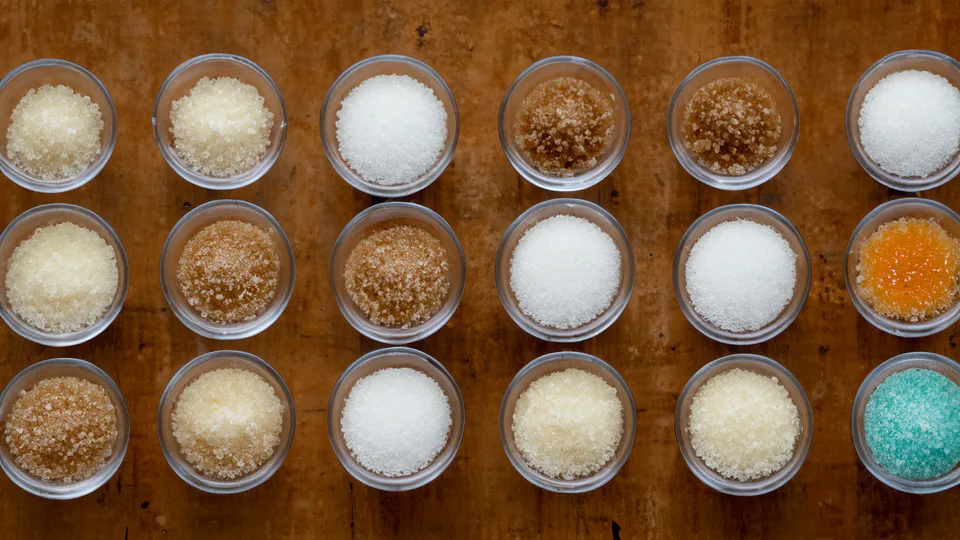
Think you know sugar? That familiar white powder in your pantry is just the beginning! Sugar comes in a surprising array of forms, each with its own unique flavor, texture, and culinary superpowers. Let’s explore the different types of sugar and how to unlock their sweet potential in your kitchen.
Sugar’s Origins: From Cane to Crystal
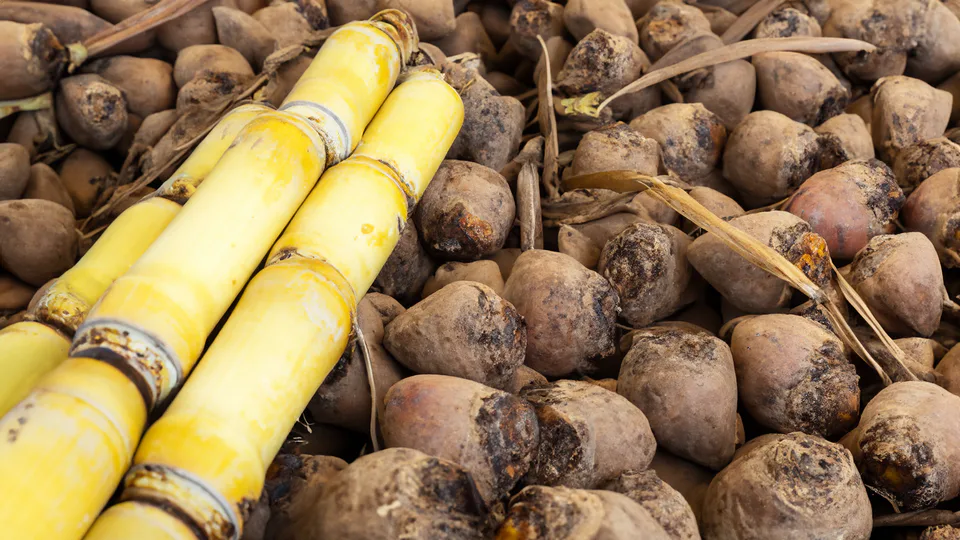
Sugar’s sweet story begins centuries ago with the lush sugarcane plant, a tropical grass native to Southeast Asia. Ancient civilizations discovered the joy of extracting sweet juice from the cane and, over time, developed techniques for crystallizing it into sugar. For many years, it was a luxury item. However, advances in agriculture and technology eventually brought sugar to the masses, alongside the introduction of the sugar beet as an alternative source.
Today, both sugarcane and sugar beets provide the foundation for our sweet treats. Here’s how it happens:
Harvest: Sugarcane stalks and sugar beets are harvested at peak sweetness.
Sugarcane, a towering tropical grass reaching heights of up to 20 feet, demands careful timing when it comes to harvest. Farmers diligently watch for signs of peak sweetness, such as yellowing lower leaves and a less flexible stalk. Scientific testing confirms the sugar content is optimal before the canes are cut close to the ground. This precision is essential because if the sugarcane begins to flower, its precious sugar will be diverted towards seed production.
In contrast, sugar beets present a different challenge. These hardy root vegetables thrive in cooler temperatures. Their sugar levels are also carefully monitored, with farmers taking regular samples to determine the perfect moment for harvest. Once the beets reach their sweetest potential, powerful machines sweep across the fields, lifting the roots from the earth, removing the leafy tops, and preparing them for their journey to the sugar factory.
Extraction: The juice is extracted from the plants through crushing and pressing.
After their careful harvest, sugarcane stalks embark on a journey of crushing and extraction. The stalks are shredded and relentlessly pressed through a series of rollers, forcing the sweet, flavourful juice to flow from the fibrous plant material.
Sugar beets, on the other hand, undergo a different transformation. First, they are thoroughly washed to remove any dirt or debris. Then, they are meticulously sliced into thin strips, maximising the surface area for the next crucial step. These beet slices are submerged in hot water, a process known as diffusion, which gently coaxes the sugar from within the vegetable’s cells, creating a sweet, sugary liquid ready for further processing.
Clarification: impurities are removed from the juice using heat and other treatments.
Once the sweet juice has been extracted, it still contains impurities that need to be removed. This is where lime (calcium hydroxide) comes into play. The juice is treated with lime and then heated, triggering a chemical reaction. This causes unwanted substances within the juice to clump together, or coagulate, forming larger particles that become easier to separate out.
However, the juice isn’t completely pure yet. To achieve a crystal clear liquid, the next step is filtration. The juice is passed through a series of filters that trap any remaining solid particles, The result is a beautiful, clear golden liquid, ready for the next stages in its transformation into sugar.
Crystallisation: The concentrated juice is boiled until sugar crystals form.
The journey of the clear, golden juice continues with evaporation. It is boiled in large, specialised vessels called vacuum pans. These pans operate at low pressure, allowing the water to evaporate at a lower temperature, which helps prevent the sugar from burning. As the water boils away, the juice thickens dramatically, transforming into a rich, concentrated syrup.
Now it’s time for a touch of magic. Tiny sugar crystals, known as “seed,” are carefully added to the thick syrup. These seed crystals provide a starting point, encouraging the sugar molecules within the syrup to latch on and form larger crystals. The syrup is carefully boiled further, with precise control of temperature and agitation, until the desired size of sugar crystal has been achieved.
Centrifugation: The crystals are separated from the remaining molasses.
The sugary journey reaches a thrilling climax with the introduction of the centrifuge. The thick mixture of crystals and syrup, known as massecuite, is loaded into large centrifuge machines. These machines spin at incredibly high speeds, generating a powerful centrifugal force that pushes the molasses outward, leaving the pure sugar crystals behind.
Some crystals may have a lingering trace of molasses. To achieve the ultimate level of purity, the sugar crystals might undergo a rinse with water, washing away any remaining impurities. This final step leaves glistening sugar crystals ready for the next stage in their sweet journey.
Further Refining:
Depending on the desired type of sugar, it may undergo additional refining to produce granulated sugar, brown sugar, and other varieties.
White Granulated Sugar: The quest for pristine white
To achieve the familiar, sparkling white of granulated sugar, further refinement may take place. This can include specialized filtration methods to remove any lingering color or impurities. Some producers may also use a process called bleaching to whiten the crystals, though natural alternatives are becoming more common.
Brown Sugar: Molasses brings its magic
Brown sugar gets its beloved flavour and color from the reintroduction of molasses. Precise quantities of molasses are carefully blended back into white granulated sugar, creating the soft texture and light caramel notes of light brown sugar or the rich, deep flavours of dark brown sugar.
Specialty Sugars: An array of possibilities
The world of sugar extends far beyond white and brown! To create powdered sugar, granulated sugar is ground into a fine, dust-like consistency that dissolves effortlessly. Raw sugar undergoes less processing, retaining hints of molasses and a slightly coarser texture. These are just a few examples – the possibilities are vast, with various treatments and techniques creating the diverse range of sugars we enjoy.
This process yields the familiar sugars we love, but the journey doesn’t end there. Through additional processing steps, we enjoy powdered sugar, raw sugar, and the whole spectrum of sweetness available to us.
The Sweet Spectrum: Popular Types of Sugar
Granulated Sugar: The Sweetheart of Versatility
This is the familiar white sugar seen in sugar bowls everywhere. Its neutral flavor and easy dissolving properties make it an all-star in kitchens worldwide. From sweetening your morning coffee to forming the base of fluffy cakes and crisp cookies, granulated sugar is a reliable and adaptable favorite.
Brown Sugar: Caramel Delights and Luscious Moisture
Brown sugar, with its touch of molasses, brings a depth of flavor and a beautiful golden hue to baked goods. Its molasses content also adds moisture, keeping cakes, cookies, and quick breads soft and tender. Think of brown sugar for chewy chocolate chip cookies, rich gingerbread, or a sweet and sticky glaze for roasted vegetables.
Caster Sugar (Superfine Sugar): The Bridge Between Granulated and Powdered
Caster sugar, also known as superfine sugar, boasts a finer texture than regular granulated sugar but is not quite as powdery as confectioners’ sugar. This unique texture is what makes caster sugar such a kitchen workhorse.
Powdered Sugar (Confectioners’ Sugar): Smoothness Personified
This whisper-fine sugar melts effortlessly into liquids, making it the go-to choice for silky frostings, creamy fillings, and perfectly smooth glazes. It’s also the secret to light-as-air meringues and delicate, crumbly shortbread cookies.
Raw Sugar: A Touch of Rustic Charm
Less processed than white sugar, raw sugar maintains a hint of molasses, giving it a subtle sweetness and a slightly coarser texture. It adds a unique dimension sprinkled atop baked goods, stirred into yogurt, or used to sweeten beverages where its crystals provide a satisfying crunch.
Natural Sweeteners: Flavour Adventures Await
Honey, maple syrup, agave nectar, and other natural sweeteners offer their own distinct flavour profiles alongside sweetness. Honey adds floral notes, maple syrup brings a touch of warmth, and agave nectar provides a neutral sweetness. Experiment with these alternatives to add new dimensions to your baking and beverages.
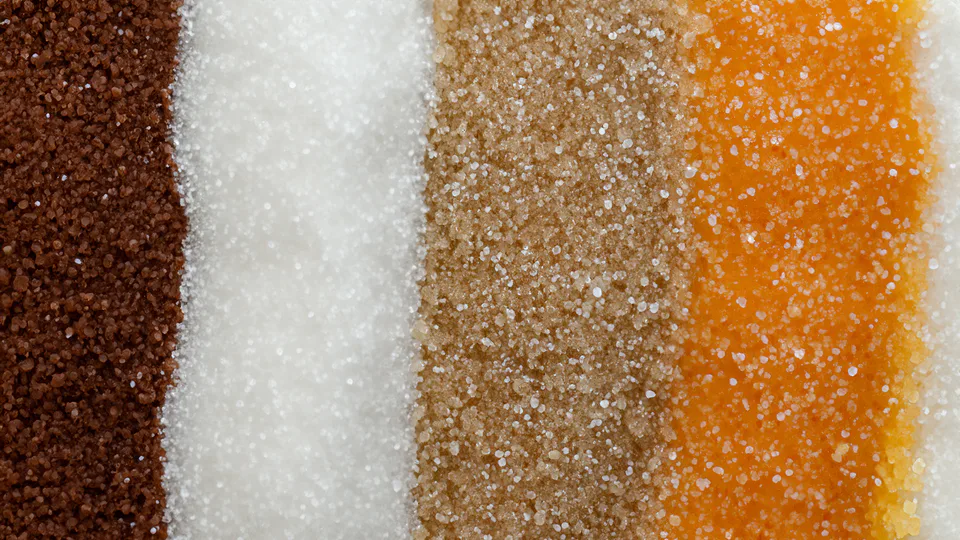
When to Use Which: Matching Sugar to Your Recipe
The right type of sugar can make all the difference in your culinary creations:
Baking: Sweet Science and Scrumptious Textures
- Brown Sugar Bliss: In cookies and cakes, brown sugar’s molasses content works magic. It adds a beautiful caramel flavour, traps moisture, and creates deliciously soft and chewy textures. Think cinnamon-spiced snickerdoodles or moist and tender gingerbread.
- Frosting Fluffiness: Powdered sugar, with its ultra fine texture, is your secret weapon for irresistibly smooth frosting and velvety glazes. It dissolves seamlessly, leaving zero graininess, perfect for decorating cakes and cupcakes.
Beverages: Sweetness, Your Way
- Everyday Effortless: Granulated sugar is the go-to for sweetening hot or cold drinks. Its medium-sized crystals dissolve quickly and evenly, making it a reliable choice for your morning coffee or a jug of refreshing lemonade.
- Rustic Charm: Raw sugar, with its hint of molasses and slightly coarse texture, adds a special touch to drinks. Try it in iced tea or sprinkle it over a frothy cappuccino for a bit of added sweetness and a delightful crunch.
Preserves: Capturing Summer’s Bounty
- Timeless Technique: Sugar isn’t just about sweetness in jams and jellies. Its unique properties help to preserve the vibrant flavours and textures of fruit, giving you a taste of sunshine even in the depths of winter. Sugar works by drawing out moisture from the fruit and creating an environment that prevents spoilage.
Special Touches: Beyond the Ordinary Sprinkle
- Twinkling Treats: Decorate cookies with sparkling coarse sugar for festive fun and a satisfying crunch. It’s a simple trick that adds a touch of elegance to sugar cookies or shortbread.
- Flavour Exploration: Elevate your culinary game with flavoured sugars. Infuse sugar with lavender, vanilla bean, citrus zest, or even your favorite spices for a subtle, gourmet touch in baked goods, teas, and even sprinkled on buttered toast.
Sweet Exploration
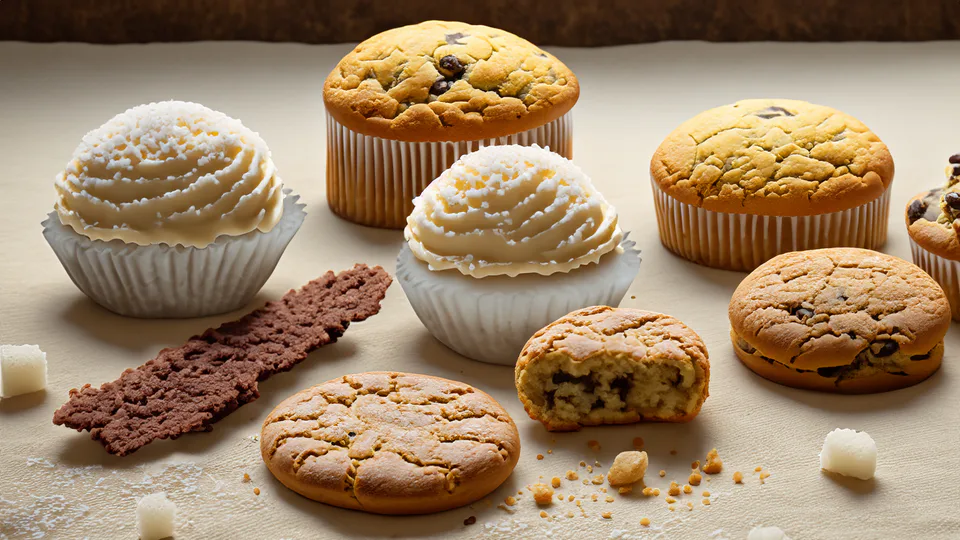
The world of sugar extends far beyond the familiar white crystals in your pantry. It’s a realm of caramelised sweetness, subtle textures, and surprising flavours waiting to be explored. Embrace the spirit of culinary adventure and don’t be afraid to experiment! Sometimes, a simple swap of sugar types in your favorite recipes can unlock entirely new taste sensations.
Imagine the depth of flavour a bit of dark brown sugar could bring to your classic chocolate chip cookies, or the delicate sweetness that powdered sugar might add to a fruit-filled crumble topping. Perhaps a sprinkle of raw sugar could transform your morning oatmeal into a textural delight. The possibilities are endless!
So, ditch the ordinary and view your sugar bowl as a treasure trove of untapped potential. You might be surprised by the delicious discoveries you make and find a new favorite sweetener to add to your kitchen repertoire.
Want to explore more fascinating ingredients? Check out my Ingredient Spotlight series