Introduction
When it comes to creating delectable dishes, the art of flavour pairing is a culinary superpower. It’s the secret behind the mouthwatering combinations that make food not just a necessity but a delight. In this culinary journey, we delve into the science, principles, and creativity of flavour pairing, a world where every bite is a symphony of tastes and aromas.
Understanding Flavour Pairing
The Science Behind Taste.
Our journey begins with the basics. To truly master the art of flavour pairing, we must understand the science behind our taste buds. Discover how our senses perceive flavours and how this knowledge guides our culinary creations.
Taste Buds and Their Secrets
At the heart of our gustatory experience are our taste buds. These tiny sensory organs, scattered across our tongues and the lining of our mouths, are responsible for detecting the diverse spectrum of flavors that make up our culinary world.
Sweet: Our taste buds are programmed to recognise sweetness, a sensation often associated with energy-rich foods. This preference for sweetness is thought to be evolutionary, guiding us toward ripe fruits and sources of natural sugars for sustenance.

Sour: The tartness of lemons or vinegar is detected through taste buds attuned to acidity. This taste provides a refreshing zing and can balance sweetness in a dish.

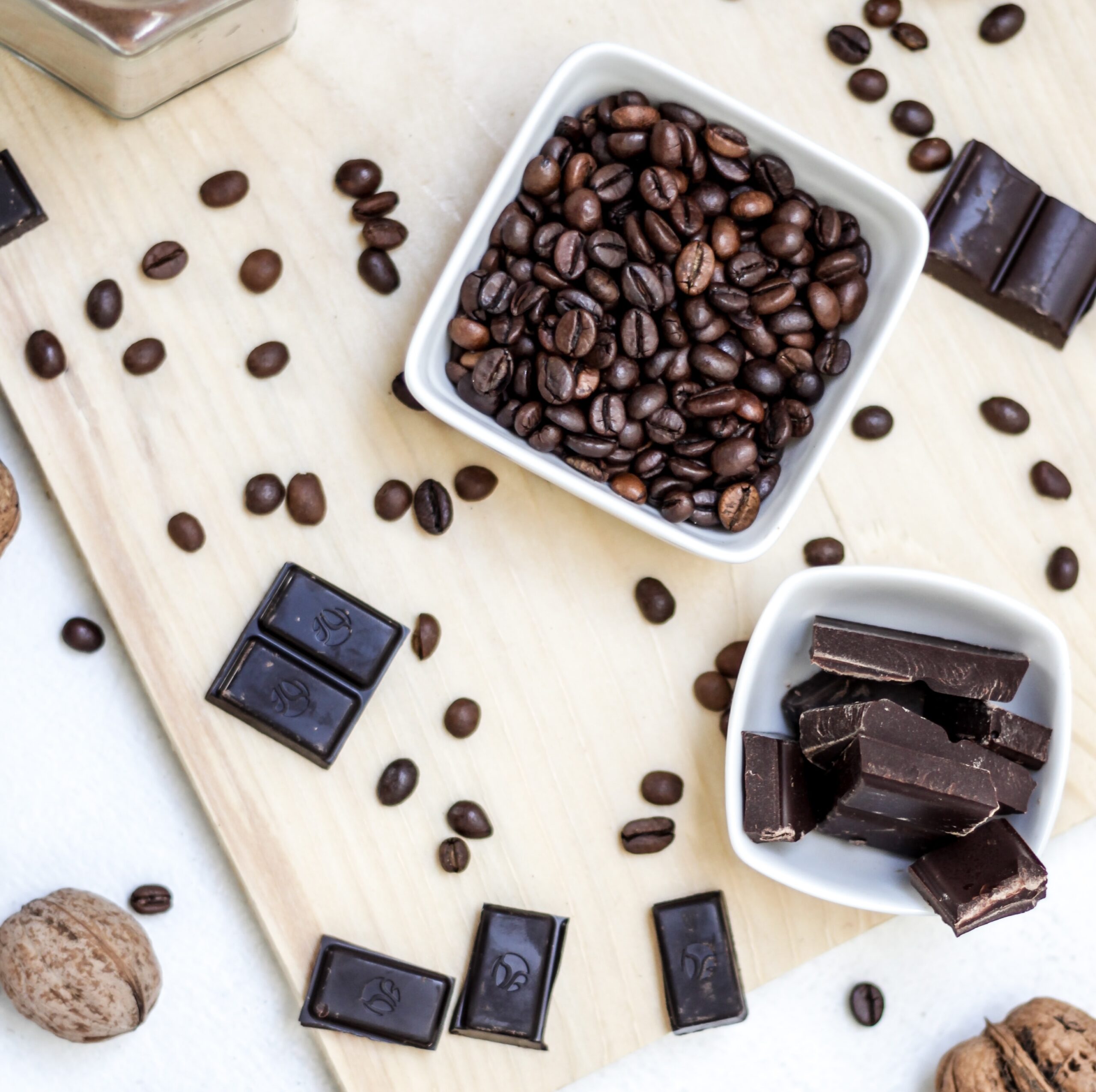
Bitter: Bitterness, perceived by specific taste receptors, often signals the presence of potential toxins. In moderation, bitterness can add complexity to flavours, as seen in coffee or dark chocolate.
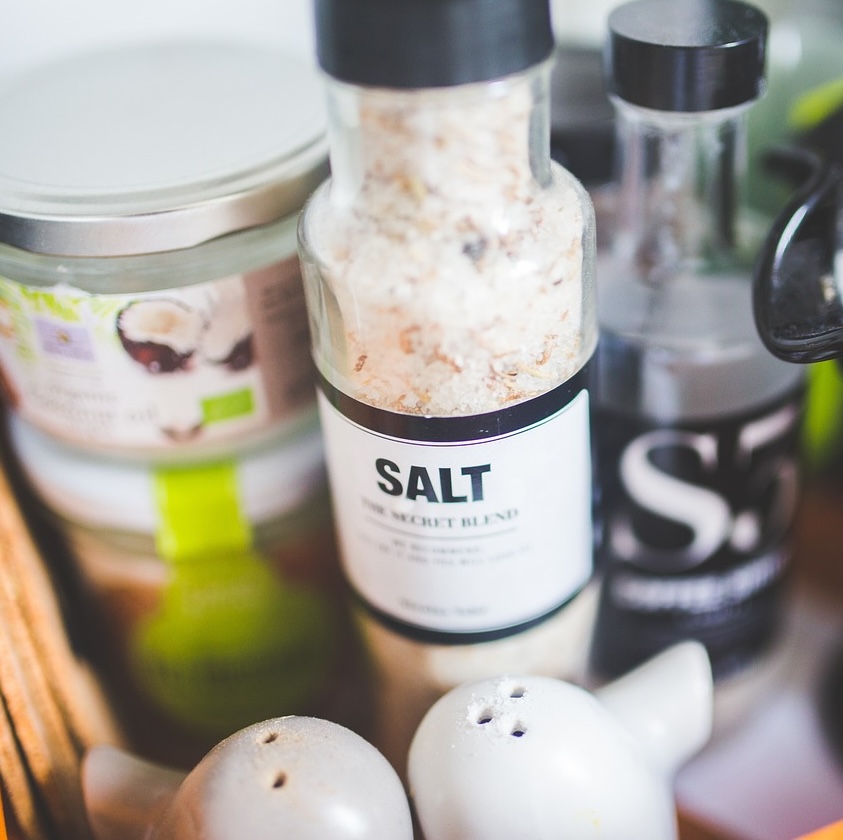
Salty: Sodium, a crucial mineral, triggers our salt receptors. Saltiness enhances the overall flavour profile and can elevate the taste of other ingredients.
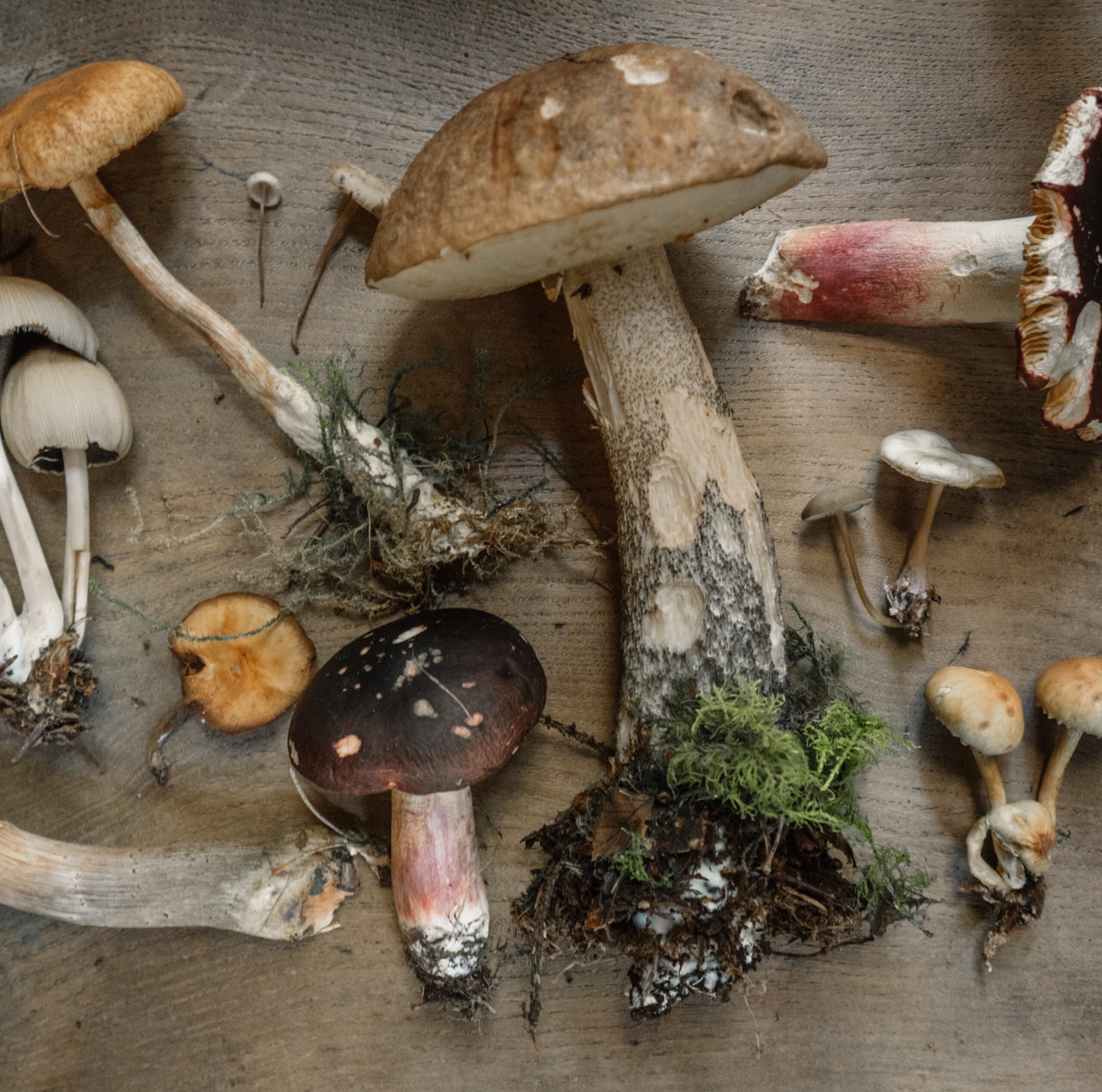
Umami: This fifth taste sensation, discovered in the early 20th century, is associated with the savoury and meaty flavours found in foods like mushrooms, soy sauce, and aged cheeses. Umami enriches dishes with depth and richness.
The Role of Aromas and Scents
While taste buds are essential, our perception of flavor isn’t solely determined by them. Aromas and scents play a significant role. When we savour a dish, we’re engaging multiple senses simultaneously.
- Olfaction: Our sense of smell, or olfaction, enhances our ability to distinguish flavors. When we chew, aromatic compounds are released and travel to the back of the mouth, where they reach the olfactory receptors. This is why food often seems to have less flavor when we have a blocked nose.
The Power of Taste Memory
Understanding the science of taste is not only about recognising different flavours but also about memory. Taste memory, which includes both short-term and long-term memory, is a crucial element in flavour pairing. It’s what enables us to recognise and appreciate the nuances of flavours.
- Short-Term Taste Memory: This aspect allows us to experience and appreciate the sequence of flavours within a dish. It’s the reason why a well-balanced dish often has layers of taste that unfold as we eat.
- Long-Term Taste Memory: Our long-term taste memory is shaped by personal experiences, cultural influences, and culinary traditions. It’s what makes a particular flavor combination resonate as comfort food or evoke nostalgia.
As you embark on your journey to master the art of flavour pairing, remember that your understanding of the science behind taste is your foundation. With this knowledge, you’ll be equipped to create dishes that not only taste delicious but also evoke memorable sensory experiences.
Building Blocks of Flavour
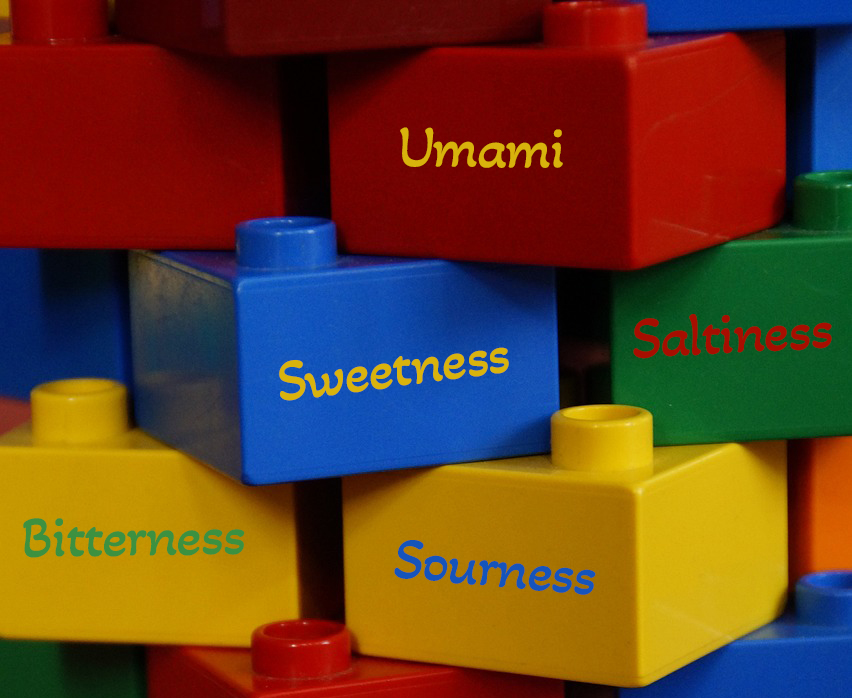
To truly master the art of flavour pairing, it’s essential to delve into the science of taste and understand the fundamental elements that form the basis of flavour. Our taste buds are remarkable sensory tools, each specialising in detecting specific tastes.
Sweetness: The Pleasure of Sugars
Sweetness is perhaps the most universally beloved taste. It’s a sensation that lights up our taste buds and brain’s pleasure centres. Our evolutionary predisposition to sweetness is rooted in our ancestors’ need to identify energy-rich foods for survival. When we savour sweet flavours, our brains respond with feelings of delight and satisfaction.
In the realm of flavour pairing, sweetness often serves as a balancing act. It can counteract the sharpness of sour or bitter tastes, creating harmonious combinations. Think of a classic pairing like honey with tangy Greek yogurt or sweet strawberries with balsamic vinegar. These combinations balance and elevate each other, resulting in an appealing and well-rounded taste.
Sourness: The Zest of Acidity
Sourness is a flavour sensation associated with acidity. It’s responsible for that delightful zing you experience when biting into a juicy lemon or sipping a well-balanced vinaigrette. Sour flavours stimulate our taste buds and add brightness to dishes. They can cut through richness and add a refreshing quality to meals.
In flavour pairing, sourness often complements sweet and rich tastes. For instance, the sourness of a citrus-based marinade can enhance the succulence of grilled chicken, offering a burst of freshness. The contrast between sweet and sour is a classic dynamic in many cuisines, from Chinese sweet and sour sauce to Mexican tamarind candies.
Bitterness: The Complexity of Depth
Bitterness is a taste that can be both challenging and intriguing. It’s perceived by specific taste receptors that have evolved to detect potential toxins. While excessive bitterness can be unpleasant, moderate bitterness adds complexity and depth to flavours. It’s the reason why coffee, dark chocolate, and certain greens like arugula are appreciated.
In flavour pairing, bitterness is often used to create balance. Consider a robust espresso paired with a rich chocolate dessert. The bitterness of the coffee offsets the sweetness of the chocolate, resulting in a sophisticated and well-rounded taste experience.
Saltiness: Enhancing Flavour Profiles
Saltiness is a fundamental taste, essential for our overall flavour perception. Our taste buds are equipped to detect sodium, and salt enhances the taste of food by making other flavours more pronounced. It’s the reason why a pinch of salt can transform a bland dish into a culinary masterpiece.
In flavour pairing, salt plays a vital role in highlighting and elevating other tastes. It can be used to intensify sweetness, balance out sourness, or enhance umami. From seasoning a perfectly seared steak to delicately salting a caramel dessert, this taste is a cornerstone of culinary art.
Umami: The Savouriness of Nature
Umami, often described as the fifth taste, is the enigmatic and deeply satisfying flavour associated with savouriness. It’s found in foods like mushrooms, soy sauce, aged cheeses, and ripe tomatoes. Umami enriches dishes with a sense of depth and richness, making them more satisfying and flavourful.
In flavour pairing, umami is the secret weapon that can transform ordinary dishes into extraordinary ones. Think of the magical synergy between a tomato sauce enriched with Parmesan cheese or a soy-glazed salmon fillet. Umami binds and elevates other tastes, creating a profound and lasting impression.
Understanding these fundamental taste elements is a crucial step in the journey to master flavour pairing. With this knowledge, you’ll be equipped to create dishes that not only taste delicious but also evoke sensory experiences that linger in the memory. In the culinary world, it’s the art of balancing and combining these tastes that allows chefs and home cooks to craft unforgettable taste experiences.

Complementary vs. Contrasting
As we delve deeper into the art of flavour pairing, it becomes evident that not all combinations of tastes are created equal. The careful selection of flavour pairings is akin to orchestrating a symphony, with each note contributing to the overall composition. In this section, we will explore the distinction between complementary and contrasting flavour pairings and how each can be harnessed to create mouthwatering dishes.
Complementary Flavour Pairings: Harmony in Simplicity
Complementary flavour pairings are those where the tastes blend together seamlessly, creating a harmonious and balanced taste experience. These pairings are about bringing out the best in each other and creating a unified flavour profile. One plus one, in this case, doesn’t equal two; it equals something more.
Imagine a classic combination like strawberries and cream. The sweet, luscious berries complement the richness of the cream, resulting in a dessert that’s greater than the sum of its parts. Complementary pairings often share similarities, whether in terms of taste or aroma. They’re like old friends who understand and support each other.
In culinary terms, complementary flavour pairings are the building blocks of classic dishes. They’re the reason why a Caprese salad (tomatoes, basil, mozzarella, and balsamic) is a beloved Italian staple or why the union of chocolate and hazelnuts in Nutella is internationally adored.
Contrasting Flavour Pairings: The Dance of Opposites
Contrasting flavour pairings, on the other hand, are a mesmerising dance of opposites. These pairings bring together tastes that, at first glance, seem unlikely to coexist. They challenge our palates, creating a dynamic and often unexpected taste experience.
Think about the classic combination of sweet and spicy. The sweetness of ripe mango paired with the fiery heat of chilli peppers creates a culinary adventure for the senses. Contrasting pairings often involve balancing opposite ends of the taste spectrum, such as sweet and sour, bitter and sweet, or salty and sweet.
The power of contrasting pairings lies in their ability to awaken the palate. They provide a burst of excitement, a delightful surprise, and a multi-layered experience. They’re like a thrilling rollercoaster ride for your taste buds.
For example, the fusion of dark chocolate and sea salt is a masterful contrast of flavours. The rich bitterness of chocolate meets the savoury, briny notes of sea salt, resulting in a complexity that’s nothing short of gastronomic art.
Harnessing the Art of Flavour Pairing
The art of flavour pairing is not about favouring one type over the other; it’s about knowing when to use each to your advantage. Complementary pairings offer comfort and balance, making them ideal for creating classic and beloved dishes. Contrasting pairings, on the other hand, add a dash of excitement and intrigue, making them perfect for those moments when you want to challenge and delight your taste buds.
Mastery in flavour pairing comes from understanding the nuances of both complementary and contrasting pairings. It’s about knowing how to achieve balance, when to create excitement, and when to let the ingredients speak for themselves. The culinary canvas is vast and versatile, and by harnessing the art of flavour pairing, you unlock a world of endless possibilities to create dishes that linger in the memory and savour on the palate.
Principles of Flavour Pairing

Balancing Act
The essence of flavour pairing can be likened to the art of composing music. Just as a well-composed symphony weaves different instruments and melodies together into a harmonious whole, the magic of flavour pairing lies in orchestrating a delicate balance of tastes that dance on your palate. In this section, we will explore the intricate art of achieving a harmonious blend of flavours, creating culinary compositions that are both delightful and unforgettable.
The Symphony of Taste
Balancing tastes is the cornerstone of the culinary world. It’s the orchestration of sweet, sour, bitter, salty, and umami to create a balanced flavour profile. Much like a conductor guiding an orchestra, a skilled chef or home cook orchestrates the interplay of these tastes to craft memorable dishes.
Imagine a dish where sweetness from ripe tomatoes counters the acidity of a balsamic reduction, while the umami of fresh basil and mozzarella enriches the overall composition. Each taste is a musical note that contributes to the symphony of flavours, and the result is a culinary masterpiece that resonates with your senses.
Achieving Complexity and Depth
The magic of flavour pairing also involves creating depth and complexity. Just as a piece of music can have multiple layers and textures, a well-balanced dish should offer a journey of taste. This depth is achieved by layering different tastes, ensuring that each one contributes to the overall experience.
Consider a well-crafted curry: the initial burst of spiciness gives way to the sweetness of coconut milk, followed by the earthy depth of cumin and coriander. These layers create a sensory adventure, much like experiencing the crescendos and decrescendos in a musical composition.
Balancing Opposites
The art of balancing tastes often involves contrasting elements. Just as a composition can shift from loud to soft, from fast to slow, a dish can balance sweet and sour, or salty and bitter. These contrasting tastes add intrigue and excitement to the culinary performance.
For example, the classic combination of prosciutto-wrapped melon is a masterful balancing act. The saltiness of the cured ham harmonises with the sweet juiciness of the melon, creating a dynamic and memorable taste experience.
The delicate art of achieving a harmonious blend of flavours is a skill that evolves with practice and experimentation. It’s about knowing when to enhance a particular taste and when to let it recede into the background. Much like composing a symphony, crafting a perfectly balanced dish is a creative endeavour that invites you to explore the endless possibilities of flavour.

Creating Depth
Imagine a truly great dish as a captivating story, one that unfolds with every bite, revealing multiple layers of taste and texture. Much like an intricately woven narrative, the art of layering flavours is at the core of creating culinary masterpieces that leave a lasting impression. In this section, we’ll delve into the techniques of layering flavours, offering a glimpse into the culinary world’s equivalent of storytelling.
The Art of Flavour Layering
Flavour layering is akin to the chapters of a story, each one contributing to the narrative in a unique way. In culinary terms, it’s about building complexity and depth, ensuring that every element of a dish has a role to play. Just as a good storyteller carefully constructs each plot point, a skilled chef or home cook orchestrates the progression of flavours.
Consider a classic lasagna as an example of flavour layering. The initial layer of pasta provides a comforting base, followed by the rich and savoury meat sauce, the creamy béchamel, and the bright acidity of tomato. These layers work in harmony, each one adding depth and nuance to the story of the dish.
Textural Variation
Just as a story can have moments of tension and resolution, culinary masterpieces often feature a variety of textures. Texture can be thought of as the narrative pacing, creating moments of surprise and satisfaction as you progress through a meal.
In a dish like a well-prepared sushi roll, the initial crunch of fresh cucumber and the creamy smoothness of avocado give way to the chewy texture of nori seaweed and the tender, melt-in-the-mouth quality of fresh fish. Each texture is a part of the storytelling, creating an engaging and memorable dining experience.
Balancing Act
Just as a story should have balance and structure, the layering of flavours should be harmonious. The art of balance lies in ensuring that no single flavour or ingredient dominates the narrative. Instead, each layer should enhance and support the others, creating a complete and well-rounded tale.
Like the construction of a Thai green curry. The layers of flavour start with the fragrant curry paste, followed by the creamy richness of coconut milk, the zing of lime leaves, the sweetness of palm sugar, and that fresh kick of Thai basil. The balance of these flavours is the key to a satisfying and memorable dish.
Creating Lasting Impressions
Just as a great story lingers in your thoughts, a well-layered dish leaves a lasting impression. It’s the culmination of thoughtfully arranged tastes, textures, and aromas that resonate with your senses and memory. It’s a culinary masterpiece that invites you to savour not just a meal but an experience.
As you embark on your journey to master the art of layering flavours, remember that like storytelling, it’s both an art and a craft. Each dish you create is a unique tale waiting to be written, with layers that captivate, surprise, and ultimately leave a profound mark on you in your culinary adventures.

Regional Influences
Culinary traditions from around the world provide a rich tapestry of insights into the art of flavour pairing. Each cuisine has its unique approach to flavour profiles and techniques, offering a wealth of inspiration for creating unforgettable taste experiences. We will now explore how different cuisines embrace distinct flavour profiles and techniques.
French Cuisine: The Art of Balance
French cuisine is renowned for its emphasis on balance and harmony in flavour pairing. The French have mastered the art of creating dishes where no single taste dominates, but all elements work together in elegant unison. The classic example is the Coq au Vin, where the deep richness of red wine is balanced by the earthy sweetness of mushrooms and the subtle bitterness of pearl onions. French culinary traditions prioritise the use of fresh, high-quality ingredients to achieve this delicate equilibrium.
Thai Cuisine: The Symphony of Flavours
Thai cuisine is celebrated for its ability to orchestrate a symphony of flavours. It seamlessly combines sweet, sour, salty, and spicy elements, resulting in dishes that are as vibrant and complex as the culture itself. A classic Green Curry, for instance, features the bold contrast of spicy curry paste, the creaminess of coconut milk, the tartness of lime leaves, and the freshness of Thai basil. Thai culinary traditions emphasise the importance of achieving a perfect balance of these diverse tastes.
Indian Cuisine: Spice and Depth
Indian cuisine is a treasure trove of flavour pairing techniques, especially when it comes to spices. It’s a world where the layering of spices adds depth, complexity, and warmth to dishes. In a classic Chicken Tikka Masala, you’ll find a balance of heat from chilli, creaminess from yogurt, and earthiness from garam masala. Indian culinary traditions showcase the art of blending spices to create an intricate tapestry of flavours, making each bite a sensory journey.
Japanese Cuisine: Simplicity and Elegance
Japanese cuisine is a testament to the beauty of simplicity. It places great emphasis on the quality of ingredients and the subtle interplay of tastes. A dish like Sashimi highlights the clean flavours of raw fish, complemented by the umami of soy sauce and the gentle heat of wasabi. Japanese culinary traditions teach us that sometimes, the most elegant flavour pairings are the most straightforward, focusing on the essence of each ingredient.
Mediterranean Cuisine: Freshness and Herbs
Mediterranean cuisine celebrates the use of fresh, seasonal ingredients and abundant herbs. A classic Greek Salad, for instance, combines the brightness of tomatoes, the brininess of olives, the creaminess of feta cheese, and the freshness of oregano. Mediterranean culinary traditions emphasise the importance of using local produce and herbs to create dishes that burst with natural flavours.
Chinese Cuisine: Balance and Contrast
Chinese cuisine is a masterclass in achieving balance and contrast in flavor pairing. Dishes like Sweet and Sour Pork showcase the harmonious combination of sweet and tangy flavors. Chinese culinary traditions often involve balancing the five tastes – sweet, sour, bitter, salty, and umami – to create a holistic taste experience.
These are just but a few examples of how different culinary traditions from around the world offer unique insights into the art of flavour pairing. By exploring and embracing the techniques and philosophies of diverse cuisines, you can elevate your own culinary creations to new heights and embark on a flavourful journey that spans the globe.
Building Flavour Profiles
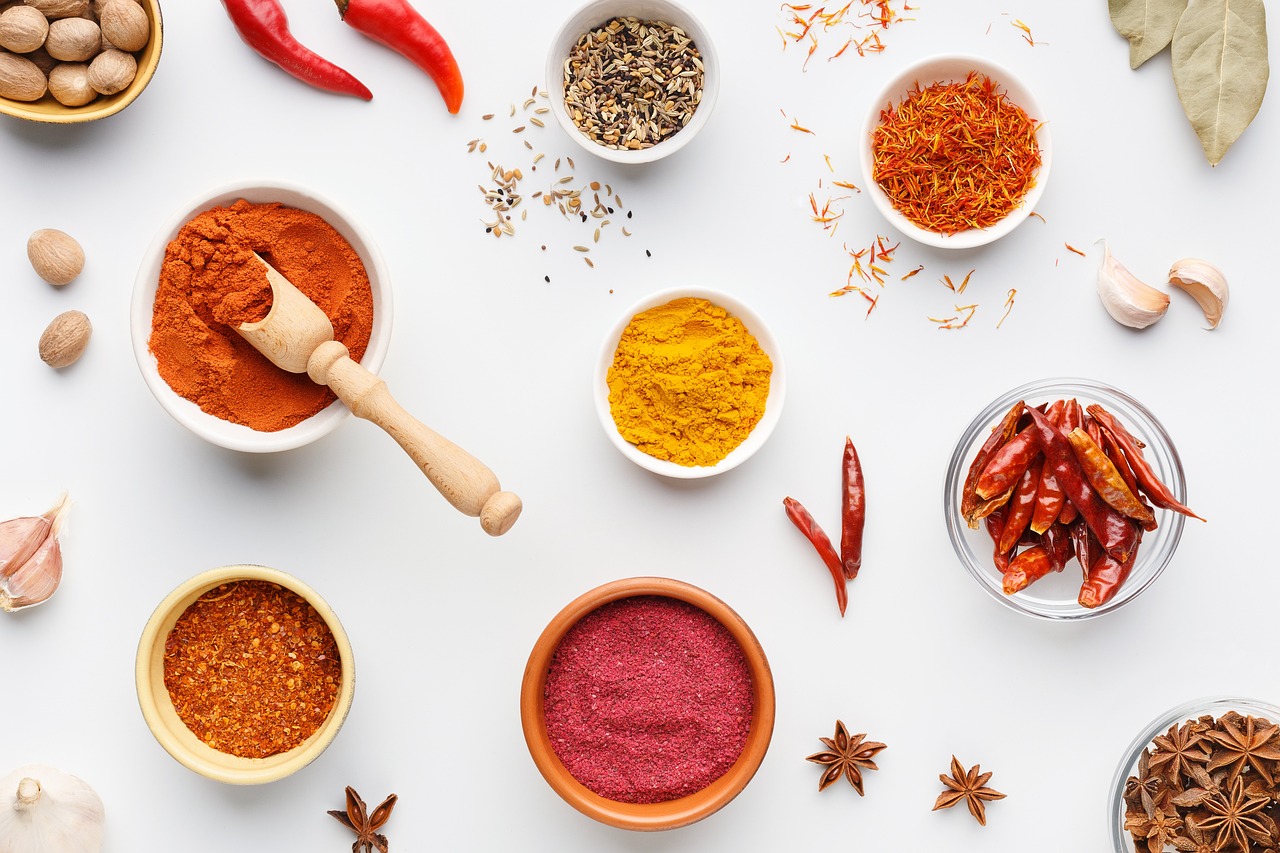
In the world of culinary artistry, mastering the skill of constructing flavour profiles using herbs, spices, and aromatic ingredients is akin to becoming a painter with a palette of diverse and vibrant colours. These building blocks become your canvas for culinary creativity, allowing you to paint rich and memorable taste experiences. In this section, we’ll delve into the techniques of building flavour profiles, unleashing your potential to craft culinary masterpieces.
The Art of Layering Aromatics
Aromatics, such as garlic, onions, and shallots, are the foundation upon which many flavour profiles are constructed. They bring depth, fragrance, and a rich base of flavour to your dishes. Consider the classic Mirepoix, a combination of onions, carrots, and celery, used in French cuisine to form the aromatic base for soups, stews, and sauces. Aromatics provide the canvas upon which the rest of your flavours will shine.
Herbs: Nature’s Flavour Enhancers
Herbs, both fresh and dried, are the brushstrokes of flavour in your culinary creations. They infuse dishes with a burst of freshness and a garden of nuanced tastes. Whether it’s the bright, zesty notes of basil in a Caprese salad or the earthy depth of rosemary in a roast chicken, herbs are the artistic accents that elevate your dishes from ordinary to extraordinary.
Spices: The Bold and the Subtle
Spices are the bold strokes of your culinary canvas, adding intensity, warmth, and intrigue to your flavour profiles. The deep, smoky allure of cumin in a pot of chilli, the fiery heat of red pepper flakes in a stir-fry, or the exotic, fragrant notes of cardamom in a curry—all these showcase the power of spices to transform ordinary ingredients into extraordinary creations.
Balancing Act and Creativity
Constructing flavour profiles is not just about adding ingredients; it’s a delicate balancing act. Just as a painter considers the harmony of colours on the canvas, a skilled chef or home cook must balance the intensity of spices with the subtlety of herbs and the depth of aromatics. A well-rounded flavour profile should have layers, with each element contributing to the overall composition.
Think of a classic Bolognese sauce, where the richness of ground meat is balanced by the brightness of tomatoes, the warmth of oregano, and the depth of sautéed onions and garlic. Achieving this balance requires both technical skill and creative intuition.
Unleash Your Culinary Creativity
As you master the art of constructing flavour profiles, you become the artist of your kitchen, wielding herbs, spices, and aromatics with confidence and flair. This mastery allows you to take any dish and turn it into a unique and personalised creation. Whether you’re crafting a comforting stew, an exotic curry, or a refreshing salad, these building blocks of flavour become your tools for culinary expression.
With your newfound knowledge and skills, your culinary creations will not only tantalise the taste buds but also leave a lasting impression, much like a masterpiece in an art gallery. You’re now equipped to paint your culinary journey with the vibrant and diverse colours of herbs, spices, and aromatics.

Ingredient Harmony
In the realm of culinary alchemy, learning the secrets of harmonious pairings is akin to discovering the philosopher’s stone. By understanding how proteins, vegetables, and starches complement each other, you unlock the power to craft memorable dishes that dance on the palate. In this section, we will unveil the art of balancing these fundamental elements, empowering you to create culinary masterpieces.
Proteins: The Heart of the Dish
Proteins, whether from animals, plants, or legumes, form the heart of many dishes. They provide the substance, the body, and often the focal point of a meal. Understanding how to pair proteins with other elements is a key aspect of creating a harmonious dish.
For example, in a classic beef stir-fry, the tender slices of beef are paired with crisp, colourful bell peppers and the umami-rich depth of soy sauce. The combination of textures and flavours creates a symphony of taste, with each element enhancing the other.
Vegetables: The Vibrant Orchestra
Vegetables are the vibrant orchestra in the culinary composition. They add colour, freshness, and a variety of tastes to the dish. The art of vegetable pairing involves selecting ingredients that not only complement the protein but also offer contrast and balance.
Consider a grilled salmon filet served with a medley of roasted root vegetables. The richness of the fish is balanced by the earthiness of the vegetables, creating a delightful interplay of flavours and textures.
Starches: The Solid Foundation
Starches, such as rice, pasta, and potatoes, provide the solid foundation upon which the other elements rest. They offer a comforting, filling quality that can be the glue that holds the dish together.
In a classic chicken and vegetable curry, the steamed jasmine rice serves as the perfect companion, soaking up the flavourful sauce and providing a neutral canvas for the bold tastes of the curry. This harmonious pairing ensures that each bite is a complete and satisfying experience.
Balancing Act and Culinary Creativity
Balancing these elements is a culinary art form. Just as a conductor harmonises different instruments in an orchestra, a skilled chef or home cook orchestrates proteins, vegetables, and starches to create a dish where no single element overshadows the others.
Moreover, this understanding empowers you to infuse your culinary creations with creativity and innovation. Whether you’re crafting a comforting one-pot stew, a vibrant salad, or a hearty pasta dish, the knowledge of how these components complement each other allows you to experiment and personalise your culinary journey.
Crafting Memorable Dishes
With the secrets of harmonious pairings at your fingertips, you can craft dishes that linger in the memory and satisfy the senses. Each element—proteins, vegetables, and starches—plays a role in the symphony of taste, with the result being a culinary masterpiece that leaves a lasting impression.
By mastering the art of balancing these fundamental components, you become the conductor of your culinary orchestra, creating dishes that are both delightful and unforgettable.
Surprise and Delight
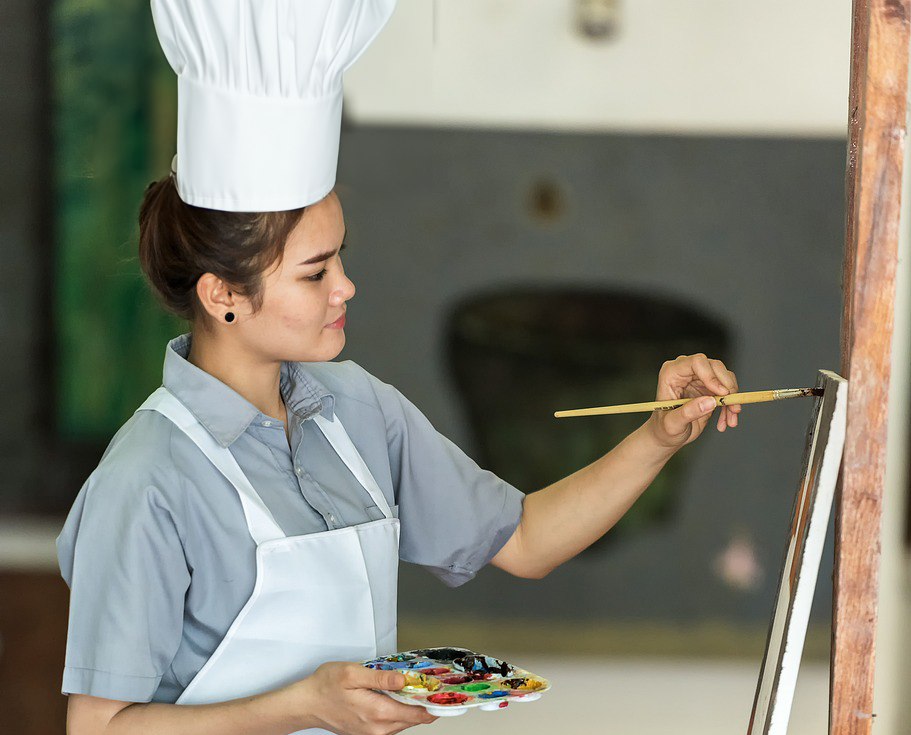
In the realm of culinary arts, innovation knows no bounds, and the kitchen is your canvas for experimentation. Embracing creativity and surprising your taste buds with unexpected flavour combinations can lead to extraordinary culinary experiences. In this section, we will delve into the world of culinary innovation, where the rules are meant to be bent, and the results can be truly remarkable.
Breaking the Mold
Cooking is both an art and a science, and sometimes, the most exciting breakthroughs happen when you break free from tradition. Think of it as an artist experimenting with new techniques, pushing the boundaries of what’s possible. In the culinary world, this means thinking beyond established flavour pairings and creating something entirely new.
Unexpected Flavour Combinations
The magic of culinary innovation lies in the pairing of flavours that, at first glance, might seem unlikely. It’s the thrill of discovering that two ingredients, when combined, create a symphony of tastes that you’ve never experienced before. For example, the fusion of sweet, juicy watermelon with the salty, tangy bite of feta cheese can be a revelation for your taste buds.
Texture Play
Innovation also extends to texture. Just as an artist can experiment with different brushstrokes, a chef can play with the textures of ingredients. Crispy bacon paired with creamy avocado is a prime example of how contrasting textures can elevate a dish. The crunchiness of bacon contrasts with the smoothness of avocado, creating an exciting mouthfeel.
Cultural Crossroads
Culinary innovation often occurs at the crossroads of cultures. It’s where ingredients and techniques from different parts of the world meet, resulting in a beautiful fusion of flavours. The popular dish, sushi burrito, is a prime example of this, bringing together the traditions of Japanese sushi and the convenience of a handheld burrito.
The Joy of Surprises
Experimentation in the kitchen can be a delightful journey of surprises. It’s about playfulness and curiosity, where you never quite know what to expect. Sometimes, the most unexpected pairings become your signature dishes, and the culinary world gains a new recipe.
Unleashing Your Inner Creative Chef
As you embrace experimentation and dive into the world of culinary innovation, you become the creative chef of your kitchen. You have the opportunity to surprise and delight not only your own taste buds but those of others who gather around your table.
Remember, creativity in the kitchen is an ever-evolving journey. It’s about fearlessly combining ingredients, breaking away from the expected, and letting your palate be your guide. The results can be astonishing, and you may just uncover a culinary gem that becomes a cherished part of your repertoire.
Conclusion
Culinary innovation is an exciting adventure, a journey of taste and discovery. It’s the opportunity to create dishes that challenge convention, surprise your taste buds, and bring joy to the table. As you continue to experiment and push the boundaries of what’s possible, you’ll find that the world of flavours is limitless, and the kitchen is your playground for culinary creativity.
Practical Applications
Flavour Pairing in Action
With your newfound knowledge of flavour pairing principles, it’s time to roll up your sleeves, step into the kitchen, and embark on a flavourful adventure. In this section, we will guide you through a step-by-step journey, transforming theory into practice, and creating a delicious dish that showcases the art of flavour pairing.
Selecting Your Ingredients
The foundation of any culinary creation is the selection of quality ingredients. Begin by choosing a protein, whether it’s a succulent cut of meat, a delicate fish fillet, or a plant-based alternative. Consider the accompanying vegetables and starches, aiming for a balance of colours, textures, and flavours. The harmonious trio of proteins, vegetables, and starches will be the canvas for your masterpiece.
Exploring Complementary Flavors
As you decide on your main ingredients, keep in mind the complementary flavours that will enhance your dish. For instance, if you’ve chosen a piece of salmon as your protein, think about the herbs, spices, and aromatics that will accentuate its natural richness. Fresh dill, lemon zest, and a touch of garlic could be your chosen allies.
Layering Flavors with Finesse
Remember the art of layering flavours, which we’ve explored earlier. Consider how you’ll layer the ingredients to create a multi-dimensional experience. Start by searing your protein to develop a flavourful crust. Then, sauté your vegetables to perfection, infusing them with the essence of your chosen herbs and spices.
Balancing Textures and Tastes
Balancing textures and tastes is another crucial aspect of your culinary journey. If your dish contains a tender, flaky protein, think about introducing a contrasting element, such as a crisp and vibrant salad on the side. The juxtaposition of textures and tastes will make each bite a delight for the senses.
Constructing a Harmonious Plate
As you bring your ingredients together, envision your final presentation. The artistry of plating is as important as the taste itself. Arrange your protein, vegetables, and starches with care, ensuring that the colours and textures harmonise. Drizzle a complementary sauce or reduction to tie everything together.
The Moment of Revelation
Finally, the moment of revelation arrives. It’s time to savour the fruits of your labor. Take a bite and let your taste buds guide you through the symphony of flavours you’ve crafted. Does the balance of tastes and textures resonate with your senses? Is there a surprise element that adds an unexpected twist? If it doesn’t quite work then adjust it, trust your eyes, your nose and especially your pallet. If you love it your diners will as well.
Conclusion
As you put your newfound knowledge to the test and create a dish using flavour pairing principles, you transform theory into culinary artistry. This step-by-step guide has shown you how to select ingredients, explore complementary flavours, layer tastes with finesse, balance textures and tastes, and construct a harmonious plate. Your journey from theory to practice is a testament to your passion for the culinary arts, and it’s an experience that can be savoured not only by you but also by those fortunate enough to share your table.
Recipes to Inspire
Culinary exploration is a journey that thrives on inspiration, and what better way to ignite your culinary imagination than by diving into a handpicked collection of tried-and-tested recipes? In this section, we present a selection of culinary creations that are sure to pique your curiosity, tantalise your taste buds, and provide a launching pad for your own flavourful adventures.
- Classic Spaghetti Bolognese: A comforting Italian staple with rich, meaty sauce and al dente pasta.
- Lemon Herb Roasted Chicken: Succulent roast chicken infused with the bright flavours of lemon and fresh herbs.
- Vegetable Stir-Fry with Tofu: A vibrant and healthy stir-fry featuring a medley of crisp vegetables and tofu.
- Creamy Tomato Basil Soup: A velvety soup that marries the sweetness of tomatoes with the fragrant notes of basil.
- Beef Tacos with Homemade Salsa: Flavour-packed tacos with seasoned beef and a zesty, homemade salsa.
- Mango Sticky Rice: A delightful Thai dessert featuring sweet, ripe mangoes and glutinous rice.
- Mushroom Risotto: A creamy and earthy risotto, showcasing the flavors of sautéed mushrooms.
- Chicken Tikka Masala: An Indian classic with tender, marinated chicken in a rich, spiced tomato sauce.
- Lemon Blueberry Cheesecake: A decadent cheesecake with the zing of lemon and the sweetness of blueberries.
- Sushi Rolls with Wasabi and Soy Sauce: A step-by-step guide to creating your own sushi rolls at home.
Discovering the recipes for these delectable dishes is as easy as a quick online search, and you’ll find numerous variations of each. The key is to have confidence in your culinary instincts and embrace the freedom to modify the recipes, transforming them into your own signature creations.
Conclusion
Our culinary journey through the art of flavour pairing has unveiled the secrets of crafting unforgettable dishes. Remember, the joy of cooking lies in your hands, and by mastering this art, you have the power to turn every meal into a delightful adventure.
We invite you to share your flavour pairing experiments in the comments and join our community of culinary enthusiasts. Explore more articles on our blog to further enhance your cooking skills and elevate your gastronomic adventures.