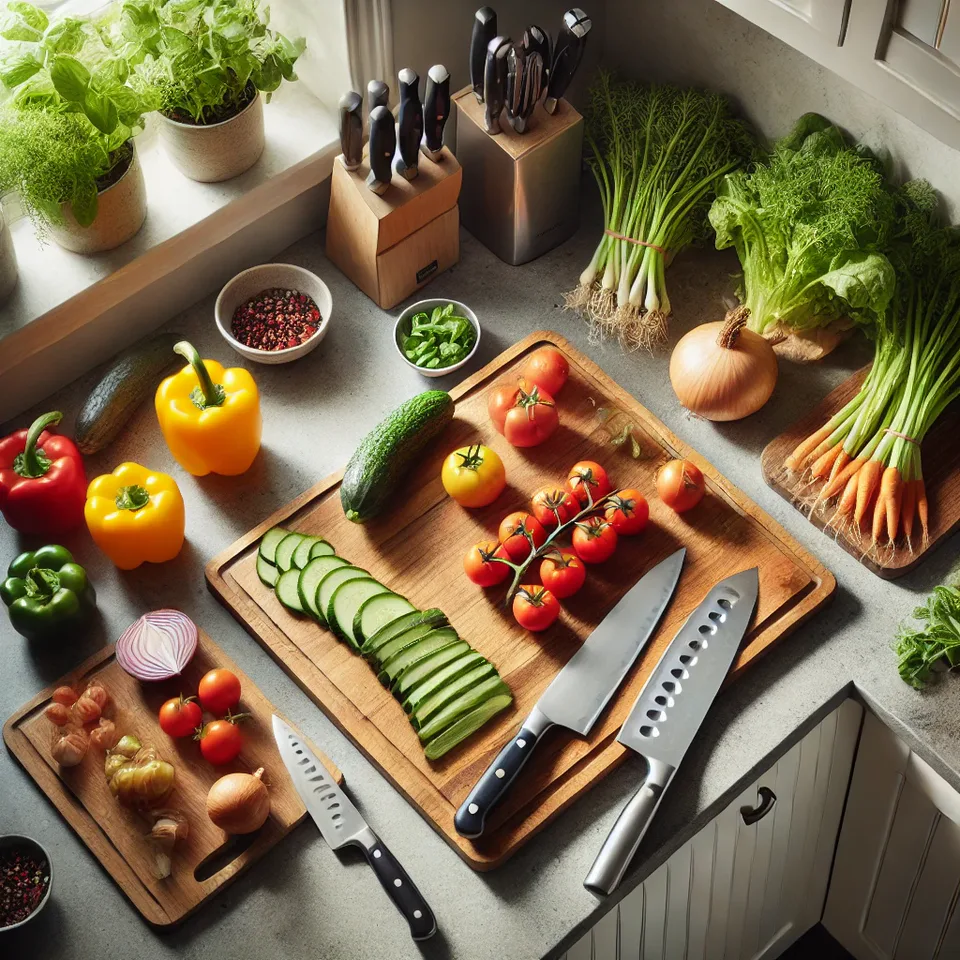
Whether you’re a beginner or a seasoned cook, mastering essential kitchen skills can elevate your culinary game and make your time in the kitchen more enjoyable. From knife techniques to understanding basic cooking methods, these skills form the foundation of successful cooking. In this post, we’ll explore key kitchen skills that every home cook should master, helping you build confidence and efficiency in the kitchen.
1. Knife Skills: The Cornerstone of Cooking
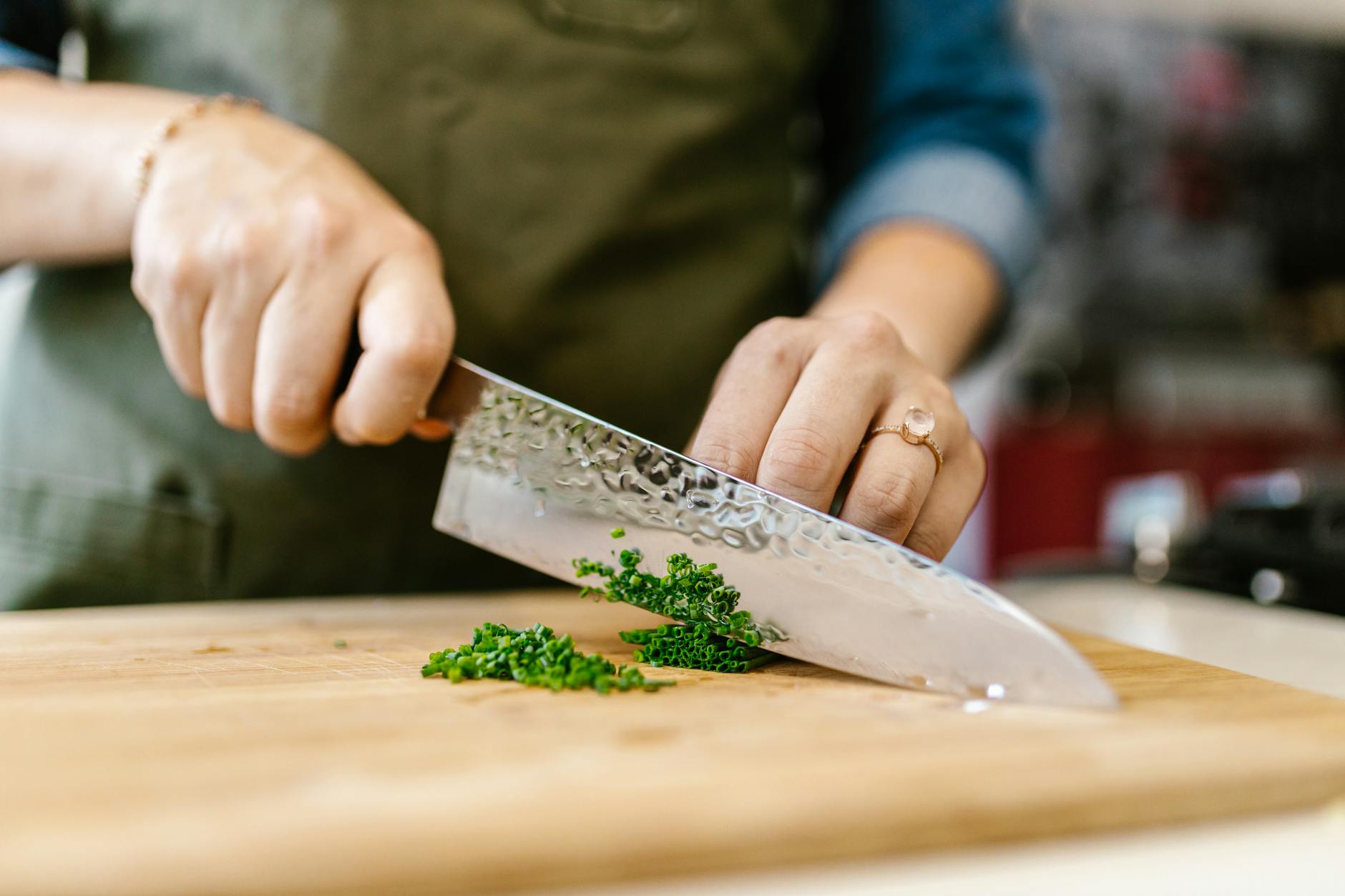
Why It Matters: Proper knife skills are crucial for efficiency, safety, and presentation. Whether you’re chopping vegetables or slicing meat, knowing how to use your knife effectively can save time and enhance the appearance of your dishes.
Key Techniques:
• The Pinch Grip: Hold the knife with your thumb and forefinger gripping the blade and the rest of your fingers wrapped around the handle. This gives you better control and stability.
• The Rocking Motion: Use a gentle rocking motion when chopping, keeping the tip of the knife on the cutting board and moving the blade up and down in a smooth, controlled manner.
• Uniform Cuts: Practice cutting ingredients into uniform sizes, which ensures even cooking and improves the overall texture and appearance of your dishes.
Pro Tip: Start by mastering basic cuts like dice, julienne, and chiffonade. With practice, you’ll gain speed and confidence.
For a deeper dive, check out our detailed post Mastering Knife Skills: Your Essential Guide
2. Mastering Basic Cooking Methods
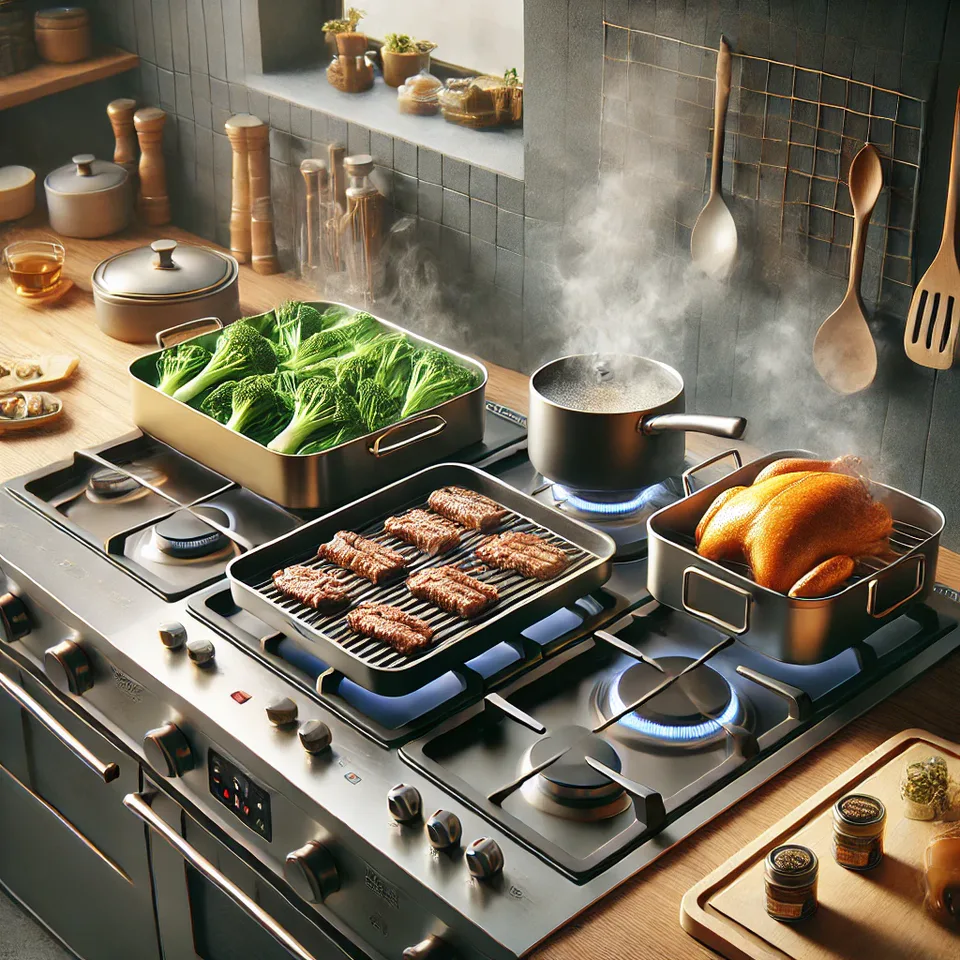
Why It Matters: Understanding different cooking methods is essential for creating a variety of dishes. Knowing when to sauté, roast, or steam can greatly influence the flavor, texture, and nutritional value of your meals.
Key Methods:
• Sautéing: This quick cooking method uses high heat and a small amount of fat to cook food rapidly, preserving flavor and texture. Ideal for vegetables, meats, and seafood.
• Roasting: Roasting involves cooking food in an oven at high heat, which caramelizes the surface and enhances the flavor. Perfect for meats, root vegetables, and even fruits.
• Steaming: A gentle cooking method that preserves nutrients and flavors, steaming is ideal for delicate foods like fish, vegetables, and dumplings.
Pro Tip: Practice each method with simple recipes, then experiment with combining techniques to create more complex dishes.
3. Understanding Flavour Pairings and Seasoning
Why It Matters: The ability to balance flavors and seasonings can take your cooking from average to extraordinary. Understanding which flavors complement each other helps you create well-rounded and delicious dishes.
Key Concepts:
• Salt and Acid: A pinch of salt can enhance the flavor of almost any dish, while a splash of acid (like lemon juice or vinegar) can brighten and balance rich or heavy flavors.
• Herbs and Spices: Learn the basics of using herbs and spices to build layers of flavor. For example, basil pairs well with tomatoes, while cumin adds warmth to soups and stews.
• Taste as You Go: Regularly taste your food as you cook, adjusting seasonings gradually to achieve the perfect balance.
Pro Tip: Keep a list of classic flavour pairings handy, and don’t be afraid to experiment with new combinations.
For a deeper dive, check out our detailed post Mastering the Art of Flavour Pairing: A Culinary Journey

4. Efficient Meal Prep and Organisation
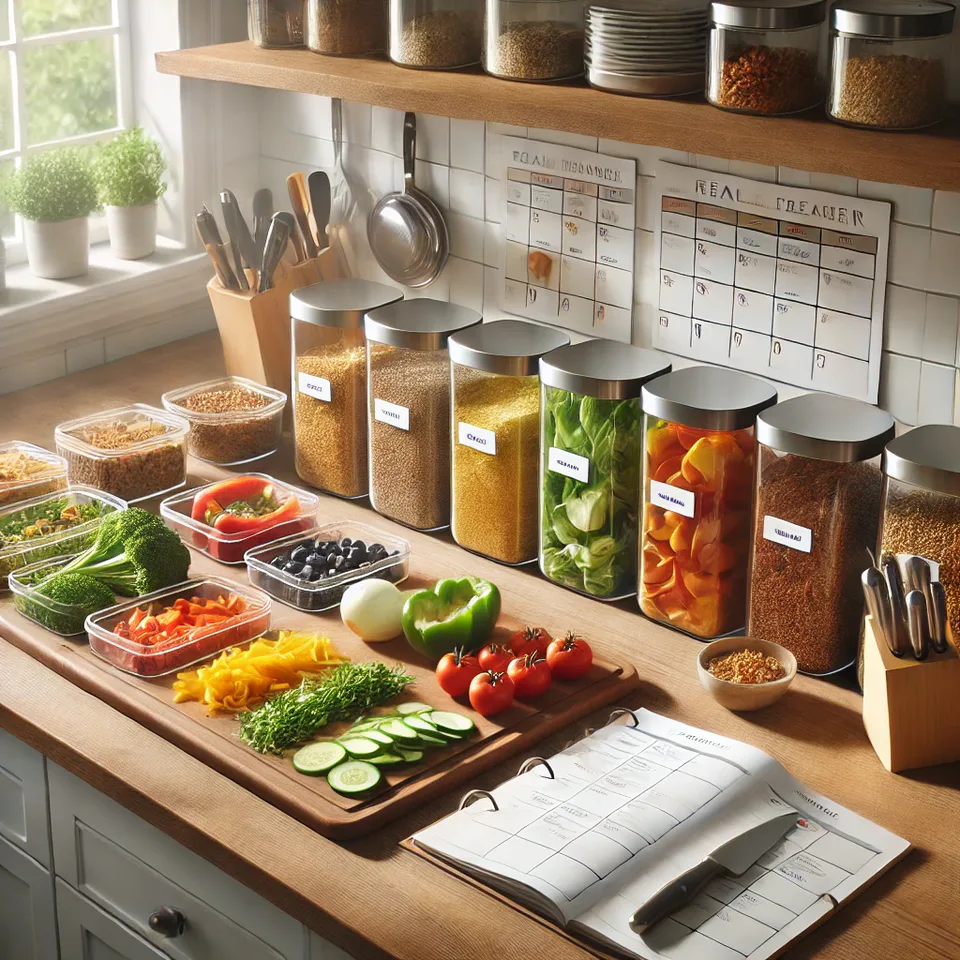
Why It Matters: Good organization and meal prep can save you time and reduce stress in the kitchen. Having everything ready to go before you start cooking ensures a smooth cooking process and helps you avoid mistakes.
Key Strategies:
• Mise en Place: This French term means “everything in its place.” Before you start cooking, prep all your ingredients and arrange them in the order they’ll be used.
• Batch Cooking: Prepare larger quantities of basic ingredients (like grains, proteins, or vegetables) at the start of the week, then mix and match them to create different meals throughout the week.
• Efficient Cleanup: Keep a “garbage bowl” on your counter to collect scraps as you prep, and clean as you go to minimize mess and save time.
Pro Tip: Invest in a set of quality storage containers to keep prepped ingredients fresh and easily accessible.
5. Proper Use and Care of Kitchen Tools
Why It Matters: Knowing how to properly use and care for your kitchen tools extends their lifespan and ensures they perform effectively. This includes everything from knives and cutting boards to pots and pans.
Key Tips:
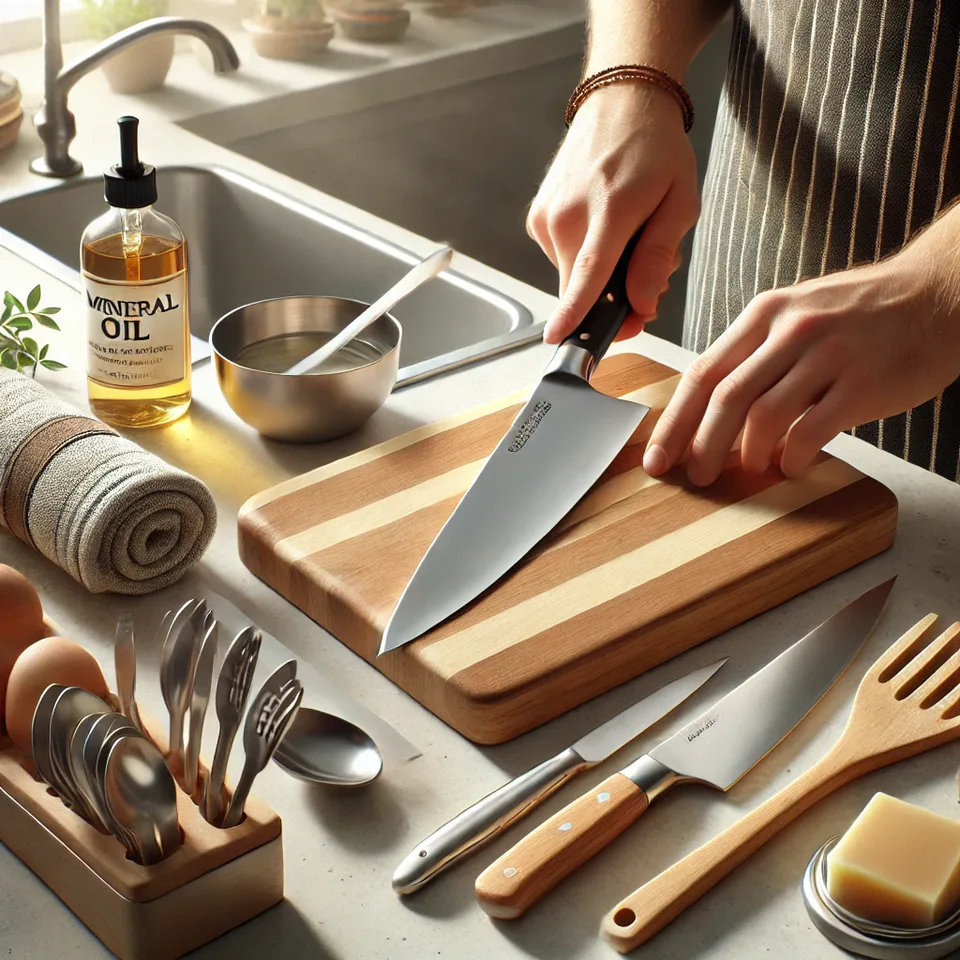
• Knife Care: Regularly hone your knives to keep the edge sharp, and have them professionally sharpened when necessary or check out our detailed post Mastering Knife Skills: Your Essential Guide. Always hand wash and dry your knives to prevent damage.
• Non-Stick Pans: Use non-metal utensils on non-stick pans to avoid scratching the surface, and avoid cooking on high heat, which can damage the coating.
• Wooden Utensils and Cutting Boards: Hand wash and dry immediately after use to prevent cracking. Occasionally, rub with mineral oil to maintain the wood’s condition.
Pro Tip: Organise your kitchen so that your most frequently used tools are easily accessible, which will streamline your cooking process.
Conclusion: Building Your Culinary Confidence
Mastering these essential kitchen skills will not only make you a more confident cook but also open up a world of culinary possibilities. With practice, these techniques will become second nature, allowing you to cook with greater ease and creativity. Whether you’re preparing a simple weeknight dinner or an elaborate feast, these foundational skills will ensure your dishes are consistently delicious and beautifully presented.
So, grab your apron, sharpen your knives, and start practicing these essential kitchen skills. Your journey to culinary mastery begins now!