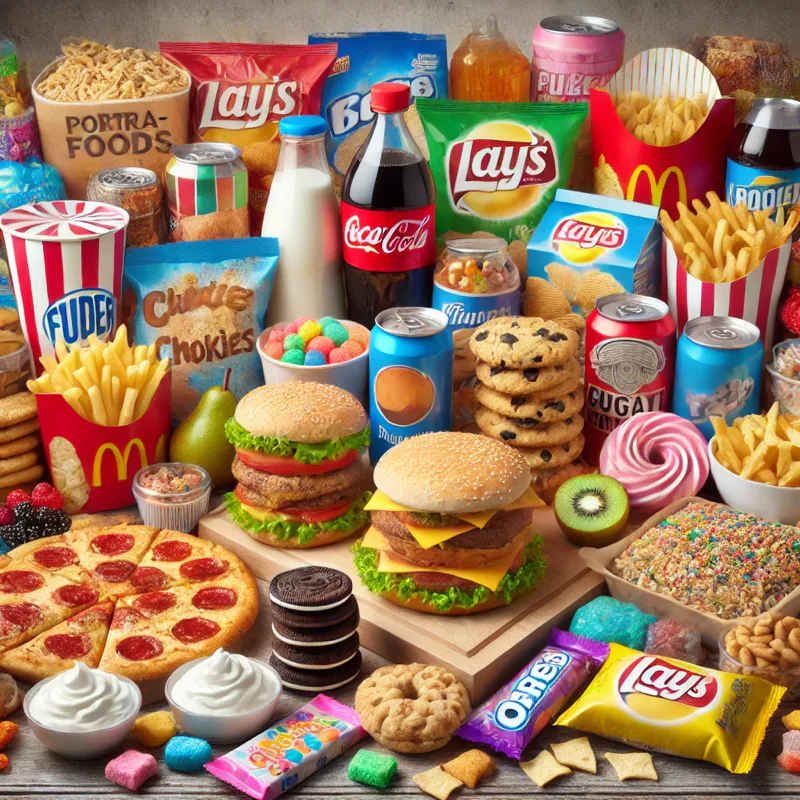
In a world where convenience reigns supreme, ultra-processed foods have become a staple in many diets. From ready-made meals to snack bars and sugary drinks, these items are designed for quick consumption and long shelf life. But at what cost to our health? A recent article by Healthline sheds light on the alarming link between ultra-processed foods and a host of health concerns, including obesity and metabolic disorders.
What Are Ultra-Processed Foods?
Ultra-processed foods are not just about convenience; they are highly engineered products designed to maximize flavor and shelf life while minimizing cost. These foods undergo multiple industrial processes that strip away natural nutrients and replace them with artificial additives. Preservatives extend their shelf life, artificial flavours enhance taste, stabilisers improve texture, and emulsifiers create a uniform consistency. While this combination makes these products appealing and easy to consume, it also introduces a host of potentially harmful substances into our diets.
Examples of ultra-processed foods include frozen pizzas, which are loaded with refined flours, unhealthy fats, and excess sodium to mimic homemade flavours without the effort. Instant noodles, though quick to prepare, often contain flavour packets with high levels of sodium and monosodium glutamate (MSG). Packaged cookies and snacks are usually high in added sugars and trans fats to ensure they taste irresistibly good while remaining shelf-stable. Soda, another common ultra-processed item, is a sugar-laden beverage filled with artificial sweeteners or high-fructose corn syrup, offering no nutritional value and contributing to a range of health problems like obesity and tooth decay.
While their convenience and taste make them tempting options, the health costs are significant. Regular consumption of ultra-processed foods has been linked to a variety of issues, including weight gain, metabolic disturbances, and an increased risk of chronic diseases. This highlights the importance of recognising these foods for what they are—not just quick fixes for hunger, but potentially harmful choices for long-term health.
The Health Risks
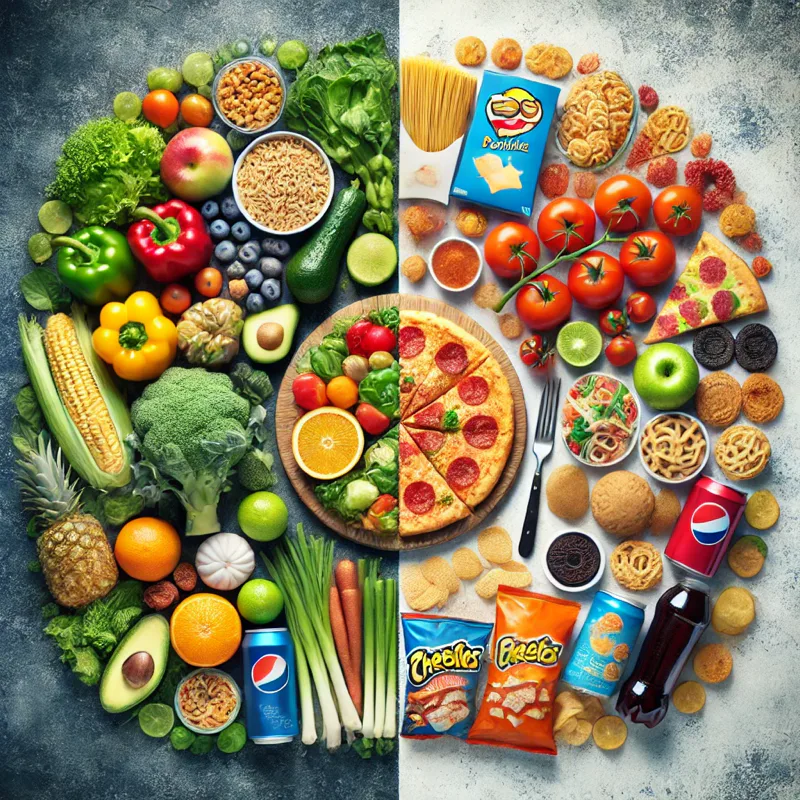
Emerging research has brought to light the concerning health risks tied to the frequent consumption of ultra-processed foods, underscoring the need for greater awareness and dietary changes. These risks extend beyond weight gain, delving into serious long-term health consequences:
Obesity
Ultra-processed foods are often calorie-dense yet nutrient-poor, making them a significant contributor to obesity. Loaded with added sugars, unhealthy fats, and refined carbohydrates, they are designed to be highly palatable, encouraging overconsumption. These foods often bypass natural hunger signals, leading to overeating. Coupled with their lack of fiber, they fail to promote satiety, making it easy to consume excessive amounts without realizing the calorie impact.
Metabolic Disorders
The connection between ultra-processed foods and metabolic health issues is well-documented. These foods often cause rapid spikes in blood sugar levels due to their high glycemic index. Over time, this can contribute to insulin resistance, a precursor to type 2 diabetes. The combination of added sugars and unhealthy fats also leads to higher cholesterol levels, increasing the risk of conditions like non-alcoholic fatty liver disease. Studies have shown that people with diets high in ultra-processed foods are more likely to develop metabolic syndrome, a cluster of risk factors that significantly heighten the likelihood of cardiovascular diseases and diabetes.
Heart Health
The high sodium content in ultra-processed foods plays a major role in raising blood pressure, a key factor in hypertension and heart disease. Trans fats, often found in baked goods, fried snacks, and margarine, increase LDL (bad cholesterol) while lowering HDL (good cholesterol), a dangerous combination for heart health. Frequent consumption of these fats contributes to plaque buildup in arteries, a leading cause of heart attacks and strokes.
A Comprehensive Concern
The pervasive nature of ultra-processed foods in modern diets magnifies their impact on public health. Their addictive qualities, affordability, and convenience make them a staple for many, yet they are a silent driver of chronic disease epidemics. Understanding these risks is critical to making informed dietary choices, highlighting the need for balanced nutrition that prioritizes whole, minimally processed foods.

The Convenience Trap
Why do we gravitate toward ultra-processed foods despite the well-documented risks? The answer lies in a combination of factors that make these products highly appealing and deeply entrenched in modern lifestyles:
Accessibility
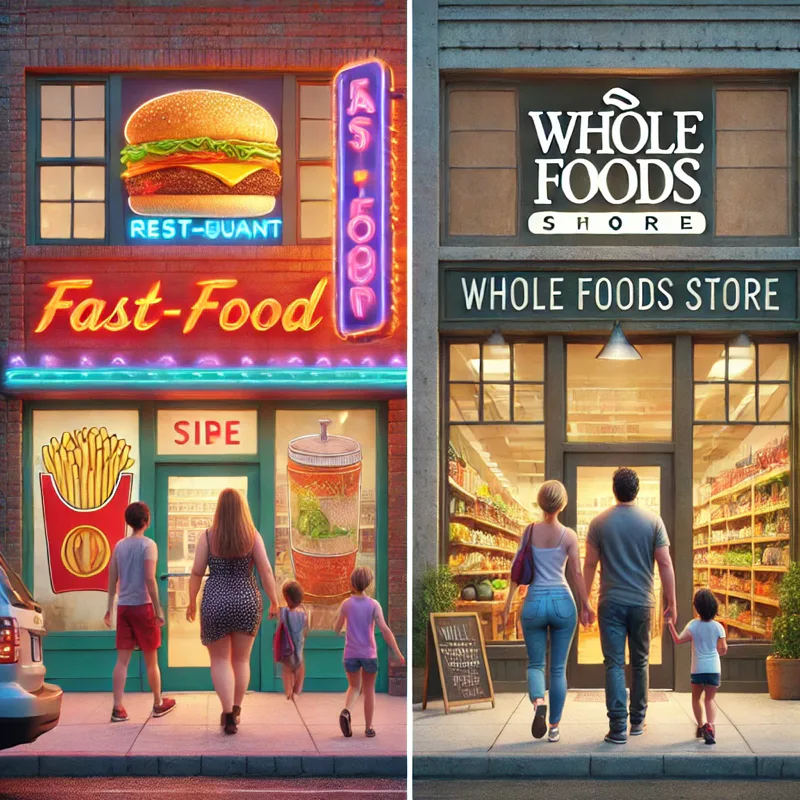
Ultra-processed foods are ubiquitous. They’re available in virtually every corner of our lives—grocery store aisles lined with chips, cookies, and soda; vending machines stocked with candy bars and energy drinks; and gas station convenience stores brimming with packaged snacks and fast-food options. Their constant presence makes them an easy and convenient choice, especially for people with busy schedules who need something quick and portable.
Affordability
For many, the cost of fresh, whole foods can be prohibitive. Ultra-processed foods are often cheaper to produce and purchase, thanks to subsidized ingredients like corn, wheat, and soy. This cost advantage makes them a go-to for budget-conscious consumers, particularly those living in areas where fresh produce and healthier options are either unavailable or significantly more expensive. The affordability of these items makes them particularly appealing to low-income households, creating a cycle where financial constraints push consumers toward less nutritious but more affordable options.
Marketing
The food industry spends billions annually on advertising ultra-processed products, positioning them as not only delicious but also indispensable. Clever marketing strategies target various demographics, from busy parents needing a quick dinner solution to children captivated by colorful packaging and cartoon mascots. Slogans emphasize speed, convenience, and indulgence, portraying these foods as solutions for modern, hectic lifestyles. Moreover, the emotional appeal—comfort, nostalgia, or reward—often overrides logical concerns about health risks.
Other Influences
• Taste Engineering: Ultra-processed foods are scientifically designed to hit the “bliss point,” a perfect balance of sugar, salt, and fat that makes them irresistibly satisfying and even addictive.
• Social Norms: They are often integral to social gatherings, celebrations, and cultural traditions, normalizing their consumption despite health consequences.
Despite the convenience, cost, and appeal, the long-term risks of relying on ultra-processed foods—ranging from chronic diseases to diminished quality of life—far outweigh the short-term benefits. Recognising the factors driving these choices is the first step in making healthier, more informed decisions.
Making Healthier Choices
Transitioning to a healthier diet doesn’t require an all-or-nothing approach. Small, intentional changes made consistently can lead to significant improvements in overall health and well-being. Here’s how you can start:
1. Choose Whole Foods
The foundation of a nutritious diet lies in incorporating fresh, whole foods like fruits, vegetables, whole grains, and lean proteins. These foods are packed with essential nutrients, fiber, and antioxidants that promote long-term health.
• Fruits and Vegetables: Aim to “eat the rainbow” by including a variety of colorful produce in your meals. Each color represents different vitamins and minerals that support various bodily functions.
• Whole Grains: Opt for brown rice, quinoa, oats, or whole-grain bread over refined grains to boost your fiber intake and maintain steady energy levels.
• Lean Proteins: Include options like chicken, fish, eggs, beans, and tofu, which are essential for muscle repair and immune health.
2. Read Labels
Understanding what’s in your food is key to making informed decisions. Ultra-processed foods often have long ingredient lists filled with additives, preservatives, and artificial flavors.
• Look for Simplicity: Choose products with minimal ingredients, ideally ones you recognize and can pronounce.
• Watch Out for Hidden Sugars: Be aware of terms like fructose, corn syrup, and dextrose, which indicate added sugars.
• Mind the Sodium: High levels of sodium in processed foods can contribute to hypertension, so look for low-sodium options when possible.
3. Plan Meals
Meal planning is a game-changer when it comes to reducing reliance on ultra-processed foods. With a little preparation, you can set yourself up for success:
• Batch Cooking: Prepare meals in advance to have healthy options readily available during busy days. For example, cook a big pot of soup or stew and portion it out for the week.
• Smart Snacking: Keep healthy snacks like nuts, yogurt, or cut-up veggies on hand to avoid reaching for processed alternatives.
• Set a Routine: Plan your grocery shopping and cooking schedule to stay consistent. Having a routine minimizes the chances of resorting to convenience foods.
The Bottom Line
Adopting healthier eating habits doesn’t mean giving up convenience entirely—it’s about making mindful choices that prioritize whole, minimally processed foods. With a bit of effort and consistency, you can shift your diet toward nourishing, satisfying options that benefit your body and mind. Start small, and remember, each step toward healthier eating is a step toward a better quality of life.

A Broader Perspective
This issue of ultra-processed food consumption extends far beyond individual decision-making. While personal choices are important, the broader food environment and societal structures heavily influence those decisions. Addressing this challenge requires a multi-faceted approach involving policy changes, community initiatives, and corporate responsibility.
Policy Interventions
Governments and public health organizations can play a pivotal role in reshaping food systems to prioritize health:
• Healthier Food Environments: Encouraging the availability of affordable, nutrient-dense options in grocery stores, schools, and public institutions can reduce reliance on ultra-processed foods. Policies could include incentives for retailers to stock fresh produce or subsidies for local farmers to make healthier foods more accessible.
• Clearer Labeling: Transparent and standardised food labelling can empower consumers to make informed choices. Highlighting sugar, fat, and sodium content on packaging with easy-to-understand formats, such as traffic-light systems or warning icons, can help consumers quickly assess nutritional value.
• Nutrition Education Campaigns: Widespread campaigns aimed at educating the public about the health risks of ultra-processed foods and the benefits of whole foods can help shift behaviors. These initiatives could be incorporated into schools, workplaces, and community programs.
The Role of Employers
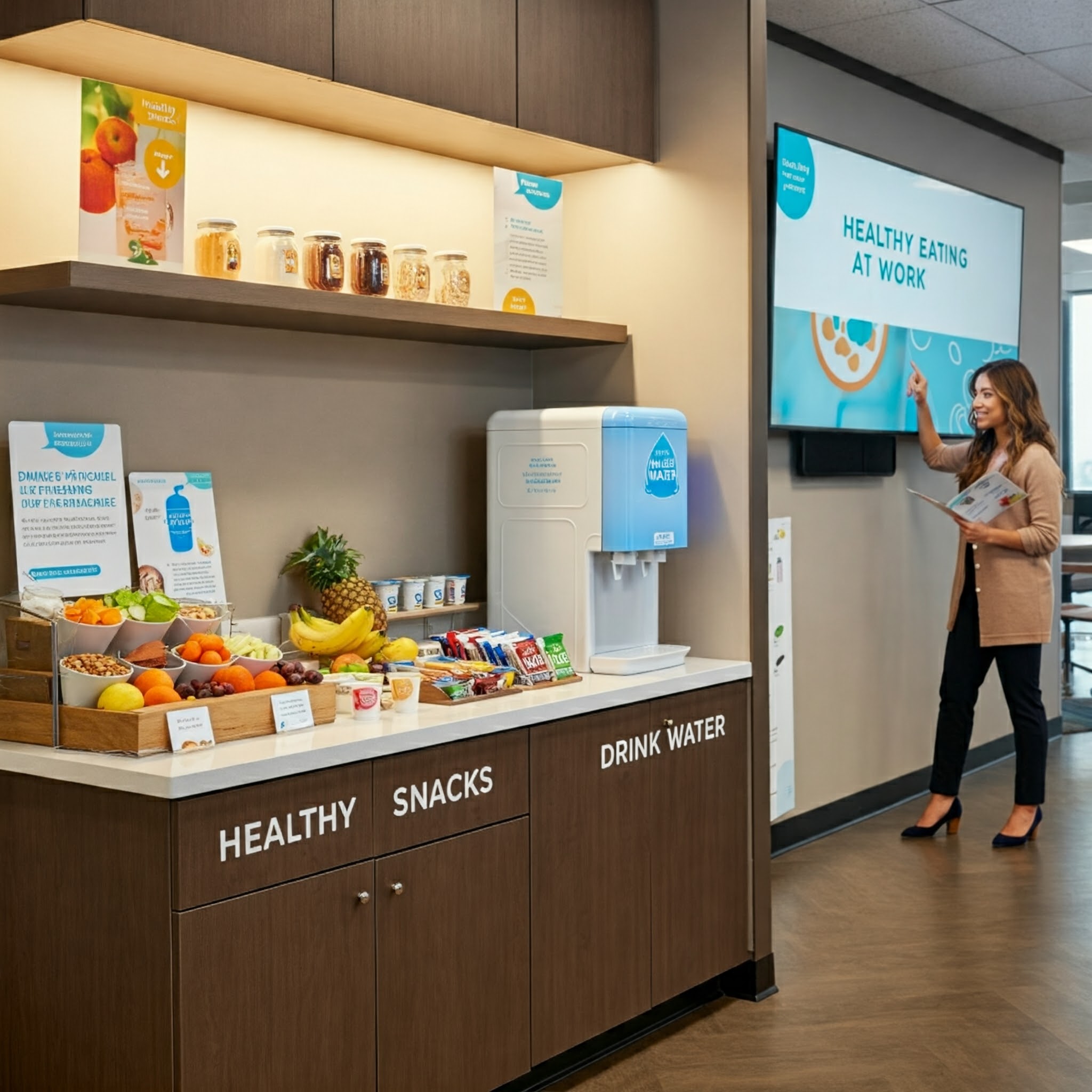
Workplaces are another critical arena for addressing this issue. With many employees spending a significant portion of their day at work, employers can influence dietary habits in meaningful ways:
• Workplace Wellness Programs: These programs can include educational seminars, health challenges, and incentives for adopting healthier habits, creating a supportive environment for positive change.
• Healthy Snack Alternatives: Employers can replace vending machine staples like chips and candy with options like nuts, dried fruits, and granola bars. Cafeterias can also prioritise offering fresh, wholesome meals instead of fast-food-style options.
• Flexible Policies: Providing longer lunch breaks or meal prep spaces can encourage employees to bring nutritious, home-cooked meals rather than relying on fast food.
A Collaborative Effort
Ultimately, combating the rise of ultra-processed food consumption requires collaboration across all sectors of society. Governments, businesses, schools, and communities must work together to create an environment that supports healthier choices, making it easier for individuals to prioritise their well-being. By addressing the structural barriers to healthy eating, we can shift societal norms and reduce the prevalence of diet-related diseases for future generations.
The Bottom Line
While ultra-processed foods may save time, they can take a significant toll on our health over time. Awareness is the first step toward change. By making mindful choices and advocating for healthier food systems, we can protect our health and the well-being of future generations.
What steps are you taking to reduce ultra-processed foods in your diet? Share your tips and insights below!