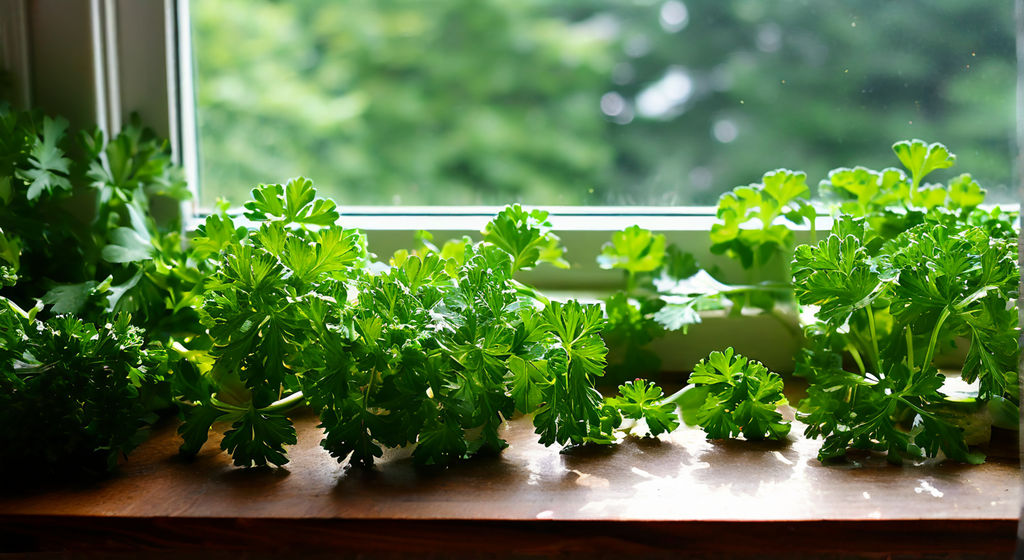
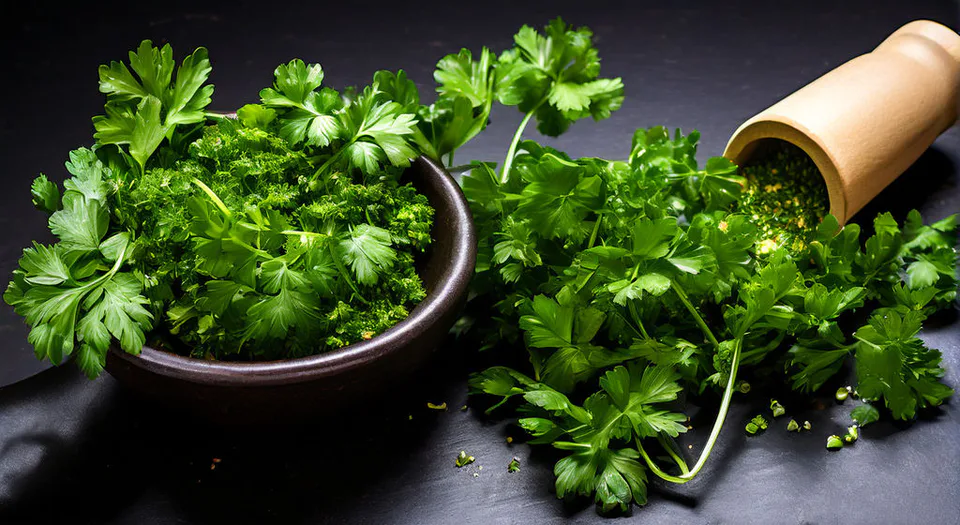
Flat-leaf parsley, also known as Italian parsley, is a culinary powerhouse boasting a vibrant, peppery flavour that adds depth and freshness to a wide range of dishes. Beyond its culinary uses, this biennial herb is packed with nutrients, including vitamins A and C, making it a healthy addition to your diet. Whether you’re sprinkling it over a finished dish as a garnish, incorporating it into sauces and marinades, or using it as a key ingredient in salads and tabbouleh, flat-leaf parsley’s versatility makes it a must-have in any kitchen.
Origin and History
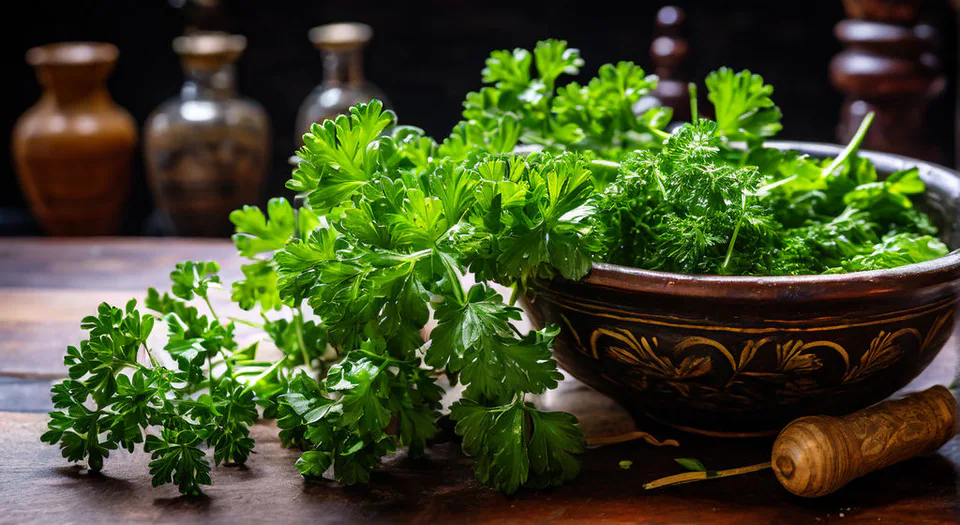
Originating in the sun-drenched landscapes of the Mediterranean, flat-leaf parsley has a rich history dating back over two millennia. The ancient Greeks and Romans, renowned for their appreciation of fine food and medicine, were early champions of this versatile herb.
Not merely a garnish or afterthought, parsley held a place of honour in their kitchens and apothecaries. Its fresh, vibrant flavor enhanced a wide array of dishes, while its reputed medicinal properties made it a sought-after remedy for various ailments.
From the grand banquets of the Roman elite to the humble tables of Greek peasants, parsley graced countless meals, its delicate leaves adding both taste and visual appeal. Beyond its culinary uses, it was also believed to possess healing powers, used to treat everything from digestive issues to bad breath. This early recognition of parsley’s value laid the foundation for its enduring popularity in cuisines and traditional medicine around the world.
During the Middle Ages, parsley continued to be widely used, often grown in monastery gardens for both culinary and medicinal purposes. Its popularity spread throughout Europe and eventually reached other parts of the world.
Today, flat-leaf parsley is a staple ingredient in countless cuisines, celebrated for its fresh, vibrant flavour and versatility. It can be found in everything from Middle Eastern tabbouleh and Italian gremolata to French persillade and South American chimichurri. This enduring herb has truly stood the test of time, remaining a beloved and essential ingredient in kitchens worldwide.
How to Grow Flat-Leaf Parsley
Flat-leaf parsley is a gardener’s dream come true, celebrated for its remarkable resilience and adaptability. It thrives in a wide range of growing conditions, making it a perfect choice for both seasoned green thumbs and novice gardeners alike. Whether you have a sprawling garden or a cozy balcony, this versatile herb can flourish and bring a burst of flavour to your culinary creations.
In the garden, parsley thrives in both full sun and partial shade, making it a versatile addition to various landscape designs. It prefers well-draining soil rich in organic matter, ensuring healthy root development and lush foliage. Whether you’re tucking it into a raised bed, interplanting it with vegetables, or adding it to a decorative herb garden, parsley’s vibrant green leaves will brighten any space.
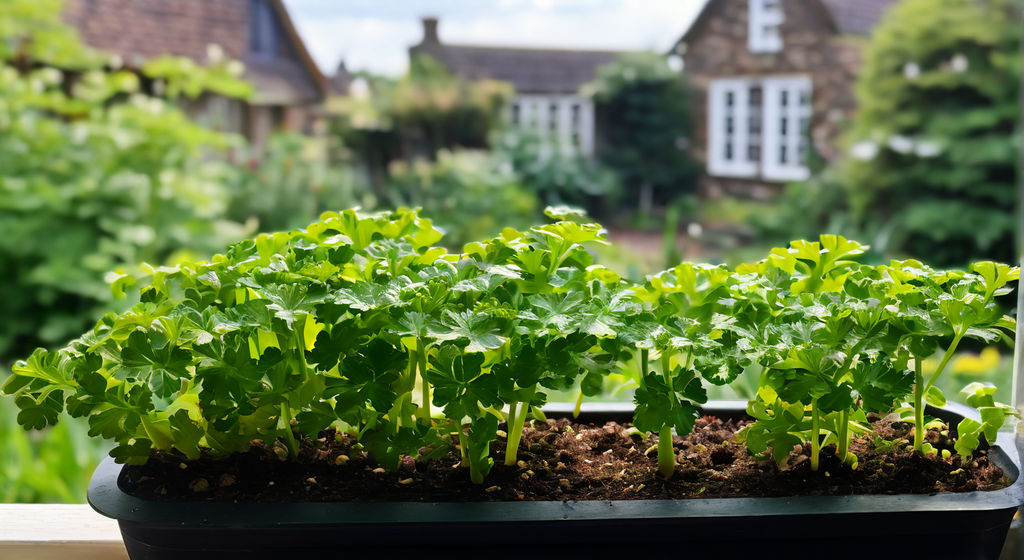
For those with limited outdoor space, parsley is equally happy growing indoors. A sunny windowsill or a well-lit spot under grow lights provides the ideal environment for potted parsley plants. Simply choose a container with drainage holes, fill it with potting mix, and sow the seeds or transplant seedlings. With regular watering and occasional fertilisation, your indoor parsley will flourish, providing you with a fresh supply of flavourful leaves year-round.
Whether you’re a seasoned gardener or a beginner, flat-leaf parsley is a rewarding herb to cultivate. Its resilience, adaptability, and culinary versatility make it a true gem in any garden or kitchen. So, whether you have a green thumb or not, don’t hesitate to embrace the joy of growing parsley and enjoy its fresh, peppery flavour in your favorite dishes.
You can embark on your culinary journey with flat-leaf parsley by exploring various options available through my Amazon affiliate link. Whether you’re seeking the convenience of dried parsley for long-term storage, vibrant ready-to-use bunches for immediate use, potted plants for a fresh supply, or seeds to cultivate your own thriving herb garden, Amazon offers a diverse selection to suit your needs. Simply click on the link and discover the world of possibilities that await you!
Flavour Profile
Flat-leaf parsley boasts a vibrant, fresh flavour that’s simultaneously bright and peppery. Upon first bite, you’ll experience a burst of herbaceousness, reminiscent of freshly cut grass with subtle citrusy undertones. This initial zing is quickly followed by a gentle peppery warmth that lingers on the palate, adding depth and complexity.
Beneath these dominant notes, there’s a hint of bitterness that balances the overall flavor profile, preventing it from being overly sweet or one-dimensional. This subtle bitterness contributes to parsley’s versatility, allowing it to pair harmoniously with both savory and acidic ingredients.
The intensity of parsley’s flavour is most pronounced when the leaves are fresh. As the herb ages, its volatile oils, responsible for the characteristic aroma and taste, begin to dissipate, resulting in a milder, less vibrant flavour. To experience parsley at its peak, it’s best to use it as soon as possible after harvesting or purchasing.
When to Use Flat-Leaf Parsley
Flat-leaf parsley’s culinary applications are virtually limitless. Its bright, peppery flavor and vibrant green color make it a welcome addition to a wide array of dishes, enhancing both taste and visual appeal.
In salads, parsley adds a burst of freshness and a subtle peppery bite that complements leafy greens, vegetables, and even fruits. Its delicate texture and vibrant hue make it an ideal garnish, elevating the presentation of simple salads to restaurant-worthy creations.
Soups and stews benefit from parsley’s ability to cut through richness and add a layer of complexity. Whether it’s a hearty minestrone, a creamy chowder, or a comforting beef stew, a sprinkle of parsley just before serving brightens the flavors and adds a touch of elegance.
Parsley also shines in sauces, from classic Italian pesto to vibrant Argentinian chimichurri. Its herbaceous notes blend beautifully with garlic, olive oil, and other aromatics, creating flavorful condiments that elevate grilled meats, fish, and vegetables.
Even as a simple garnish, parsley elevates the visual appeal of any dish. A sprig of parsley on a plate of roasted vegetables or a sprinkle over a bowl of pasta adds a touch of sophistication and signals freshness.

What Foods Pair Well with Flat-Leaf Parsley
Flat-leaf parsley pairs well with a variety of foods, including:
- Chicken
- Fish
- Beef
- Pork
- Lamb
- Vegetables
- Fruits
- Grains
Tips for Using Flat-Leaf Parsley
To get the most out of your flat-leaf parsley, both in terms of flavour and longevity, here are a few essential tips:
- Timing is key: Add parsley to your dishes towards the end of cooking. This prevents the delicate leaves from wilting and losing their vibrant flavour. A quick toss into a hot pan or a sprinkle over a finished dish is all it takes to infuse your meal with parsley’s bright, peppery notes.
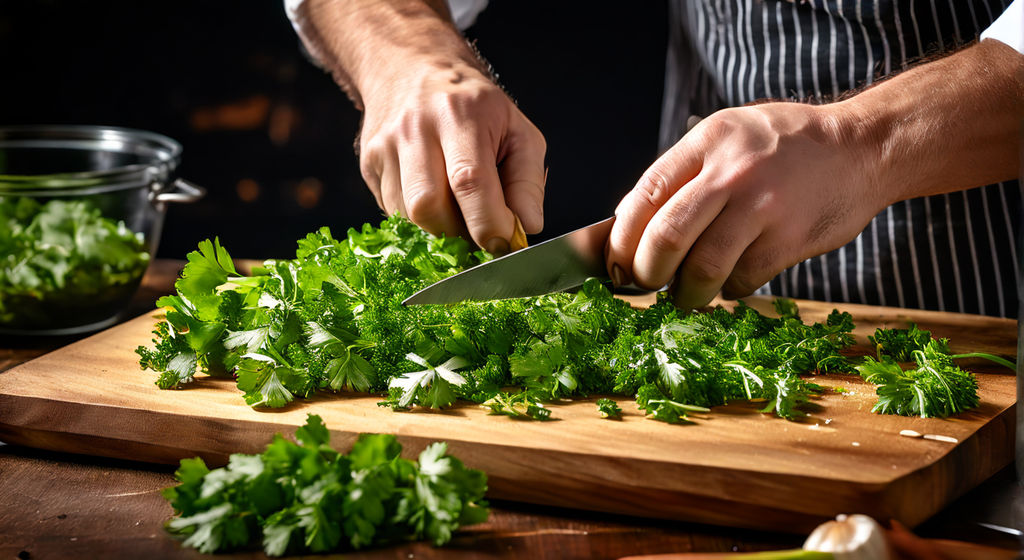
- Chop it like a pro: Use a sharp knife to finely chop your parsley. Dull knives can crush the delicate leaves, releasing enzymes that cause browning and a loss of flavour. A clean, swift chop ensures that the parsley retains its vibrant green color and full flavour potential.
- Store it right: To keep your parsley fresh for as long as possible, store it in the refrigerator. A simple and effective method is to trim the stems, place the bunch in a glass of water, cover it loosely with a plastic bag, and refrigerate. Alternatively, you can wrap the parsley in a damp paper towel and store it in a resealable plastic bag. With proper storage, parsley can stay fresh for up to a week, ensuring you always have this versatile herb on hand.
By following these simple tips, you can maximise the flavour and freshness of your flat-leaf parsley, making it an even more valuable addition to your culinary repertoire. Whether you’re adding a final flourish to a dish or incorporating it into a complex recipe, parsley’s vibrant flavour and nutritional benefits are sure to impress.
Recipes Using Flat-Leaf Parsley
Here are a few recipes that use flat-leaf parsley:
- Parsley Salad
- Parsley Soup
- Parsley Pesto
- Parsley Butter
- Parsley Chimichurri
Medicinal Properties
Flat-leaf parsley, beyond its culinary uses, is known for its various potential health benefits due to its rich nutrient profile:
- Rich in Antioxidants: Parsley is packed with antioxidants like flavonoids, carotenoids, and vitamin C, which help protect cells from damage caused by free radicals, potentially reducing the risk of chronic diseases.
- Anti-inflammatory Properties: Some compounds in parsley, such as flavonoids, are believed to possess anti-inflammatory effects, which may help in managing conditions like arthritis.
- May Promote Bone Health: Parsley is a good source of vitamin K, which is essential for bone health and blood clotting.
- Potential Diuretic Effect: Traditionally, parsley has been used as a diuretic to help flush out excess fluids from the body, though more research is needed to confirm this effect.
- May Aid Digestion: Parsley has been used in traditional medicine to aid digestion and relieve gas and bloating.
- Potential Blood Sugar Control: Some studies suggest that parsley may help regulate blood sugar levels, though further research is needed to confirm this effect.
Important Note: It is crucial to remember that while flat-leaf parsley has potential health benefits, it should not be considered a substitute for professional medical advice or treatment. Always consult with a healthcare provider before using parsley for any medicinal purposes.
Additional Tips
Flat-leaf parsley can also be used to make tea.
Beyond its culinary versatility, flat-leaf parsley offers a delightful surprise in the form of a fragrant and flavorful tea. Steeped in hot water, parsley releases its aromatic oils and nutrients, creating a soothing beverage with potential health benefits.
To make parsley tea, simply add a handful of fresh or dried parsley leaves to a cup of boiling water. Let it steep for 5-10 minutes, then strain and enjoy. You can customize your tea by adding a squeeze of lemon, a drizzle of honey, or a pinch of ginger for added flavor and warmth.
Parsley tea is not only delicious but also boasts several potential health benefits. It’s a natural diuretic, aiding in flushing out excess water and toxins from the body. It’s also rich in antioxidants, which can help protect cells from damage and may reduce the risk of chronic diseases. Additionally, parsley tea has been traditionally used to aid digestion, soothe upset stomachs, and freshen breath.
So, next time you’re looking for a refreshing and healthy beverage, consider brewing a cup of parsley tea. Its unique flavor and potential health benefits make it a delightful addition to your daily routine.
It can be used as a natural ant repellent.
Beyond its culinary and medicinal uses, flat-leaf parsley also boasts a surprising talent: it can serve as a natural ant repellent. The strong scent of parsley, particularly when crushed or bruised, is believed to deter ants from entering your home or garden.
There are several ways to use parsley to repel ants:
- Sprinkle dried parsley: Scatter dried parsley flakes or leaves around potential entry points like doors, windows, and cracks. The strong aroma will create a barrier that ants are reluctant to cross.
- Plant parsley around your home: If you have a garden, consider planting parsley around the perimeter of your house. The scent will act as a natural deterrent, discouraging ants from venturing indoors.
- Create a parsley spray: Make a natural ant repellent spray by steeping fresh parsley leaves in boiling water. Once cooled, strain the mixture and transfer it to a spray bottle. Spray it around ant trails and entry points to discourage their presence.
- Combine parsley with other natural repellents: For added effectiveness, mix dried parsley with other natural ant deterrents like cinnamon, peppermint, or citrus peels. This creates a potent blend of scents that ants find unappealing.
Remember that while parsley can be a helpful tool in your ant control arsenal, it may not be a foolproof solution for severe infestations. However, it’s a safe, non-toxic, and eco-friendly option worth trying, especially in combination with other preventative measures.
It can be used to freshen breath.
Flat-leaf parsley isn’t just a culinary herb and natural insect repellent; it also possesses a surprising ability to freshen breath. This unassuming herb contains chlorophyll, a natural compound with deodorizing properties that can help neutralize unpleasant odors in the mouth.
Chewing on a few sprigs of parsley after a meal can effectively combat garlic breath or other strong food odours. The chlorophyll in parsley helps neutralise the sulfur compounds responsible for bad breath, leaving your mouth feeling refreshed and clean.
In addition to chlorophyll, parsley also contains essential oils that contribute to its fresh, herbaceous scent. These oils can further enhance breath freshness, providing a natural and pleasant alternative to commercial mouthwashes or breath mints.
Furthermore, parsley’s high vitamin C content promotes gum health, which plays a crucial role in maintaining overall oral hygiene and preventing bad breath. The herb’s antibacterial properties may also help combat oral bacteria, further contributing to its breath-freshening effects.
So, next time you’re looking for a natural and effective way to freshen your breath, reach for a sprig of flat-leaf parsley. Its refreshing flavour, deodorising properties, and oral health benefits make it a surprisingly powerful breath freshener.
I hope this blog post has been helpful. Please let me know if you have any questions.
Happy cooking!