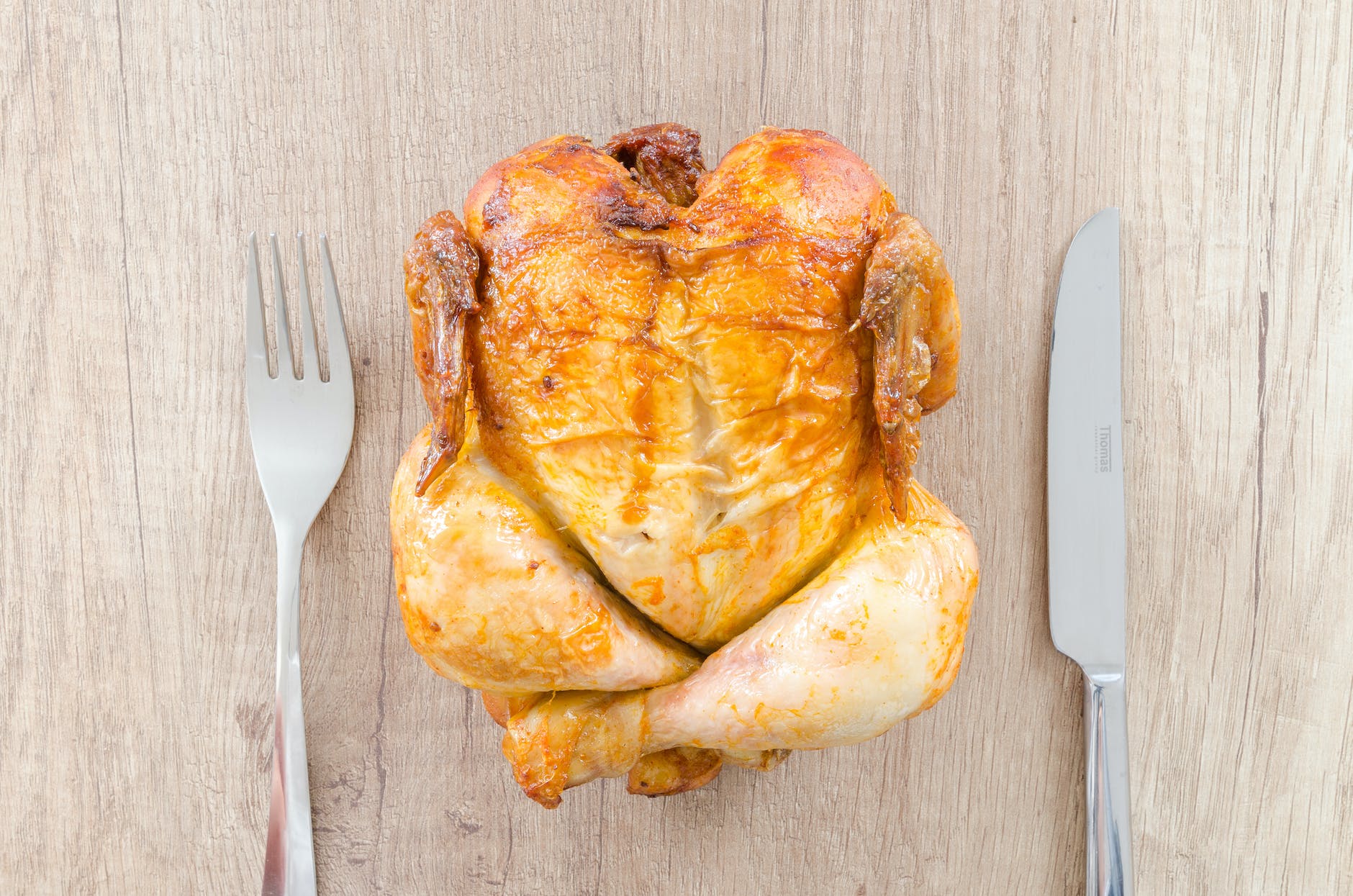
Chicken is one of the most popular proteins in the world, and for good reason. It is a versatile, affordable, and nutritious food that can be enjoyed in countless ways. But beyond its culinary appeal, this humble foul is also a nutritional powerhouse, packed with essential vitamins, minerals, and protein.
In this blog post, we will explore the many benefits of chicken, from its impressive nutrient profile to its endless culinary possibilities. We will also share some tips for cooking poultry safely and deliciously.
Nutritional Benefits of Chicken
Chicken stands out as a remarkably healthy choice for your meals. Here’s why:
- High-Quality Lean Protein: A key benefit of this bird is the abundance of lean protein it provides. Protein is crucial for our body’s growth, the repair of tissues, and the maintenance of muscle mass. Lean protein sources like chicken help you feel full without the excess calories found in fattier meats.
- Low Fat, Low Calorie: Chicken is naturally low in both fat and calories, making it a fantastic option for those managing their weight or focusing on a balanced diet. Choosing lean cuts like chicken breast further reduces your fat intake.
- Essential Vitamins and Minerals: Chicken is packed with vital nutrients:
- Iron: Helps transport oxygen throughout the body, crucial for energy levels.
- Zinc: Supports immune function and plays a role in wound healing.
- B Vitamins: A range of B vitamins found in poultry are involved in energy production, brain health, and other vital processes.
By incorporating chicken into your meals, you provide your body with the building blocks it needs for optimal health and well-being.
Chicken: The Culinary Chameleon
What makes this versatile meat so beloved is its incredible adaptability in the kitchen. Let’s explore:
Cooking Methods: A Technique for Every Taste
Chicken’s versatility shines through the spectrum of cooking techniques that create delicious and unique results:
- Roasting: This classic method is ideal for whole birds or larger cuts like bone-in, skin-on breasts and thighs. The dry heat of the oven produces beautifully succulent chicken with irresistibly crispy skin. Pro-tip: For maximum flavour, consider brining your chicken before roasting.
- Baking: Baking is remarkably adaptable. Use it for comforting casseroles, flavourful stuffed chicken breasts, or simply seasoned chicken pieces. Baking offers a gentler cook, perfect for achieving tender, juicy results.
- Grilling: Grilling imparts a fantastic smoky flavour that pairs beautifully with chicken. It’s great for breasts, thighs, kebabs, or even wings. For even cooking, try to maintain consistent grill temperature and avoid overcooking for optimal juiciness.
- Stir-frying: This quick and vibrant method is excellent for cooking bite-sized pieces of chicken alongside flavourful vegetables. High heat creates a delicious sear. Pro-tip: Cut the chicken into uniform pieces for even cooking, and don’t overcrowd the pan.
- Poaching: For the ultimate in delicate flavour and tenderness, choose poaching. This gentle cooking method involves simmering this bird in a flavourful liquid like broth or wine. Poached chicken is excellent for salads, sandwiches, or as a base for saucy dishes.
Global Flavour Adventures
Chicken’s adaptability opens up a world of culinary possibilities:
- American Comfort: Indulge in crispy fried chicken seasoned to perfection, hearty chicken pot pie filled with vegetables, or the sweet-and-savoury combination of chicken and waffles.
- Italian: Savour the richness of chicken parmesan, coated in breadcrumbs and tangy tomato sauce, or the bright, lemony flavours of chicken piccata.
- Mexican: Enjoy the bold spices of pollo asado, slow-roasted chicken with achiote and citrus, or the spicy shredded chicken of tinga de pollo. Don’t forget the cheesy deliciousness of chicken-filled enchiladas.
- Asian: Explore the sizzle of kung pao chicken with peanuts and vegetables, the savoury-sweetness of chicken satay with peanut sauce, or the rich, creamy comfort of Thai curries.
- Indian: Delve into the aromatic depths of chicken tikka masala, creamy and satisfying butter chicken, or the layered rice and spiced chicken dish known as biryani.
Chicken’s versatility allows home cooks to experiment, whether it’s mastering a classic recipe or trying something new and exciting.
Tips for Cooking Chicken Safely and Deliciously
When cooking this humble foul, it is important to make sure that it is cooked to an internal temperature of 165 degrees Fahrenheit. This will help to prevent food-borne illness. Here are some additional tips for cooking safely and deliciously:
- Preheat your oven to the proper temperature before adding the chicken. Preheating ensures consistent cooking throughout. If your oven is too cool, the meat might cook unevenly, drying out some parts while leaving others undercooked. Follow your recipe’s temperature instructions carefully.
- Use a food thermometer to check the internal temperature of the chicken. This is the most reliable way to ensure your bird is cooked safely and to your desired doneness. The USDA recommends an internal temperature of 165 degrees Fahrenheit (74 degrees Celsius) for all parts of the chicken. Insert the thermometer into the thickest part of the meat, avoiding any bones.
- Do not overcook the chicken, as this can make it dry and tough. Chicken is particularly susceptible to drying out when overcooked. Stick to the recommended cook times and use a thermometer for accuracy. Smaller pieces, like boneless breasts, cook faster than larger pieces or bone-in cuts.
- Let the chicken rest for a few minutes before carving or serving. This crucial step allows the juices to redistribute throughout the meat, preventing them from running out when you slice the bird. Resting for 5-10 minutes (depending on the size of the cut) makes for a juicier, more flavourful chicken experience. Tent it loosely with foil to keep it warm while it rests.
Bonus Tip: Brining your chicken before cooking (soaking in a saltwater solution) can help with moisture retention and adds extra flavour to your dish. Experiment with different seasonings and marinades to discover your favorite flavour combinations!
By following these tips, you can cook chicken that is both safe and delicious.
Conclusion
This bird is a nutritious and versatile food that can be enjoyed in countless ways. It is a great source of lean protein, vitamins, and minerals. With its many health benefits and culinary possibilities, it is a staple food that deserves a place in everyone’s diet.
I hope this blog post has given you a new appreciation for the humble chicken. So next time you are at the grocery store, be sure to pick up some chicken and experiment with some new recipes.
Additional Tips:
- When choosing this humble foul, look for birds that are plump and have moist, pink flesh.
- Avoid chickens that has a slimy texture or an off odour.
- Store chickens in the refrigerator for up to two days or in the freezer for up to three months.
- Thaw frozen chickens in the refrigerator or under cold running water.
- Never thaw chickens at room temperature.
With a little planning and effort, you can enjoy safe and delicious chicken meals all week long.
I hope you found this blog post helpful!