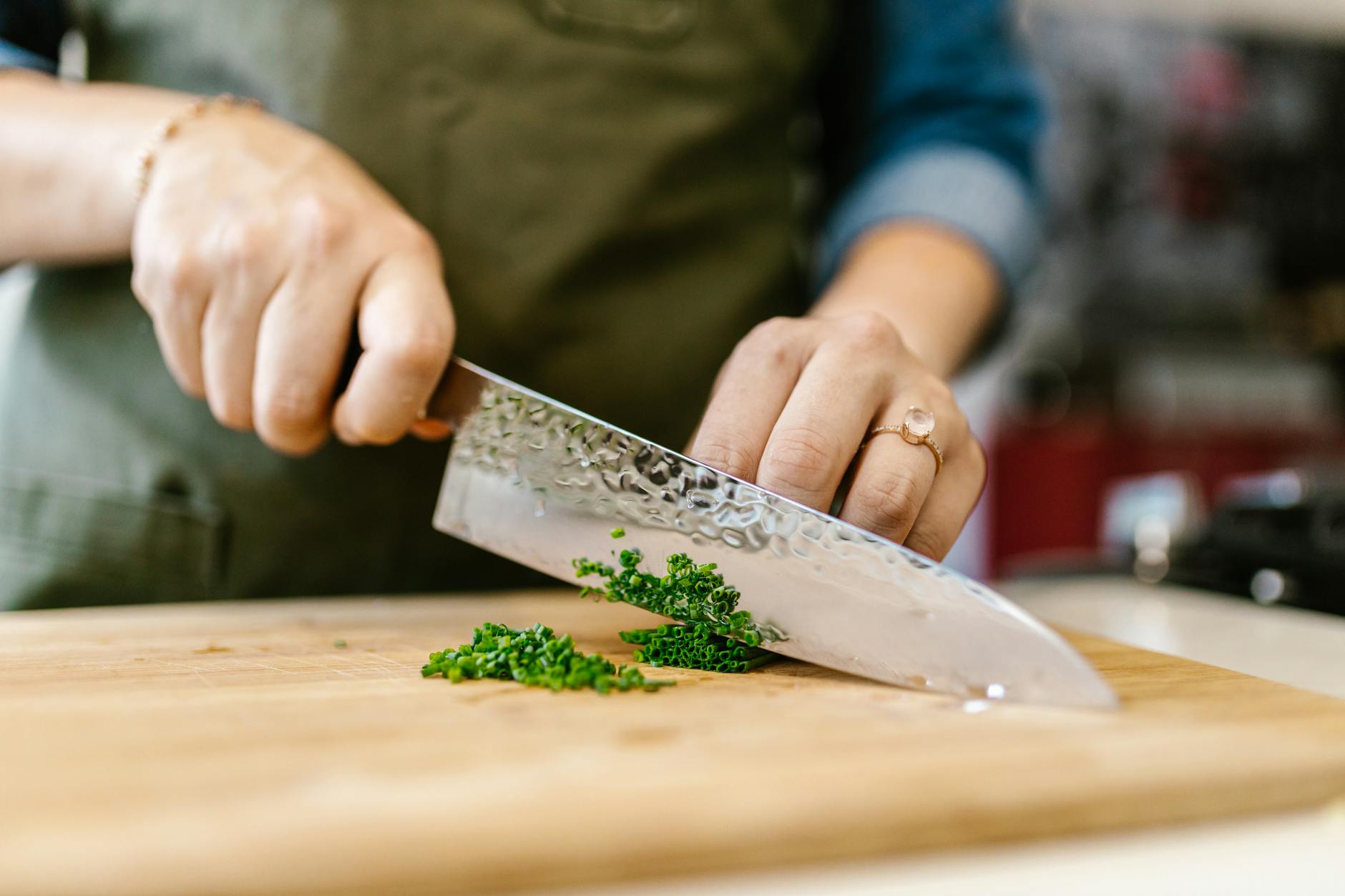
Hello, culinary adventurers! Today, we’re diving into the art of mastering knife skills, a fundamental aspect of cooking that can elevate your kitchen game to new heights. Whether you’re slicing, dicing, or julienning, the right technique can make all the difference. Let’s cut right into it!
The Basics: Choosing Your Knife
Your culinary journey begins with choosing the right knife, a crucial step for efficient and enjoyable cooking.
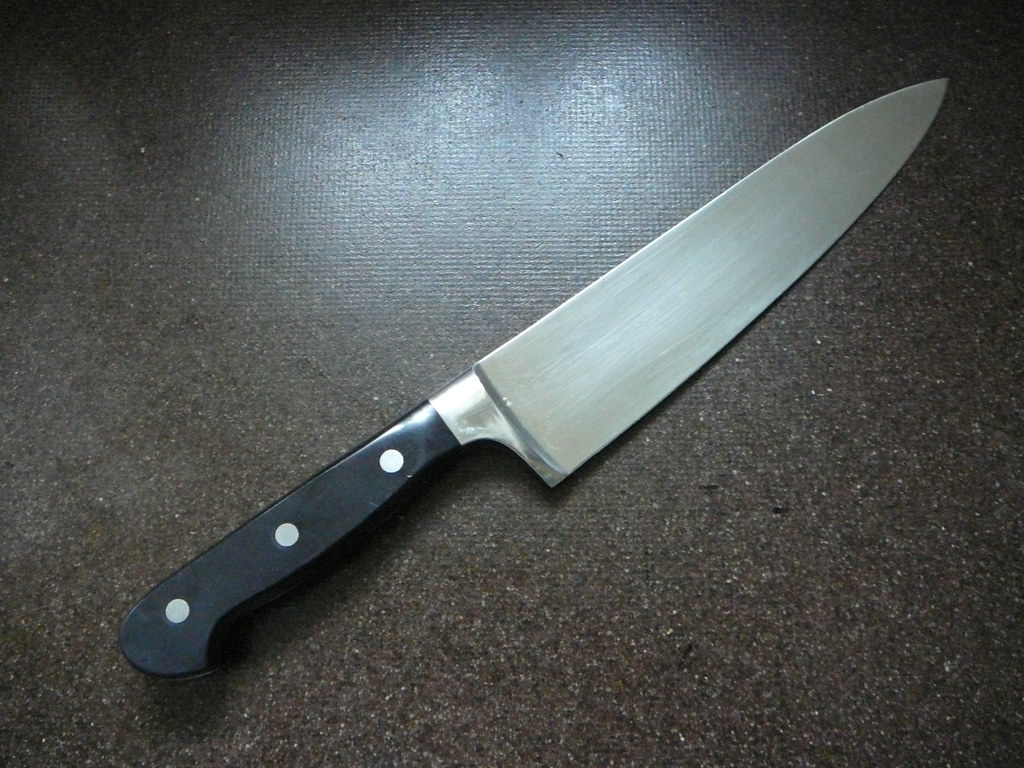
1. Chef’s Knife: The workhorse of your kitchen, this versatile knife is perfect for most tasks. Its broad blade allows for excellent control, whether you’re chopping vegetables, slicing meat, or dicing herbs. Look for one that feels balanced in your hand, typically around 8-10 inches long.
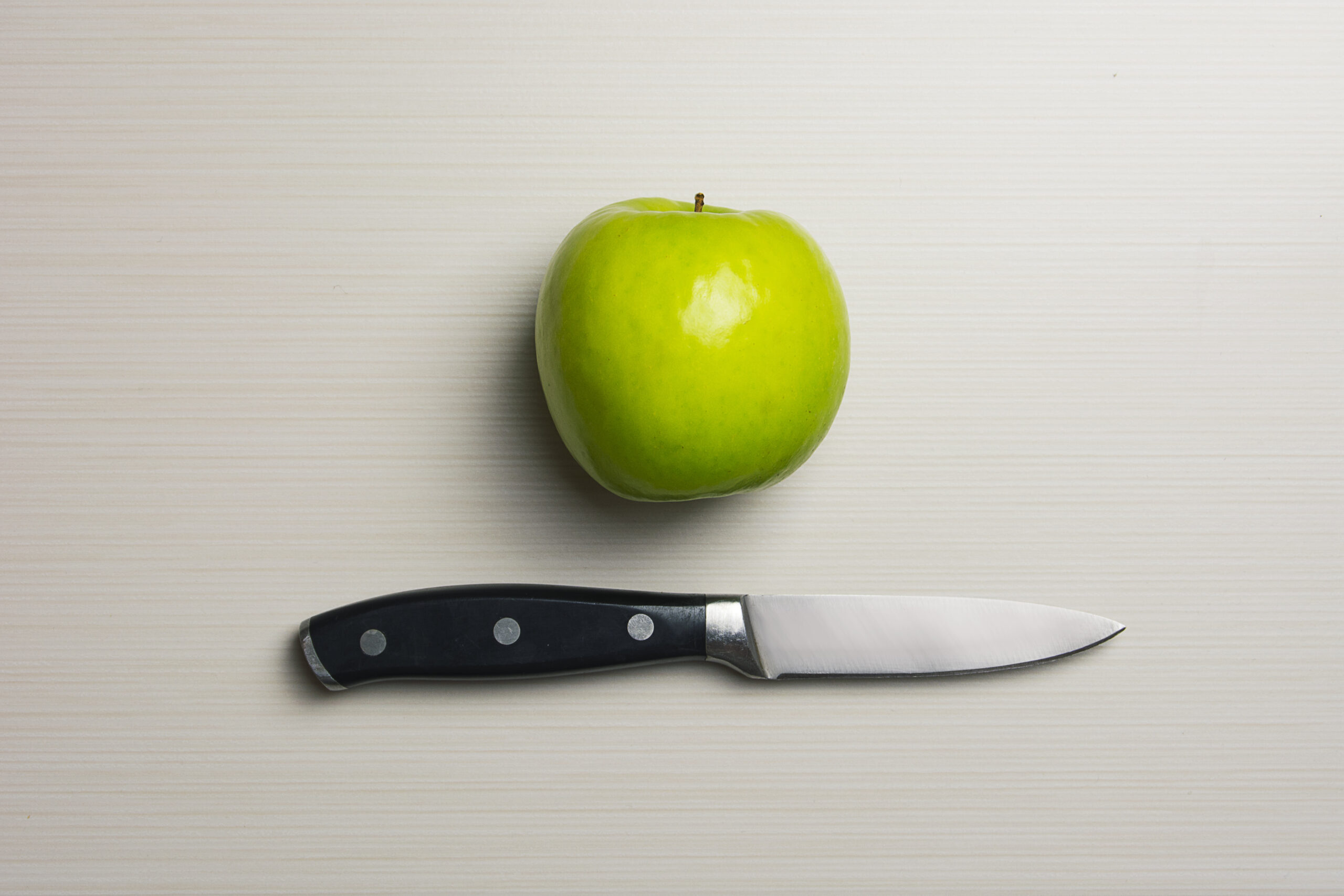
2. Paring Knife: For detailed and intricate work, the paring knife is indispensable. Its small, sharp blade (usually 3-4 inches) is ideal for tasks requiring precision, like peeling fruits, deveining shrimp, or trimming small items.
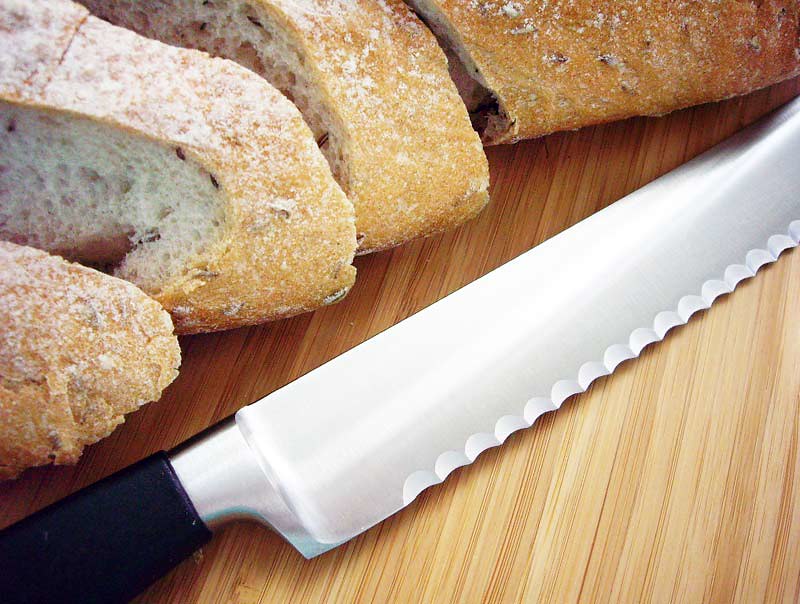
3. Serrated Knife: When it comes to slicing bread, tomatoes, and other soft or crusty items, a serrated knife is your best friend. The saw-like teeth of the blade grip and slice through tough exteriors without crushing the delicate interiors.
Additional Tips for Knife Selection
• Material: Opt for high-carbon stainless steel blades for durability and ease of maintenance.
• Handle: Choose a handle that offers a comfortable, secure grip. Materials like wood, plastic, or composite can each provide different feels.
• Weight: Find a knife that feels balanced and not too heavy or light in your hand. It should allow you to work efficiently without causing fatigue.
By investing in these key knives and understanding their uses, you set a solid foundation for all your culinary adventures. Happy cooking!
Grip and Safety
Proper grip is the cornerstone of safe and efficient knife use. Here’s how to hold your knife and ensure safety in the kitchen:
1. Firm Grip: Wrap your fingers around the handle with a secure but comfortable grip. This control allows for precise movements and reduces the risk of slipping.
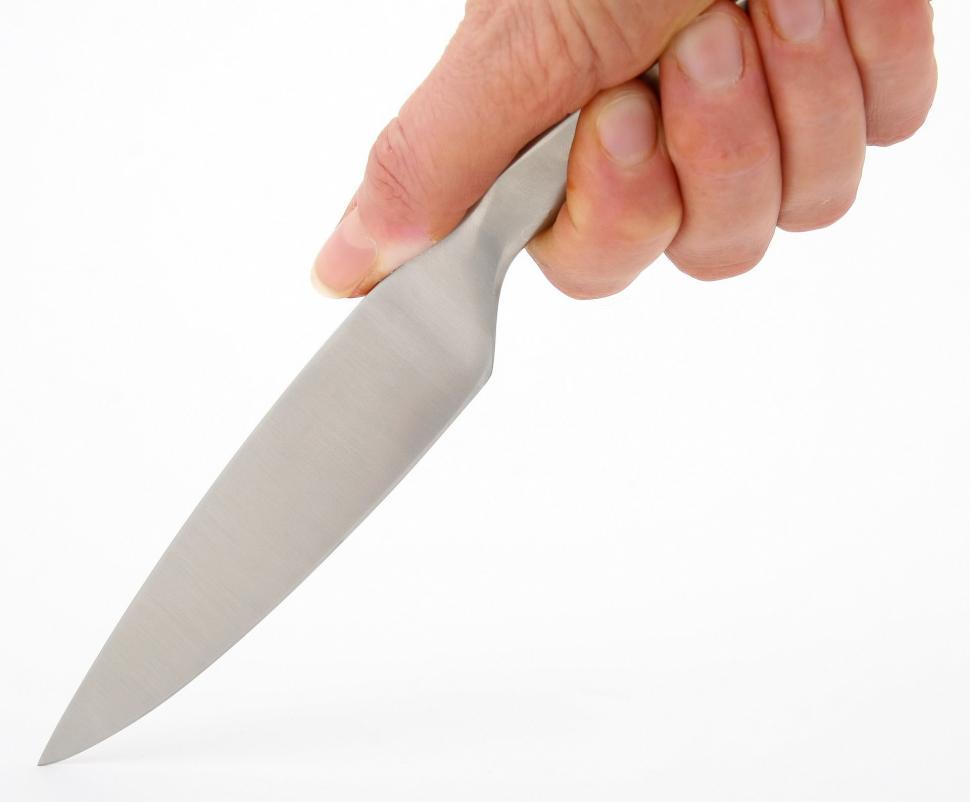
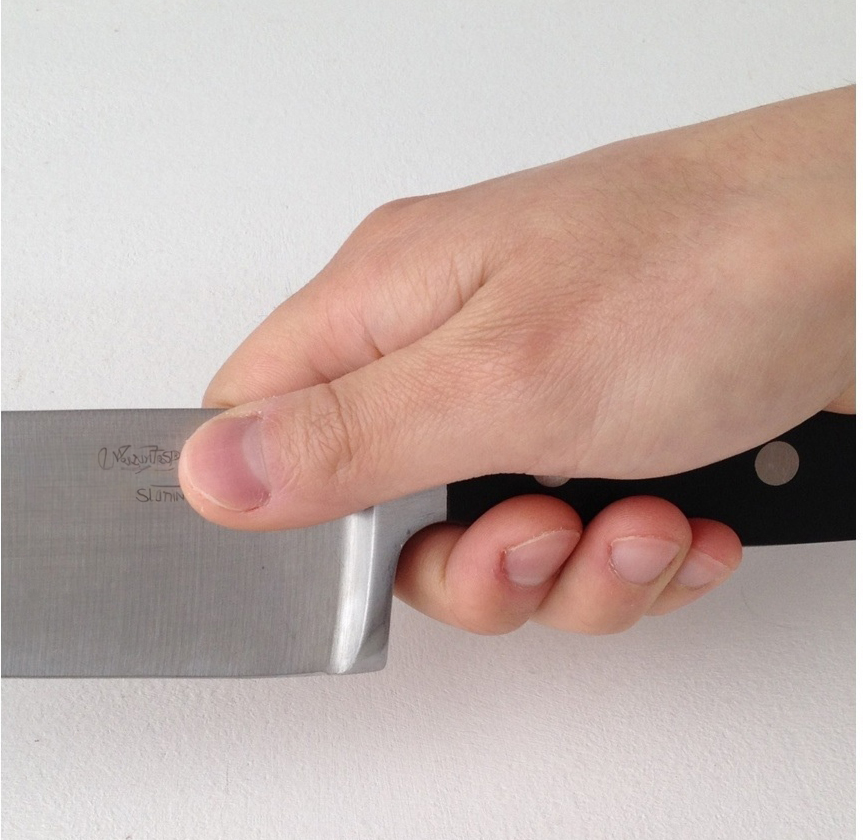
2. Pinch Grip: Place your thumb and forefinger on either side of the blade just above the handle. This technique offers enhanced control over the knife’s movements, making your cuts more accurate.
3. Safety First: Always keep your fingers tucked away from the blade. Use the “claw grip” on the food, curling your fingers under and guiding the knife with your knuckles. This position shields your fingertips from accidental nicks and ensures better stability.
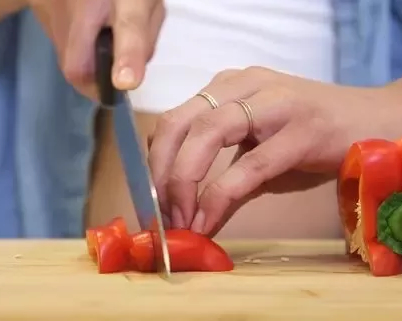
The Claw Grip in Detail
The claw grip involves curling your fingers into a claw shape and pressing the knuckles of your non-dominant hand against the blade. This method not only protects your fingers but also helps guide the knife more accurately.
Practical Application
• Slicing and Chopping: With the proper grip and claw technique, you can achieve consistent slices and dices.
• Speed and Efficiency: As you become more comfortable with the grip, your speed and efficiency in the kitchen will improve, leading to a more enjoyable cooking experience.
By mastering the proper grip and practicing safe techniques, you’ll gain confidence and skill, making your time in the kitchen both safer and more productive.
Techniques to Master
Mastering various cutting techniques can significantly enhance your efficiency and precision in the kitchen. Here’s a detailed guide:
1. Chopping:
• Technique: Use a rocking motion, where the tip of the knife stays in contact with the cutting board. Lift the handle up and down to chop.
• Application: Ideal for quickly cutting vegetables like onions, carrots, and celery.
2. Dicing:
• Technique: Start by slicing the food lengthwise into even strips, then rotate and slice crosswise to form uniform cubes.
• Application: Perfect for creating consistent pieces of vegetables, fruits, or meats for soups, stews, and salads.
3. Julienning:
• Technique: Cut the food into thin, uniform matchstick-like pieces. Start by slicing it into thin slabs, stack them, and then slice again.
• Application: Best for carrots, peppers, and other vegetables used in stir-fries or salads.
4. Mincing:
• Technique: Use a back-and-forth chopping motion. Hold the tip of the knife down with one hand while the other moves the handle up and down.
• Application: Essential for garlic, herbs, and other small items that need to be finely chopped for even distribution in dishes.
Practice Makes Perfect
By dedicating time to practice these techniques, you’ll not only improve your speed and precision but also the overall quality of your culinary creations. Remember, consistent practice is key to mastering these skills.
Keeping Your Knife Sharp
A sharp knife is crucial for both safety and efficiency in the kitchen. Here’s why:
1. Safety First: Contrary to intuition, a dull knife is far more dangerous than a sharp one. Dull knives require more force to cut, increasing the risk of slipping and causing accidents. A sharp knife glides through food with minimal effort, providing better control and reducing the likelihood of injuries.
2. Regular Maintenance:
• Honing: Use a honing steel regularly to realign the knife’s edge. This process doesn’t sharpen the blade but maintains its alignment, ensuring optimal cutting performance.
• Sharpening: Invest in a good quality sharpener for periodic sharpening. This step actually removes material from the blade, creating a new, sharp edge. Electric sharpeners, whetstones, or professional sharpening services are all effective options.
3. Efficiency: A sharp knife requires less effort and time to cut through food. This not only speeds up your prep work but also produces cleaner cuts, enhancing the presentation and cooking uniformity of your dishes.
Steps to Maintain a Sharp Knife
1. Honing:
• Hold the honing steel vertically with the tip resting on a cutting board.
• Position the knife at a 15-20 degree angle to the steel.
• Draw the knife down and across the steel in a sweeping motion, alternating sides. Perform 5-10 strokes per side.
2. Sharpening:
• For whetstones, soak the stone in water for 10-15 minutes.
• Hold the knife at a consistent 20-degree angle to the stone.
• Draw the blade across the stone in smooth, even strokes, alternating sides until a burr forms (indicating a sharp edge).
• Finish with finer grit stones for a polished edge.
By regularly honing and sharpening your knives, you ensure they remain safe and efficient tools in your kitchen, making your cooking experience smoother and more enjoyable.
Practical Applications
Now that you’ve honed your knife skills, it’s time to put them to practical use in your everyday cooking. Here’s how:
1. Consistent Cuts for Even Cooking: When your vegetables and meats are uniformly sliced or diced, they cook at the same rate. This consistency prevents overcooking or undercooking parts of your dish, ensuring everything is perfectly done.
2. Improved Presentation: Perfectly diced onions and neatly sliced vegetables elevate the visual appeal of your meals. Uniform pieces look more professional and inviting, enhancing the overall dining experience.
3. Enhanced Flavours: Evenly cut ingredients release their flavours more consistently, blending harmoniously in your dishes. For instance, finely minced garlic distributes its aroma and taste more thoroughly than uneven chunks.
Practical Examples
• Soups and Stews: Uniformly diced vegetables ensure that each spoonful offers a balanced mix of flavours and textures.
• Stir-Fries: Evenly julienned vegetables cook quickly and uniformly, maintaining their crunch and colour.
• Salads: Consistently sliced ingredients create a visually appealing and easy-to-eat salad.
Transform Your Cooking Experience
By incorporating these knife skills into your daily routine, you’ll find that meal preparation becomes more efficient and enjoyable. Not only will your dishes taste better, but they will also look stunning, impressing family and friends alike.
Conclusion: Practice Makes Perfect
Knife skills are a cornerstone of efficient cooking. With practice, your speed and precision will improve, transforming your culinary experience. So, grab your knife, and let’s get slicing!
For more culinary tips and tricks, stay tuned to our blog. Happy cooking!