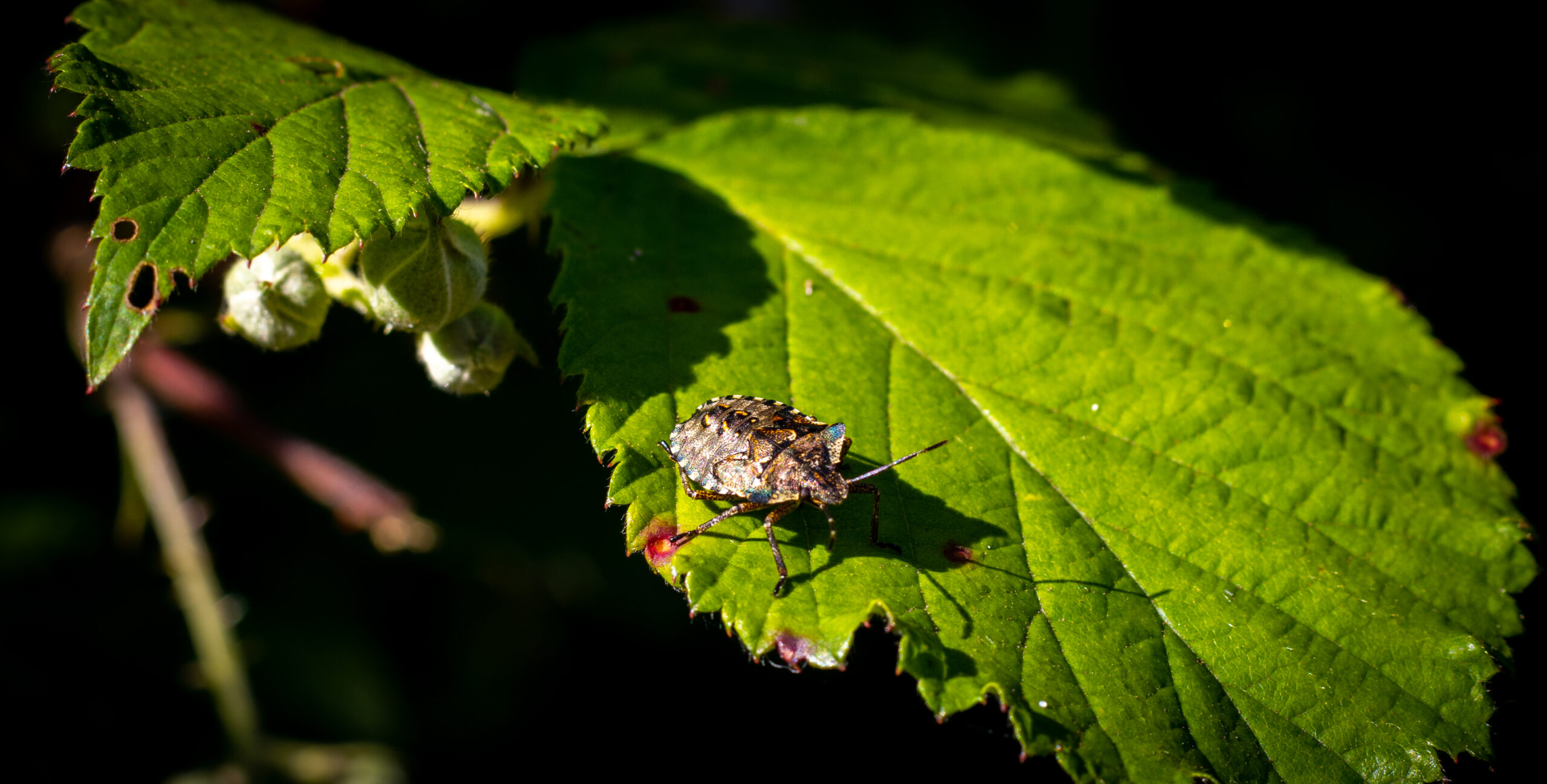
In the vast canvas of photography, there’s a niche that beckons us to explore the world in a new light, to uncover the intricacies of the minuscule, and to capture the often unnoticed beauty that surrounds us. This niche is macro photography, an art form that allows us to get up close and personal with the tiniest details of our world.
The Magic of Macro Photography
Macro photography is like opening a door to another dimension, where even the smallest of subjects become grand in their detail. It’s an art that requires patience, an eye for detail, and a willingness to get down on your hands and knees to peer into a miniature universe. The rewards, however, are boundless, as you unveil a world of textures, patterns, and colors that often go unnoticed.
The Right Equipment
To embark on a journey into macro photography, you’ll need the right equipment. A macro lens is an invaluable tool, designed to focus on subjects at close range with remarkable clarity. You may also use extension tubes or close-up filters to achieve similar results with your existing lenses.
Techniques and Tips
The art of macro photography is not just about equipment; it’s also about technique. Here are some tips to help you get started:
- Get Steady: Given the high level of magnification, stability is crucial. Use a tripod to ensure your camera is steady.
- Manual Focus: In macro photography, precise focus is paramount. Switch to manual focus mode and take your time to get it just right.
- Lighting: Pay attention to lighting. Natural light is often ideal, but you may need to use diffusers or reflectors to control it. Experiment with different lighting angles to highlight textures.
- Depth of Field: Macro photography often has a shallow depth of field. Consider using a smaller aperture (higher f-number) to increase the depth of field and capture more detail.
Inspiration from Nature
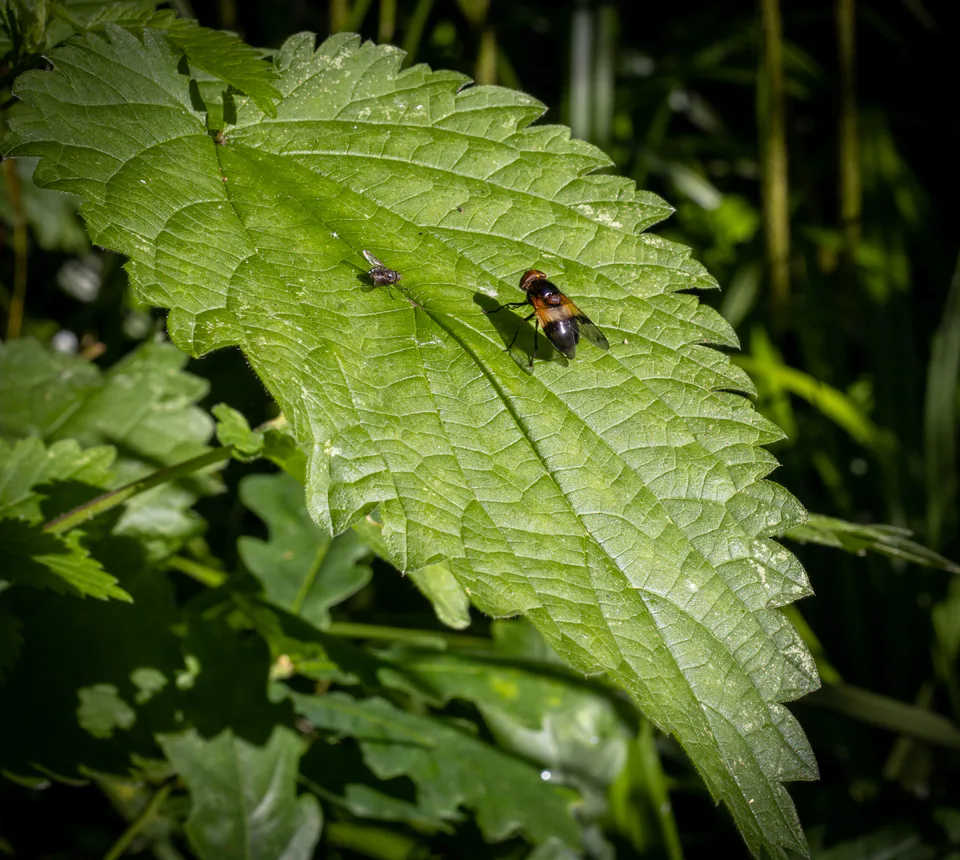
Nature is a playground for macro photographers. Explore the world of tiny creatures, like insects and flowers, and discover their hidden beauty. The dew on a spider’s web, the texture of a butterfly’s wing, or the intricate details of a flower’s center can become your subjects.
Your Personal Journey
Macro photography is not just about capturing images; it’s a journey of discovery. As you peer through the lens, you’ll uncover a world of wonder that has always been there but often overlooked. The art of macro photography invites you to slow down, observe, and appreciate the beauty in the smallest of details.