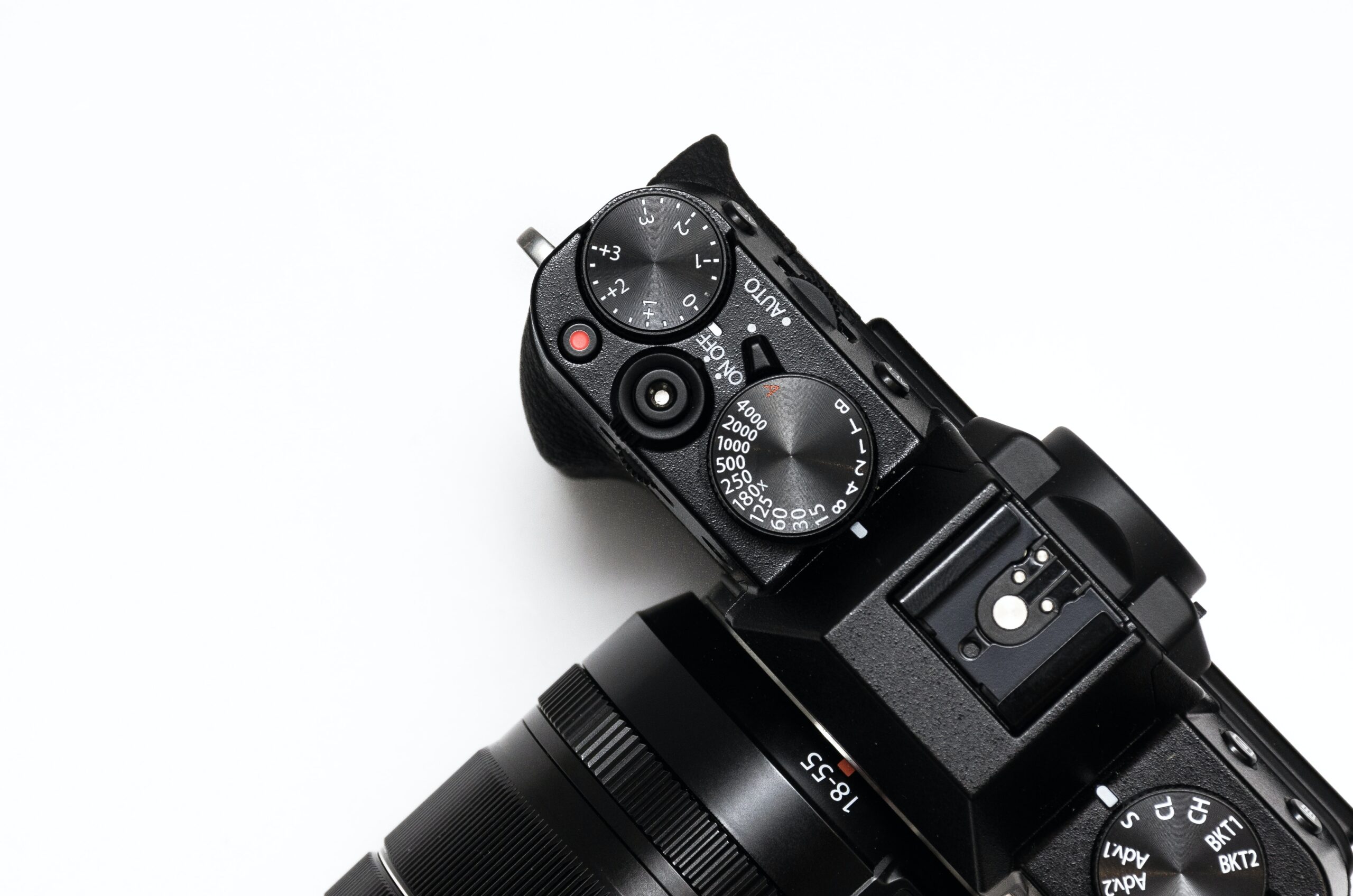
Hey there, fellow storytellers! Ready to dive into the technical wonders of visual storytelling? Imagine your camera as the coolest storyteller in town, using its tricks—aperture, shutter speed, and ISO—to weave tales with a visual punch. Aperture, like the eye’s magic iris, controls the light vibe, making your focal point pop. Shutter speed? It’s the time bouncer, freezing or grooving with motion. And ISO sensitivity? That’s your camera’s mood ring, adapting to light like a pro.
But here’s the real scoop: mastering these techy tools transforms your camera from a mere gadget into a storyteller extraordinaire. You’re not just snapping pics; you’re crafting visual sagas that tug at heartstrings. So, get ready for a tech-fueled joyride where every click spins a story. Join us on this laid-back journey into the heart of photography, where we’ll unravel the secrets that turn your visuals into captivating tales. Ready to make your camera sing your story? Let’s roll!

Overview of the importance of technical aspects in visual storytelling
Alright, let’s spill the beans on the secret sauce of storytelling through visuals! Imagine your camera as a wizard’s wand, and those technical bits – aperture, shutter speed, and ISO – as the magical spells that conjure up your visual tales.
1. Aperture: Light Control Extraordinaire Think of aperture like the dimmer switch for your camera. It controls how much light enters, setting the mood and focus of your shot. It’s the maestro directing where attention should linger and what elements get the spotlight.
2. Shutter Speed: Time’s Dance Partner Now, meet shutter speed – the dance choreographer of your visual story. It decides if your shot freezes a thrilling moment or lets time flow gracefully. Whether it’s a high-energy action scene or a calm still life, nailing shutter speed lets you dictate the tempo.
3. ISO Sensitivity: Light’s Chameleon Companion Enter ISO, the camera’s quick-change artist. It adapts to light on the fly, ensuring your story shines, whether you’re chasing the sun’s warmth or navigating the mysterious shadows.
Together, these tech wizards create visual magic, turning everyday moments into storytelling gold. Join us as we demystify these camera secrets, giving you the tools to own the visual narrative game.
Setting the stage for an in-depth exploration of camera settings
Welcome, fellow shutterbugs! Today, we’re rolling up our sleeves and diving deep into the fascinating world of camera settings. Imagine it as unlocking the secret codes to visual storytelling—your lens becomes the pen, and the settings, your ink. But fear not, we’re not venturing into a complex labyrinth; we’re taking a stroll through a creative playground.
Why does this matter, you ask? Well, picture this: You’ve got a story itching to be told, and your camera is your trusty sidekick. But how do you ensure your visuals do justice to the tales you’re spinning? That’s where camera settings step into the limelight.
From the mystical realms of aperture to the rhythmic beats of shutter speed and the versatile dance of ISO, each setting is like a character in your visual narrative. Together, they choreograph a symphony that captures the essence of a moment, freezes time, and adapts to various lighting conditions.
So, buckle up as we demystify these settings, unveiling the backstage secrets of your camera. By the end of this journey, you’ll not only know your f-stop from your shutter speed but wield them with the finesse of a storytelling maestro. Ready to illuminate your visual tales? Let’s dive in!
Aperture: The Eye of the Camera
A. Definition and function of aperture
Aperture Dynamics: Balancing Light and Depth
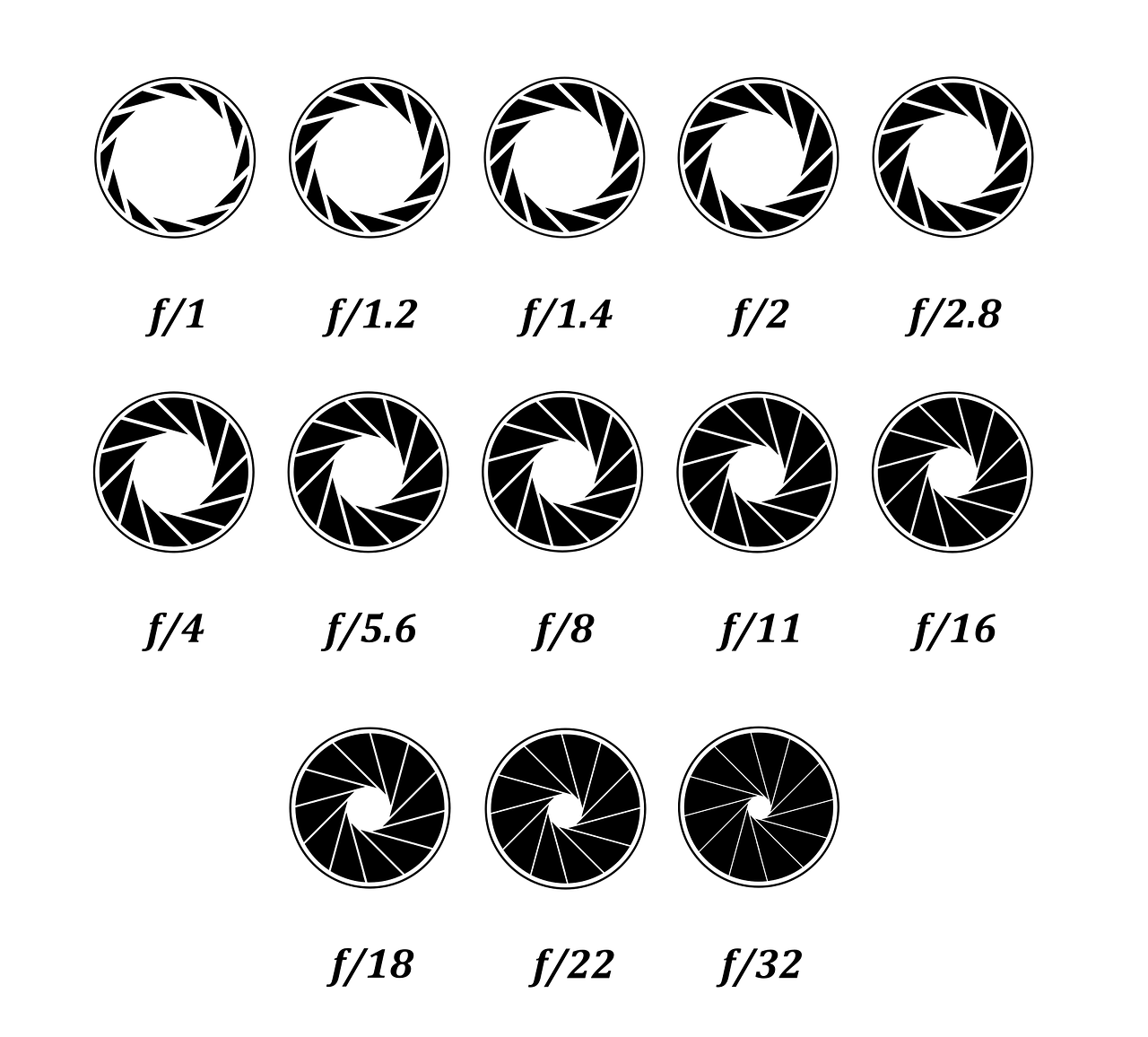
Now, let’s get into the nitty-gritty of how aperture affects your visuals. As you open up that aperture, you’re inviting more light to dance onto your camera’s sensor. This is fantastic for low-light situations or when you want to achieve that coveted background blur, putting your subject in the spotlight.
Conversely, when you tighten the aperture, you’re restricting the amount of light, which can be a game-changer in well-lit scenarios. This is where you ensure everything in your frame, from the foreground to the distant background, remains crisply in focus.
F-Stop Fundamentals: Decoding the Numbers
You’ll often encounter those cryptic f-stop numbers (f/1.4, f/8, etc.) associated with aperture settings. Here’s the deal: the smaller the f-stop number, the wider the aperture, and vice versa. So, f/1.4 is a wide aperture, while f/16 is a narrow one.
Understanding these numbers empowers you to play with creative possibilities. Shooting a portrait and want that gorgeous bokeh effect? Crank it down to f/2.8. Need everything sharp in a landscape? Bump it up to f/11 or higher.
Real-Life Analogies: Connecting the Dots
Let’s simplify it further. Think of your camera as an artist, and aperture as the brushstroke that defines the mood of your masterpiece. Widening the aperture is like using a soft brush, adding a dreamy, atmospheric feel. Narrowing it is akin to a precise, fine brush, capturing intricate details.
So, when you’re out there, adjusting that aperture, envision yourself as the director of a visual symphony, manipulating light to compose the perfect harmony in your storytelling composition.
B. Controlling light intake for optimal exposure
Now that we’ve dipped our toes into the aperture pool, let’s talk about another player in the exposure game: ISO. Imagine ISO as the conductor orchestrating how sensitive your camera is to light. It’s your secret weapon for conquering various lighting conditions and ensuring your visual tale is well-lit and vibrant.
ISO Unveiled: Shedding Light on Sensitivity
Understanding ISO involves grasping its sensitivity levels. A low ISO, like 100, is less sensitive to light, suitable for bright, sunny days. On the flip side, a high ISO, say 1600 or beyond, cranks up sensitivity, a lifesaver in dimly lit scenes or when you need to freeze fast-paced action.
Striking the Balance: The ISO-Aperture-Shutter Dance
The magic happens when you find the sweet spot between ISO, aperture, and shutter speed. Picture this: you’re capturing a bustling city street at night. You might widen the aperture for artistic depth, set a slower shutter speed to let in city lights, and boost the ISO to illuminate the details.
Grain vs. Gain: The ISO Trade-off
While a higher ISO rescues you in low light, it comes with a trade-off—grain, or as we say in the photography world, “noise.” Think of it as a sprinkle of digital fairy dust on your image. Sometimes, a bit of grain adds character, but finding that balance ensures your visual story remains crisp and clear.
Practical Wisdom: Navigating ISO in Real Scenes
In your photography journey, think of ISO as your trusty sidekick, adapting to the lighting challenges your adventures throw at you. Whether it’s a serene sunset, a dimly lit cafe, or a high-energy concert, mastering ISO lets you conquer every visual frontier with confidence.
C. Influence of aperture on depth of field and focal points
Now that we’ve demystified ISO, let’s shine a spotlight on aperture—a key player in the exposure symphony. Think of aperture as your lens’s mood ring, setting the emotional tone of your visual narrative. It’s not just about light; it’s about crafting a focal point and depth of field that resonate with your storytelling vision.
Depth of Field: The Cinematic Blur
Aperture influences the depth of field, determining how much of your image is in focus. A wide aperture (small f-number like f/1.4) creates a dreamy, blurred background—perfect for isolating a subject in a sea of soft hues. On the flip side, a narrow aperture (higher f-number like f/16) brings more elements into sharp focus, ideal for sweeping landscapes.
Focal Points: Guiding the Viewer’s Gaze
Beyond blurs and sharpness, aperture guides your viewer’s gaze to the heart of your story. Imagine capturing a portrait with a wide aperture—your subject stands out vividly against a beautifully blurred background, drawing the viewer’s attention to the captivating details you want them to notice.
Choosing the Right Aperture: A Creative Decision
Selecting the perfect aperture isn’t a one-size-fits-all scenario. It’s a creative decision, akin to choosing the right paintbrush for a masterpiece. Play with different apertures to evoke emotions—wide for intimacy, narrow for grandeur. Let your narrative guide your aperture choice, and watch your visual story unfold with cinematic flair.
Aperture’s Dual Role: Artistic and Technical Mastery
Aperture isn’t just a technical aspect; it’s your artistic ally. It gives you the power to sculpt the mood and direct attention, ensuring every frame tells a compelling tale. As you navigate the aperture spectrum, remember: it’s not just about numbers; it’s about weaving a visual narrative that resonates with your unique perspective.
D. Examples and practical applications
Let’s take a stroll through the real-world magic of aperture settings. Consider a bustling street scene—a wide aperture like f/2.8 can transform the background into a mesmerising bokeh, isolating a street performer and making them pop against the blurred cityscape.
Now, imagine capturing a majestic landscape at sunset. Opt for a narrow aperture like f/16, and watch as every intricate detail—from the foreground flowers to the distant mountains—comes sharply into focus, creating a sweeping tableau of natural beauty.
In portrait photography, a wide aperture (think f/1.4) can turn a busy urban backdrop into a soft, painterly haze, letting your subject shine. Conversely, a narrow aperture (try f/8) in macro photography reveals the intricate details of a delicate flower, making each petal a work of art.
Aperture isn’t just a technical setting; it’s a storytelling tool, influencing the emotional tone and visual impact of your images. These practical examples showcase how mastering aperture empowers you to shape narratives, evoke emotions, and capture the essence of any moment with creative finesse. So, armed with your camera and newfound aperture wisdom, step into the world and let your visual stories unfold!
Shutter Speed: Capturing Motion and Dynamics
A. Definition and significance of shutter speed
Let’s dive into the heartbeat of motion capture—shutter speed. In the realm of photography, it’s your timekeeper, determining how long your camera’s shutter remains open. Think of it as a dance between freezing action and embracing motion.
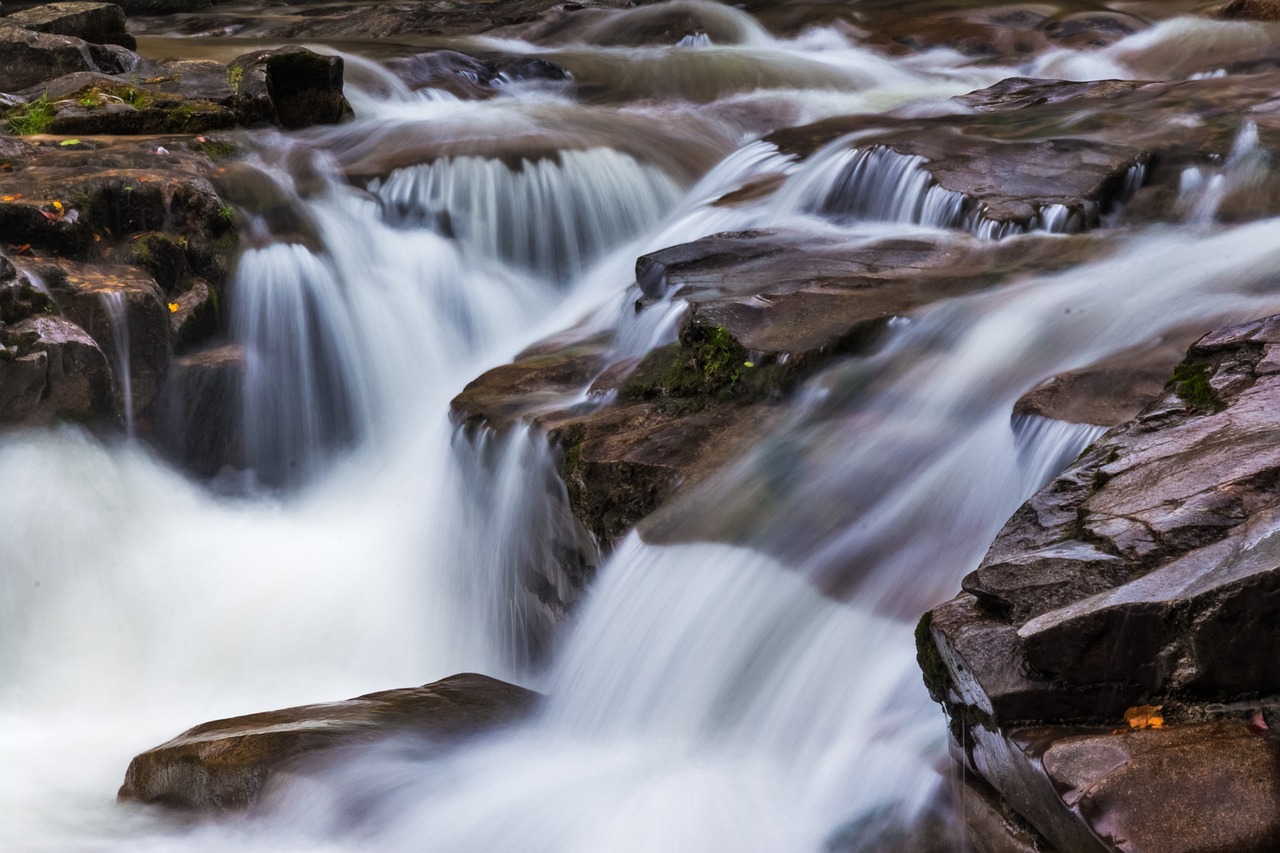
At its core, shutter speed is measured in seconds or fractions of a second, like 1/1000 or 2″. A faster shutter speed, say 1/1000, freezes rapid movement, ideal for snapping sports action or a bird in flight. On the flip side, a slower speed, like 1/30, allows for a more extended exposure, transforming rushing water into a silky, ethereal flow.
The significance? It’s about control—capturing stillness or conveying dynamism. Freeze a speeding car with a swift shutter, or let the lights of a cityscape streak into dazzling trails with a deliberate slow exposure.
So, as you navigate the intricate world of shutter speed, envision it as your visual metronome, dictating the rhythm of your photographic symphony. With this understanding, you’ll effortlessly choreograph moments, from the perfectly paused to the gracefully flowing, creating visual stories that resonate with the beat of life.
B. Freezing or capturing motion to convey narrative elements
Embark on a journey into the enchanting world of shutter speed, where moments freeze in time or dance with a dreamlike quality. 🎩✨
Understanding Shutter Speed:
Picture this: a chef twirling a ladle mid-air, crafting culinary poetry. With a fast shutter speed of 1/1000 seconds, each droplet of sauce is suspended, creating a visual feast. Conversely, a slow shutter speed of 1/10 seconds transforms a bustling city street into streaks of light, capturing the ebb and flow of life.
Conveying Dynamic Elements:
In the realm of storytelling, a dog’s playful leap or a child’s joyous jump is a narrative within itself. Shutter speed becomes the storyteller’s pen, immortalizing these split-second scenes—each blur, each crisp detail contributing to the emotional depth of your visual tale.
Setting the Scene:
Imagine a bustling market frozen in time at 1/500 seconds, vendors mid-gesture, a snapshot of vibrant chaos. Alternatively, a serene sunset captured with a slow shutter speed of 1/10 seconds paints a canvas of warmth and tranquility. Shutter speed isn’t just a technical aspect; it’s the brushstroke that defines the mood and atmosphere of your visual story.
Crafting Visual Rhythm:
Like a musical composition, shutter speed adds rhythm to your visuals. A fast beat for action-packed scenes at 1/1000 seconds, a slow melody for moments of contemplation at 1/10 seconds. Each adjustment becomes a note, orchestrating the narrative in harmony with the pace of your story.
C. Balancing exposure duration for different storytelling needs
In the symphony of visual storytelling, shutter speed emerges as the conductor, determining the duration each note lingers in the audience’s mind. 🎶✨
Understanding the Art of Balance:
The essence of storytelling lies in finding equilibrium—a balance between freezing time and allowing it to flow seamlessly. A fast shutter speed, such as 1/1000 seconds, captures crisp, high-energy moments, ideal for action sequences or dynamic scenes. Conversely, a slower shutter speed, like 1/10 seconds, introduces a gentle flow, perfect for conveying emotion and atmosphere in quieter, reflective moments.
Adapting to the Narrative Beat:
Consider the heartbeat of your story—its pace, its rhythm. For a fast-paced, exhilarating narrative, a swift shutter speed ensures clarity in every heartbeat. In contrast, a leisurely tale may benefit from the dreamy strokes of a more extended exposure, allowing details to linger in the viewer’s imagination.
Crafting Visual Dynamics:
Imagine a sports car zooming past, frozen in time at 1/2000 seconds, each detail razor-sharp against the blur of speed. Now, envision a dancer twirling gracefully, captured at 1/15 seconds, where the movement becomes a poetic dance of light and shadow. Shutter speed isn’t just a technical parameter; it’s a dynamic tool, shaping the visual language that speaks volumes in your narrative.
Navigating Scenes with Precision:
As you delve into the nuances of your story, think of shutter speed as your compass, guiding you through the diverse landscapes of your narrative. A burst of speed to capture a fleeting moment, a gentle pause to emphasize the beauty within the stillness—each adjustment contributes to the unique cadence that echoes through your visual tale.
D. Real-world scenarios illustrating shutter speed’s impact
Let’s dive into the real-world theatre where shutter speed takes centre stage, influencing the narrative tone and visual language of each scene.
1. Action Unleashed:
Imagine the heart-pounding excitement of a sports event, where a swift shutter speed of 1/1000 seconds freezes athletes mid-air, suspended in a moment of triumphant glory. The intensity is palpable, each droplet of sweat captured in sharp detail, amplifying the energy of the scene.
2. Serenity in Motion:
Contrast that with a serene landscape bathed in the soft hues of sunset. Here, a slower shutter speed, around 1/30 seconds, transforms a flowing stream into a painterly masterpiece. The water becomes a gentle brushstroke, blurring the boundaries between reality and impressionistic beauty.
3. Nighttime Elegance:
As the sun bids adieu and the city lights awaken, a delicate play of light emerges. In low-light conditions, a prolonged exposure of 5 seconds or more captures the trails of passing cars, creating a luminous tapestry that tells the story of a bustling urban night.
4. Expressive Portraiture:
Portraits, the intimate character studies of visual storytelling, often benefit from a calculated approach to shutter speed. At 1/200 seconds, freeze the infectious laughter of a child or extend it to 1/15 seconds to capture the graceful sway of a dancer. The choice shapes not just the moment but the emotional resonance within the frame.
5. Cinematic Flourish:
Consider the world of filmmaking, where shutter speed becomes a brush in the hands of a cinematographer. Whether it’s a high-octane chase at 1/500 seconds or a dreamy sequence at 1/24 seconds, each choice crafts the cinematic language that immerses the audience in the story.
In these snapshots of reality, shutter speed emerges as the silent storyteller, weaving tales of action, tranquility, nightlife, portraiture, and cinematic magic. As we unravel these scenarios, the versatility of shutter speed in shaping our narratives becomes all the more evident.
ISO Sensitivity: Adapting to Light Conditions
A. Understanding ISO sensitivity and its role in photography
Let’s unravel the enigma of ISO sensitivity—a key player in the symphony of photography. ISO, derived from the Greek word for “equal,” is like the conductor ensuring harmony between light and camera sensitivity.
1. The Basics:
At its core, ISO measures the camera sensor’s sensitivity to light. In the analog era, it referred to the film’s sensitivity; today, in the digital realm, it dictates how well the sensor captures light. Low ISO values (e.g., ISO 100) suit well-lit scenes, while high values (e.g., ISO 1600 or above) enhance visibility in low-light conditions.
2. Finding Balance:
Choosing the right ISO is a delicate balancing act. A lower ISO minimizes digital noise, preserving details in well-lit scenarios. However, in low-light situations, a higher ISO brightens the image but might introduce graininess. Striking the perfect balance depends on the available light and the desired effect.
3. Artistry in Grain:
Embrace the grain! Sometimes, a photographer deliberately opts for higher ISO settings to infuse character into an image. This intentional introduction of graininess can evoke a vintage, filmic aesthetic, adding a layer of nostalgia to the visual narrative.
4. Adaptability in Action:
The beauty of ISO lies in its adaptability. When faced with dynamic lighting conditions, photographers can adjust ISO on the fly. A sunset casting long shadows might call for a bump in ISO, ensuring the sensor captures nuances that a lower setting might miss.
5. The Lowdown on Digital Noise:
Ah, the trade-off! As ISO climbs, so does the likelihood of digital noise—those speckles that can mar a pristine image. Understanding this trade-off empowers photographers to make informed decisions, navigating the fine line between brightness and noise.
In the realm of visual storytelling, ISO sensitivity emerges as a potent tool, allowing photographers to orchestrate light, control ambiance, and craft images that resonate with their artistic vision.
B. Responding to available light for optimal exposure
Embarking on the journey of visual storytelling demands a keen understanding of ISO sensitivity, especially in responding to the ever-changing dance of light. Let’s waltz through the nuances of adapting ISO to different lighting scenarios.
Chasing the Daylight:
In bright, natural light, a lower ISO (e.g., ISO 100-400) is your dance partner. This ensures optimal exposure without introducing unnecessary digital noise. Perfect for capturing the details of a sunlit landscape or a radiant portrait, low ISO settings maintain clarity in well-illuminated scenes.
Twilight Tunes:
As the sun takes a bow and twilight serenades the scene, the ISO dance evolves. Moderate ISO values (e.g., ISO 400-800) step into the limelight, accommodating the diminishing light while still keeping noise at bay. This phase demands a balance between sensitivity and grain, creating a harmonious visual melody.
Moonlit Waltz:
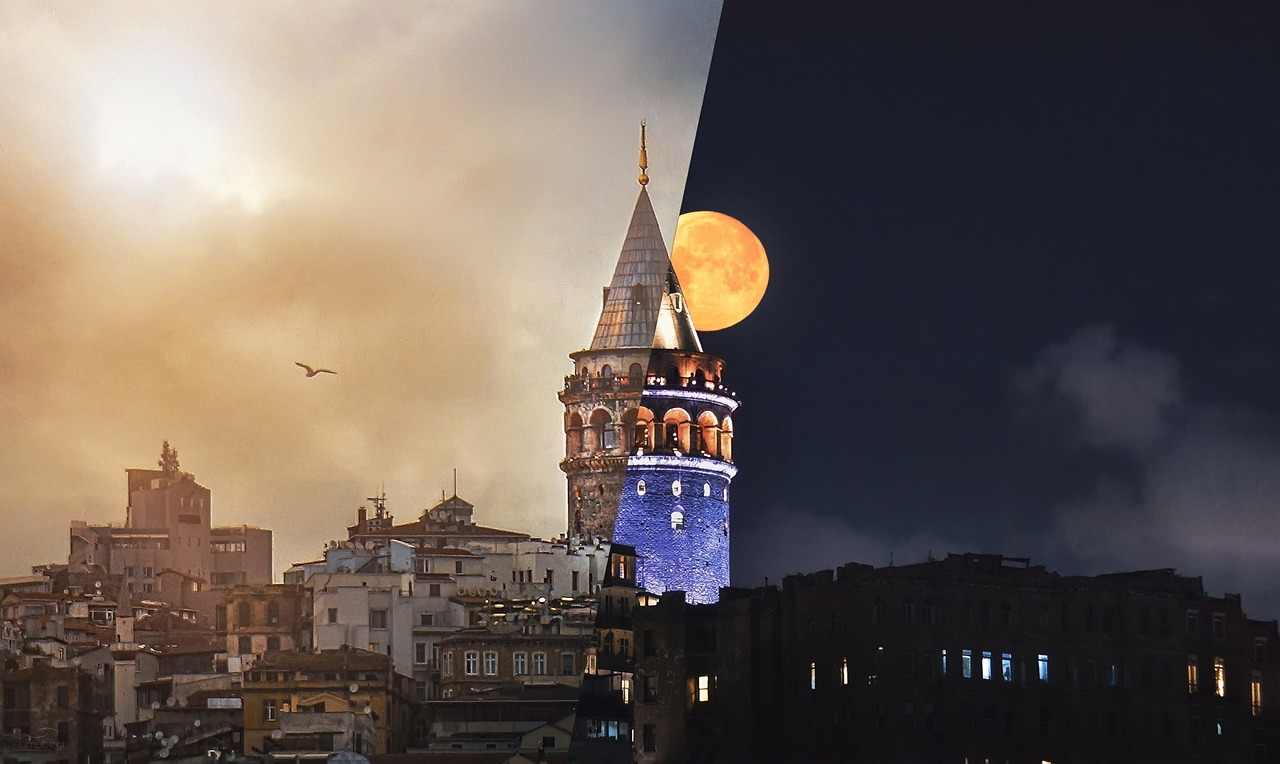
Under the enchanting glow of the moon or artificial lighting, the ISO tango intensifies. Higher ISO values (e.g., ISO 800 and above) become the lead, ensuring the sensor captures the subtleties of the night. Here, a touch of grain might be a willing sacrifice for the sake of preserving the ethereal ambiance.
The Dynamic Dance Floor:
In scenarios where light takes center stage, such as concerts or cityscapes with varied sources of illumination, ISO sensitivity becomes a dynamic partner. Adjustments in real-time, akin to changing dance moves, allow photographers to navigate the ever-shifting tones and hues, ensuring each frame tells a compelling story.
Mastering ISO sensitivity isn’t just about technical prowess; it’s about dancing with light, adapting to its rhythms, and orchestrating a visual symphony that resonates with your storytelling vision.
C. Case studies showcasing ISO’s influence on storytelling
Let’s embark on a visual journey through real-world scenarios where ISO sensitivity takes centre stage, shaping the narratives in captivating ways. These case studies illuminate the profound influence of ISO on storytelling, demonstrating its versatility in capturing the essence of diverse moments.
1. Street Tales at Dusk:
In the heart of a bustling city, our lens captures the transition from daylight to city lights. With ISO sensitivity set at a moderate level (e.g., ISO 400-800), the camera skillfully navigates the changing urban landscape. Witness the play of shadows and lights as the streets come alive, each frame telling a unique story of the city’s metamorphosis.
2. Starlit Whispers in Nature:
Venturing into the tranquility of a starlit night, we explore the magic of higher ISO settings (e.g., ISO 1600 and beyond). The camera, acting as our storyteller, unveils the mysteries of the nocturnal world. Despite the absence of abundant light, ISO sensitivity brings forth the details of a moonlit forest, narrating a tale of nature’s nocturnal wonders.
3. Candlelit Conversations:
In an intimate setting illuminated by candlelight, our lens captures the warmth of human connection. Here, a delicate balance is struck with lower to moderate ISO settings (e.g., ISO 200-800), preserving the ambiance while ensuring the storyteller’s lens doesn’t overpower the delicate interplay of light and shadows. The result? A series of frames that convey the nuances of shared moments in the soft glow of candles.
These case studies provide a glimpse into the dynamic role ISO sensitivity plays in crafting narratives. As we dissect each scenario, you’ll gain a deeper appreciation for the strategic use of ISO in storytelling photography. Stay tuned for more visual insights in the upcoming scenes!
Conclusion
As we draw the curtain on our exploration of camera settings, you’ve embarked on a journey that transcends the technicalities of aperture, shutter speed, and ISO. What began as an unraveling of buttons and dials concludes as a profound understanding of your camera as a storytelling accomplice.
Remember, the mastery of these settings isn’t just a technical feat; it’s your passport to visual storytelling prowess. Each click, every adjustment, and the interplay of these elements crafts a narrative that’s uniquely yours.
So, armed with this newfound knowledge, venture forth into the visual realm with confidence. Let your camera be the brushstroke, the lens the canvas, and your stories the masterpiece. Your journey in mastering the art of visual storytelling has just begun, and with every click, you’re authoring a story that resonates with the world. Happy storytelling!