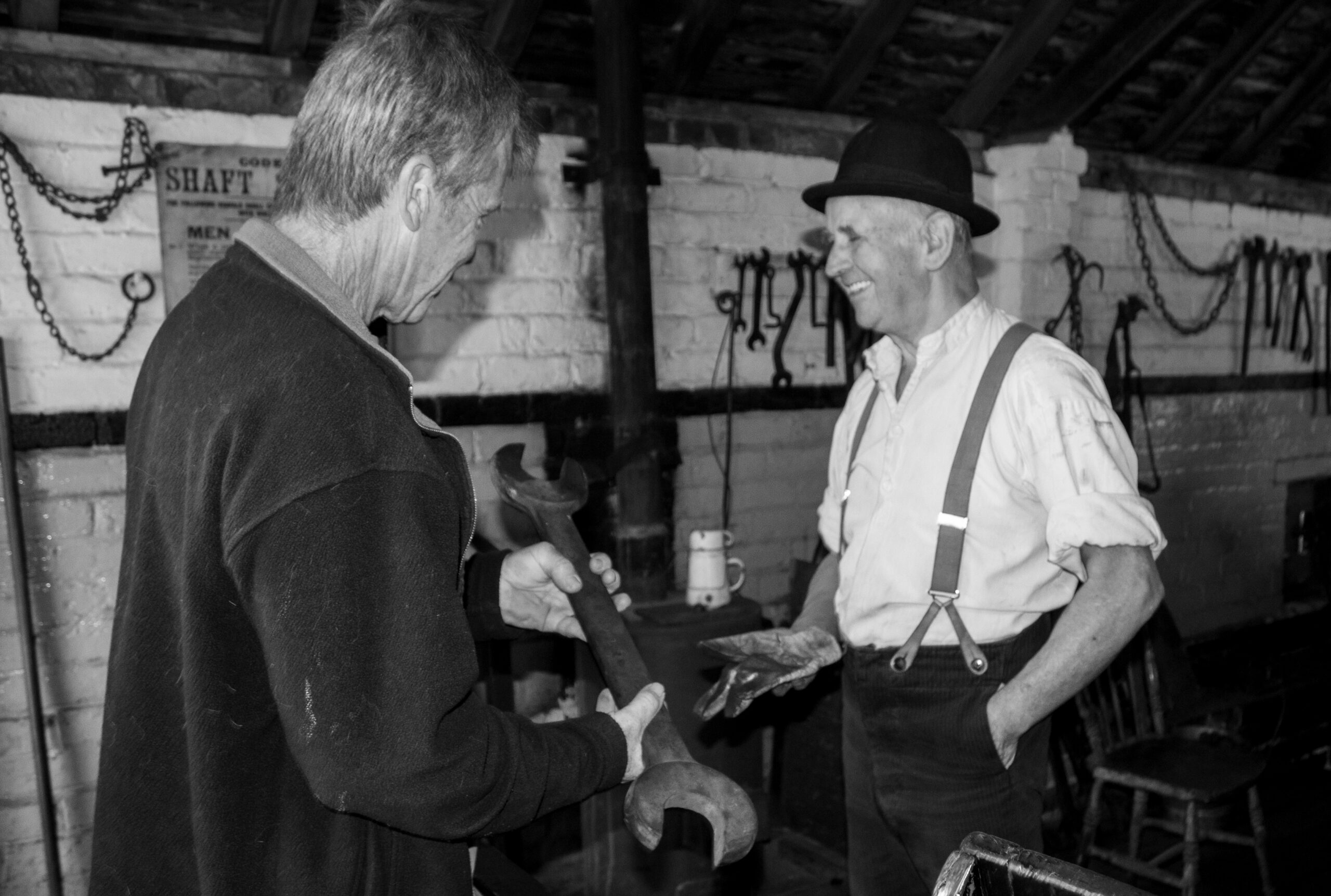
Introduction: Unlock the secrets of capturing stunning images and boosting your online presence in this comprehensive photography master class. Join me on a visual journey that goes beyond the lens, delving into techniques, tools, and strategies to elevate your photography game and enhance your digital footprint.
The Art of Visual Storytelling: Crafting Captivating Narratives Through Photography
Immerse Yourself in the Narrative Realm
Embarking on a photographic journey transcends the mere act of capturing moments; it invites you to immerse yourself in the rich and captivating realm of visual storytelling. In this enchanting world, each photograph becomes a vessel for narratives, a window into emotions, and a doorway to a unique and compelling story waiting to be told.
To truly “Immerse Yourself in the Narrative Realm,” envision your camera not just as a tool but as a storyteller’s pen, ready to weave tales that resonate with authenticity and emotion. Here’s how you can submerge yourself in this fascinating realm:
Cultivate an Observant Eye:
Develop a keen sense of observation that transcends the ordinary. Pay attention to the subtle nuances of human expressions, the dance of light and shadow, and the often-overlooked intricacies that make each moment unique. A storyteller’s journey commences with a profound understanding of the world. For inspiration, I’ve discovered the insightful videos of Alex Kilbee on his channel, ThePhotographicEye. His content is not only educational but also profoundly inspiring, making it a valuable resource for anyone looking to enhance their observational skills in photography.
Seek the Unseen Stories:
Behind every face, every landscape, and every moment lies an untold story. Immerse yourself in the quest for these unseen narratives. Whether it’s the wrinkled hands telling tales of a lifetime or the abandoned building whispering echoes of its history, find stories in the seemingly ordinary and let them unfold through your lens.
Capture Emotions as Chapters:
Emotions are the threads that bind a narrative. Each photograph should encapsulate a specific emotion, serving as a chapter in the overarching story. Whether it’s the joy of a reunion, the melancholy of solitude, or the excitement of discovery, let emotions guide your narrative and create a resonant connection with your audience.
Compose with Intention:
Every frame is a canvas, and every element within it contributes to the story. Compose your shots with intentional framing, considering the visual language that will convey the narrative. Experiment with angles, perspectives, and framing techniques to enhance the storytelling impact of your photographs.
Chronicle the Journey:
Visual storytelling often involves capturing the evolution of a moment or a subject over time. Chronicle the journey within a series of images, allowing viewers to witness the narrative unfold gradually. This sequential approach adds depth and context to your storytelling, creating a more immersive experience.
Convey Atmosphere and Mood:
Beyond the subjects themselves, the atmosphere and mood play pivotal roles in storytelling. Use lighting, colours, and tones to convey the emotional backdrop of your narrative. Whether it’s the warmth of golden hour light or the cool tones of a rainy day, let the atmosphere become an integral part of your visual storytelling language.
Leave Room for Interpretation:
A compelling narrative often leaves room for interpretation. Allow viewers to bring their perspectives and emotions to your photographs. Create images that invite contemplation, sparking the viewer’s imagination and encouraging them to weave their own stories within the frames you’ve captured.
As you immerse yourself in the narrative realm of photography, remember that each click of the shutter is a pen-stroke, and each photograph is a page in the storybook of your visual journey. Let the narratives unfold organically, capturing the essence of moments, emotions, and the unseen stories that make each image a chapter in the boundless tale of visual storytelling.
Tips for Crafting Compelling Narratives

Crafting a compelling narrative requires a thoughtful approach, where each photograph becomes a brushstroke on the canvas of your visual storytelling. Here, we’ll explore valuable tips and techniques to infuse your images with storytelling elements that guide viewers through a seamless visual journey, leaving a lasting impact.
Technical Aspects Unveiled
Embarking on the journey of storytelling through visuals requires a profound exploration of the technical aspects that form the foundation of a compelling narrative. In this comprehensive exploration, we will unravel the mysteries of crucial camera settings, delving into the intricacies of aperture, shutter speed, and ISO.
Aperture, like the iris of the eye, controls the amount of light entering the camera, influencing depth of field and creating a focal point for your story. Shutter speed determines the duration of light exposure, freezing or capturing motion to convey the dynamic elements of your narrative. ISO sensitivity adds another layer, defining how the camera responds to available light and ensuring optimal exposure in various conditions.
Together, these technical elements work harmoniously to capture the essence of a moment with unparalleled clarity and precision. This in-depth understanding empowers you to navigate the intricate balance between light, motion, and sensitivity, allowing you to craft visuals that resonate with the emotions and messages you intend to convey.
As we delve into the technical intricacies, we will equip you with the knowledge and skills needed to wield your camera as a storytelling tool. By mastering these technical aspects, you will not only capture moments but curate a visual journey that captivates your audience, ensuring that every visual element aligns seamlessly with the narrative you wish to share. Join us on this exploration to unveil the technical nuances that elevate your visual storytelling to new heights. Make sure to subscribe to notifications to stay updated and not miss out on the in-depth exploration of this as it’s published.
Composition as a Storytelling Tool
Delving into the realm of visual storytelling unveils composition as the language that articulates the narrative. It is not merely the arrangement of elements within the frame but a strategic orchestration that elevates your storytelling to a profound level.
Framing, a key composition technique, serves as a visual border, directing the viewer’s focus and providing context. By skillfully employing framing, you guide the audience to perceive the story within a defined space, enhancing the impact and resonance of your narrative.
Leading lines, another powerful tool, act as visual pathways, guiding the viewer’s gaze through the photograph. Whether converging towards a focal point or meandering through the scene, these lines create a dynamic flow, weaving a seamless connection between the different elements and layers of your story.
The artful use of negative space introduces a subtle yet impactful dimension to your composition. Embracing emptiness as a deliberate choice, negative space allows the viewer’s imagination to fill the gaps, fostering a deeper engagement with the narrative. It provides breathing room, emphasizing the significance of the elements that do occupy the frame.
As we embark on an exploration of composition techniques, you will gain insights into how each element within the frame contributes to the overall storytelling impact of your photographs. The meticulous arrangement of subjects, the conscious use of space, and the intentional framing choices all play a crucial role in shaping a visual narrative that resonates with your audience.
Join us in unraveling the art of composition as a storytelling tool, and discover how the language of visual arrangement can transcend the ordinary, transforming your photographs into captivating stories that linger in the minds and hearts of those who behold them. Make sure to subscribe to notifications to stay updated and not miss out on the in-depth exploration of this as it’s published.
Capturing Emotions and Moments
Embark on a journey into the essence of storytelling by delving into the art of capturing emotions and moments. In the realm of visual narrative, the ability to resonate with emotions is the heartbeat that brings stories to life.
Genuine moments are the jewels that adorn a compelling narrative, creating a profound connection between viewers and the story you wish to convey. It’s about more than freezing a scene in time; it’s about encapsulating the soul-stirring elements that define the human experience.
Learn the art of recognizing and seizing those authentic moments that encapsulate emotions. Dive into the infectious joy radiating from a genuine smile, the profound depth of emotion conveyed through a gaze, or the quiet beauty that resides in the fleeting instants often overlooked. Each captured emotion becomes a thread, intricately weaving the fabric of your visual story.
Discover the techniques that go beyond the technical aspects of photography, focusing on the human element that elevates your storytelling. Explore the subtleties of expression, the nuances of body language, and the intimate connections between individuals. Uncover the ability to freeze not just the image but the emotion, allowing viewers to immerse themselves in the rich tapestry of your narrative.
As we delve into the realm of capturing emotions and moments, you’ll gain insights into the artistry of storytelling. Your photographs will transcend the visual to become a sensory experience, resonating with the hearts of those who behold them. Join us in this exploration, where emotions become the brushstrokes, and moments become the chapters, painting a vivid and unforgettable visual story.
Unlock the power of sequential storytelling, where a series of images unfolds a complete and compelling narrative. Understand the importance of cohesion, pacing, and visual continuity in creating a photo series that captivates your audience. Explore how each image contributes to the larger story, creating a cohesive and immersive experience that transcends individual frames. Make sure to subscribe to notifications to stay updated and not miss out on the in-depth exploration of this as it’s published.
Narrative Beyond the Frame:
Unlock the full potential of your storytelling prowess by venturing beyond the confines of individual images. Embrace the expansive world of narrative photography through avenues such as photo essays, photojournalism, and documentary photography.
In the realm of photo essays, discover the power of a series of images curated to convey a cohesive narrative. Explore the art of crafting a visual story that unfolds seamlessly from one photograph to the next, creating a compelling and immersive experience for your audience. Learn to weave a thematic thread that ties together diverse images, forming a narrative tapestry that tells a more extensive and nuanced story than a single frame ever could.
Delve into the dynamic field of photojournalism, where storytelling meets the urgency of real-time events. Understand the ethical considerations and techniques involved in capturing impactful images that narrate news stories, document events, and provide a visual chronicle of the world around us. Learn how to convey the essence of a moment with clarity and immediacy, making your storytelling not just visually captivating but socially relevant.
Embark on a journey into documentary photography, where storytelling becomes a tool for shedding light on social issues, cultural nuances, and personal experiences. Understand the responsibilities and opportunities that come with documenting real-life situations, capturing the raw and unfiltered aspects of human existence. Explore the potential of your lens to be a voice for those whose stories may otherwise go unheard.
As you extend your storytelling narrative beyond the frame, you’ll discover a vast landscape of creative possibilities. Your storytelling journey will evolve from capturing singular moments to crafting comprehensive visual narratives that resonate with depth and impact. Join us on this exploration, where the narrative extends beyond the frame, reaching new heights and depths in the rich tapestry of visual storytelling. Make sure to subscribe to notifications to stay updated and not miss out on the in-depth exploration of this as it’s published.
Photography Essentials: From Camera Settings to Composition

Break down the technical aspects of photography.
Dive into the intricate world of photography as we break down the technical aspects, demystifying the complexities that often intimidate enthusiasts. Explore the fundamental pillars that form the backbone of every stunning photograph.
Aperture: Unveiling the Power of Light Discover the role of aperture, a key player in determining the amount of light that enters your camera. Delve into the creative possibilities it offers, from achieving a captivating depth of field to emphasizing specific subjects in your composition.
Shutter Speed: Freezing or Blurring Time Uncover the magic of shutter speed, a crucial element in capturing motion and controlling the exposure of your images. Learn to freeze fast-paced action or introduce a sense of motion, adding dynamism and flair to your photography.
ISO: Sensitivity to Light Demystify ISO, the third pillar of the exposure triangle. Understand how adjusting sensitivity to light influences the overall brightness of your images and discover the art of balancing ISO with aperture and shutter speed for optimal results in various lighting conditions.
Composition Techniques: Framing Your Vision Embark on a journey into the art of composition, where the arrangement of elements within the frame transforms a photograph into a visual masterpiece. Explore techniques such as framing, leading lines, and the strategic use of negative space to elevate the impact of your imagery.
White Balance: True Colours Unveiled Unravel the secrets of white balance, ensuring that the colors in your photographs remain true to life. From warm golden hues to cool blue tones, master the art of adjusting white balance to convey the desired mood and atmosphere in your images.
Focus and Depth of Field: Precision in Every Detail Delve into the nuances of focus and depth of field, understanding how to achieve sharp, detailed images with a well-defined focal point. Explore techniques for controlling depth of field to convey a sense of dimension and guide viewers’ attention.
Camera Modes: From Auto to Manual Navigate through the various camera modes, progressing from the convenience of Auto to the creative control of Manual. Learn when to rely on semi-automatic modes like Aperture Priority and Shutter Priority, and when to take the reins in full Manual mode.
Through a series of in-depth discussions, practical tips, and hands-on exercises, this guide equips you with the knowledge and confidence to master the technical intricacies of photography. Whether you’re capturing breathtaking landscapes, dynamic portraits, or candid moments, elevate your skills and bring your creative vision to life. Make sure to subscribe to notifications to stay updated and not miss out on the in-depth exploration of this as it’s published.
Learn about essential camera settings and composition techniques.
Embark on a comprehensive journey into the heart of photography, where we unravel the intricacies of essential camera settings and composition techniques. This exploration is designed to empower you with the knowledge and skills needed to elevate your photography to new heights.
Essential Camera Settings Demystified
- Aperture Priority Mode: Understand the power and versatility of Aperture Priority mode, where you take control of the aperture setting while the camera manages the rest. We explore how this mode allows you to creatively manipulate depth of field, emphasising specific elements in your frame.
- Shutter Priority Mode: Delve into Shutter Priority mode, a tool for controlling the shutter speed while the camera handles other settings. Learn how this mode empowers you to capture motion with precision, freezing fast action or introducing a sense of blur for artistic effect.
- Manual Mode Mastery: Unlock the full potential of your camera by venturing into Manual mode. Gain confidence in adjusting aperture, shutter speed, and ISO independently, providing unparalleled control over your exposure settings and creative vision.
- ISO Settings for Every Scenario: Explore the nuances of ISO settings, from low to high sensitivity. Grasp the art of balancing ISO with aperture and shutter speed to achieve optimal exposure in diverse lighting conditions, ensuring your images shine with clarity and detail.
Composition Techniques for Visual Brilliance
- Rule of Thirds: Embrace the classic Rule of Thirds, a foundational principle that guides you in placing key elements off-center for a visually engaging composition. Learn how to create balanced and harmonious images by aligning important subjects with grid intersections.
- Leading Lines: Discover the dynamic impact of leading lines, a technique that draws viewers into your photograph. Explore how lines, whether straight or curved, guide the eye and add a sense of direction, depth, and movement to your visual storytelling.
- Frame Within a Frame: Elevate your composition by incorporating the ‘frame within a frame’ technique. Understand how to use natural or man-made elements in your environment to create a secondary frame, drawing attention to your main subject and adding layers of visual interest.
- Negative Space Mastery: Embrace the power of negative space as a creative tool. Learn to use empty spaces purposefully, allowing your subject to breathe and creating a sense of balance and simplicity that enhances the overall impact of your photographs.
- Dynamic Composition Techniques: Expand your repertoire with dynamic composition techniques such as juxtaposition, symmetry, and patterns. Uncover how these approaches can add intrigue, rhythm, and visual interest to your imagery.
Through this in-depth exploration of essential camera settings and composition techniques, you’ll gain the skills and understanding necessary to craft visually stunning photographs. Whether you’re a beginner looking to build a solid foundation or an experienced photographer seeking to refine your craft, this guide is tailored to enhance your creative journey in the world of photography. Make sure to subscribe to notifications to stay updated and not miss out on the in-depth exploration of this as it’s published.
Editing Magic: Enhancing Your Images with Post-Processing

Dive into the world of post-processing tools and techniques.
Embark on a transformative journey as we delve into the captivating realm of post-processing tools and techniques. This segment is dedicated to unraveling the secrets of enhancing your photographs through the artful use of digital editing, allowing you to elevate your images to new levels of visual brilliance.
We recommend initiating your exploration by assessing various editing software options available in the market, aligning with your desired level of functionality and budget considerations. While premium tools like the Adobe suite offer comprehensive professional features, there are also cost-effective and free alternatives that provide robust editing capabilities. Once you’ve selected your preferred software, we advise leveraging its built-in tutorials to successfully accomplish the following suggested tasks.
Explore the World of Post-Processing:
- Introduction to Editing Software: Familiarise yourself with popular photo editing software such as Adobe Lightroom and Photoshop, and discover their capabilities in bringing out the best in your images. Learn how these tools empower you to refine colours, tones, and details with precision.
- Basic Editing Techniques: Dive into fundamental editing techniques that form the backbone of post-processing. Understand the essentials of adjusting exposure, contrast, and saturation to ensure your images are well-balanced and visually compelling.
- Creative Colour Grading: Unleash your creativity with advanced color grading techniques. Explore the art of enhancing or altering colors to evoke specific moods, create visual harmony, or add a touch of drama to your photographs.
- Sharpening and Noise Reduction: Master the subtleties of sharpening to enhance the clarity and crispness of your images. Additionally, learn effective noise reduction techniques to maintain image quality, especially in low-light or high-ISO scenarios.
- Retouching and Object Removal: Acquire skills in retouching to refine portraits and remove imperfections. Understand the tools and methods for seamlessly removing unwanted objects from your images, ensuring a clean and polished final result.
- HDR and Panorama Stitching: Delve into the world of High Dynamic Range (HDR) photography and panorama stitching. Learn how to merge multiple exposures to capture a wider range of tones and perspectives, creating images that are rich in detail and visual impact.
- Presets and Workflow Optimization: Streamline your editing process by exploring presets and workflow optimization. Discover how presets can serve as starting points for your edits, saving time and ensuring consistency in your photographic style.
- Output and Export: Grasp the nuances of preparing your images for various outputs, whether it’s for online sharing, printing, or creating a portfolio. Learn about resolution, file formats, and color spaces to ensure your final images are presented in the best possible way.
Through this exploration of post-processing tools and techniques, you’ll gain the skills and insights needed to refine your images with precision and creativity. Whether you’re enhancing the mood of a landscape, perfecting the details in a portrait, or creating captivating visual narratives, the world of post-processing is a powerful ally in your photographic journey.
Tips for enhancing and refining your photos with editing software.
Having embarked on your post-processing journey using your selected editing software, delve into the realm of digital alchemy with our recommended tasks. Uncover the secrets to transforming your raw captures into visual masterpieces by strategically and artistically employing your editing tools. Unleash the full potential of your photographs through these guided steps, revealing the artistry within the pixels.
- Understanding Your Editing Software:
- Familiarise yourself with the features and functionalities of your chosen editing software, be it Adobe Lightroom, Photoshop, or any other. Understanding the tools at your disposal is the first step in unlocking their potential.
- Start with the Basics:
- Begin your editing journey by mastering the fundamental adjustments. Learn to tweak exposure, contrast, and color balance to achieve a well-balanced and visually appealing foundation for your image.
- Non-Destructive Editing:
- Embrace the power of non-destructive editing techniques. Utilise adjustment layers and masks to make changes without altering the original image, providing flexibility and control throughout the editing process.
- Effective Crop and Composition:
- Use cropping tools to refine the composition of your images. Experiment with different aspect ratios and compositions to find the most compelling visual narrative within your frame.
- Selective Editing with Brushes and Filters:
- Hone your precision with selective editing tools like brushes and filters. This allows you to target specific areas for adjustments, whether it’s enhancing details, adjusting colors, or adding creative effects.
- Mastering Color Grading:
- Explore the art of color grading to evoke specific emotions and enhance the overall mood of your photographs. Experiment with color wheels, curves, and split toning to create visually striking and harmonious color schemes.
- Creative Retouching:
- Develop skills in creative retouching to perfect portraits and eliminate distractions. Learn to soften skin tones, enhance eyes, and remove blemishes while maintaining a natural and authentic look.
- Harnessing the Power of Presets:
- Discover the efficiency of presets to streamline your editing workflow. Whether using pre-made presets or creating your own, these shortcuts can enhance consistency and save time.
- Experiment with Filters and Effects:
- Delve into the world of filters and effects to add a unique touch to your images. From vintage looks to modern aesthetics, filters can elevate the visual appeal of your photos.
- Mastering Advanced Techniques:
- Challenge yourself with advanced editing techniques such as frequency separation, luminosity masking, and compositing. These techniques provide unparalleled control over details, tones, and overall image quality.
- Seek Feedback and Learn Continuously:
- Share your edited work with peers or online communities to receive constructive feedback. Embrace a mindset of continuous learning, staying updated on new features and techniques in the ever-evolving landscape of editing software.
By immersing yourself in these tips, you’ll empower yourself to unlock the full potential of your editing software. Elevate your photography to new heights, creating images that resonate with your artistic vision and captivate your audience.
Optimising for the Web: Strategies to Boost Your Online Visibility

Understand the importance of optimising images for the web.
Understanding the importance of optimising images for the web is crucial in ensuring a seamless online experience for your audience. When images are optimised, it means they are tailored for efficient web performance, contributing to faster load times and improved overall user satisfaction. Here’s a detailed exploration of why optimising images for the web matters:
- Page Load Speed:
- Optimised images result in faster page load speeds, which is a critical factor for retaining visitors. Slow-loading pages can lead to high bounce rates as users seek quick and responsive online experiences.
- User Experience:
- A faster website enhances the user experience, making it more enjoyable and convenient for visitors to navigate through your content. Optimised images contribute significantly to the overall speed and responsiveness of your site.
- Search Engine Optimization (SEO):
- Search engines consider page speed as a ranking factor. Websites with faster load times are often favoured in search engine algorithms. By optimising images and, consequently, improving load times, you positively influence your site’s SEO.
- Mobile Friendliness:
- Mobile users, who constitute a substantial portion of internet traffic, particularly appreciate fast-loading websites. Optimising images for the web ensures that your site remains mobile-friendly, catering to the preferences of users on various devices.
- Bandwidth Efficiency:
- Optimised images consume less bandwidth, benefiting both website owners and users. This is particularly relevant for individuals with limited data plans or those accessing your site in areas with slower internet connectivity.
- Reduced Server Load:
- When images are optimised, they require less server resources to load. This reduction in server load contributes to the overall efficiency of your website, especially in handling concurrent user requests.
- Improved Conversions:
- Faster websites and a smoother user experience can positively impact conversion rates. Whether your goal is to sell products, capture leads, or encourage specific actions, an optimised website is more likely to convert visitors into customers.
- Responsive Design Support:
- Responsive web design, which ensures a consistent user experience across different devices, relies on optimised images. These images adapt seamlessly to various screen sizes without compromising load times or visual quality.
- Compliance with Best Practices:
- Following best practices for web development includes optimising images. It demonstrates a commitment to providing a high-quality online experience and aligns your website with industry standards.
- Cost-Efficiency:
- Optimising images reduces the storage space required on servers. This not only contributes to faster loading but also saves on hosting costs, particularly if your hosting plan is based on storage usage.
In conclusion, optimising images for the web is a multifaceted strategy that positively impacts user experience, SEO, and overall website performance. It aligns your site with modern web standards, ensuring that it remains competitive, engaging, and accessible to a diverse online audience.
Tips for improving website performance and user experience.
Optimising images for your website is crucial to enhance loading times and ensure a smooth user experience. Here are focused tips specifically tailored to image optimisation:
- Choose the Right Format:
- Select image formats that balance quality and file size. JPEG is suitable for photographs, while PNG is ideal for graphics with transparency. Consider the newer WebP format for even better compression.
- Compress Images:
- Use image compression tools to reduce file sizes without compromising quality. Strike a balance to ensure fast loading times while maintaining visual integrity.
- Implement Lazy Loading:
- Enable lazy loading for images to defer their loading until they come into the user’s viewport. This reduces initial page load times, especially for content below the fold.
- Optimise Image Dimensions:
- Resize images to match the display dimensions on your website. Uploading unnecessarily large images and relying on HTML or CSS to resize them can slow down loading times.
- Utilise Image Sprites:
- Combine multiple small images into a sprite sheet to reduce the number of HTTP requests. This is particularly useful for icons or repeated graphics across your site.
- Specify Image Dimensions:
- Include width and height attributes in your image tags. This helps browsers allocate space for the images during page load, preventing layout shifts as images load.
- Enable Browser Caching for Images:
- Set up caching policies for images to store them on users’ devices temporarily. This minimizes the need to reload images on subsequent visits.
- Optimise Thumbnails:
- If your website uses thumbnails, ensure they are appropriately optimized. Thumbnails with smaller file sizes load faster, contributing to a more efficient user experience.
- Use Responsive Images:
- Implement responsive images that adapt to different screen sizes. This ensures that users on various devices receive images optimised for their specific screens.
- Consider Image CDNs:
- Explore Content Delivery Networks (CDNs) specifically designed for images. These services distribute image content across servers globally, reducing latency and accelerating image delivery.
- Audit Image Loading:
- Regularly audit and analyze how images load on your website. Identify large or uncompressed images and optimize them for better performance.
- Utilize Image Compression Plugins:
- If you’re using a Content Management System (CMS) like WordPress, consider using image compression plugins. These tools automatically compress images upon upload.
- Opt for Progressive JPEGs:
- Choose progressive JPEGs over baseline JPEGs. Progressive JPEGs load in a way that users see a low-resolution version first, providing a faster initial impression.
- Test Image Loading Speed:
- Use tools like Google PageSpeed Insights or other image-specific speed testing tools to assess how quickly your images load. Address any identified issues to optimize image delivery.
By implementing these image-focused optimisation strategies, you can significantly enhance the loading speed of your website, contributing to a more enjoyable and efficient user experience.
Social Media Savvy: Leveraging Platforms to Showcase Your Photography

Harness the power of social media for photography exposure.
Leveraging social media is a powerful strategy to boost exposure for your photography. Here’s an in-depth guide on how to harness the full potential of social platforms:
- Choose the Right Platforms:
- Identify the social media platforms that align with your photography niche. Instagram is ideal for visual content, while platforms like Facebook and Pinterest also cater to diverse visual interests.
- Create a Compelling Profile:
- Craft a captivating and cohesive profile that reflects your photography style and personality. Use a recognizable profile picture, write a compelling bio, and include links to your portfolio or website.
- Share High-Quality Content:
- Consistently post high-quality and visually engaging images. Showcase your best work to grab the attention of your audience. Maintain a consistent posting schedule to keep your audience engaged.
- Utilize Hashtags Strategically:
- Research and use relevant and popular hashtags to increase the discoverability of your content. Create a branded hashtag for your photography to encourage user-generated content and community engagement.
- Engage with Your Audience:
- Respond promptly to comments, messages, and mentions. Engage with your followers by asking questions, running polls, and encouraging them to share their thoughts on your work.
- Collaborate with Others:
- Collaborate with fellow photographers, influencers, or brands in your niche. This not only exposes your work to a broader audience but also fosters a sense of community within your social media circles.
- Participate in Challenges and Trends:
- Join photography challenges and follow trending topics on social media. Participating in these trends increases the visibility of your work and connects you with a wider audience.
- Share Behind-the-Scenes Content:
- Offer a glimpse into your creative process by sharing behind-the-scenes content. This humanizes your brand, making it more relatable to your audience.
- Utilize Stories and Reels:
- Take advantage of ephemeral content features like Instagram Stories and Reels. These formats provide a dynamic and interactive way to share your photography journey, events, or quick tips.
- Promote Your Photography Events:
- If you’re hosting photography events, workshops, or exhibitions, use social media to promote them. Create event pages, share teasers, and encourage your followers to attend and share the information.
- Run Paid Ad Campaigns:
- Consider running targeted paid ad campaigns on social media. This can help you reach a specific demographic interested in photography and expand your audience.
- Optimize Your Posting Times:
- Identify the optimal times for posting on each platform. This varies based on your audience demographics and location. Use analytics tools to understand when your audience is most active.
- Cross-Promote Across Platforms:
- Cross-promote your content across different social media platforms. Share snippets on Twitter, link back to your Instagram on Facebook, and utilize the unique strengths of each platform.
- Monitor Analytics and Adjust Strategies:
- Regularly analyze the performance of your posts using social media analytics tools. Adjust your strategies based on what content resonates most with your audience and the times when engagement is highest.
By strategically harnessing the power of social media, you can significantly amplify your photography exposure, connect with a broader audience, and establish a strong online presence. We’ve just scratched the surface on this topic, and a more comprehensive post is essential. Be sure to subscribe to notifications to stay informed and not miss the in-depth exploration of this subject as it’s published.
Strategies for Building an Engaged Audience on Instagram and Pinterest
In the visually dynamic realm of photography, cultivating an engaged audience on platforms like Instagram and Pinterest is crucial for expanding your reach and impact. Here, we delve into effective strategies to foster a community of enthusiasts who appreciate and actively engage with your visual content.
1. Optimise Your Profile:
- Craft a compelling bio that succinctly introduces your photography style and niche.
- Use a recognisable profile picture, preferably your logo or a distinctive image.
2. Curate Your Feed:
- Maintain a consistent aesthetic that reflects your unique visual identity.
- Balance variety with cohesion, ensuring your feed tells a cohesive story.
3. Utilise Hashtags Strategically:
- Research and include relevant and popular hashtags in your posts.
- Create a branded hashtag to encourage user-generated content and community participation.
4. Engage Authentically:
- Respond promptly to comments on your posts, fostering a sense of community.
- Actively participate in discussions within your niche by commenting on others’ content.
5. Stories and Reels Engagement:
- Leverage Instagram Stories and Reels to showcase behind-the-scenes content and creative processes.
- Encourage audience interaction with polls, questions, and interactive features.
6. Consistent Posting Schedule:
- Establish a regular posting schedule to maintain visibility and keep your audience engaged.
- Utilise analytics to identify optimal posting times for your target audience.
7. Collaborate with Others:
- Explore collaboration opportunities with fellow photographers or influencers in your niche.
- Participate in Instagram takeovers or joint Pinterest boards to cross-promote content.
8. Pinterest Board Optimisation:
- Create well-organised boards that align with different aspects of your photography.
- Write keyword-rich descriptions for boards and individual pins to enhance discoverability.
9. Rich Pins and SEO:
- Enable Rich Pins on Pinterest to provide additional context and information.
- Optimise pin descriptions with relevant keywords to improve search visibility.
10. Community Engagement:
- Join and actively participate in relevant Pinterest and Instagram communities.
- Share your insights, tips, and learnings with the community to establish authority.
Building an engaged audience requires a combination of authenticity, consistency, and strategic use of platform features. By implementing these strategies, you’ll foster a community that not only appreciates your photography but actively participates in the conversation, amplifying the impact of your visual storytelling.
We’ve just scratched the surface on this topic, and a more comprehensive post is essential. Be sure to subscribe to notifications to stay informed and not miss the in-depth exploration of this subject as it’s published.
SEO for Photographers: Elevating Your Google Ranking

Uncover the key elements of SEO tailored for photographers.
In the vast landscape of online content, search engine optimization (SEO) plays a pivotal role in ensuring your photography receives the visibility it deserves. Tailoring your SEO strategy specifically for photography involves a nuanced approach that combines visual appeal with strategic optimisation. Here, we unravel the key elements of SEO customised to enhance the online presence of photographers.
1. Keyword Research for Visual Content:
- Identify keywords relevant to your photography niche and style.
- Prioritise long-tail keywords that reflect specific aspects of your work, such as location, genre, or technique.
2. Optimising Image Metadata:
- Ensure each image file is named descriptively, incorporating relevant keywords.
- Add alt text to your images, providing concise and informative descriptions for accessibility and SEO benefits.
3. Create SEO-Friendly Image Galleries:
- Structure your website with SEO-friendly image galleries, allowing search engines to index your work effectively.
- Implement descriptive captions and titles for each image within the gallery.
4. Responsive and Mobile-Friendly Design:
- Optimise your website for mobile devices to enhance user experience.
- Search engines prioritize mobile-friendly websites, impacting your SEO ranking positively.
5. Page Speed Optimization:
- Compress and optimise images to reduce page loading times.
- Consider using a content delivery network (CDN) to ensure fast loading across different geographical locations.
6. Utilise Rich Snippets for Photography:
- Implement schema markup to provide search engines with additional context about your images.
- Utilise rich snippets to showcase details like photo captions, location, and photographer information in search results.
7. Create an Engaging Blog:
- Integrate a blog section into your website to regularly publish relevant content.
- Write SEO-friendly articles that include your target keywords and showcase your expertise in photography.
8. Backlink Building for Photography Websites:
- Seek opportunities for backlinks from reputable sources within the photography community.
- Guest post on photography-related blogs or collaborate with other photographers for cross-promotion.
9. Local SEO Optimisation:
- Optimize your website for local searches by including location-specific keywords.
- Create a Google My Business profile with accurate information and a link to your photography website.
10. Regularly Update and Refresh Content:
- Keep your portfolio and website content up-to-date to demonstrate ongoing activity.
- Regular updates signal relevance to search engines, positively influencing your SEO ranking.
Implementing these tailored SEO strategies for photographers can significantly enhance the discoverability of your work. By combining the visual allure of your photography with strategic optimisation techniques, you’ll create a robust online presence that resonates with both search engines and your target audience.
We’ve just scratched the surface on this topic, and a more comprehensive post is essential. Be sure to subscribe to notifications to stay informed and not miss the in-depth exploration of this subject as it’s published.
Tips on optimising your photography website and images for better visibility on Google.
In the competitive realm of online photography, visibility on Google is crucial for reaching a wider audience and potential clients. To ensure that your stunning images receive the attention they deserve, follow these tips on optimising your photography website and images for enhanced visibility on the world’s most popular search engine.
1. Image Compression and Optimisation:
- Compress your images without compromising quality to reduce loading times.
- Use tools like Adobe Photoshop or online platforms to optimize images for web viewing.
2. Implement Descriptive File Names:
- Assign meaningful file names to your images, incorporating relevant keywords.
- Descriptive file names provide context to search engines and potential visitors.
3. Alt Text for Accessibility and SEO:
- Include descriptive alt text for each image, catering to both visually impaired users and search engine algorithms.
- Alt text serves as an opportunity to insert relevant keywords naturally.
4. Structured Image Galleries:
- Organize your portfolio into well-structured galleries, making it easy for users and search engines to navigate.
- Provide clear captions and titles for each image within the gallery.
5. Mobile-Friendly Design:
- Optimise your website for mobile devices to cater to users across different platforms.
- Google prioritises mobile-friendly websites in its search rankings.
6. Page Loading Speed:
- Ensure your website loads quickly by optimising images and utilising efficient hosting.
- Google considers page speed as a ranking factor, influencing your site’s visibility.
7. Utilise Schema Markup for Photography:
- Implement schema markup to provide additional information about your images to search engines.
- Rich snippets enhance the appearance of your content in search results.
8. Keyword Placement in Content:
- Integrate relevant keywords naturally within your website content.
- Include keywords in titles, captions, and the body of your text to signal relevance to search engines.
9. Regularly Update Content:
- Keep your portfolio and blog updated with fresh content.
- Regular updates signal to search engines that your website is active and relevant.
10. Secure Your Website with HTTPS:
- Ensure your website has an SSL certificate, providing a secure connection.
- Google favors secure websites in its search rankings.
11. Optimise Meta Descriptions:
- Craft compelling meta descriptions that accurately represent your content.
- Engaging meta descriptions can improve click-through rates from search results.
12. Utilise Google My Business:
- Create and optimise your Google My Business profile with accurate information.
- Local optimisation can enhance visibility, especially for clients in your geographical area.
By incorporating these optimisation tips into your photography website, you’ll not only improve your visibility on Google but also create a seamless and engaging experience for your audience. Balancing visual appeal with strategic SEO practices ensures that your photography stands out in the digital landscape.
We’ve only skimmed the surface on this topic, and a more comprehensive post is essential. Be sure to subscribe to notifications to stay informed and not miss the in-depth exploration of this subject as it’s published.
Monetising Your Craft: Turning Your Passion for Photography into an income

Explore avenues for making money from your photography skills.
Monetising your photography skills goes beyond capturing beautiful moments – it involves strategically leveraging your craft to generate income. Whether you’re a seasoned professional or an aspiring photographer, exploring various avenues can open up new opportunities for financial success. Here are diverse strategies to turn your passion for photography into a lucrative venture:
1. Freelance Photography:
- Offer your services as a freelance photographer for events, portraits, or commercial projects.
- Create a portfolio showcasing your best work and promote it through social media and online platforms.
2. Stock Photography:
- Partner with stock photography websites to license your images for commercial use.
- Capture high-quality, versatile images that cater to a broad audience.
3. Print Sales:
- Set up an online store to sell prints of your most popular and unique photographs.
- Consider limited editions or special collections to create exclusivity.
4. Photography Workshops and Classes:
- Share your expertise by conducting photography workshops or online classes.
- Offer personalised sessions for individuals or group training programs.
5. Photo Editing Services:
- Provide photo editing services for individuals or businesses.
- Showcase your before-and-after editing skills to attract potential clients.
6. Photography Blog and Ad Revenue:
- Start a photography blog where you share insights, tips, and behind-the-scenes stories.
- Monetize your blog through advertising revenue and sponsored content.
7. Social Media Sponsorships:
- Build a strong presence on social media platforms like Instagram and collaborate with brands for sponsored content.
- Engage your audience with visually appealing posts to attract potential sponsors.
8. Event Photography:
- Specialise in event photography for weddings, parties, and corporate events.
- Network with event planners and build a reputation for capturing memorable moments.
9. Product Photography for E-Commerce:
- Offer your services to e-commerce businesses for product photography.
- Highlight your ability to showcase products in an appealing and marketable manner.
10. Photo Contests and Exhibitions:
- Participate in photography contests to gain recognition and potentially win prizes.
- Showcase your work in local exhibitions to attract art enthusiasts and potential buyers.
11. Collaborate with Local Businesses:
- Partner with local businesses for promotional photography.
- Showcase their products or services in a visually compelling way.
12. Photography Merchandise:
- Create and sell photography-related merchandise such as calendars, postcards, or branded merchandise.
- Use your unique style to make your merchandise stand out.
13. Offer Specialised Photography Services:
- Explore niche markets such as pet photography, food photography, or real estate photography.
- Position yourself as an expert in a specific photography category.
14. Digital Product Sales:
- Develop and sell digital products such as presets, ebooks, or online courses.
- Leverage your expertise to create valuable resources for other photographers.
15. Collaborate with Influencers:
- Collaborate with social media influencers for joint projects.
- Exposure to a wider audience can lead to new opportunities and potential clients.
By diversifying your approach and exploring these avenues, you can create multiple streams of income from your photography skills. Combine creativity with strategic business practices to build a sustainable and rewarding photography career.
Tips on selling prints, offering photography services, and collaborating with brands.
Turning your passion for photography into a profitable venture involves navigating the realms of selling prints, offering photography services, and collaborating with brands. Here are valuable tips to excel in each of these avenues:
1. Selling Prints:
a. Build an Online Store: – Create a user-friendly online store to showcase and sell your prints. – Use platforms like Etsy, Shopify, or your own website to set up shop.
b. Quality Matters: – Invest in high-quality printing and materials for your prints. – Provide detailed descriptions and information about each print.
c. Limited Editions and Collections: – Introduce limited edition prints or curated collections to create exclusivity. – Highlight the unique aspects of each print to attract collectors.
d. Promote Through Social Media: – Leverage your social media platforms to promote and sell prints. – Share behind-the-scenes content to create a connection with your audience.
e. Collaborate with Print Shops: – Partner with local or online print shops for production and fulfillment. – Ensure clear communication regarding printing standards and packaging.
2. Offering Photography Services:
a. Create a Professional Portfolio: – Develop a comprehensive portfolio showcasing your diverse skills. – Highlight different types of photography services you offer.
b. Network and Collaborate: – Attend local events and network with potential clients. – Collaborate with other professionals in related industries.
c. Online Presence and Reviews: – Maintain a strong online presence through a professional website. – Encourage satisfied clients to leave reviews and testimonials.
d. Tailor Services to Client Needs: – Offer customizable packages to meet the specific needs of clients. – Clearly communicate your services and pricing structures.
e. Continuous Skill Enhancement: – Stay updated with the latest photography trends and techniques. – Consider expanding your skill set to offer a wider range of services.
3. Collaborating with Brands:
a. Define Your Brand Identity: – Clearly define your photography style and brand identity. – Brands seek collaboration with creators who align with their image.
b. Pitch Your Unique Value: – Craft a compelling pitch highlighting what sets you apart. – Showcase previous successful collaborations and campaigns.
c. Authenticity in Collaborations: – Choose brands that align with your values and resonate with your audience. – Maintain authenticity in sponsored content to build trust.
d. Negotiate Fairly: – Establish fair compensation terms for your work. – Clearly outline deliverables and expectations in contracts.
e. Promote Collaborations Effectively: – Promote collaborations on your social media platforms. – Create engaging content that seamlessly integrates the brand.
By implementing these tips, you can navigate the complexities of selling prints, offering photography services, and collaborating with brands. Success in these areas requires a blend of creativity, professionalism, and strategic planning.
Conclusion
Master the art of photography not just for the sake of captivating images but also for building a robust online presence. From the basics of composition to advanced SEO strategies, this guide is your roadmap to not only becoming a skilled photographer but also a recognised and influential presence in the digital realm. Elevate your photography, amplify your online impact, and let each click contribute to your journey of success.
We’ve only scratched the surface of these techniques here, and We’ll delve into each one more thoroughly in upcoming content. Make sure to subscribe to notifications to stay updated and not miss out on the in-depth exploration of each technique as they are published.