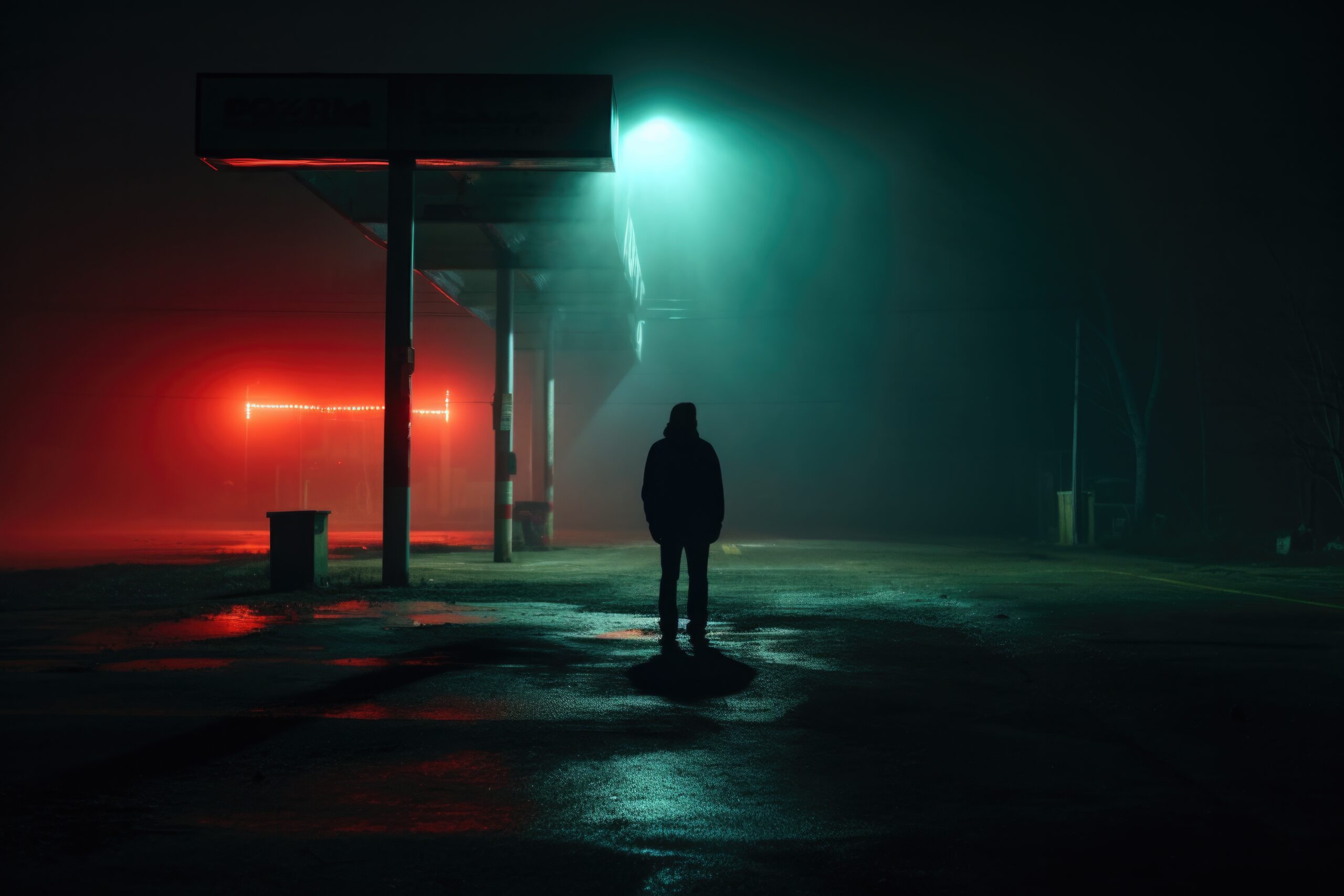
The world transforms when the sun sets and the stars emerge, presenting a captivating canvas for photographers. Night photography unveils a realm of hidden beauty, with cityscapes bathed in neon lights, landscapes under the glow of the moon, and the celestial dance of stars above. If you’ve ever been curious about capturing the magic after dark, this post is your guide to exploring the enchanting world of night photography.
Equipment Essentials:
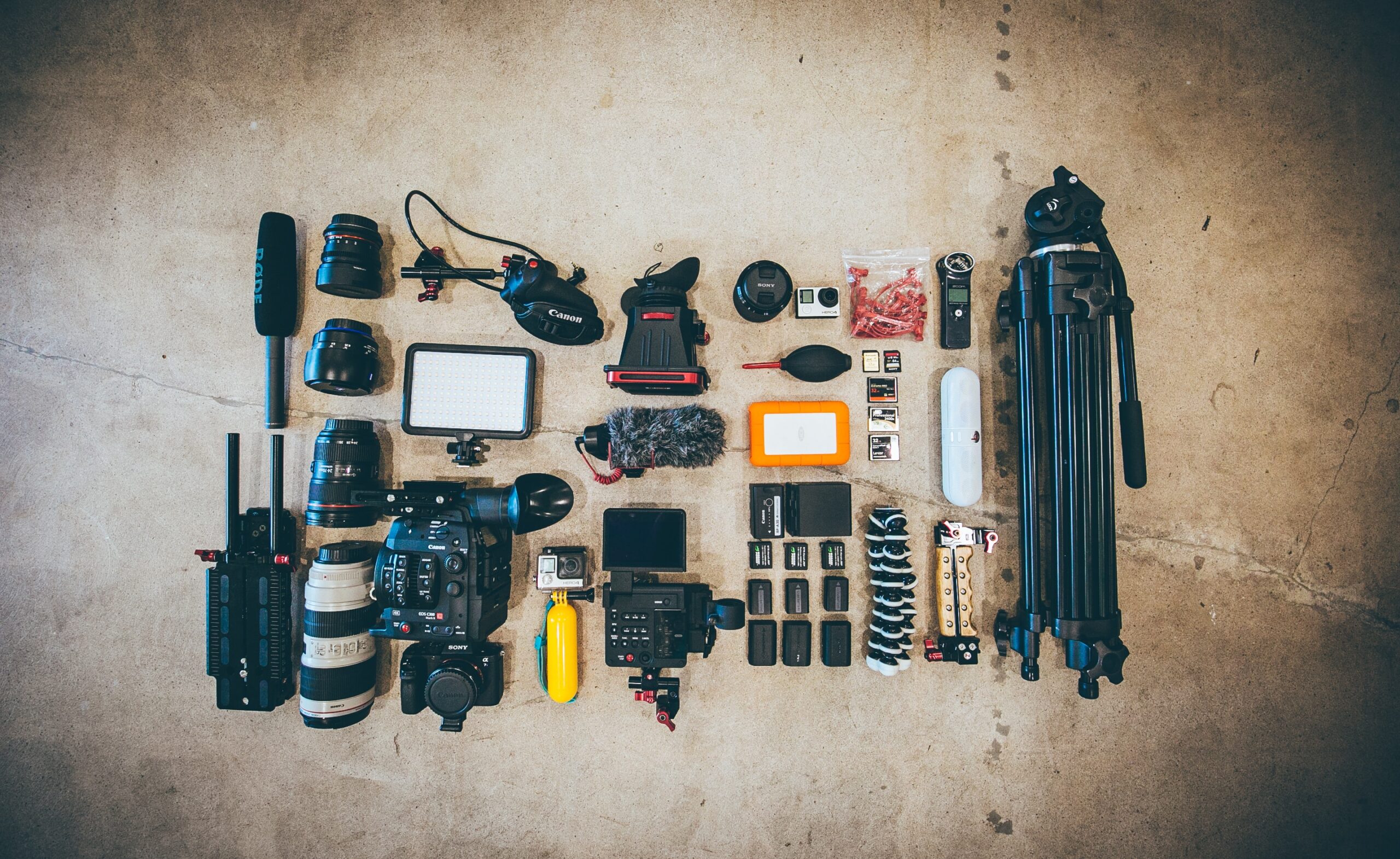
Night photography often demands specific gear to achieve the best results. While you don’t need to break the bank, here are some essential tools to consider:
- Tripod: Stability is key in low-light conditions, and a sturdy tripod is your best friend.
- Fast Lens: A lens with a wide aperture (low f-number) lets in more light, making it ideal for night shots.
- Remote Shutter Release: This minimises camera shake when taking long exposures.
- Extra Batteries and Memory Cards: Cold nights can drain batteries quickly, and long exposures fill up memory cards, so be prepared.
Mastering Settings:
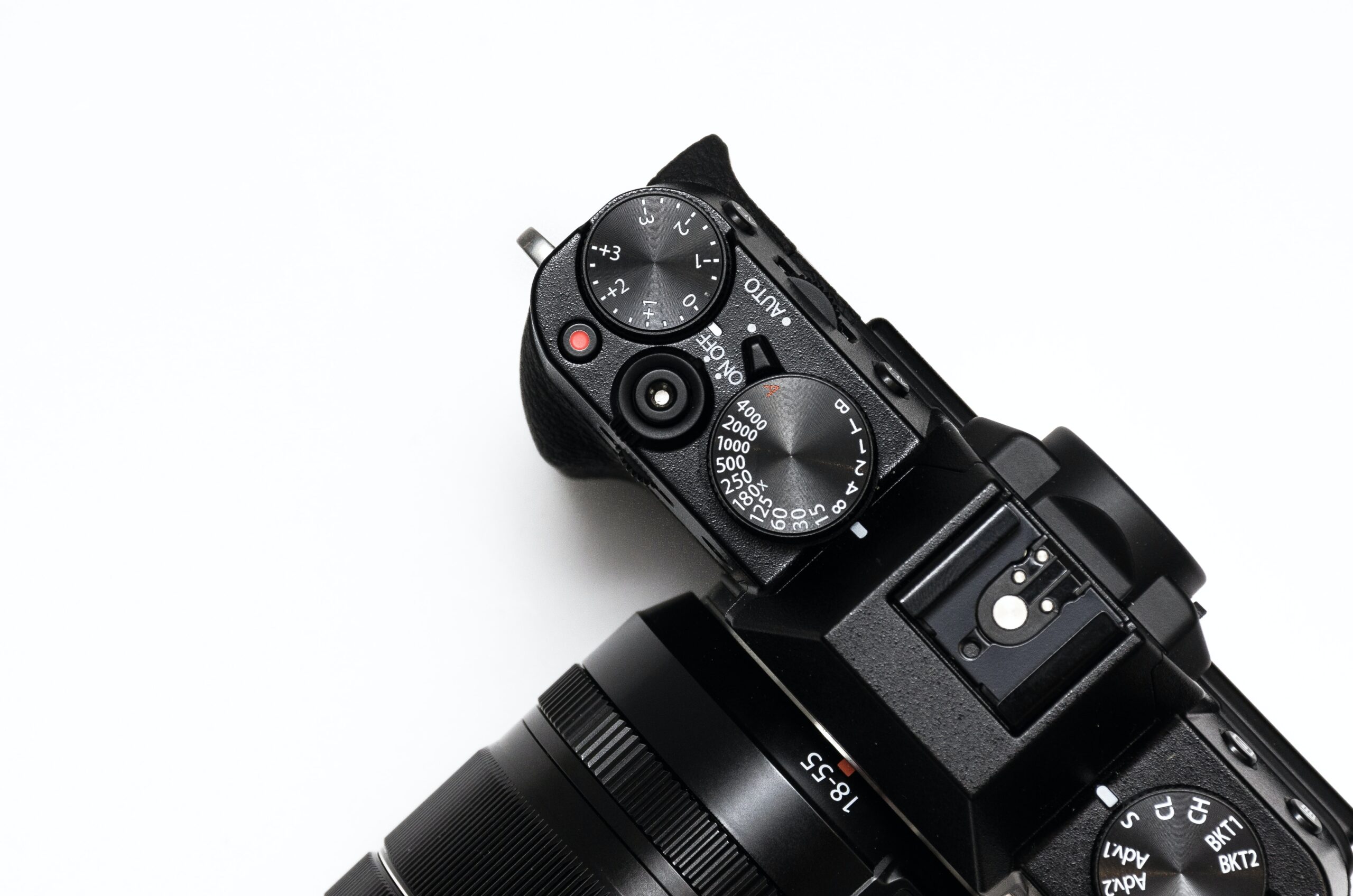
Night photography settings can be challenging, but they’re also where the magic happens. Here are some key considerations:
- Shutter Speed: Longer exposures capture more light but can introduce blurriness if not stabilized.
- Aperture: Use a wide aperture (small f-number) to let in as much light as possible.
- ISO: Increase ISO sensitivity in low light, but be cautious as high ISO can lead to noise.
- White Balance: Adjust the white balance settings for different light sources, such as tungsten or streetlights.
Cityscapes and Light Trails:
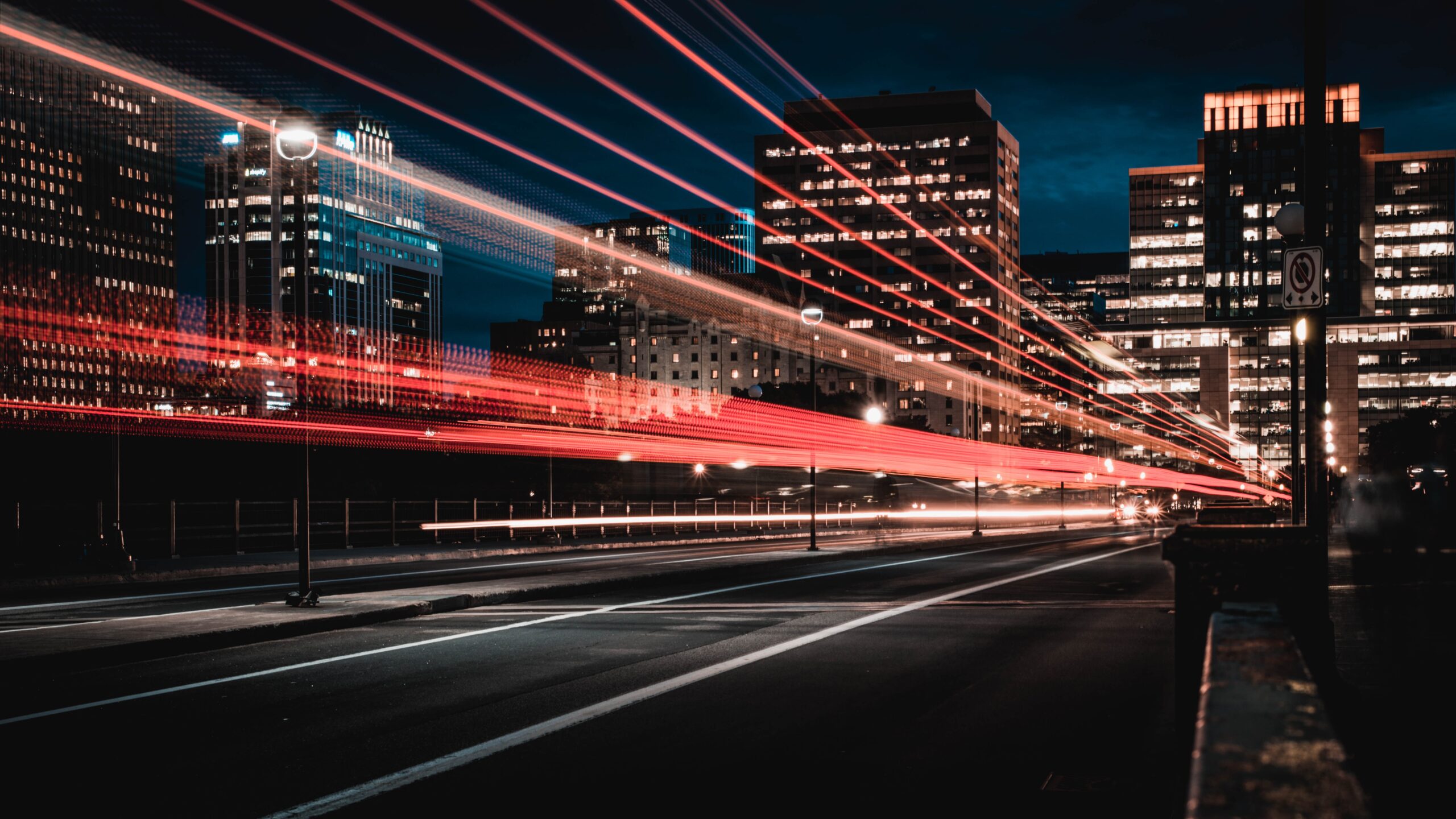
Urban settings come to life after dark with a dazzling array of lights. To capture stunning cityscapes and mesmerizing light trails, find a location with a good vantage point and set your camera on a tripod. Experiment with long exposures, and watch as moving vehicles leave streaks of light, creating a dynamic and vibrant composition.
Astrophotography:
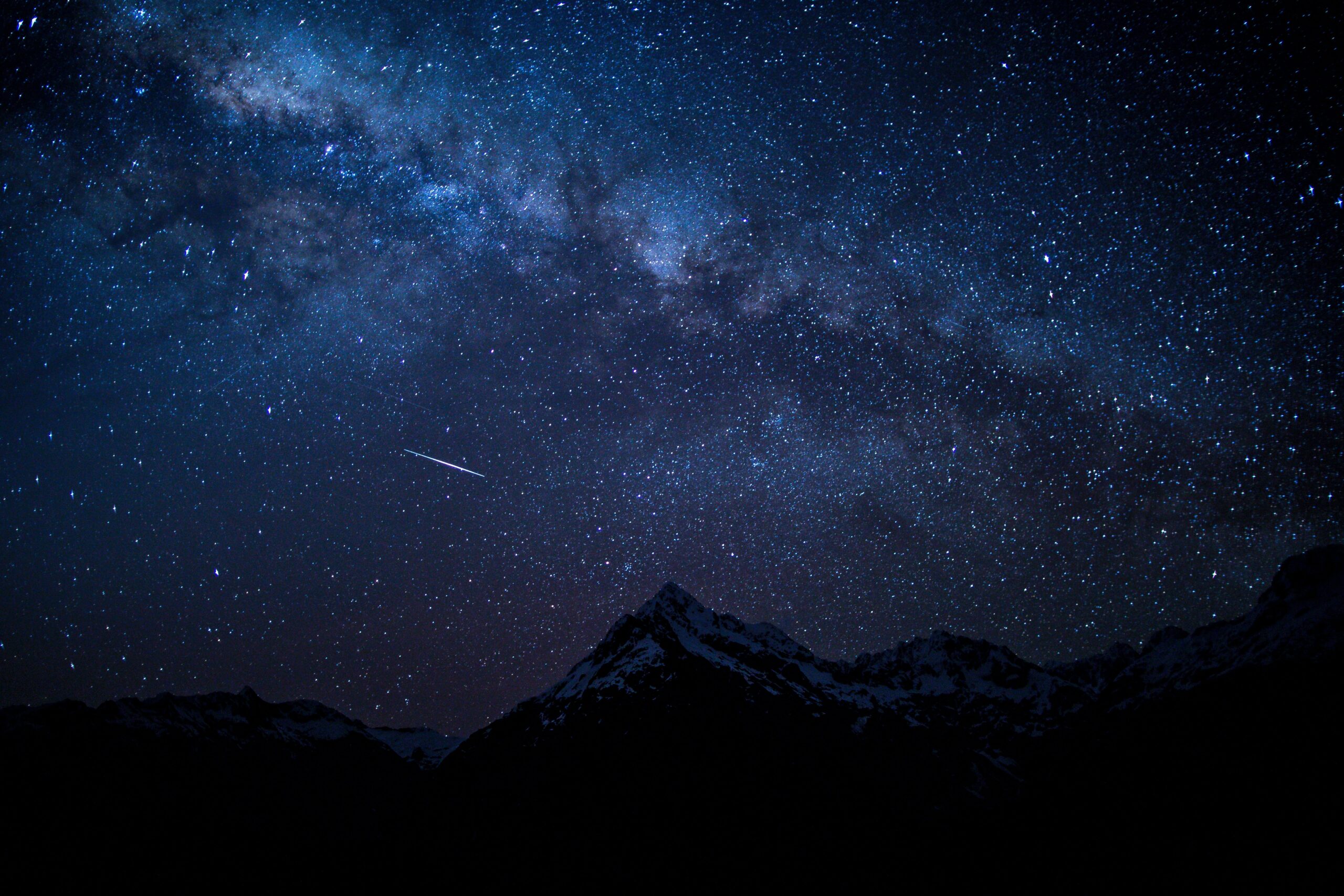
The night sky offers endless possibilities for photographers. To capture the stars, planets, and even the Milky Way, head to a location with minimal light pollution. Use a wide-angle lens, a high ISO, and a long exposure to reveal the cosmic wonders that adorn the night sky.
Painting with Light:
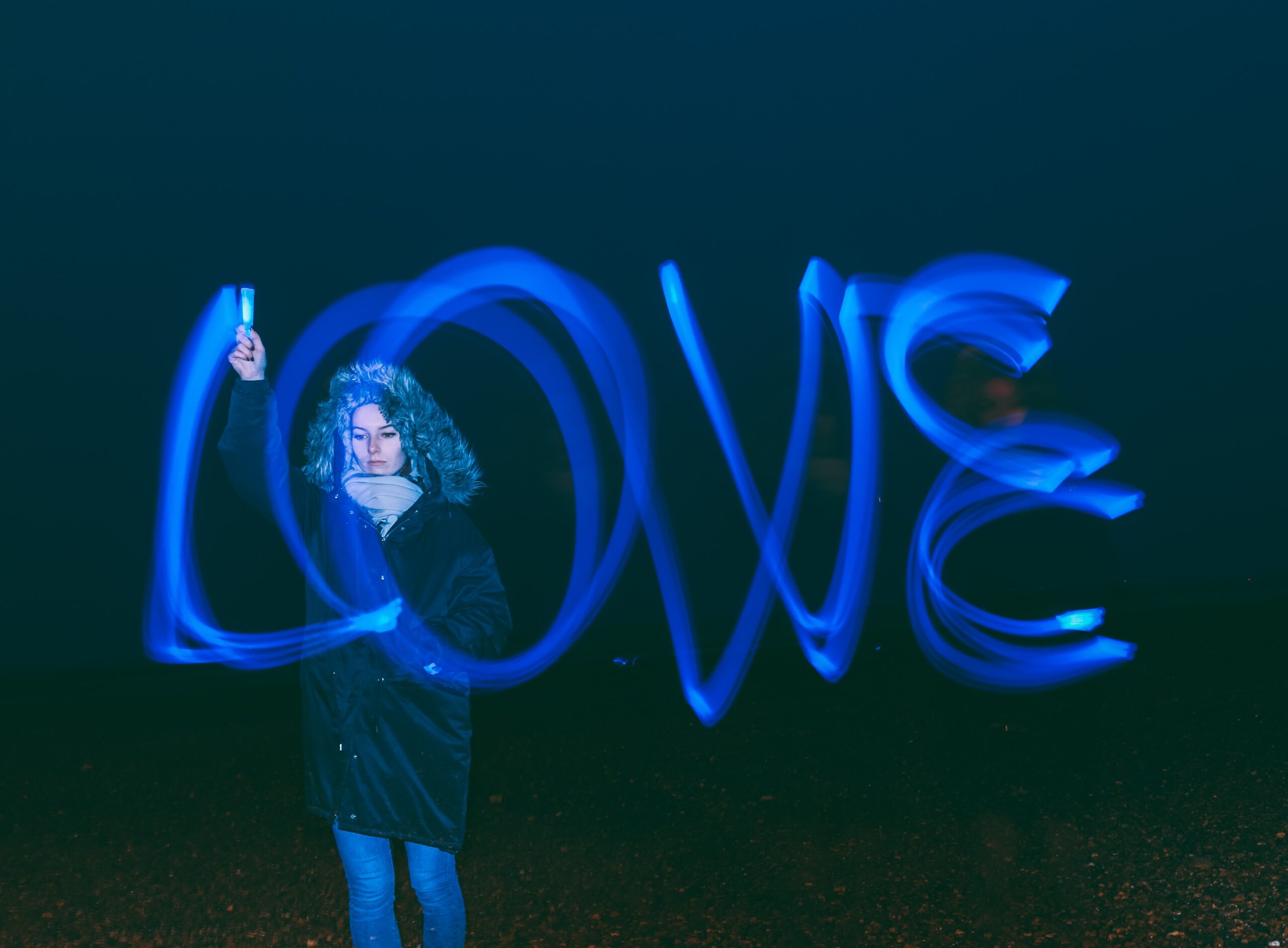
For a touch of creativity, try “painting” with light in your photographs. This technique involves using a flashlight or any light source to illuminate specific elements in your frame during a long exposure. The result is a captivating interplay of light and darkness that can add a unique and artistic dimension to your images.
Safety and Respect:
When embarking on night photography adventures, safety and respect are paramount. Always let someone know your location and schedule, and be cautious when navigating in the dark. Respect private property and local regulations regarding nighttime photography.
Experiment and Enjoy:
The beauty of night photography lies in experimentation. Every shot is a unique opportunity to capture the essence of the night. So, embrace the magic of the dark and let your creativity shine through your lens. As you explore the world after hours, you’ll discover a mesmerizing realm waiting to be uncovered and shared through your photographs.
Ready to embark on a nocturnal adventure with your camera? The night is your playground, and the canvas of the night sky is your muse. Happy shooting!