
Photography is not just about capturing images; it’s about telling stories, invoking emotions, and creating visual art. And one of the most powerful tools in a photographer’s arsenal is composition. How you arrange elements within your frame can transform a mundane snapshot into a captivating masterpiece. In this blog post, we’ll explore composition techniques that will elevate your photography skills and help you create images that leave a lasting impact.
1. Rule of Thirds:
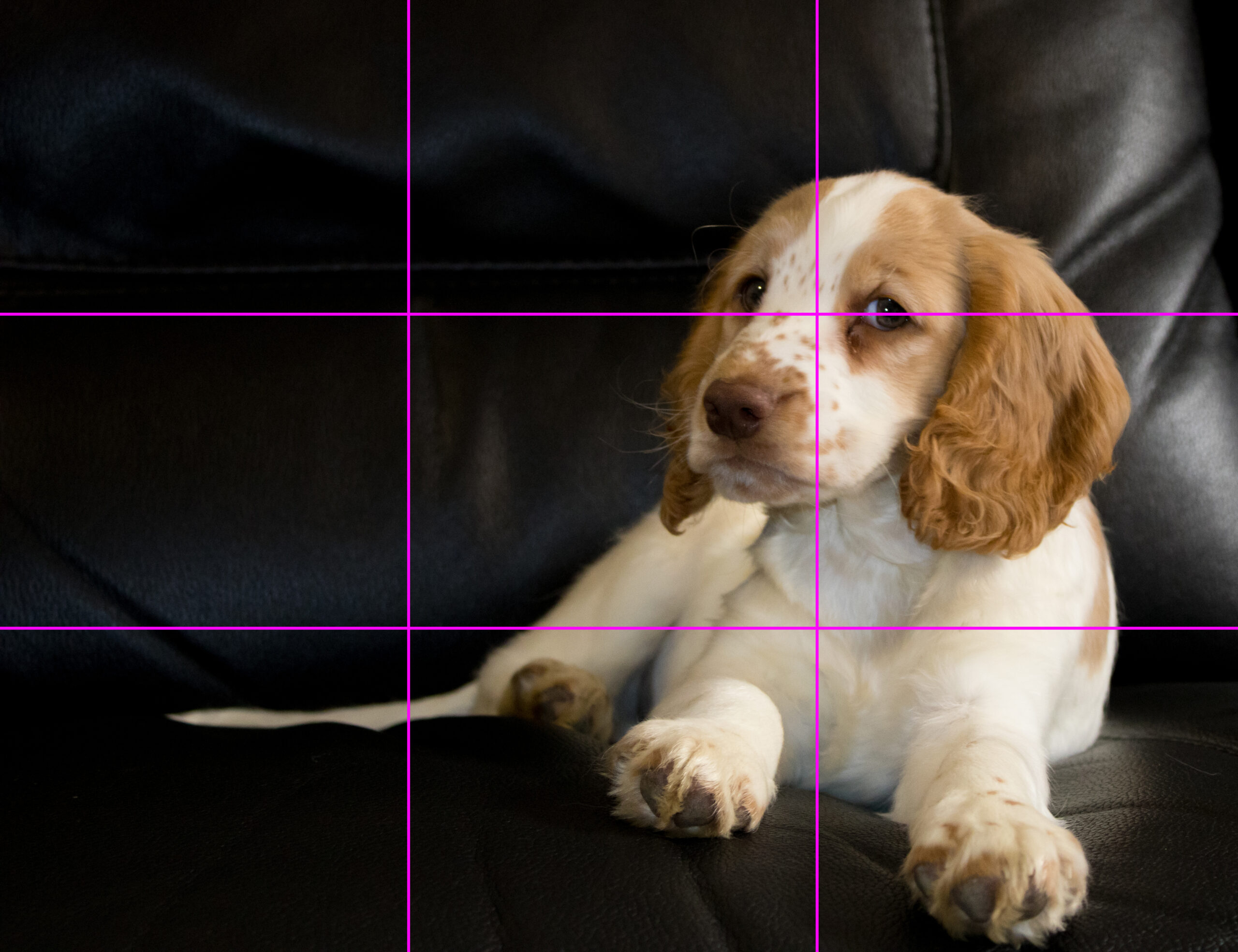
The Rule of Thirds is a fundamental guideline in photography. Imagine your frame divided into a tic-tac-toe grid. The points where the lines intersect are known as “power points.” Placing your subject or key elements along these lines or at the intersections can create a balanced and visually appealing composition.
2. Leading Lines:

Leading lines are elements within your frame that guide the viewer’s eye through the image. Whether it’s a winding road, a meandering river, or a row of trees, these lines add depth and a sense of movement to your photos. Use leading lines to draw attention to your subject or create a sense of perspective.
3. Framing:

Framing involves using elements within your scene to frame your subject. This could be natural elements like tree branches or man-made objects such as archways or windows. Framing adds context to your subject and draws the viewer’s eye to the focal point.
4. Symmetry and Patterns:

Symmetry and patterns can create a sense of balance and harmony in your photos. Find subjects or scenes that exhibit symmetry or repeating patterns, such as reflections in water, a row of identical objects, or architectural details. Center your subject to emphasize the symmetry or use patterns to create visual interest.
5. Depth of Field:

Controlling your depth of field can significantly impact your composition. A shallow depth of field (achieved with a wide aperture) can isolate your subject from the background, while a deep depth of field (achieved with a narrow aperture) can keep everything in focus. Experiment with these techniques to control where the viewer’s eye is drawn.
6. Negative Space:

Sometimes, what you leave out of the frame is as crucial as what you include. Negative space is the empty area around your subject. It can create a sense of simplicity and draw attention to your subject. Use negative space to convey emotions or emphasise your subject’s isolation.
7. Golden Ratio:

Similar to the Rule of Thirds, the Golden Ratio is another mathematical concept that can lead to aesthetically pleasing compositions. The spiral shape of the Golden Ratio is often found in nature, and incorporating it into your photos can create a sense of balance and beauty.
8. Experiment and Break the Rules:
While these composition techniques are valuable, remember that photography is also an art form. Don’t be afraid to experiment and break the rules. Sometimes, the most captivating images come from unconventional compositions. Trust your instincts and let your creativity flow.
Mastering composition takes practice, so take your camera or smartphone and start applying these techniques in your photography. The more you experiment, the more intuitive these principles will become, helping you capture stunning images that tell compelling stories. So, go out there and elevate your photography skills one frame at a time!