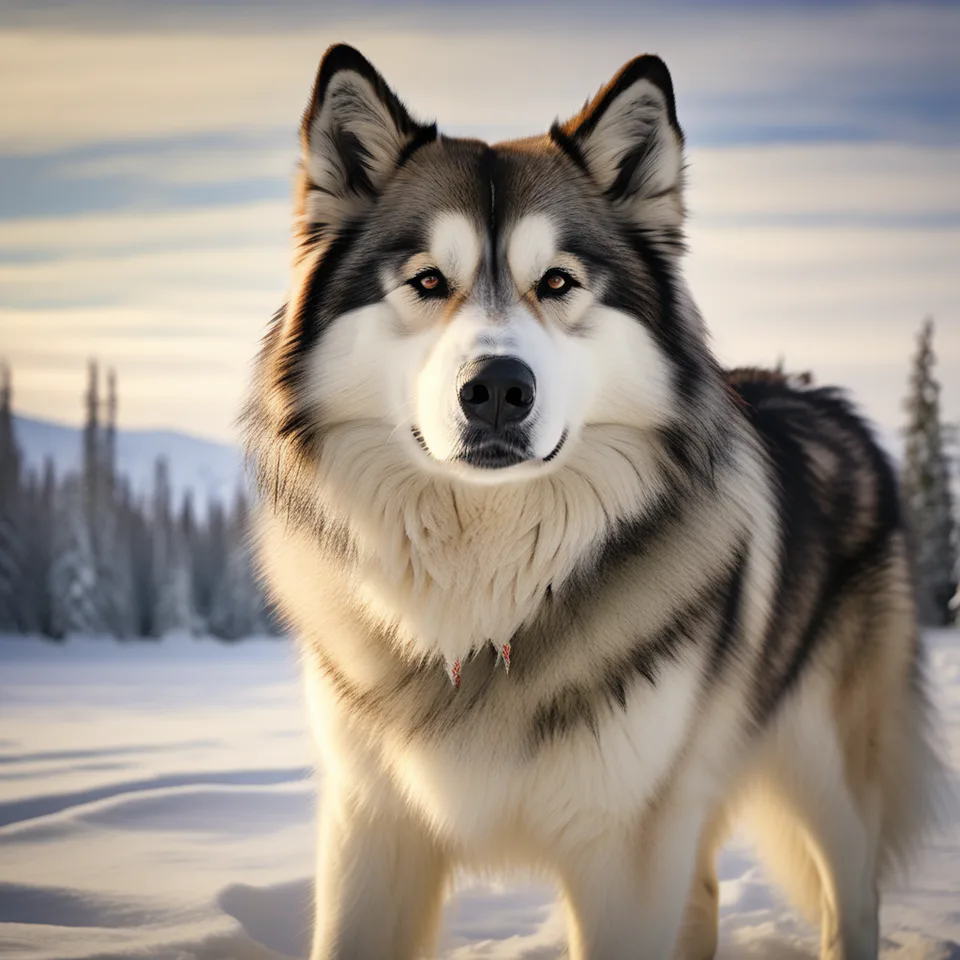
Breed group guide
Working dogs
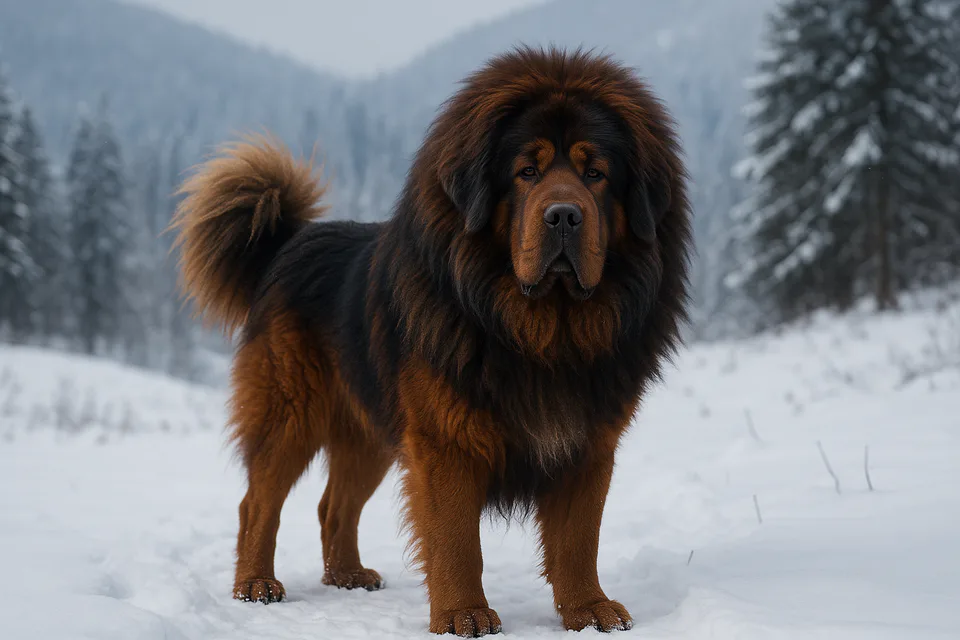
Large and often powerful breeds developed for practical jobs such as guarding, pulling, rescue and farm work.
A starting point for understanding the work, motivations and practical questions behind this group before choosing an individual breed.
What links the group together?
Purpose first, appearance second.
Working breeds were developed to perform demanding jobs alongside people. The jobs differ, but size, strength, confidence and independent judgement are common practical considerations.
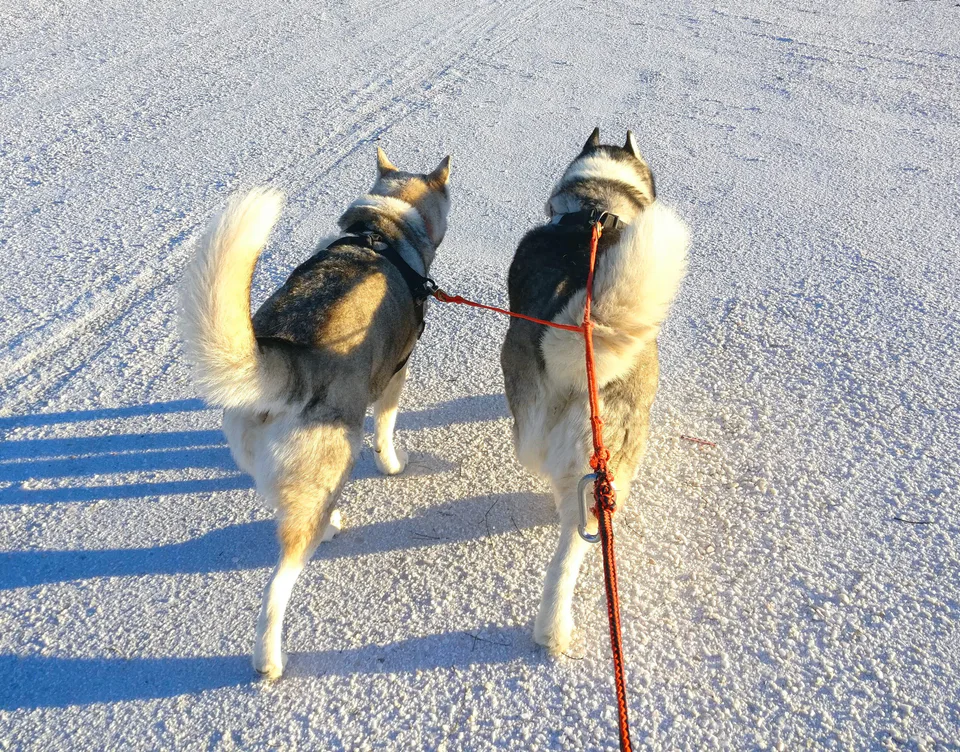
The group label is only a starting point. A Boxer, Newfoundland and Siberian Husky may share a group while asking very different things of an owner.
Daily reality
What ownership may ask of you.
- Early loose-lead, handling and calm-settling skills matter because adult size can magnify ordinary habits.
- Exercise should suit the individual breed, age and health rather than follow one rule for the whole group.
- Space, transport, food, insurance and large-dog veterinary costs need honest planning.
- Guardian or draught heritage can affect watchfulness, independence and motivation.
Before choosing
Questions worth answering honestly.
- Can every adult in the home safely manage the dog at full size?
- Is the household prepared for the breed’s real exercise, training and grooming needs?
- Does the home, vehicle and budget fit a large or giant dog?
- What health tests and temperament evidence should a responsible breeder provide?
Breed guides
Breed guides in this group.
18 guides, arranged alphabetically.
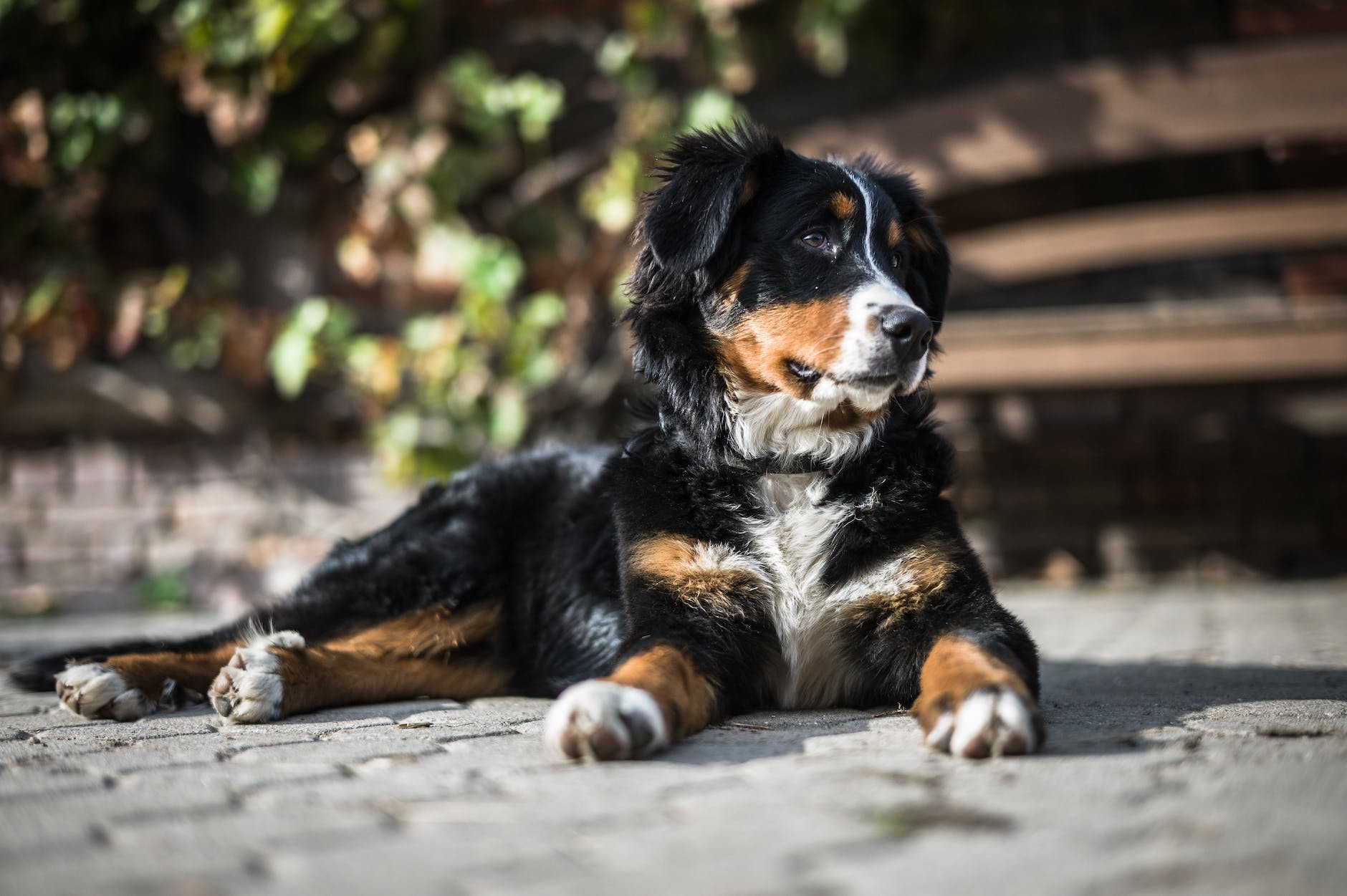
Breed guide
Bernese Mountain Dog
A closer look at the Bernese Mountain Dog.
Read the Bernese Mountain Dog guide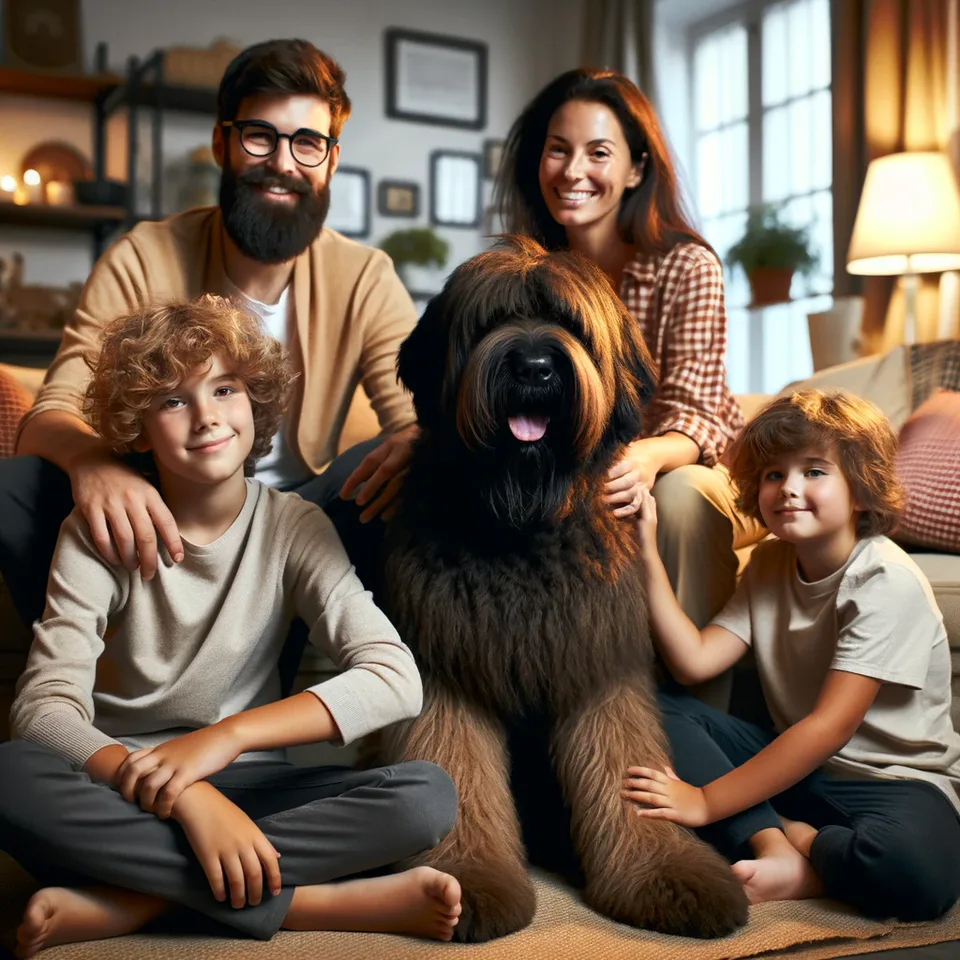
Breed guide
Bouvier des Flandres
A closer look at the Bouvier des Flandres.
Read the Bouvier des Flandres guide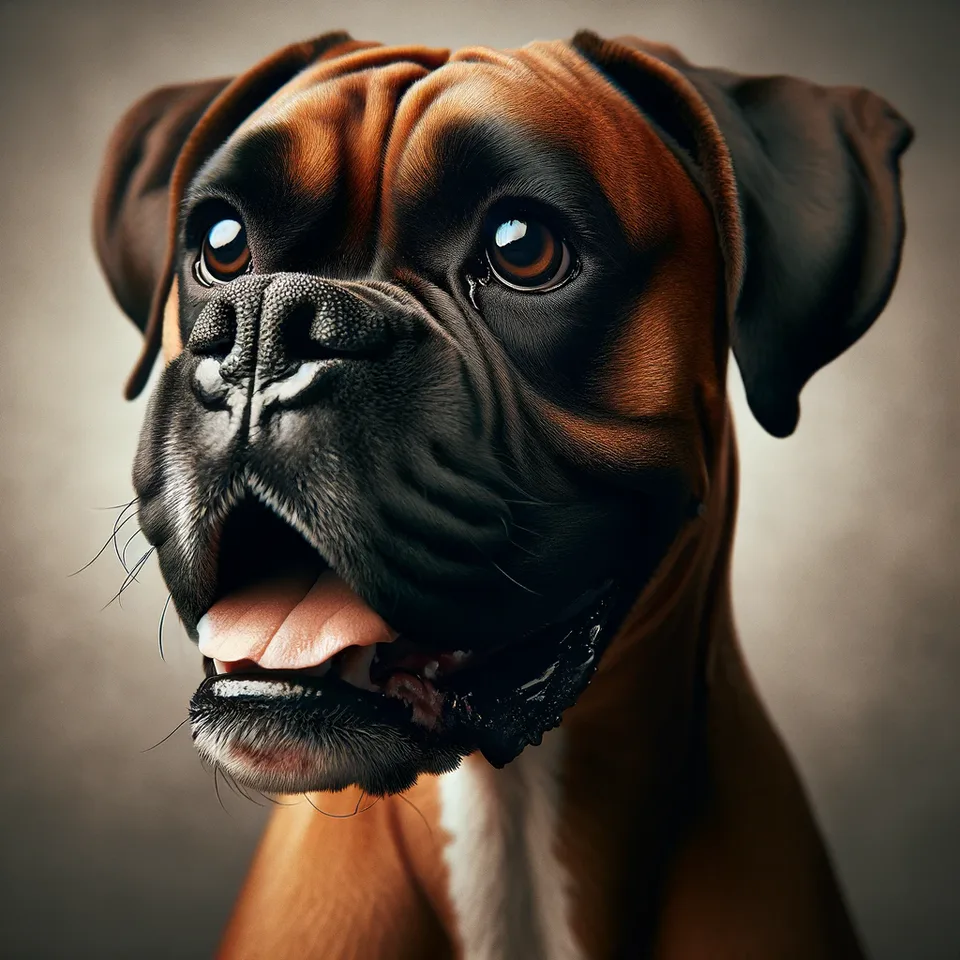
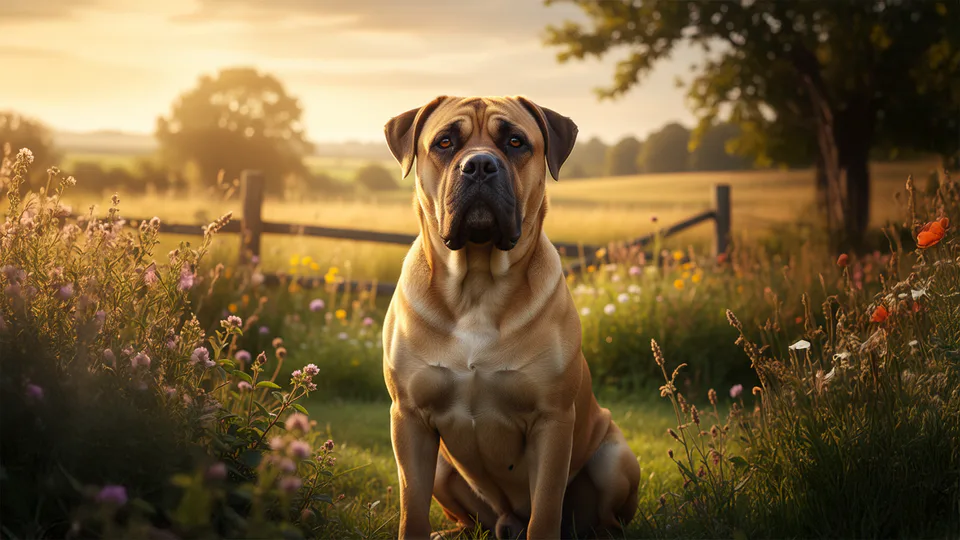
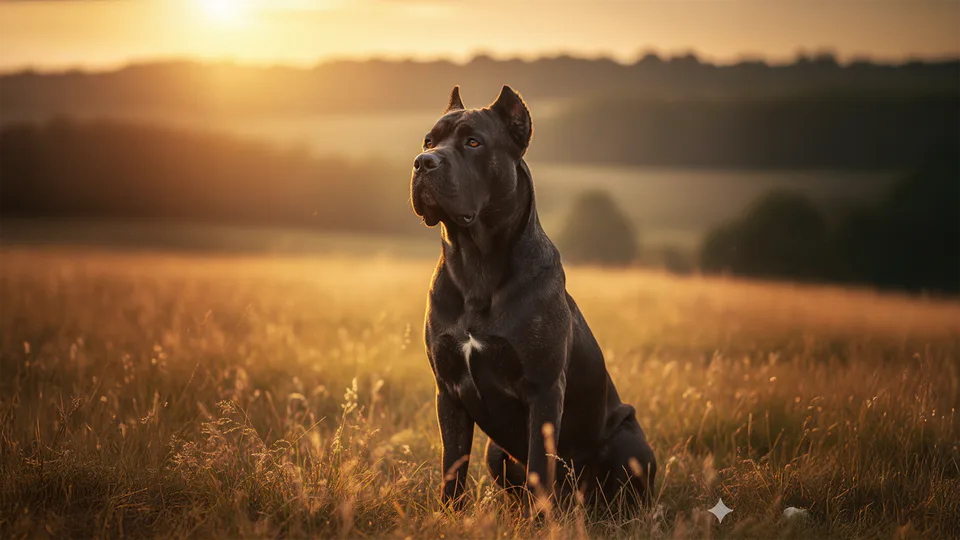
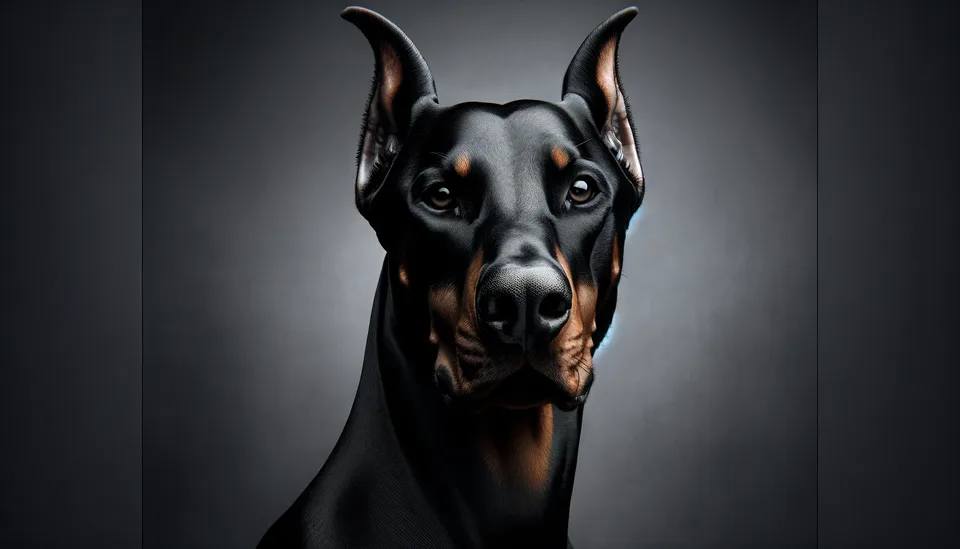
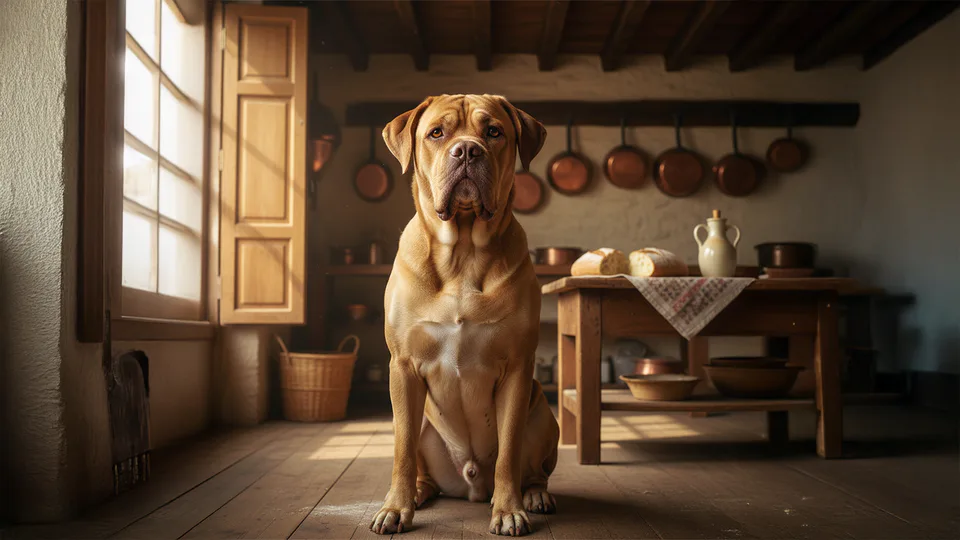
Breed guide
Dogue de Bordeaux
A closer look at the Dogue de Bordeaux.
Read the Dogue de Bordeaux guide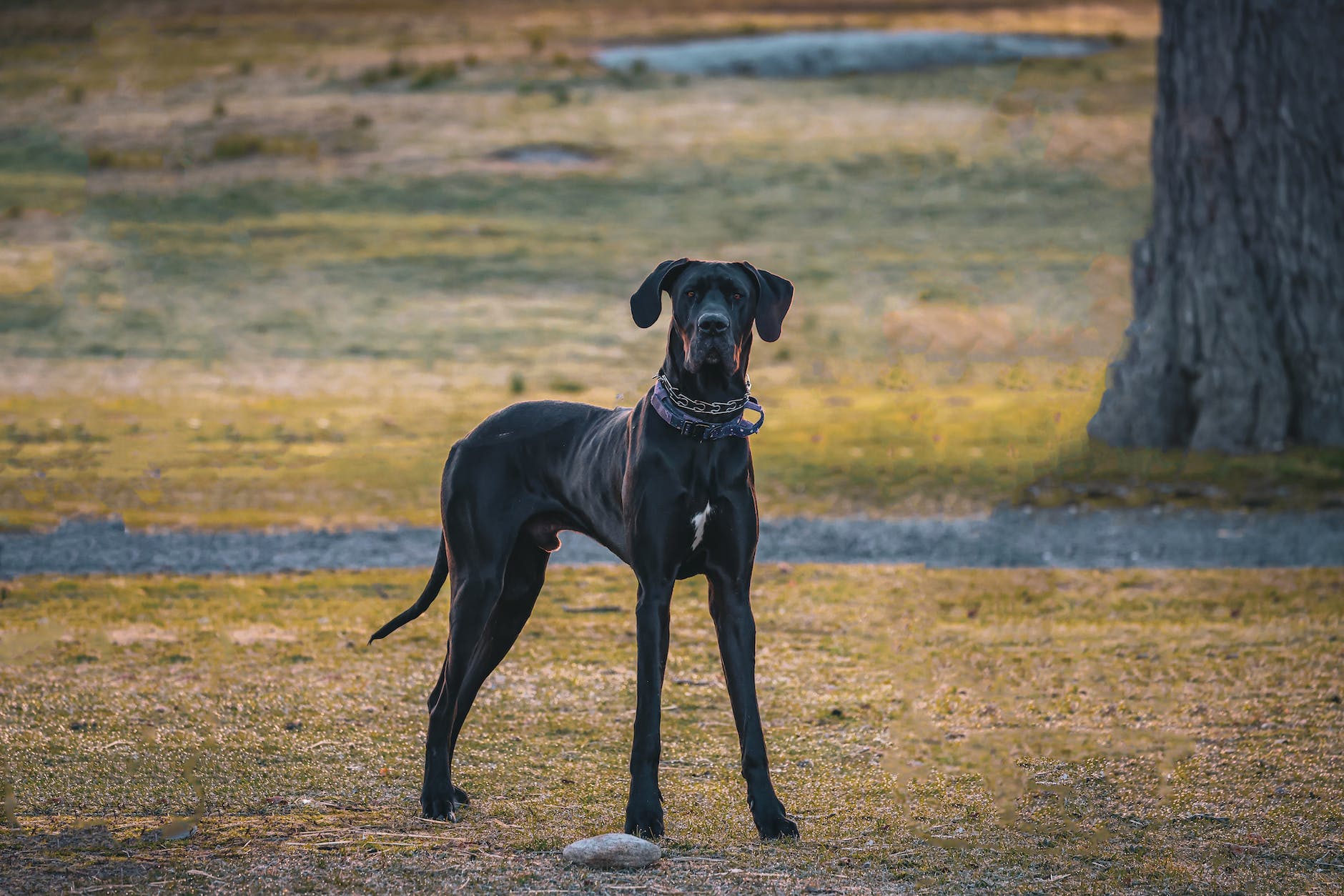
Breed guide
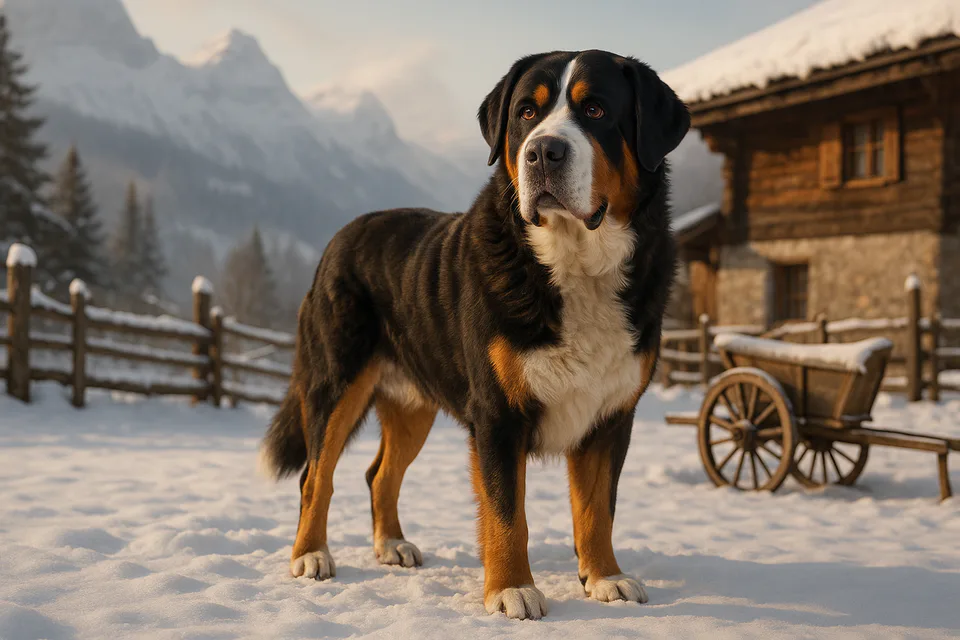
Great Swiss Mountain Dog
A modern sourced suitability guide covering size, training, exercise, home fit and breeder health questions.
Read the Great Swiss Mountain Dog guide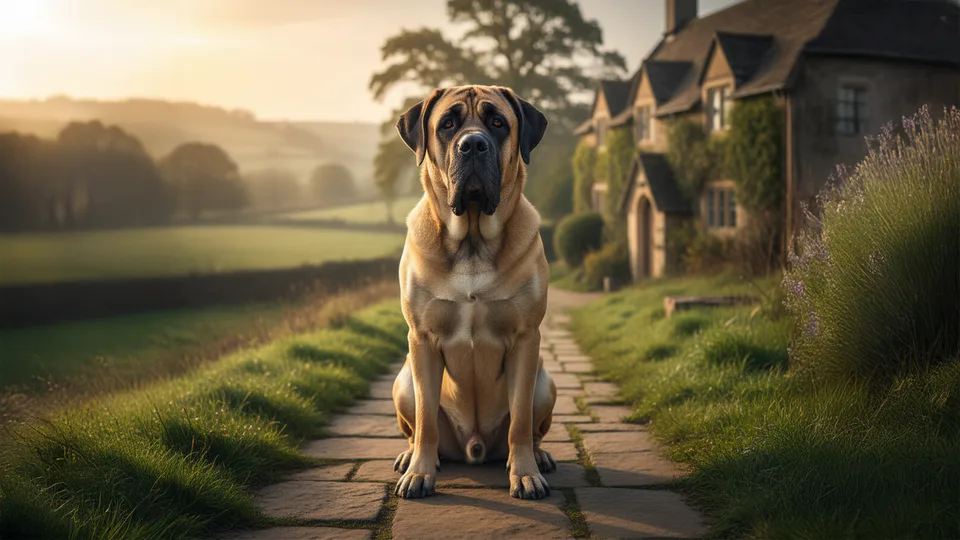
Breed guide
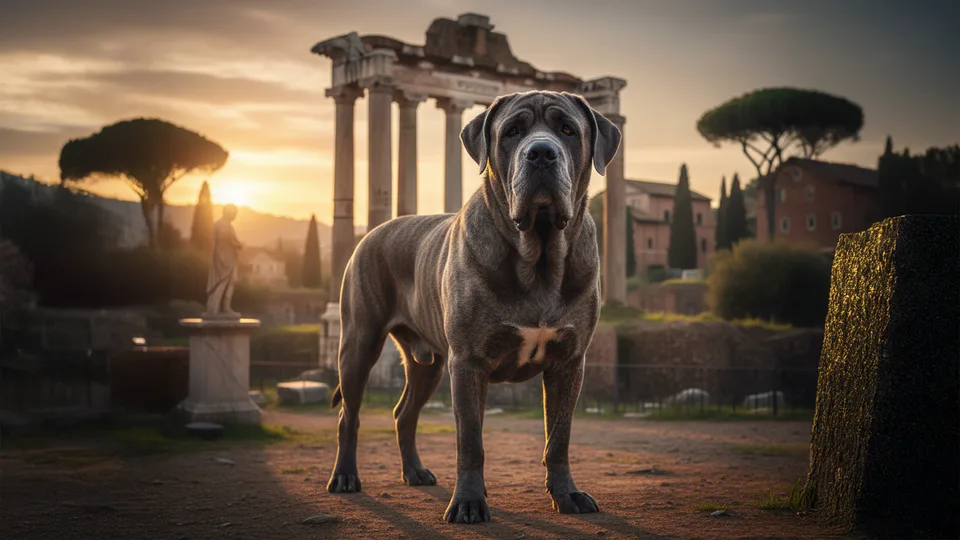
Neapolitan Mastiff
A closer look at the Neapolitan Mastiff.
Read the Neapolitan Mastiff guide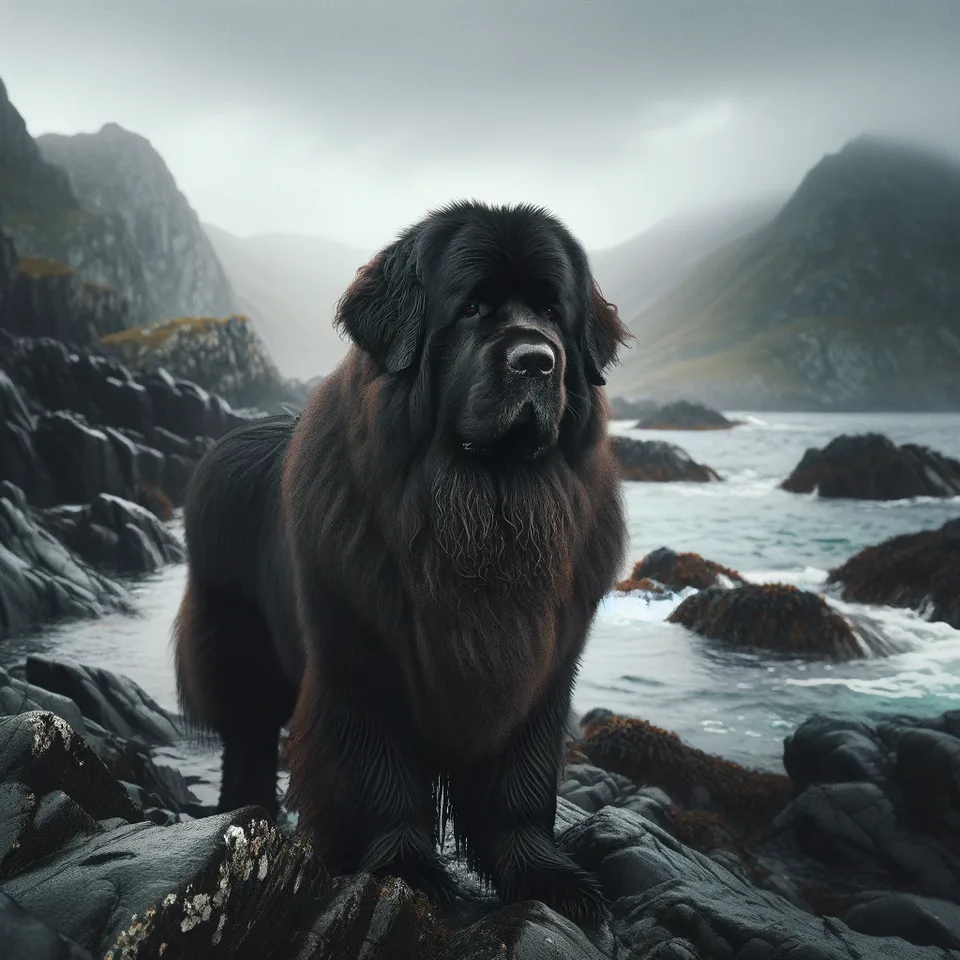
Breed guide
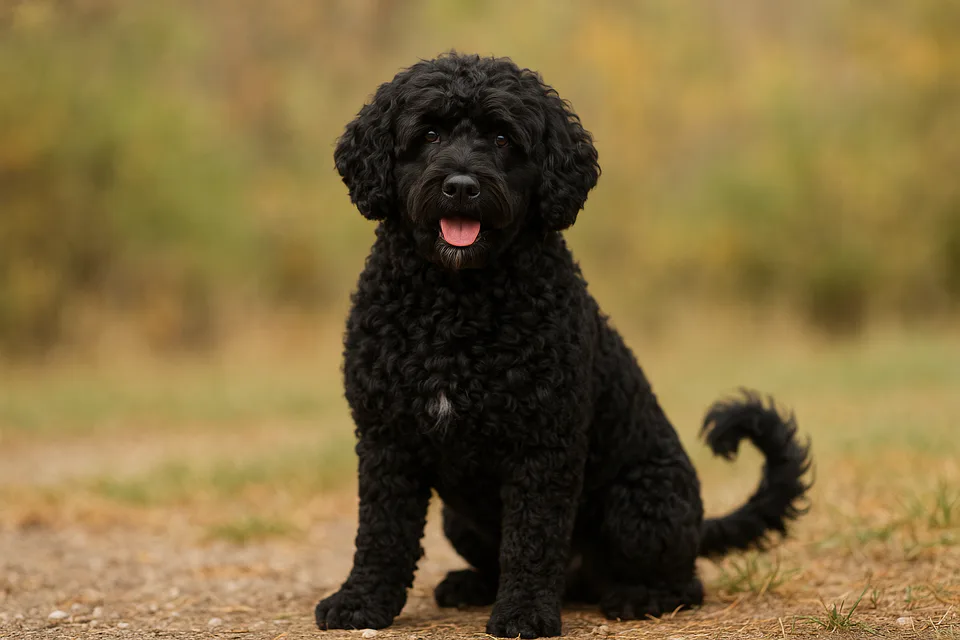
Portuguese Water Dog
A closer look at the Portuguese Water Dog.
Read the Portuguese Water Dog guide
Important boundary
A starting point, not a personality test.
Group tendencies do not predict every dog. Breed, line, early experience, health, learning history and the individual all matter. Research the specific breed and breeder rather than choosing from a group description alone.