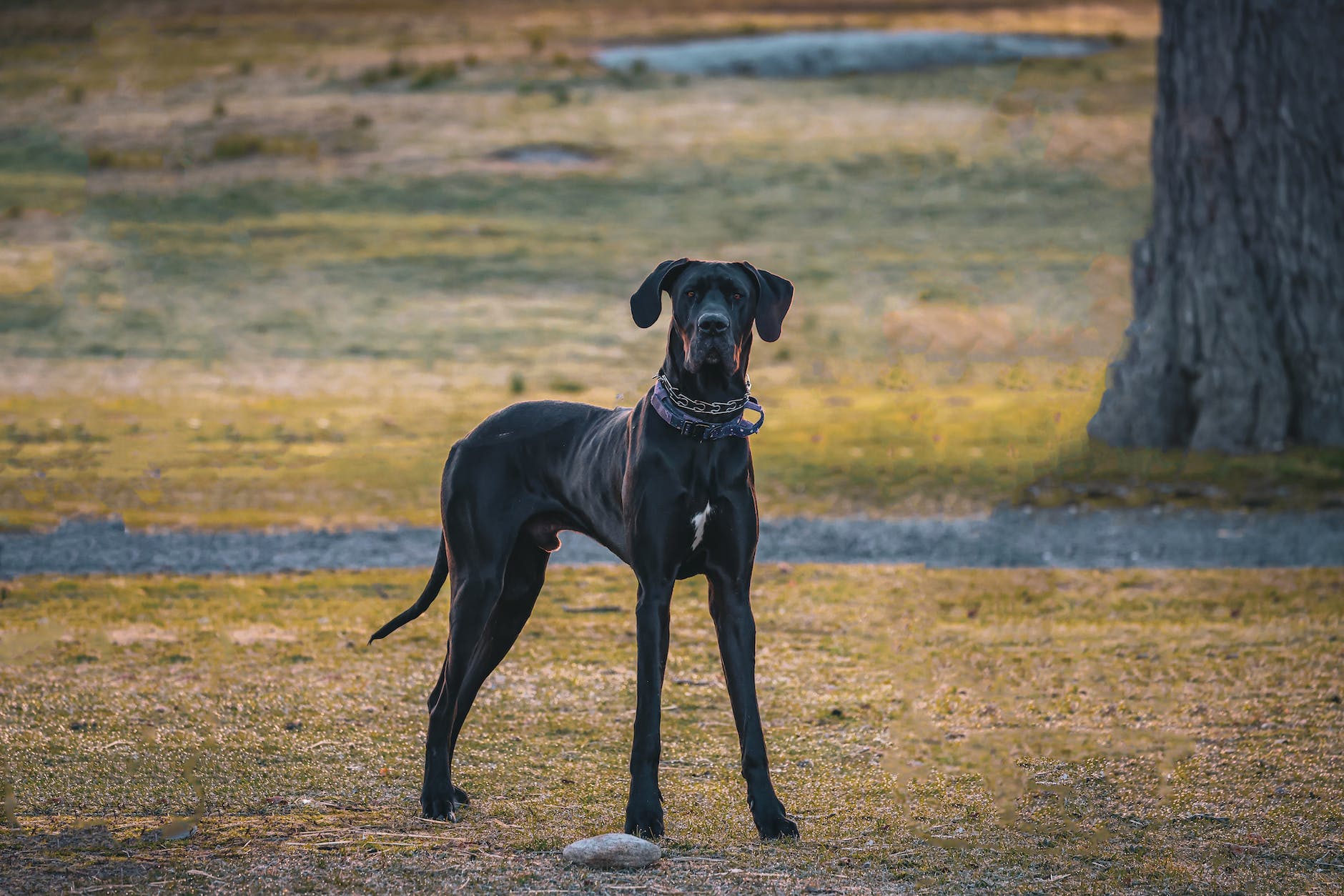
Hello, dog enthusiasts! Today, we’re stepping into the grand world of the Great Dane, a breed that combines an imposing presence with a heart of gold. Known as ‘gentle giants,’ Great Danes are one of the tallest dog breeds, renowned for their majestic appearance and kind temperament.
History and Origin
The history of the Great Dane is as grand and fascinating as the breed itself, with roots extending back to ancient civilizations and evolving through the centuries in Europe.
Ancient Lineage
The earliest evidence of Great Dane-like dogs can be traced back to ancient times. Depictions resembling the breed have been found on Egyptian artefacts dating back to 3000 BC and in Babylonian temples that were built around 2000 BC. These early ancestors of the Great Dane were likely bred for hunting and guarding.
Development in Medieval Germany
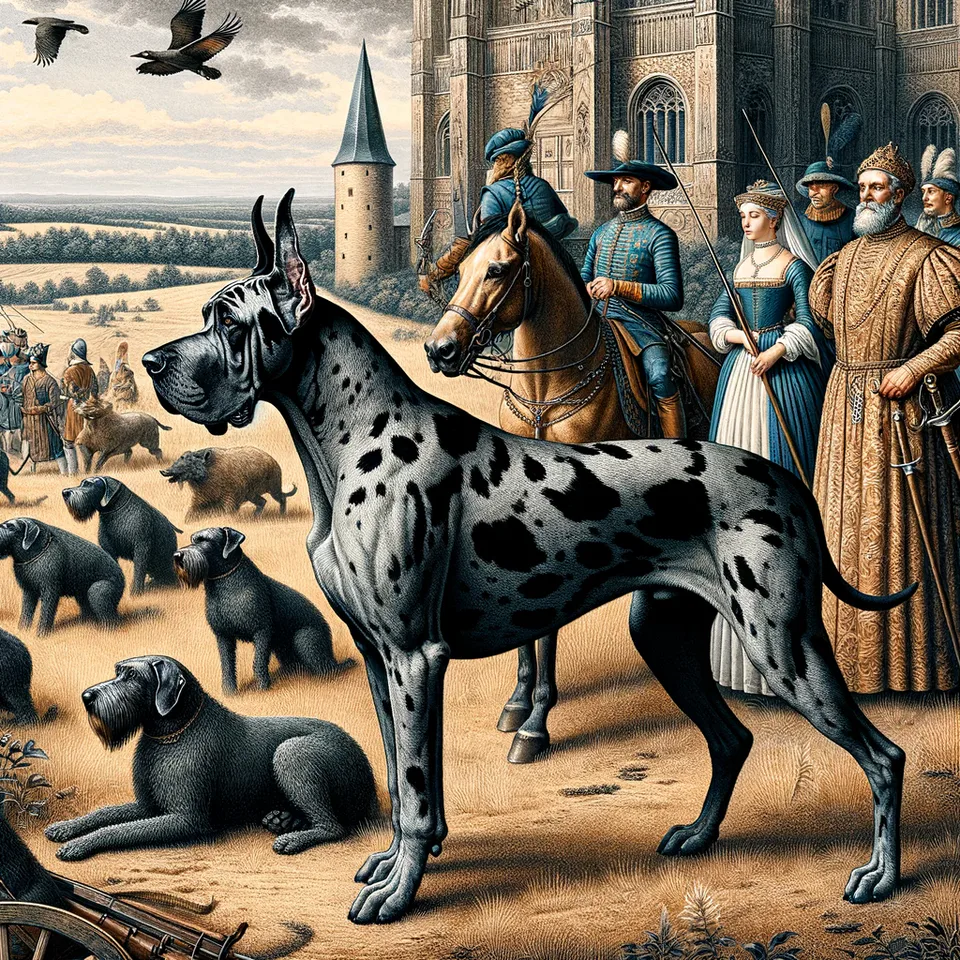
The breed as we know it today began to take shape in medieval Germany. These dogs were known as ‘Boar Hounds,’ for their primary role in hunting wild boar, a dangerous and challenging task that required a powerful and courageous dog. Their strength, speed, and tenacity made them ideal for this role.
Evolution into Estate Guardians and Companions
As the need for hunting large game diminished over time, the role of Great Danes shifted. They became valued as protectors of estates and companions to nobility. Their imposing size made them effective guardians, yet their gentle nature suited them for life among families.
Influence of English Mastiffs
The development of the Great Dane was also influenced by English Mastiffs, which were brought to Germany. The crossbreeding between these Mastiffs and the existing Boar Hounds contributed to the size and appearance of the modern Great Dane.
The Name “Great Dane”
Interestingly, despite their development in Germany, the breed became known as the “Great Dane.” The name is believed to have originated in the 16th century when a French naturalist traveled to Denmark and saw a version of the Boar Hound that was slimmer and more like a Greyhound in appearance. He dubbed these dogs ‘Grand Danois’ (Great Danish), which eventually became ‘Great Dane’ in English.
19th Century Standardisation
In the 19th century, German breeders worked to standardise the breed, focusing on traits such as a more refined appearance and a gentler temperament. The Great Dane Club of Germany was formed in 1888, further solidifying the breed’s characteristics and standards.
Global Recognition
The Great Dane gained worldwide popularity, recognised for its unique combination of elegance, strength, and a friendly disposition. The breed was officially recognised by the American Kennel Club (AKC) in 1887.
Today, the Great Dane is celebrated not just for its historical roles but also for its status as a gentle, affectionate, and loyal companion. While no longer needed as boar hunters or estate guardians, they continue to be cherished members of families around the world.
Physical Characteristics
Great Danes, often referred to as the ‘Apollo of dogs,’ are remarkable for their imposing stature and graceful composure. They stand as a symbol of elegance and power in the canine world.
Stature and Size
Great Danes are one of the tallest dog breeds. Males typically stand at least 30 inches (76 cm) tall at the shoulder, with females being slightly shorter. It’s not uncommon for some Danes to be even taller, with many reaching well into the 32 to 34-inch range (81 to 86 cm). Despite their towering height, they are known for their well-proportioned and balanced body structure, which adds to their majestic appearance.
Build and Musculature
These gentle giants possess a strong, muscular build that exudes power and agility. They have a broad chest and a straight back that contribute to their imposing presence. Their overall build reflects a combination of strength and elegance, with enough muscle to underline their power without compromising their graceful movements.
Coat and Colouring
The coat of a Great Dane is short, sleek, and smooth, lying close to the body. This type of coat is relatively easy to care for. Great Danes come in various colours and patterns. The most common colours include fawn (a golden colour with a black mask), brindle (fawn and black cross stripes), blue (a solid steel-blue), black, harlequin (white with black patches), and mantle (black and white with a solid black blanket over the body).
Facial Features and Expression
One of the most distinctive aspects of the Great Dane is its long, elegant neck, which it carries high and proud. The breed is known for its large, expressive eyes that often convey a friendly and intelligent demeanour. Their eyes are typically dark, but can be lighter in blue or harlequin Danes. The overall expression of a Great Dane’s face is one of alertness, curiosity, and kindness.
Gait and Movement
Despite their size, Great Danes move with a surprising grace and fluidity. They have a long, effortless stride that allows them to cover ground smoothly and efficiently. Their gait is one of their most captivating attributes, showcasing a blend of power and elegance.
In summary, the physical characteristics of Great Danes are a blend of awe-inspiring size and graceful composure. Their majestic stature, balanced build, sleek coat, and expressive features all contribute to their status as one of the most elegant and noble breeds in the canine kingdom.

Temperament
Great Danes, often described as ‘gentle giants,’ possess a temperament that is as impressive as their physical stature. These dogs are a wonderful blend of kindness, patience, and affection, making them well-suited for families and individuals alike.
Gentleness and Affection
Despite their immense size, Great Danes are surprisingly gentle and tender. They are known for their affectionate nature, often seeking physical closeness with their human family members. These dogs have a loving disposition and enjoy being involved in family activities, often showing their affection through nuzzles, gentle leans, and, at times, attempting to be lap dogs despite their size.
Friendliness
Great Danes are typically friendly and sociable, both with their families and with strangers. They are not inherently aggressive and usually greet new people with curiosity rather than suspicion. This friendly nature makes them poor choices for guard dogs, despite their intimidating size, but excellent companions for those who appreciate a sociable pet.
Good with Children
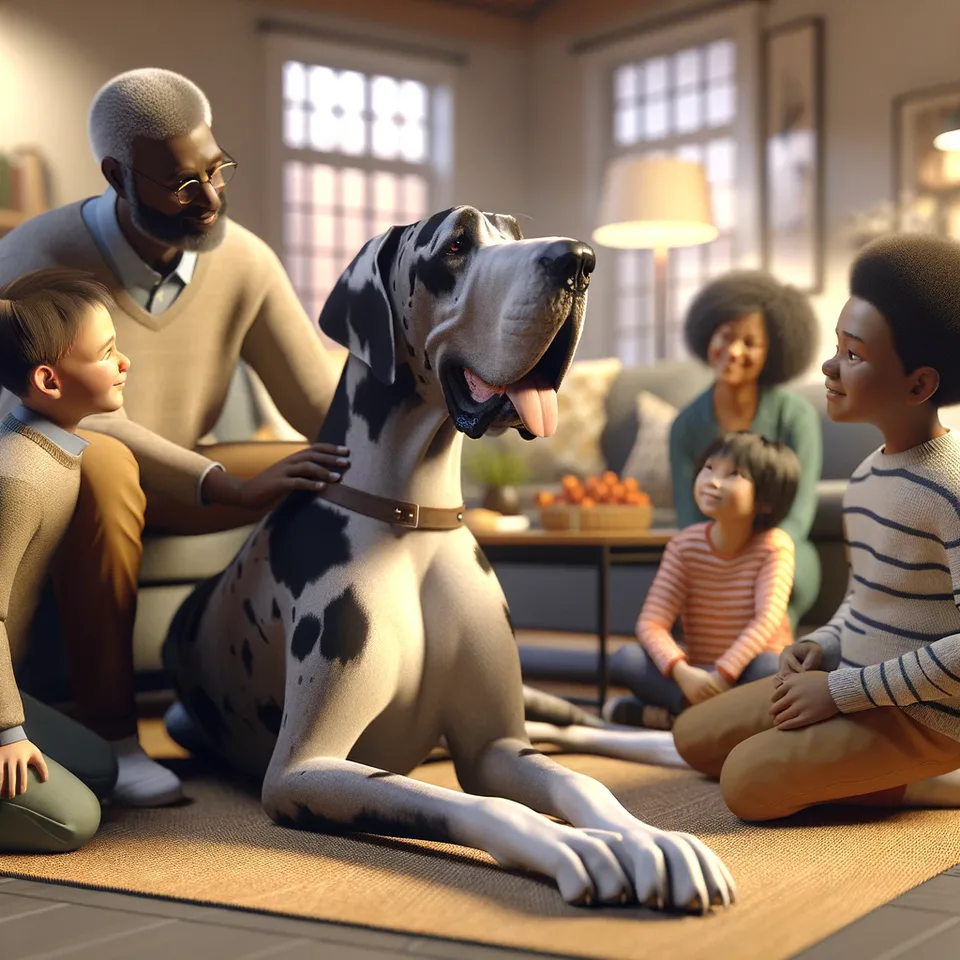
One of the most admirable qualities of Great Danes is their patience and gentleness with children. They are often protective and careful around kids, making them great family dogs. However, due to their size, interactions with very small children should always be supervised to prevent accidental bumps or falls.
Temperament as ‘Lap Dogs’
Great Danes are sometimes humorously referred to as ‘the world’s biggest lap dogs.’ They often do not realise their own size and may try to snuggle on laps or lean against their humans for closeness. This endearing quality reflects their desire for companionship and love.
Sensitivity
Great Danes are sensitive dogs and can be quite intuitive to the emotions of their owners. They often respond to the mood in their home environment and can be comforting companions during stressful times.
Exercise Needs and Playfulness
While Great Danes are not as high-energy as some other breeds, they do enjoy regular exercise and playtime. Their playfulness can be seen in their fondness for games and gentle romps, and they benefit from regular walks and moderate physical activity.
In conclusion, the temperament of the Great Dane is one of its most appealing traits. They are gentle, loving, and friendly giants, perfect for families or individuals seeking a large but affectionate companion. Understanding and respecting their need for companionship, gentle exercise, and involvement in family life will ensure a happy and fulfilling relationship with these noble dogs.
Health and Care
Great Danes, with their impressive size and stature, have specific health and care needs that are essential to address for their well-being and longevity. Understanding and properly managing these needs is crucial for any Great Dane owner.
Health Considerations
- Bloat (Gastric Dilatation-Volvulus): One of the most serious health risks for Great Danes is bloat, a life-threatening condition where the stomach can expand with gas and sometimes twist. It requires immediate veterinary attention. Preventative measures include feeding smaller, more frequent meals and avoiding vigorous exercise around meal times.
- Joint Issues: Due to their large size, Great Danes are prone to joint problems like hip dysplasia and elbow dysplasia. These conditions can lead to arthritis or mobility issues. Maintaining a healthy weight, providing appropriate exercise, and joint supplements can help manage these risks.
- Cardiac Conditions: Great Danes can be susceptible to heart diseases, such as dilated cardiomyopathy. Regular cardiac screenings are important for early detection and treatment.
Diet and Nutrition
A balanced diet is crucial for Great Danes, especially considering their rapid growth as puppies and their large size as adults. Their diet should be formulated for large breeds and provide all the necessary nutrients for bone, joint, and overall health. Overfeeding, especially during puppyhood, should be avoided to prevent rapid growth, which can lead to health issues.
Exercise Requirements
While they are not an excessively high-energy breed, Great Danes do need regular exercise to maintain their health and prevent obesity. Activities should be appropriate for their size and age, as excessive or rough play can be hard on their joints. Gentle walks, play sessions in a securely fenced area, and moderate exercise are ideal.
Grooming Needs
Great Danes have a short, sleek coat that requires minimal grooming. Regular brushing can help keep their coat healthy and reduce shedding. They should also receive routine care such as nail trims, ear cleaning, and dental care. Regular checks for skin issues are important, as they can be prone to certain skin conditions.
Environmental Considerations
Due to their short coat and size, Great Danes can be sensitive to extreme temperatures. They should have a comfortable and warm place to rest indoors and not be exposed to harsh weather conditions for extended periods.
Routine Veterinary Care
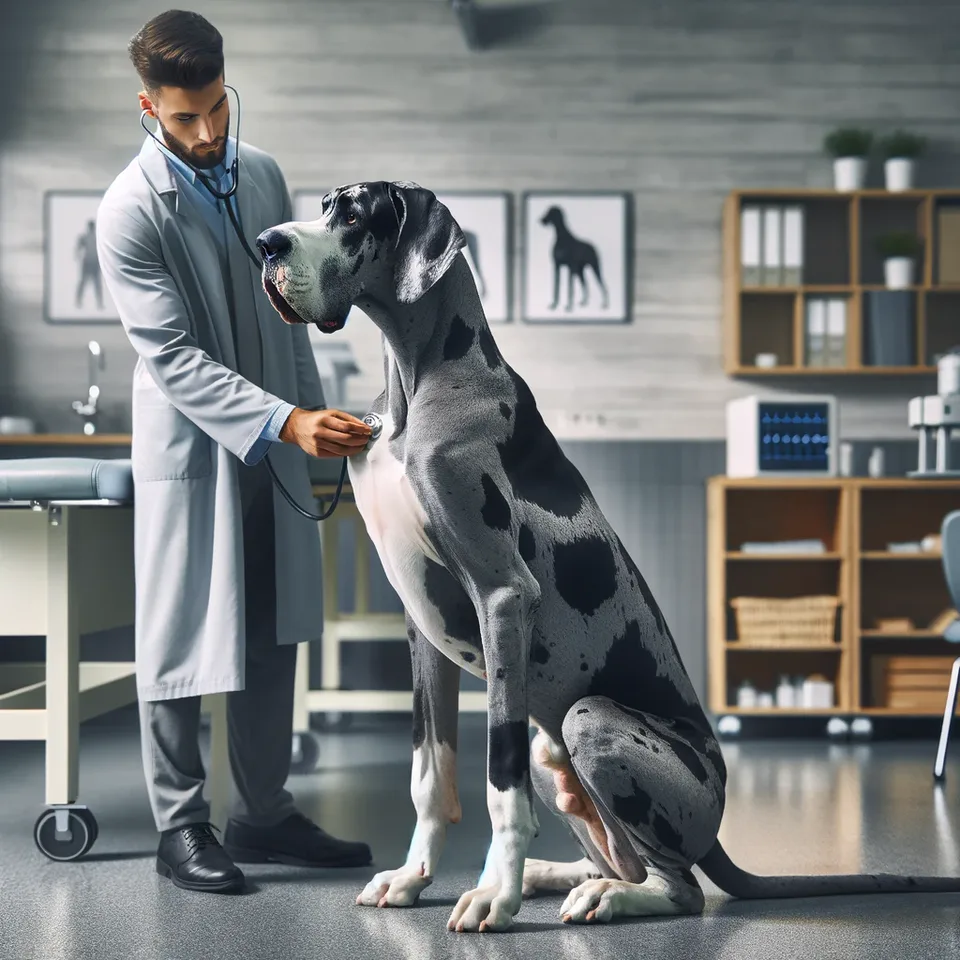
Regular veterinary check-ups are essential for monitoring the health of Great Danes. These should include routine vaccinations, parasite control, and screenings for breed-specific health issues. Establishing a relationship with a veterinarian who is experienced with large breeds can be beneficial.
In summary, caring for a Great Dane requires attention to their unique health risks, dietary needs, exercise requirements, and grooming. Understanding these aspects and providing regular veterinary care are key to ensuring a healthy and happy life for these gentle giants.
Training and Socialisation
For Great Danes, a breed known for their immense size and gentle nature, training and socialisation are essential components of their upbringing. These aspects play a crucial role in ensuring they grow into well-adjusted, confident, and sociable adult dogs.
Importance of Early Socialisation
Early socialisation for a Great Dane puppy is key to developing a well-rounded temperament. This process involves exposing them to a variety of people, environments, sounds, and other animals in a positive and controlled manner. Socialisation helps them become accustomed to different situations, reducing fearfulness and anxiety. Experiencing a range of social interactions as puppies helps Great Danes become more adaptable and less likely to react negatively to new experiences as they grow.
Training Approach
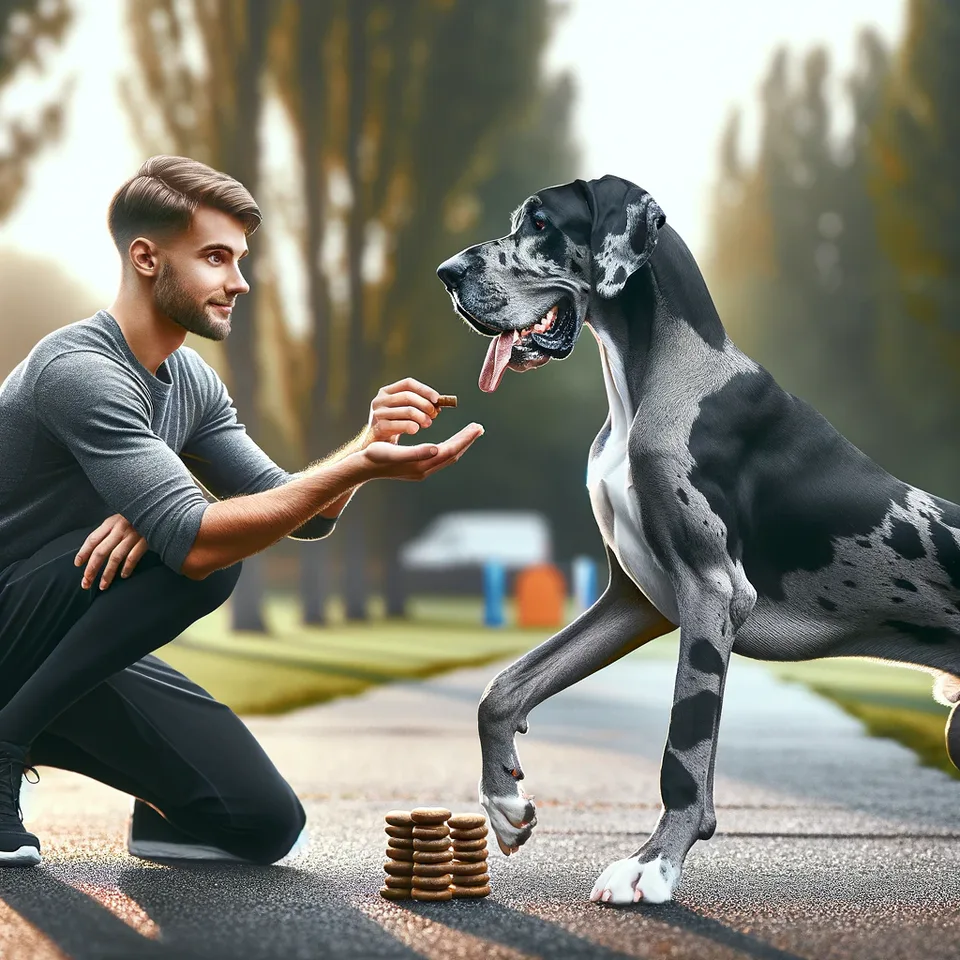
Great Danes are intelligent dogs that respond well to positive reinforcement training methods. This approach, using rewards such as treats, praise, or play, encourages good behaviour. Due to their size, it’s particularly important for Great Danes to learn basic obedience commands like sit, stay, come, and heel. Consistent training from a young age helps establish boundaries and good manners, making them more manageable as they grow into their large size.
Gentle, Consistent Training
Training should be gentle yet consistent. Great Danes are sensitive to the tone of voice and mood, so a positive, patient approach works best. They can be quite eager to please, which makes them relatively easy to train if handled correctly. Harsh training methods are unnecessary and can be counterproductive.
Leash Training and Manners
Given their strength and size, leash training is essential for Great Danes. Teaching them to walk calmly on a leash prevents them from becoming uncontrollable, especially when they reach their full size. Training should also include teaching them not to jump on people or furniture, as this can be problematic given their size.
Continued Socialisation
Socialisation should not end with puppyhood. Continuing to expose Great Danes to new environments, people, and other dogs throughout their life is important for maintaining their social skills. Regular walks, visits to dog-friendly parks, and playdates with other dogs can help keep them well-socialised.
Addressing Protective Instincts
While Great Danes are not typically aggressive, they do possess protective instincts. Training should include proper social behaviour, helping them distinguish between normal and potentially threatening situations.
In conclusion, training and socialisation are critical in nurturing a Great Dane’s temperament and behaviour. With their intelligence and size, it is important to start early, be consistent, and use positive reinforcement to ensure they grow into well-mannered and sociable giants.
Conclusion: The Great Dane, a symbol of elegance and strength, is more than just a working dog. They are gentle companions who bring love and grandeur to any home. Understanding and meeting their needs lead to a rewarding relationship.
Discover more about working breeds like the Great Dane in our detailed Working Breeds Guide.