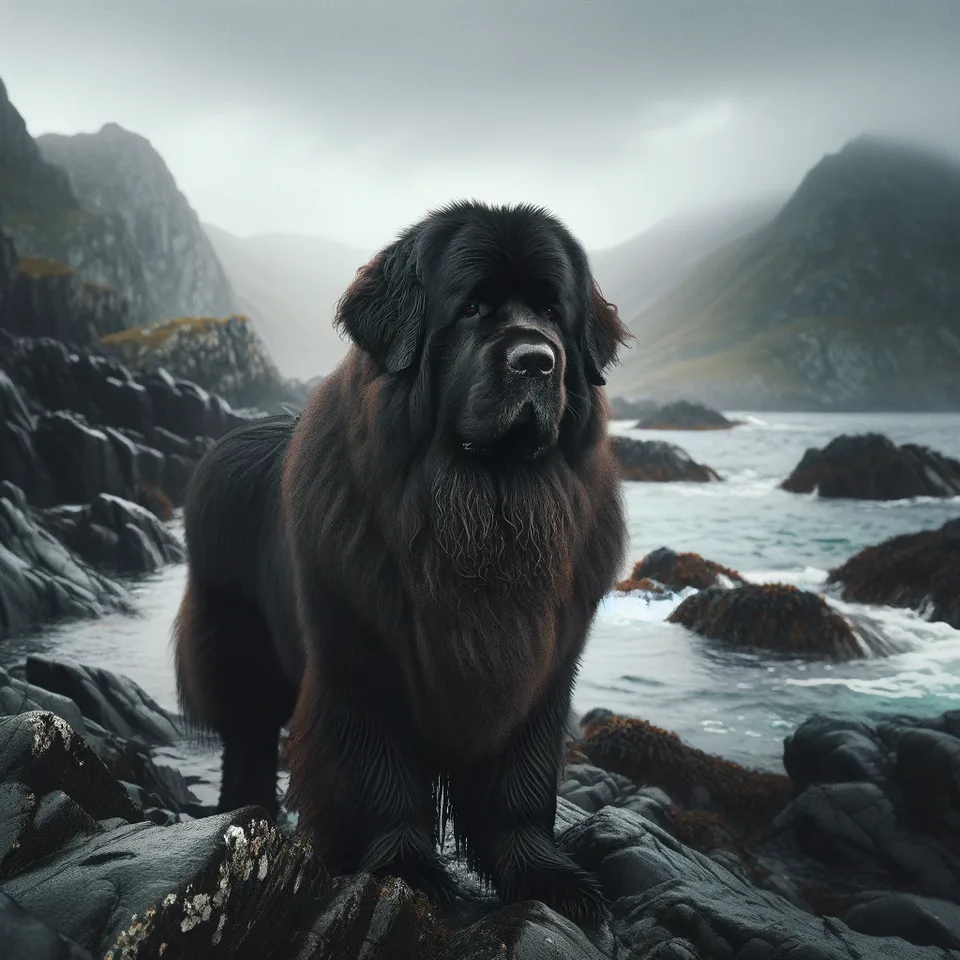
Hello, dog enthusiasts! Today, we’re exploring the world of the Newfoundland, a breed that perfectly combines strength with a sweet disposition. Known as the ‘gentle giant,’ Newfoundlands have a storied history as water rescue dogs and are renowned for their love of swimming.
History and Origin
The Newfoundland dog, a breed as storied as it is sturdy, has a rich history intertwined with the rugged coastlines of its namesake Canadian island, Newfoundland. These dogs emerged not just as companions, but as vital participants in the daily lives of their communities.
Origins in Newfoundland
The exact origins of the Newfoundland breed are somewhat shrouded in mystery, but they are believed to have developed from a mix of indigenous breeds and those introduced by European fishermen in the 16th and 17th centuries. This blend likely included working dogs brought over by the Vikings and various European settlers, which were then crossed with local breeds.
Roles in Fishing Communities
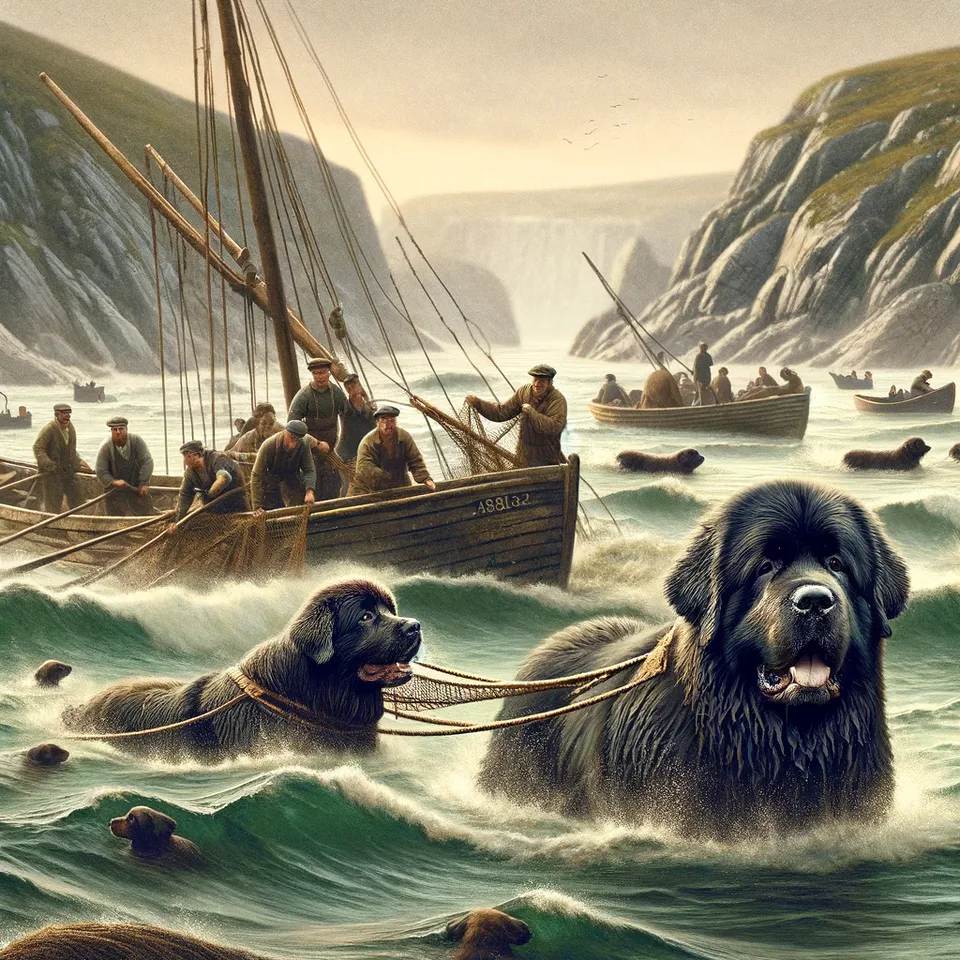
In the harsh, maritime environment of Newfoundland, the breed became an indispensable part of the fishermen’s daily life. These dogs were renowned for their incredible strength and swimming ability. They were tasked with hauling heavy fishing nets through the icy waters, pulling carts loaded with the day’s catch, and even carrying boat lines from ship to shore.
Rescue Work
One of the most heroic aspects of the Newfoundland’s history is its role in water rescue. The breed has a natural propensity for swimming and an instinctive desire to help. There are numerous tales of Newfoundlands saving sailors and fishermen who had fallen overboard, as well as rescuing victims of shipwrecks from treacherous waters.
Development and Recognition
As the breed’s reputation grew, so did its popularity beyond the shores of Newfoundland. By the 18th century, these dogs were being exported to Europe, where they were admired for their work ethic, strength, and gentle nature. The breed was officially recognised by the American Kennel Club in 1886.
Symbol of Newfoundland and Labrador
Today, the Newfoundland dog is a proud symbol of its namesake province, Newfoundland and Labrador. The breed’s contributions to the region’s history and culture are celebrated, and its legacy as both a working dog and a faithful companion continues.
In summary, the Newfoundland dog breed has a distinguished history rooted in the maritime culture of Newfoundland. Originally bred as working dogs for fishermen, their strength, swimming ability, and heroic rescue efforts have made them legendary. This history is a testament to the breed’s enduring strength, versatility, and gentle nature.
Physical Characteristics
The Newfoundland dog, renowned for its size and strength, has physical characteristics that are not only distinctive but also vital for its historical work in rugged, aquatic environments.
Size and Build
Newfoundlands are one of the larger dog breeds, known for their massive and robust build. They typically weigh between 100 to 150 pounds (45 to 68 kg), with males generally being larger than females. Standing 26 to 28 inches (66 to 71 cm) tall at the shoulder, they have a commanding presence. Their body is well-muscled and strong, reflecting their history as working dogs capable of performing demanding physical tasks.
Distinctive Double Coat
One of the most notable features of the Newfoundland is its double coat, which is thick and water-resistant, providing insulation and protection in cold and wet conditions. The outer coat is long and coarse, while the undercoat is soft and dense. This double layer is essential for a breed that historically spent a lot of time in icy waters.
Coat Colours and Patterns
The coat of a Newfoundland can come in several colours and patterns. The most common colour is black, but they can also be brown, grey, or black-and-white (known as Landseer, after the artist Sir Edwin Landseer who famously depicted the breed). Regardless of colour, the coat is a defining characteristic of the breed, requiring regular grooming to maintain its condition and health.
Head and Facial Features
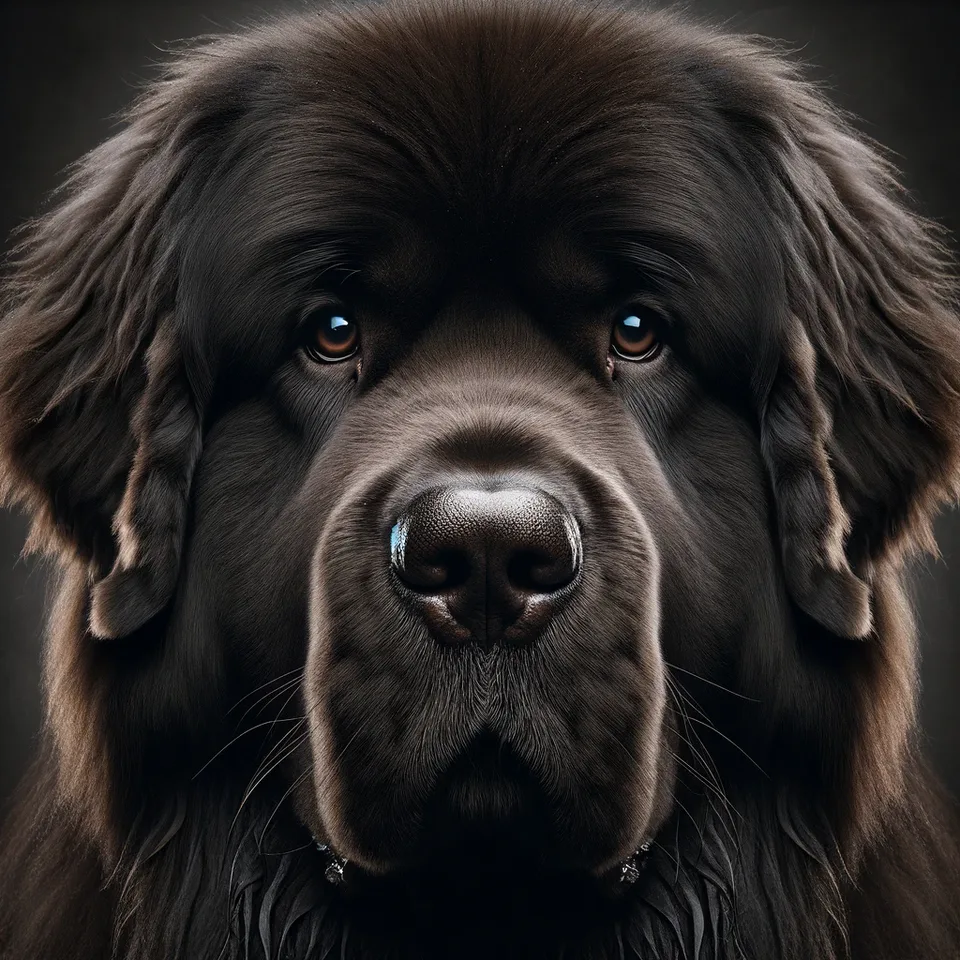
The head of a Newfoundland is broad and bears a gentle, sweet expression. They have dark brown eyes that add to their friendly appearance. Their ears are small and triangular, set well back on the head and lying close to the cheeks, giving them a distinctive and alert look.
Tail and Paws
The Newfoundland’s tail is another distinctive feature, being broad at the base and long, reaching at least to the hock. It is an important rudder for swimming. Their feet are large, webbed, and strong, adding to their natural swimming ability – a trait that has been essential in their historical role as water rescue dogs.
Gait and Movement
Despite their size, Newfoundlands move with a noticeable degree of grace and agility. They have a smooth and effortless gait, covering ground easily. This ability to move efficiently is a testament to their strength and physical coordination.
In summary, the physical characteristics of the Newfoundland – from their large, robust build and distinctive double coat to their webbed feet and gentle expression – are a blend of functionality and beauty. These traits have equipped them well for their historical roles and contribute to their popularity as both working dogs and loving companions.
Temperament
The Newfoundland, often referred to as the “gentle giant,” possesses a temperament that is as endearing as it is notable. Their calm demeanour, coupled with a loving and patient nature, makes them not just impressive in size but also in heart.
Gentle and Sweet-Natured
One of the most distinctive traits of Newfoundlands is their inherent gentleness. They have a sweet, calm nature that belies their large size. This breed is known for its soft temperament, often displaying a relaxed and easygoing attitude in various situations.
Excellent with Children
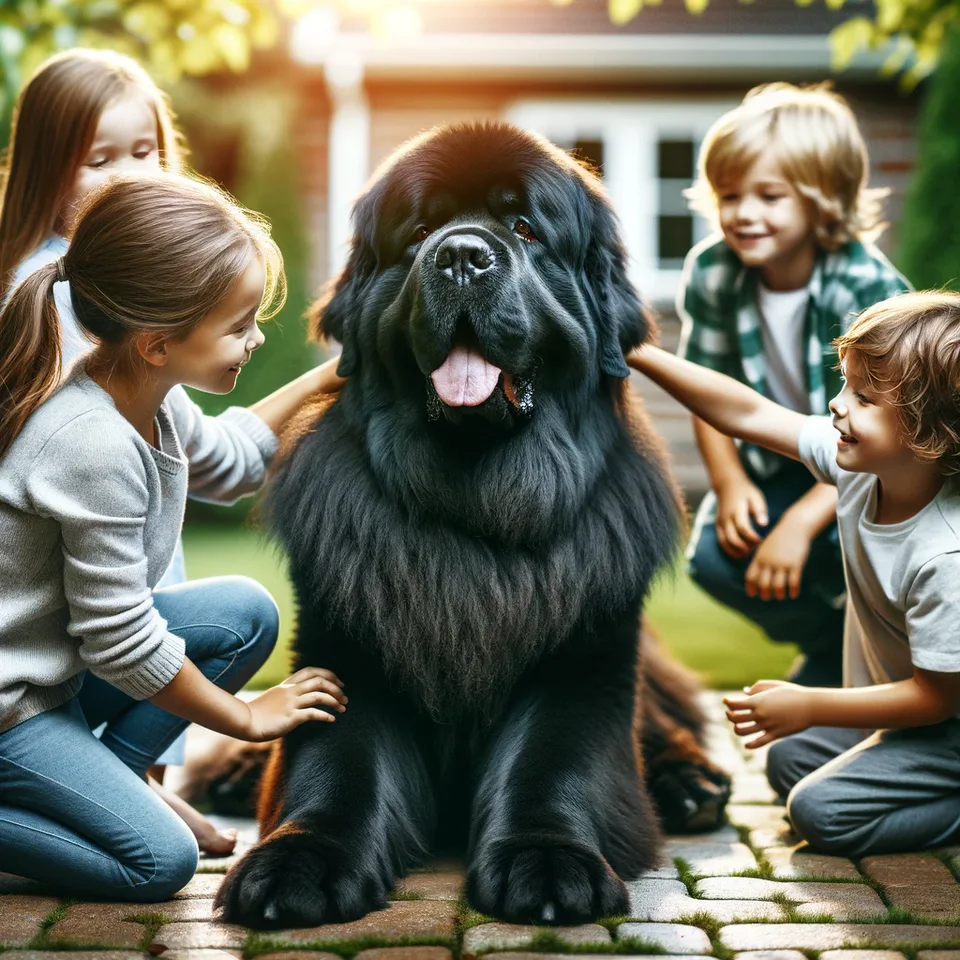
Newfoundlands are particularly renowned for their patience and affection towards children. They are often protective and nurturing, making them excellent family pets. Their ability to interact gently with children, despite their large size, is one of the key reasons they are so cherished in family settings.
Loyal and Devoted Companions
Loyalty is another hallmark of the Newfoundland temperament. They form strong bonds with their family members and are known for being exceptionally devoted. This loyalty, combined with their natural inclination to be near their humans, makes them attentive and loving companions.
Calm Demeanour
Despite their potential for powerful movement and strength, Newfoundlands typically have a calm and composed demeanour. They are not overly excitable and tend to maintain a steady and serene presence in the home.
Sociable and Friendly
Newfoundlands are generally sociable dogs, friendly towards both humans and other animals. They often greet people with a gentle nudge or a wag of their tail, and while they can be somewhat reserved, they are rarely aggressive.
Training and Socialisation
Due to their size, early training and socialisation are important for Newfoundlands. They are intelligent and capable of learning a variety of commands and behaviors. Training should be consistent and based on positive reinforcement to make the most of their eager-to-please nature.
Responsive to Human Emotions
Newfoundlands are often very in tune with the emotions of their family members. They can be quite empathetic and are known to offer comfort to those who are upset or stressed, further endearing them to their human companions.
In summary, the temperament of the Newfoundland is characterised by its gentleness, patience, and loyalty. These traits, combined with their intelligence and sociability, make them not only excellent working dogs but also beloved family members who bring a sense of calm and affection to any home.
Health and Care
Caring for a Newfoundland involves understanding their specific health needs and providing appropriate care and attention. As with many large breeds, Newfoundlands have certain health considerations that must be managed to ensure their well-being.
Health Considerations
- Hip Dysplasia: A common ailment in larger breeds, hip dysplasia is a hereditary condition where the hip joint doesn’t fit properly in its socket, which can lead to arthritis and discomfort. Regular veterinary check-ups and maintaining a healthy weight can help manage this condition.
- Heart Conditions: Newfoundlands are prone to certain heart conditions, such as subvalvular aortic stenosis (SAS) and dilated cardiomyopathy. Regular heart screenings by a veterinarian can aid in early detection and management.
- Other Health Issues: They may also be prone to elbow dysplasia, cystinuria (a kidney stone condition), and certain eye conditions. Knowing the signs and keeping regular veterinary appointments are key to early detection and treatment.
Diet and Nutrition
Feeding a Newfoundland requires consideration of their size and energy levels. A balanced diet that is age-appropriate and formulated for large breeds is important. Since they are prone to obesity, monitoring food intake and avoiding overfeeding are crucial.
Exercise Requirements
Moderate exercise is essential for a Newfoundland’s health. Due to their size, strenuous exercise should be managed carefully, especially in puppies, to avoid stress on developing bones and joints. Regular walks and play sessions in a safely enclosed area are ideal.
Grooming Needs
Newfoundlands have a thick, water-resistant double coat that requires regular grooming. Daily to weekly brushing is recommended to prevent matting and to manage shedding. They also require routine care such as nail trims, ear cleaning, and dental hygiene.
Environmental Considerations
Given their thick coat, Newfoundlands can be prone to overheating in hot weather. Providing a cool, shaded area and access to fresh water is important, as is limiting exercise during the hottest parts of the day.
Routine Veterinary Care
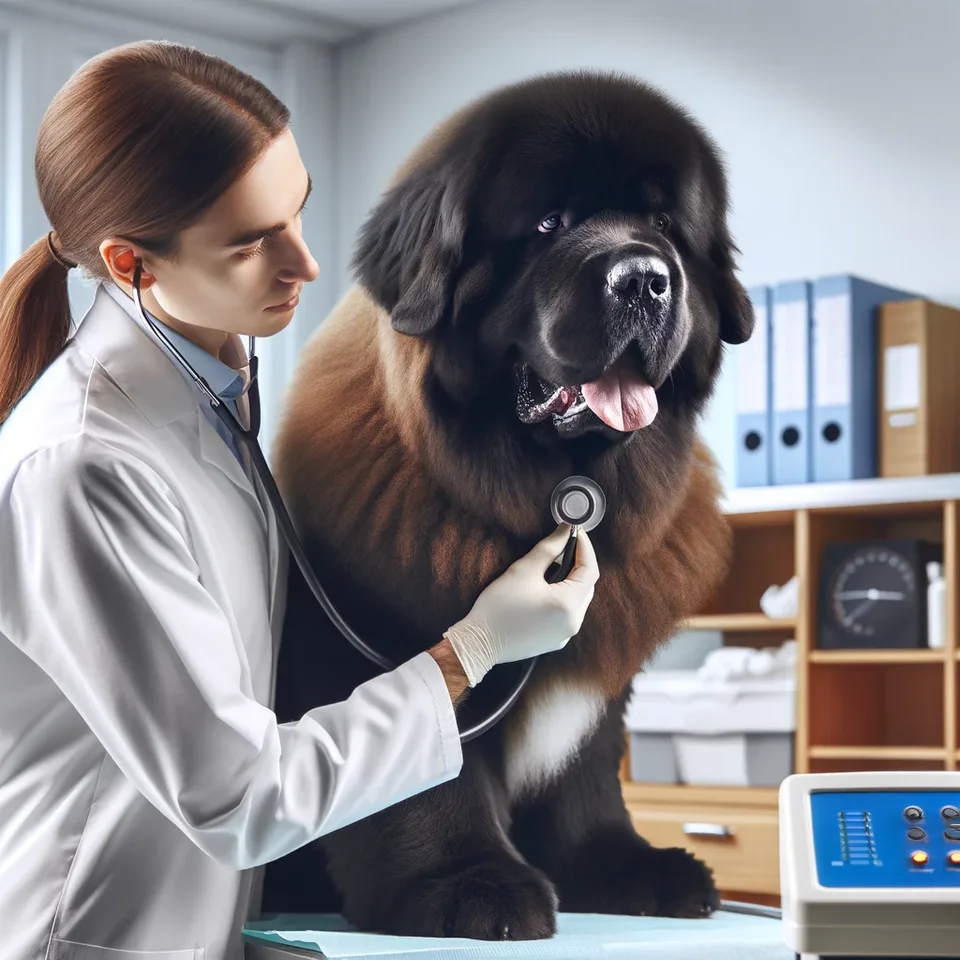
Regular veterinary visits are crucial for monitoring and maintaining the health of a Newfoundland. These visits should include vaccinations, parasite control, and routine health screenings.
In summary, ensuring the health and well-being of a Newfoundland involves a combination of regular veterinary care, a balanced diet, moderate exercise, and appropriate grooming. By addressing these needs, owners can help their Newfoundland live a healthy, happy life.
Training and Socialisation
The Newfoundland, with its impressive size and gentle nature, requires early and consistent training and socialisation to ensure it grows into a well-adjusted and manageable adult. The breed’s intelligence and responsiveness to training make this process both important and rewarding.
Importance of Early Socialisation
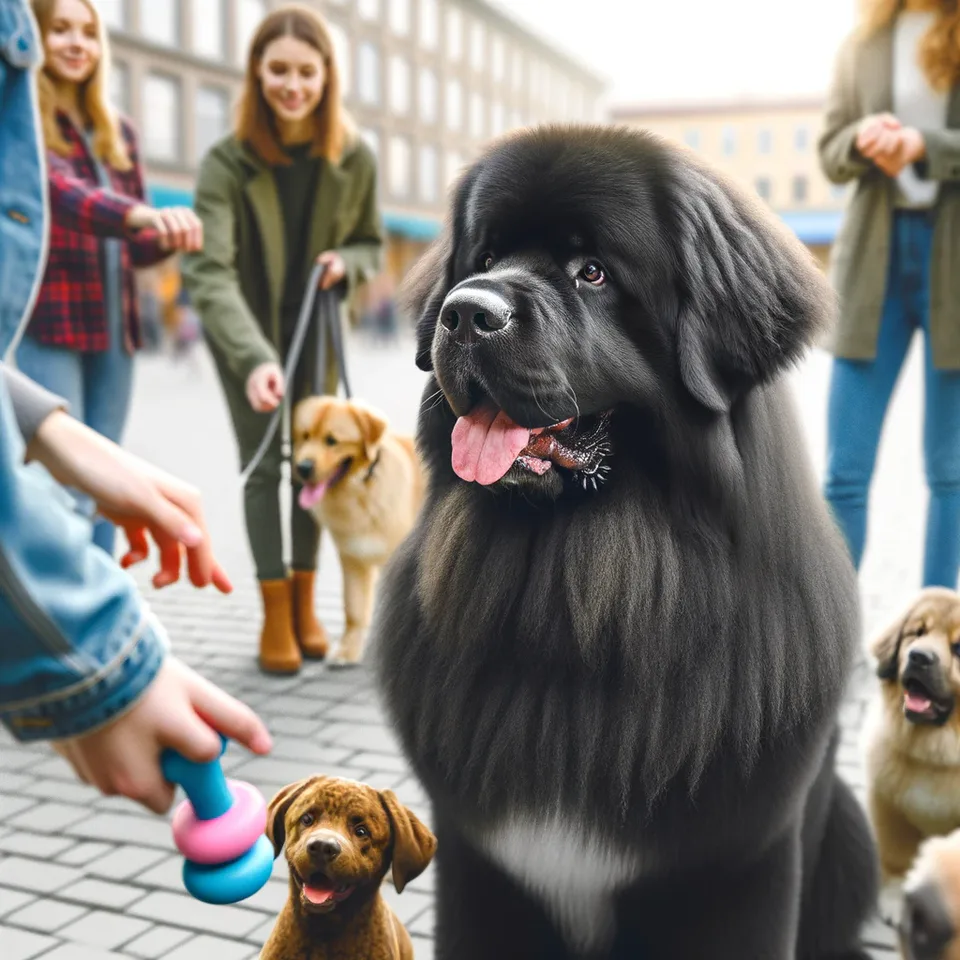
Socialisation should start when Newfoundlands are puppies. This process involves exposing them to various people, environments, sounds, and other animals in a controlled and positive way. Early socialisation helps prevent the development of fearfulness or aggression and is crucial in helping these large dogs learn to navigate the world confidently and calmly.
Positive Reinforcement Training
Newfoundlands respond exceptionally well to positive reinforcement training methods. Rewards such as treats, praise, and play encourage them to learn and repeat desirable behaviours. Given their size, it is particularly important for Newfoundlands to learn basic obedience commands like sit, stay, come, and heel from a young age.
Training for Size and Strength
Given their substantial size and strength, training Newfoundlands in leash manners and not to jump on people is important. Teaching them how to behave properly in various situations ensures they are safe and pleasant companions.
Consistency in Training
Consistency is key in training a Newfoundland. Regular, short training sessions that reinforce commands and behaviours help them understand and adhere to the expected norms. They are capable of learning a wide variety of commands and can excel in advanced training and canine sports.
Socialisation with Other Animals
Newfoundlands generally get along well with other animals, but early socialisation is important to foster this trait. Introducing them to different animals in a controlled environment helps them learn appropriate interactions and prevent any dominant behavior.
Calm and Gentle Training Approach
Their training should be calm and gentle. Newfoundlands are sensitive to their owners’ tone of voice and mood. Harsh training methods are not effective and can lead to fearfulness or stubbornness.
Exercise and Mental Stimulation
Regular exercise is essential for Newfoundlands, not just for physical health but also for mental stimulation. They enjoy activities such as walking, mild play, and water-based activities, which are also great opportunities for training and socialisation.
In conclusion, training and socialisation are integral to raising a Newfoundland. They are intelligent and responsive dogs that benefit from early socialisation, consistent training, and a positive approach. Proper training ensures that they grow into sociable, well-mannered, and enjoyable companions.
Conclusion
The Newfoundland is more than just a working dog; it’s a compassionate companion, a gentle protector, and a skilled water rescuer. Understanding and meeting their needs can lead to a rewarding relationship with these magnificent dogs.
Learn more about working breeds like the Newfoundland in our comprehensive Working Breeds Guide.