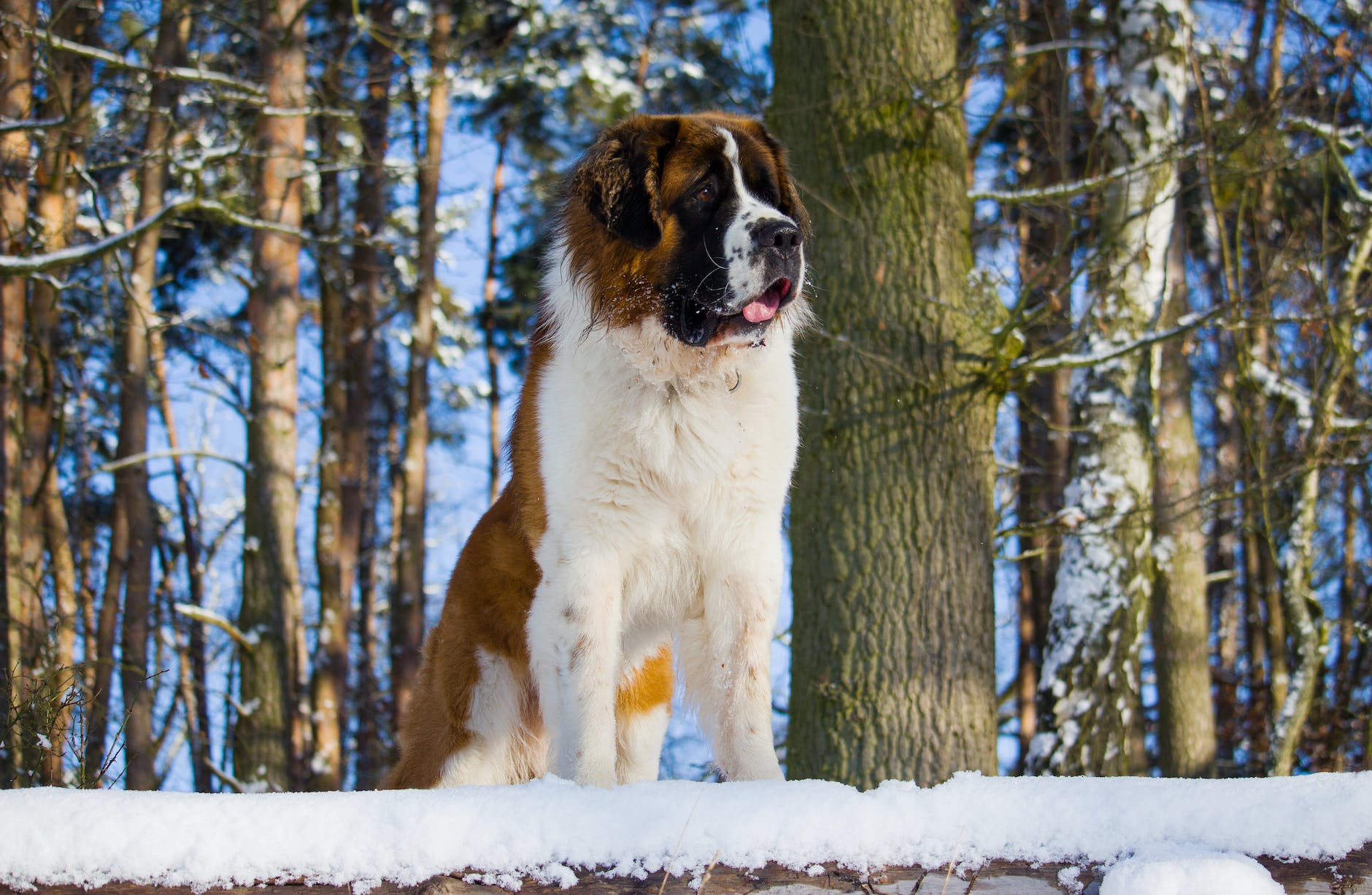
Hello, dog lovers! Today, we’re exploring one of the most recognizable and beloved working breeds in the world – the Saint Bernard. Known for their massive size and kind temperament, Saint Bernards have a storied history and an enduring legacy as both rescuers and companions.
History and Origin
The history of the Saint Bernard is as grand and awe-inspiring as their size. These noble giants trace their origins back to the Swiss Alps, specifically to the Great St Bernard Hospice, a traveler’s refuge founded in the 11th century by Bernard of Menthon, a monk who later became a saint.
Monastic Beginnings:
The monks at the hospice, situated along the treacherous snowy passes of the Swiss Alps, found an invaluable ally in these dogs. Initially, the Saint Bernards may have been used to guard the hospice or as draft animals. However, their role quickly evolved as the monks discovered their incredible aptitude for rescue work.
Rescue Dogs in the Snow:
The Saint Bernard’s most famous role was as a rescue dog. The monks trained these dogs to find and save lost travellers who fell victim to the harsh and unforgiving conditions of the Alpine passes. The breed’s keen sense of smell, coupled with their robust build, allowed them to navigate through heavy snow and endure the cold, making them ideal for this critical task.
Legendary Rescuers:
The breed gained international fame in the early 1800s, thanks in part to stories of their incredible rescue feats. One of the most famous Saint Bernards, Barry, is credited with saving over 40 lives during his lifetime. The dogs were said to find the lost travellers, provide warmth with their bodies, and even dig through the snow to clear paths.
Evolution of the Breed:
Over time, the Saint Bernard’s appearance and size have evolved. They were initially smaller, nimble dogs suited to the Alpine environment. However, in the 19th century, after facing near extinction due to severe winters, they were crossbred with larger breeds like the Newfoundland dog, leading to their current size and appearance, including their longer fur.
Symbol of Alpine Rescue:
The image of a Saint Bernard with a brandy barrel around its neck, a myth popularised by tales and paintings, has become a symbol of Alpine rescue, though there is no historical evidence that the dogs actually carried these barrels.
Today, while their role in mountain rescue has largely been taken over by modern technology, the legacy of the Saint Bernard as a rescue dog endures. Their history speaks volumes about their bravery, resilience, and the invaluable service they provided in saving human lives.

Physical Characteristics
Saint Bernards are indeed a sight to behold, renowned for their grandeur and imposing stature. They are one of the largest dog breeds, often weighing between 140 to 180 pounds (64 to 82 kilograms). This substantial weight is matched by their height, as they typically stand at about 28 to 30 inches (71 to 76 centimeters) at the shoulder. Their size is a reflection of the strength and power needed for their historical role in mountain rescue.
Powerful Build:
The build of a Saint Bernard is robust and muscular, signifying their strength and endurance. They have a broad, powerful chest and strong, sturdy legs that give them stability in challenging terrains. This powerful build was essential in their traditional role for navigating through deep snow and harsh conditions in the Alps.
Dense Coat Varieties:
One of the distinctive features of the Saint Bernard is their dense coat, which is crucial for insulation against cold weather. The breed comes in two varieties: the long-haired and the short-haired. The long-haired variety has a medium-length coat that is slightly wavy, providing an additional layer of warmth. The short-haired variety, which is more traditional, has a dense, smooth coat. Both varieties have a rich, dense undercoat, making them well-suited for cold climates. Their coats typically exhibit a combination of colours, mainly white with markings in red, mahogany, brindle, black, or a combination of these.
Expressive Facial Features:
A Saint Bernard’s face is one of kindness and expressiveness. They have dark, soulful eyes and a gentle expression that endears them to people. Their faces are often highlighted by a distinctive mask of darker fur, adding to their striking appearance. Despite their size, their expressions often convey a sense of gentleness and approachability.
Grooming Needs:
Given their dense coats, Saint Bernards require regular grooming to maintain coat health and manage shedding. Brushing a few times a week is recommended to keep their fur in good condition and to distribute natural oils. They also require basic grooming like nail trimming, ear cleaning, and dental care as part of their overall health regimen.
Adaptability to Climate:
While their coats make them well-suited for colder climates, care should be taken in warmer environments. Saint Bernards can be prone to overheating, so providing a cool, shaded place to rest and access to water is essential in warm weather.
In summary, the physical characteristics of Saint Bernards – from their imposing stature to their dense coats and kind faces – are not only visually striking but also serve practical purposes. These features reflect the breed’s historical roles and contribute to their distinct identity among dog breeds.

Temperament:
Saint Bernards are often referred to as “gentle giants,” a phrase that perfectly encapsulates their temperament. Despite their formidable size, these dogs are known for their exceptionally gentle, affectionate, and patient nature, qualities that make them ideal family pets.
Gentleness and Affection:
The gentleness of a Saint Bernard is one of their most notable traits. They exhibit a calm and composed demeanour, rarely showing signs of aggression. This gentleness is coupled with a deep affection for their family members. They are known to form strong bonds with their owners and are often eager to show their love through cuddles and close companionship. Their large size doesn’t deter them from seeking affection, and they may sometimes forget their own strength and size in their attempts to be lap dogs.
Patience and Good Nature with Children:
Saint Bernards are particularly well-suited to families with children. They display remarkable patience, even in the midst of the often unpredictable behaviour of young kids. This breed is tolerant and can handle the noise and commotion that typically comes with a household with children. Their protective instincts kick in around kids, making them natural guardians. However, it’s always recommended to supervise interactions between any large dog and young children, mainly to ensure the safety of both the dog and the child.
Protective Instincts:
While generally passive and laid-back, Saint Bernards do have a protective side. They are likely to stand guard and protect their family if they perceive a threat. This protective nature is not marked by aggression but rather a steadfast presence and a willingness to place themselves between their family and potential danger.
Adaptability and Social Nature:
Saint Bernards are adaptable and can do well in various living situations, as long as they have enough space to move comfortably. They enjoy being part of family activities and are sociable dogs, often getting along well with other pets when properly socialised.
A Need for Companionship:
It’s important to note that Saint Bernards thrive on companionship and do not do well when left alone for long periods. They are happiest when they can be a part of daily family life, whether it’s lounging at home or going on family outings.
In conclusion, the temperament of the Saint Bernard makes them a cherished member of any family. Their combination of gentleness, affection, patience, and protectiveness endears them to all who meet them. With proper care and companionship, a Saint Bernard can be a source of joy and a loyal companion for years to come.

Health and Care:
Saint Bernards, with their impressive size and gentle nature, also come with specific health considerations typical of large breeds. Being aware of these can help owners provide the best possible care for their gentle giants.
Common Health Issues:
- Hip and Elbow Dysplasia: These conditions, common in large breeds, occur when the hip or elbow joints develop improperly, leading to arthritis or lameness. Regular veterinary check-ups can help identify and manage these issues early.
- Heart Conditions: Saint Bernards are prone to certain cardiac issues, such as dilated cardiomyopathy, a condition that affects the heart’s ability to pump blood effectively. Awareness and regular cardiac screenings are important for early detection and treatment.
- Bloat or Gastric Dilatation-Volvulus (GDV): This is a life-threatening condition where the stomach fills with gas and sometimes twists. Preventive measures include feeding smaller, more frequent meals and avoiding vigorous exercise around feeding times.
Veterinary Care:
Regular veterinary check-ups are vital to monitor and maintain the health of Saint Bernards. These check-ups will typically include routine vaccinations, dental care, and screenings for common breed-specific issues. Building a relationship with a veterinarian who is familiar with large breeds can be beneficial.
Diet and Nutrition:
Feeding a balanced diet suitable for large breeds is crucial for the health of a Saint Bernard. Their diet should be appropriate for their age, weight, and activity level. Since they are prone to joint issues and obesity, maintaining a healthy weight is essential. High-quality dog food with the right balance of nutrients, including joint-supporting supplements, can contribute significantly to their overall well-being.
Exercise Requirements:
Despite their size, Saint Bernards do not require extensive exercise. Moderate, regular exercise is sufficient to keep them healthy and happy. This can include daily walks and playtime in a secure area. It’s important to note that over-exertion, especially in puppies, should be avoided to prevent joint damage.
Grooming Needs:
Saint Bernards have dense coats that require regular grooming. Brushing several times a week helps prevent matting and manages shedding. They also need routine nail trimming, ear cleaning, and dental care as part of their general upkeep.
Environmental Considerations:
Given their thick coats, Saint Bernards are more comfortable in cooler climates. In warmer weather, it’s important to provide them with a cool, shaded place to rest and ensure they have access to plenty of water.
In summary, understanding and catering to the specific health and care needs of Saint Bernards is crucial for their well-being. Regular veterinary care, proper nutrition, appropriate exercise, and grooming are key elements in keeping these gentle giants healthy and happy throughout their lives.

Training and Socialisation
Training and socialisation are vital components in the development of a Saint Bernard, particularly given their considerable size and strength. Proper training and early socialisation help ensure that they grow into well-adjusted, manageable, and sociable adult dogs.
Importance of Early Socialization
Socialisation should begin at a young age for Saint Bernards. Exposing them to various people, animals, environments, and situations helps them become more adaptable and confident. Early socialisation reduces the risk of anxiety or aggression in unfamiliar settings or when encountering new experiences. Activities like visiting dog parks, having controlled interactions with other dogs and people, and exposing them to different sounds and environments are beneficial.
Training with Positive Reinforcement
Saint Bernards are known to be sensitive and responsive to their owner’s tone and mood, making positive reinforcement an effective training method. This involves rewarding good behaviour with treats, praise, or play, which encourages the dog to repeat these behaviours. Punishment or harsh methods can be counterproductive, leading to fear or distrust.
Consistency in Training
Consistency is key in training Saint Bernards. Due to their size, it’s important for them to learn basic commands such as sit, stay, come, and heel. Training should start as soon as they are brought home and continue throughout their life. Consistent training helps in establishing clear boundaries and expectations, ensuring the dog understands what is expected of them.
Gentle Guidance and Patience
Training a Saint Bernard requires patience and gentle guidance. They may not learn as quickly as some smaller breeds, but they are capable of learning a wide range of commands and behaviours. Short, engaging training sessions are more effective than long, tedious ones.
Handling Their Strength and Size
As they grow, their strength and size become more pronounced, making it essential for them to be well-trained in basic manners and obedience. Training them to walk nicely on a leash is particularly important to prevent them from pulling or being uncontrollable during walks.
Continuous Socialisation
Socialisation should not end in puppyhood. Continuing to expose them to new experiences and environments as they grow helps maintain their social skills and adaptability. This also includes ongoing interaction with other dogs and people, ensuring they remain friendly and approachable.
The Role of Training in Health
Training also plays a role in their physical health. It provides mental stimulation, which is just as important as physical exercise, and can prevent the development of unwanted behaviors born from boredom or lack of stimulation.
In conclusion, training and socialisation are integral to raising a well-behaved, sociable Saint Bernard. With their size and strength, these aspects become even more crucial. A well-trained and socialised Saint Bernard is a joy to have around, embodying the breed’s characteristic gentleness and sociability.

Conclusion: The Saint Bernard is more than just a working dog; they’re a symbol of kindness, strength, and loyalty. For those considering this breed, understanding and accommodating their needs can lead to an incredibly rewarding companionship.
For more on working breeds like the Saint Bernard, check out our detailed Working Breeds Guide.