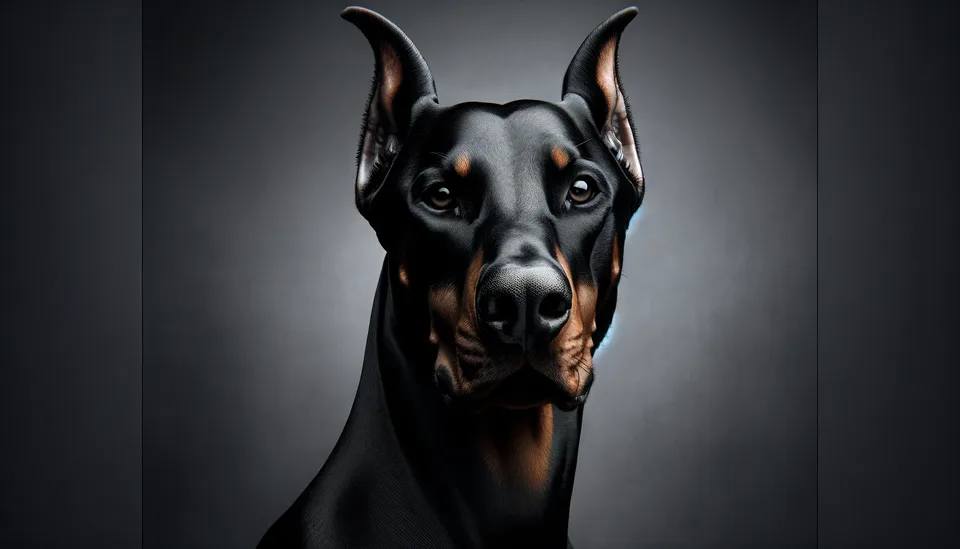
Hello to all our canine enthusiasts! Today, we’re exploring the intriguing world of the Doberman Pinscher. Known for their sleek coat, athletic build, and keen intelligence, Dobermans are a standout breed in the working dog category. Join us as we delve into the history, characteristics, and caring tips for these elegant and efficient companions.
History and Origin
The Doberman Pinscher, a breed synonymous with strength, loyalty, and intelligence, has a unique and fascinating origin story that dates back to the late 19th century in Germany. The creation of this breed is credited to a man named Louis Dobermann from Apolda, in the Thuringia region of Germany. Dobermann’s occupation as a tax collector often led him into dangerous areas, and he sought to breed an imposing dog that would offer protection and companionship.
The Creator, Louis Dobermann
Louis Dobermann had access to various dog breeds through his second job at the Apolda dog pound. His goal was to develop a breed that was fiercely loyal, intelligent, and capable of protecting him. To achieve this, he started breeding different types of dogs, aiming for a mix that would embody both physical prowess and a formidable temperament.
Breeding and Development
The exact mix of breeds used to create the Doberman Pinscher is not precisely documented, but it is widely believed that Dobermann initially crossed the old German Shepherd with the German Pinscher. Over time, he integrated breeds like the Rottweiler, Greyhound, and Weimaraner into the mix. The Rottweiler brought strength and endurance, the Greyhound contributed speed and sleekness, and the Weimaraner added grace, stamina, and intelligence.
Characteristics Sought by Dobermann
The key characteristics Dobermann sought were fearlessness, loyalty, and a high capacity for training. He aimed to develop a breed that was medium-sized, strong, and muscular, yet elegant, with a sharp intelligence and an instinct for guarding and protection.
Evolution into Various Roles
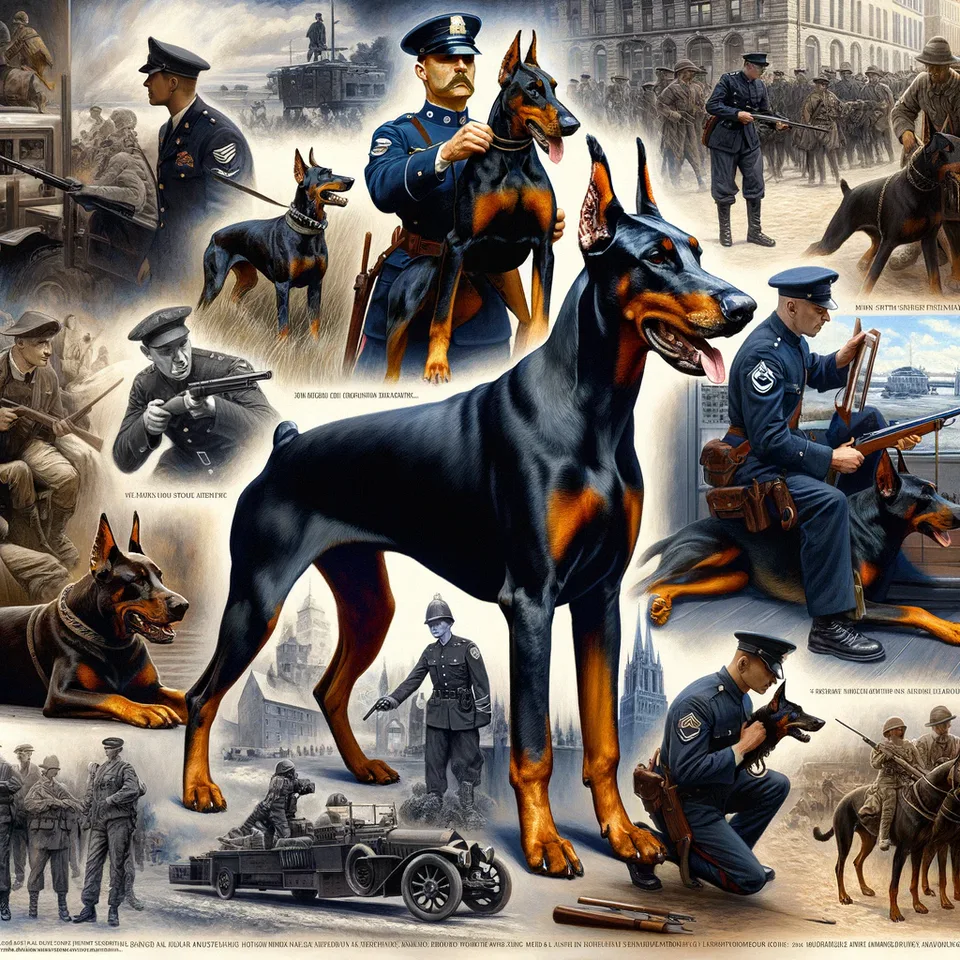
Initially bred for protection, the Doberman Pinscher quickly gained fame for its versatility. The breed’s intelligence, trainability, and loyalty made it an excellent candidate for police and military work. Dobermans were used during World War II as guard dogs, messengers, and rescuers. Their roles extended beyond these fields, as they also became popular as search-and-rescue dogs, therapy dogs, and loyal family protectors.
Recognition and Growth in Popularity
The breed was officially recognised by the American Kennel Club (AKC) in 1908. The Doberman Pinscher’s popularity grew steadily, not just in Germany but across the world, particularly in the United States, where it was admired for both its working capabilities and its elegance as a companion.
In summary, from the ambitious vision of Louis Dobermann to their widespread recognition and versatility, the Doberman Pinscher has evolved significantly since its inception. The breed’s history is a testament to its capabilities, both as a protector and as a loyal companion, and highlights the remarkable journey from a local German breed to an internationally renowned working and companion dog.
Physical Characteristics
The Doberman Pinscher, a breed that beautifully combines elegance with power, is a fine example of canine athleticism and grace. They are medium to large-sized dogs, characterised by a distinctive appearance that reflects their agility and strength.
Size and Build
Males typically stand about 26 to 28 inches (66 to 71 cm) tall at the shoulder, while females are generally slightly smaller. This size contributes to their imposing presence. Despite their robust build, Dobermans are known for their sleek and streamlined bodies, displaying a perfect blend of muscle and agility. This build enables them to move with a smooth and powerful gait, often described as seemingly effortless.
Coat and Colours
The Doberman’s coat is another striking feature. It is short, smooth, and lies close to the skin, showcasing their well-defined muscular structure. This sleek coat comes in a variety of colours, the most common being black, red, blue, or fawn, often accompanied by rust-colored markings on the face, chest, and legs. These colours add to their dignified appearance, making them stand out in any setting.
Ears and Tail
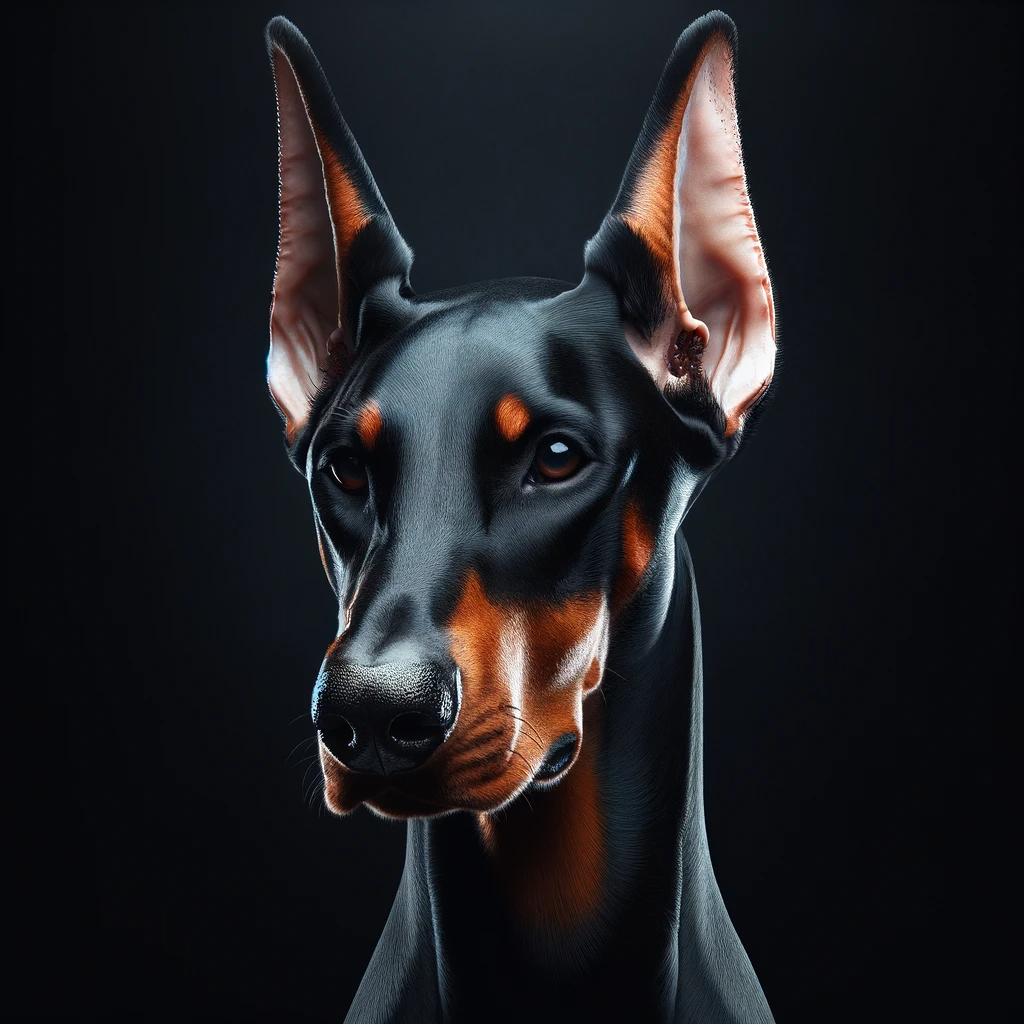
Traditionally, Dobermans are known for their alert, upright ears and a tail that is often docked. The practice of ear cropping and tail docking is a subject of debate and is regulated in many countries. The cropped ears are thought to enhance the dog’s alert expression and were originally done for practical reasons in their working roles. When left natural, their ears are moderately sized and lie close to the head, adding to their attentive look.
Facial Features
Their facial expression is sharp and alert, with a wedge-shaped head and dark, almond-shaped eyes that exude intelligence and vigour. The Doberman’s expression often reflects its personality, ranging from alert and determined when at work to gentle and loving with family.
Physical Adaptability
Despite their strong physical presence, Dobermans are quite adaptable to various living conditions. They are energetic and thrive in environments where they can move freely and exercise. Their physique requires regular physical activity to maintain muscle tone and overall health.
In summary, the physical characteristics of the Doberman Pinscher – from their imposing size to their sleek coat and alert expression – not only contribute to their striking appearance but also reflect their efficiency and agility as a working breed. Their physical traits are a perfect representation of their character: strong, elegant, and always alert.
Temperament
Doberman Pinschers are renowned for their impressive combination of intelligence, alertness, and loyalty, traits that make them much more than just an imposing presence. Their temperament, when shaped by proper upbringing and training, reveals a breed that is as affectionate and devoted as it is protective.
Intelligence and Alertness
One of the most distinctive traits of Dobermans is their high level of intelligence. They are quick learners, able to understand and respond to a wide range of commands and training cues. This intelligence is paired with a natural alertness that makes them excellent watchdogs. Dobermans are always aware of their surroundings and can be relied upon to alert their owners to anything unusual.
Loyalty and Attachment to Family
Dobermans form strong bonds with their families and are known for their deep loyalty. They are often described as ‘velcro’ dogs due to their desire to be close to their human companions. This loyalty is paired with a sweetness of nature that is evident in their interactions with familiar people. They thrive on companionship and are happiest when involved in family activities.
Behaviour with Children
When raised with children, Dobermans can be very gentle and protective. Their patient nature makes them good companions for kids, though, like with any breed, interactions should be supervised, especially with younger children. Proper socialisation from a young age helps ensure that they are comfortable and well-behaved around children.
Protective Instincts
Dobermans have a natural protective instinct, making them excellent guard dogs. They are not inherently aggressive but are courageous and will stand their ground if they perceive a threat to their family. Their protective behaviour is more about vigilance and alertness rather than aggression, making them effective yet controlled protectors.
Need for Mental Stimulation
Given their intelligence, Dobermans require mental stimulation to prevent boredom, which can lead to destructive behaviour. Activities like training exercises, interactive play, and puzzle toys can help keep their minds engaged.
Socialisation and Training
Early and ongoing socialisation is crucial for Dobermans. Exposure to different people, animals, and environments helps them become well-adjusted adults. Consistent, positive reinforcement-based training is effective and helps harness their intelligence in a constructive way.
In summary, the Doberman’s temperament, characterised by intelligence, loyalty, and a protective nature, makes them exceptional companions. With the right upbringing, training, and socialisation, Dobermans are sweet-natured and devoted dogs, well-suited to being both loving family members and reliable protectors.

Health and Care
Doberman Pinschers, known for their athletic build and sharp intelligence, do come with certain breed-specific health considerations that require attention. Being aware of these health issues and providing proper care can ensure a long and healthy life for these distinguished dogs.
Common Health Issues
- Cardiomyopathy: This is a heart condition that is particularly prevalent in Dobermans. It affects the heart’s ability to pump blood effectively and can be life-threatening. Regular cardiac screenings are important for early detection and management.
- Hip Dysplasia: Like many large breeds, Dobermans are susceptible to hip dysplasia, a condition where the hip joint doesn’t form properly. This can lead to arthritis or mobility issues. Maintaining a healthy weight and regular exercise can help manage the symptoms.
- Von Willebrand’s Disease: This is a blood clotting disorder common in Dobermans. It can lead to excessive bleeding from minor injuries or surgeries. Blood tests can identify this condition, and owners should be aware of it, especially when their dog undergoes any surgical procedure.
Diet and Nutrition
A well-balanced diet is crucial for the Doberman’s overall health. Their diet should be appropriate for their age, size, and activity level. High-quality dog food that supports joint health and heart function is beneficial. Obesity can exacerbate health problems like hip dysplasia, so keeping an eye on their weight is essential.
Exercise Requirements
Regular exercise is vital for maintaining the Doberman’s physical and mental health. They are an energetic breed and require a good amount of physical activity daily. Activities like brisk walks, running, and playtime in a secure area can keep them fit and happy. Mental stimulation through training and puzzle toys is also important to keep their active minds engaged.
Grooming and Skin Care
Dobermans have a short, sleek coat that is relatively low maintenance. Occasional brushing is sufficient to keep their coat healthy and to minimize shedding. They should also receive regular nail trims, ear cleanings, and dental care as part of their overall grooming routine.
Environmental Considerations
Due to their short coat, Dobermans are more sensitive to extreme temperatures. They should be protected from harsh weather conditions and should not be left outside for extended periods in very cold or hot weather.
Routine Veterinary Care
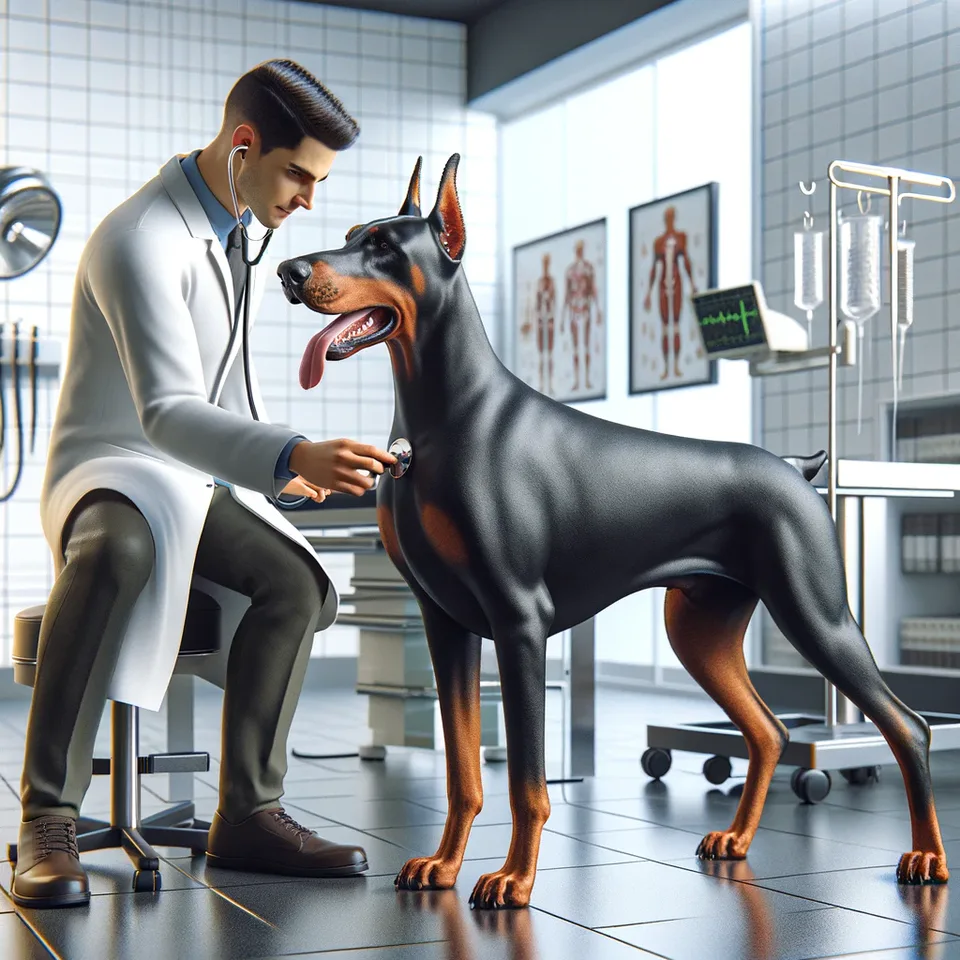
Regular check-ups with a veterinarian are crucial. These should include vaccinations, deworming, and routine screenings for the health issues common to the breed. An ongoing relationship with a vet familiar with Dobermans can help in early detection and management of potential health problems.
In summary, understanding and catering to the specific health and care needs of Dobermans are key to their well-being. Regular veterinary care, a balanced diet, adequate exercise, and grooming are essential components in maintaining their health and ensuring that they live a full and active life.
Training and Socialisation
Training and socialisation play pivotal roles in the development of a Doberman Pinscher. Known for their intelligence and eagerness to please, Dobermans respond well to training, which is essential for harnessing their capabilities and ensuring they grow into well-mannered and sociable adults.
Importance of Early Socialisation
Socialisation for a Doberman should begin early in their life. This process involves exposing the puppy to a variety of experiences, people, animals, and environments in a positive and controlled manner. Early socialisation helps in shaping a dog’s future behaviours and reactions. It is particularly crucial for Dobermans to prevent any tendency towards shyness or overprotectiveness. Introducing them to different situations helps them become confident and comfortable in a variety of settings.
Training Approach
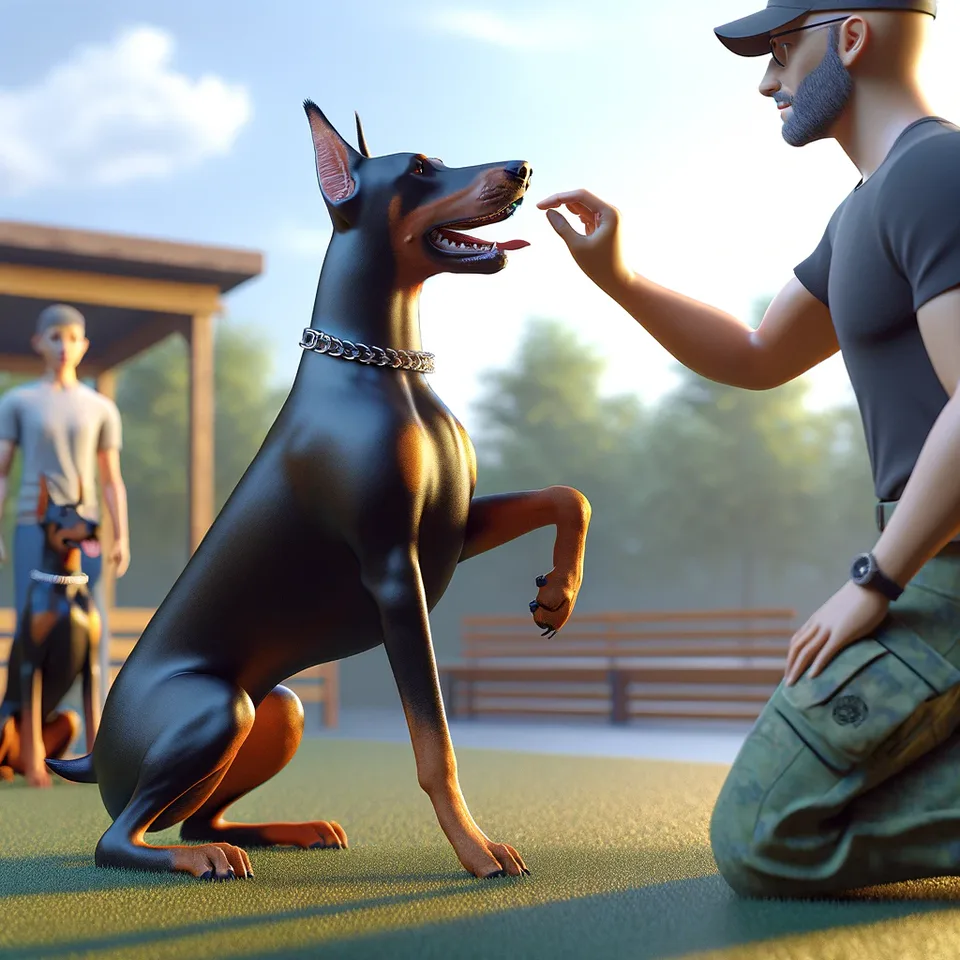
Dobermans excel with positive reinforcement training methods. This approach, which involves rewarding desirable behaviours with treats, praise, or play, encourages the dog to repeat these actions. It’s important to avoid harsh training methods, as Dobermans can be sensitive to negative reinforcement. Consistency is key in training; inconsistent commands or expectations can lead to confusion and hinder their learning process.
Building a Strong Foundation
Foundational obedience training should include basic commands like sit, stay, come, heel, and down. Given their size and strength, leash training is also crucial to ensure they are manageable on walks. Dobermans are quick learners, and with consistent training, they can advance to more complex commands and even participate in dog sports or agility training.
Mental Stimulation
Along with physical exercise, Dobermans require mental stimulation. They are an intelligent breed and thrive when their minds are challenged. Puzzle toys, scent work, and advanced training exercises can provide the necessary mental engagement.
Continued Socialisation
Socialisation should not end after puppyhood. Continued exposure to new experiences and regular interaction with other dogs and people throughout their life is important. This ongoing socialisation ensures that they remain well-adjusted and sociable.
Addressing Protective Instincts
Dobermans have a natural protective instinct, which can be an asset if properly managed. Training should include teaching them to distinguish between normal and threatening situations, ensuring that their protective nature doesn’t turn into overprotectiveness.
In summary, training and socialisation are integral to raising a balanced and happy Doberman. Their intelligence and willingness to please make them highly trainable, but it is the responsibility of the owner to provide consistent, positive training and regular socialisation. A well-trained and socialised Doberman is a joy to have around, being both a loyal companion and a well-behaved member of the community.
Conclusion
The Doberman Pinscher is more than a working dog; it’s a loyal companion, a vigilant protector, and an elegant addition to any family. For those considering this breed, understanding and catering to their needs can lead to a rewarding partnership.
For a deeper dive into working breeds like the Doberman Pinscher, check out our comprehensive Working Breeds Guide.