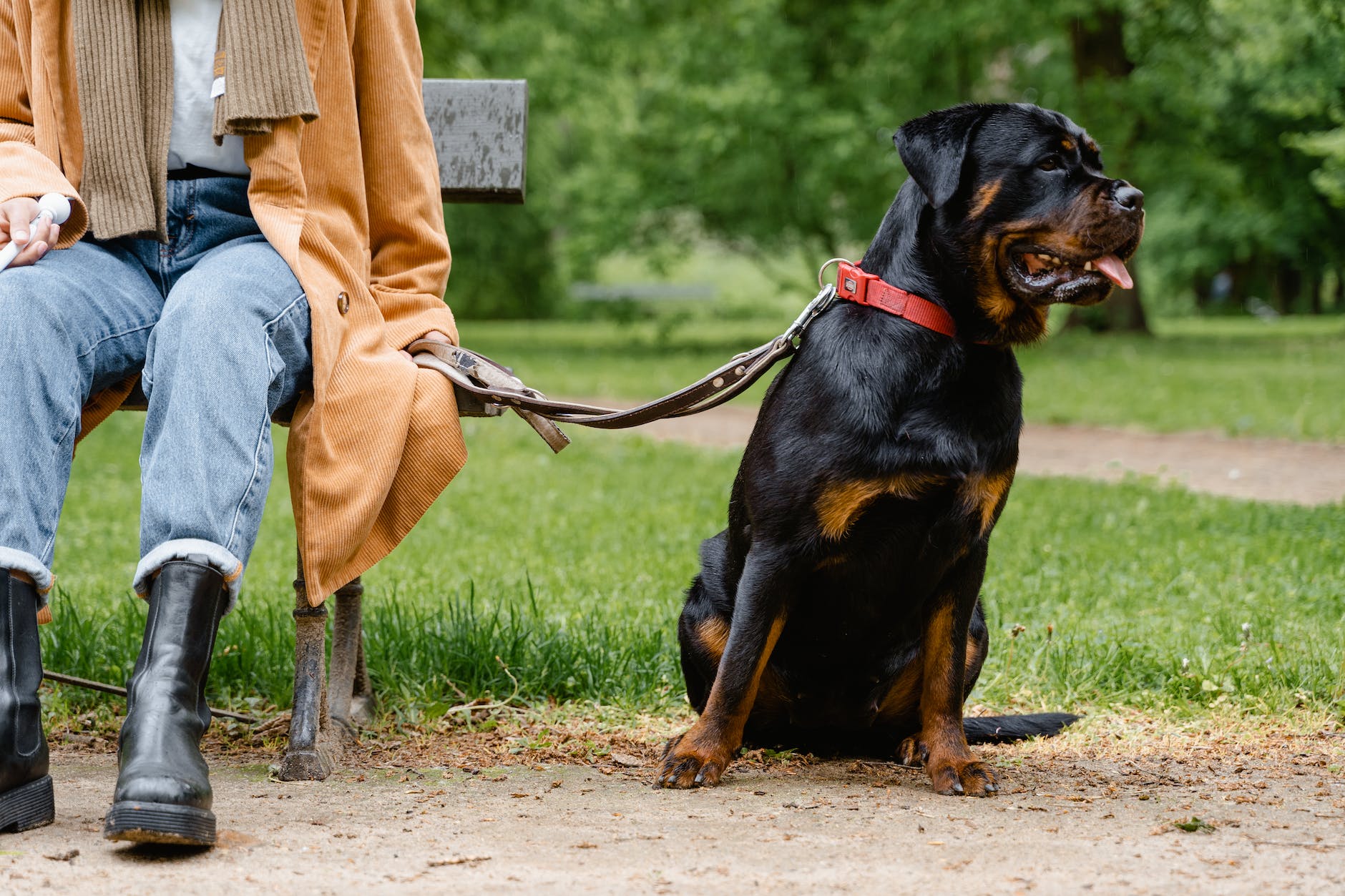
Greeting dog enthusiasts! Today, we delve into the world of a truly remarkable breed – the Rottweiler. Known for their strength, intelligence, and loyalty, Rottweilers are not just guardians but also affectionate family members. Let’s explore what makes this breed so unique and cherished.
The History of the Rottweiler
The Rottweiler, a breed synonymous with strength and loyalty, has a history that is as fascinating as the dog itself. Their journey begins in the days of the Roman Empire, an era that laid the foundation for their role as a versatile working breed.
Ancient Beginnings
Originating from the Roman legions, Rottweilers were primarily used to herd cattle that accompanied troops on their long marches across Europe. These dogs were not only herders but also guardians, protecting the soldiers’ provisions from theft and wild animals. Their strength, endurance, and intelligence made them indispensable to the Roman army.
Transition to Rottweil
As the Roman Empire expanded, these dogs found their way into what is now modern-day Germany. Their significant impact began in the town of Rottweil, a former Roman settlement. In Rottweil, they transitioned from military work to more civilian roles, becoming known for driving cattle to market and protecting local butchers’ money. It was in this town that they earned their name, Rottweiler Metzgerhund, or the Butcher’s Dog of Rottweil.
Medieval Era and Beyond
During the Middle Ages, Rottweilers continued to flourish as working dogs. Their roles expanded to include pulling carts for butchers and farmers, a task for which their strength was perfectly suited. However, with the advent of railways and other modes of transportation in the 19th century, the need for cattle dogs declined, and the Rottweiler breed faced near extinction.
20th Century Revival
The early 20th century witnessed a resurgence in the breed’s popularity. Recognizing their versatility and temperament, Rottweilers were employed in various roles, including as police dogs, which solidified their standing as a working breed. World Wars I and II saw Rottweilers serving in various capacities, from messenger dogs to ambulance and guard dogs.
Present Day
Today, the Rottweiler’s heritage as a working breed is still evident in their characteristics and abilities. They are known for their intelligence, strength, and loyalty. This deep historical lineage contributes significantly to their popularity and respect as a breed.
In conclusion, the Rottweiler’s history is a rich tapestry that intertwines with human history, from ancient Rome to modern times. Their evolution from Roman herding dogs to beloved family pets and capable working dogs is a testament to their adaptability and enduring appeal.

Characteristics and Temperament
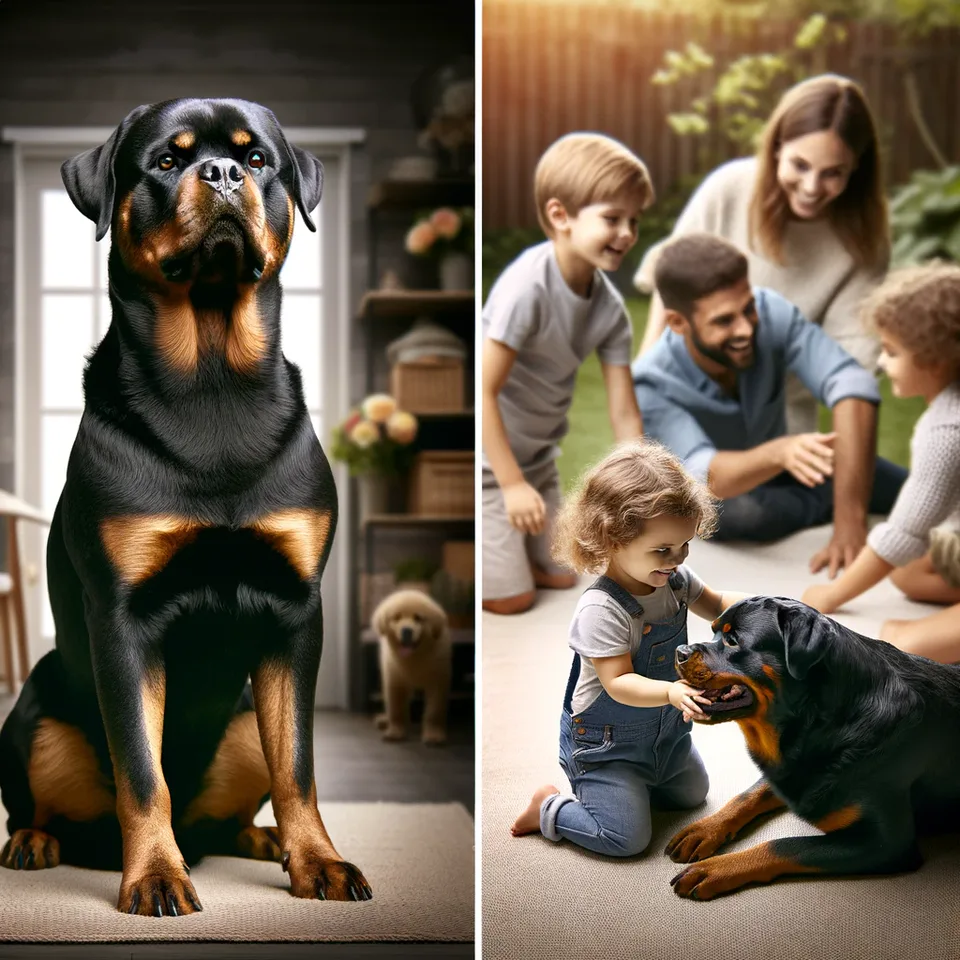
Rottweilers are a breed that embodies a unique combination of physical strength and emotional sensitivity. Their characteristics and temperament make them not just capable guardians, but also affectionate family members. Here’s a closer look at what makes a Rottweiler truly special.
Calm and Confident
Rottweilers exude a sense of calmness and confidence that is instantly noticeable. They are not easily perturbed by their surroundings, making them excellent in various environments, from busy urban settings to tranquil countryside homes. Their confidence is rooted in a well-balanced temperament, allowing them to assess situations calmly before reacting.
Courageous Protectors
The protective nature of Rottweilers is legendary. They have an ingrained instinct to guard and protect their loved ones. This protective streak is not about aggression but rather about a deep sense of duty towards those they consider their family. It is this trait that has made them reliable protectors throughout history.
Affectionate and Playful
Despite their formidable appearance, Rottweilers have a softer side that is often surprising to those unfamiliar with the breed. They are known to be incredibly affectionate, often seeking physical closeness with their human companions. Their playful nature emerges around those they trust and love, revealing a joyous and spirited side.
Intelligent and Trainable
Rottweilers are highly intelligent, which makes them responsive to training. They enjoy learning and are quick to pick up new commands and skills. This intelligence, coupled with a desire to please their owners, makes them trainable and adaptable to various roles, be it as a family pet, a working dog, or a competition dog in obedience and agility trials.
Loyal Companions
Loyalty is a hallmark of the Rottweiler breed. Once they form a bond with their family, it is a deep and enduring connection. This loyalty extends to being protective of children in the family, often assuming a gentle, guardian role.
Emotionally Sensitive
Rottweilers are surprisingly sensitive to the emotions of their human companions. They are adept at reading moods and often adjust their behavior accordingly. This emotional intelligence makes them great companions, especially for those who understand and respect the breed.
Adaptable
Finally, Rottweilers are adaptable dogs. While they thrive on routine, they can adjust to different lifestyles and environments if their basic needs for exercise, mental stimulation, and companionship are met.
In conclusion, the Rottweiler is a breed of contrasts – strong yet gentle, protective yet affectionate, and confident yet sensitive. This balance of characteristics and temperament is what makes them beloved and respected as both working dogs and family pets.
Training and Socialisation
Training and socialisation are not just beneficial but essential for Rottweilers. Due to their size, strength, and intelligence, a well-trained Rottweiler is not only a pleasure to be around but also a safer member of society. Here’s a deeper dive into the training and socialisation of this noble breed.
The Importance of Early Training
The training journey for a Rottweiler should begin as soon as they come into your home. Puppy classes are an excellent start, focusing on basic commands like sit, stay, come, and heel. These early lessons lay the groundwork for more advanced training and help in establishing a bond between the dog and its owner. Consistency and patience are key, as Rottweilers thrive on regular, structured training sessions.
Positive Reinforcement Techniques
Rottweilers respond exceptionally well to positive reinforcement methods. This includes using treats, praise, and play as rewards for good behavior. Harsh techniques are not only ineffective but can also lead to behavioral issues. Positive reinforcement fosters a trusting relationship, encouraging your Rottweiler to learn and obey out of respect and love rather than fear.
Socialisation: A Critical Aspect
Socialisation is as crucial as training and should start early in a Rottweiler’s life. This process involves exposing them to different people, environments, sounds, and experiences. Proper socialisation helps prevent the development of fear and aggression, ensuring that the Rottweiler grows into a well-adjusted adult. Regular walks in public places, visits to dog-friendly cafes, and playdates with other dogs are excellent ways to socialise your Rottweiler.
Engaging in Structured Activities
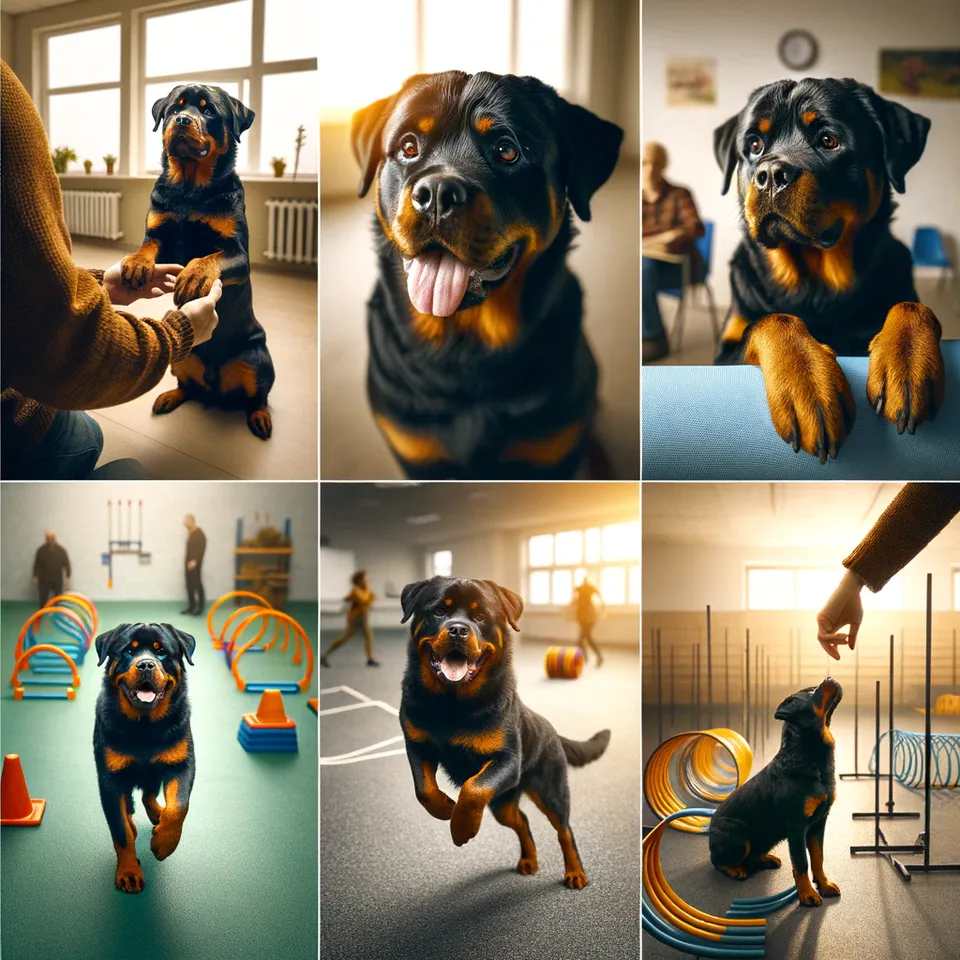
Rottweilers excel in structured activities that challenge both their mind and body. Engaging them in obedience training, tracking, agility, and even herding or carting can be highly rewarding. These activities not only provide physical exercise but also mental stimulation, which is vital for a breed as intelligent as the Rottweiler. It’s also a great way for owners to bond with their dogs and enjoy shared activities.
Consistent Boundaries and Expectations
Setting consistent boundaries and having clear expectations is crucial. Rottweilers need to understand their place in the family pack and what behaviours are acceptable. This clarity helps in developing a well-behaved dog that respects its owners and surroundings.
Professional Training Assistance
For first-time Rottweiler owners, or those facing training challenges, seeking help from a professional dog trainer can be beneficial. A trainer experienced with large and intelligent breeds can provide valuable guidance and training techniques tailored to your specific dog.
In conclusion, training and socialisation are not just part of owning a Rottweiler; they are integral to bringing out the best in this wonderful breed. A well-trained and socialised Rottweiler is a loyal, loving, and dependable companion, capable of adapting to various roles and environments.
Health and Care
Rottweilers, like any breed, require specific attention to their health and care to ensure they live long, happy lives. Understanding their health predispositions, nutritional needs, exercise requirements, and grooming essentials is key for any Rottweiler owner.
Understanding Health Predispositions
While Rottweilers are generally robust dogs, they are prone to certain health conditions. Some of the common health issues include hip and elbow dysplasia, heart conditions like aortic stenosis, and certain types of cancer. It’s important for owners to be aware of these predispositions to monitor their pets effectively.
Regular Veterinary Check-Ups
Routine veterinary visits are crucial for early detection and prevention of health issues. Regular check-ups, typically once or twice a year, can help catch any potential problems early on. These visits often include vaccinations, parasite control, and health screenings.
Balanced Diet and Nutrition
Feeding your Rottweiler a balanced diet is vital for their overall health. High-quality dog food appropriate for their age, size, and activity level is recommended. Since Rottweilers can be prone to obesity, monitoring their food intake and avoiding excessive treats is important. Consulting with a vet for personalised dietary advice is always a good practice.
Adequate Exercise and Mental Stimulation
Rottweilers are an active breed that requires regular exercise to maintain their physical health and mental well-being. Daily walks, playtime, and mentally stimulating activities are necessary. This not only keeps them physically fit but also helps in preventing behavioural issues that stem from boredom or excess energy.
Grooming and Skin Care
Their short coat makes grooming relatively easy. Regular brushing, once or twice a week, helps in removing dead hair and maintaining skin health. Bathing should be done as needed, but not so frequently as to dry out their skin. Regular nail trimming, ear cleaning, and dental care are also important parts of their grooming routine.
Special Considerations in Older Rottweilers
As Rottweilers age, they may face age-related issues such as arthritis or decreased mobility. Adjustments in diet, exercise, and more frequent veterinary check-ups can help manage these senior years. Comfortable bedding and accessibility modifications in the home can also aid in their comfort.
Importance of a Supportive Environment
Finally, a supportive and loving environment plays a significant role in the health and well-being of a Rottweiler. They thrive in a family setting where they feel included and loved. Emotional care is just as important as physical care in ensuring a happy, healthy life for your Rottweiler.
In conclusion, caring for a Rottweiler involves a combination of regular health checks, balanced nutrition, adequate exercise, and proper grooming. Being aware of their specific health needs and providing a nurturing environment will help your Rottweiler lead a healthy, fulfilling life.

The Rottweiler in Modern Roles
The versatility of Rottweilers extends far beyond their traditional role as guard dogs. Today, these intelligent and adaptable canines are making significant contributions in various fields, showcasing their remarkable capabilities in modern roles.
Search and Rescue Operations
Rottweilers are increasingly being recognised for their effectiveness in search and rescue operations. Their strength, endurance, and keen sense of smell make them ideal for locating missing persons in diverse environments, from dense forests to disaster-struck areas. Their ability to work in challenging conditions while remaining focused is invaluable in rescue efforts.
Therapy and Service Dogs
In therapy and service roles, Rottweilers are proving to be compassionate and sensitive companions. They are being trained as therapy dogs to provide comfort and support in hospitals, schools, and nursing homes. Their calm demeanour and ability to connect with people make them excellent at offering emotional support. As service dogs, they assist individuals with disabilities, performing tasks that enhance their owners’ independence and quality of life.
Working with Law Enforcement
Rottweilers also contribute to law enforcement and security. Their intelligence and trainable nature make them suitable for roles in drug detection, crowd control, and as part of K-9 units. They work alongside police officers, providing a level of protection and assistance that is highly valued in law enforcement.
Participation in Canine Sports
The athleticism of Rottweilers is showcased in canine sports. They excel in competitions like agility, obedience, and tracking trials. These activities not only demonstrate their physical prowess but also highlight their eagerness to work and their ability to follow complex commands.
As Loving Family Members
In the modern household, Rottweilers have found their place as loving family members. They are protective, loyal, and affectionate, making them excellent companions. Their adaptability allows them to fit well into various family dynamics, whether it’s a single-person household or a family with children.
Community Engagement and Education
Rottweilers are also becoming ambassadors for responsible dog ownership and breed education. They participate in community events and educational programs, helping to dispel myths and promote understanding about the breed. This role not only benefits Rottweilers but also the community by fostering a culture of awareness and respect for all dog breeds.
In conclusion, the role of the Rottweiler in modern society is multifaceted and evolving. From search and rescue operations to being loving family pets, their adaptability and eagerness to work make them exemplary in various fields. Understanding and appreciating these roles helps in recognising the full potential of this remarkable breed.

Conclusion
The Rottweiler is a breed that encapsulates strength, intelligence, and affection. They are more than capable working dogs; they are loyal companions who enrich the lives of those around them. For more insights into working breeds like the Rottweiler, don’t miss our comprehensive post on working breeds.