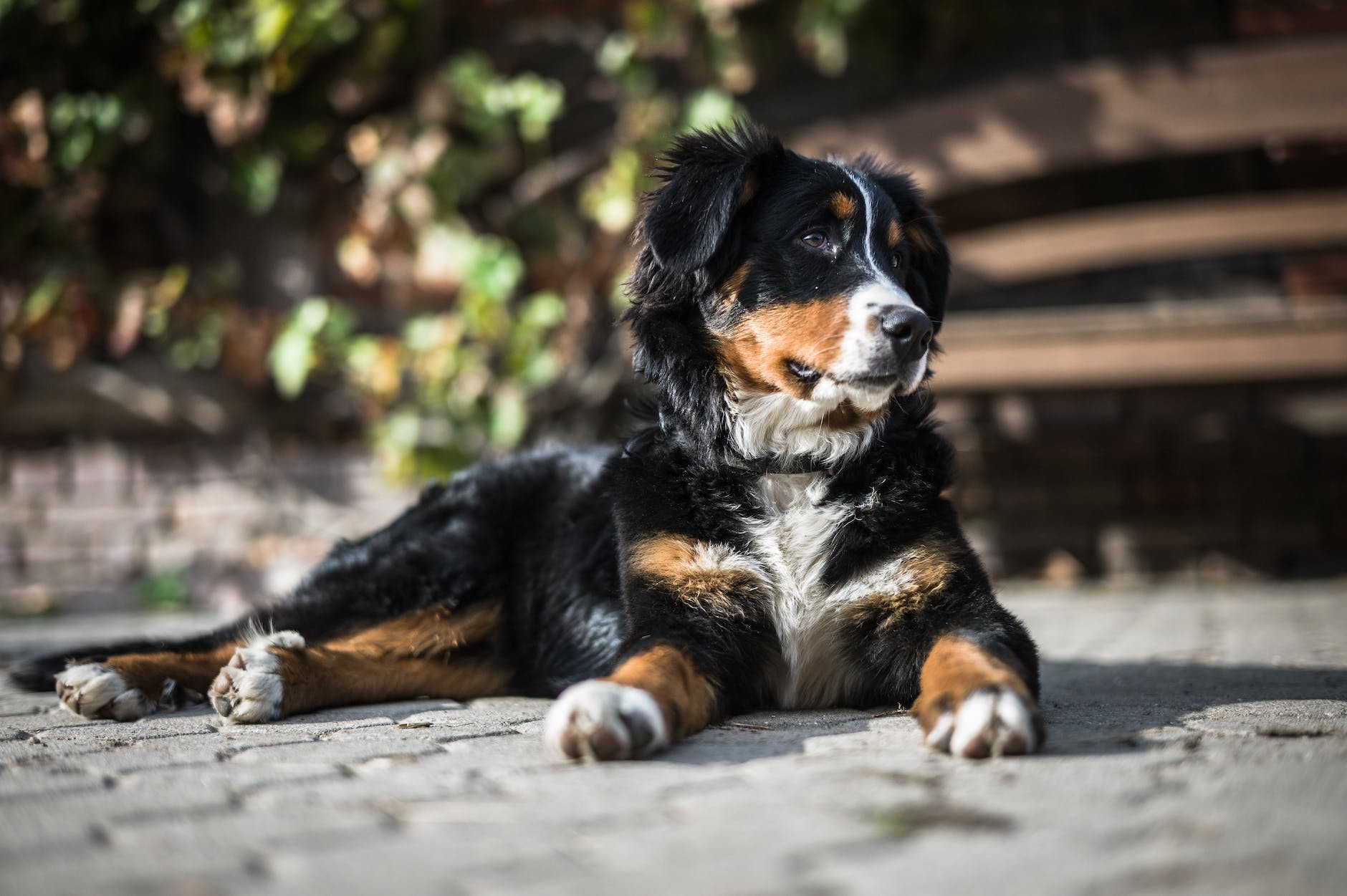
Greetings to all dog enthusiasts and canine companions! Today, we’re delving into the world of a truly magnificent breed: the Bernese Mountain Dog. Known for their striking appearance and gentle demeanour, these dogs are more than just a pretty face. They’re a historical breed with a rich heritage and a loving heart.
History and Origin
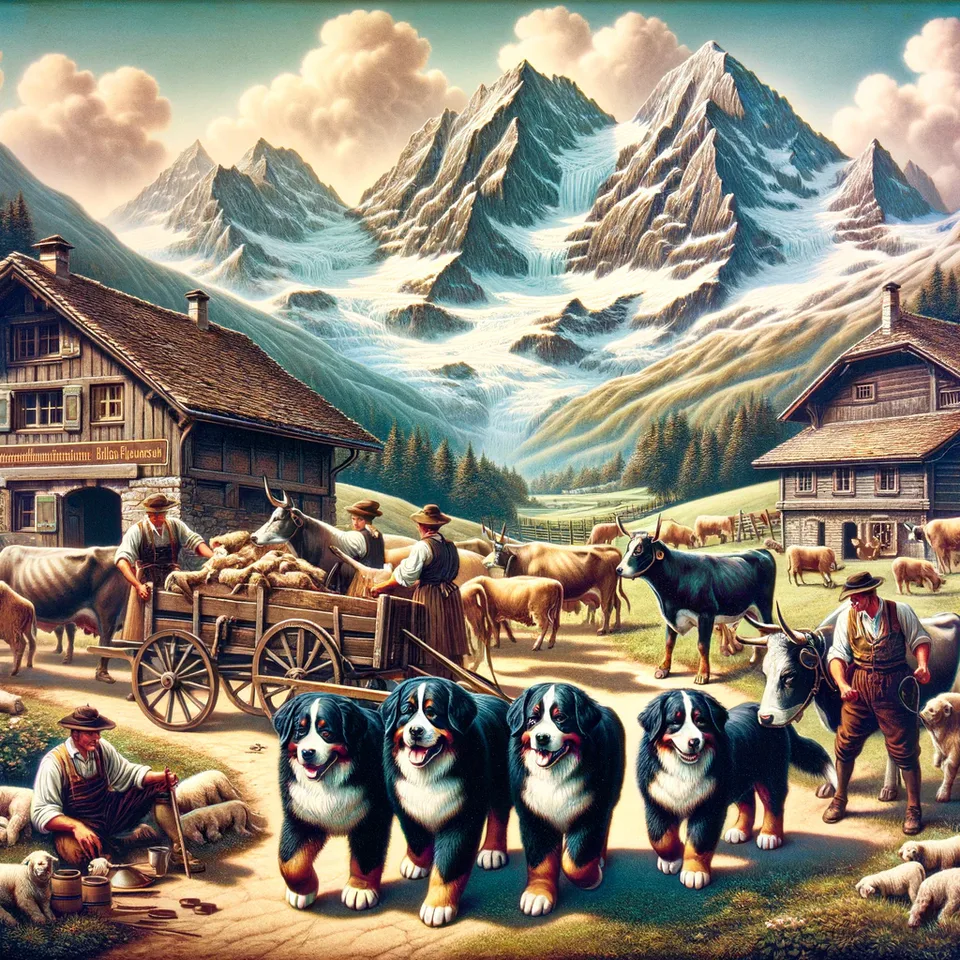
The Bernese Mountain Dog, endearingly referred to as the ‘Berner’, is a breed steeped in history, originating from the Swiss Alps. This region, known for its rugged terrain and pastoral beauty, is where the Bernese Mountain Dog first emerged as a distinct breed several centuries ago. They were primarily developed in the canton of Bern, hence their name.
As farm dogs, Bernese Mountain Dogs were integral to rural Swiss life. They were not only valued for their physical prowess but also for their versatility. Farmers relied on them for multiple tasks: they herded cattle through the steep Alpine pastures, showcasing their agility and responsiveness. This herding instinct is still noticeable in the breed today, often observed in their attentiveness and protective nature around family members, especially children.
Their strength was put to use in pulling carts — a task they were exceptionally suited for. These dogs would transport milk, cheese, and other produce to local markets. This role required not just physical strength but also a calm and steady temperament, as they navigated through busy markets and narrow village streets. The tradition of cart-pulling continues to be celebrated in many dog sports and exhibitions, showcasing the breed’s historical significance and abilities.
As watchdogs, Bernese Mountain Dogs were unparalleled. Their deep, resonant bark and imposing size made them excellent protectors of the farm and livestock. Yet, despite their formidable appearance, they were known for their gentle disposition towards their family, a trait that has endeared them to dog lovers worldwide.
Over time, with changes in farming practices and the advent of modern transportation, the Bernese Mountain Dog’s traditional roles diminished. However, their striking appearance, gentle nature, and versatility caught the eye of dog enthusiasts, leading to a rise in popularity beyond the Swiss borders.
Today, while they may no longer be the farm dog of yesteryears, their intelligence, strength, and versatility are still as prominent as ever. These traits, combined with their gentle nature, make them not just a part of history but a continuing legacy in the canine world.
Physical Characteristics
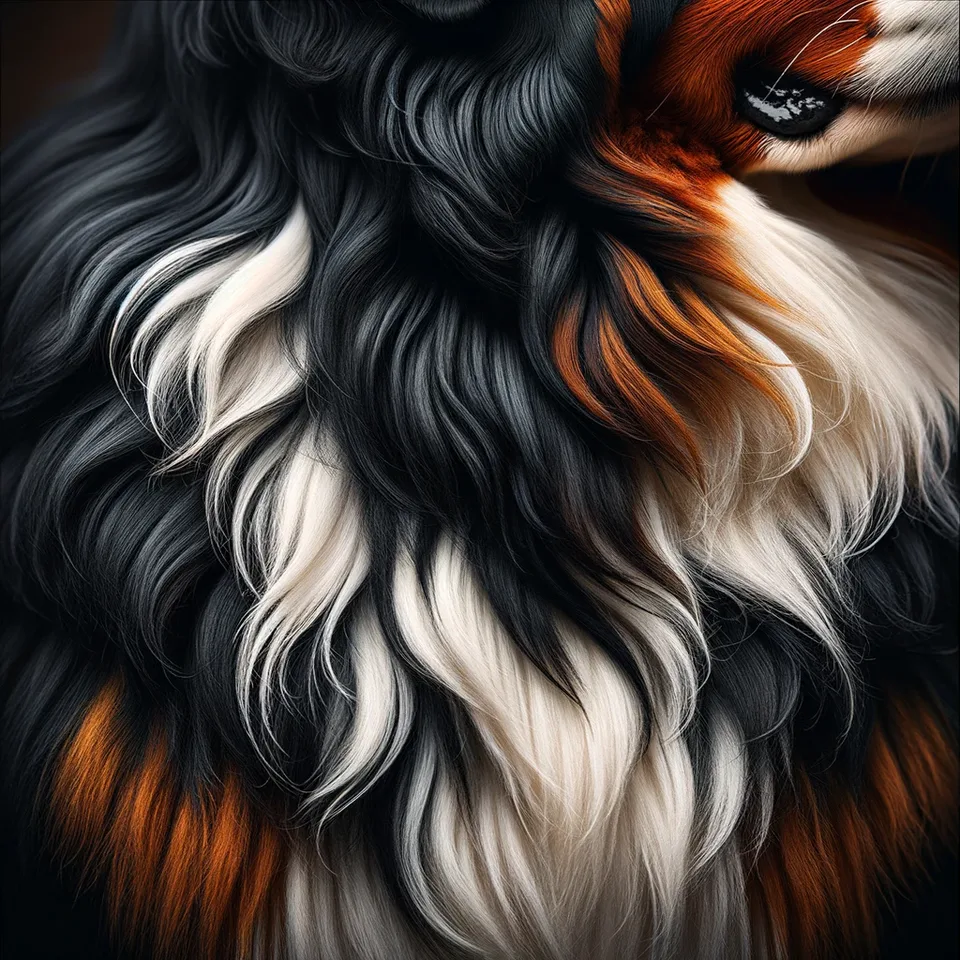
The Bernese Mountain Dog is a breed that captivates many with its physical beauty and commanding presence. One of the most striking features of these dogs is their luxurious tricolor coat, which boasts jet black, clear white, and rust markings in a distinct and symmetrical pattern. This richly colored coat is not just aesthetically pleasing but also serves a practical purpose, providing these dogs with a layer of insulation against the cold climates they were originally bred for.
In terms of build, Bernese Mountain Dogs are the epitome of strength and sturdiness. Their muscular physique is complemented by a broad chest and a strong, straight back, conveying power and agility. They typically weigh between 70 to 115 pounds (32 to 52 kilograms), a range that reflects their solid and robust build. At the shoulder, these dogs stand tall at around 23 to 27.5 inches (58 to 70 centimeters), a height that further adds to their impressive stature.
Their expressive eyes, usually a dark brown, are a window to their gentle and affectionate nature. These eyes are often highlighted by a distinctive Swiss cross mark on the chest, symbolizing the breed’s origin and heritage.
The Bernese Mountain Dog’s coat is long and silky, with a natural sheen that demands regular grooming. This grooming is more than just for aesthetics; it’s essential for their health. Their thick coat can mat and tangle without proper care, so regular brushing is necessary to keep their fur in optimal condition. This also helps to manage shedding and maintain the coat’s natural luster. Additionally, grooming sessions offer an opportunity to check for any skin issues or ticks, which are important aspects of their overall care.
Moreover, their coat features a double layer – a longer outer coat and a woolly undercoat. This undercoat is particularly dense, providing them with extra warmth during colder months. However, it also means they can be prone to overheating in warmer climates, so it’s crucial to ensure they have a cool, shady place to rest during hot days.
In summary, the physical characteristics of the Bernese Mountain Dog – from their tricolor coat to their muscular frame – not only define their appearance but also reflect their historical background and functional roles. Their majestic presence combined with their need for regular grooming makes them a breed that is as rewarding to care for as it is to behold.
Temperament
The temperament of the Bernese Mountain Dog is one of their most endearing qualities, encapsulating a gentle, affectionate nature that belies their large size. Renowned for their kindness, these dogs possess a demeanor that is both calm and friendly, making them excellent companions for individuals and families alike.
These dogs have a remarkable ability to form deep and lasting bonds with their human families. They are not just pets; they become integral members of the household, often displaying a keen sense of empathy and loyalty. Their affectionate nature extends to everyone in the family, but they are known to form a special connection with one particular person whom they may regard as their primary caretaker.
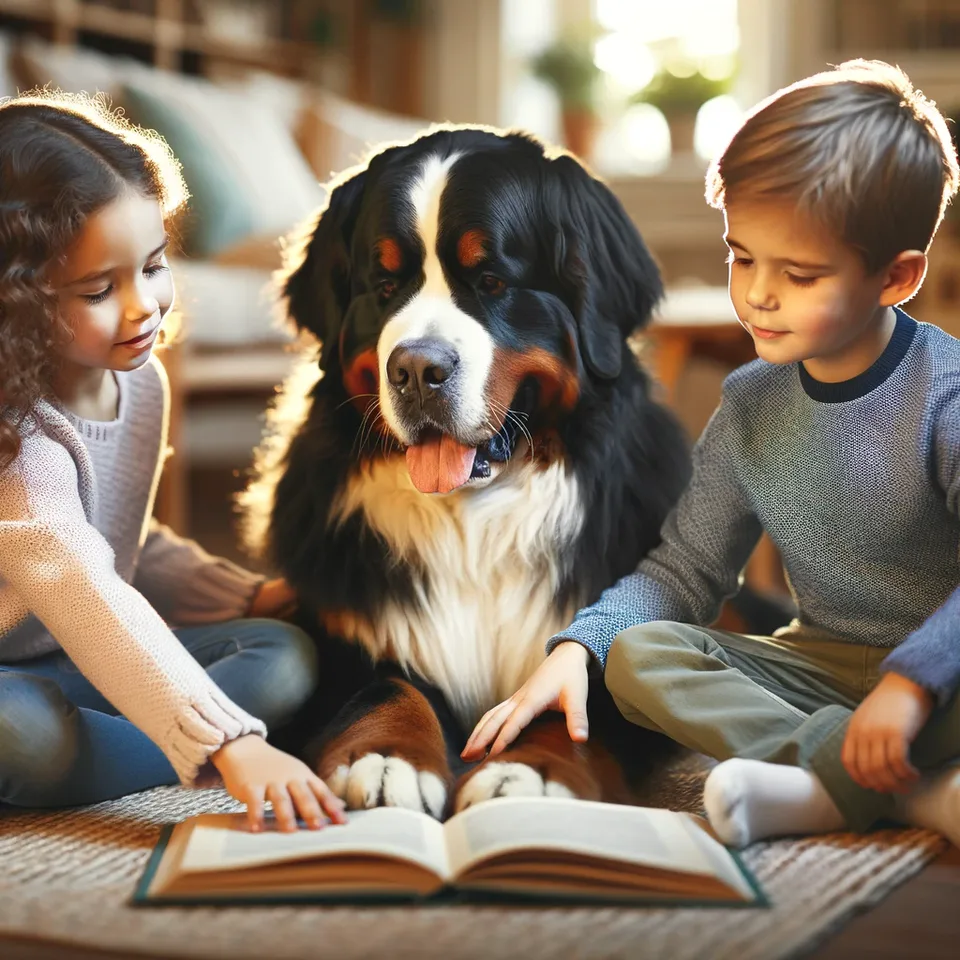
Bernese Mountain Dogs are particularly good with children. They exhibit a patient and protective attitude, making them fantastic playmates and guardians for younger family members. Their instinct to watch over and gently interact with children is a testament to their heritage as working farm dogs, where they were trusted to be around and protect livestock and family members.
Despite their large size, they often carry themselves with a grace that is almost cat-like, and their movements are typically gentle and deliberate. They have a laid-back attitude but can be playful, especially when they are young or when interacting with children or other family pets.
However, it’s important to remember that Bernese Mountain Dogs are active and intelligent, and they require regular exercise and mental stimulation to maintain their health and happiness. They thrive on moderate exercise like walks, hikes, and play sessions in a securely fenced yard. Mental stimulation can be provided through training exercises, puzzle toys, and interactive play. These activities not only keep them physically fit but also help in warding off boredom and destructive behaviours that can stem from a lack of mental engagement.
In essence, the Bernese Mountain Dog’s temperament makes them a fantastic choice for a family pet. Their gentle, affectionate nature, coupled with their loyalty and intelligence, creates a harmonious balance. With the right amount of exercise and mental stimulation, they can be the perfect companion, offering unconditional love and a sense of security to their human families.
Health and Care
The Bernese Mountain Dog is indeed a bundle of joy and love, but like all breeds, they come with certain health considerations that prospective and current owners should be aware of. Understanding these health concerns is crucial for providing the best care and ensuring a long, happy life for these gentle giants.
Breed-Specific Health Concerns:
- Hip and Elbow Dysplasia: This is a common issue in larger breeds. It’s a condition where the hip or elbow joint doesn’t form correctly, which can lead to arthritis or lameness. Regular screenings and maintaining a healthy weight can help manage this risk.
- Certain Types of Cancer: Unfortunately, Bernese Mountain Dogs have a higher predisposition to certain types of cancer, including histiocytosis and mast cell tumors. Early detection through regular vet visits is key to managing these health risks.
- Other Health Issues: They can also be prone to bloat, a serious condition where the stomach distends and twists. Preventative measures include feeding them smaller, more frequent meals and avoiding exercise right after eating.
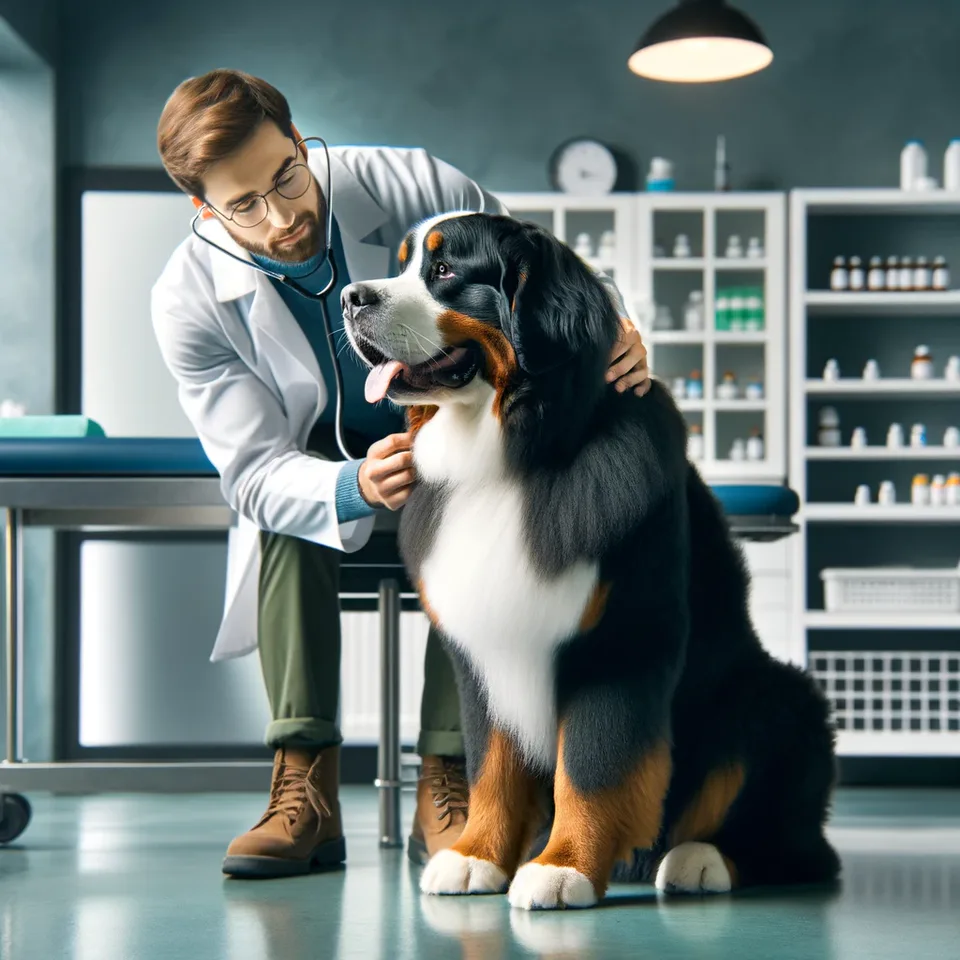
Regular Veterinary Check-Ups: Regular vet visits are essential for early detection and management of any health issues. These check-ups often include routine screenings, vaccinations, and dental care. A veterinarian can also provide personalized advice based on the individual dog’s health needs.
Balanced Diet: Feeding a Bernese Mountain Dog a balanced diet is crucial. Their diet should be appropriate for their age, size, and activity level. High-quality dog food that is rich in nutrients can help maintain their overall health and manage weight, which is especially important for breeds prone to joint issues.
Proper Exercise: Despite their size, Bernese Mountain Dogs do not require excessive exercise. Moderate and consistent exercise is key. Activities can include daily walks, play sessions in the yard, and gentle training exercises. It’s important to avoid overly strenuous activities, especially for young dogs, as their bones and joints are still developing.
Grooming and General Care: Their long, silky coat requires regular grooming to prevent matting and to manage shedding. Regular brushing, along with occasional baths, helps maintain coat health. Attention should also be paid to their nails, ears, and teeth to prevent common issues like infections or dental problems.
Life Expectancy: While the lifespan of Bernese Mountain Dogs is typically between 7 to 10 years, providing them with a loving home, proper nutrition, regular exercise, and veterinary care can help ensure that these years are filled with happiness and health.
In summary, while the Bernese Mountain Dog is a hearty and robust breed, they do require specific care to address their unique health needs. By being proactive and attentive to their health, diet, exercise, and grooming, owners can enjoy the rich and rewarding experience of sharing their lives with these magnificent dogs.
Training and Socialisation
Training and socialisation are key aspects of raising a well-behaved and happy Bernese Mountain Dog. Their intelligence and eagerness to please not only make them a joy to work with but also facilitate a relatively easy training experience.
Early Socialisation: Socialisation should begin early in a Bernese Mountain Dog’s life. This involves exposing them to a variety of people, environments, sounds, and experiences in a positive and controlled manner. Early socialisation helps them develop into well-rounded adults, reducing the likelihood of fear or aggression towards unfamiliar situations. It’s also an opportunity to build confidence and help them understand their place in the world around them.
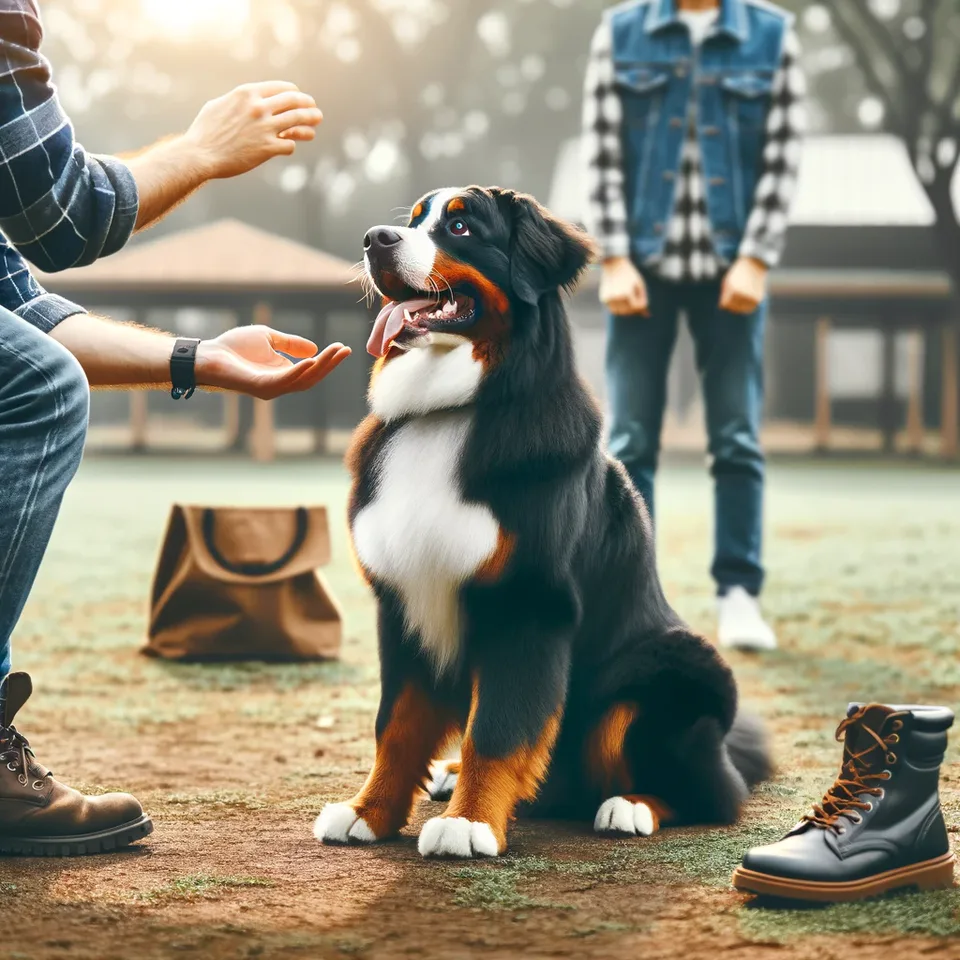
Training Approach: Bernese Mountain Dogs respond exceptionally well to consistent, positive reinforcement training methods. This approach involves rewarding desirable behaviors, which encourages the dog to repeat these actions. Rewards can be in the form of treats, praise, or playtime, depending on what motivates your dog the most.
Using positive reinforcement also strengthens the bond between the dog and its owner, as it is based on mutual respect and understanding rather than fear or domination. This method is particularly effective for Bernese Mountain Dogs, as their sensitive nature means they can become disheartened by harsh corrections.
Gentle Guidance: These dogs respond best to gentle guidance and patient instruction. They are quick learners, but like any breed, they require repetition and consistency to fully grasp new commands and behaviors. Training sessions should be kept short and enjoyable to maintain their interest and enthusiasm.
Reward-Based Training: Reward-based training is highly effective with Bernese Mountain Dogs. This involves giving a reward for a desired behavior immediately after it happens, so the dog associates the behavior with positive outcomes. This method not only helps in teaching basic commands but also in more advanced training and behavior modification.
Ongoing Training and Mental Stimulation: Training should not stop after puppyhood. Ongoing training and mental stimulation are important for keeping their mind sharp and preventing boredom. Engaging them in activities like obedience, agility, tracking, or even simple daily training exercises can be both fun and mentally stimulating.
Socialisation Throughout Life: Continued socialisation throughout their life is also crucial. Regular interactions with other dogs, people, and new environments keep their social skills polished and prevent the development of anxiety or fear-based behaviours.
In summary, with the right approach to training and socialisation, Bernese Mountain Dogs can be a delight to train and live with. Their intelligence, eagerness to please, and responsiveness to positive reinforcement make them adaptable to various training regimens, allowing them to thrive in a multitude of environments and situations.
Conclusion
As we reach the conclusion of our journey into the world of the Bernese Mountain Dog, it’s clear that this breed is so much more than its working dog heritage. They epitomise the qualities of a loving companion, combining the strength and loyalty of a working dog with the gentle, affectionate nature of a family pet.
A Loving Companion: The Bernese Mountain Dog forms deep, meaningful bonds with its family. Their loyalty and affectionate nature make them not just pets, but true members of the family. They offer companionship that is both comforting and joyful, standing by their owners through thick and thin.
A Gentle Giant: Despite their size, Bernese Mountain Dogs are known for their gentle demeanour. They have a kind and calm presence that makes them excellent companions, especially in families with children. Their patience and protective instincts ensure that they are both a friend and a guardian to the little ones in the family.
A Beautiful Addition to Any Family: With their striking appearance and noble bearing, Bernese Mountain Dogs are a beautiful addition to any household. Their expressive eyes and tricolor coat not only make them visually stunning but also a breed that turns heads wherever they go.
Understanding and Meeting Their Needs: For those considering welcoming a Bernese Mountain Dog into their home, it’s important to understand and meet their needs. This includes providing them with regular exercise, proper nutrition, grooming, healthcare, and, most importantly, your time and affection. Meeting these needs is key to ensuring a healthy, happy life for your dog and a wonderfully fulfilling relationship for you.
A Fulfilling Relationship: When their needs are met, the relationship you will share with a Bernese Mountain Dog can be immensely rewarding. They bring not just joy and laughter into a household but also a sense of companionship that enriches the lives of everyone they meet.
In summary, the Bernese Mountain Dog, with its mix of strength, intelligence, and gentleness, makes an exceptional pet. They are indeed a loving companion, a gentle giant, and a beautiful addition to any family. Understanding and caring for them creates a bond that is both fulfilling and heartwarming, a testament to the incredible connection between humans and their canine friends.
For more information on working breeds and to understand where the Bernese fits in, be sure to check out our comprehensive Working Breeds Guide.