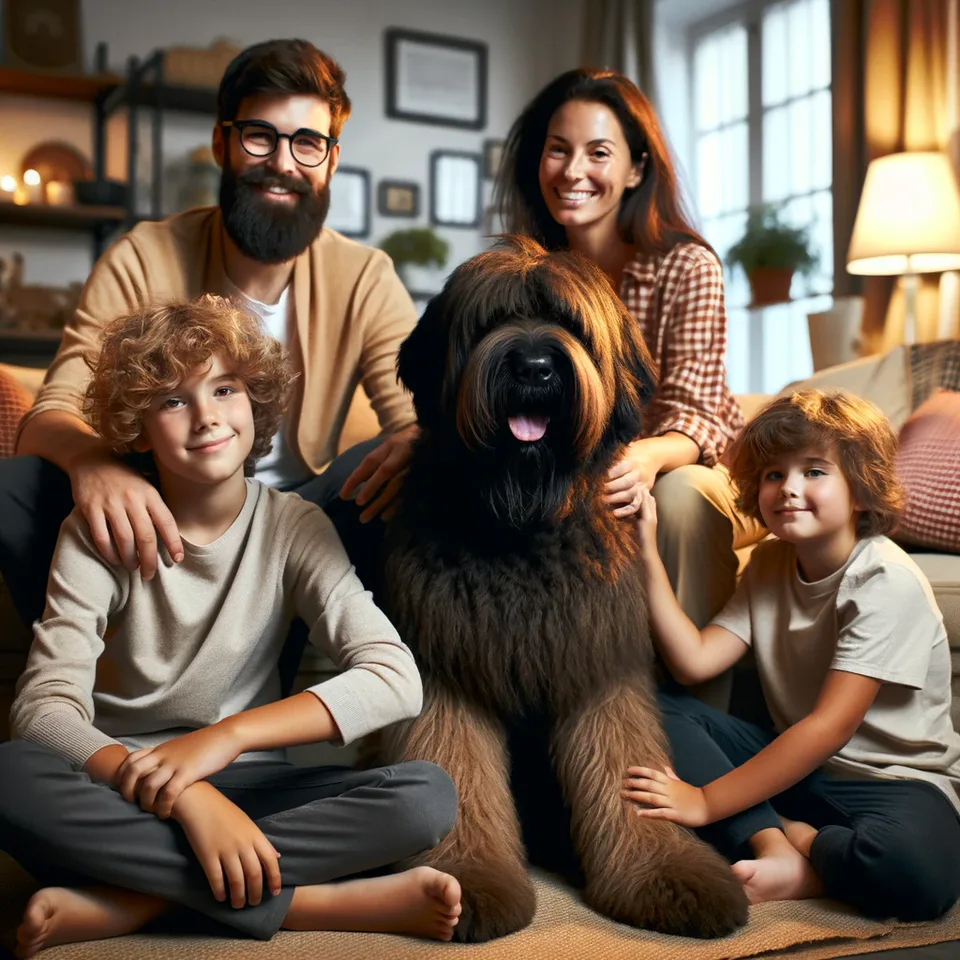
Greetings to all dog lovers and enthusiasts! Today, we’re going to explore the fascinating world of the Bouvier des Flandres, a breed that combines strength, intelligence, and a heartwarming demeanor. Whether you’re a seasoned dog owner or considering adding a new member to your family, this post will provide valuable insights into the life and care of these remarkable canines.
History and Origin
Belgian Roots and Farm Life
The Bouvier des Flandres, affectionately known as the Bouvier, originates from the Flanders region of Belgium. This breed was initially bred for farm work, adept at herding livestock and pulling carts in the rugged landscape. Their name, translating to “Flemish Cowherd,” aptly reflects their working-class heritage and the crucial role they played in rural farm life.
World War I and Beyond: A Breed’s Evolution
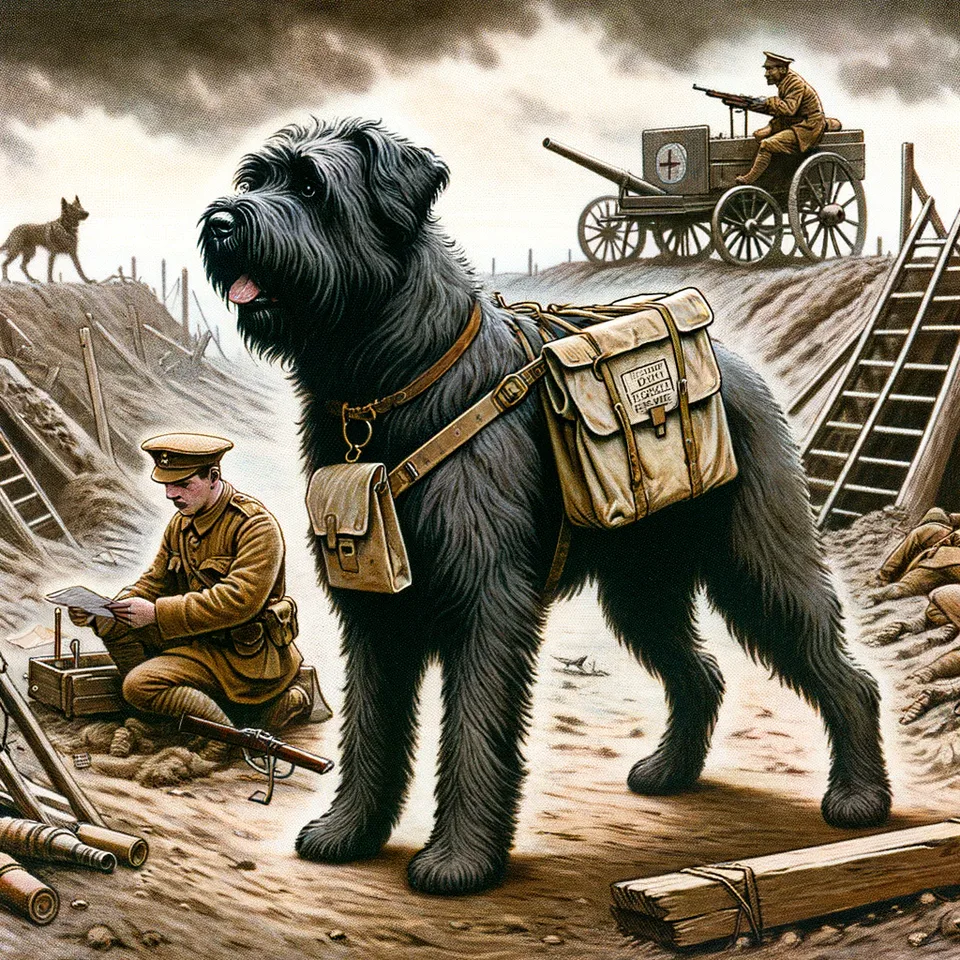
During World War I, the Bouvier des Flandres’ role expanded significantly. They were employed for various military purposes, including message carrying and ambulance pulling, demonstrating remarkable versatility and resilience. This period was pivotal in showcasing the breed’s capabilities beyond herding, earning them recognition and admiration for their intelligence and loyalty.
Post-War Challenges and Revival
The post-war era posed significant challenges for the Bouvier, with their numbers dwindling due to the war’s impact. However, dedicated breeders in Belgium and neighbouring countries embarked on a mission to revive and preserve the breed. Their efforts focused on enhancing the Bouvier’s natural abilities and temperamental qualities, ensuring their survival and continued development.
Transition to a Versatile Companion
As the 20th century progressed, the Bouvier des Flandres underwent a significant transformation. They transitioned from being primarily farm dogs to versatile working dogs and eventually beloved family pets. Their increasing presence in dog shows and growing popularity as companion animals highlighted their adaptability. The Bouvier’s calm demeanor, loyalty, and protective instincts made them particularly appealing as family dogs.
Today’s Bouvier: A Symbol of Adaptability and Charm
In the present day, the Bouvier des Flandres is celebrated for its adaptability and charm, a far cry from its humble beginnings in Belgian farmlands. They are revered not just for their historical significance in agriculture but also for their ability to transition seamlessly into various roles, including as cherished companions in homes around the world.
Physical Characteristics
Robust Build and Size
The Bouvier des Flandres boasts a robust and sturdy physique that reflects its working-dog heritage. Males typically weigh between 80-110 pounds (36-50 kilograms), while females are slightly lighter, ranging from 70-90 pounds (32-41 kilograms). In terms of height, males stand about 24.5-27.5 inches (62-70 centimeters) at the shoulder, and females are generally 23.5-26.5 inches (60-67 centimetres) tall. This size contributes to their imposing presence and capability for various physical tasks.
Distinctive Double Coat
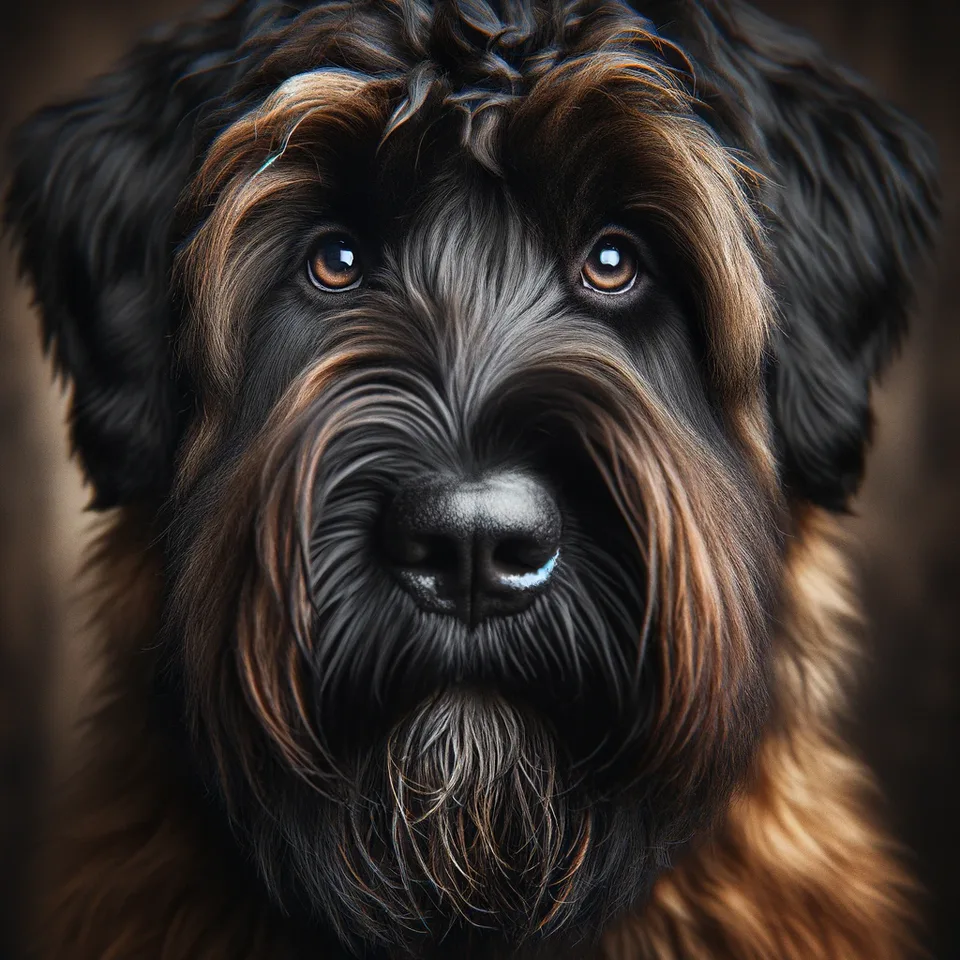
One of the most striking features of the Bouvier is its thick, weather-resistant double coat. This coat is designed to protect them from harsh weather conditions, making them well-suited for outdoor activities in various climates. The outer coat is rough and shaggy, while the undercoat is dense and soft, providing insulation. The Bouvier’s coat can come in a range of colours, including fawn, brindle, salt and pepper, gray, and black. Some Bouviers may also have white markings, although these are less common.
Characteristic Facial Features
The Bouvier’s face is distinctively adorned with a characteristic beard and shaggy eyebrows, which are not just charming but also functional. The eyebrows help protect their eyes from debris, while the beard adds to their rugged appearance. Their eyes are dark and soulful, expressing a look of intelligence and alertness. The ears are typically cropped in some regions, giving them a more alert appearance, though natural ears are becoming more common and are preferred in many countries due to changing views on animal welfare.
Overall Physical Appearance
Overall, the Bouvier des Flandres presents an image of strength and rugged beauty. Their muscular build, combined with their distinctive coat and facial features, gives them a bear-like appearance that is both impressive and endearing. Despite their size, they move with surprising agility and grace, a testament to their versatility as both a working dog and a family companion.
Temperament
Calm and Gentle Nature
The Bouvier des Flandres is renowned for its calm and composed demeanour. This breed exudes a sense of tranquility and steadiness, making them particularly suitable for families and individuals seeking a less excitable companion. Their gentle nature is one of their most endearing traits, reflecting a personality that is both nurturing and patient.
Loyalty and Companionship
Loyalty is a hallmark of the Bouvier’s temperament. They form deep bonds with their family members and are known to be exceptionally devoted. This strong sense of loyalty makes them not just pets, but integral members of the family unit. They thrive on interaction and are happiest when involved in family activities, demonstrating their need for companionship and affection.
Great with Children and Other Pets
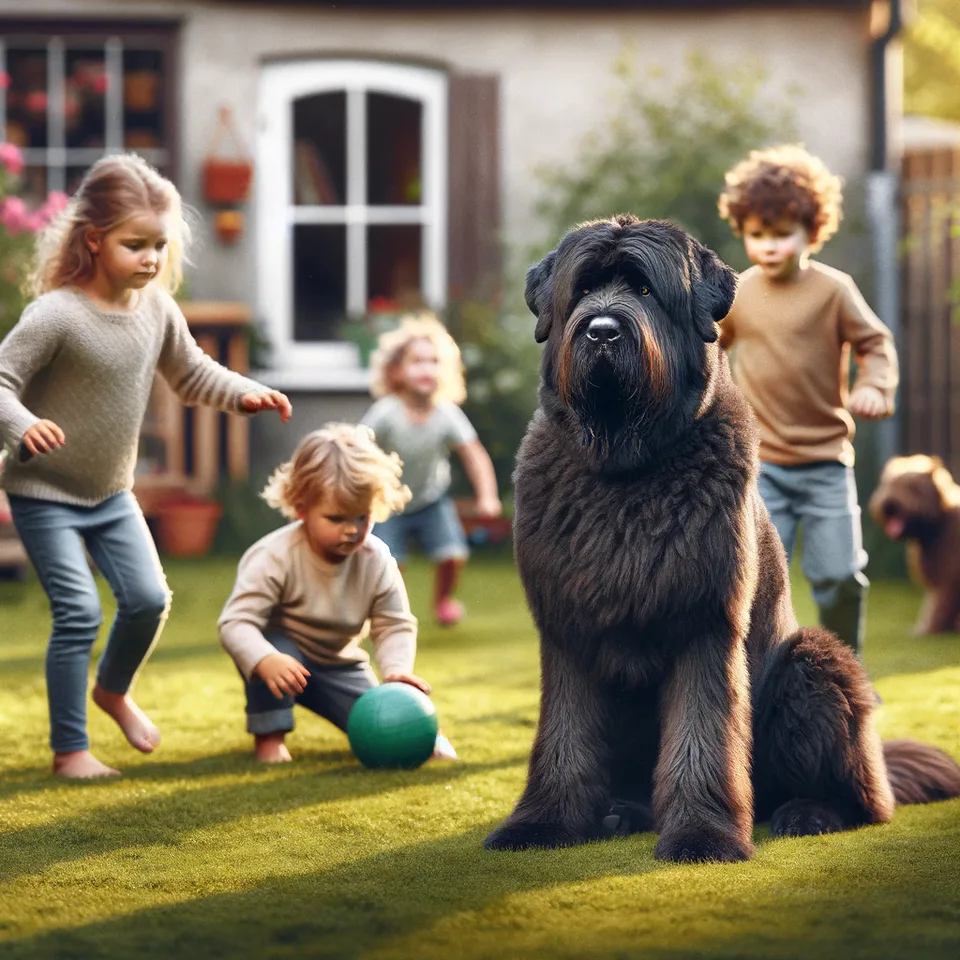
Despite their robust size, Bouviers are surprisingly good with children. They exhibit a gentle and protective nature around kids, often becoming their playmates and guardians. This breed is also typically good with other pets, especially when raised with them from a young age. They show a remarkable ability to adjust their play style to suit smaller and more fragile companions, making them ideal for multi-pet households.
Protective Instincts
While Bouviers are generally calm and friendly, they possess a strong protective instinct. They are often reserved with strangers, not in an aggressive manner, but in a discerning way. This trait makes them excellent guard dogs as they are naturally inclined to protect their home and family. Their protective nature is balanced with their intelligence, ensuring they do not react without cause.
Adaptable to Training
Bouviers are intelligent and responsive, making them highly trainable. They respond well to positive reinforcement techniques and enjoy mental stimulation through training exercises. Early socialisation and consistent training are important to ensure they grow into well-adjusted adults, capable of distinguishing between normal and threatening situations.
Care and Grooming
Regular Grooming is Essential
The Bouvier des Flandres requires consistent grooming to maintain its coat’s health and appearance. Their thick, double coat is prone to matting if not regularly brushed. It is recommended to brush their coat at least two to three times a week using a suitable brush that can reach the undercoat. This not only helps in preventing mats but also distributes natural oils throughout their coat, keeping it shiny and healthy.
Trimming and Bathing
Occasional trimming is necessary to keep the Bouvier’s coat manageable and tidy, particularly around the face and feet. This breed’s beard and eyebrows can trap dirt and food, so regular cleaning is important to prevent irritation and infection. Bathing should be done every three to four months or as needed, using a dog-specific shampoo to preserve the coat’s natural oils.
Dental and Nail Care
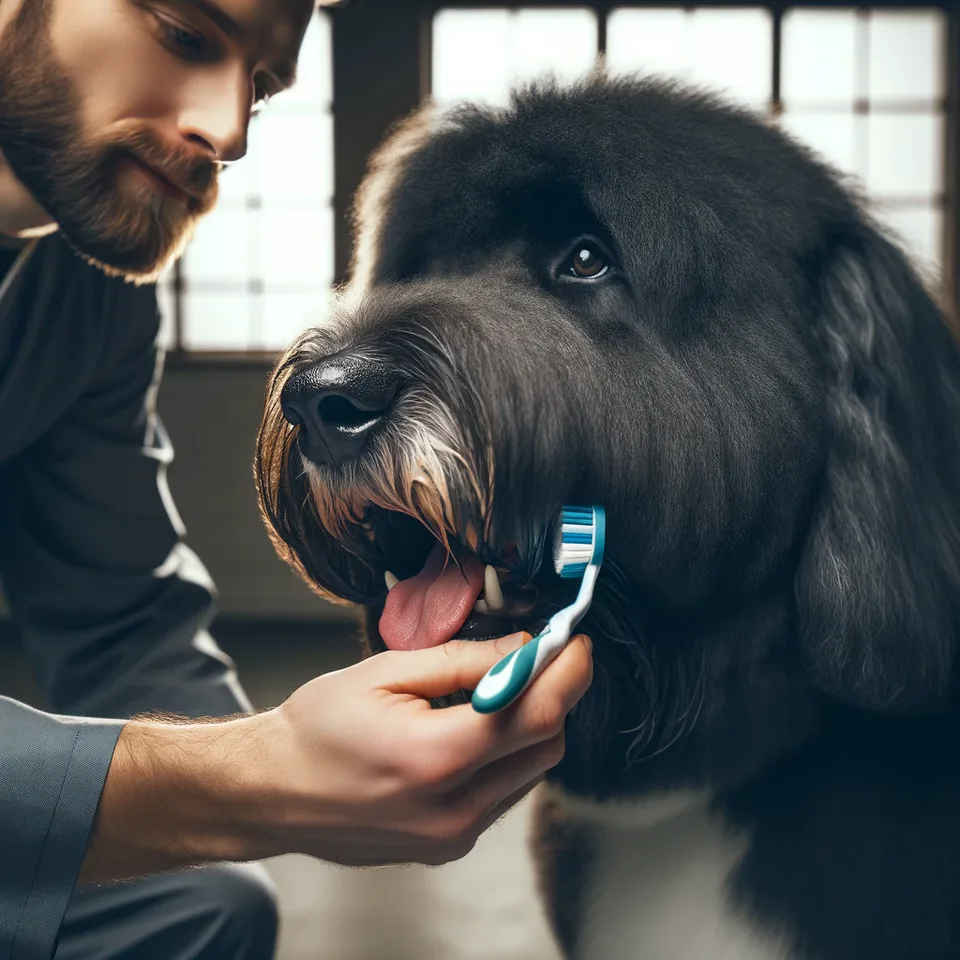
Like all breeds, Bouviers require regular dental care. Brushing their teeth several times a week with dog-specific toothpaste can prevent dental diseases. Their nails should also be trimmed regularly to avoid discomfort and potential problems with walking. Keeping an eye on their ear health is also crucial, as their thick coat can lead to ear infections if not properly maintained.
Exercise and Mental Stimulation
Bouviers are an active breed and require regular exercise to maintain their physical health and mental well-being. Daily walks, play sessions, and opportunities to run and explore in a safe environment are essential. They also benefit greatly from mental stimulation, such as training exercises, puzzle toys, and interactive play, to keep their minds active and engaged.
Nutritional Needs
A balanced diet is critical for the Bouvier’s overall health. High-quality dog food, appropriate for their age, size, and activity level, should be provided. Regular check-ups with a veterinarian can help ensure they are on the right diet, especially as they have a tendency to gain weight if overfed or under-exercised.
Health Considerations
Common Health Issues in Bouviers
As with many large dog breeds, the Bouvier des Flandres is susceptible to specific health concerns. One of the most common issues is hip dysplasia, a genetic condition where the hip joint doesn’t fit together perfectly, which can lead to arthritis or mobility problems. Eye problems, such as cataracts and glaucoma, are also prevalent in the breed. Additionally, Bouviers can be prone to heart conditions like dilated cardiomyopathy, a disease that affects the heart muscle’s ability to pump blood effectively.
Importance of Regular Veterinary Check-Ups
Regular check-ups with a veterinarian are crucial in identifying and managing these health issues early on. Routine examinations allow for early detection of conditions like hip dysplasia and eye problems, which can be managed more effectively when caught early. Veterinarians can also provide guidance on specific care and treatment plans tailored to the Bouvier’s needs.
Diet and Nutrition
A healthy diet plays a significant role in the overall well-being of a Bouvier des Flandres. It’s important to feed them high-quality dog food that meets their nutritional needs, considering factors like their age, size, and activity level. Overfeeding should be avoided, as obesity can exacerbate issues like hip dysplasia. Consultation with a veterinarian can help determine the best diet plan for individual dogs.
Exercise and Weight Management
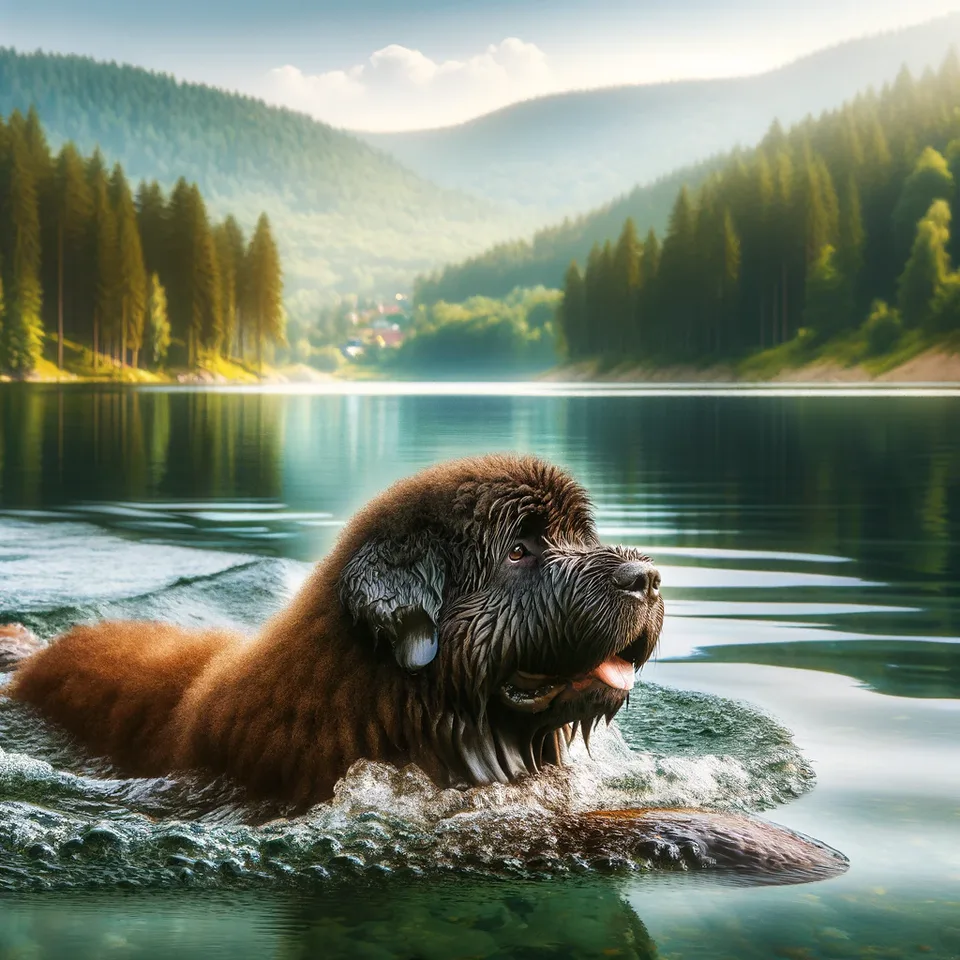
Regular exercise is vital for maintaining a healthy weight and supporting joint health, particularly for a breed prone to hip dysplasia. Activities that are gentle on the joints, like swimming or walking, can be beneficial. Avoiding excessive jumping or rough play is also recommended to prevent strain on their hips and joints.
Preventive Health Measures
Proactive health measures, such as routine vaccinations, parasite control, and dental care, are essential for the Bouvier’s long-term health. Regular grooming, while primarily for coat maintenance, also allows for early detection of skin issues or other health concerns.
A Versatile Working Dog
Beyond the Farm – Diverse Roles
The Bouvier des Flandres, renowned for its intelligence and physical prowess, has successfully transitioned from farm work to a variety of other roles that showcase its versatility. Their strength, keen sense of smell, and ability to work in different environments make them well-suited for a range of tasks beyond traditional farming duties.
Role in Law Enforcement
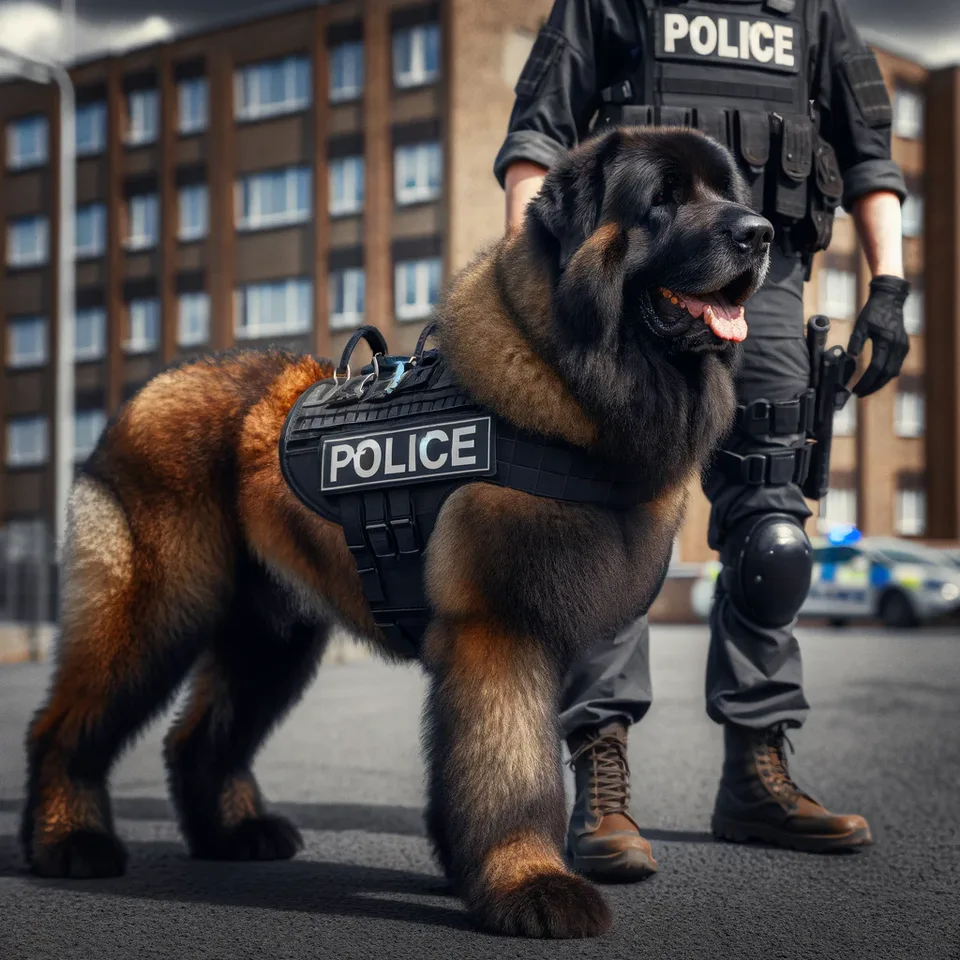
As police dogs, Bouviers have been invaluable. Their intimidating presence, coupled with their trainable nature, makes them excellent for patrol duties, narcotics detection, and search operations. Their calm demeanour also allows them to work effectively in public settings, making them suitable for crowd control and as a reassuring presence in stressful situations.
Therapy and Assistance Dogs
In therapy roles, Bouviers exhibit a gentler side. Their empathetic nature and ability to sense emotions make them excellent therapy dogs, providing comfort and support in hospitals, schools, and nursing homes. They are also trained as assistance dogs, aiding individuals with disabilities by performing tasks like opening doors, retrieving items, and providing stability for those with mobility issues.
Search and Rescue Missions
In search and rescue operations, the Bouvier’s endurance, strength, and keen sense of smell are put to the test. They are trained to work in challenging terrains, from dense forests to disaster zones, locating missing persons or detecting survivors in collapsed structures. Their resilience and focus in these high-stress environments are invaluable.
A Symbol of Adaptability and Service
The Bouvier des Flandres exemplifies adaptability and service. Whether working on a farm, aiding law enforcement, providing therapeutic support, or saving lives in search and rescue missions, they demonstrate an unwavering commitment and versatility. This ability to adapt to various roles while maintaining their lovable nature is what makes them truly remarkable.
Conclusion
The Bouvier des Flandres is a breed that effortlessly blends strength, intelligence, and affection. Whether as a family pet, a working dog, or a loyal companion, they bring joy and purpose to their owners’ lives. If you’re considering a Bouvier as your next pet, remember they require commitment, but the rewards of their companionship are immeasurable.
For more insights into the roles of working dogs like the Bouvier, explore our in-depth post on Working Dogs: Heroes in Fur Coats.