One of the most exciting aspects of stepping into the world of photography is the endless array of camera lenses available to help you capture the perfect shot. Whether you’re an aspiring photographer or a hobbyist, selecting the right lenses is crucial to unlocking your creative potential. In this beginner’s guide, we’ll explore which lenses to start with and why they’re essential for your photography journey.
1. The All-Purpose Kit Lens
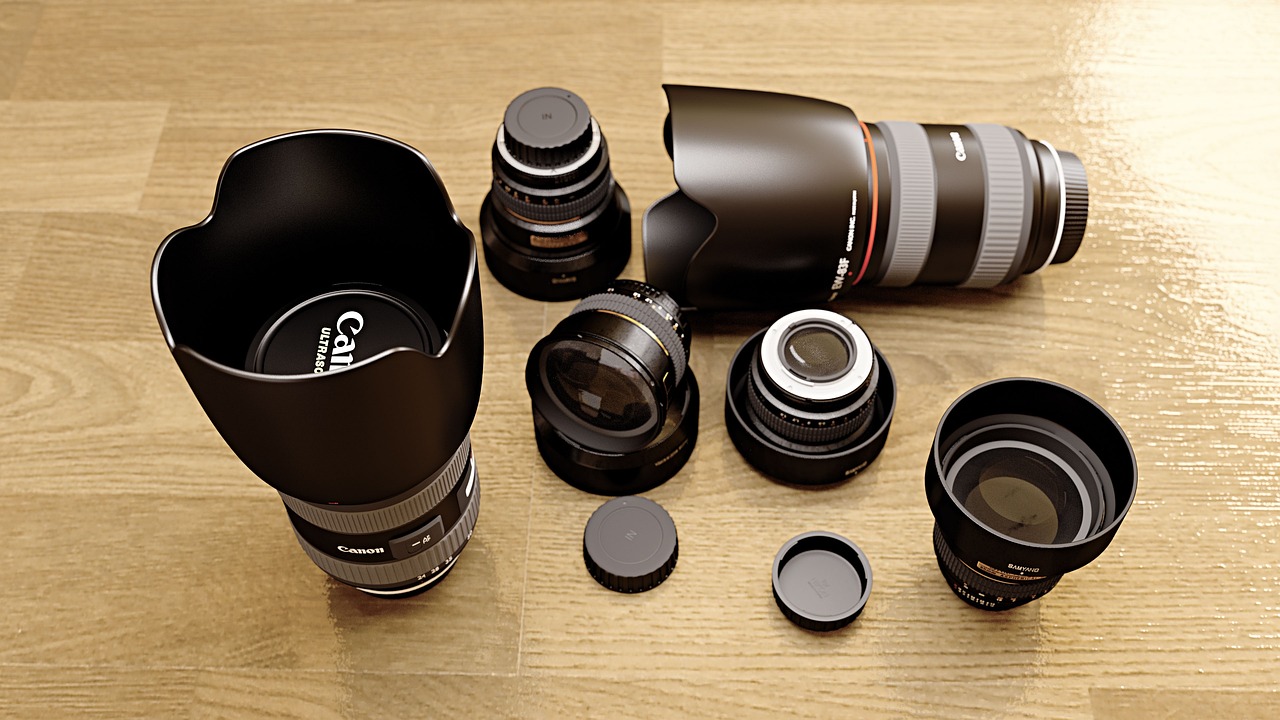
Most entry-level DSLR or mirrorless cameras come with a kit lens, often in the range of 18-55mm or 24-70mm. These lenses are incredibly versatile and are perfect for various photography styles. They’re great for shooting landscapes, portraits, street photography, and everyday scenes. The zoom range allows you to experiment with different focal lengths and get a feel for what you enjoy shooting the most.
2. The Prime Lens: 50mm or 35mm
A prime lens with a fixed focal length, such as 50mm or 35mm, is a fantastic addition to your kit. Prime lenses are known for their sharpness and ability to create a beautiful background blur, also known as bokeh. These lenses are ideal for portraits, street photography, and low-light situations. They encourage you to work with a single focal length, promoting composition and creativity.

3. The Wide-Angle Lens
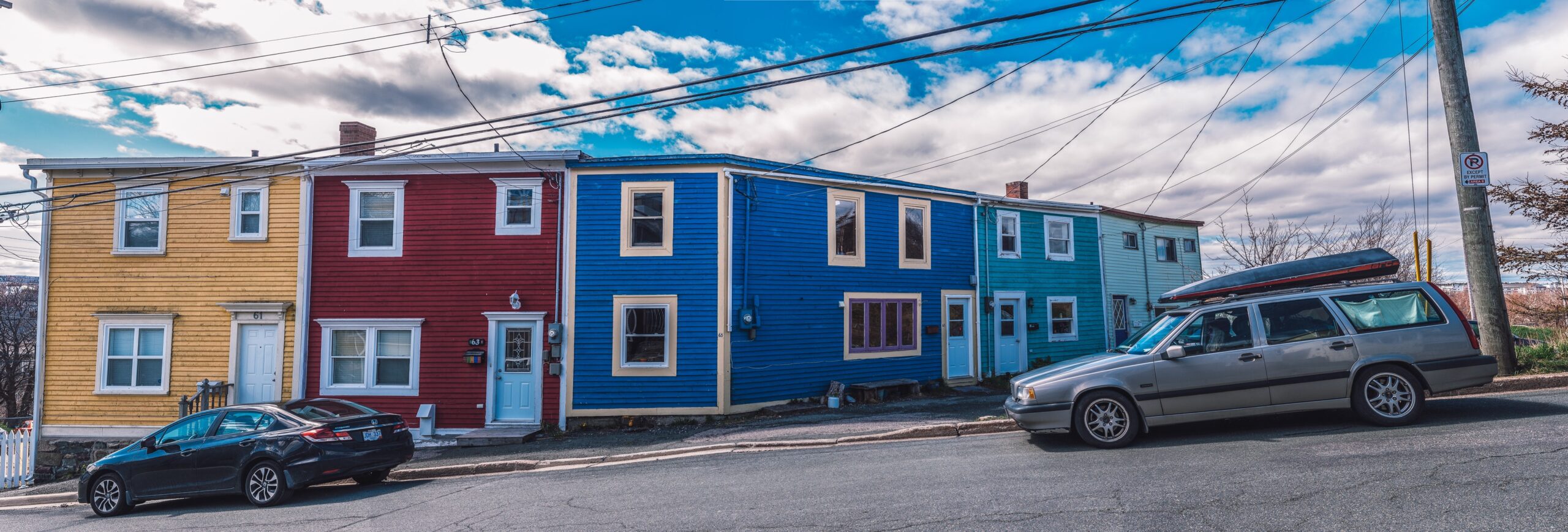
A wide-angle lens, typically around 10-24mm, is perfect for capturing expansive landscapes, architecture, and interior shots. It allows you to include more of the scene in your frame, adding drama and depth to your images. Wide-angle lenses are excellent for storytelling and creative compositions.
4. The Telephoto Lens
A telephoto lens, often in the range of 70-200mm or 55-250mm, is essential for photographing subjects at a distance. Whether it’s wildlife, sports, or candid shots of people, a telephoto lens brings the action closer. It also creates a pleasing background blur, which is useful for isolating subjects from their surroundings.

5. The Macro Lens
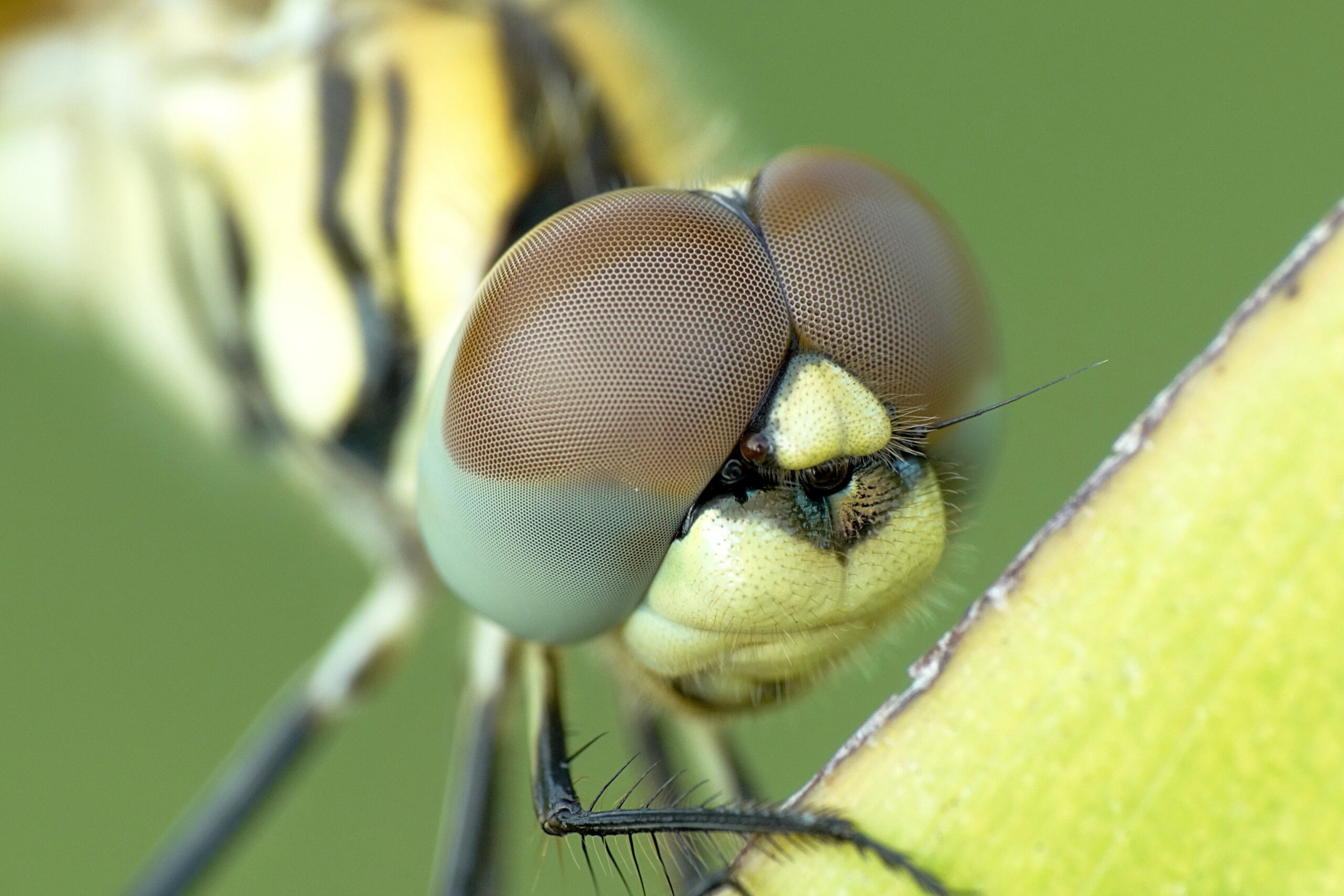
If you’re intrigued by the world of tiny details, a macro lens should be in your collection. These lenses, often with a focal length around 60-100mm, are designed for extreme close-up photography. They’re ideal for capturing intricate details in flowers, insects, or any subjects that require a magnified perspective.
6. Specialised Camera Lenses
Once you’ve gained experience, consider specialized lenses like fish-eye, tilt-shift, or super-telephoto lenses. These lenses can add unique perspectives and creative possibilities to your photography.

Consider Your Photography Style
The lenses you choose should align with your photography style and interests. Think about what subjects you enjoy photographing the most. Are you captivated by the world of portraits, fascinated by landscapes, or enchanted by the beauty of macro photography? Your chosen lenses should complement your preferences.

Budget and Quality Camera Lenses
While high-end lenses offer superior image quality and features, they can be expensive. For beginners, it’s wise to strike a balance between budget and quality. Many third-party lens manufacturers offer lenses with excellent optics at a more affordable price point.
Final Thoughts
Your choice of lenses is a personal and evolving decision. As you grow as a photographer, your lens collection may expand to accommodate your changing needs and creative desires. The key is to start with a few versatile lenses that cover a range of focal lengths. Experiment, learn, and discover your unique style. Over time, your lens collection will become a reflection of your photographic journey, offering you the tools to capture the world in your own way. So, equip yourself with the right lenses, and let your photography adventures begin!