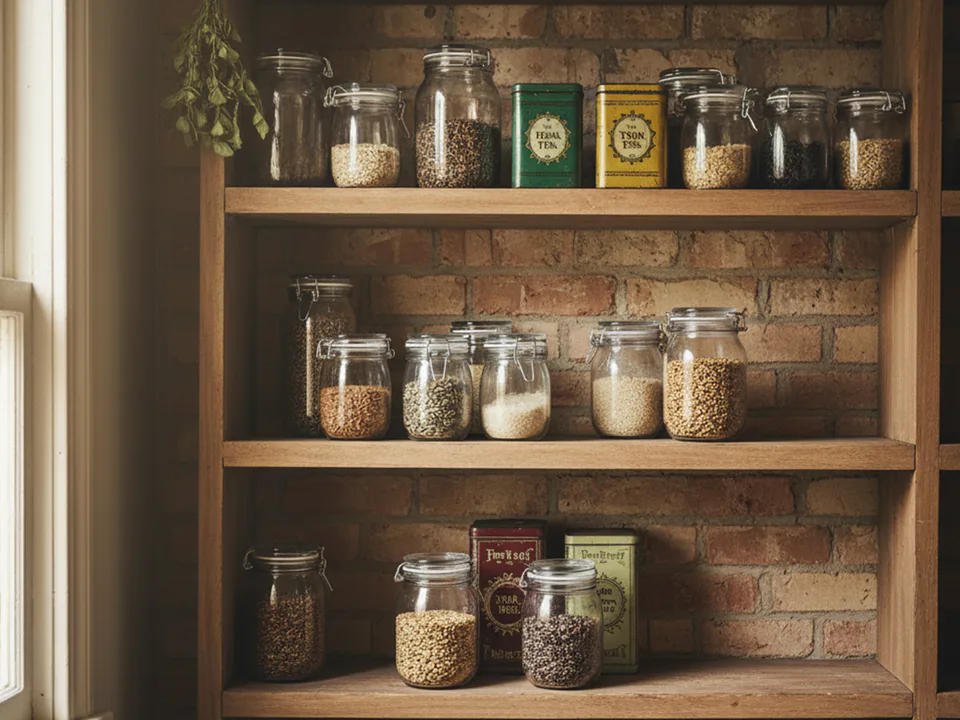
You’ve probably noticed your weekly shop creeping up in price again — even the store brands aren’t quite as cheap as they were this summer. Behind those quiet price tags sits something much bigger: Britain’s factories are slowing down faster than they have since 2020.
According to the Confederation of British Industry (CBI), manufacturers’ order books have fallen to their lowest point in five years, with export expectations slipping even further. It sounds distant — like a problem for steel plants and car makers — but it could be about to show up somewhere far more familiar: your kitchen cupboards.
The Tin, the Tray, the Truck — It’s All Connected
When manufacturing dips, it isn’t just the heavy industries that feel it. Everything from the metal used for tins to the cardboard around cereal boxes is part of that same production chain.
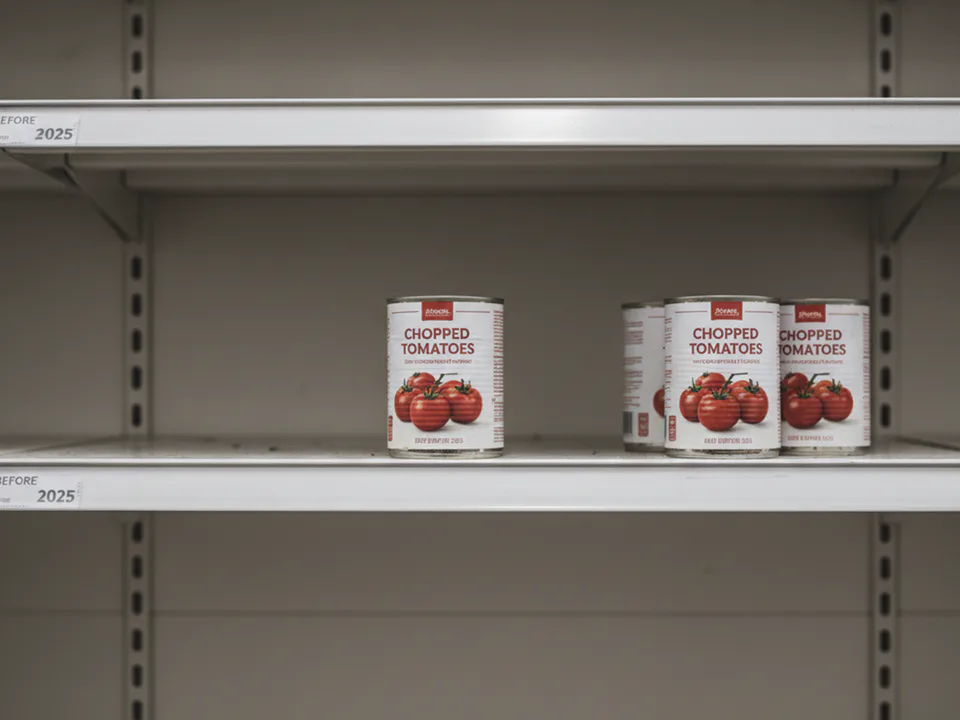
Factories cutting shifts to save money means fewer packaging supplies, slower deliveries, and higher costs for food producers. Add fuel prices, import delays, and wage pressures, and suddenly the humble tin of chopped tomatoes becomes a small luxury item.
Even your dog’s favourite biscuits rely on the same supply web. Pet food brands buy from the same processors that supply human-grade meats and grains. A weak manufacturing sector often means higher input costs, tighter margins, and smaller batch runs — which explains those “temporarily out of stock” labels appearing more often online.
What Might Get Hit First
Cooking oils – The UK imports most of its sunflower and rapeseed oil, but bottles, labels, and transport are domestic jobs. Any slowdown in plastics or glass manufacturing can push up prices.
Tinned goods – The metal industry has already warned of lower output. Expect to pay more for beans, soups, and tomatoes, especially as energy costs rise for canning plants.
Dog food and treats – Meat by-products and cereals are heavily processed. Fewer factory hours and higher shipping costs can create knock-on shortages or brand substitutions.
The issue isn’t just about prices; it’s also about choice. Manufacturers prioritise their biggest accounts, so smaller or niche products may quietly vanish from the shelves.
What It Means for Home Cooks
For the rest of us, it’s time to get practical rather than panicked.
- Stock sensibly, not excessively. Buy extra tins or long-life staples when prices dip, but don’t hoard.
- Get creative with substitutions. No rapeseed oil? Try olive or a neutral blend. Can’t find your favourite brand of dog biscuits? Bake your own — Dexter approves of oat and peanut butter bites.
- Support local producers. Small bakeries, farm shops, and butchers often work outside the major industrial chains and can buffer the disruption.
- Reuse and recycle. Save jars, reseal bags, and stretch leftovers — the sort of resourcefulness that generations before us mastered out of necessity.
Creativity Under Constraint
Here’s the bright side: constraint breeds creativity. When I can’t rely on every ingredient being on the shelf, I find myself rediscovering old favourites — lentil curries, flatbreads, homemade sauces.
Photography shifts too. Instead of shooting glossy abundance, I’ve started capturing real kitchens: a half-used bag of flour, a single bright pepper on a chopping board, a loaf cooling beside the dog’s expectant face. There’s beauty in honest cooking, and right now, honesty feels more relevant than ever.
So, Should We Worry?
Not necessarily — but we should pay attention. The UK’s manufacturing sector is part of a web that connects energy, logistics, food, and even pet care. When one thread weakens, the whole fabric stretches.
Being aware gives us power: to adapt, to plan, and to cook smarter.
So next time you open the cupboard and find one tin less than usual, think of it as an invitation — to cook with what’s there, experiment with what’s local, and make something delicious out of the slowdown.
Have you noticed your weekly shop changing lately?
Drop a comment below or tag me on Instagram @cookingclickscanines with your “creative constraint” meals — I’d love to feature a few in an upcoming post.