
Dog training can often feel overwhelming, especially when behaviors like barking, chewing, or pulling on the leash become everyday struggles. The good news? Many of these challenges can be addressed simply by meeting your dog’s fundamental needs. Meeting their needs dog training focuses on fulfilling your dog’s physical, mental, and emotional requirements, which serves as the cornerstone of effective and positive training. By understanding and addressing these needs, you’ll create a happier, more balanced companion who is eager to learn and thrive.
Fortunately, our understanding of dogs and their behaviour has significantly improved over the years, thanks to advances in animal science, behavioural studies, and the shift toward positive reinforcement methods. Experts now recognize that many common behavioural issues stem not from stubbornness or a desire to misbehave, but from unmet needs. Dogs, like people, require a balance of physical activity, mental stimulation, and emotional well-being to thrive. When these needs are fulfilled, dogs are less likely to engage in unwanted behaviours like barking out of boredom, chewing due to anxiety, or pulling on the leash from pent-up energy.
Rather than focusing solely on correcting behaviours, modern, science-based training methods emphasize understanding why the behaviour occurs in the first place. By identifying and addressing the root causes—whether it’s insufficient exercise, lack of mental engagement, or a need for social connection—you can naturally reduce problem behaviours while fostering a stronger bond with your dog. This approach doesn’t just create a well-behaved dog; it nurtures a happy, confident companion who trusts and enjoys working with you.
Meeting your dog’s fundamental needs isn’t just a strategy—it’s the foundation upon which effective, compassionate training is built. By fulfilling their physical, mental, and emotional requirements, you’re not only improving their behaviour but also supporting their overall well-being, creating a harmonious partnership where both you and your dog can thrive.
Let’s explore how understanding and prioritising these needs can lead to a happier, well-behaved companion and a stronger bond between you and your dog.
1. Understanding Your Dog’s Needs in Meeting Their Needs Dog Training
Before diving into any training plan, it’s essential to step back and recognize what truly drives a dog’s behavior and overall well-being. Dogs, like humans, have fundamental needs that must be met to ensure they feel happy, secure, and capable of learning. These needs can be grouped into three core areas: physical needs, mental stimulation, and emotional well-being. When these are out of balance, unwanted behaviors like barking, chewing, or pulling on the leash can arise, often as your dog’s way of communicating an unmet need.
The Link Between Needs and Behavior
Many people misunderstand behavioral issues as stubbornness or defiance, but the truth is simpler: a dog’s behavior is often a reflection of their unmet needs. For example:
• A dog that barks excessively or digs in the garden may be bored and craving mental stimulation.
• A dog that chews shoes or furniture may be dealing with excess energy or stress.
• A dog that pulls on the leash or acts hyperactive may not be getting enough physical exercise.
Recognising these patterns can help us approach training in a way that is both compassionate and effective. Instead of simply correcting a behavior, we address the underlying cause—meeting their physical, mental, and emotional requirements. This creates a happier, calmer dog who is naturally more receptive to training.
A Modern Approach to Dog Training
Over the years, our understanding of canine behavior has evolved significantly. Historically, training methods often focused on dominance-based techniques, such as harsh corrections, punishments, or the outdated “alpha” theory, which assumed dogs needed to be dominated into submission. Modern behavioral science has shown that these methods are not only ineffective but can damage the trust between you and your dog, creating fear-based compliance rather than true learning.
Today, we know that dogs thrive in environments where their needs are understood and respected. Positive reinforcement training—rewarding desired behaviors with treats, praise, or play—focuses on building trust, understanding, and motivation. A well-cared-for dog, whose physical, mental, and emotional needs are met, is far more likely to exhibit good behavior naturally because they feel balanced and fulfilled.
Think of it like this: Just as humans perform best when we eat well, exercise, and feel supported emotionally, dogs are no different. A dog that is well-fed, exercised, mentally stimulated, and loved will have fewer reasons to act out.
Key Elements of Your Dog’s Needs
1. Physical Needs:
Dogs need regular exercise, proper nutrition, and access to water to stay healthy and happy. A lack of physical activity often leads to frustration and hyperactivity. This is especially important for high-energy breeds like Border Collies, Labradors, and German Shepherds, but all dogs benefit from structured, consistent exercise.
2. Mental Stimulation:
Dogs are intelligent creatures who crave challenges. Without mental enrichment, they become bored and may seek out destructive outlets. Puzzle toys, obedience training, and interactive games are all excellent ways to engage your dog’s brain.
3. Emotional Well-being:
Dogs are social animals who need love, trust, and routine. They thrive when they feel safe, secure, and connected to their family. Building emotional security through positive reinforcement and bonding time helps reduce anxiety and behavioral issues.
By understanding and addressing these needs, you’re not just helping your dog behave better—you’re ensuring they live a happy, enriched life. Training becomes far easier when your dog feels physically healthy, mentally engaged, and emotionally secure.
Why This Matters: When you approach training from the perspective of meeting your dog’s needs, you’re shifting from reacting to problems to preventing them altogether. This modern, science-backed approach creates a foundation of trust, strengthens the bond between you and your dog, and turns training into a rewarding experience for both of you.
2. Meeting Physical Needs: The First Step in Effective Dog Training
A dog’s physical well-being is the cornerstone of good behavior and successful training. Dogs are naturally active animals with energy levels that need to be managed through consistent exercise, proper nutrition, and rest. When a dog’s physical needs aren’t met, it often leads to frustration, hyperactivity, and destructive behaviors, such as excessive barking, chewing, digging, or jumping up. These actions aren’t signs of a “bad dog”; rather, they are often your dog’s way of communicating that they have unspent energy or a need for stimulation. Understanding and prioritising your dog’s physical health will set the stage for effective training and a calmer, happier companion.
Why Physical Exercise is Essential
Just like humans, dogs need regular exercise to stay fit, balanced, and healthy. Exercise not only strengthens their bodies but also has a direct impact on their mental well-being. Dogs that get sufficient physical activity are less likely to display undesirable behaviors and are generally more focused and calm. This makes them far more receptive to training sessions.
Benefits of Regular Exercise for Dogs:
1. Reduces Excess Energy: A tired dog is far less likely to engage in hyperactive behaviors, such as running in circles or jumping up on people.
2. Prevents Boredom: Physical activity stimulates the senses and provides a welcome break from monotony, which can otherwise lead to destructive behaviors.
3. Improves Mental Health: Exercise releases endorphins—feel-good hormones that reduce stress and anxiety in dogs.
4. Supports Physical Health: Regular exercise helps maintain a healthy weight, improves joint health, and supports heart health, reducing the risk of obesity-related issues.
5. Strengthens Your Bond: Interactive exercises like playing fetch, tug-of-war, or jogging together are excellent opportunities to build trust and connection with your dog.
Activities to Meet Your Dog’s Physical Needs
Dogs come in all shapes, sizes, and energy levels, so the type and amount of exercise required will vary based on breed, age, and health. For instance, a Border Collie or a Jack Russell Terrier will need significantly more exercise than a Bulldog or Basset Hound. However, all dogs, regardless of breed, require daily opportunities to move and stretch their legs.
Here are some great ways to meet your dog’s physical needs:
1. Daily Walks
Structured, consistent walks are essential for all dogs. Walking not only provides exercise but also satisfies your dog’s instinct to explore new environments and sniff out interesting scents.
• Aim for at least 30–60 minutes of walking each day, depending on your dog’s energy level.
• Use walks as a chance to practice leash manners, such as “heel” and “sit.”
2. Interactive Playtime
Incorporate play sessions into your routine to make exercise fun for both you and your dog. Interactive play strengthens your bond and provides a physical outlet for energy.
• Fetch: Great for high-energy dogs. Use balls, frisbees, or toys in an open space.
• Tug-of-War: An excellent game for teaching impulse control, where your dog must learn to “take it” and “leave it” on command.
• Chase or Hide-and-Seek: Encourages running while mentally engaging your dog.
3. Off-Leash Exercise
If you have access to a secure area, such as a fenced yard, dog park, or private land, allow your dog to roam, explore, and play freely. Off-leash time helps dogs burn energy at their own pace.
• For recall practice, call your dog to you occasionally and reward them with treats or praise.
• Play with other well-socialized dogs provides both physical exercise and social enrichment.
4. Structured Activities
Some dogs thrive when given a “job” to do. Activities like agility, swimming, or hiking not only provide physical stimulation but also mental challenges, which are key to reducing boredom.
• Agility Courses: Great for dogs with high energy levels who enjoy learning new skills.
• Hiking: Longer walks in nature engage your dog’s senses with new smells, sounds, and terrains.
• Swimming: A low-impact activity perfect for dogs with joint problems or senior dogs.
5. Short Burst Games
Not every exercise session needs to be lengthy. For days when time is limited, short bursts of high-energy play can work wonders. Ten minutes of playing fetch or running around in the backyard can make a big difference.
Balancing Rest and Recovery
While exercise is critical, it’s equally important to ensure your dog gets adequate rest. Puppies, senior dogs, and dogs recovering from injury or illness may need shorter, gentler exercise sessions followed by plenty of downtime. Overexercising can lead to exhaustion or even injury, so pay attention to your dog’s cues:
• A panting, slowing, or lagging dog may be tired and ready to rest.
• Provide a quiet, comfortable space where your dog can relax and recover after physical activities.
Remember, the goal is balance: enough exercise to meet their needs without overwhelming their bodies or minds.
Tailoring Physical Exercise to Your Dog
Every dog is unique, and what works for one might not suit another. Consider these factors when planning your dog’s physical activity:
• Age: Puppies need short, frequent bursts of activity, while adult dogs often thrive with longer, more intense sessions. Senior dogs benefit from low-impact exercises like gentle walks or swimming.
• Breed: Working breeds, such as Border Collies, Huskies, or Retrievers, require more vigorous activity than companion breeds like Pugs or Shih Tzus.
• Health: If your dog has joint issues, obesity, or any medical condition, consult your veterinarian to create an exercise plan tailored to their needs.
How Physical Needs Impact Training
When your dog’s physical needs are consistently met, they are naturally calmer, happier, and more focused during training sessions. Dogs who are full of pent-up energy or frustration may struggle to concentrate or obey commands, making training feel like an uphill battle. A simple pre-training walk or play session can make all the difference.
Tip: Schedule training sessions after your dog has had a chance to burn off some energy. A tired dog is often a more attentive and cooperative learner.
By prioritising physical exercise and adapting activities to suit your dog’s individual needs, you lay a solid foundation for successful training and a healthier, more content companion. Remember, a well-exercised dog is not just a happier dog—it’s also a better-behaved one.
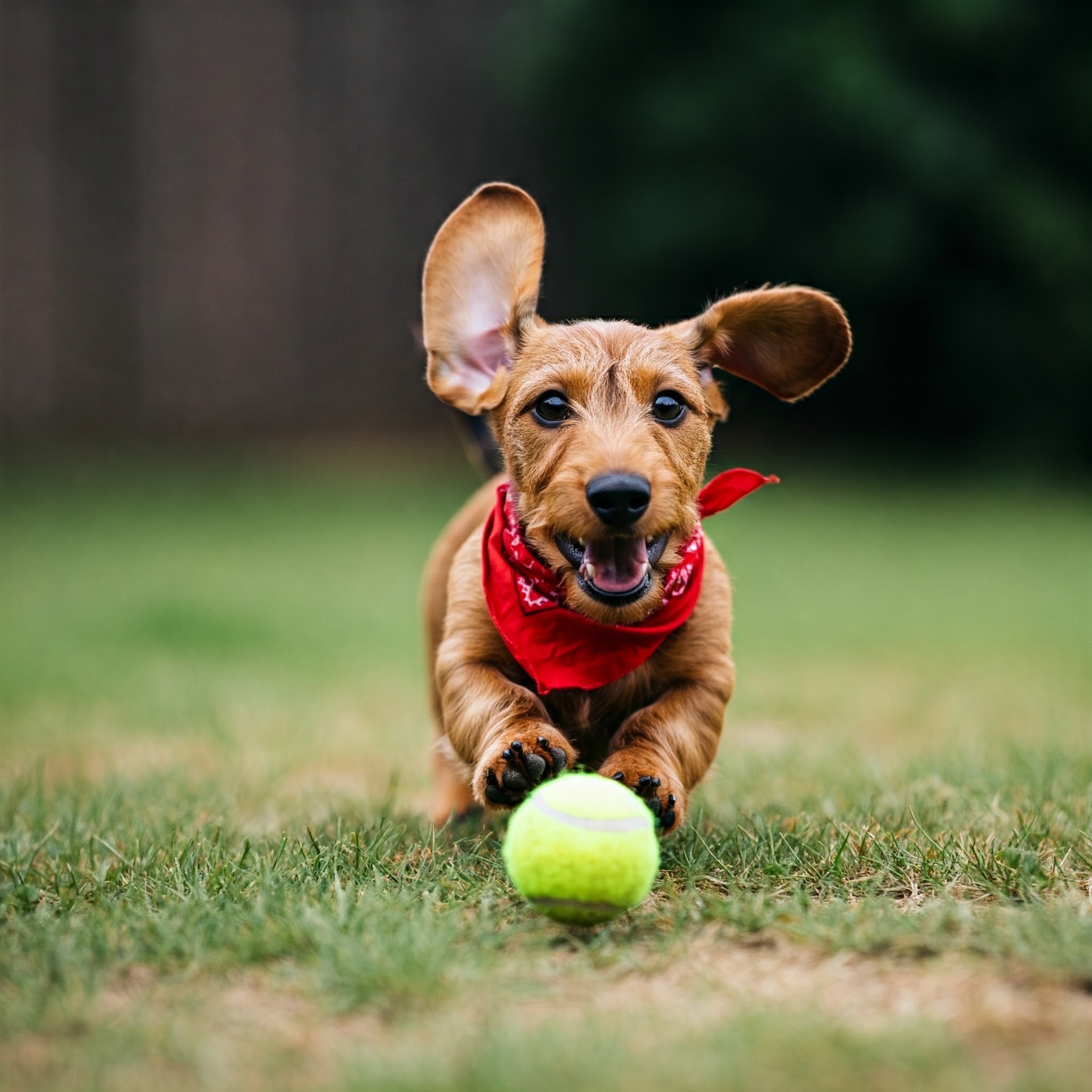
3. Mental Stimulation: A Key Component of Meeting Their Needs Dog Training
While physical exercise is crucial for your dog’s health and well-being, mental stimulation is just as important for keeping your dog happy and engaged. Dogs are highly intelligent animals with an innate need to use their brains, problem-solve, and explore their surroundings. Without enough mental enrichment, boredom and frustration can quickly set in, leading to destructive behaviors like chewing, barking, or digging.
Meeting your dog’s mental stimulation needs isn’t just about keeping them occupied—it’s about nurturing their natural instincts, encouraging learning, and making their lives more fulfilling. The best part? Mentally engaged dogs are calmer, more focused, and significantly easier to train.
The Role of Mental Stimulation in Dog Training
Mental stimulation goes beyond teaching your dog basic commands like sit or stay. It taps into their curiosity, encourages problem-solving, and satisfies their natural instincts like sniffing, hunting, and herding. Engaging your dog’s brain not only reduces unwanted behaviors but also deepens the bond between you and your dog.
When dogs are mentally stimulated:
• They are less likely to engage in boredom-driven behaviors like chewing on furniture or barking at nothing.
• They gain confidence, especially when tasks or games are designed to challenge them incrementally.
• They become more attentive and receptive to learning during training sessions.
Think of mental stimulation as a way to tire out your dog’s brain. Just like humans feel fulfilled after solving a challenging puzzle or learning something new, dogs feel satisfied and relaxed after engaging their minds.
How to Provide Mental Stimulation
Meeting your dog’s mental needs doesn’t require fancy equipment or hours of time. Simple, intentional activities can work wonders to keep your dog’s mind sharp and entertained. Here are some practical ways to enrich your dog’s day:
1. Interactive Training Sessions
Training itself is one of the best ways to stimulate your dog mentally. Every time you teach them a new command, trick, or behavior, you’re giving their brain a workout.
• Teach New Commands: Move beyond basics like sit and stay to more advanced commands like place, wait, or touch.
• Trick Training: Fun tricks like roll over, spin, high five, or wave engage their mind and impress your friends!
• Obedience Practice: Revisiting existing skills keeps them sharp and reinforces their learning.
Tip: Keep sessions short and fun, ideally around 5-10 minutes, to prevent frustration or fatigue. End with a reward to make it a positive experience.
2. Puzzle Toys and Food Games
Dogs love a challenge, and puzzle toys or food-dispensing games can provide hours of mental stimulation.
• Puzzle Feeders: These toys require your dog to figure out how to release treats or kibble. Popular options include Kong toys, snuffle mats, or slow-feed bowls.
• DIY Puzzles: Hide treats in a muffin tin under tennis balls or inside a rolled-up towel for a budget-friendly enrichment activity.
• Stuffed Toys: Fill a Kong with peanut butter, yogurt, or kibble, then freeze it for a long-lasting challenge.
Tip: Rotate puzzle toys to keep your dog interested and prevent them from getting bored with the same activity.
3. Scent Work and Nose Games
Dogs experience the world primarily through their noses. Allowing them to engage their powerful sense of smell is one of the most natural and fulfilling ways to provide mental stimulation.
• Hide and Seek: Hide treats around your home or yard and encourage your dog to sniff them out.
• Scent Trails: Lay down a trail of treats or a favorite toy for your dog to follow.
• Scent Containers: Introduce your dog to new scents in small containers and reward them for finding the correct one.
Tip: For extra enrichment, use their daily food allowance during scent work instead of giving treats separately.
4. Interactive Play
Games that require problem-solving or quick thinking keep your dog engaged.
• Tug-of-War with Rules: Play a controlled game where your dog must respond to commands like drop it or take it.
• Chase Games: Drag a toy on a rope for your dog to chase—it mimics hunting and taps into their prey drive.
• “Find It” Games: Hide their favorite toy or ball and encourage them to search for it.
Tip: Always supervise playtime and ensure toys are safe and appropriately sized for your dog.
5. Exposure to New Experiences
Novelty is exciting for dogs! New sights, sounds, and smells stimulate their curiosity and help them adapt to different environments.
• Walks in New Locations: Explore a different trail, park, or neighborhood to give your dog fresh experiences.
• Socialization Opportunities: Safely introduce your dog to new people, dogs, or situations to build confidence.
• Interactive Outings: Take your dog to dog-friendly stores or outdoor cafés for a mix of mental and social enrichment.
Tip: Monitor your dog’s comfort level during new experiences and take it slow if they seem nervous.
6. Problem-Solving Challenges
Give your dog simple tasks to work through, such as:
• Obstacle Courses: Set up a mini agility course in your backyard using household items like cones, chairs, or hula hoops.
• DIY “Cup Game”: Place a treat under one of three cups and shuffle them—let your dog figure out which cup hides the prize.
• Interactive Boxes: Hide a toy or treat inside a box and let your dog figure out how to open it.
Tailoring Mental Activities to Your Dog
Every dog is different, so it’s important to tailor mental stimulation activities to your dog’s breed, age, and personality:
• High-Energy Breeds: Working breeds like Border Collies, Australian Shepherds, or German Shepherds excel in tasks that challenge their intelligence and focus, such as agility or trick training.
• Senior Dogs: Older dogs may not be as physically active, but they can still enjoy scent work, puzzle toys, or gentle training sessions.
• Shy or Nervous Dogs: Start with low-pressure activities like hiding treats around the house and gradually introduce more challenging games.
The Impact of Mental Stimulation on Behavior
When a dog’s brain is properly engaged, you’ll notice positive changes in their behavior:
• They’re calmer and less prone to acting out due to boredom.
• They’re more focused and attentive during training sessions.
• They’re more confident and eager to learn new things.
Dogs that are mentally stimulated also tend to sleep better and enjoy a more balanced life overall. By incorporating regular brain games, interactive play, and problem-solving activities into your dog’s routine, you’re not just meeting their needs—you’re strengthening your relationship and creating a well-rounded, happy companion.
Tip: Combine physical and mental activities, like a puzzle toy after a walk, for an even more enriched experience.

4. Emotional Well-Being: Building Trust Through Meeting Your Dog’s Needs
Dogs are incredibly social animals that thrive on emotional connections with their owners and those around them. While physical and mental stimulation are essential, emotional well-being is just as critical for a dog’s overall happiness and ability to learn. A dog that feels loved, secure, and confident will be more receptive to training and far less likely to display anxiety-driven behaviors like excessive barking, aggression, or clinginess.
Building trust, providing affection, and creating a sense of safety are key components of meeting your dog’s emotional needs. Training is not just about teaching commands; it’s also about fostering a bond that makes your dog feel understood and supported.
The Importance of Emotional Well-Being in Dog Training
When a dog feels emotionally secure, they are better able to focus, listen, and learn during training. Conversely, a dog that is stressed, fearful, or confused may struggle to follow commands or display unpredictable behaviors. Addressing emotional needs can help prevent common problems such as separation anxiety, fear-based aggression, or overexcited behaviors when guests arrive.
Signs Your Dog’s Emotional Needs Are Being Met:
• Relaxed body language, including soft eyes, a wagging tail, and a loose posture.
• Eagerness to interact with you or other family members.
• Calmness in situations that might otherwise be stressful, such as new environments or meeting strangers.
When dogs feel emotionally balanced, they become more resilient and adaptable to life’s challenges, which translates to smoother training and a stronger relationship with their owner.
How to Build Emotional Connection and Trust
Meeting your dog’s emotional needs involves creating an environment where they feel safe, valued, and understood. Here are some ways to nurture their emotional well-being:
1. Use Positive Reinforcement
Positive reinforcement training, which rewards desired behaviors with treats, praise, or affection, is one of the most effective ways to build trust. This method helps your dog associate training with positive experiences rather than fear or frustration.
• Reward Good Behavior: Reinforce desired actions immediately with rewards your dog loves, such as a favorite treat or enthusiastic praise.
• Be Consistent: Dogs learn best when rules and expectations are clear and consistent. For example, always reward calm behavior during greetings rather than reacting to jumping up.
Tip: Avoid punishment-based methods, which can lead to fear, anxiety, and mistrust. Dogs thrive when they feel safe and understood, not intimidated.
2. Provide Unconditional Love and Affection
Dogs are pack animals that crave social connection and attention from their humans. Simple gestures of affection can go a long way in making your dog feel secure and loved.
• Cuddle Time: Spend time relaxing with your dog, petting them, or even letting them curl up beside you.
• Verbal Affection: Speak to your dog in a calm, happy tone. Dogs respond to vocal cues and love hearing positive words.
• Physical Touch: Gentle massages or belly rubs are soothing and help strengthen your bond.
Tip: Pay attention to your dog’s preferences—some dogs love hugs, while others may prefer a scratch behind the ears.
3. Establish a Routine
Dogs thrive on routine because it provides predictability and security. Consistent schedules for feeding, walks, and playtime help reduce anxiety and give your dog a sense of stability.
• Daily Structure: Try to keep meal times, walks, and bedtime consistent each day.
• Training Routine: Incorporate short training sessions into your daily schedule to reinforce behaviors and give your dog regular opportunities to learn.
Tip: While routine is essential, occasional surprises like a new toy or a trip to a new park can add excitement without disrupting their sense of stability.
4. Practice Socialization
Proper socialization is critical to your dog’s emotional development. Exposing them to a variety of people, dogs, and environments helps build their confidence and reduces the risk of fear-based behaviors.
• Early Socialization: Start socializing puppies as early as possible, introducing them to gentle, positive interactions with others.
• Controlled Introductions: For adult dogs, introduce new people or dogs gradually to avoid overwhelming them.
• Positive Experiences: Reward your dog for calm, confident behavior during socialization to reinforce those emotions.
Tip: If your dog is fearful or reactive, consult a professional trainer to ensure socialization is done in a safe, supportive way.
5. Observe and Respond to Your Dog’s Body Language
Understanding your dog’s body language is essential for meeting their emotional needs. Dogs communicate their feelings through subtle signals, and recognizing these cues helps you respond appropriately.
• Relaxed Dog: A wagging tail, soft eyes, and a loose posture indicate happiness and comfort.
• Stressed Dog: Lip licking, yawning, pinned-back ears, or a tucked tail may signal stress or discomfort.
• Anxious Dog: Excessive panting, pacing, or whining often indicates anxiety or nervousness.
Tip: If your dog seems stressed or overwhelmed, remove them from the situation and provide a calming environment.
6. Spend Quality Time Together
Your presence is one of the most valuable things you can offer your dog. Spending quality time with your dog strengthens your bond and reassures them of their importance in your life.
• Play Together: Engage in interactive games like fetch, tug-of-war, or hide-and-seek.
• Go on Adventures: Take your dog on walks, hikes, or even car rides to create shared experiences.
• Relax Together: Quiet time spent sitting or lying together is just as meaningful as active play.
Tip: Avoid multitasking during these moments; giving your dog your full attention reinforces their emotional connection to you.
How Emotional Well-Being Impacts Training
When your dog feels emotionally secure, they are more eager to learn and better able to handle challenges during training. Conversely, a dog that is stressed or fearful may shut down, act out, or fail to retain new skills. Emotional well-being lays the foundation for a healthy relationship and sets the stage for successful training.
Key benefits of addressing your dog’s emotional needs:
• Improved Focus: A relaxed and happy dog is more likely to stay focused during training sessions.
• Reduced Anxiety: Emotionally balanced dogs are less prone to fear-based reactions, such as barking, growling, or hiding.
• Stronger Bond: Building trust and connection enhances communication and mutual understanding between you and your dog.
Tailoring Emotional Support to Your Dog
Every dog has unique emotional needs based on their breed, personality, and past experiences.
• Rescue Dogs: Dogs from shelters may need extra time and patience to build trust, especially if they’ve experienced trauma.
• Sensitive Breeds: Breeds like Whippets, Greyhounds, or Border Collies can be more emotionally sensitive and may need gentle handling.
• Confident Dogs: Even outgoing breeds like Labradors or Golden Retrievers benefit from consistent affection and reassurance.
By meeting your dog’s emotional needs, you create a secure, trusting relationship that fosters successful training and a deep, unbreakable bond. When your dog feels safe, loved, and understood, they’ll reward you with loyalty, affection, and the willingness to learn. Emotional well-being is the heart of a happy dog—and the foundation of a truly rewarding partnership.

5. Creating a Balanced Training Plan That Meets Your Dog’s Needs
A well-structured training plan is essential for developing a happy, well-behaved dog. However, success doesn’t come from focusing solely on commands or behavior corrections. The key to effective training lies in balance—integrating physical activity, mental stimulation, and emotional connection into your dog’s daily routine. When these elements are combined thoughtfully, your dog becomes more receptive to learning and forms a deeper bond with you.
A balanced training plan isn’t just about achieving results; it’s about creating a lifestyle that keeps your dog engaged, fulfilled, and eager to work with you.
The Pillars of a Balanced Training Plan
A good training plan ensures your dog’s needs are met across three key areas:
1. Physical Activity: Regular exercise helps burn excess energy, reduce anxiety, and create a calm mindset for training.
2. Mental Stimulation: Incorporating problem-solving tasks and games keeps your dog’s brain sharp and focused.
3. Emotional Well-Being: Building trust, consistency, and a safe environment ensures your dog feels secure and ready to learn.
Each of these elements contributes to a holistic approach to training that nurtures not only your dog’s behavior but also their overall happiness.
Structuring a Daily Routine
Consistency is critical in dog training. A routine helps your dog understand expectations and builds a foundation of trust and predictability. Here’s an example of a balanced daily schedule that incorporates training alongside other activities:
| Time of day | Activity | Purpose |
|---|---|---|
| Morning | Walk or light jog (30-45 mins) | Burn energy, explore, and mentally reset. |
| Mid-Morning | Short training session (5-10 minutes) | Practice commands, reinforce learning. |
| Midday | Puzzle toy or scent work (10-15 minutes) | Provide mental stimulation and enrichment. |
| Afternoon | Playtime (fetch, tug-of-war, or hide-and-seek) | Strengthen your bond, fulfill prey/play drive. |
| Evening | Another walk or gentle activity (20-30 minutes) | Release pent-up energy before winding down. |
| Before Bed | Cuddle time or quiet bonding (10-15 minutes) | Promote emotional well-being and relaxation. |
This structure provides a mix of physical exercise, mental stimulation, and bonding time, keeping your dog engaged and satisfied throughout the day.
Making Training Sessions More Effective
While training is an integral part of your dog’s routine, it’s important to approach it in a way that maximizes effectiveness and enjoyment. Here are some tips for structuring productive training sessions:
1. Keep Sessions Short and Sweet
Dogs, especially puppies, have limited attention spans. Aim for short training bursts of 5-10 minutes, focusing on one skill or behavior at a time.
• Why It Works: Short sessions prevent boredom and frustration, making training more enjoyable for both you and your dog.
• Tip: End every session on a positive note by rewarding your dog with treats, praise, or play.
2. Use High-Value Rewards
Dogs are more motivated to learn when they’re rewarded with something they truly love.
• Examples of Rewards: Special treats, favorite toys, or enthusiastic verbal praise.
• Tip: Reserve high-value rewards for challenging tasks to maintain their effectiveness.
3. Practice in Different Environments
Training in a variety of locations helps your dog generalize commands and behaviors.
• Start Indoors: Begin training in a quiet, distraction-free space.
• Add Distractions: Gradually introduce more challenging environments, such as a park or a busy street.
• Tip: Use a leash and high-value rewards when training in public spaces to maintain control and focus.
4. Combine Physical and Mental Activities
Incorporating exercise into training keeps sessions engaging and helps tire your dog out.
• Examples: Practice recall (coming when called) during a game of fetch or reinforce “sit” and “stay” during a walk.
• Tip: Mix training commands with active play to keep things dynamic and fun.
5. Adapt Training to Your Dog’s Energy Levels
Timing your sessions based on your dog’s energy can make a big difference.
• After Exercise: A tired dog is calmer and more focused, making it easier to work on new commands.
• Before Rest Time: Use training as a way to mentally tire your dog before quiet periods, such as bedtime.
Tracking Progress
Monitoring your dog’s training progress helps you identify strengths and areas for improvement.
• Keep a Journal: Record what commands your dog has learned, what they’re struggling with, and any breakthroughs.
• Set Goals: Focus on one or two specific skills each week to avoid overwhelming your dog.
• Celebrate Successes: Reward milestones, such as mastering a difficult command or staying calm in a new environment.
Flexibility in Your Plan
While consistency is vital, flexibility is equally important. Life happens, and there will be days when your routine needs to adjust. What matters most is maintaining balance: ensuring your dog receives some form of physical activity, mental enrichment, and emotional connection every day, even if it looks different than usual.
Why Balance Matters
Dogs are happiest and most well-behaved when all aspects of their needs are met. A balanced training plan:
• Prevents boredom and frustration, reducing the likelihood of unwanted behaviors.
• Builds a trusting, loving relationship between you and your dog.
• Creates a foundation for lifelong learning and adaptability.
By focusing on physical, mental, and emotional fulfillment, you’re not just training your dog—you’re enriching their life and creating a strong, harmonious bond that will last for years to come.
Tip: Always listen to your dog’s cues. If they seem tired, distracted, or stressed, adjust your plan accordingly to keep training positive and productive.
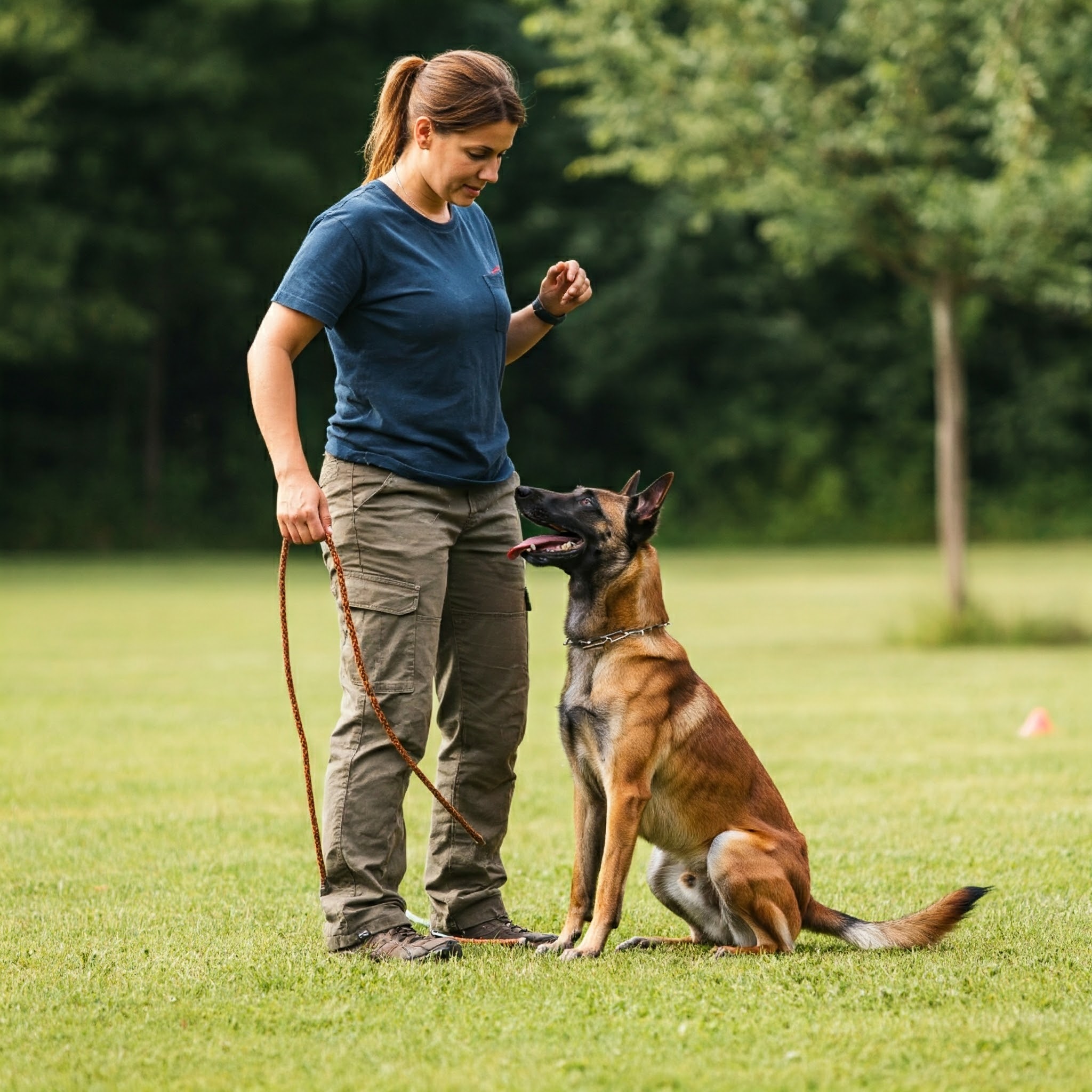
6. Common Misunderstandings About Meeting Your Dog’s Needs in Training
Dog training can sometimes be clouded by myths, misconceptions, and outdated advice that hinder progress and strain the relationship between owners and their dogs. While training techniques have evolved significantly, many people still rely on old-school methods or misunderstand their dog’s behavior, leading to frustration for both pet and owner. Addressing these misconceptions is key to creating a training plan that works for you and your dog.
Misunderstanding 1: “Bad Behavior is Just Stubbornness”
It’s easy to interpret behaviors like barking, chewing, or ignoring commands as acts of defiance or stubbornness. However, dogs rarely misbehave out of spite. Instead, unwanted behaviors are usually attempts to communicate unmet needs or cope with their environment.
What’s Really Happening:
• Excessive barking might signal boredom, anxiety, or a desire for attention.
• Chewing may indicate stress, teething (in puppies), or lack of appropriate chew toys.
• Ignoring commands could stem from confusion, fear, or lack of motivation—not defiance.
What to Do Instead:
• Focus on understanding why the behavior is occurring. Is your dog’s energy level too high? Are they getting enough mental stimulation?
• Adjust their routine to meet physical, mental, and emotional needs, and you’ll often see problem behaviors naturally reduce.
Tip: Always approach your dog with empathy. Rather than labeling them as “bad,” consider their perspective and look for constructive solutions.
Misunderstanding 2: “My Dog Doesn’t Listen to Me”
One of the most common frustrations owners face is a dog that doesn’t follow commands. While it’s tempting to assume the dog is simply ignoring you, the reality is often more complex.
What’s Really Happening:
• Your dog may not fully understand the command yet, especially if it hasn’t been reinforced consistently or practiced in different environments.
• Distractions in the environment might overwhelm them, making it harder to focus.
• Your dog might not feel motivated by the rewards being offered.
What to Do Instead:
• Break commands into small, manageable steps and practice them regularly. For example, teach “stay” for a few seconds at a time before extending the duration.
• Gradually increase distractions as your dog becomes more confident in their abilities.
• Use high-value rewards that your dog loves, such as special treats or favorite toys, to keep their attention.
Tip: Patience and consistency are key. Dogs learn through repetition and positive reinforcement, not punishment or frustration.
Misunderstanding 3: “Punishment Will Stop Bad Behavior”
Many people mistakenly believe that punishing a dog for bad behavior will teach them to stop. However, punishment-based training methods can do more harm than good, damaging the trust between you and your dog and causing fear or anxiety.
Why Punishment Doesn’t Work:
• It doesn’t address the root cause of the behavior. For example, scolding a dog for barking won’t solve the boredom or anxiety causing the barking.
• It can create confusion if your dog doesn’t understand what they’re being punished for.
• It may lead to fear-based compliance rather than genuine learning, resulting in a dog that behaves out of fear rather than trust.
What to Do Instead:
• Focus on positive reinforcement by rewarding desired behaviors and redirecting undesirable ones. For example, if your dog is chewing furniture, provide an appropriate chew toy and reward them for using it.
• Use gentle, consistent corrections, such as redirecting their attention, rather than punishment.
Tip: If you’re struggling with a particular behavior, consider consulting a professional trainer who uses force-free, science-based methods.
Misunderstanding 4: “Training is Just About Commands”
Many people think of training as simply teaching commands like sit, stay, and come. While these are important, training is about so much more than just obedience. It’s about building communication, trust, and a lifelong bond with your dog.
What Training Really Does:
• Strengthens your relationship with your dog by establishing you as a consistent, positive guide in their life.
• Teaches life skills, such as walking politely on a leash, being calm around other dogs, and settling in busy environments.
• Builds your dog’s confidence, especially when you reward small successes during training.
What to Do Instead:
• Incorporate training into everyday life. For example, ask your dog to “wait” before crossing a street or “sit” before mealtime.
• Focus on behaviors that enhance your dog’s quality of life, like impulse control, socialization, and calmness in new environments.
Tip: Think of training as an ongoing process rather than a one-time task. Dogs learn throughout their lives, so keep sessions fun and rewarding.
Misunderstanding 5: “All Dogs Learn the Same Way”
Every dog is unique, with their own personality, learning style, and preferences. A training method that works perfectly for one dog may not be as effective for another.
What’s Really Happening:
• Breeds, age, and individual temperaments can all influence how a dog learns and responds to training.
• For example, working breeds like Border Collies thrive on tasks and structure, while more independent breeds like Huskies may require extra patience and motivation.
• Puppies have shorter attention spans, while senior dogs may need gentler, slower-paced training sessions.
What to Do Instead:
• Tailor your approach to your dog’s individual needs. Observe what motivates them most—whether it’s food, play, or affection—and use that to encourage learning.
• Be flexible and adjust your methods as your dog grows and their needs change.
Tip: Avoid comparing your dog to others. Focus on their unique journey and celebrate their progress, no matter how small.
Why Addressing Misunderstandings Matters
By challenging these common misconceptions, you set yourself and your dog up for greater success. Modern, science-backed training methods prioritize understanding, patience, and positive reinforcement, creating an environment where your dog feels safe, motivated, and eager to learn.
Remember, training is a partnership between you and your dog—a journey of mutual growth, communication, and trust. By addressing your dog’s needs and breaking free from outdated myths, you’ll build a stronger bond and create a harmonious relationship that lasts a lifetime.
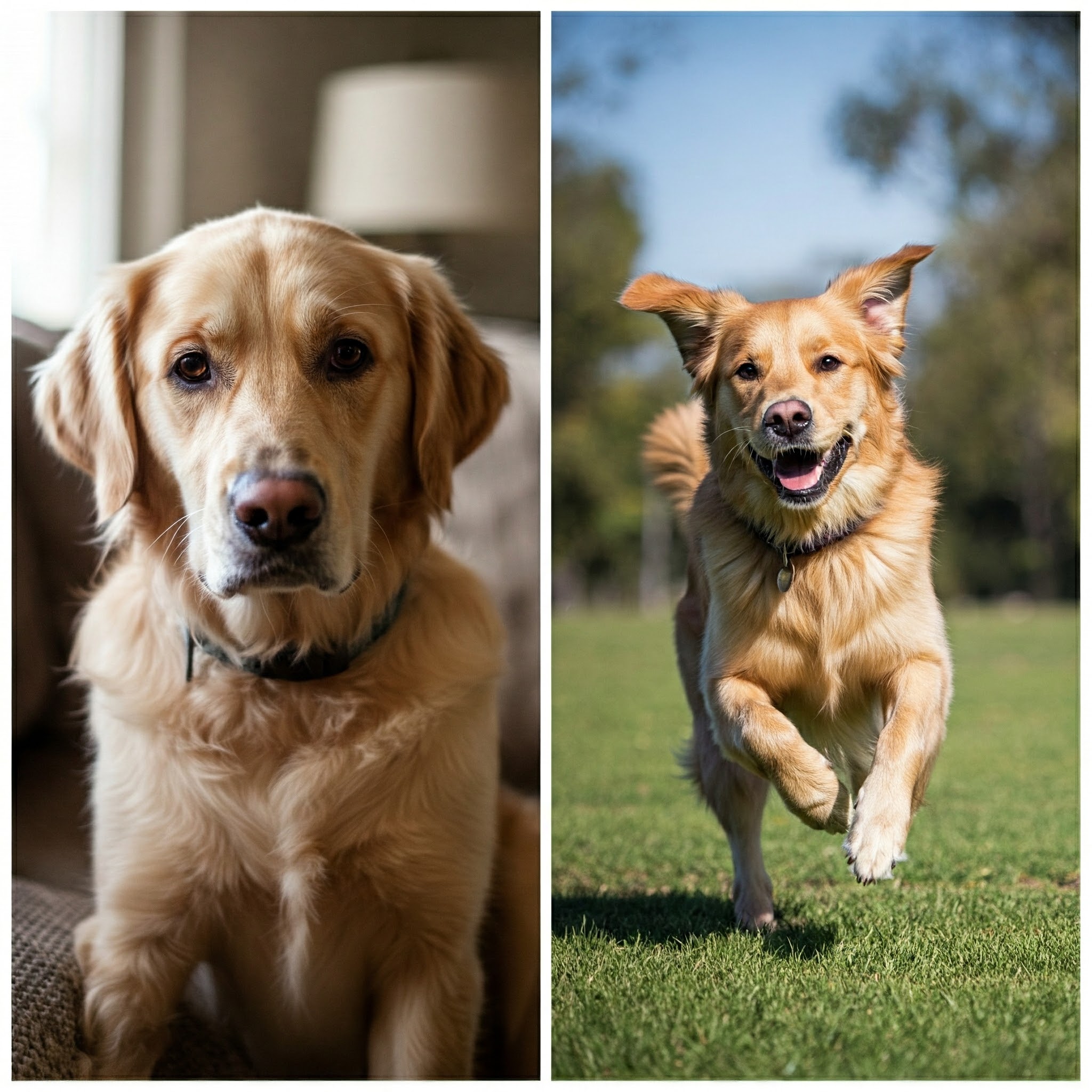
Final Thoughts
Training your dog isn’t just about teaching commands—it’s about building a relationship based on trust, understanding, and mutual respect. By focusing on meeting your dog’s physical, mental, and emotional needs, you create the foundation for a well-rounded and happy companion who is eager to learn and connect with you.
The journey of training is a shared experience, one that strengthens your bond with your dog while helping them navigate the world with confidence and joy. It’s about more than just curbing unwanted behaviors; it’s about unlocking your dog’s full potential and nurturing a fulfilling partnership.
A Few Key Takeaways:
• Behavior Reflects Needs: If your dog is acting out, look deeper to identify whether they need more exercise, mental stimulation, or emotional support. Addressing the root cause is always more effective than simply correcting the behavior.
• Training is a Lifelong Process: Dogs are constantly learning, whether you’re actively training them or not. Take advantage of everyday moments to reinforce good behavior and maintain their skills.
• Patience and Positivity Go a Long Way: Every dog learns at their own pace. Celebrate small victories, be consistent, and focus on creating a positive environment for learning.
Why It Matters
When you approach dog training with empathy and a commitment to meeting their needs, you’re not just raising a well-behaved pet—you’re enriching your dog’s life in every way. A happy, balanced dog is a joy to have in your life and will reward your efforts with loyalty, love, and countless moments of joy.
Remember, training is not a race to perfection. It’s a journey of growth and connection, where both you and your dog learn to communicate and thrive together. Whether you’re tackling a behavioral challenge or teaching a new trick, every moment spent training is an investment in a lifelong bond that will only deepen with time.
Share Your Story
What’s been the most rewarding part of training your dog? We’d love to hear about your experiences, tips, or questions in the comments below. Let’s celebrate the incredible journey of dog training together!