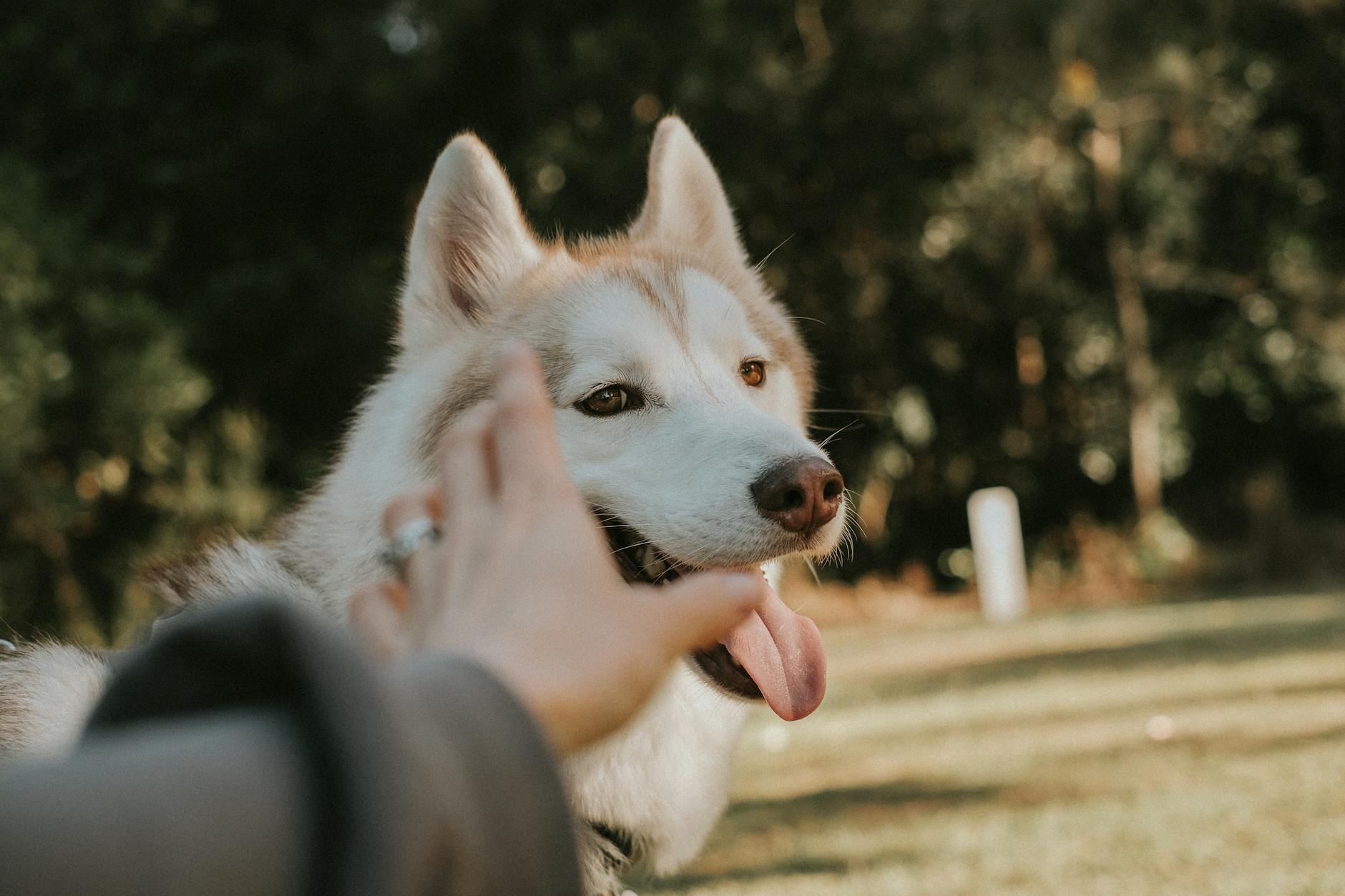
Recall is one of the most critical commands for a dog’s safety, especially during off-leash walks. Advanced dog recall training allows you to confidently give your dog the freedom to explore, knowing they’ll reliably return, even in distracting environments. Whether avoiding dangers like busy roads or ensuring they stay close during adventures, a strong recall is essential. Not only does it give peace of mind to the owner, but it enhances the dog’s overall experience, fostering trust and deepening the bond through shared exploration.
With Dexter, I found that using ball training significantly boosted his recall as it gave him a fun reason to come back. With Tilly, we started recall training right away—literally the day after we brought her home at 10 weeks old. Now, at 12 weeks, her recall is already very strong, both in the garden and inside the house, even when she’s distracted by exciting visitors or playing with Dexter. It’s been really encouraging to see how quickly she’s picked it up!

Building a Strong Recall Foundation
To establish a strong recall foundation, it’s important to start early and make the experience positive and engaging for your dog. Choose a consistent recall word, such as “come” or “here,” that’s clear and easy for your dog to associate with returning to you. Use high-value rewards like favourite treats, praise, or a favourite toy when your dog responds correctly. Begin in quiet, low-distraction environments such as indoors or in the garden. This allows your dog to focus solely on you, helping to solidify the association between the recall word and the action of returning. Once your dog is responding reliably in these areas, gradually introduce more distractions, like other people or toys, to reinforce their ability to focus and come back in different scenarios.
Another key element is keeping training sessions short, fun, and always ending on a positive note. You want your dog to associate recall with something rewarding and enjoyable, so avoid frustration or punishment. Start by calling your dog from short distances, increasing the range as their recall improves. Make it exciting for them to return by using a cheerful tone, crouching down, or even running away to encourage them to chase after you.
Finally, consistency is everything. Practice recall regularly, in various situations, and make sure it always results in something positive for your dog. Over time, this repetition will reinforce the behaviour, making your dog more likely to respond even when faced with distractions or temptations.
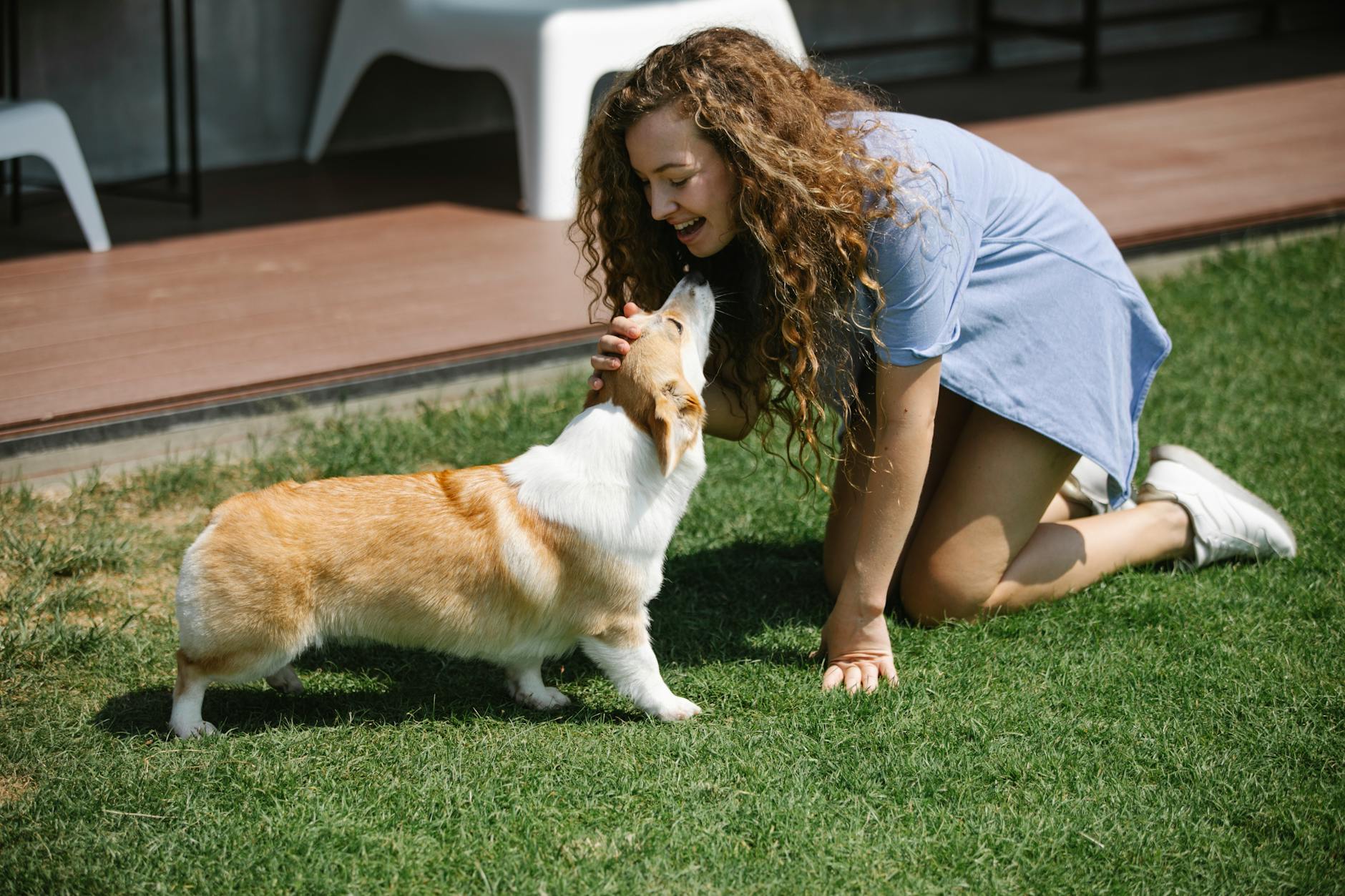
Common Mistakes to Avoid in Advanced Dog Recall Training
When teaching recall, it’s easy to fall into certain traps that slow progress or even create setbacks. One frequent mistake is inconsistency, which confuses dogs. Always use the same recall command with a clear and upbeat tone. Inconsistent tones or changing commands can dilute the meaning and make recall unreliable.
Another pitfall is progressing too quickly. It’s tempting to rush into more distracting environments, but dogs need time to master recall in familiar, low-distraction settings first. Jumping too quickly into high-distraction environments like parks or areas with other dogs may overwhelm them and lead to failure. Take the time to practice recall indoors or in quiet areas before gradually increasing the difficulty by introducing distractions.
Punishing your dog for a slow or late response can also be counterproductive. Even if your dog takes their time to come back, it’s crucial to reward them once they do. Punishment creates negative associations with returning to you, making it less likely they’ll want to do it in the future. Instead, maintain a positive attitude and encourage them, even if their response isn’t perfect.
Additionally, avoid calling your dog only when something unpleasant is about to happen—such as the end of playtime, leaving the park, or going to the vet. If your dog learns that “come” always means something they don’t enjoy, they may be reluctant to respond. To avoid this, make sure to call your dog for positive reasons too, such as giving them treats, starting a fun game, or just for a quick cuddle.
Finally, over-reliance on treats can weaken recall if the dog only comes back when food is involved. It’s essential to mix up rewards—sometimes offer a toy, playtime, or praise—so that your dog doesn’t associate recall strictly with food, ensuring they’ll come back regardless of what’s being offered.
By steering clear of these common mistakes, you’ll be better equipped to develop a strong and reliable recall that works in a variety of situations.
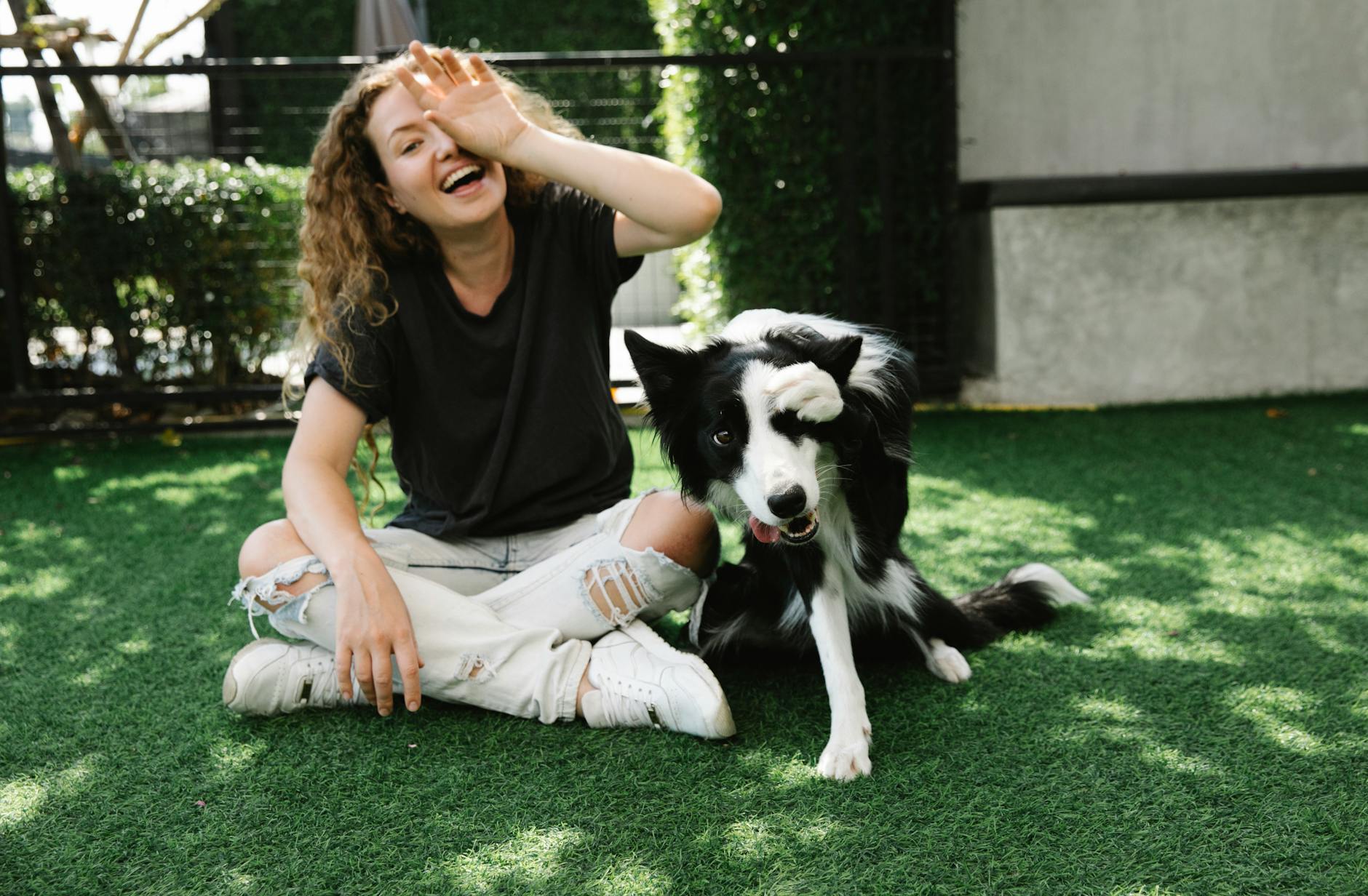
Advanced Techniques to Enhance Recall
Once your dog has a solid recall foundation, you can move to advanced techniques to make recall even more reliable, especially in high-distraction environments.
1. Introduce Long Line Training: Use a long lead to simulate off-leash conditions while maintaining control. This lets your dog practice recall from a distance while ensuring they can’t wander too far.
2. Practice in High-Distraction Areas: Once your dog masters recall in familiar, low-distraction environments, gradually expose them to busier places like parks, where they encounter other dogs, people, and smells. Start at a distance and work closer as your dog becomes more confident.
3. Use Different Recall Cues: In addition to verbal commands, consider using a whistle or hand signal for recall. A whistle is particularly helpful in noisy environments or when your dog is far away. Hand signals can be a great backup for visual cues.
4. Incorporate Scent Work or Play: For dogs that enjoy specific activities like ball fetching or scent work, incorporate these into recall training. For example, call them to you between ball throws or during a game of hide-and-seek. This builds excitement and reinforces the idea that coming to you leads to fun.
5. Random Reinforcement: Vary the type of rewards to keep your dog guessing. While food is a strong motivator, sometimes offer playtime, a favourite toy, or praise. This ensures your dog will recall no matter the reward, as they won’t know what’s coming but will expect something positive.
6. “Chase Me” Game: Dogs love a good chase, so use this to your advantage. After calling your dog, run a few steps away from them to make it a game. This taps into their natural instincts and makes returning to you exciting.
7. Proofing Recall with Controlled Challenges: Invite friends with their dogs or visit a dog-friendly park and practice recall in these controlled situations. Each success in a challenging environment builds your dog’s confidence and responsiveness.
8. Keep Training Fun and Unpredictable: Incorporate recall randomly during walks or playtime, not just when you need your dog to stop something. This prevents your dog from associating recall with the end of fun and encourages consistent returns.
By using these advanced techniques, you’ll enhance your dog’s recall reliability, even in highly stimulating environments, allowing them greater freedom and safety during off-leash activities.
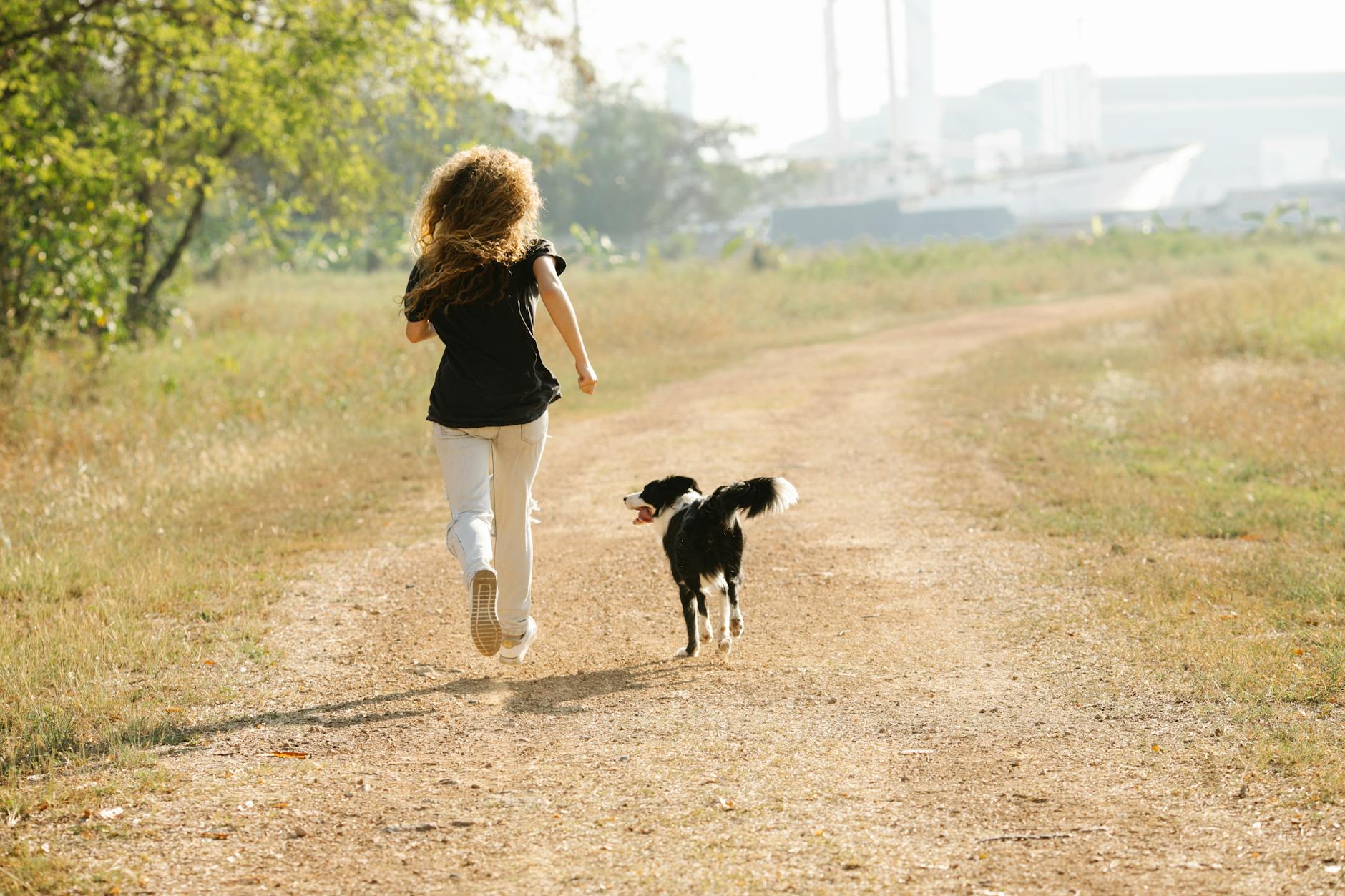
Advanced Dog Recall Training Conclusion
Mastering recall is a vital skill for any dog, ensuring their safety and granting them the freedom to explore the world off-leash. By establishing a strong foundation, avoiding common mistakes, and incorporating advanced techniques, you can create a reliable recall that holds up even in challenging environments. This journey takes time, patience, and consistency, but the rewards are immense. Not only will you have peace of mind knowing your dog will return when called, but your bond with them will deepen as they trust and respond to your commands.
Training should always remain a positive experience. Make recall fun by incorporating games, praise, and varied rewards, so your dog associates coming back with something exciting. By turning it into a rewarding exercise, your dog will learn to come back eagerly, whether you’re calling them from across the garden or away from distractions like other dogs or wildlife.
Ultimately, mastering recall is more than just a training goal; it’s a way to give your dog the freedom to explore their surroundings while ensuring their safety. It strengthens the bond between you and your dog, allowing for greater trust, communication, and confidence in off-leash situations. Whether you’re training a puppy like Tilly or fine-tuning the skills of an older dog like Dexter, consistent practice, patience, and positive reinforcement will lead to success. Keep training fun and varied, and you’ll be amazed at how reliable your dog’s recall can become!