Hey dog lovers! Do you ever wish your dog could just talk to you? Well, guess what? They do, in their own special way – through their bodies! Understanding canine body language is like learning a secret code that unlocks a whole new level of communication with your furry best friend.
Decoding Canine Body Language: Tails, Eyes, and More
Let’s break down some of the most common canine body language cues:
Tails Up! (or Down?):
- The Helicopter: Those super-fast, whole-body wags are like doggy fireworks! This often happens when you come home, during playtime, or if they get a super tasty treat. It’s pure, unfiltered joy.
- Slow, Relaxed Wag: Think gentle swaying rather than a whirlwind. This means your dog is feeling content and at ease in their environment. You might see this as you’re chilling on the couch together or giving them gentle pets.
- Left or Right: Here’s where things get interesting: recent studies suggest that high wags directed towards the right side of their body might indicate positive alertness like playful anticipation, while a high wag towards the left might signal negative alertness like guardedness towards something unfamiliar.
- High and Stiff: Picture a flagpole tail held straight up! This is full-on alert mode. It could be a playful excitement (like spotting a squirrel), but sometimes it signals a bit of tension. Watch for other body language cues – is their body relaxed, or a bit stiff too?
- Low or Tucked: A lowered or tucked tail is a clear sign that your dog is feeling worried, anxious, or submissive. They might be in a new situation, meeting a new person, or feeling unwell. Give them space and offer reassurance.
Important Note: Tail position and wagging are just one piece of the puzzle! Always look at their ears, eyes, and overall body posture to get the full picture of what your dog is feeling.
Eye Spy: Decoding Those Expressive Eyes
Your dog’s eyes offer a powerful glimpse into their emotional state. Here’s what to watch out for:
- Soft Eyes: Relaxed eyelids and a gentle gaze are a telltale sign your dog feels safe, content, and loved. You’ll often see this when they’re cuddling with you, getting belly rubs, or just hanging out in their favorite spot.
- Wide Eyes, Whites Showing: Also known as “whale eye,” this is a classic sign of stress or anxiety. Your dog might be feeling overwhelmed, threatened, or unsure of a situation. Some common triggers include loud noises, unfamiliar people or animals, or being in a new environment. If you see this, give them space and try to identify what’s causing their worry.
- Hard Stare: An intense, direct stare could be a few different things. In some playful contexts, it’s just focus – like when they’re eyeing a ball you’re about to throw. However, if paired with stiff body language, it can sometimes be a sign of a challenge or a display of dominance. If an unfamiliar dog is giving you the hard stare, it’s best to avoid direct eye contact and create some distance. With your own dog, it might be a sign they need more training or a redirection to get them disengaged.
- The ‘Avoidance Look’: When your dog deliberately looks away, turns their head, or averts their eyes, it’s usually a sign they’re feeling uncomfortable, unsure, or want some space. This might happen during training if they’re getting frustrated, while meeting someone new, or if they’re feeling under the weather. Respect their need for a break and let them approach you when they’re ready, or take steps to remove them from the stressful situation.
Important Notes:
- Pupil Dilation: When dogs are excited or aroused (either positively or in a stressed way!) their pupils may dilate, making their eyes appear larger.
- Squinting: Slightly squinted eyes could signal discomfort or even pain. If you notice this often, a vet check might be in order.
Ear Signals and Mouth Matters: A Mixed Message
What your dog’s ears and mouth are doing can reveal a whole range of emotions. Here’s how to decode them:
- Ears Up and Forward: Picture those ears perked up like little satellite dishes! This means your dog is fully focused and alert. They might be intently listening for something, super curious about a new object, or ready to spring into playful action.
- Ears Back: This one gets tricky! Ears back can mean several things depending on the rest of their body language:
- Playful: If their body is wiggly, tail wagging, and they’re in a play bow position, those laid-back ears are a sign of happy excitement.
- Submissive: Ears flattened back with a lowered body, tucked tail, and maybe even averted eyes, means they’re feeling submissive and appeasing.
- Anxious/Scared: Slightly pinned-back ears combined with tense body posture, wide eyes, and a tucked tail are signs of fear or uncertainty.
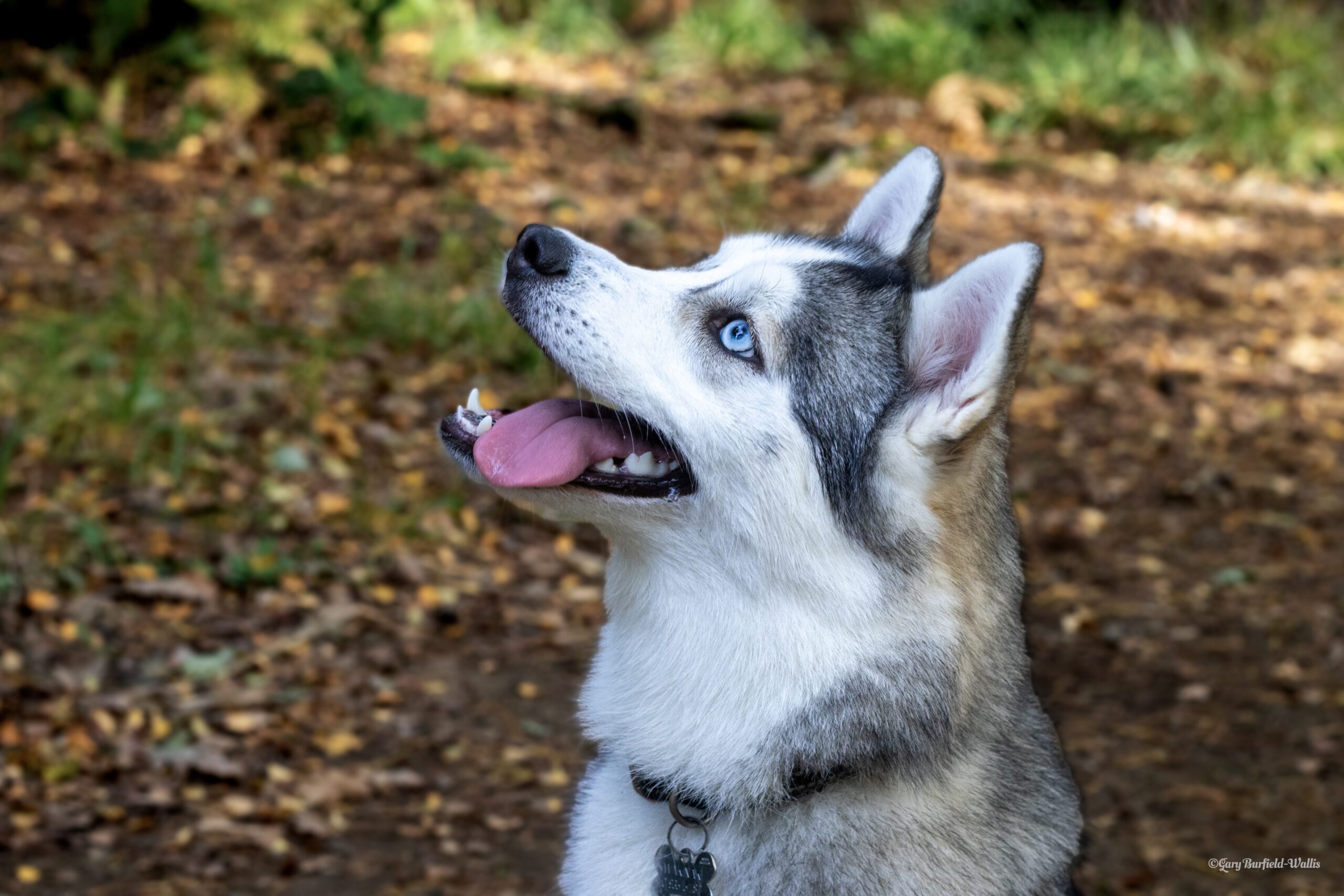
- Relaxed Mouth, Pant-Smile: A happy, relaxed dog often has a slightly open mouth with their tongue lolling out in a soft “pant-smile.” Watch those lips – a gentle curve upwards at the corners is a sure sign of contentment.
- Tight Lips, Teeth Showing: This is a major warning sign not to be ignored. A dog with tightly pulled-back lips, bared teeth, and maybe even growling is feeling threatened or ready to defend themselves. In this situation, it’s crucial to give them space and avoid any action that might escalate their defensiveness.
Important Notes:
- Breed Variation: Dogs with naturally floppy ears (like Basset Hounds) or cropped ears have less range of ear-based communication. Focus on their body posture and tail instead.
- The Wrinkled Nose: A slightly wrinkled nose along with tight lips and bared teeth is another strong indicator of aggression or a potential to bite.
- Yawning: While yawning in humans means sleepy, dogs often yawn when feeling stressed or anxious. It can be a way to calm themselves.
The Full Body Breakdown: A Posture Primer
Your dog’s whole-body posture is often the clearest indicator of their emotional state. Look out for these common cues:
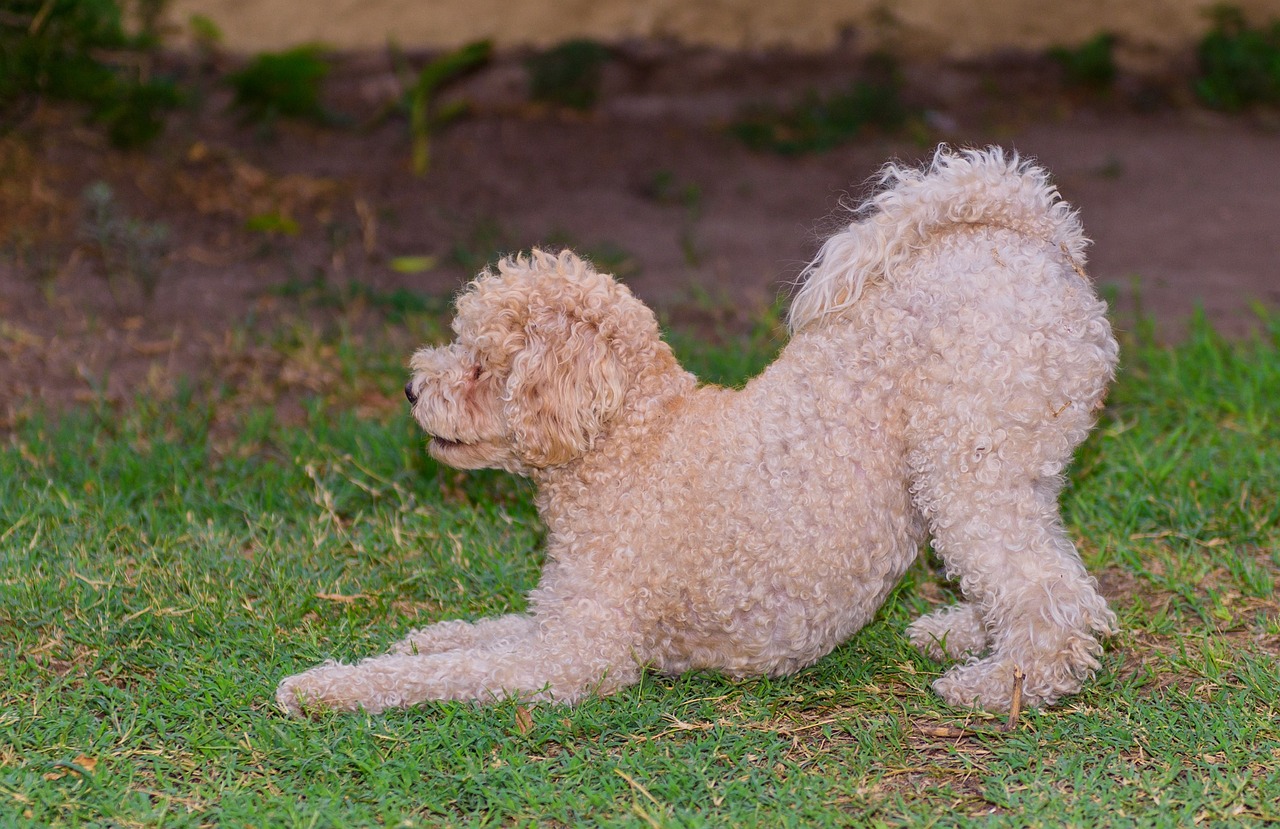
- Play Bow: The classic “let’s have fun” signal! When your dog drops their front end low, playfully wiggles their butt, and has a bright, happy expression, they’re sending a clear invitation to play. You might see this before a game of fetch, a wrestling match with another dog, or even a solo zoomie session.
- Stiff and Tall: Think of this as your dog standing up a little straighter and puffing out their chest slightly. This posture can convey a range of emotions:
- Confident: A dog that feels comfortable and secure in their environment might strut around with this taller stance.
- Alert: Maybe they’ve spotted something interesting, or there’s an unfamiliar noise that has their attention. Their ears will probably be perked up, and they’ll likely be scanning their surroundings.
- Slightly Guarded: If they’re stiffening their body in response to something they perceive as a potential threat (another dog, a stranger, etc.), there will likely be other signs like hard eyes and maybe even a low growl.
- Cowering: This fearful posture is hard to miss: a dog trying to make themselves small. Their body will be lowered, their tail tucked, and they might be trembling. Possible reasons for this posture include:
- Submission: To signal they mean no harm in the presence of a more dominant dog or during an unpleasant interaction.
- Fear/Anxiety: Caused by anything from loud noises and fireworks to vet visits or a negative past experience.
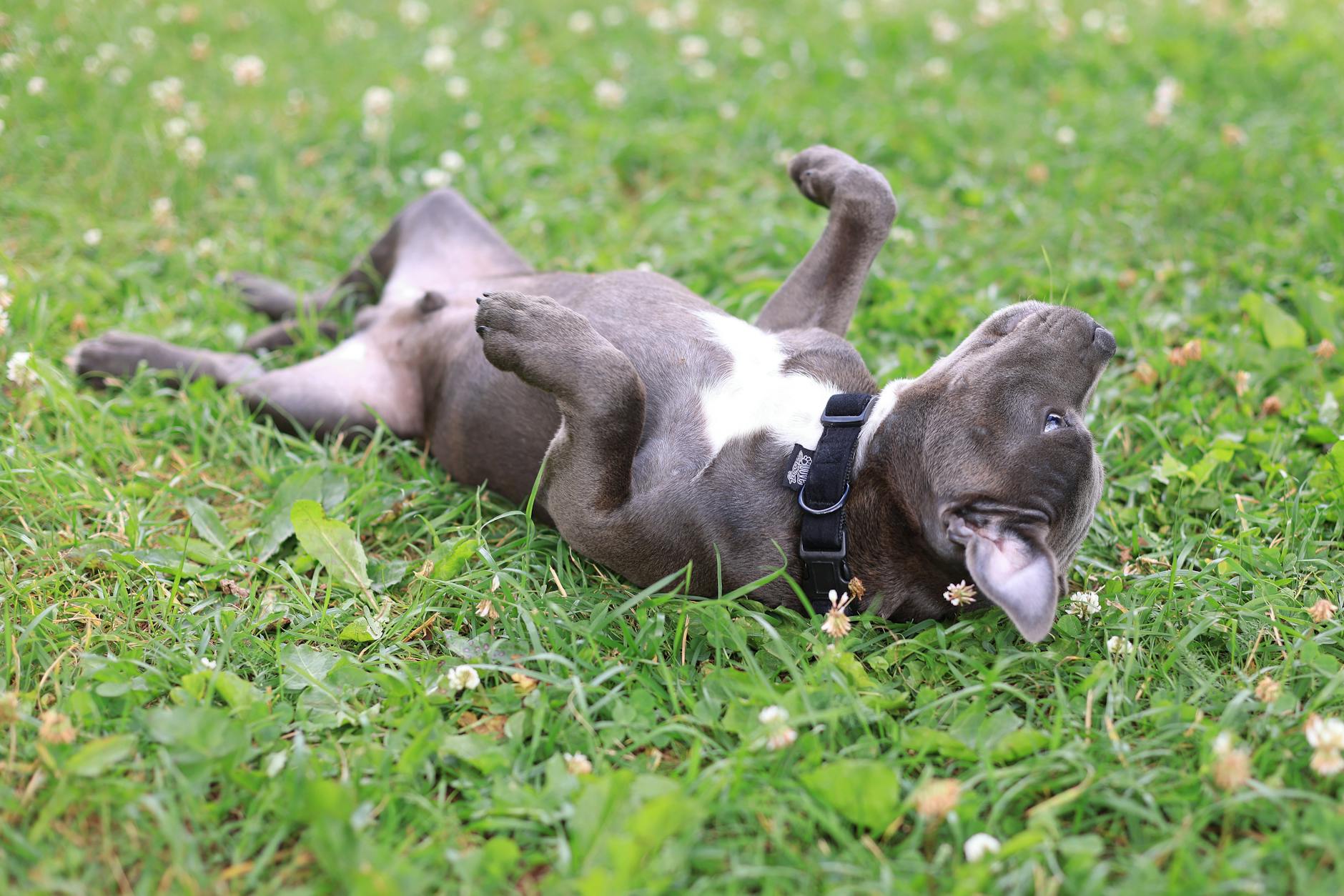
- Belly Roll: The ultimate sign of trust and submission! When your dog flops onto their back and exposes their belly, they’re often inviting belly rubs and showing they feel completely safe and loved. However, sometimes a dog might do a partial belly roll or flash their belly as a playful or appeasing gesture in other contexts.
Key Reminder: It’s always crucial to assess your dog’s entire body language and the broader context of the situation to fully understand the message they’re sending.
Canine Body Language: Important Things to Remember
- Every Dog is Unique: Just like humans, every dog has their own distinct personality and way of expressing themselves. While there are general commonalities in canine body language, get to know your dog’s individual baseline behaviours. How do they normally act when happy? What are their little “tells” when they’re getting anxious? The better you know your dog, the better equipped you’ll be to read their cues.
- Consider the Context: It’s crucial to always look at the whole picture, not just a single body part in isolation. A playful wagging tail with a relaxed body is very different from a stiff wag with a tense stance. Here are some things to ask yourself about the situation:
- Environment: Is your dog in a familiar place or somewhere new? Are they at home, at the dog park, or at the vet’s office?
- Triggers: Does your dog have any known sensitivities (loud noises, strangers, other dogs)? Are any potential triggers present?
- Interactions: How are they interacting with other dogs, people, or objects in the environment?
- If Unsure, Back Off: Even with careful observation, there may be times when you’re not entirely sure what your dog is trying to communicate. In those situations, it’s always best to err on the side of caution and give your dog space. Forcing interaction when they’re showing signs of fear, anxiety, or defensiveness can escalate a situation. Always respect their boundaries, let them approach you if they want to, and if you’re concerned, don’t hesitate to seek professional help from a certified dog behaviourist.
Bonus Tip: Become Aware of Your Own Body Language
Dogs are incredibly perceptive and pick up on our subtle cues too. To avoid mixed signals, be aware of your own body language when interacting with your dog. Tense posture, fast movements, or raised voices can inadvertently make them anxious or defensive when it’s not your intention at all.
Bonus: Common Canine Body Language Misconceptions
There are a few widespread misunderstandings about dog body language that can get us into trouble. Here are a couple of classics:
- Myth: A wagging tail always means a happy dog.
- Truth: While a fast, loose wag is often a joy signal, it’s not the whole story. Pay attention to these key factors:
- Wag Position: Is the tail high, low, or tucked? A high, stiff wag can mean alertness or even agitation.
- Speed and Motion: Is the wag loose and wiggly or tight and controlled?
- Overall Posture: Tense body + stiff wag = not a happy camper. Relaxed body + loose wag = likely feeling good!
- Truth: While a fast, loose wag is often a joy signal, it’s not the whole story. Pay attention to these key factors:
- Myth: A dog licking its lips is just hungry.
- Truth: While lip-licking can indeed happen when anticipating a yummy treat, it’s also a common sign of stress or appeasing behavior. If a dog is licking its lips and showing other signs of unease (ears back, whale eye, cowering), they’re likely trying to calm themselves (or someone else) in a tense situation.
- Myth: A dog looking guilty means they know they did wrong.
- Truth: That slumped posture, sad puppy-dog eyes, and tucked tail aren’t admissions of guilt. Dogs learn by association. Chances are, they know you’re upset, and their “guilty” look is an attempt to appease an angry human, regardless of whether they truly understand what they did wrong.
Additional Misconceptions:
- Yawning always means tired. Dogs also yawn to defuse tension and calm themselves.
- Rolling on their back always means they want belly rubs. Sometimes it’s a sign of submission or a defensive posture.
Key Takeaway: Understanding the nuances of dog body language prevents misinterpretations and strengthens your bond with your furry friend!
Become a Dog Whisperer: The Rewards of Reading Body Language
Learning to decode your dog’s body language is like unlocking a superpower. The more you observe and understand their subtle cues, the more you’ll become attuned to their needs, emotions, and personality. This deepens your bond and paves the way for a more fulfilling relationship for both of you. Here’s why:
- Strengthening Trust: When your dog knows you understand their signals, whether it’s a happy play bow or a worried look, it builds their trust in you. They realise you’re paying attention and truly care about their well-being.
- Proactive Care: Tuning into your dog’s non-verbal cues can help you identify potential problems early on. Noticing slight changes in posture or body language might alert you to discomfort, pain, or growing anxiety before it escalates.
- Stress Reduction for Your Dog: When you know how to read their signals, you can avoid situations that cause them stress or fear. This lowers their overall anxiety, making them a happier, calmer dog.
- Smoother Interactions: Understanding canine body language helps you navigate tricky situations more gracefully. Whether introducing a new dog to the family, going to the vet, or just dealing with everyday encounters, you’ll be better equipped to respond in a way that reduces stress for your dog and creates positive experiences.
- A Happier Home: A dog that feels understood, safe, and cared for is a dog that thrives. This translates to better behavior, a stronger connection with you, and a more harmonious life for both of you.
It’s an Ongoing Journey!
Remember, learning dog body language is a lifelong process. Your dog will constantly teach you new things, and your understanding will grow deeper with time and attention. Enjoy the journey of discovering all the ways your canine companion communicates with you!
Want to learn more about canine body language? Let me know in the comments!