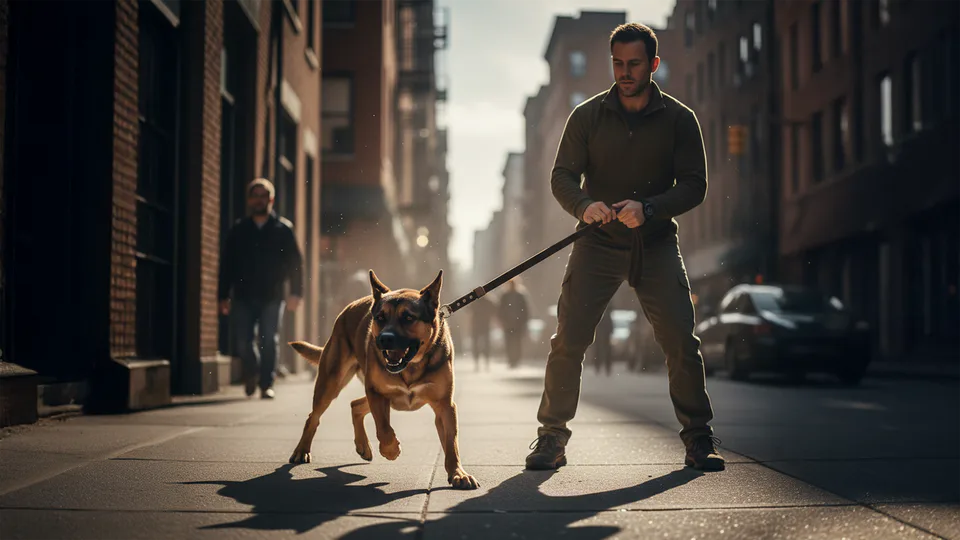
As a dog parent, a walk should be enjoyable for both you and your furry friend. But if your dog lunges, barks, or growls at other dogs, people, or even cyclists while on the lead, exhibiting what’s known as aggressive on leash behaviour, those walks can turn into a source of stress and anxiety. While it can be frustrating, rest assured, this behaviour is surprisingly common and can often be improved with patience and the right approach.
Why the Jekyll & Hyde Act on Leash?
Here’s the thing: Your dog might be perfectly friendly while off-leash at the dog park, but turn reactive when those paws hit the pavement. Here’s why that might be:
Limited Movement: The Leash Takes Away Options
Dog Body Language 101: The Nuances the Leash Hides
Dogs are masters of nonverbal communication. Every shift in posture or even minute facial changes convey volumes to other dogs and attentive humans. Think of it as their way of having a whispered conversation before resorting to a full-blown shouting match. Here’s what gets restricted by the leash:
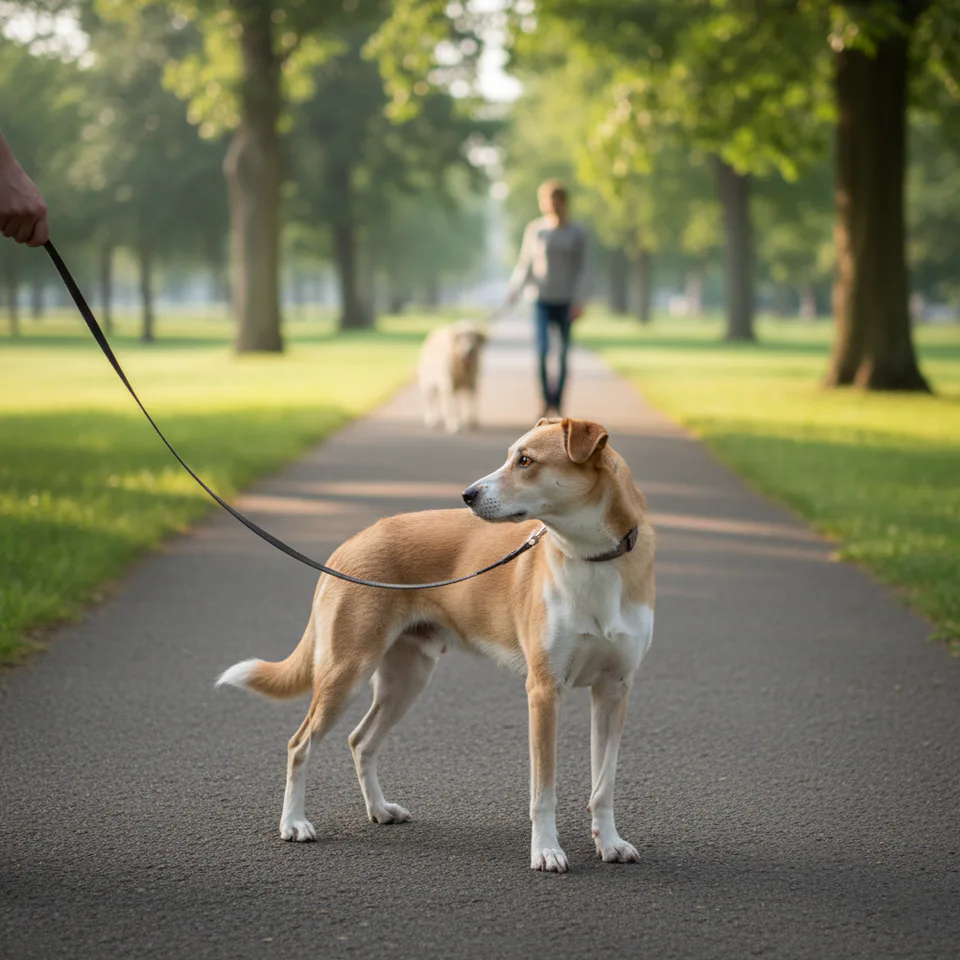
- The Appeasement Arc: When slightly unsure, a dog might curve their body away, creating distance without needing to flee. On leash, they lack the physical freedom for this curve.
- Tail Talk: A happy, gently wagging tail is far different from one tucked low or stiffly held high. These communicate everything from friendly intent to anxiety, but on leash the positions have less room to maneuver.
- Ear Language: Whether perked forward in curiosity or pinned back in fear, those expressive ears lose their range of motion when tight to the head with a taut leash.
- “Whale Eye”: When a dog exposes the whites of their eyes while turning their head slightly but keeping the body fixed, it signals discomfort. This early warning sign is hampered by a leash’s tension.
Consequences of Miscommunication:
Imagine trying to negotiate a tense situation while tied to a chair – that’s how it can feel for a dog on leash. Here’s how communication breakdowns often lead to reactive behaviour:
- Warning Ignored: Those initial “I’m nervous” subtle body cues go unnoticed by the other dog approaching, making your dog feel the need to escalate.
- Mistaken Aggression: What looks like a fierce snarl may have started as a dog trying to lick its lips because it was worried – an appeasement gesture lost in translation.
- Mismatched Energy: Leashes artificially force interaction. If one dog is cautiously checking out another, while the second wants full-on playtime, frustration can erupt.
Understanding Canine Body Language: From Observer to Advocate
Reading your dog’s signals lets you step in before things reach a boiling point. Here’s how you can go from a worried owner to a proactive advocate:
- Spot the Early Signs: Stiffening posture, a lip lick when there’s no food around, ears flattening – these small shifts indicate rising stress before your dog barks or lunges.
- Become a Space Creator: Instead of letting your dog get closer to the trigger, gently increase distance in the way they seem most comfortable. This could be changing direction, crossing the street, or a well-rehearsed ‘U-turn’.
- The Gift of Choice: If possible, avoid head-on approaches by letting your dog sniff interesting patches of grass as a distraction when you see someone approaching. This gives them some sense of control.
Feeling Cornered: Empathy Builds Better Walks
Put yourself in your dog’s paws for a moment. Being stuck in a situation that grows scarier by the second, unable to move how you ‘naturally’ would to ease your fears…it’s a recipe for feeling trapped and needing to lash out. By acting on those body language cues, you create an escape route that prevents the need for reactivity.
Trigger Stacking: The Invisible Pressure Cooker
Even dogs generally unbothered by bikes zipping by may reach a breaking point if they’ve recently had a tense dog encounter, their paws are hot on the pavement, and then are surprised by a skateboarder suddenly appearing. Each stressor is like turning up the temperature, and reactivity becomes the overflow. Here’s how to lower the heat:
- Control What You Can: Choosing quieter walking times and routes reduces the trigger load your dog experiences in one go.
- Short & Sweet Success: Early on, keep walks on the shorter side to avoid cumulative stress and build positive experiences instead.
- Training in Bite-Sizes: Don’t try to ‘fix’ reactivity on walks only. Incorporate short training sessions in low-trigger environments (your yard, quiet hallway) to build skills they can call upon when out in the wider world.
Note: While understanding and proactively managing things helps immensely, reactivity often requires more dedicated training to create deep, lasting change. Don’t hesitate to consult a qualified professional, especially if reactivity seems severe!
Frustrated Greetings
The Science Behind Social Needs
While walks seem simple to us, for dogs they’re an essential way to navigate their world. Sniffing isn’t just about bathroom breaks! Smells communicate EVERYTHING about who lives in the neighborhood, if a female is in heat, or whether those two dogs hanging out at the corner are potential friends. Leash walking often hinders a dog’s ability to fully tap into this complex information network.
Stuck on the Social Sidelines
Picture the excited energy you feel spotting a loved one across the room. Your natural response is to move towards them and connect. A leashed dog gets the visual information (“FRIEND!”) but no ability to act on that excitement. This mismatched sensory input builds mounting frustration until they reach a breaking point.
A Blurred Line: Play Isn’t Predatory…Until It Is
In playful contexts, actions mirroring predatory behavior often occur – it’s all about how it’s communicated. Leaping excitedly to initiate play on leash doesn’t look the same as an unleashed dog engaging at their own pace. The restrained exuberance looks similar to an intent lunge, making friendly signals threatening. Sadly, a few bad experiences of play mistaken for aggression can sour a dog on even attempting further greetings.
Barrier Frustration 101
It’s human nature: the harder it is to get something, the more we want it. For a dog repeatedly faced with their leash preventing them from fulfilling social needs, each passing dog increases the importance of getting to the next one. It becomes less about that specific individual, and more about desperately breaking that leashed isolation.
Beyond the Breed: The Role of Early Life
While certain breeds can be predisposed to reactivity, don’t underestimate the effect of a young dog’s experiences. Puppies and adolescents with limited healthy dog socialisation are likelier to react in confusing, even fearful ways to encounters on leash since they lack strong “doggie communication” skills and a positive reference point for past greetings.
Redefining a Rewarding Walk
Leash frustration doesn’t spell the end of enjoyable walks altogether! It means rethinking what ‘good’ looks like. Instead of seeking constant sniffing interactions, help your dog find social satisfaction in engaging with YOU. Training games at a distance from other dogs, structured playtimes in fenced areas, and rewarding focus on you over attempting leash greetings make walks fulfilling rather than defeating.
Protecting You: When Love Gets Loud

It’s important to remember: Your dog lunging and barking out of perceived protection for you doesn’t come from a place of malice. It stems from a deeply ingrained desire to ‘keep their pack safe’ combined with the limitations that leashed walks create. To them, they are bravely fighting off danger!
Misguided Guardians: Historically, many breeds were purposefully bred for protective roles – guarding livestock, alerting to strangers, or even direct defence. Today, those genes live on in our pets, but without clear ‘jobs’ this instinct manifests often in unhelpful ways. A passing jogger becomes a perceived threat to their beloved human, triggering an outsized reaction.
The Anxiety Loop: Your Stress Fuels Theirs
Imagine being tasked with a highly important duty, but you’re only seeing part of the situation. That’s how some dogs feel on walks. If your dog senses a threat and you yourself tense up, tighten the leash, or express worry with your voice, their fears solidify. It’s vital for walks to be a ‘team environment’ with calm energy – otherwise, that protective reaction escalates.
Cracks in Confidence: When Their Leader Seems Scared
A dog who believes you, their human, can’t handle everyday interactions naturally lacks confidence in navigating on their own. It’s not necessarily something you’ve done wrong! Some dogs are naturally insecure, others pick up on subtle worry cues from their owners. Building trust on those walks involves projecting capable, reassuring energy and handling unexpected situations calmly.
The Trust Triangle of Training
Addressing protection-based reactivity takes more than training a perfect heel. It involves:
- Managing triggers: Knowing your dog’s tolerance zone and respecting it avoids fuelling the “I must protect!” attitude in the first place.
- Building trust: Showing your dog through positive, structured walks that you can handle what the world throws at you lays the foundation for calmness.
- Training as Partnership: Teaching skills like ‘on me’ focus or planned U-turns aren’t just obedience—they show your dog they don’t need to shoulder the responsibility for everyone’s safety.
Past Experiences: Trauma Shapes Behaviour
The Brain Remembers: When Trauma Shapes Walks
Dogs don’t have complex reasoning the way we do. It’s not that they consciously decide “all dogs are dangerous now” after one bully on the block. They learn by association, and when bad experiences happen in specific contexts, it paints their perception of all future leash walks.
Why the Leash Matters: Imagine being unexpectedly attacked while trapped in a small elevator. Even if you logically know most elevator rides are fine, you’d approach one with fear after. For dogs, the leash creates that feeling of limited options and the sense that even an escalating threat cannot be avoided.
It’s Not About the Severity: Sometimes, it’s a full-on dog fight. But even being barked and lunged at by a dog behind a fence, while unable to retreat themselves, creates lingering feelings of vulnerability. Even “minor” incidents leave a significant emotional mark due to the context the leash creates.
The Speed of Learning: Unlike humans, who might rationalise after the fact, dogs are wired for fast associative learning to aid in survival. This means those negative leash experiences imprint deeply and swiftly – often taking FAR longer to dismantle than they took to instill.
Beyond the Obvious: Don’t assume it has to be an aggressive dog encounter. An overexcited leashed greeting gone wrong, painful vet visits while harnessed, or even loud startling noises during walks can all create the equation: “leash = something bad is about to happen”.
Helping Them ‘Unlearn’: The Challenge
While a single bad experience creates an association, consistent positive ones slowly undo it. Here’s the catch: This isn’t about forcing lots of dog interactions on leash – which usually backfires spectacularly. Instead, building layers of good experiences includes:
- Short, low-stress walks: Success breeds success.
- Decompression: Time in nature to sniff and explore leash-free (safely!) helps regulate their overall stress levels.
- “Look at That!” Training: Rewarding calmness at a distance begins to replace their “something bad is imminent” mindset.
Deciphering the Doggie Mind: Why “It’s Not Personal” Is So Important
It’s tempting to assume a dog who barks and lunges at a seemingly-sweet Lab hates Labradors. But it’s about what that dog associates with being on leash, not hating specific breeds as a whole. This perspective shift lets you:
- Depersonalise It: Reduce owner frustration with yourself and others. Often, owners of passing dogs feel judged when reactivity strikes, as though their dog ‘did something wrong.’
- Focus on Cause, Not Symptom: Avoid the futile cycle of trying to train out specific breed responses (“No barking at Poodles!”). Focus on healing the overall association your dog has with being on leash.
- Open Up Training Possibilities: Instead of fearing the presence of “that one breed,” you can use dogs at a distance for practice in a controlled way, knowing those specific pups aren’t the enemy.
It’s All About Leashed Limitations
Here’s why that friendly Aussie they happily romp with in a fenced park seems like a foe on walks:
- No Introductions: Leased greetings are usually awkward. Dogs prefer a sniffing arc. Lunging may be your dog’s desperate attempt to initiate normal canine greeting patterns under frustrating restraint.
- Trigger Stacking: Did a truck drive by right before that Golden Retriever appeared? Leashes amplify those accumulated stressors, so while normally your dog likes Golden Retrievers, their tolerance decreases with each added frustration.
- Past Patterns: Once reactivity imprints, context matters more than what they’re facing. That Golden Retriever may simply resemble the dog that scared them months ago, or they perceive its movements similarly (bouncy retrievers vs. a calm older dog are very different approaches).
Leash Reactivity = Leash Frustration
While breed familiarity does sometimes play a role, more often than not, it’s a deeper frustration built into the situation, not directed at specific dogs. Helping your dog feel good while leashed helps them see potential canine buddies as fun again, regardless of coat color!
Trigger Warning: It’s Not Just About Dogs
Leash reactivity stems from an underlying feeling of overwhelm when your dog feels their ability to cope is stretched too thin. Here’s where triggers go beyond barking at passing pups:
- The Sound Barrier: Skateboards, bikes coming up from behind, sirens blaring—sudden and unpredictable noises can be incredibly startling. Paired with limited options on leash, this often explodes outward as aggression, even if the noise-generating object is harmless.
- People Profiles: Is it men with beards, kids, people in hats? Sometimes the trigger isn’t about the person, but a past negative experience (yelled at by a delivery person in uniform) making your dog fear all similar-looking folks.
- Unseen Pressures: Even things like hot pavement, an overly tight collar, or being tired/hungry can lower your dog’s overall threshold for handling their usual walks. When another trigger arises, this creates a reactivity volcano with seemingly no cause.
- Environment Matters: Busy sidewalks vs. open trails, narrow walking paths vs. big grassy spaces – sometimes the setting makes all the difference, influencing how secure your dog feels.
Detective Mode: Decoding Your Dog’s Triggers
Identifying your dog’s unique triggers is as vital as training techniques. Here’s how to investigate:
- The Reactivity Journal: Jot down the date, time, location, what triggered the reaction, AND other seemingly neutral things about the environment at the time. Patterns emerge over time.
- It’s All in the Body: Notice the subtle signs before reactivity peaks (ears back, tense tail). What were they facing right then? This identifies triggers at lower levels, so you can intervene sooner.
- “Trigger Tests”: In a safe, controlled setting (your yard, maybe with a trusted friend walking by), expose your dog at distance to one potential trigger to see if you can replicate the reaction, helping pinpoint the cause.
Why Triggers Matter: Management vs. Modification
- Avoid = Success Early On: Knowing your dog melts down around bikes gives you options on walking routes, times of day, etc. This isn’t forever, but creates calmer groundwork for training.
- Targeted Training: “Look at that!” works best when you know it’s their skateboards causing trouble, not just every strange person.
- Empathy Boost: Once you see all the subtle things making your dog’s walks feel like a minefield, it’s easier to have patience and not take their reactivity personally.
Management & Training: The Dynamic Duo
Think of it like a sprained ankle. You wouldn’t go jogging immediately because it risks more damage – you use crutches first for support while the healing takes place. Leash reactivity works similarly:
Management: Building Safety & Resilience
Reduced Reactivity: The Key to Unlocking Learning
Think of your dog’s reactivity level like a bucket slowly filling with stress hormones. Every trigger they encounter – barking dog behind a fence, person approaching unexpectedly, skateboard whizzing by – adds more ‘water’ to that bucket. Once it overflows, that’s where the lunging, barking, and uncontrollable behavior spills out.
Below the Threshold: Where Progress Flows
By keeping your dog below their reactivity threshold, you are effectively keeping that bucket from overflowing. Here’s why this sets your dog (and you!) up for training success:
- Brain Power Online: When a dog is in full fight-or-flight mode, their ‘thinking brain’ shuts down. Trying to teach them skills in that state is like expecting someone to do complex math when they are panicked – nothing is absorbed.
- Positive Associations FTW: Below the threshold, your dog can truly hear you, notice those yummy treats, and think rather than simply react. Pairing their ‘trigger’ viewed from a safe distance with rewards builds up the idea that “bikes = chicken, not scary!”
- Avoiding Emotional Burn-Out: When dogs face overwhelming fear again and again, it becomes even harder to teach them that the world can be different. Below-threshold experiences let them decompress and start believing positive change is possible.
How to Recognise “The Threshold”
- Look for Subtlety: Those early warning signs (whale eye, lip licking, etc.) that you should turn the other way are signals you’re nearing the threshold, but ideally, try to keep walks even below those initial stress cues.
- It’s Individual: A highly reactive dog’s threshold may be 50 feet from another dog. One improving from successful management training might handle passing at 10 feet calmly. It’s not a competition!
- Behaviours Lie (Sometimes): A seemingly ‘calm’ dog may only be frozen – still internally panicking, but unable to act as their threshold has already been hit. Focus on body language cues alongside outward behavior.
Preventing Trauma: When “Practice” Does Harm
Imagine you’re absolutely terrified of spiders. Would being forced into a room full of them ‘cure’ your fear? Of course not! It amplifies your phobia, proving your worst instincts correct. Leash reactivity works the same – every explosion reinforces the dog’s anxieties. Here’s how outbursts create setbacks:
- Negative Reinforcement Loop: They lunge, the ‘threat’ (sometimes just a person walking their own dog) goes away, teaching your dog reactive displays succeed. This leads to escalation – what started as barking progresses to snarling because it ‘works’.
- Wiring the Fear Response: Brains wire based on experience. When dog faces trigger + feels panic = negative outcome, their brain adapts by reacting faster the next time to ‘fend off’ that outcome, regardless of whether a threat is real.
- Loss of Trust: If your dog senses that a) you’re letting them face things they cannot handle, and b) their attempts to communicate fear are ignored, their bond with you deteriorates. This hinders training immensely as the foundation isn’t secure.
The Power of a “Safe Walk”
When aiming for long-term change, the payoff of walks focused on management comes when training begins:
- Cumulative Calm: Each stroll below that threshold helps decrease your dog’s overall ‘baseline’ stress. They are likelier to ‘bounce back’ when they do inevitably get startled because they aren’t operating at peak fear 24/7.
- Emotional Reset: If dogs don’t get walks fulfilling their sensory needs in non-reactive ways, frustration becomes explosive. Sniffing opportunities, even brief periods off-leash in a secure area, allow stress ‘venting’ in a positive way.
- Confidence Building: Each time you calmly redirect when a potential trigger appears, your dog learns you are predictable and won’t put them in situations they cannot handle. This confidence makes them a braver learner overall.
It’s All About Progress
‘Safe walks’ don’t mean you abandon neighbourhood routes forever. A dog gradually improving and needing less distance from distractions to cope IS the desired progress! Think of it as slowly but surely moving your training ground out into the wide world at a pace your dog can thrive with, making ‘setbacks’ far less likely.
Temporary Strategy, Lasting Results
It’s natural, after weeks of dodging sidewalks at dawn or only walking that same grassy field, to fear this restricted-feeling life is your future as a dog owner. The truth is far more hopeful:
Management as a Stepping Stone
Picture those wobbly first steps a toddler takes – would you let them go sprinting in a crowd when they are barely balancing? Of course not! A quiet room provides safe practice. Leash reactivity management functions identically – building your dog’s skills while avoiding overwhelming them to enable calm strolls, first in those ‘easy’ zones, then expanding outward!
Here’s What Can Change With Focused Work:
- Trigger Tolerance: The dog that loses it seeing a jogger 100 yards away might, through management and careful training, totally chill when one passes closer. Your walks transform to match their progress.
- Building a Toolbox: Those training skills like “Look at That!” start by rewarding focused attention away from a person walking far on the other side of the street. Over time, with success upon success, those skills make a dog less phased by potential triggers even closer by.
- Unleashing Potential: Some leash reactive dogs become perfectly normal off-leashed dogs. Management may even reveal areas perfect for safe social play without the restrictions of walks! It’s about getting to know your dog’s individual potential.
A Shift in Mindset = Greater Success
It’s true that progress for leash reactivity often isn’t linear. While frustrating, those moments aren’t a failure of commitment on your part! Embrace management’s flexibility:
- Bad Day Buffer: Did your dog get startled by something in the house? Management lets you skip your normal walk to avoid overload that day and try again tomorrow. A ‘must push forward’ mindset often backfires on reactive dogs.
- “Easy Wins” Motivation: Success on low-trigger routes feels good! This positive owner energy spills over into training sessions, as you aren’t constantly feeling demoralised.
- Avoiding Reactivity Burnout: For both you and your dog! Frustrating walks breed discouragement and worsen tension between you – the opposite of what helps training flourish.
Training: Changing Emotions, Not Just Behaviour
- “Look at That!” Power: It teaches a new response (look at you happily = treat!) as an alternative to panic when seeing triggers. Starting at a distance your dog tolerates is key.
- Building Skills = Building Confidence: Practicing solid attention and commands like ‘heel’ isn’t about rigid dog school obedience. It gives your dog tools to cope when faced with things that cause a stress reaction.
- Cautious Greetings: Not every reactive dog will love leash greetings. It’s OK! Planned ones in non-walk settings (with relaxed body language from both pups) help them understand not every dog encounter = pressure.
Additional Considerations:
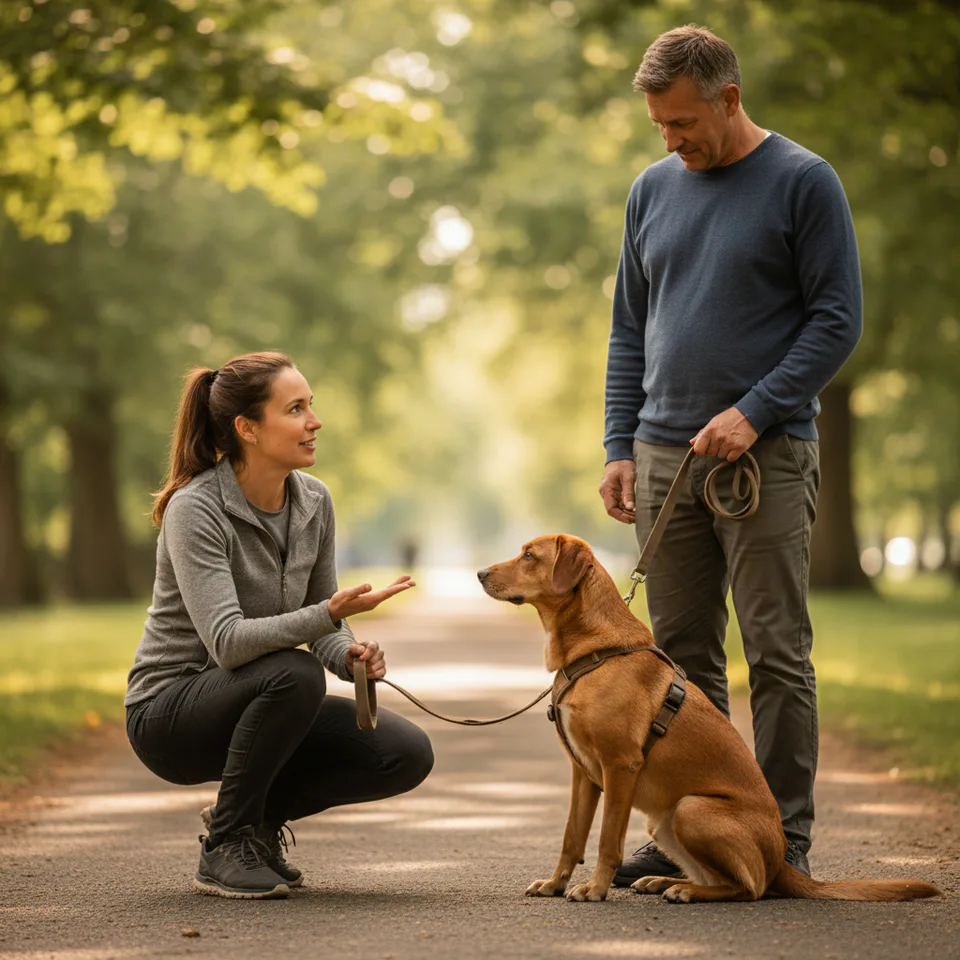
- Team Up with a Pro: Leash reactivity often gets worse before improving. A dog behaviourist helps adjust your plan along the way and teaches how to ‘read’ your dog’s subtle stress signals to tailor both management and training pace.
- Gear Matters: Not just harnesses, but sometimes a head halter (like a Gentle Leader) for safer walks until reactivity decreases. This prevents injury to both humans and dogs.
- Home Matters: Training doesn’t start and end at the front door. Impulse control games inside play a huge role in teaching delayed gratification skills that transfer to handling walks.
When to Call the Pros
If reactivity feels rooted in severe anxiety or aggression, or you aren’t seeing progress, a certified trainer or behaviourist is vital. They assess your dog, create a specific plan, and teach you skills for long-term success.
Disclaimer: The content of this blog is for informational purposes only and shouldn’t substitute professional veterinary/training advice.
Share Your Experiences
Have you worked through leash reactivity with your dog? Share your success stories or tips in the comments!