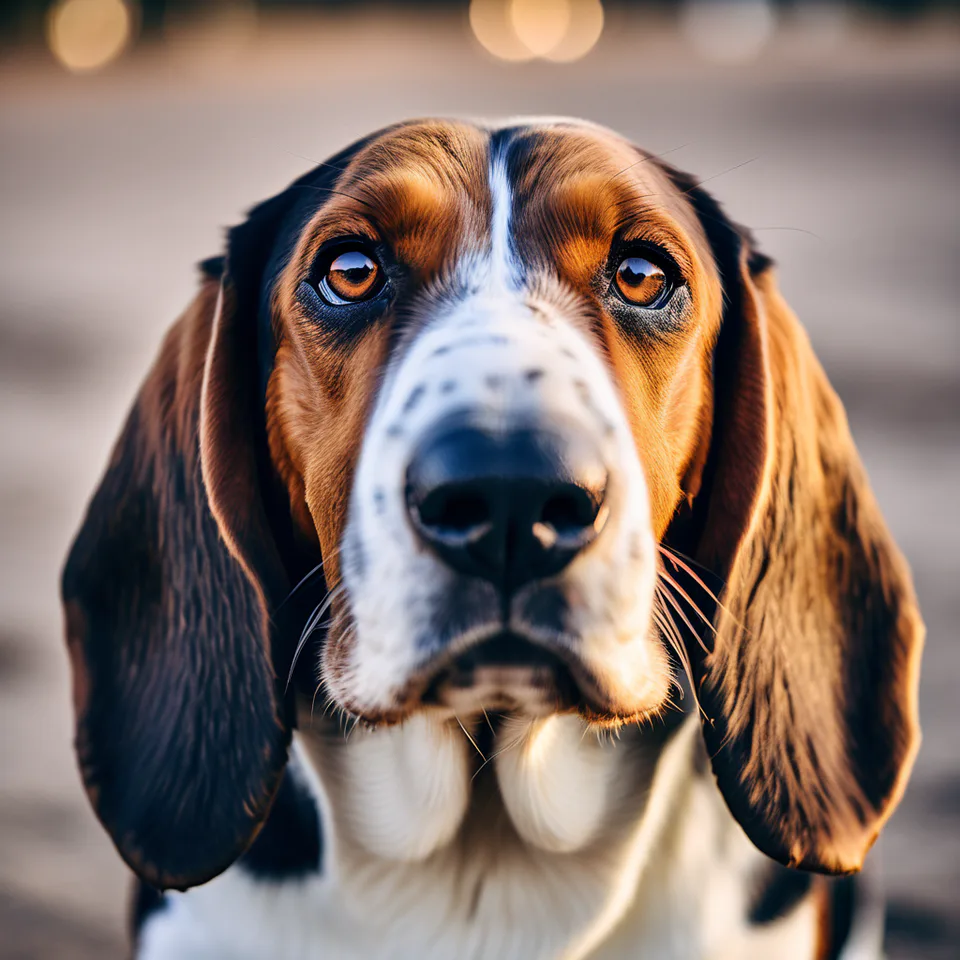
Basset Hounds, with their distinctive long ears, droopy eyes, and short legs, have captured the hearts of dog lovers worldwide. Beyond their unmistakable appearance lies a gentle, friendly, and incredibly loyal companion. In this post, we’ll uncover the layers of their charming persona, delve into their origins, and share tips on how to care for your Basset Hound. Plus, we’ll offer advice on capturing their soulful expressions in photographs, combining our love for cooking, clicks, and canines.
A Brief History of Basset Hounds
The history of Basset Hounds is as rich and fascinating as their distinctive appearance suggests. These lovable hounds trace their roots back to France, with the name “Basset” aptly derived from the French word “bas,” meaning low. This name reflects their low-to-the-ground stature, a physical trait that has defined their role and function throughout history.
Early Beginnings
The ancestry of Basset Hounds can be traced back to ancient times, with their forebears being used for hunting in France. However, it wasn’t until the 16th century that the breed began to be refined and developed into the Basset Hound we recognise today. These early Bassets were prized for their ability to hunt small game, such as rabbits and hare, utilising their exceptional sense of smell, which is second only to the Bloodhound among canine breeds. Their remarkable olfactory capabilities, combined with a steadfast determination, made them unparalleled hunters in dense cover, where larger hounds might struggle to maneuver.
The Evolution of the Breed
In the 19th century, Basset Hounds began to gain popularity beyond the French borders, thanks in part to their introduction to England. There, they caught the attention of aristocrats and hunters alike, who were charmed not only by their hunting prowess but also by their unique and endearing appearance. It was during this time that the breed was further refined, with English breeders emphasising traits such as their long, drooping ears and short, sturdy legs. These features, while making them excellent scent hounds, also endeared them to people as companion animals.
The breed’s popularity was not confined to Europe. By the late 19th and early 20th centuries, Basset Hounds had made their way across the Atlantic, establishing a devoted following in the United States. They were among the first breeds to be recognized by the American Kennel Club (AKC), gaining official recognition in 1885. In America, their appeal as family pets grew, even as they continued to be used for hunting small game.
A Symbol of Pop Culture
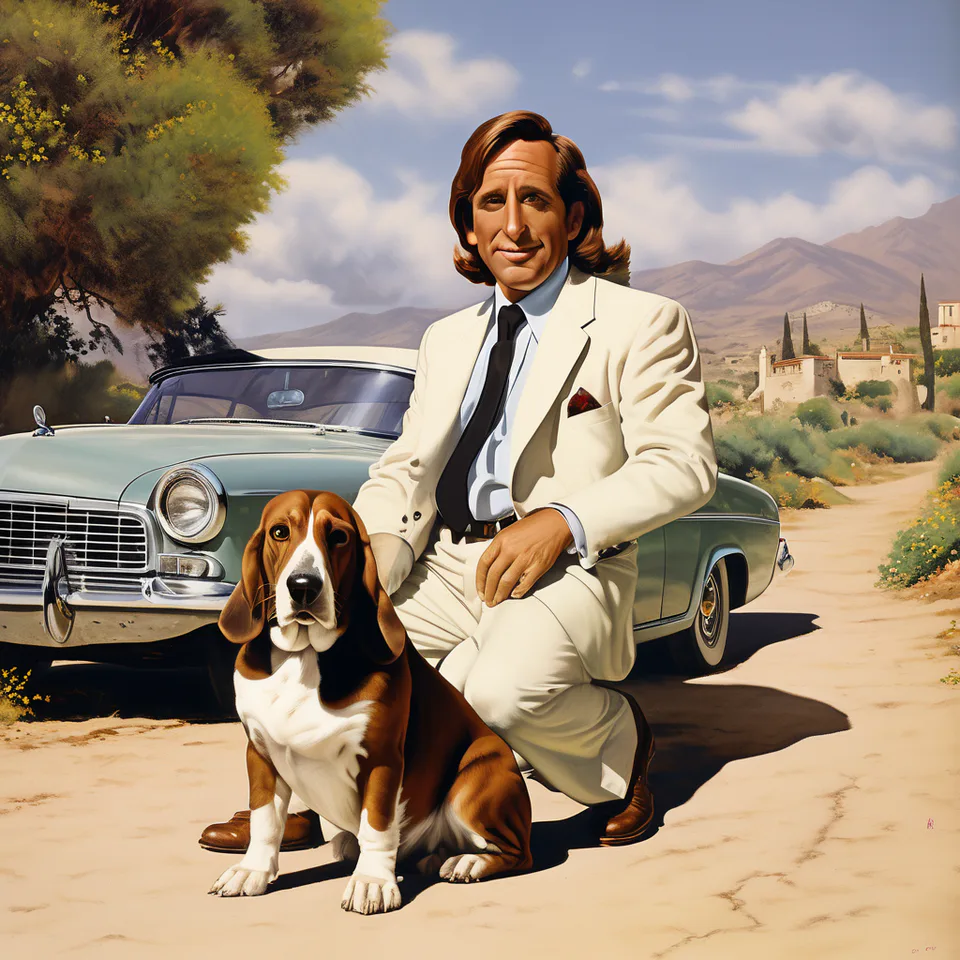
Beyond their role as hunters and companions, Basset Hounds have also carved out a niche for themselves in popular culture. Their distinctive looks and amiable nature have made them a favorite subject in media, from movies and television shows to advertising campaigns. Perhaps one of the most famous Basset Hounds in popular culture is Fred, the companion to detective Columbo in the hit TV series, symbolising the breed’s enduring appeal and recognisable image.
Today’s Basset Hounds
Today, Basset Hounds are cherished not for their hunting abilities but for their gentle demeanor, friendly disposition, and strong bonds with their owners. They thrive in a variety of living situations, from rural settings where they can indulge in their natural instincts to sniff and explore, to cozy urban homes where their laid-back personality makes them excellent indoor companions. Despite their evolution from skilled hunters to beloved pets, one thing remains constant: the Basset Hound’s unwavering loyalty and capacity to bring joy to their human companions.
This brief look into the history of Basset Hounds reveals not just the origins of this distinguished breed but also highlights their journey from indispensable hunting partners to beloved members of the family. Their enduring appeal lies not only in their unique physical characteristics but also in their adaptable, affectionate nature, making them a favorite among dog lovers around the world.
Characteristics That Define Basset Hounds
The allure of the Basset Hound goes beyond their distinctive droopy eyes and long, pendulous ears; it’s a combination of their physical attributes and their charming personality that truly defines this breed. Let’s delve deeper into what makes Basset Hounds so special, both in appearance and character.
Physical Traits
Basset Hounds are a study in contrasts, blending strength and gentleness in one compact package. Their most striking feature, without doubt, is their long, velvety ears that sweep the ground, serving not just as an adorable characteristic but also enhancing their ability to pick up scent trails. Their large, domed heads are framed by these ears, topped with expressive, droopy eyes and deep wrinkles, which give them a contemplative, almost melancholic expression. Yet, this look belies the breed’s friendly and affable nature.
The body of a Basset Hound is notable for its sturdy build. Despite their relatively short stature, they possess a remarkably deep chest, providing ample space for lung capacity, which is essential for their stamina in trailing scents. Their legs, though short, are incredibly strong, supporting a muscular body capable of navigating through challenging terrain during hunts. This physical strength is juxtaposed with a smooth, short coat that comes in a delightful array of colours, including the classic tri-colour, lemon, and red and white, making each Basset Hound distinct.
Personality and Temperament
The personality of a Basset Hound is as rich and complex as their history. Far from the somber creatures their appearance might suggest, Bassets are known for their genial and outgoing nature. They exude a sense of friendliness and warmth, making them excellent family pets. Their demeanour is one of calm patience, and they display an extraordinary level of tolerance and gentleness, particularly with children and other animals. This makes them not just pets, but beloved members of the family, capable of forming deep, enduring bonds with their owners.
However, beneath their easygoing exterior lies a streak of independence and stubbornness, especially evident during training sessions. Basset Hounds have their own mind and will often decide for themselves whether a command is worth following. This trait, while endearing to some, requires an owner’s patience and consistency. Training a Basset Hound can be a challenge, but with the right approach, focusing on positive reinforcement and patience, they can learn a wide variety of commands and behaviours.
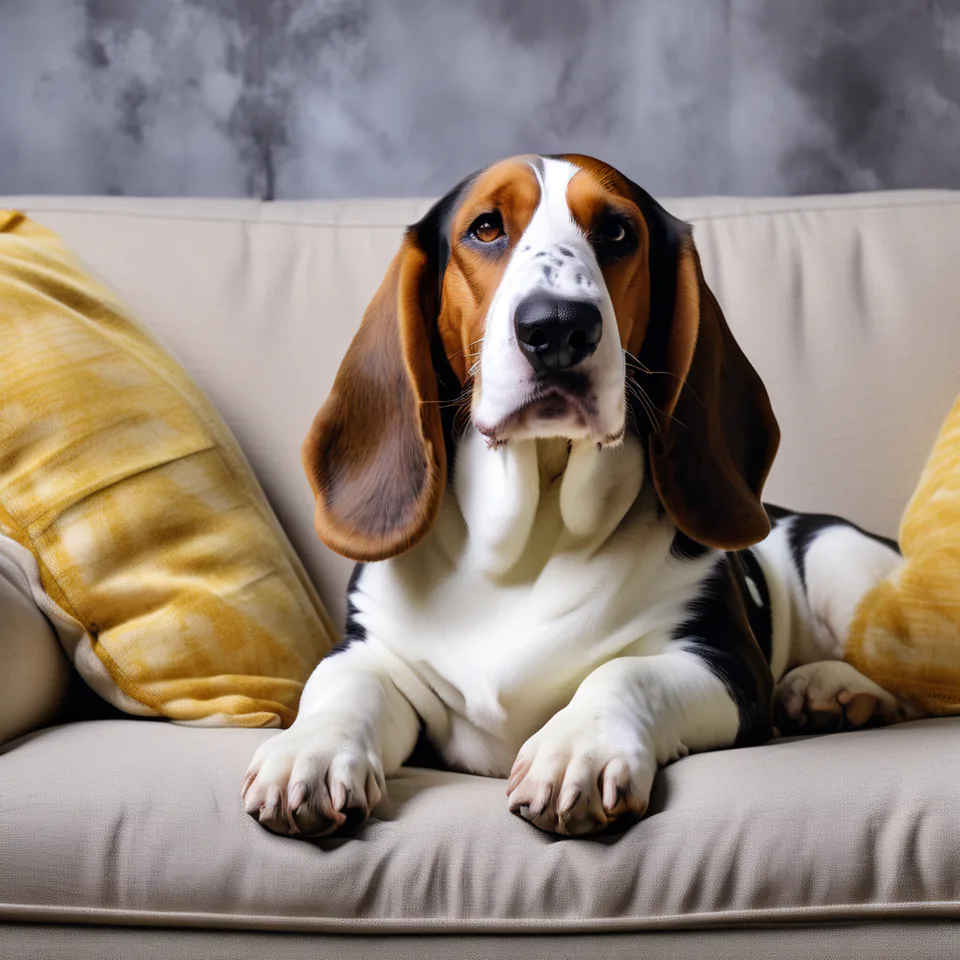
Despite these challenges, the Basset Hound’s playful spirit and loving nature shine through. They enjoy being part of the family’s activities, whether it’s a leisurely walk or simply lounging on the couch. Their sense of humour and penchant for playfulness can bring joy and laughter to any home.
Conclusion
Basset Hounds stand out not just for their distinctive looks but also for their robust personality. Their physical characteristics, from the long, scent-trapping ears to their muscular yet compact frame, are perfectly suited to their original role as scent hounds. Meanwhile, their friendly, patient temperament makes them ideal companions for families, capable of bringing warmth and joy to any home. Understanding and embracing both their physical needs and personality quirks will ensure that your Basset Hound is not only a well-loved pet but a cherished member of the family.
Caring for Your Basset Hound
Proper care for a Basset Hound encompasses a holistic approach that includes regular exercise, diligent grooming, and attentive healthcare. These elements are crucial in ensuring your Basset Hound leads a happy, healthy life.
Exercise: More Than Just a Leisurely Walk
While Basset Hounds may give off a vibe of being couch potatoes, regular physical activity is essential for their overall health. Their exercise regimen should strike a balance between their natural laziness and the need for physical activity to prevent weight gain, which can lead to further health complications. A daily walk is a must, providing not just exercise but also mental stimulation from new scents and environments. These walks should be at a pace that suits their short legs and should last long enough to keep them fit without causing overexertion.
In addition to walks, playtime in a securely fenced yard allows them to explore and sniff at their own pace, which is crucial for their mental well-being. Interactive games that engage their sense of smell, like hide and seek with treats, can also be a fun way to incorporate exercise into their routine.
Grooming: Beyond Skin Deep
Grooming a Basset Hound is about more than just keeping them looking their best; it’s also about maintaining their health. Their short coat may be low-maintenance, but it requires regular brushing to remove loose hair and distribute natural skin oils, which keep their coat shiny and healthy. During shedding seasons, more frequent brushing may be necessary to manage the increased hair loss.
Ear care is of paramount importance for Basset Hounds. Their long, floppy ears trap moisture and reduce airflow, creating an environment prone to infections. Weekly ear checks and cleanings with a vet-approved solution can prevent these issues, ensuring your pet’s ears remain clean and healthy.
Nail trimming is another grooming aspect that shouldn’t be overlooked. Long nails can cause discomfort and even lead to problems with walking. Regular nail trims will keep their feet in good condition and prevent any discomfort.
Health: Prevention is Key
Basset Hounds, with their charming demeanour and distinctive physique, are generally robust dogs, but they are predisposed to certain health issues. Awareness and proactive management of their health can prevent or mitigate many of these concerns.
Hip dysplasia, a genetic condition where the hip joint doesn’t fit together perfectly, can lead to arthritis or lameness. Maintaining a healthy weight and providing a diet rich in omega-3 fatty acids can support joint health.
Bloat, or gastric dilatation-volvulus (GDV), is a life-threatening condition that can affect deep-chested breeds like the Basset Hound. Preventive measures include feeding smaller, more frequent meals and avoiding vigorous exercise around feeding times.
Regular veterinary check-ups are crucial for early detection and management of any health issues. Vaccinations, parasite control, and dental care are also essential components of their healthcare regimen.
Conclusion
Caring for a Basset Hound requires a commitment to their exercise, grooming, and health needs. By providing regular exercise tailored to their capabilities, maintaining a grooming routine that addresses their specific needs, and being vigilant about their health care, you can ensure your Basset Hound enjoys a long, happy, and healthy life. Engaging in these care practices strengthens the bond between you and your pet, making the journey of pet ownership a deeply rewarding experience.
Capturing the Essence of Basset Hounds in Photography
Capturing the essence of Basset Hounds in photography involves a blend of technical skill and a deep understanding of what makes these dogs so special. Their unique physical characteristics and expressive personalities provide endless opportunities for captivating images. Here are some expanded tips to help you take beautiful photos of Basset Hounds that truly reflect their charm and character.
Use Natural Light
The soft, diffused light of early morning or late afternoon is perfect for photographing Basset Hounds. Natural light not only highlights the rich textures and colors of their coat but also accentuates the depth and emotion in their eyes without causing harsh shadows or discomfort. Position your Basset Hound so that the light falls onto their face, illuminating their eyes and enhancing the details of their expression. Avoid direct sunlight, which can lead to squinting and overexposed spots, and instead look for shaded areas that offer even lighting.
Get Down to Their Level
To truly capture the world from a Basset Hound’s perspective, you must get down to their eye level. This angle brings a sense of intimacy and connection to your photos, making viewers feel as though they are entering the Basset Hound’s world. It emphasises their short stature and distinctive body shape, from their long, drooping ears to their short, powerful legs. By shooting from their level, you also capture the background from their viewpoint, which can add interesting context to the image.
Capture Their Character
Basset Hounds are known for their laid-back demeanor, but they also have moments of playfulness and deep contemplation. Capturing these varied expressions requires patience and observation. Look for natural behaviors that showcase their personality, such as a head tilt at an intriguing sound, a leisurely stretch, or an enthusiastic tail wag during play. Candid shots that capture these spontaneous moments often tell more about a Basset Hound’s character than posed shots do.
Focus on the Details
The unique features of a Basset Hound—such as their long ears, wrinkled skin, and solemn eyes—are key to their charm. Close-up shots that focus on these details can create powerful portraits that highlight the breed’s distinctive traits. Use a shallow depth of field to blur the background and draw attention to the textures and contours of their face. Capturing the droplets of water on their nose after a drink or the way their ears flutter in the breeze can add a dynamic element to your photos.
Experiment with Perspectives
Don’t be afraid to experiment with different angles and perspectives. A high angle shot looking down on a Basset Hound can emphasize their short legs and the expanse of their ears spread out on the floor. In contrast, a photo taken from behind, focusing on the pads of their feet or the wag of their tail, can offer a unique view not often seen. Playing with perspectives can lead to creative and memorable images that stand out.
Be Patient and Have Fun
Finally, the key to capturing the essence of Basset Hounds in photography is to have patience and enjoy the process. These dogs may not always cooperate with your vision for the perfect shot, but their unpredictability is part of what makes photographing them so rewarding. Embrace the unexpected moments, and you’ll likely capture images that truly reflect the heart and soul of the Basset Hound.
By following these tips and embracing the individuality of each Basset Hound, you can create stunning photographs that celebrate their unique beauty and endearing character.
Basset Hounds are much more than their droopy ears and sad eyes suggest. They are affectionate, loyal, and endlessly charming companions that enrich our lives. By understanding their needs and capturing their essence through photography, we can celebrate the joy they bring into our homes and hearts. Whether lounging on the sofa or trotting alongside you, a Basset Hound makes every moment a bit more special.