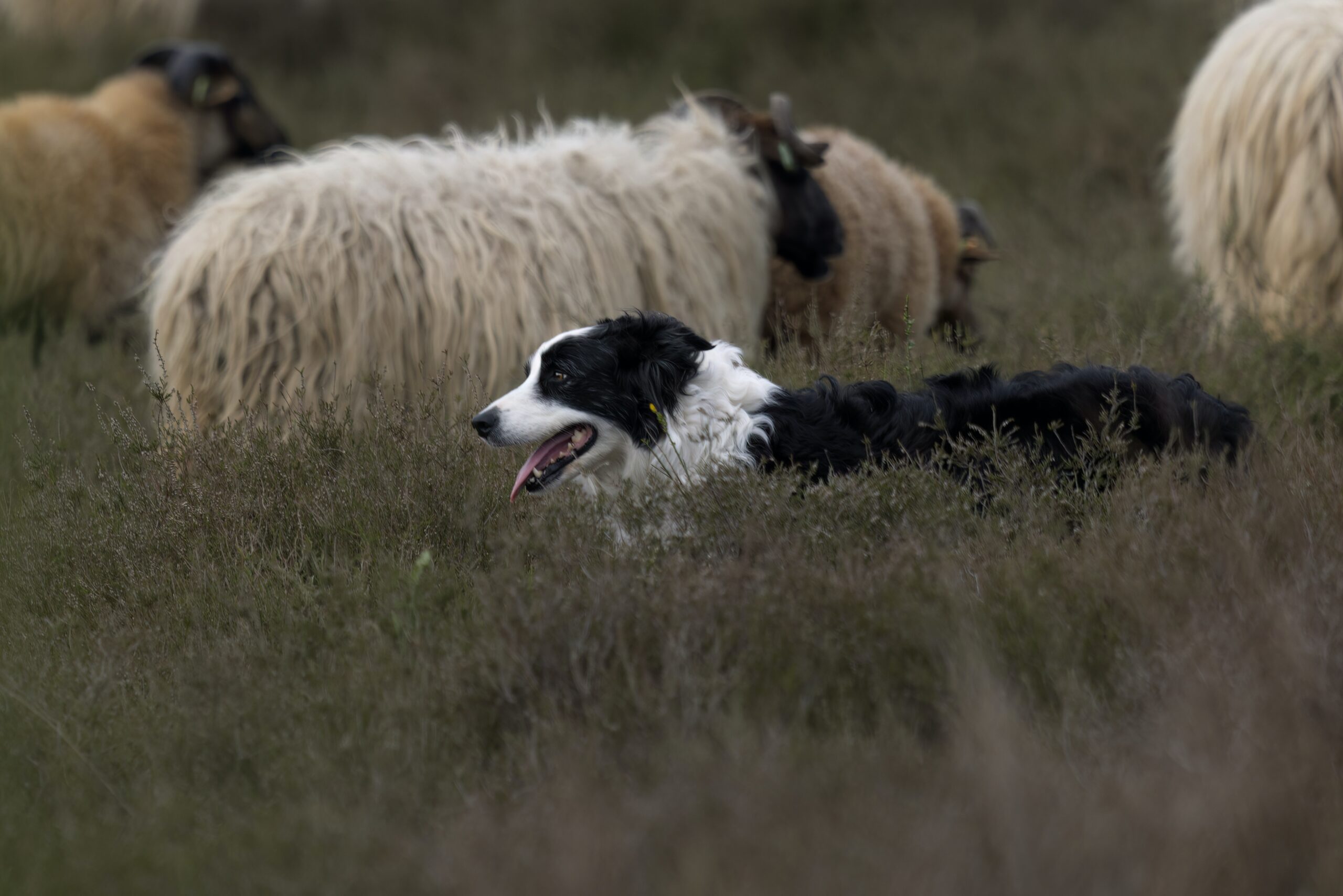
Walking your dog is a daily ritual for many pet owners. It’s a time to bond, exercise, and enjoy the outdoors. However, for owners of working breed dogs, a simple walk might not be enough to fulfil their physical and mental needs. Here’s why working breed dogs require more than just a stroll around the block.

1. Energy Overload:
Working breeds like Border Collies, German Shepherds, Siberian Huskies, and others belong to a category of dogs known for their incredible energy levels. These breeds have been selectively bred for tasks that require not only intelligence and skill but also high stamina. Herding livestock, pulling sleds, guarding property, or even search and rescue missions are just a few examples of their historical roles.
These dogs thrive on activity, and a short walk may not be sufficient to burn off their excess energy. Without an appropriate outlet, they can become restless and frustrated, leading to behavioural issues like excessive barking, digging, or chewing. It’s important to acknowledge their need for more substantial exercise.
2. Mental Stimulation:
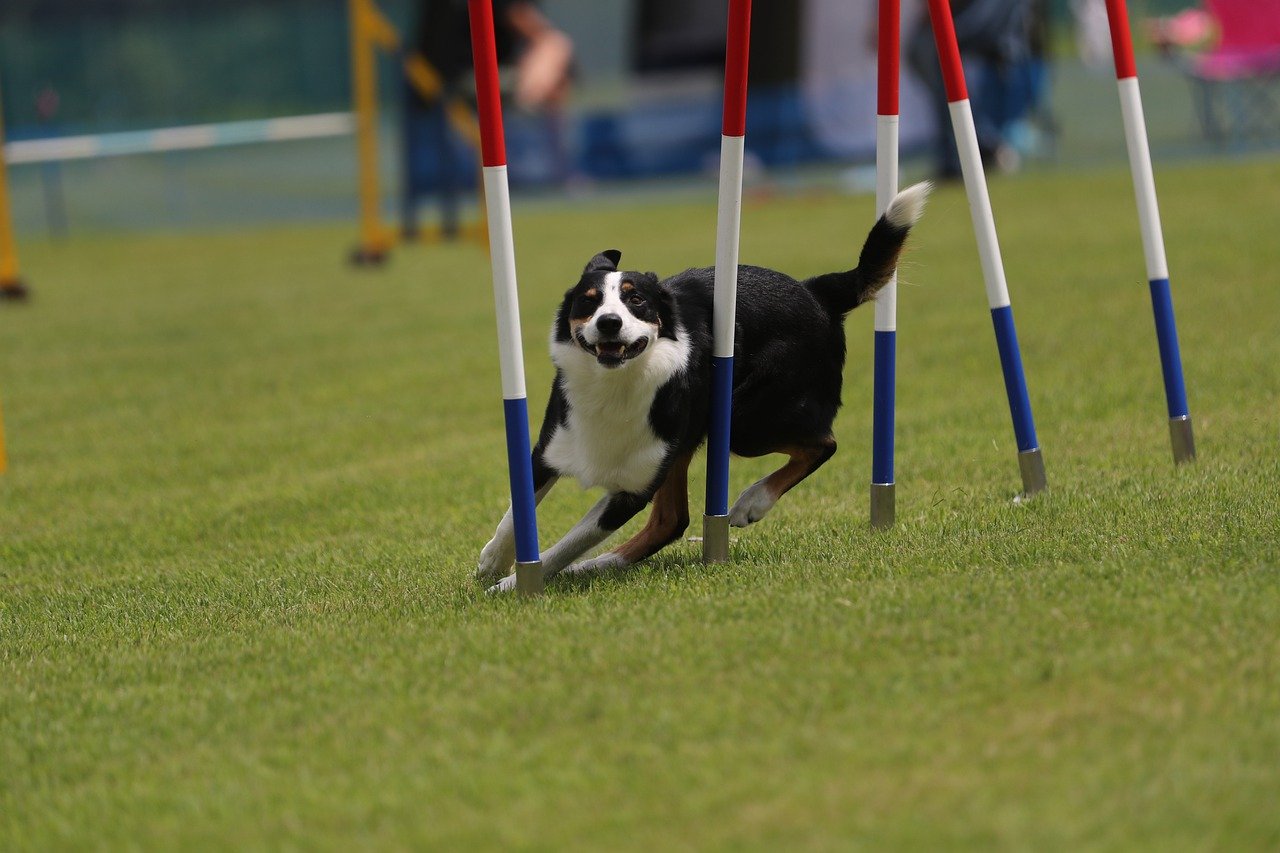
For working breed dogs, exercise is about more than just physical exertion; they require intellectual challenges to stay satisfied. Their sharp minds need to be engaged regularly. Obedience training, agility courses, puzzle toys, and interactive games are all effective ways to provide mental stimulation.
A simple walk may not offer the mental workout these breeds need. By incorporating tasks that require problem-solving or training commands, you can help keep their minds sharp and content.

3. Work Ethic:
One of the defining characteristics of working breeds is their strong work ethic. They’ve been bred to excel in tasks that often require problem-solving, precision, and dedication. This work ethic is deeply ingrained in their DNA, and without opportunities to put it to use, they can become anxious or frustrated.
Engaging your working breed dog in activities that tap into their work ethic can be immensely rewarding for both dog and owner. While a casual walk can offer some exercise, it rarely satisfies their desire to work.
4. Socialisation:
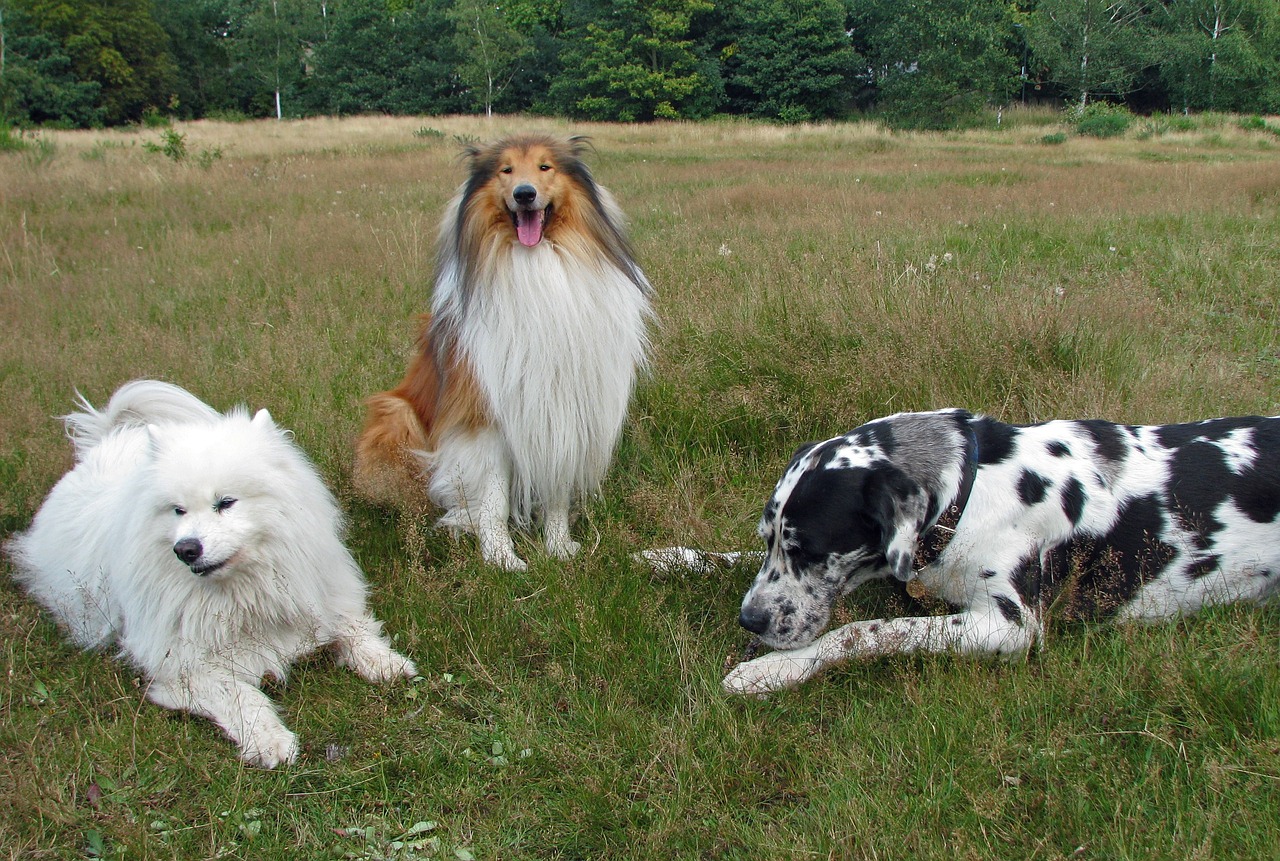
Many working breeds are highly sociable dogs. They enjoy the company of other dogs and thrive in social settings. Regular interaction with other canines helps them develop social skills and provides mental and physical stimulation.
Visits to a dog park, attending training classes, or organising playdates with other dogs are excellent opportunities for socialisation. A solitary walk may not fulfil their need for interaction with their peers.
5. Bonding and Trust:
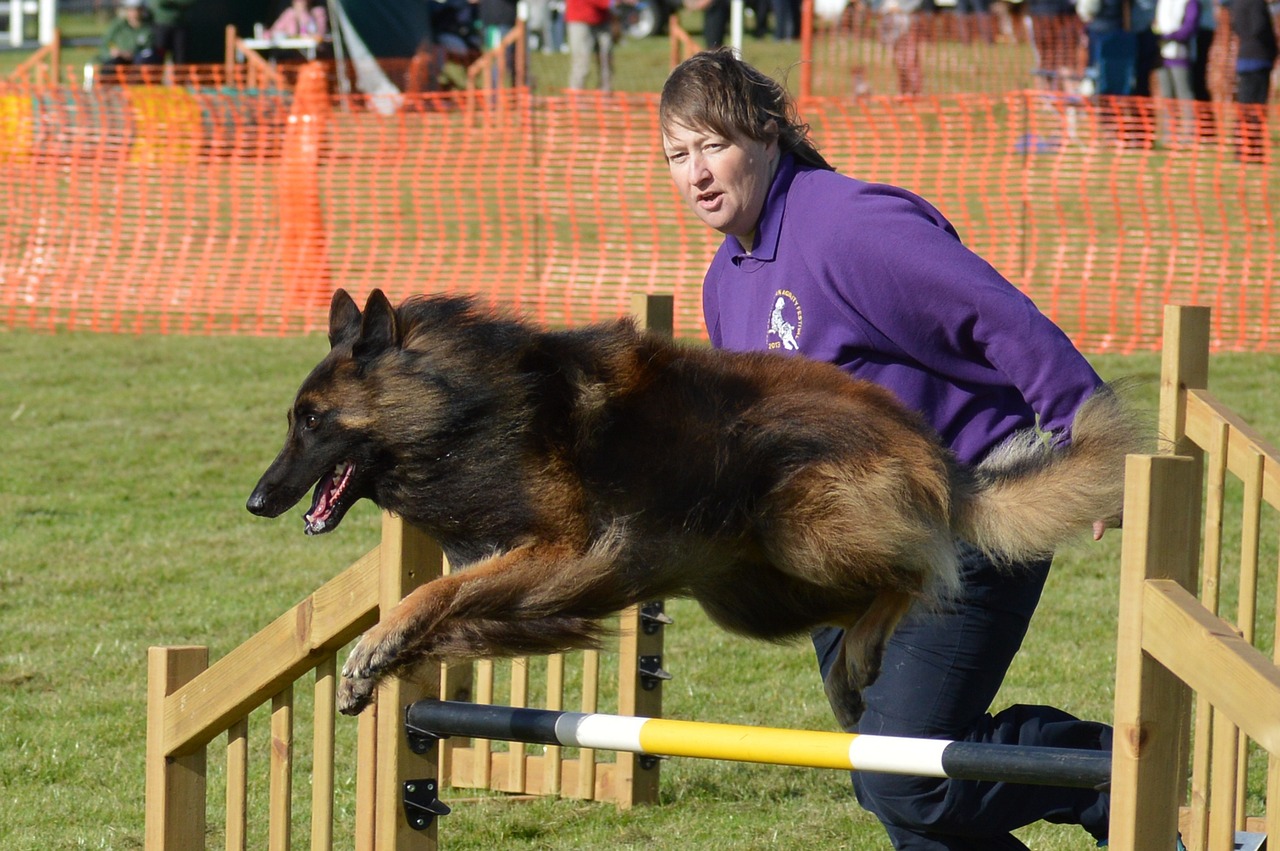
The time spent engaging in activities beyond a walk can significantly strengthen the bond between you and your working breed dog. These breeds tend to be loyal and often enjoy working with their owners. By involving them in more interactive activities, you build trust and a stronger connection.
The sense of partnership and collaboration that comes from engaging in activities like agility or obedience training can be incredibly fulfilling for both you and your dog. This deepens your relationship and fosters a sense of mutual trust.
6. Preventing Boredom:
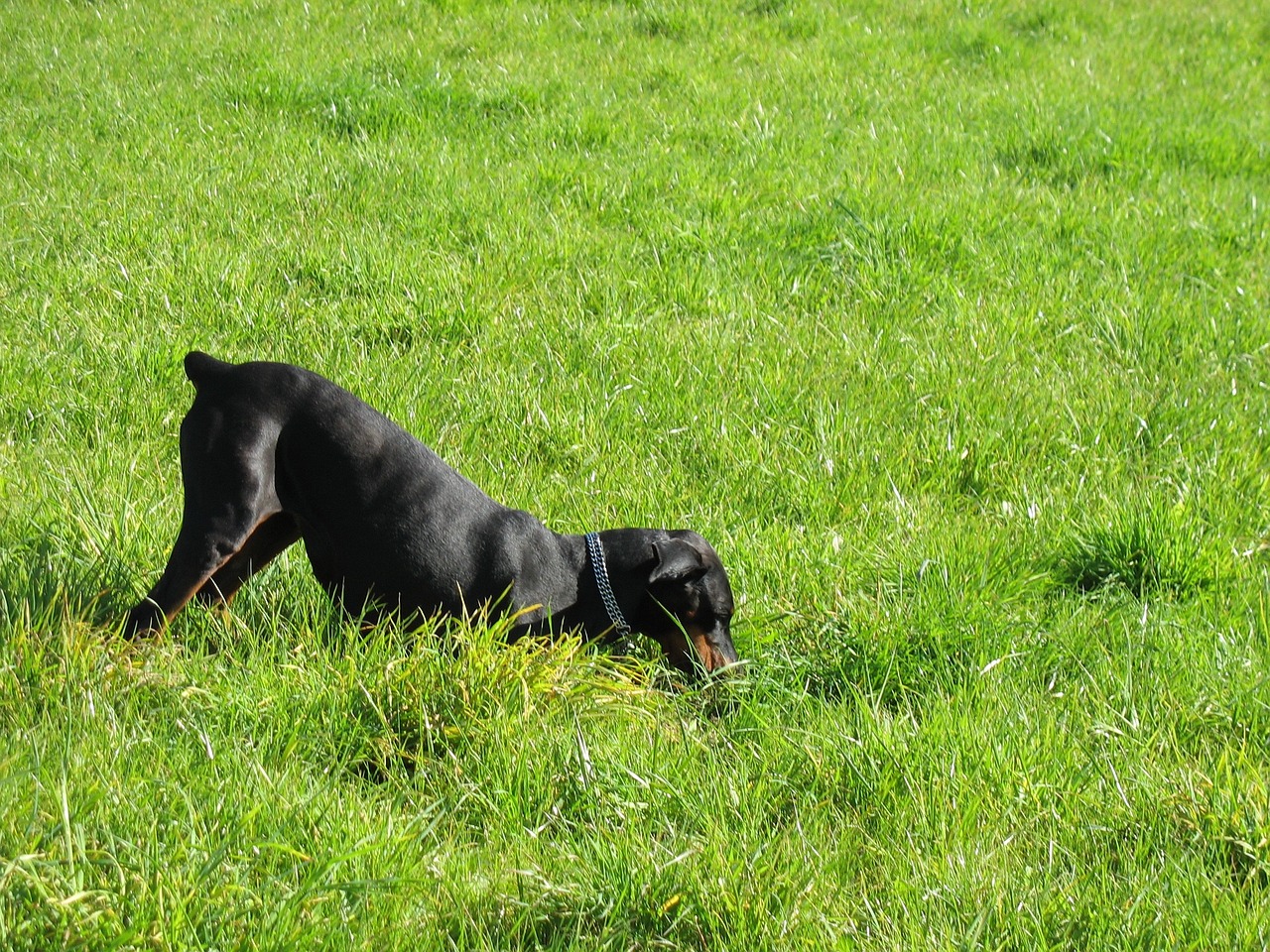
Working breed dogs are prone to boredom when not challenged physically and mentally. Boredom can lead to destructive behaviors like chewing furniture, digging up the garden, or excessive barking. It’s not that these dogs are inherently mischievous; they simply need to keep their active minds and bodies occupied.
Engaging your dog in a variety of activities not only prevents boredom but also keeps them content and well-behaved. By providing adequate stimulation, you can reduce the likelihood of destructive behaviors and ensure a peaceful coexistence.
7. Tailored Exercise:
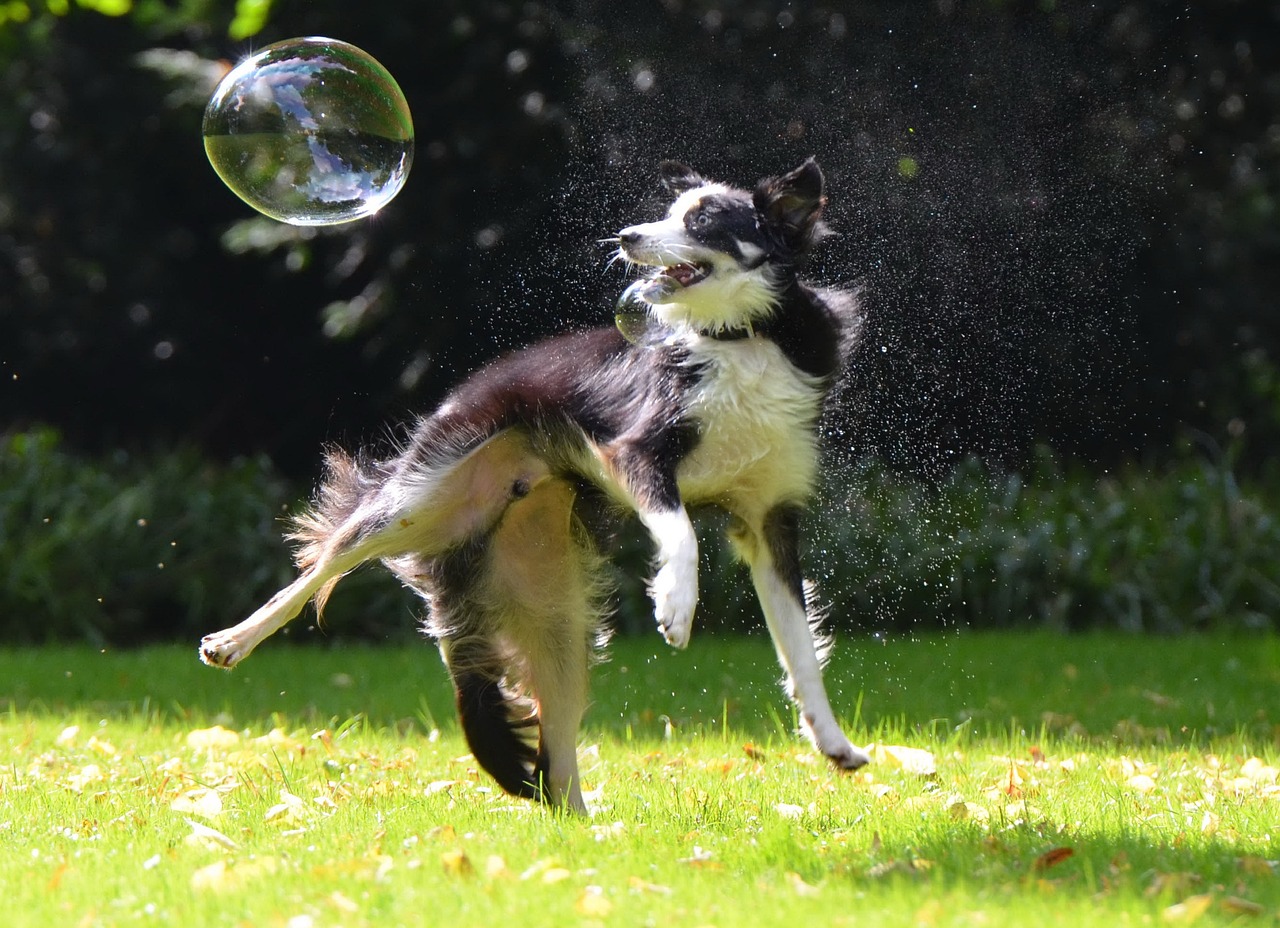
It’s important to note that not all working breed dogs have the same exercise requirements. They come in various sizes and shapes, and their exercise needs can vary. While some working breeds, like the Border Collie, may require intense physical exercise, others, like the Basset Hound, need more mental stimulation than excessive running.
The key is to tailor your dog’s exercise routine to their specific breed and individual characteristics. A good starting point is to research your dog’s breed and consult with a veterinarian or a professional dog trainer to understand their specific exercise needs.
In Conclusion:
While daily walks are essential for all dogs, working breed dogs thrive when provided with activities that match their breed characteristics. Don’t just limit your interaction to a stroll; engage your dog in activities that challenge their mind, fulfill their work ethic, and provide socialization. By doing so, you ensure a happy, healthy, and well-rounded life for your working breed companion. Remember, a fulfilled working breed dog is a joy to be around and a testament to the incredible potential of these remarkable breeds.