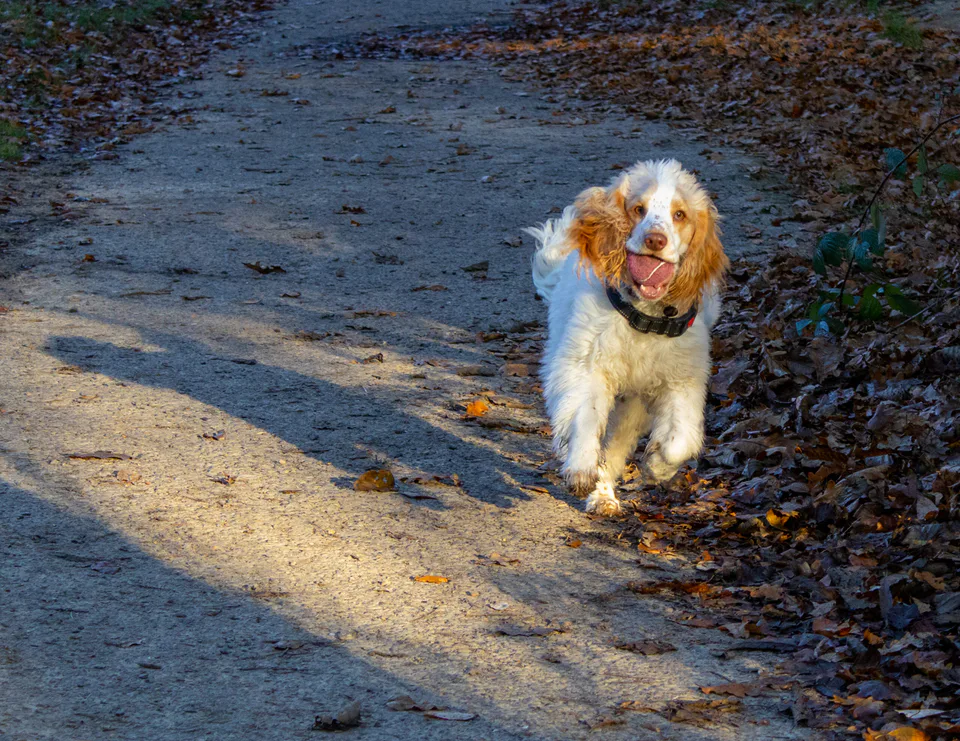
Dogs are not just pets; they are family members who bring joy, companionship, and a lot of fun into our homes. One of the best ways to keep your furry friend happy and healthy is through regular play and exercise. Ball training is an excellent method to achieve both, offering numerous benefits that extend beyond the simple joy of play. Here’s why and how you should consider ball training your dog, ensuring they stay fit, mentally sharp, and above all, joyful. Incorporating ball train your dog into your routine can significantly enhance your dog’s quality of life and strengthen the bond between you.
Why Ball Train Your Dog?
1. Physical Health
Ball training is much more than just a game of fetch; it’s a comprehensive workout that engages various muscle groups, ensuring your dog remains agile and fit. This type of exercise is crucial for dogs of all ages, helping to maintain a healthy weight and prevent obesity, a common problem that can lead to serious health issues like diabetes, heart disease, and joint pain. The running, jumping, and swift turning involved in chasing a ball enhance their cardiovascular health, promoting a stronger heart and lungs. Moreover, the repetitive action of fetching helps strengthen their muscles and improves their overall physical stamina, ensuring they are less prone to injuries.
2. Mental Stimulation
The simple act of chasing a ball is laden with complex mental tasks. Dogs need to focus their attention, gauge distances, and plan their route and speed to intercept or catch the ball. This process demands concentration, coordination, and problem-solving skills, providing a healthy mental workout that keeps their mind sharp. Engaging in such activities helps ward off boredom, a common cause of destructive behaviours in dogs, such as chewing, digging, or excessive barking. By channeling their energy into something constructive, ball training becomes an effective way to reduce potential behaviour issues, keeping both your dog and your household items safe.
3. Bonding Time
Ball training transcends the realm of mere exercise, venturing into the territory of relationship building. This interactive playtime fosters a deeper connection between dogs and their owners. It’s an opportunity for you to communicate with your pet, understand their body language, and reinforce your role as their trusted leader. The joy and excitement you share during these moments enhance mutual trust and understanding, strengthening the emotional bond you share. This quality time together is invaluable, enriching your relationship and making training sessions something both you and your dog look forward to.
4. Training Opportunities
Incorporating ball games into your dog’s routine opens up numerous avenues for training. Simple commands like “fetch,” “drop it,” and “leave it” can be seamlessly integrated into the fun, transforming playtime into a learning session. This method of training is highly effective because it doesn’t feel like a chore to your dog; instead, they perceive it as a game. Rewarding them for following commands with praise or treats reinforces positive behaviour, making obedience training a joy rather than a task. Through consistent practice, your dog not only learns new skills but also becomes more attentive and responsive to your commands.
5. Socialisation
For many dogs, especially puppies and young adults, socialisation is as crucial as physical exercise. Ball training in public spaces like parks allows dogs to meet and interact with other canines and humans, exposing them to a variety of social situations. These interactions are vital for developing a well-rounded, sociable pet, comfortable around both dogs and people. It helps reduce fear and anxiety in unfamiliar situations, making your dog more confident and less likely to exhibit aggression or fear-based behaviours. Socialisation through ball games is a fun, controlled way to introduce your dog to the world, ensuring they grow into well-adjusted adults.
In summary, ball training is an enriching activity that offers far-reaching benefits for your dog. It’s a multifaceted approach to care that supports their physical health, stimulates their mind, nurtures your bond, provides valuable training opportunities, and encourages socialisation. By incorporating ball training into your dog’s routine, you’re not just playing a game; you’re investing in their overall well-being and happiness.
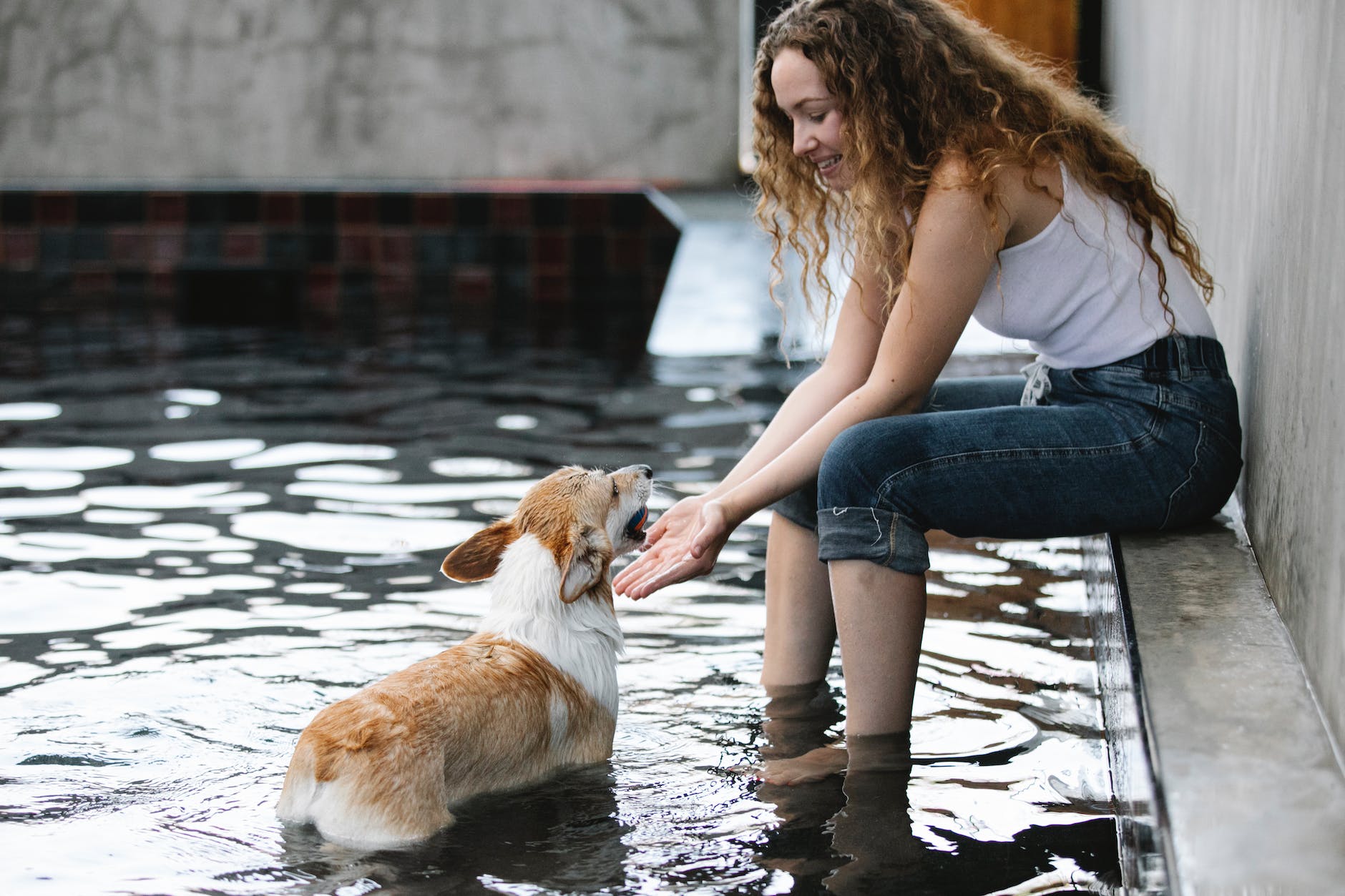
How to Ball Train Your Dog
Step 1: Choose the Right Ball
Selecting the appropriate ball is crucial for your dog’s safety and enjoyment. The ball should be large enough to prevent accidental swallowing but small enough for your dog to comfortably carry in their mouth. Rubber balls are often preferred for their durability and ability to withstand sharp teeth. Additionally, ensure the ball is made from non-toxic materials to protect your dog’s health. Reflect on your dog’s bite strength and play habits when choosing; some dogs may need a more durable option than others. Balls specifically designed for dogs often meet these requirements and come in various sizes to suit different breeds.
Step 2: Start with Basic Fetch
Initiating ball training begins with teaching your dog the fundamentals of fetch. Choose a safe, enclosed area to minimise distractions and ensure your dog’s safety. Start by throwing the ball a short distance to spark your dog’s interest. The initial goal is to encourage your dog to chase after the ball, so lavish them with praise when they go after it, regardless of whether they bring it back. This positive reinforcement helps build their enthusiasm for the game.
Step 3: Encourage the Return
Once your dog shows interest in the ball, the next step is teaching them to return it to you. This phase requires patience and understanding; some dogs will grasp the concept quickly, while others may take longer to understand what’s expected of them. The key is to remain consistent and positive, reinforcing the behavior you want to see.
Encouraging the return can be facilitated by showing them another ball or offering a treat as a reward for bringing the first ball back. Making the act of returning the ball more rewarding than holding onto it is crucial. Some trainers recommend using two identical balls to maintain the dog’s focus on the game and encourage the concept of trading the ball in their mouth for the one you’re about to throw.
Patience is paramount here. Remember, some dogs will pick up the process straight away, while others may require more time and repetition to understand. The important thing is to persevere and maintain a positive, encouraging attitude. Celebrate small victories and progress, no matter how gradual. Over time, with consistent practice and patience, most dogs will come to enjoy the game and participate eagerly.
This persistence will be worth it, not only for the joy and bonding it brings to your playtime but also for the valuable skills and behaviours your dog will learn through the process. Keep sessions fun, rewarding, and free from frustration for both you and your dog, and you’ll find that ball training can be an incredibly rewarding activity that strengthens your bond and enhances your dog’s well-being.
Step 4: Introduce Commands
As your dog becomes more comfortable with fetching and returning the ball, it’s time to incorporate specific commands. Phrases like “fetch,” “drop it,” or “give” help formalise the training process and increase your dog’s understanding of the game. Consistently using these commands during play teaches your dog to associate specific actions with verbal cues, reinforcing their obedience and comprehension. Always reward compliance promptly with treats, praise, or affection to reinforce these positive behaviours.
Step 5: Increase Difficulty
To maintain your dog’s interest and challenge their skills, gradually increase the complexity of the game. Throwing the ball farther distances, using a variety of throwing techniques (such as bouncing the ball or throwing it in unexpected directions), and introducing obstacles can make the game more stimulating for your dog. This not only enhances their physical exercise but also provides mental stimulation as they learn to anticipate and react to new challenges.
Step 6: Practice Regularly
Consistency is essential in ball training. Regular, scheduled play sessions help reinforce the behaviours and commands you’re teaching. Consistent practice ensures that your dog not only remembers the game’s rules but also looks forward to this engaging activity as part of their routine. Aim for daily sessions if possible, adjusting the duration and intensity to match your dog’s fitness level and interest.
In Conclusion
Ball training is a multifaceted activity that offers extensive benefits for your dog’s health, behaviour, and your mutual relationship. By following these detailed steps, you can create a fun, rewarding training regimen that enriches your dog’s life and strengthens the bond between you. Remember, the goal is to ensure both you and your furry friend are having fun, so keep sessions positive, engaging, and filled with plenty of praise and love.
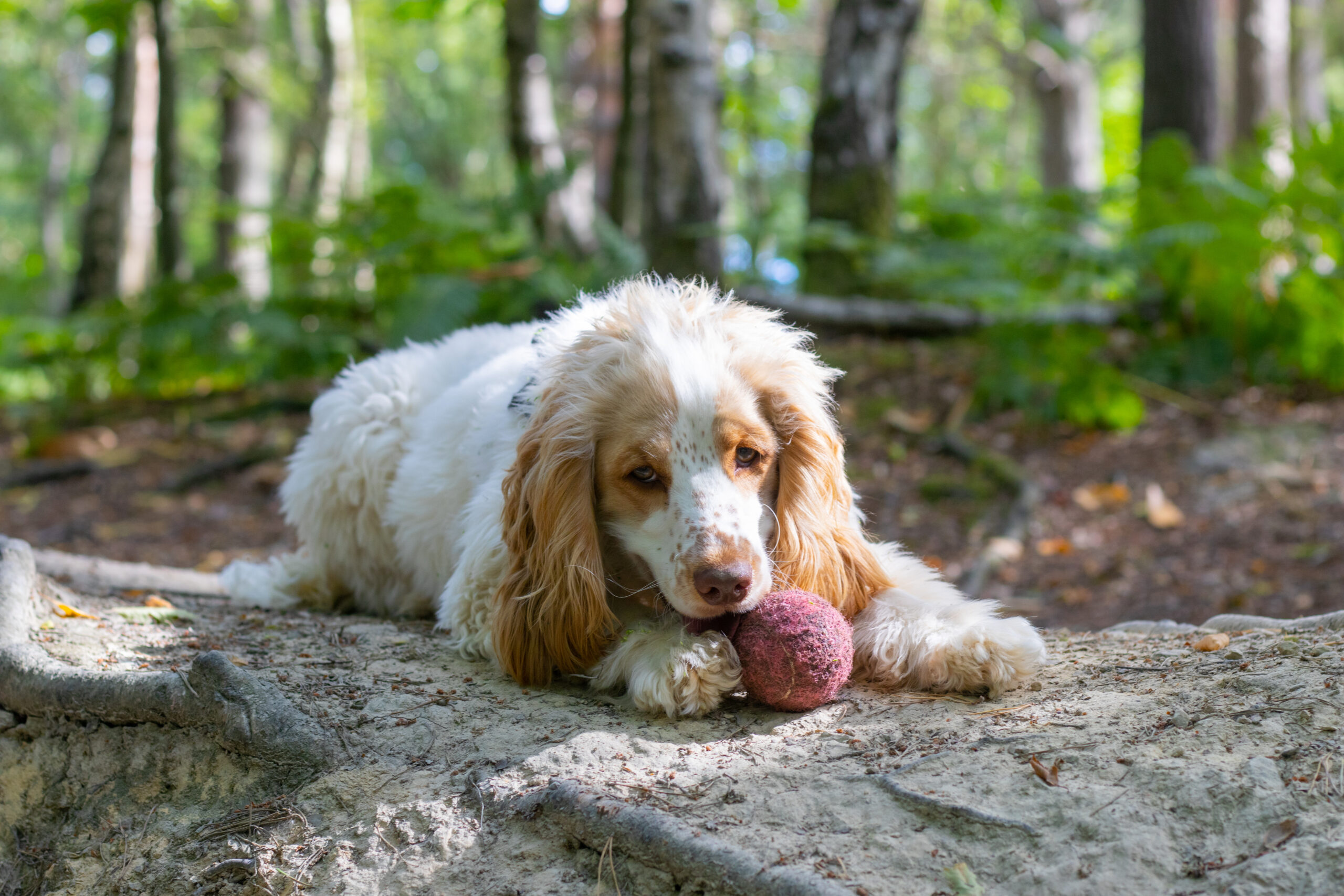
Wrapping Up
Ball training is more than just a game; it’s an essential activity that supports your dog’s physical and mental well-being while strengthening your bond. With patience, consistency, and the right approach, you can turn ball training into a rewarding experience for both you and your furry companion. So, grab a ball and start playing; your dog will thank you with wagging tails and joyful leaps!