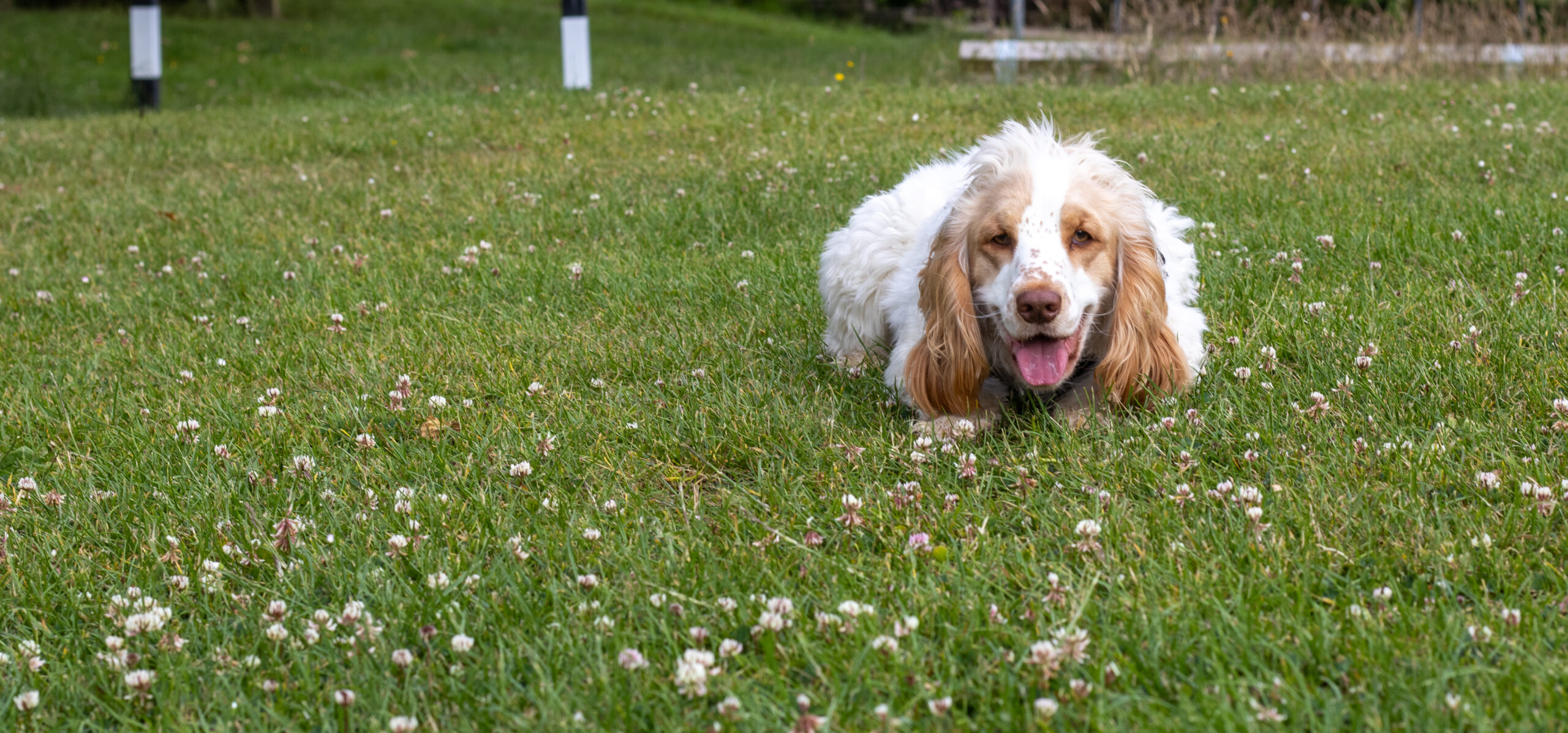
Working breeds of dogs are known for their intelligence, strength, and ability to perform various tasks. These breeds have historically been bred for specific jobs, and many of them continue to excel in their respective roles today. Here’s a list of some common working dog breeds:
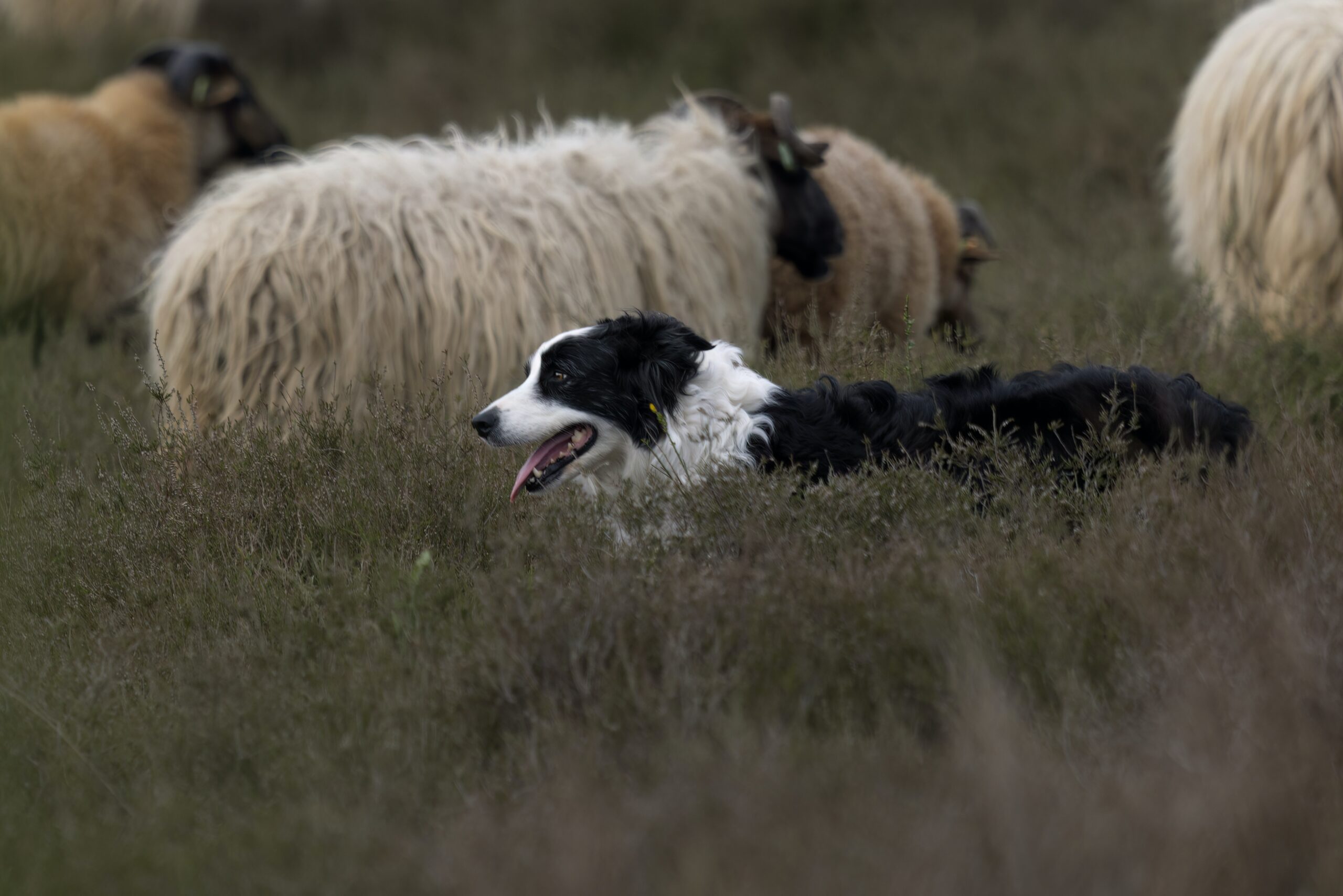
Border Collie:
- Characteristics: Known for their remarkable intelligence, agility, and herding instincts. They have a distinctive black and white coat and expressive eyes.
- Historical Roles: Originally bred as herding dogs for livestock, they excel in controlling the movement of animals.
(Photo by Birgitta Roos on Unsplash)
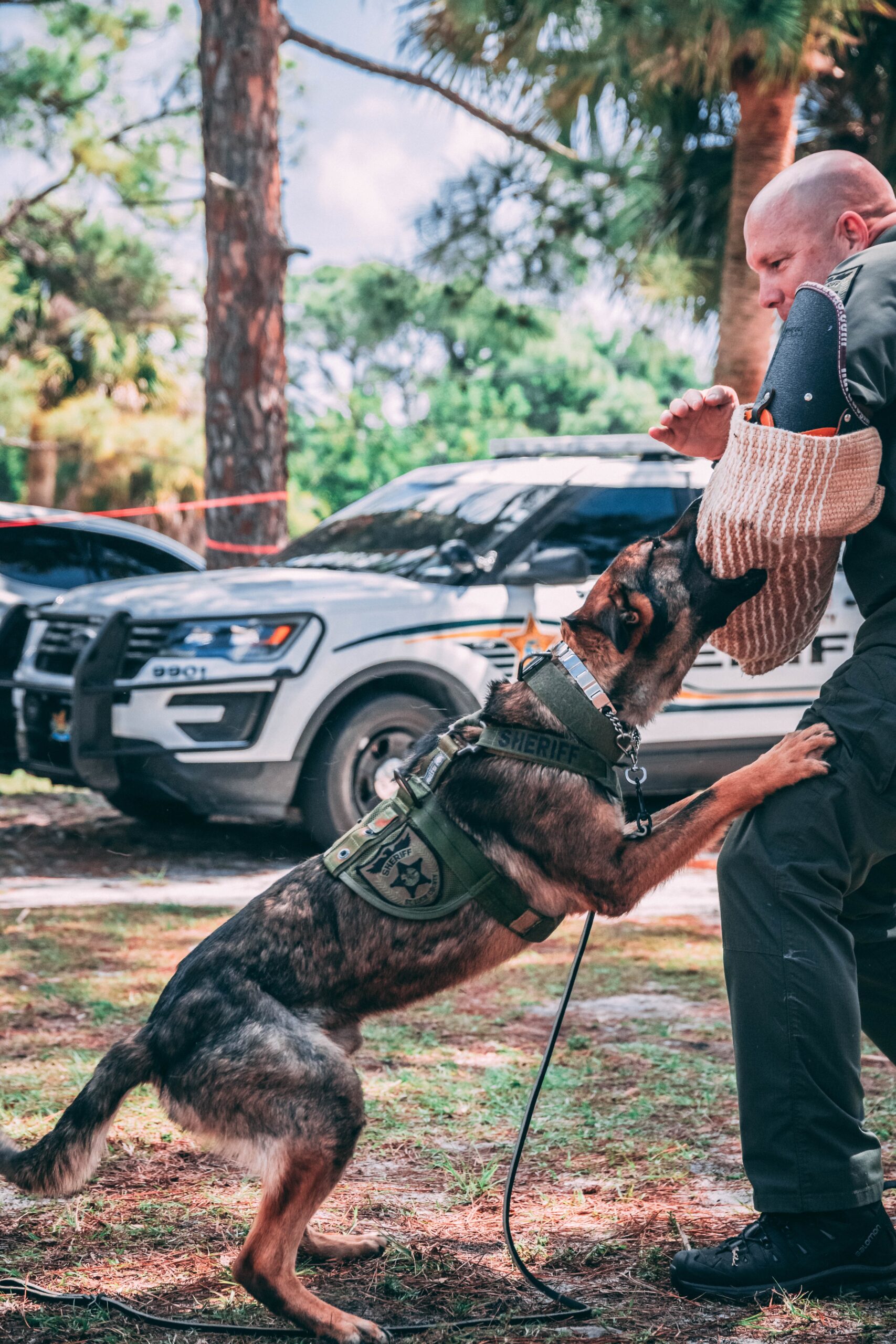
German Shepherd:
- Characteristics: Highly intelligent, loyal, and adaptable. They have a strong and confident demeanor, often with a black and tan coat.
- Historical Roles: Versatile working dogs used in police, military, and search and rescue roles. They also make excellent service dogs.
(Photo by Jason Jarrach on Unsplash)

Siberian Husky:
- Characteristics: Strong, independent, and built for endurance. They have a thick double coat, erect ears, and striking blue eyes.
- Historical Roles: Originally bred as sled dogs in the Arctic, they are known for their stamina and ability to pull heavy loads through snow.
(Photo by Loo Cypher on Unsplash)
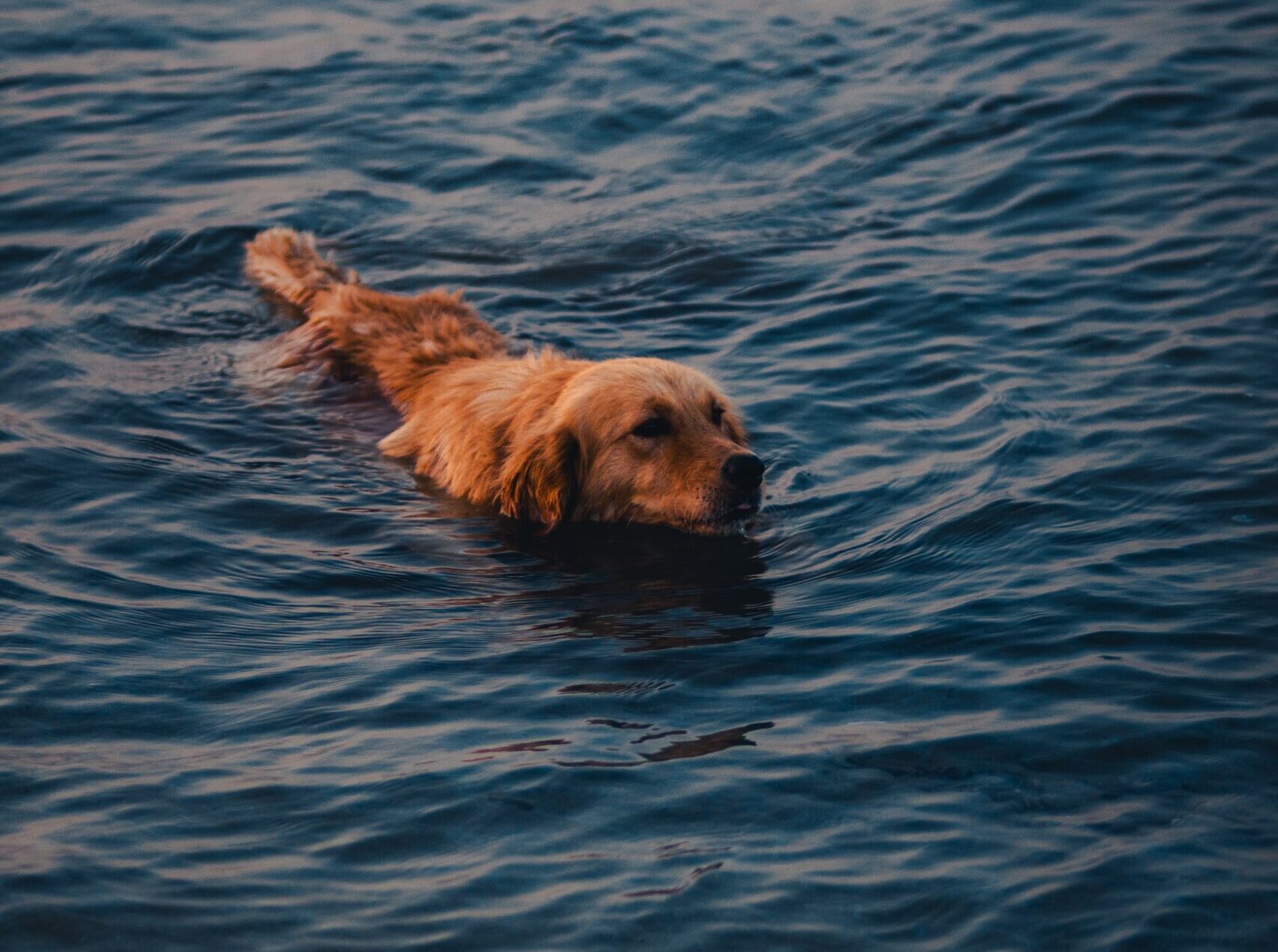
Golden Retriever:
- Characteristics: Friendly, intelligent, and eager to please. They have a luscious golden coat and a joyful personality.
- Historical Roles: Originally bred for retrieving waterfowl during hunts. They are now widely used in various service roles, including guide dogs for the visually impaired.
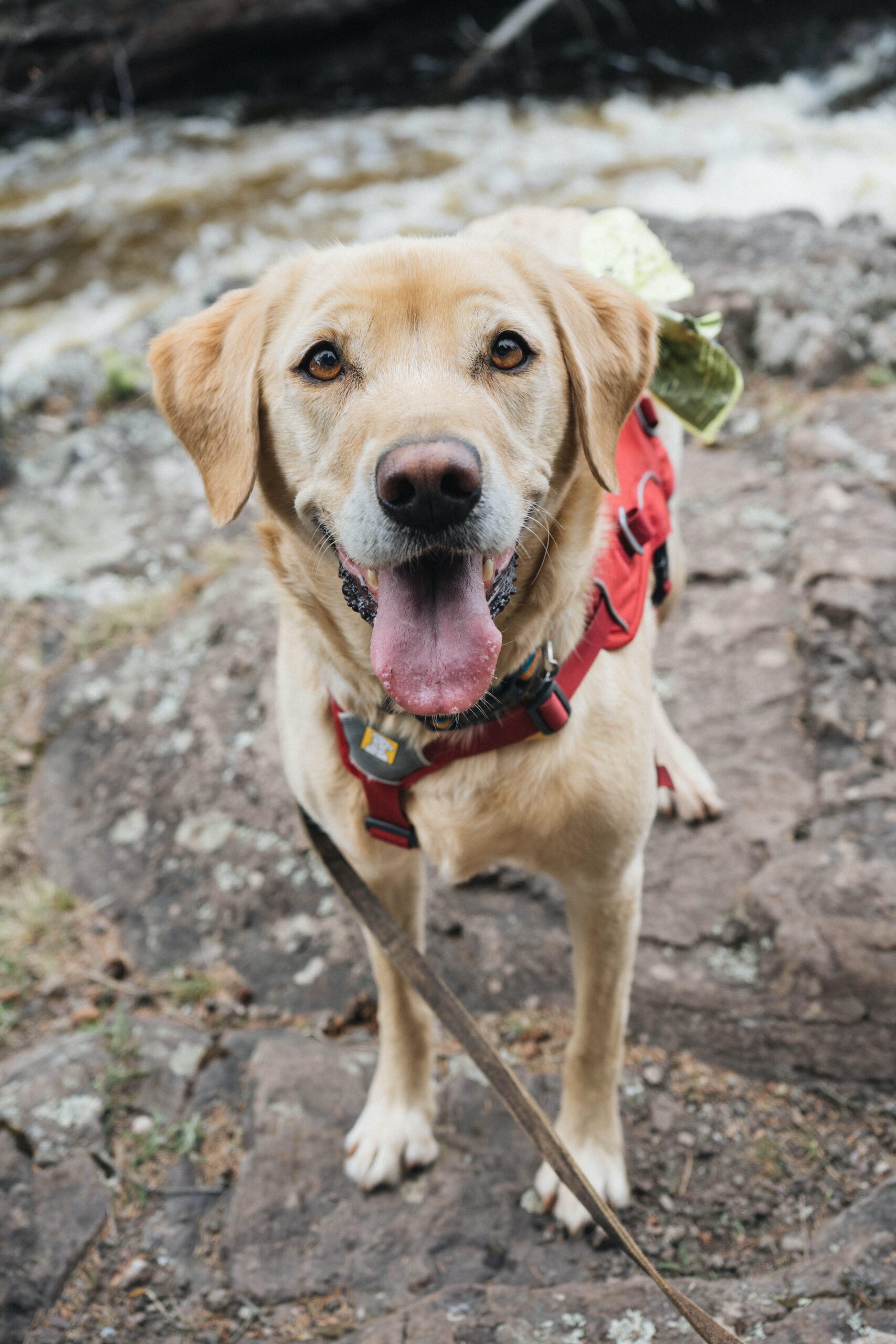
Labrador Retriever:
- Characteristics: Friendly, outgoing, and highly trainable. Labs have a short, dense coat and expressive eyes.
- Historical Roles: Versatile working dogs used in hunting, search and rescue, as well as guide dogs for those with disabilities.
(Photo by Lucas Ludwig on Unsplash)
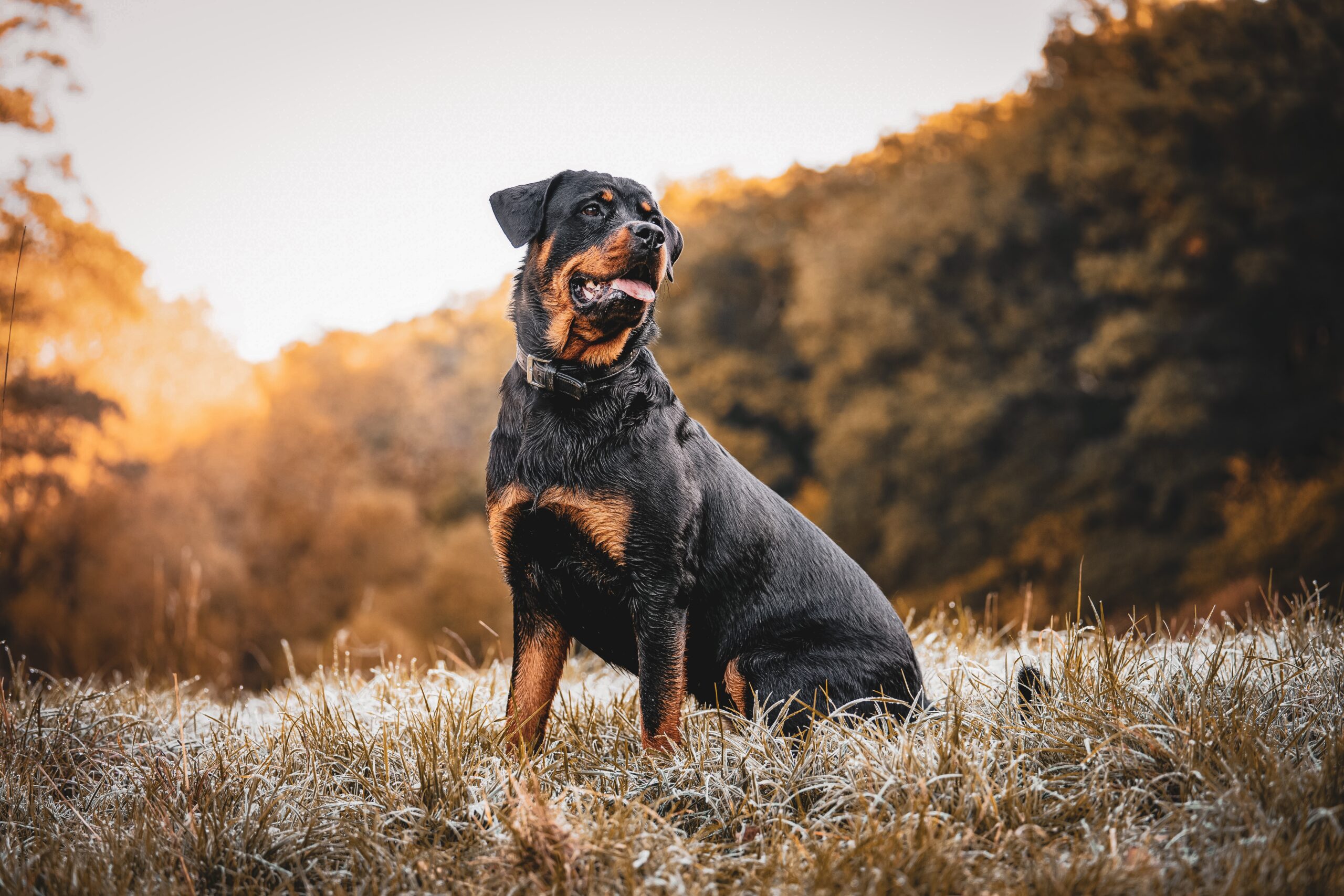
Rottweiler:
- Characteristics: Strong, confident, and protective. They have a black coat with rust-colored markings.
- Historical Roles: Traditionally used for herding and guarding livestock. They are known for their loyalty and protective instincts.
(Photo by Kevin Seibel on Unsplash)
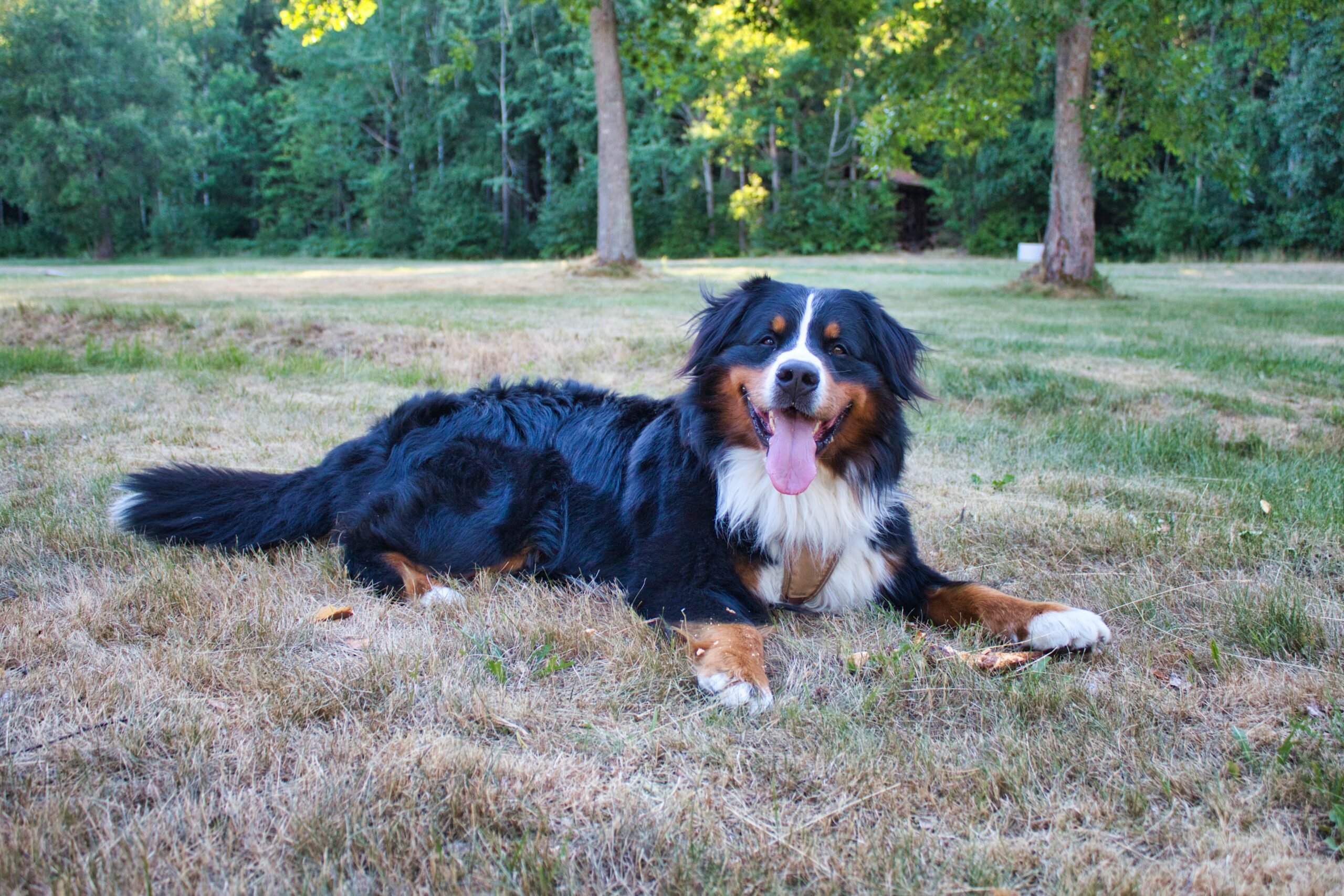
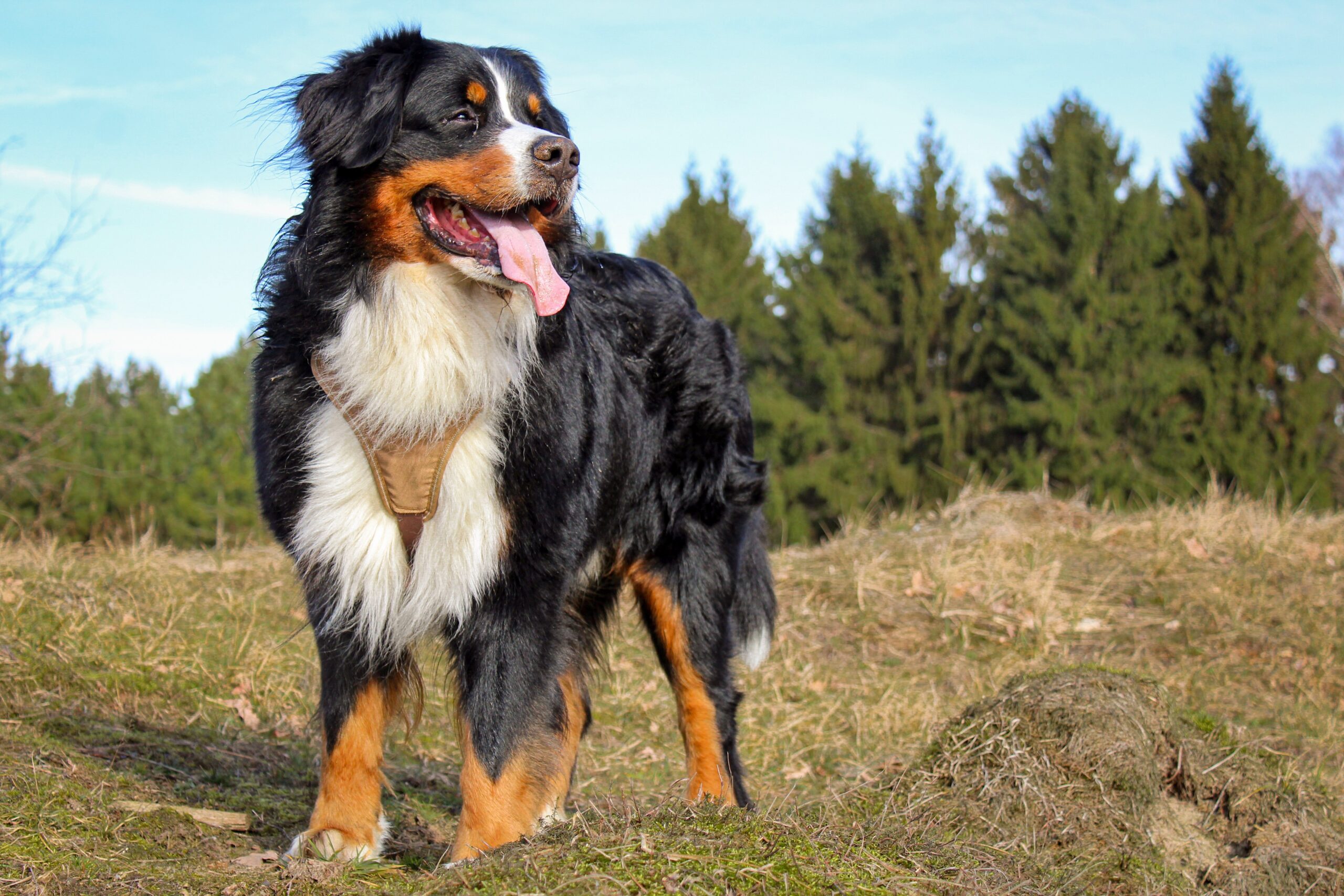
Bernese Mountain Dog:
- Characteristics: Strong, gentle, and affectionate. They have a distinctive tri-colored coat with a striking pattern.
- Historical Roles: Originally used as farm dogs in Switzerland, they are versatile working dogs.
(Photo by André Dehne on Unsplash)
Saint Bernard:
- Characteristics: Large, gentle, and friendly. They have a thick coat and a calm disposition.
- Historical Roles: Renowned for their rescue work in the Swiss Alps, they are known for their strength and endurance.
(Photo by Alexandra Lau on Unsplash)
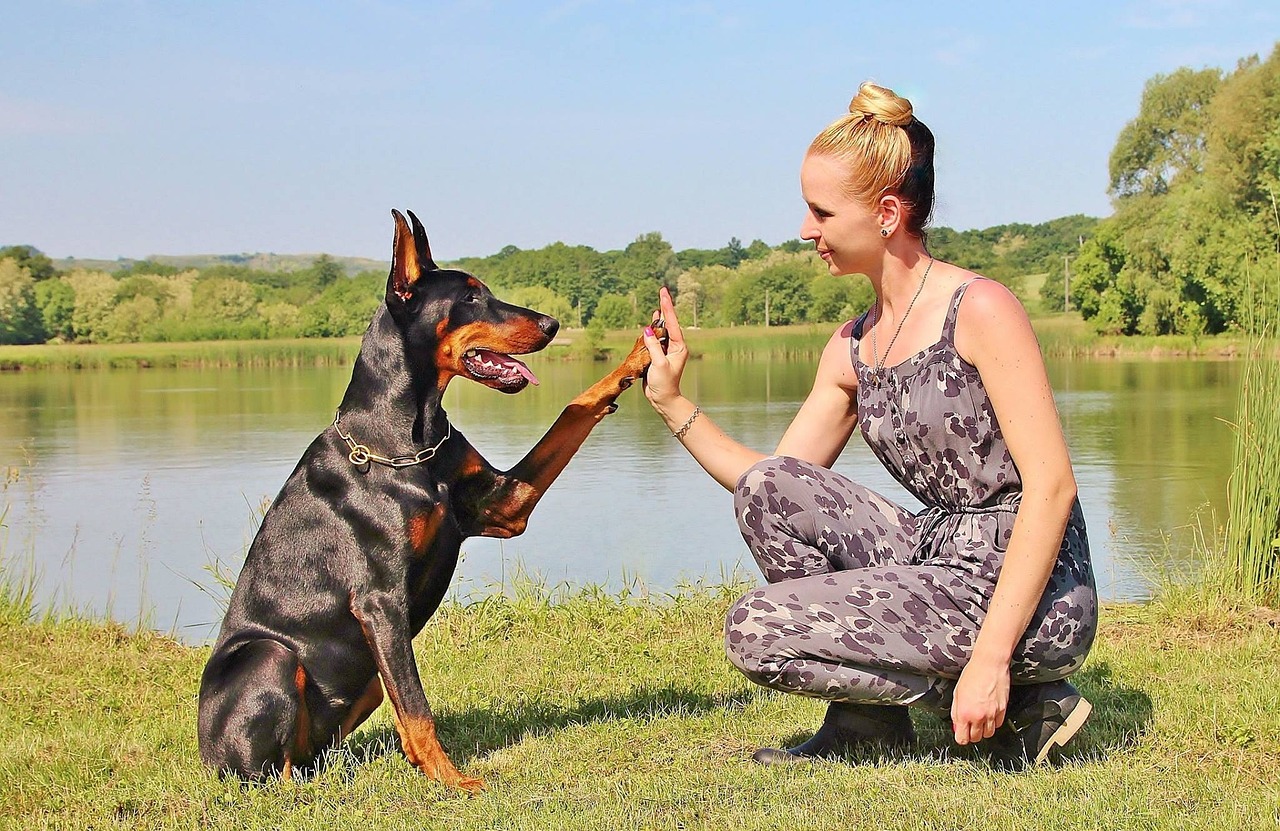
Doberman Pinscher:
- Characteristics: Intelligent, alert, and loyal. They have a sleek, black and tan coat.
- Historical Roles: Bred as guard dogs, they excel in roles that require vigilance and protection.
(Image by Yama Zsuzsanna Márkus from Pixabay)
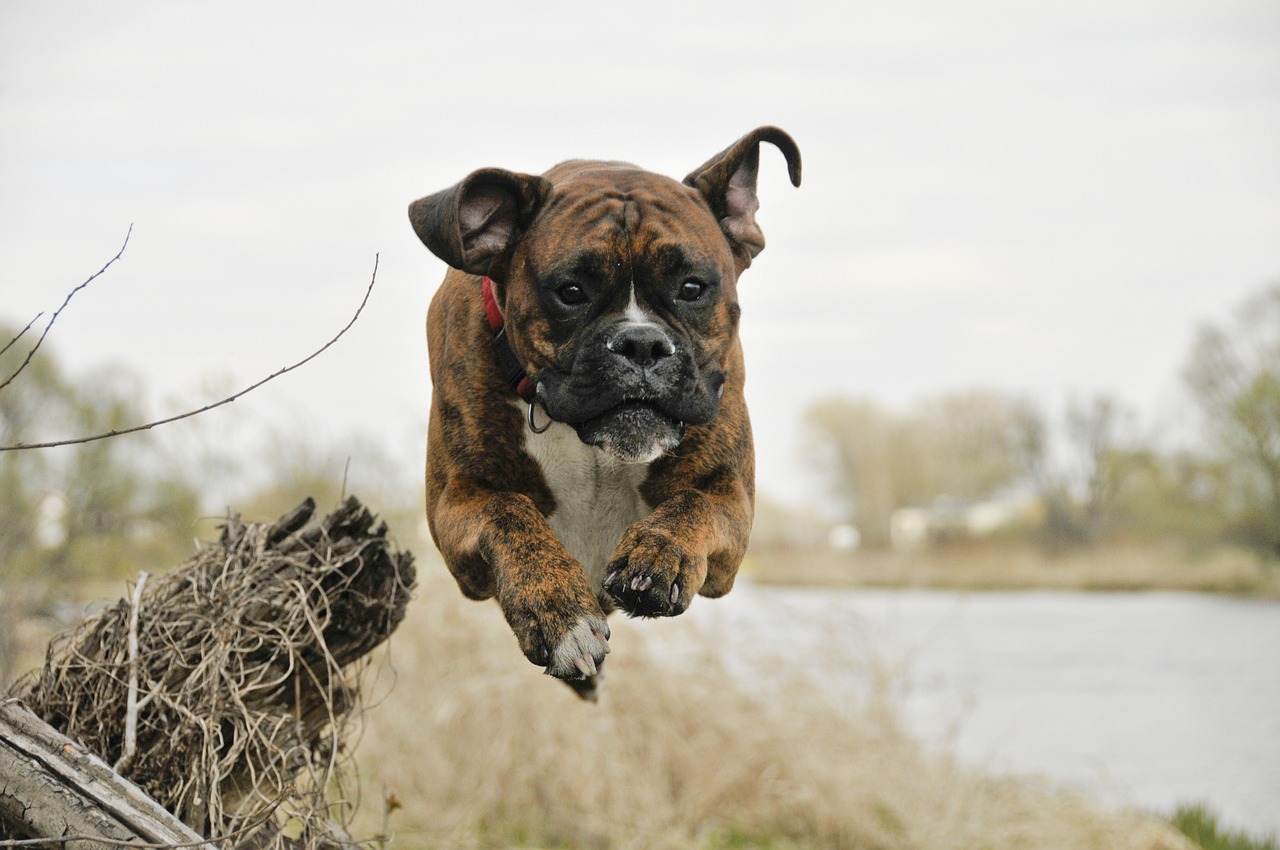
Boxer:
- Characteristics: Energetic, playful, and strong. They have a short coat and a distinctive, squarish head.
- Historical Roles: Known for hunting and guarding, Boxers are versatile working dogs.
(Image by Romuald Gałęcki from Pixabay)
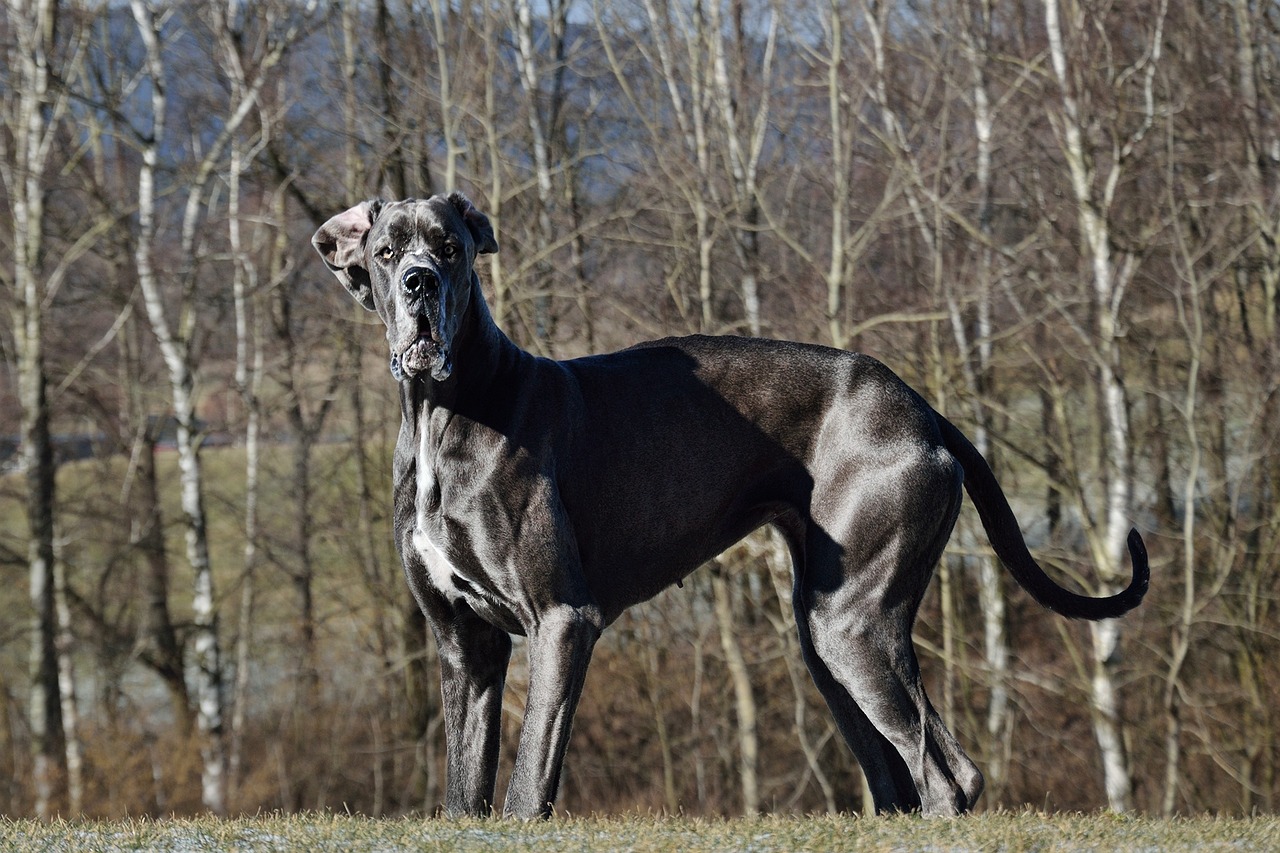
Great Dane:
- Characteristics: Gentle giants with a calm and affectionate nature. They are one of the world’s tallest dog breeds.
- Historical Roles: Originally used for hunting large game.
(Image by Martin Tajmr from Pixabay)
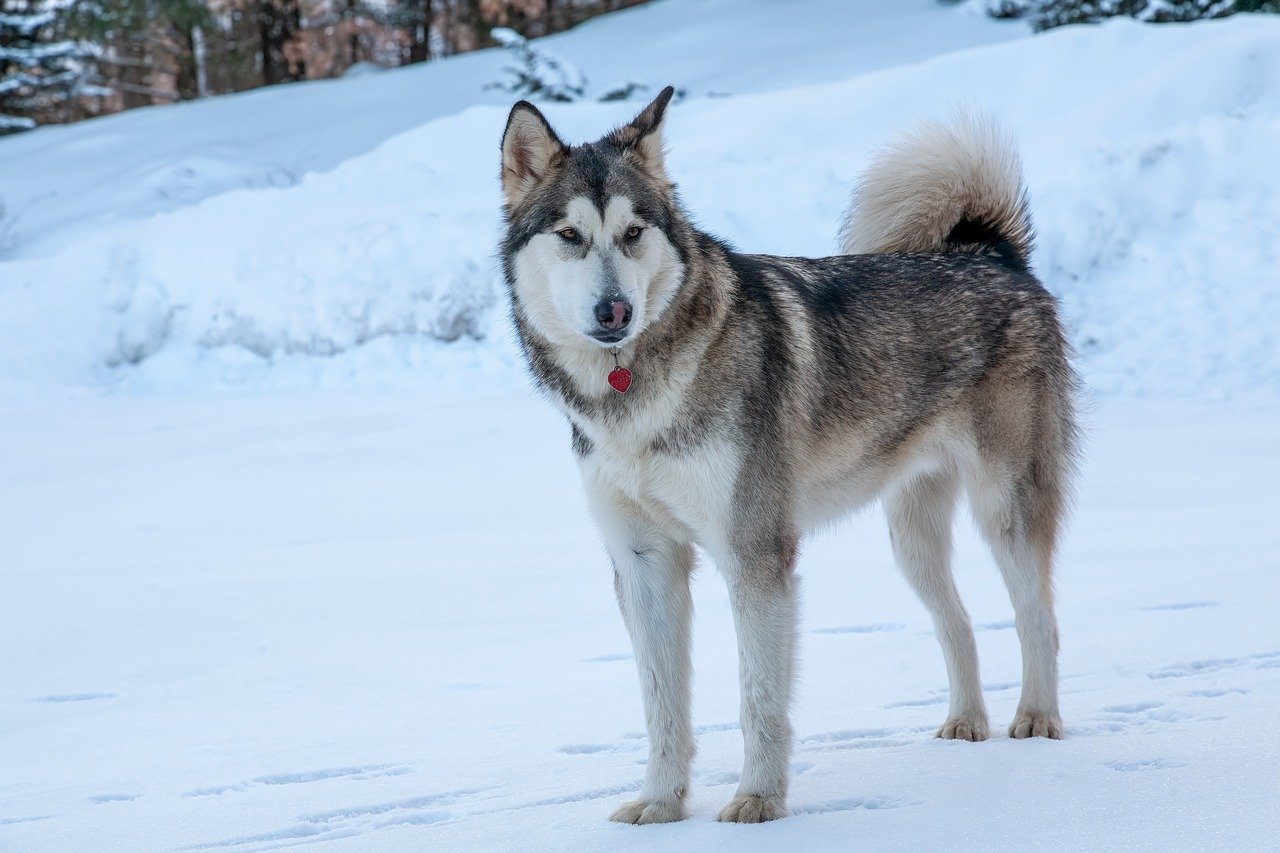
Alaskan Malamute:
- Characteristics: Strong, independent, and friendly. They have a thick double coat and expressive eyes.
- Historical Roles: Bred for their strength and endurance, they are excellent sled dogs in Arctic conditions.
(Image by Mohan Nannapaneni from Pixabay)
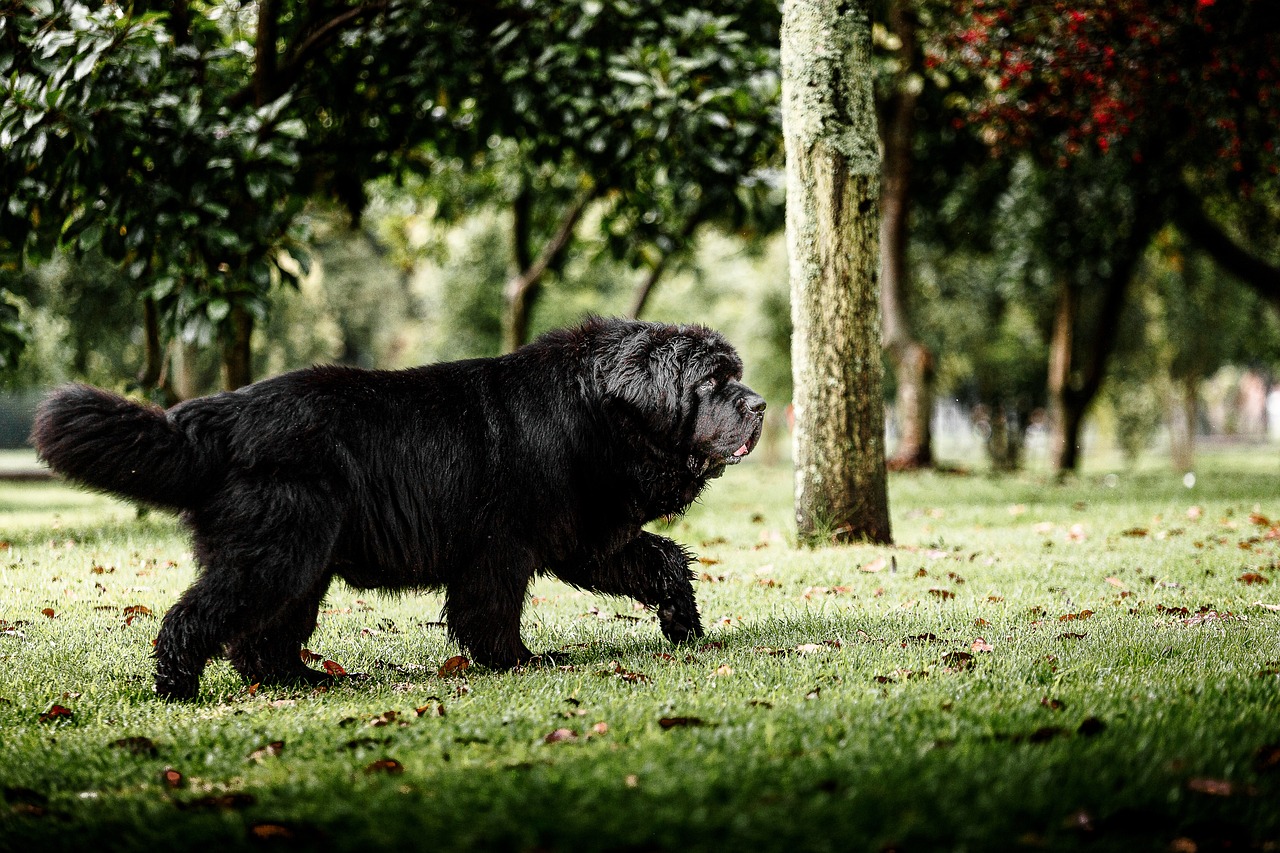
Newfoundland:
- Characteristics: Strong swimmers, gentle, and affectionate. They have a thick water-resistant coat and webbed feet.
- Historical Roles: Renowned for water rescue work, they excel in aquatic activities.
(Image by CarlosAndresCruz from Pixabay)
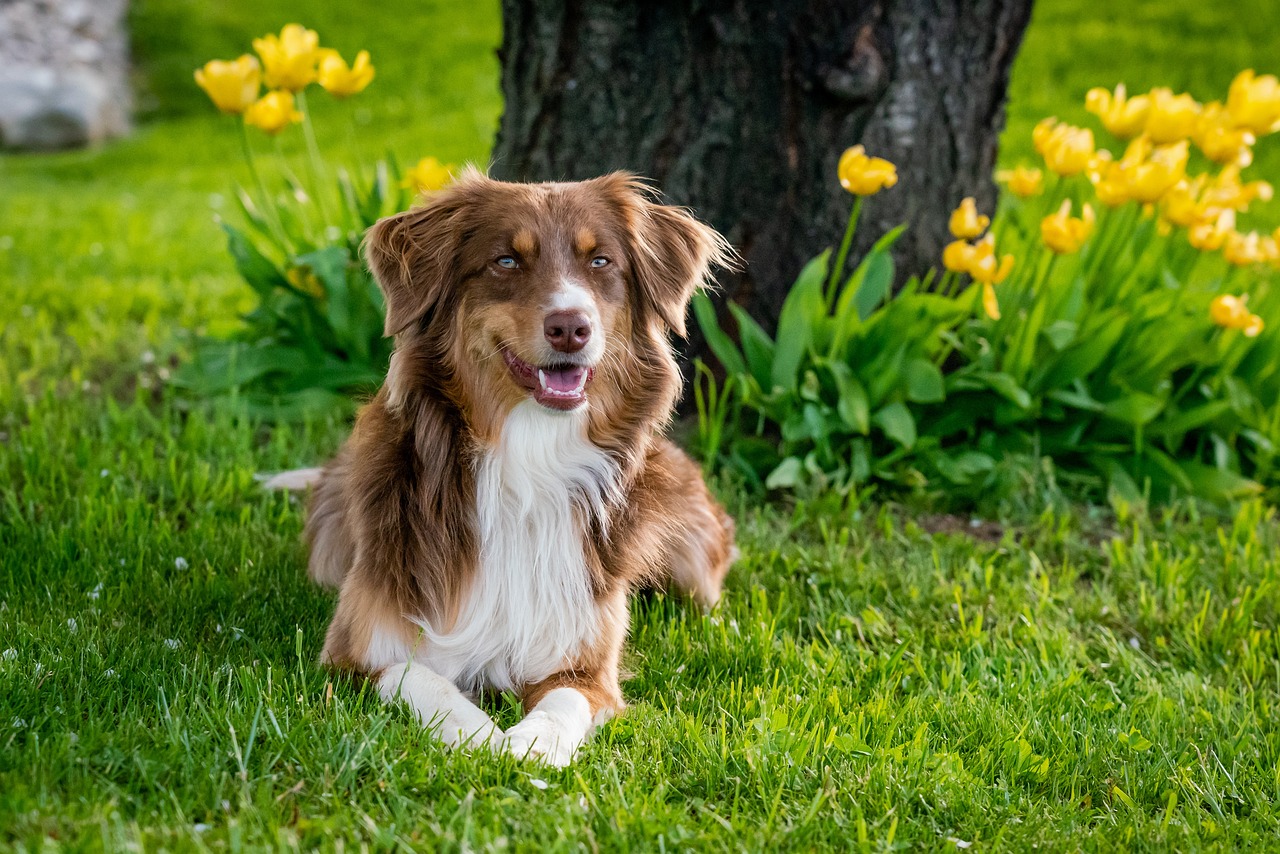
Australian Shepherd:
- Characteristics: Intelligent, agile, and herding instincts. They come in various coat colors and patterns.
- Historical Roles: Known for herding livestock, they excel in dog sports and agility.
(Image by guentherlig from Pixabay)
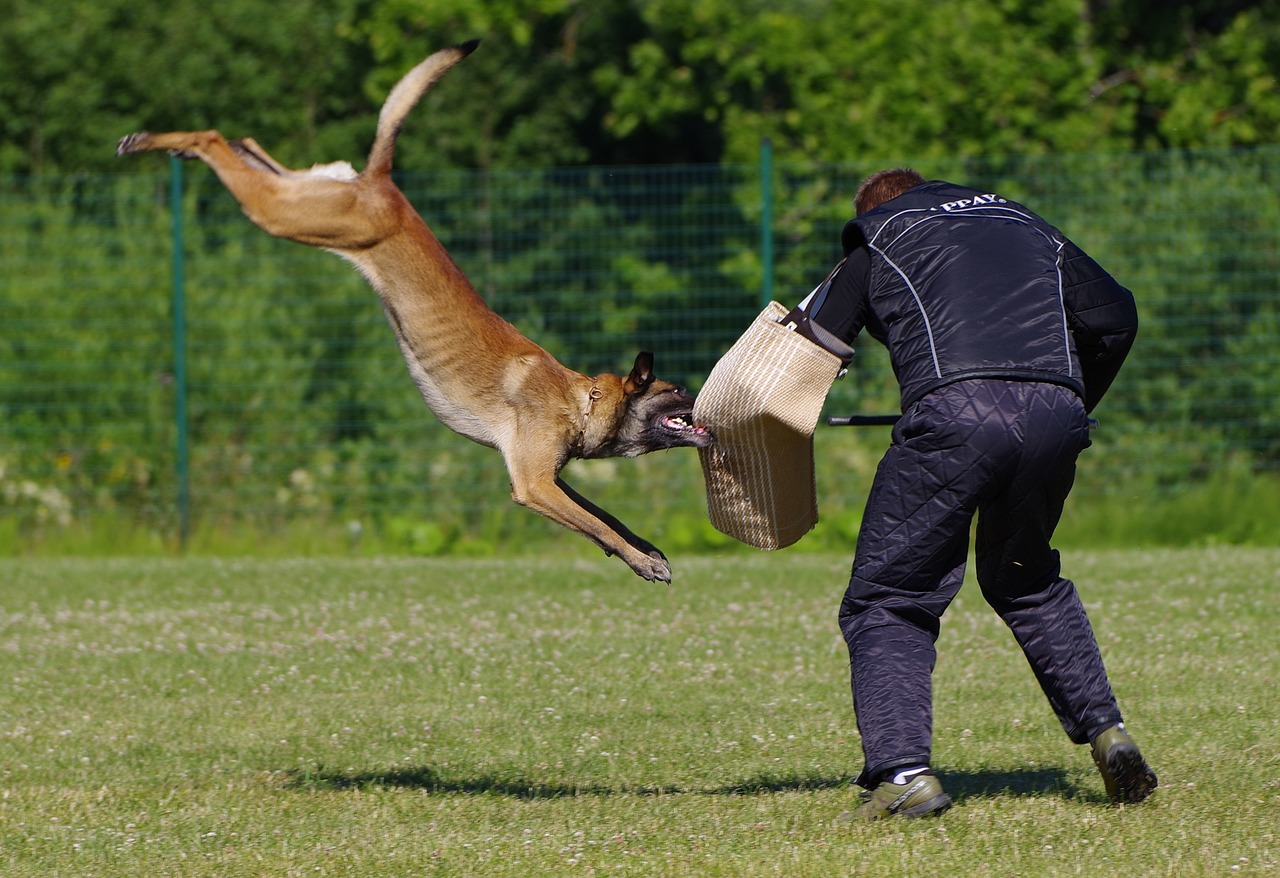
Belgian Malinois:
- Characteristics: Highly intelligent, alert, and agile. They often have a short, fawn coat.
- Historical Roles: Frequently used in police and military roles due to their sharp minds and physical prowess.
(Image by Vilve Roosioks from Pixabay)
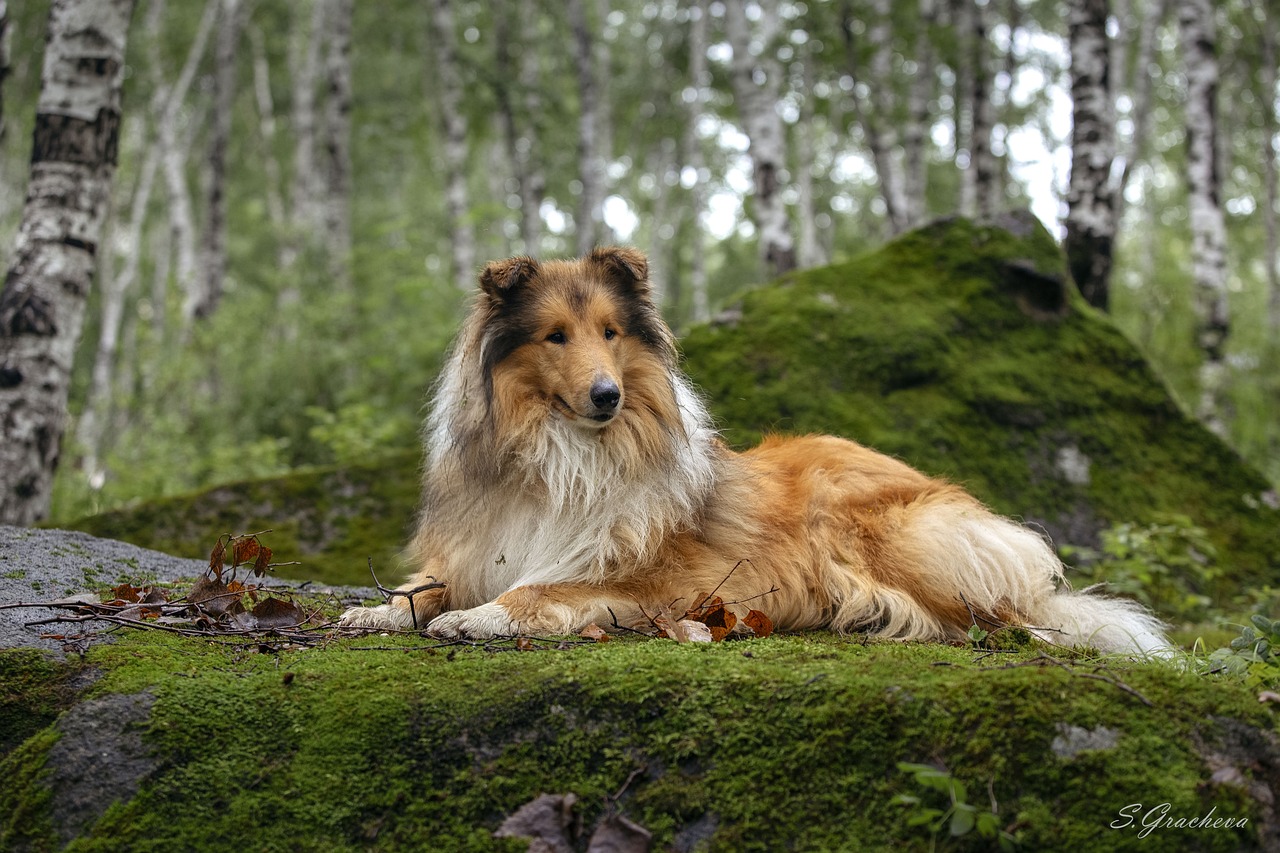
Rough Collie:
- Characteristics: Loyal, friendly, and excellent herders. They often have a distinctive rough or smooth coat.
- Historical Roles: Renowned for herding sheep and cattle.
(Image by Светлана Грачева from Pixabay)
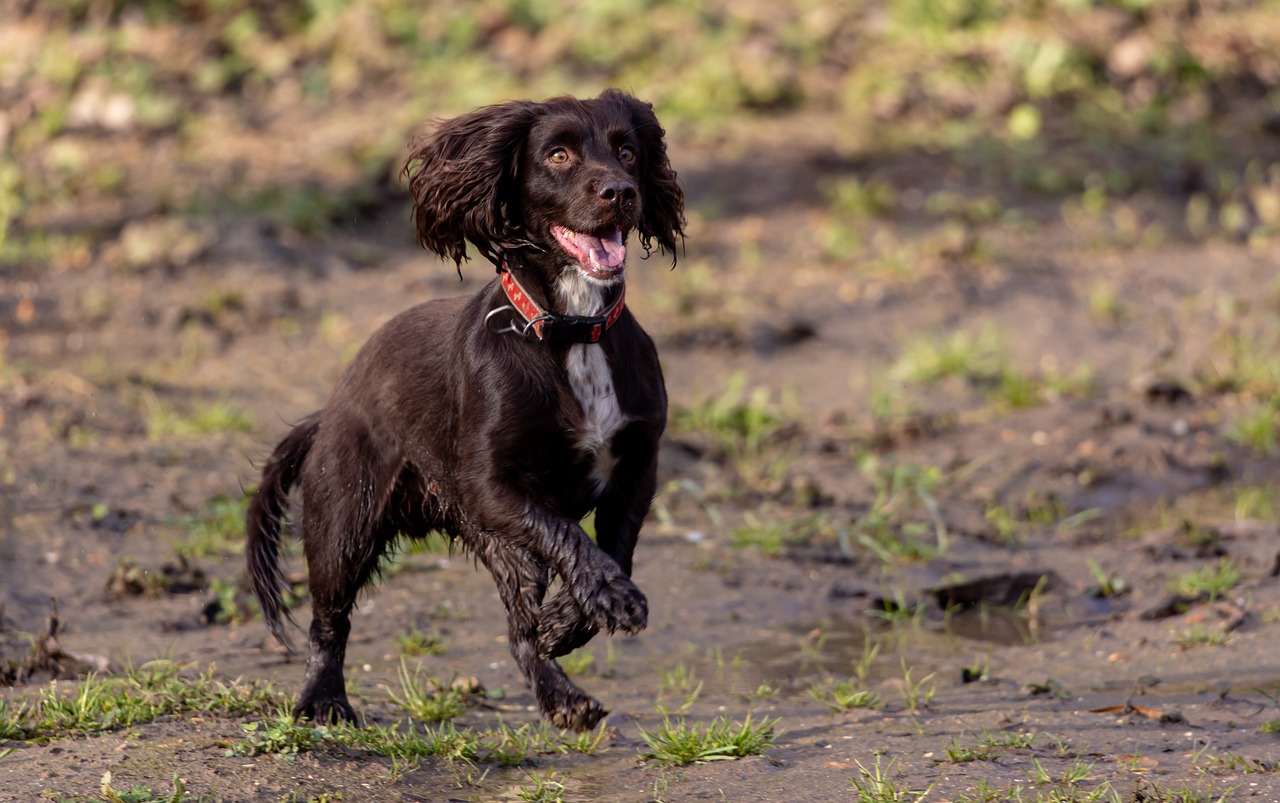
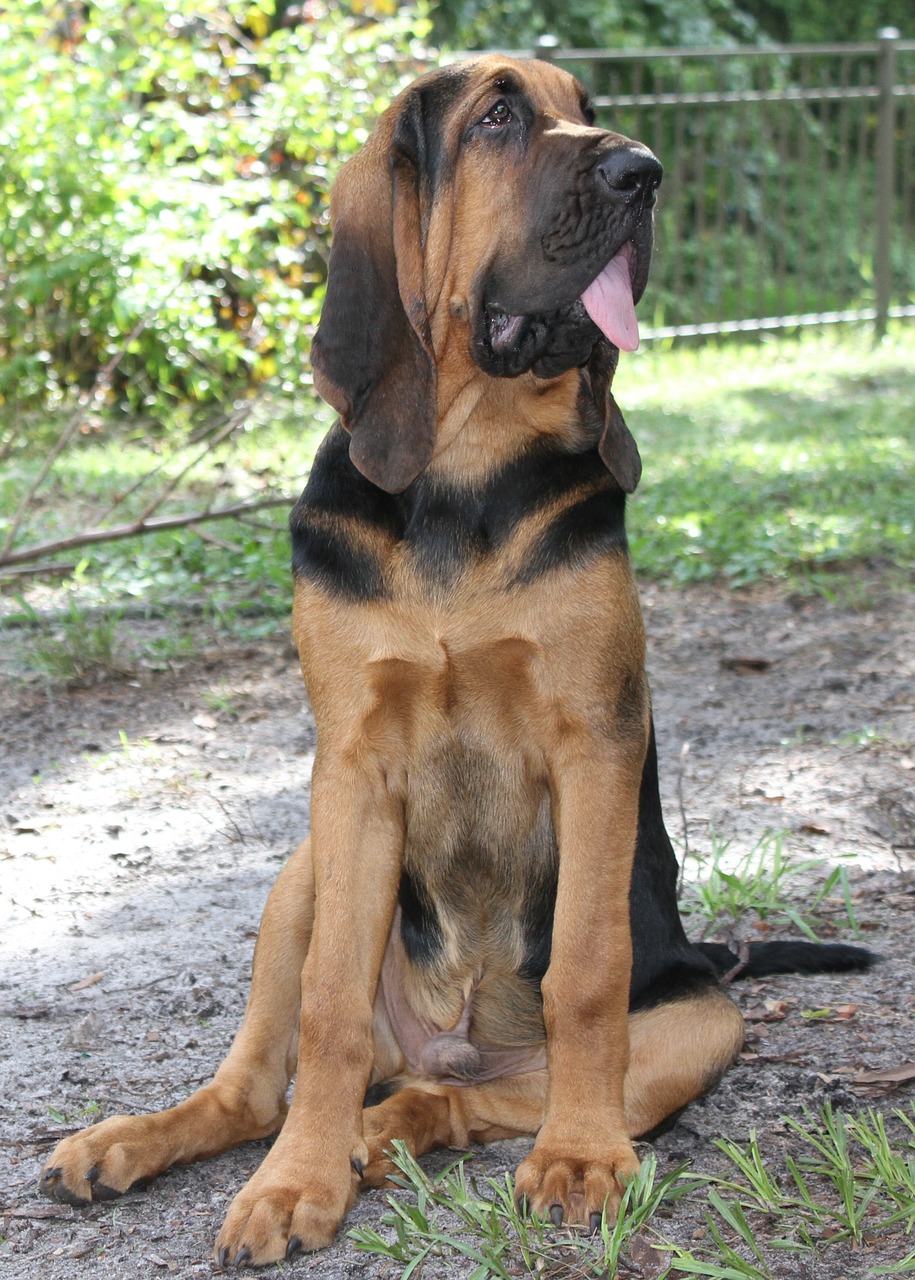
Bloodhound:
- Characteristics: Renowned for their exceptional sense of smell and droopy skin. They are known for their incredible tracking abilities.
- Historical Roles: Often used in search and rescue due to their keen olfactory senses.
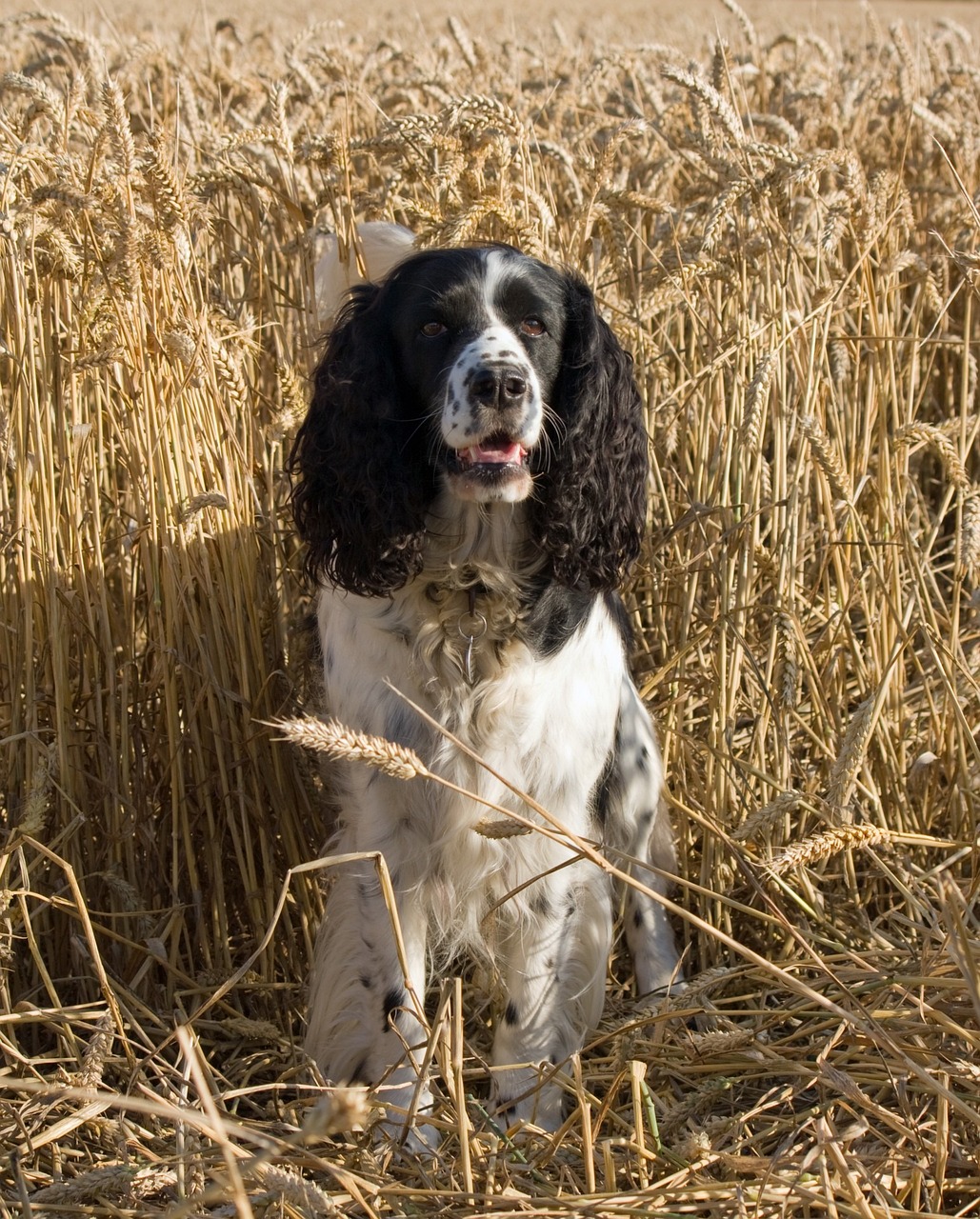
Springer Spaniel:
- Characteristics: Energetic, affectionate, and skilled at flushing out game. They have expressive eyes and a wavy coat.
- Historical Roles: Known for hunting game birds, they are enthusiastic working dogs.
(Image by No-longer-here from Pixabay)
Bouvier des Flandres:
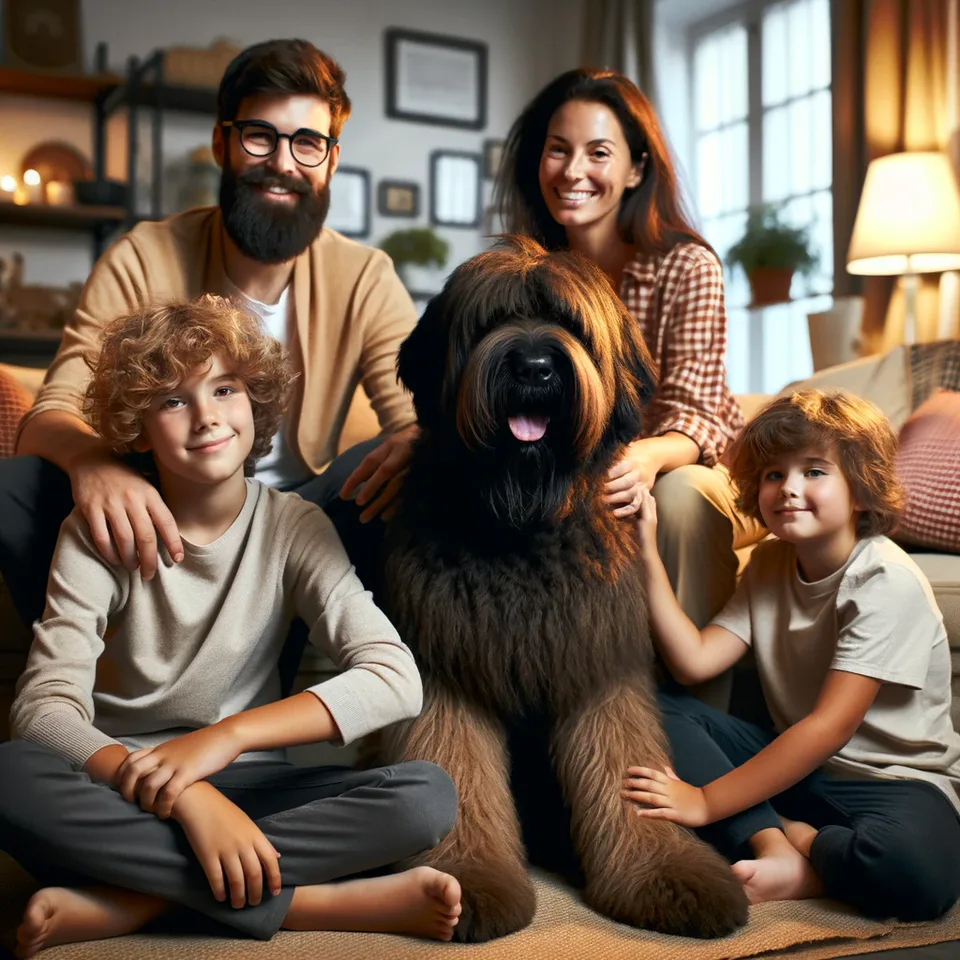
- Characteristics: Strong, versatile, and protective. They often have a thick, shaggy coat.
- Historical Roles: Originally used for herding cattle, they are known for their versatility in various tasks.
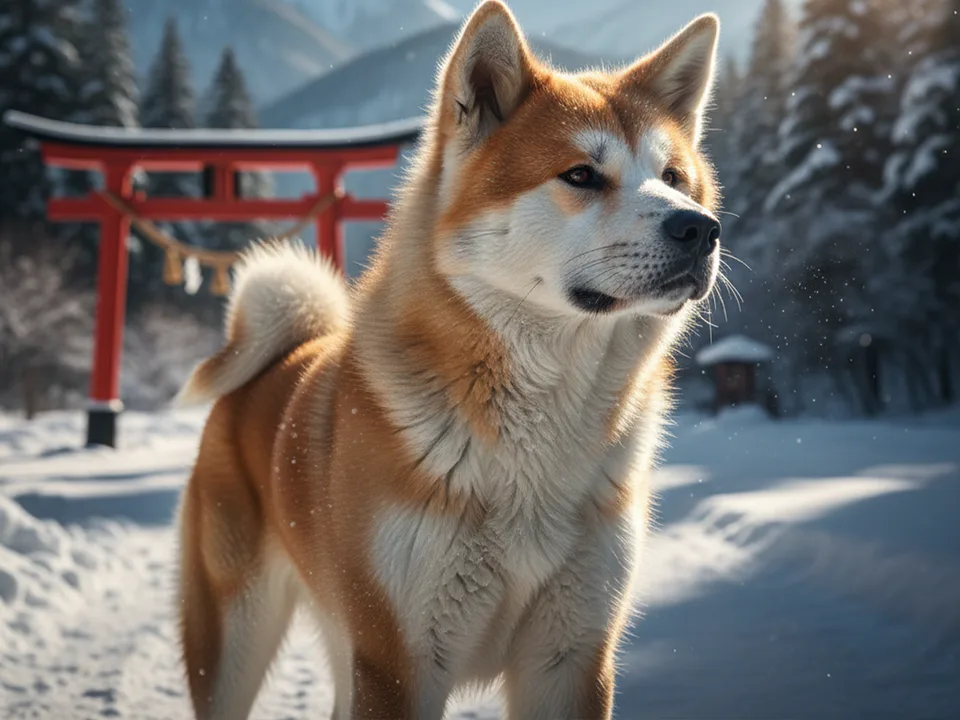
Akita:
- Characteristics: Powerful, dignified, and deeply loyal, the Akita is a large working breed with a thick double coat, curled tail, and alert expression. Calm but courageous, they are known for their quiet confidence and strong protective nature.
- Historical Roles: Originating from Japan’s Akita Prefecture, they were bred to hunt boar and bear and later became symbols of loyalty and honour. The legendary Hachikō perfectly reflects their devotion. Today, Akitas are valued guardians and faithful companions.
These are just a few examples of working dog breeds. Each breed excels in its specific role, and they continue to be valued for their abilities and loyalty as family pets. Keep in mind that these breeds often have high energy levels and require plenty of physical and mental stimulation to keep them happy and healthy.