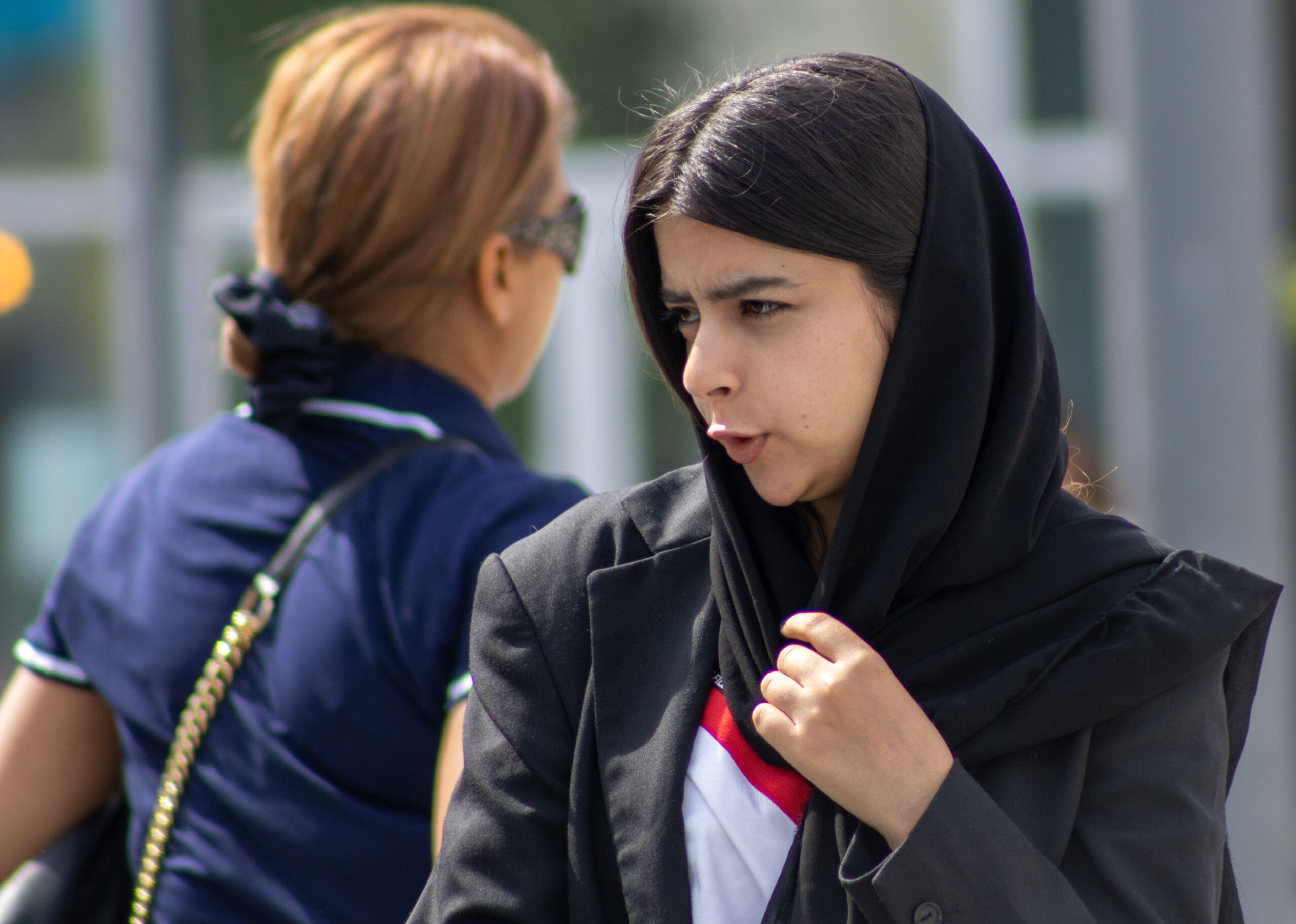
Street photography is a fascinating genre that captures the unscripted, often fleeting moments of urban life. It’s about observing, understanding, and documenting the everyday stories unfolding on city streets. In this post, we’ll explore the nuances of street photography, offering tips and insights for both beginners and seasoned photographers looking to refine their skills.
Understanding Street Photography
Street photography is more than just a genre; it’s a window into the heartbeat of urban life. It captures the essence of humanity in its natural, urban environment. Unlike other forms of photography that rely on staged scenes or controlled environments, street photography thrives on spontaneity and authenticity.
The Essence of Candidness
In street photography, the candid nature of the shots is paramount. Photographers strive to capture people in their natural state, without posing or being aware of the camera. This unguarded aspect leads to photos that are honest, often vulnerable, and always powerful. They tell stories that posed shots can’t, revealing the subtleties and complexities of human emotions and interactions.
The Art of Observation
A crucial aspect of street photography is the art of keen observation. It involves a deep understanding of human behavior and an eye for detail. The best street photographers can anticipate a moment before it unfolds, positioning themselves to capture it perfectly. It’s about noticing the small interactions, the fleeting expressions, and the transient moments that others might miss.
Documenting the Ordinary and Extraordinary
What sets street photography apart is its ability to elevate the ordinary to the extraordinary. Everyday scenes like a crowded bus, a bustling market, or a quiet street corner become subjects of interest. These mundane moments, when captured through a photographer’s lens, can become compelling narratives about life, culture, and society.
Spontaneity and Timing
The unpredictable nature of the streets means that timing is everything. A fraction of a second can be the difference between an ordinary photo and an iconic one. Street photographers must be patient yet ready to act swiftly when the right moment presents itself.
A Reflection of Society
Street photography often serves as a reflection of its time, offering insights into cultural, social, and urban changes. It’s a form of visual storytelling that can document history in a way that is accessible and relatable. The streets, with their ever-changing dynamics, serve as the perfect backdrop for capturing the zeitgeist of an era.
Challenges and Rewards
While street photography can be challenging—dealing with variable lighting conditions, unpredictable subjects, and ethical considerations—the rewards are immense. The joy of capturing a moment that speaks a thousand words, the thrill of telling a story through a single frame, and the satisfaction of preserving fleeting moments of everyday life make street photography an incredibly fulfilling pursuit.
In conclusion, understanding street photography involves appreciating its candid, observational nature, and its role in documenting the human condition within the urban landscape. It’s about finding the extraordinary in the ordinary and capturing the fleeting moments that collectively tell the story of our shared human experience.
Equipment: Choosing Your Tools
Selecting the right equipment is a crucial step in street photography. The goal is to find a balance between technical capability and practicality. Let’s delve into the aspects to consider when choosing your camera and lens for street photography.
Camera Types for Street Photography
Compact Cameras: Compact cameras, also known as point-and-shoot cameras, are ideal for street photography due to their size and simplicity. They are less intimidating for subjects and easy to carry around for long periods. Many modern compacts come with advanced features and manual controls that rival larger cameras.
Mirrorless Cameras: Mirrorless cameras offer the perfect blend of portability and performance. They are smaller and lighter than DSLRs, yet offer interchangeable lenses, excellent image quality, and faster autofocus. Their silent shutter feature is a bonus for candid shots.
DSLR Cameras: While bulkier, DSLRs are a favorite for some street photographers due to their robust build, superior ergonomics, and extensive lens options. If you’re already comfortable with a DSLR, it can be a powerful tool for street photography.
Lens Choices
Prime Lenses: A prime lens, like a 35mm or 50mm, is widely preferred in street photography. These lenses often have wider apertures, which are great for low light conditions and creating a shallow depth of field. Their fixed focal length encourages photographers to move around and engage more with the environment.
Zoom Lenses: While prime lenses are favoured for their image quality and compactness, zoom lenses offer versatility. A zoom lens covering a range like 24-70mm can be useful in dynamic street environments where you need to quickly adjust your framing.
Other Equipment Considerations
Straps and Bags: A comfortable strap can make it easier to carry your camera all day. Similarly, a discreet bag that doesn’t scream “camera inside” is preferable for blending into urban settings.
Additional Accessories: Consider a spare battery and memory card for extended shooting sessions. A lens hood can also be useful to protect your lens and prevent lens flare.
The Importance of Familiarity
Familiarity with your equipment is more important than the equipment itself. Knowing your camera’s capabilities and limitations, understanding how to quickly adjust settings, and being comfortable with your gear will make you more efficient and responsive in the unpredictable world of street photography.
Emphasising Skill Over Gear
While equipment plays a role, the essence of street photography lies in the photographer’s skill and vision. It’s about capturing moments, emotions, and stories. A keen eye, quick reflexes, and a deep understanding of human behavior are what truly make a great street photographer, not just the gear they use.
In summary, choose a camera and lens that you are comfortable with, that won’t draw undue attention, and that meet your specific needs in terms of image quality and versatility. Remember, the best camera for street photography is the one that allows you to capture the decisive moment effectively and unobtrusively.
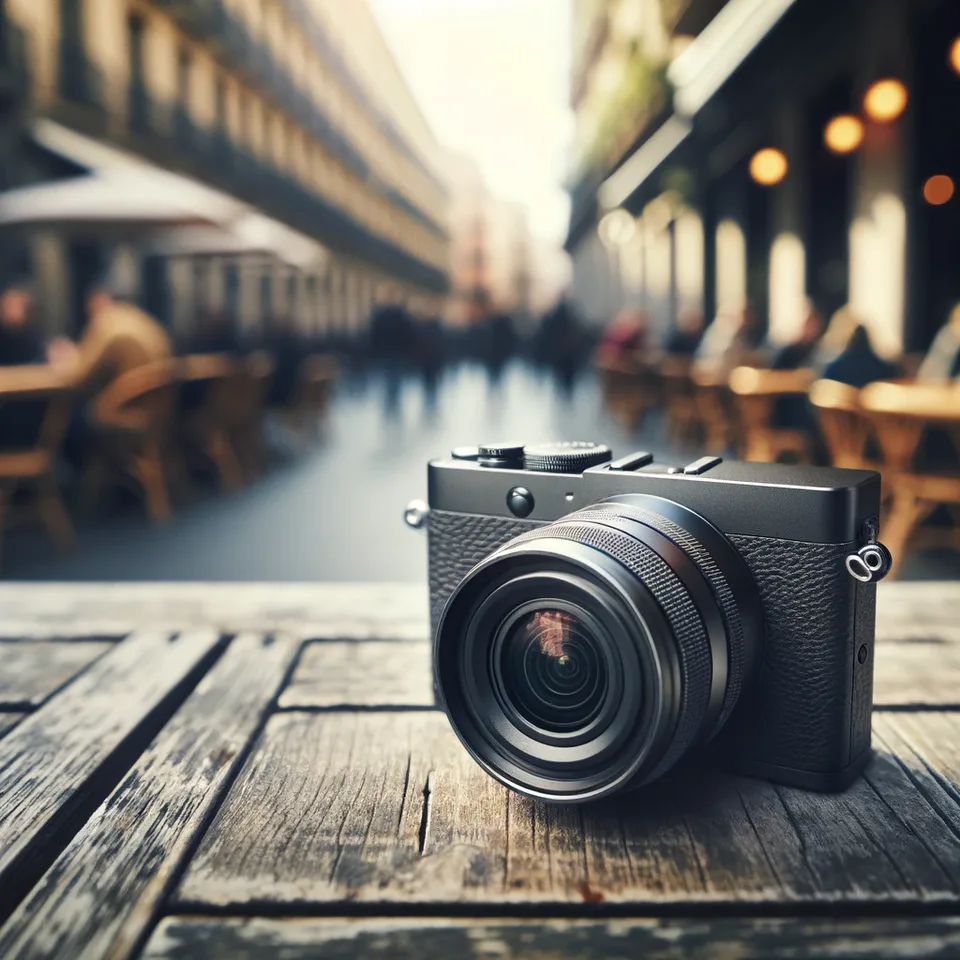
Camera Settings for Street Photography
Mastering camera settings is essential in street photography to adapt quickly to varying scenarios. Let’s break down these settings in more detail:
Aperture: Controlling Depth of Field
- Wide Aperture (e.g., f/2.8): Ideal for isolating subjects from busy backgrounds. It allows more light, enabling faster shutter speeds in low light conditions. This setting creates a shallow depth of field, rendering a pleasing bokeh effect that beautifully blurs the background and keeps the subject in sharp focus.
- Narrow Aperture (e.g., f/8 or f/11): Useful when you want more of the scene in focus, like capturing a crowded street or a detailed urban landscape. This depth of field ensures that both foreground and background elements are sharp.
Shutter Speed: Freezing or Blurring Motion
- Fast Shutter Speed (e.g., 1/250 sec or faster): Essential for freezing movement. This setting is crucial in dynamic street environments where subjects are moving quickly, like people walking briskly or vehicles passing by.
- Slow Shutter Speed (e.g., 1/30 sec): Can be used creatively to blur motion, conveying a sense of movement or the hustle of city life. It requires a steady hand or a tripod to avoid unintentional camera shake.
ISO: Balancing Light Sensitivity
- Low ISO (e.g., ISO 100-400): Best for daytime or in bright conditions to ensure the crispest image quality with minimal noise.
- Higher ISO (e.g., ISO 800-3200): Necessary in low-light conditions, like during the evening or in dimly lit streets. Higher ISO increases the camera’s sensitivity to light, allowing for faster shutter speeds and smaller apertures in such settings. Be mindful of increased noise at very high ISO levels.
Balancing These Settings
Understanding the interplay between aperture, shutter speed, and ISO is key. In automatic modes, cameras can adjust these settings, but manual control offers more creative freedom. For instance, a wide aperture with a fast shutter speed is great for a sunlit street scene with moving subjects, whereas a higher ISO and a narrow aperture might be better suited for evening landscapes.
Special Considerations for Street Photography
- Zone Focusing: For quicker shots, pre-set the focus distance (using the depth of field scale on your lens if available) to anticipate where the action will be.
- Back-Button Focus: This technique allows you to separate focusing from the shutter release, offering more control over when to freeze the focus and when to take the photo.
Conclusion
The mastery of these settings allows street photographers to quickly and effectively respond to the ever-changing dynamics of urban life. Experiment with different combinations to find what works best for your style and the specific situations you encounter in street photography.
Composition and Aesthetics
Composition and aesthetics are the soul of street photography, transforming ordinary scenes into extraordinary images. Here’s a deeper dive into the elements that make up effective composition and aesthetics:
The Rule of Thirds: A Foundation for Composition
- Basics of the Rule: Imagine your image divided into nine equal segments by two vertical and two horizontal lines. Placing your subject or important compositional elements along these lines or at their intersections creates a more balanced, naturally appealing photograph.
- Application in Street Photography: Use the rule of thirds to position a person walking down the street, a cyclist, or even architectural elements. This technique helps in creating an engaging point of interest.
Leading Lines: Guiding the Viewer’s Eye
- Identifying Leading Lines: These are lines that lead the viewer’s eye towards the main subject. They can be anything – sidewalks, street markings, architectural lines, or even shadows.
- Utilizing Lines: Use leading lines to draw attention to your subject, create depth, and add a sense of movement to your photographs.
Patterns and Symmetry: Creating Visual Interest
- Finding Patterns: Repeated elements – whether architectural features, rows of windows, or patterns in a crowd – can create compelling images.
- Using Symmetry: Symmetrical scenes, especially in urban environments, can create powerful, visually striking images. Look for reflections, architectural designs, or even symmetrically positioned subjects.
Light and Shadow: Crafting Mood and Depth
- Understanding Light: The way light falls on a scene can dramatically change its mood. Early morning or late afternoon light (the golden hours) often provides a warm, inviting feel.
- Playing with Shadows: Shadows can add drama and a sense of mystery to your images. Use them to create contrast or highlight certain elements of your composition.
Color and Monochrome: Setting the Tone
- Color Photography: Colors can evoke emotions and set the mood. Vivid colors create energy, while muted tones can convey nostalgia or melancholy.
- Black and White Photography: Removing color can strengthen the impact of composition, light, and shadow. It’s particularly effective in emphasizing textures, patterns, and expressions.
Breaking the Rules: Embracing Creativity
- Dynamic Angles: Don’t be afraid to experiment with unusual angles or perspectives. Shooting from a low or high angle can add an element of surprise.
- Intentional Blur: Use motion blur or focus blur to add a sense of movement or to emphasize the chaotic nature of the street.
Conclusion
In street photography, composition and aesthetics are not just about following rules; they’re about how you interpret the scene before you. It’s about finding beauty in the mundane, telling stories without words, and capturing the essence of the street. Keep these principles in mind, but always be ready to bend or break them to capture that perfect, spontaneous moment.
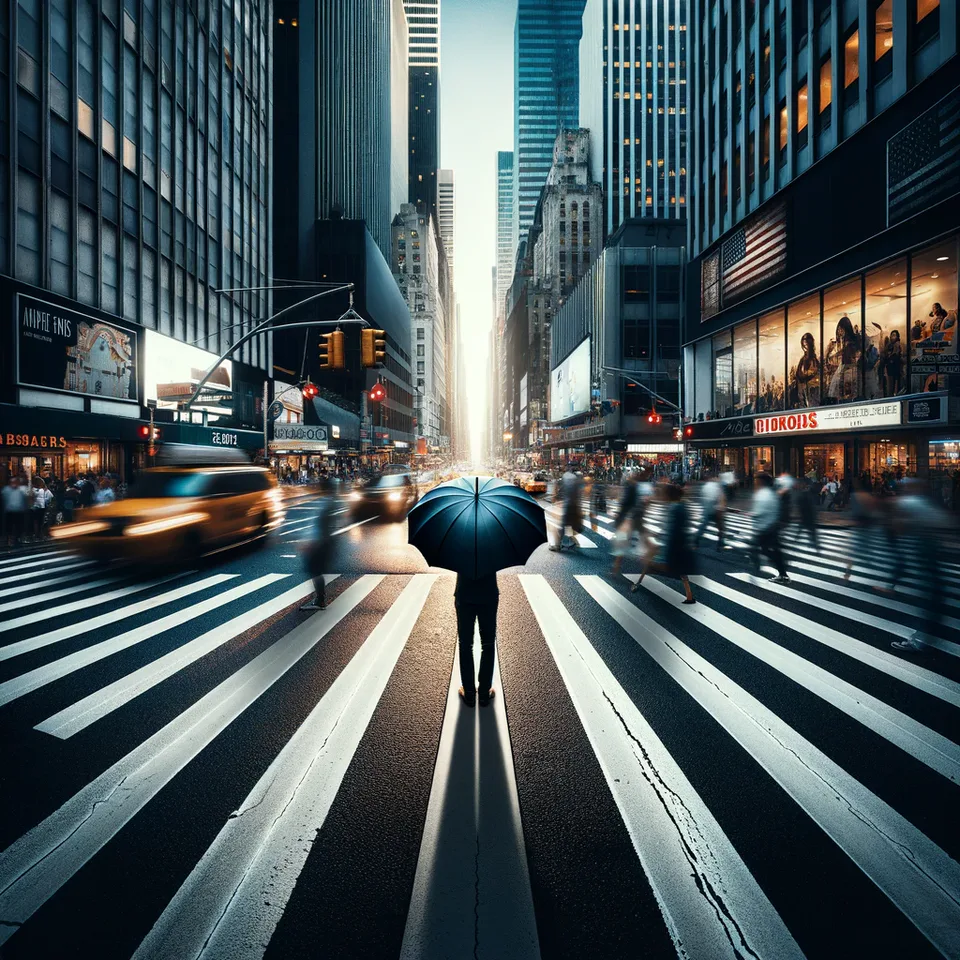
Capturing Candid Moments
Candid photography is the heart of street photography. It’s about capturing the unposed, spontaneous moments that occur in everyday life. To excel in this, a blend of patience, observation, and readiness is required.
The Virtue of Patience
- Waiting for the Moment: Great candid shots often come from waiting patiently in a promising location. Choose a spot where you expect interesting interactions or movements to occur, like a busy street corner, a park, or a café.
- Blending In: The longer you stay in one spot, the more you become part of the scenery. People around you will start to act more naturally, forgetting your presence, which is when the most authentic moments can be captured.
The Art of Observation
- Studying Your Environment: Pay close attention to the dynamics and rhythms of the street. Notice how people interact with each other and their surroundings. Look for emotions, gestures, and expressions that tell a story.
- Anticipating Moments: With practice, you’ll learn to anticipate moments before they happen. This involves understanding body language, facial expressions, and the flow of movement in a public space.
Looking for Interactions and Emotions
- Emotional Depth: Photographs that capture genuine emotions, like joy, contemplation, or surprise, instantly connect with the viewer. Aim to capture these fleeting expressions.
- Dynamic Interactions: Interactions between people or between a person and their environment can create compelling narratives. Be on the lookout for these dynamic scenes.
Being Always Ready
- Camera Settings: Keep your camera on and ready with preferred settings dialed in. This way, you can react quickly when a moment arises.
- Practicing Quick Reflexes: The ability to react swiftly and discreetly is crucial. Practice raising your camera, focusing, and taking the shot smoothly and quickly.
Ethical Considerations
- Respecting Privacy: While capturing candid moments, always be respectful of people’s privacy and dignity. If someone is uncomfortable being photographed, it’s important to respect their wishes.
- Cultural Sensitivity: Be aware of cultural norms and sensitivities, especially when photographing in unfamiliar environments.
Embracing Imperfections
- The Charm of Imperfection: Not every shot will be technically perfect, and that’s okay. Sometimes, a slightly blurred or imperfectly framed photo can better convey the energy and spontaneity of the street.
Conclusion
Capturing candid moments in street photography is about more than just snapping a picture; it’s about immersing yourself in the environment, understanding the nuances of human interaction, and being ready to capture the essence of a fleeting moment. It requires patience, observation, and quick reflexes, but the result can be deeply rewarding—a snapshot of life, unposed and authentic.
Ethics and Respect
Ethics and respect are fundamental in street photography. While public spaces generally allow for photography, it’s important to navigate this space thoughtfully and considerately.
Understanding the Legal Landscape
- Public Space Photography: In most countries, it’s legal to photograph people in public spaces without their consent. However, legal doesn’t always mean ethical.
- Private Spaces: Be aware that laws are different when it comes to private property. Always seek permission when photographing in these spaces.
Respecting Individual Privacy
- Reading Body Language: If someone seems uncomfortable with being photographed, it’s best to avoid taking their picture. Respect people’s non-verbal cues.
- Responding to Objections: If someone objects to being photographed, be polite and considerate. Delete the photo if requested and apologize if necessary.
Cultural Sensitivity
- Understanding Cultural Norms: Different cultures have different norms regarding photography. What might be acceptable in one place could be frowned upon in another.
- Researching Beforehand: If you’re shooting in an unfamiliar area or culture, it’s wise to do some research beforehand to understand local customs and sensitivities.
Photographing Vulnerable Populations
- Special Care with Vulnerable Subjects: Exercise extra caution and sensitivity when photographing children, homeless individuals, or people in distress.
- Questioning Your Motive: Always question your motive behind capturing such subjects. Ensure that your photograph does not exploit their situation.
The Impact of Your Work
- Considering the Implications: Think about how your photographs might affect the subjects if they were to see them. Your work should aim to respect the dignity and integrity of the people you photograph.
- Responsible Sharing: Be thoughtful about where and how you share your photographs, especially if they contain sensitive or potentially identifiable subjects.
Building Trust and Rapport
- Engaging with Subjects: When possible, engage with your subjects. A simple smile or conversation can go a long way in building trust.
- Showing Your Work: Sometimes, showing your subjects the photos you’ve taken can help ease any concerns and demonstrate your intent.
The Role of the Photographer
- Ethical Responsibility: As a street photographer, you have the power to shape perceptions and tell stories. With this power comes the responsibility to portray subjects fairly and honestly.
- Reflecting on Impact: Regularly reflect on your impact as a photographer. Consider how your work contributes to the broader narrative about the places and people you photograph.
Conclusion
Ethical considerations in street photography extend beyond mere legality. It’s about respecting the rights and dignity of individuals, being culturally sensitive, and understanding the impact your photography can have. By prioritising ethics and respect, your photography can be both powerful and responsible.
Post-Processing Tips
In street photography, post-processing is a delicate balance between enhancing a photo and maintaining the integrity of the original moment. Here’s how you can approach editing while preserving the authenticity of your shots:
Maintaining Authenticity
- Subtle Adjustments: The aim should be to make adjustments that refine the photo without changing its essence. Think of post-processing as a way to polish, not alter, the story your photo tells.
- Respecting the Reality: Avoid heavy-handed edits that dramatically alter the scene’s reality, like removing elements from the image or excessively altering colors.
Basic Adjustments
- Exposure: Adjust the exposure to ensure the image is neither too dark nor too brightly lit. This can help in recovering details in the shadows or highlights.
- Contrast: Tweaking the contrast can help make your image pop. It enhances the separation between the light and dark areas, adding depth to your photo.
- Color Balance: Adjust the white balance to ensure the colors in your photo look natural and true to the scene. This is particularly important in mixed lighting conditions.
Refining the Image
- Sharpening: Apply a subtle amount of sharpening to enhance the details, especially if the image will be viewed on digital platforms.
- Noise Reduction: If you had to shoot at a high ISO, some noise reduction might be necessary. However, be careful not to overdo it as it can make the image look unnatural.
Black and White Conversion
- Choosing Black and White: For some street photos, particularly those focusing on contrast, patterns, or textures, converting to black and white can add a timeless quality and focus the viewer’s attention on the subject.
- Adjusting Tones: When working in black and white, pay attention to the tonal range. Ensure there’s a balance between the dark and light areas.
Cropping for Composition
- Reframing the Shot: Cropping can be used to remove distracting elements or to strengthen the composition. However, try to get the composition as close to perfect in-camera to maintain image quality.
- Aspect Ratio: Be mindful of the aspect ratio when cropping. Consider the final platform where the image will be displayed (e.g., Instagram, print, blog).
Ethical Considerations
- Staying True to the Scene: In journalism and documentary photography, it’s crucial to maintain the truthfulness of the scene. Even in artistic street photography, consider the ethical implications of your edits.
The Power of Restraint
- Less is More: Often, the most powerful street photographs are those with minimal editing. They showcase the scene as it was, reflecting the true atmosphere and emotion of the moment.
Conclusion
Effective post-processing in street photography is about enhancing the natural qualities of your image while respecting the authenticity of the moment captured. By applying subtle adjustments, you can improve your photographs while keeping them grounded in the reality of the scene you witnessed.
In Conclusion
Street photography is an exciting way to explore and document the world around us. It requires an observant eye, quick reflexes, and a respectful approach. Whether you’re capturing the hustle and bustle of city life, the quiet moments of daily existence, or the unique characters that make up the urban landscape, street photography is all about discovering beauty in the ordinary.
Remember, practice makes perfect. The more you shoot, the better you’ll become at anticipating and capturing those unforgettable moments. Happy shooting!