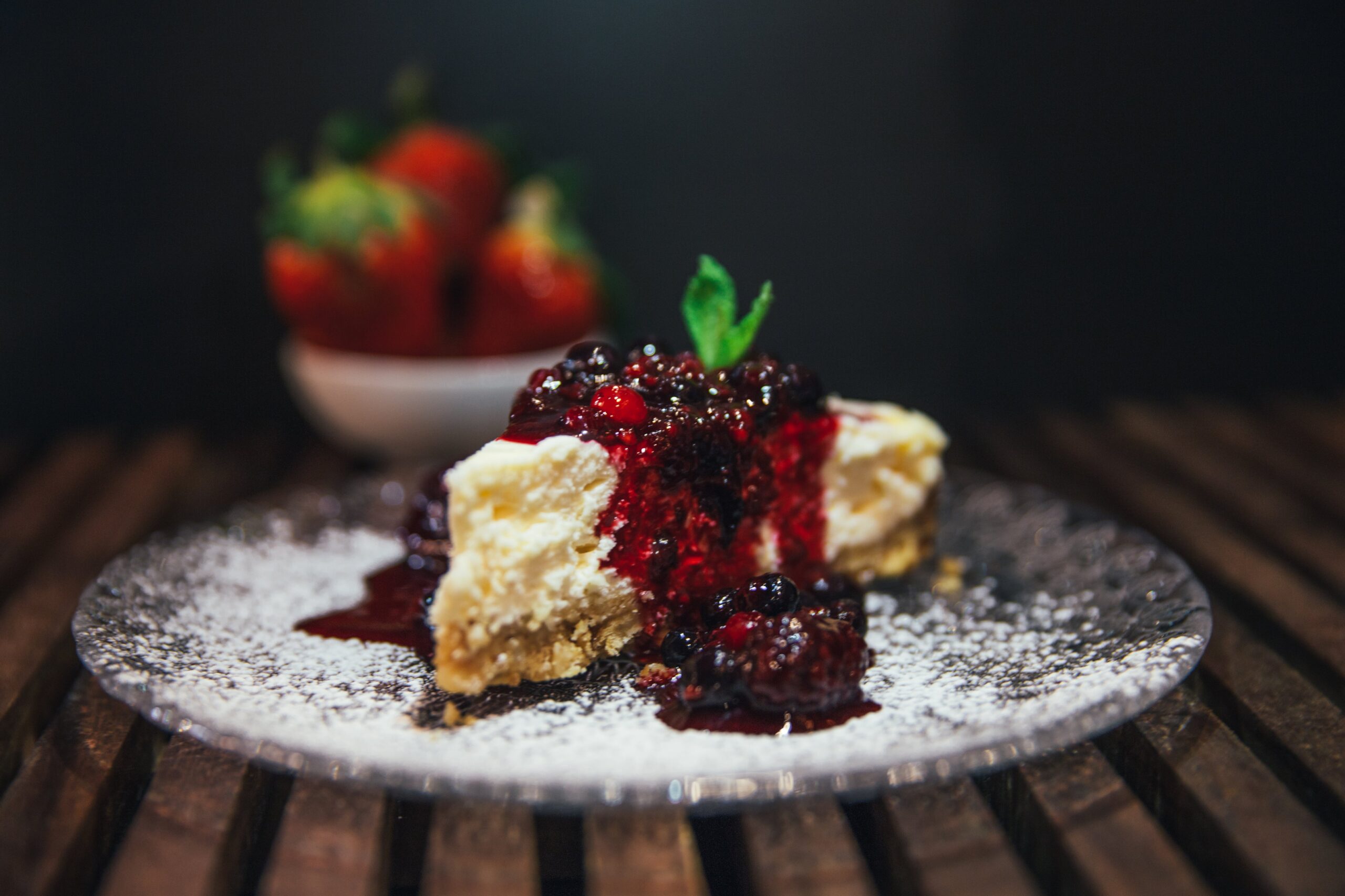
In the age of Instagram and Pinterest, food photography has become more than just a means to document what’s on your plate; it’s an art form. Whether you’re an aspiring food blogger, a home chef, or simply someone who appreciates the beauty of a well-cooked meal, the ability to capture the essence of your culinary creations through the lens is a valuable skill. In this post, we’ll explore the art of food photography, sharing tips and techniques to elevate your food photos from ordinary to extraordinary.
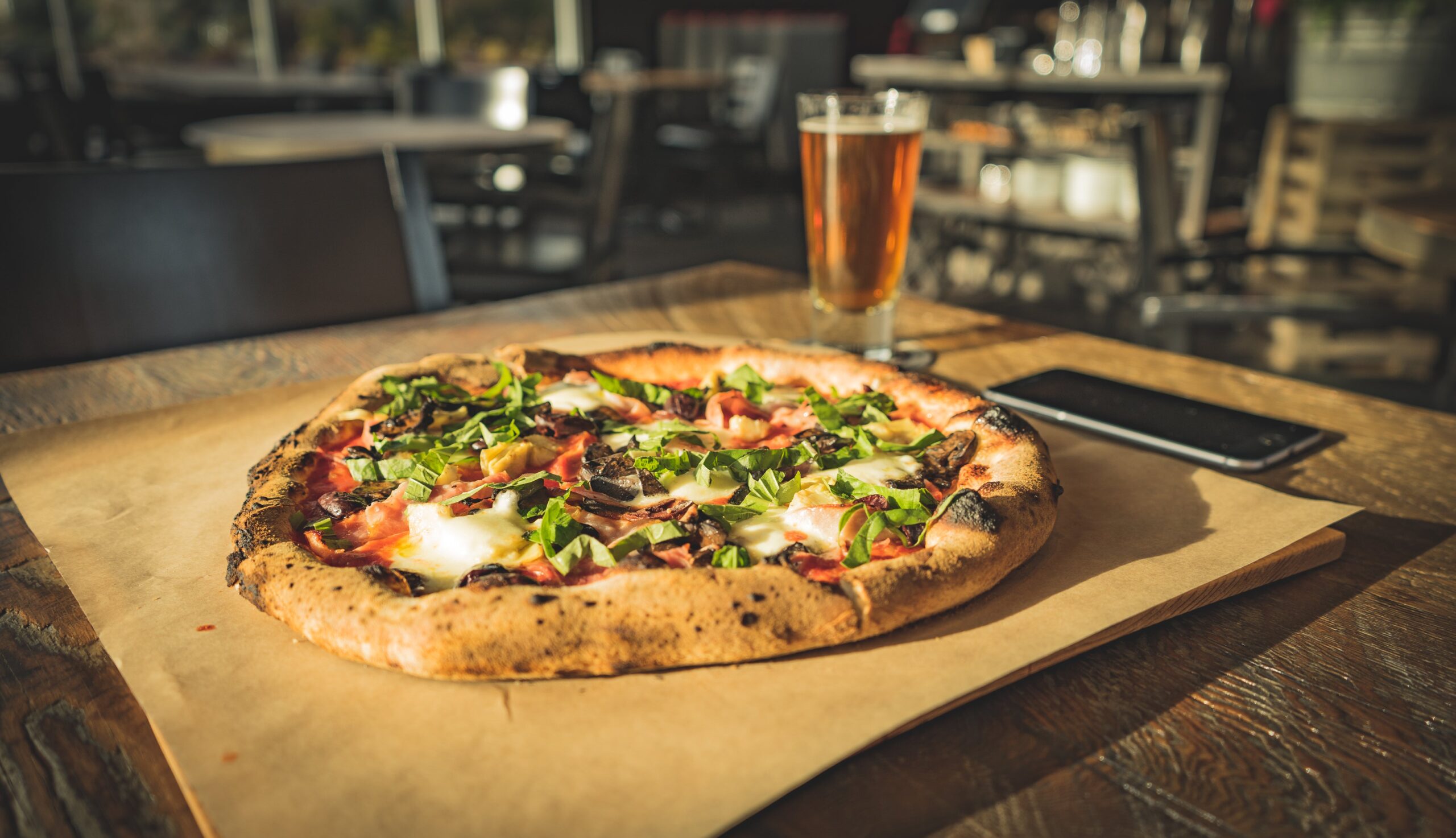
The Perfect Setup: Creating a stunning food photograph begins with the right setup. Consider your background, lighting, and props. A clean, uncluttered background allows your dish to shine. Natural light is your best friend; find a spot near a window for soft, diffused illumination. As for props, choose items that complement your dish without overshadowing it.
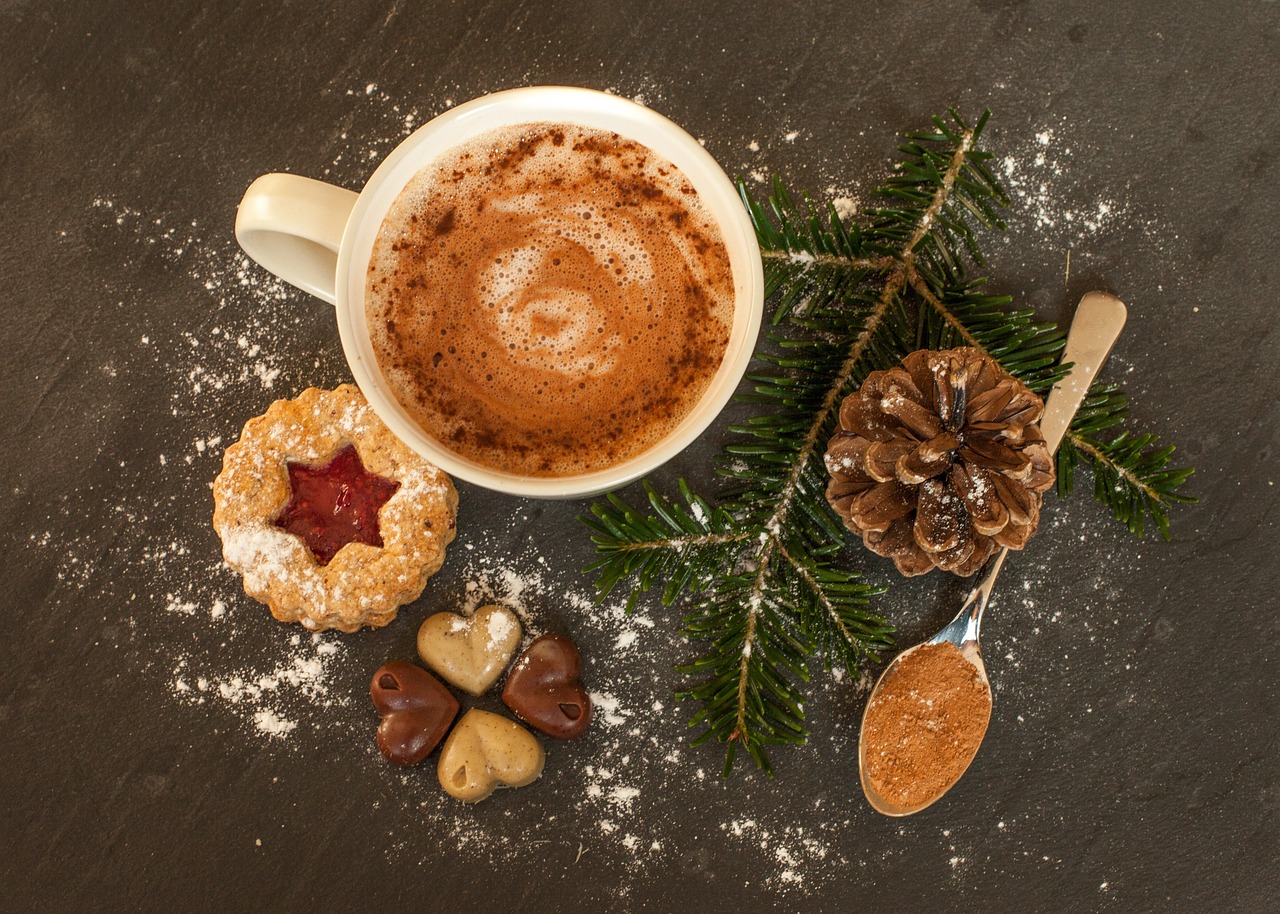
Composition: Experiment with different angles and compositions. The rule of thirds is a good starting point, but don’t be afraid to break the rules. Overhead shots provide a bird’s-eye view of your creation, while close-ups can capture the texture and details of your ingredients.
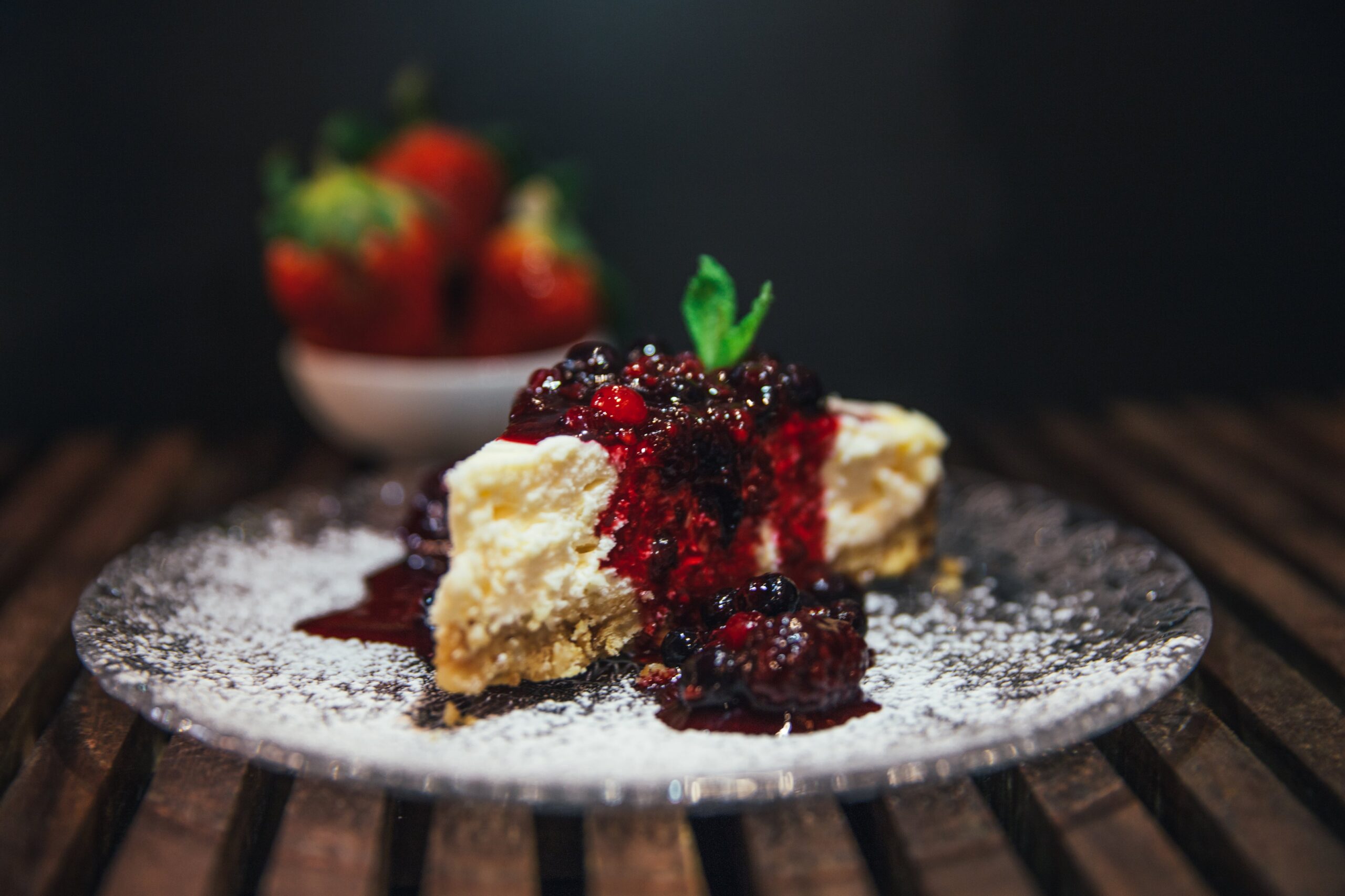
Focus and Depth of Field: Use a wide aperture (low f-stop number) to create a shallow depth of field. This will blur the background, making your subject pop. Ensure that the most important parts of your dish are in focus, typically the center or a focal point.
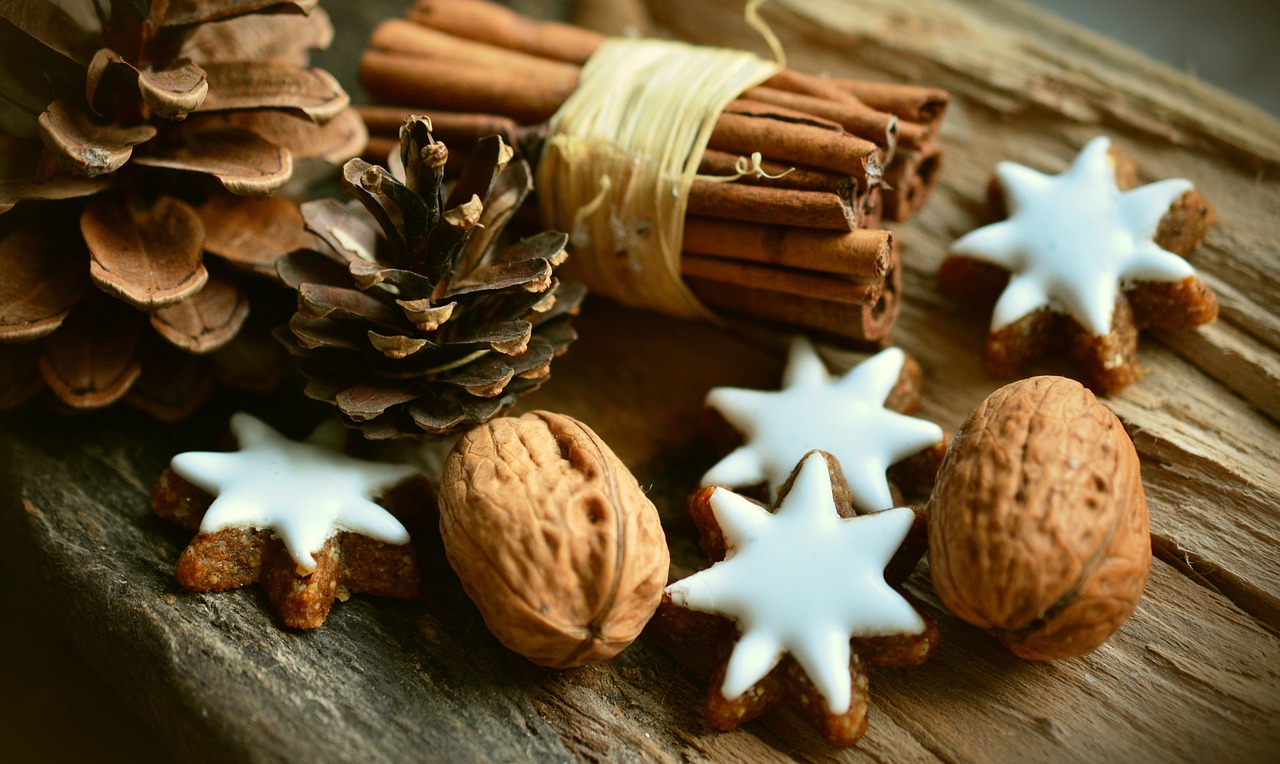
Color and Contrast: Pay attention to color harmony and contrast. Vibrant, complementary colors can make your photo more visually appealing. Consider the color wheel when choosing props or backgrounds.
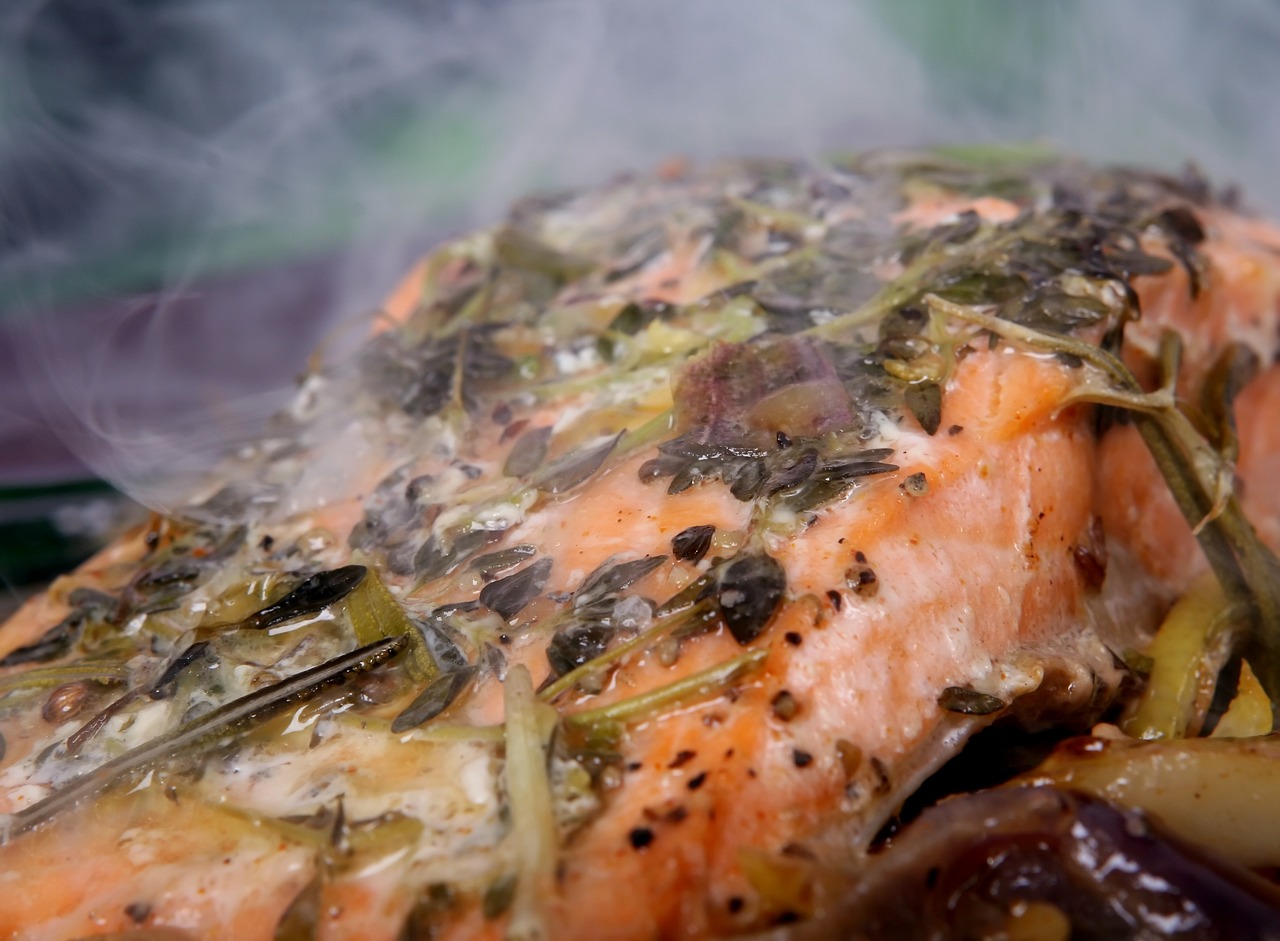
Textures and Details: Highlight the textures of your dish. This could mean capturing the steam rising from a freshly baked pie, the glistening glaze on a cake, or the crispy edges of a roasted vegetable. Details like these add depth and authenticity to your photos.
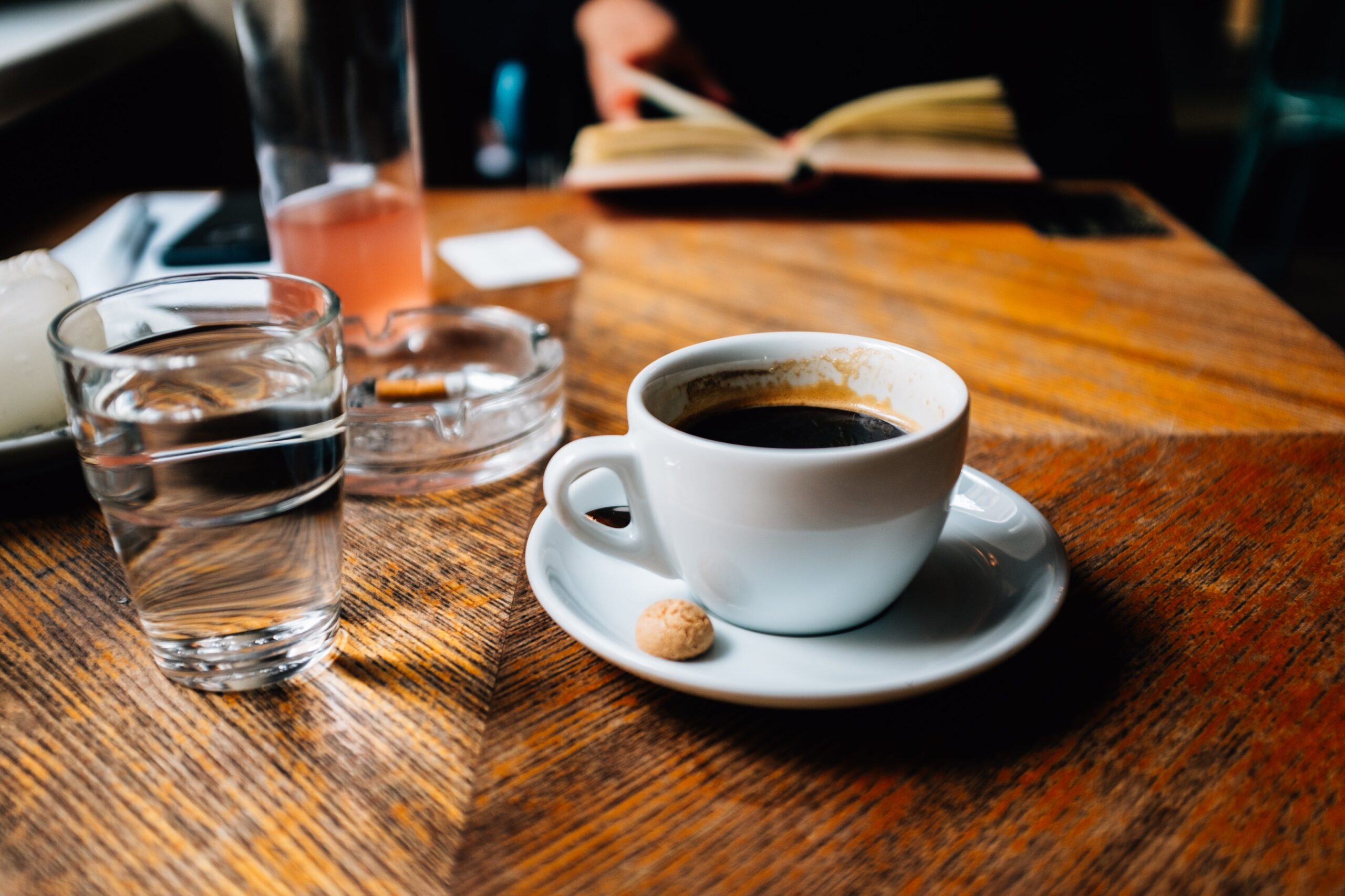
Tell a Story: Think about the story you want your photo to tell. Are you capturing the coziness of a homemade meal? The excitement of a special occasion? The simplicity of a weekday dinner? Let the mood and theme guide your composition and styling.
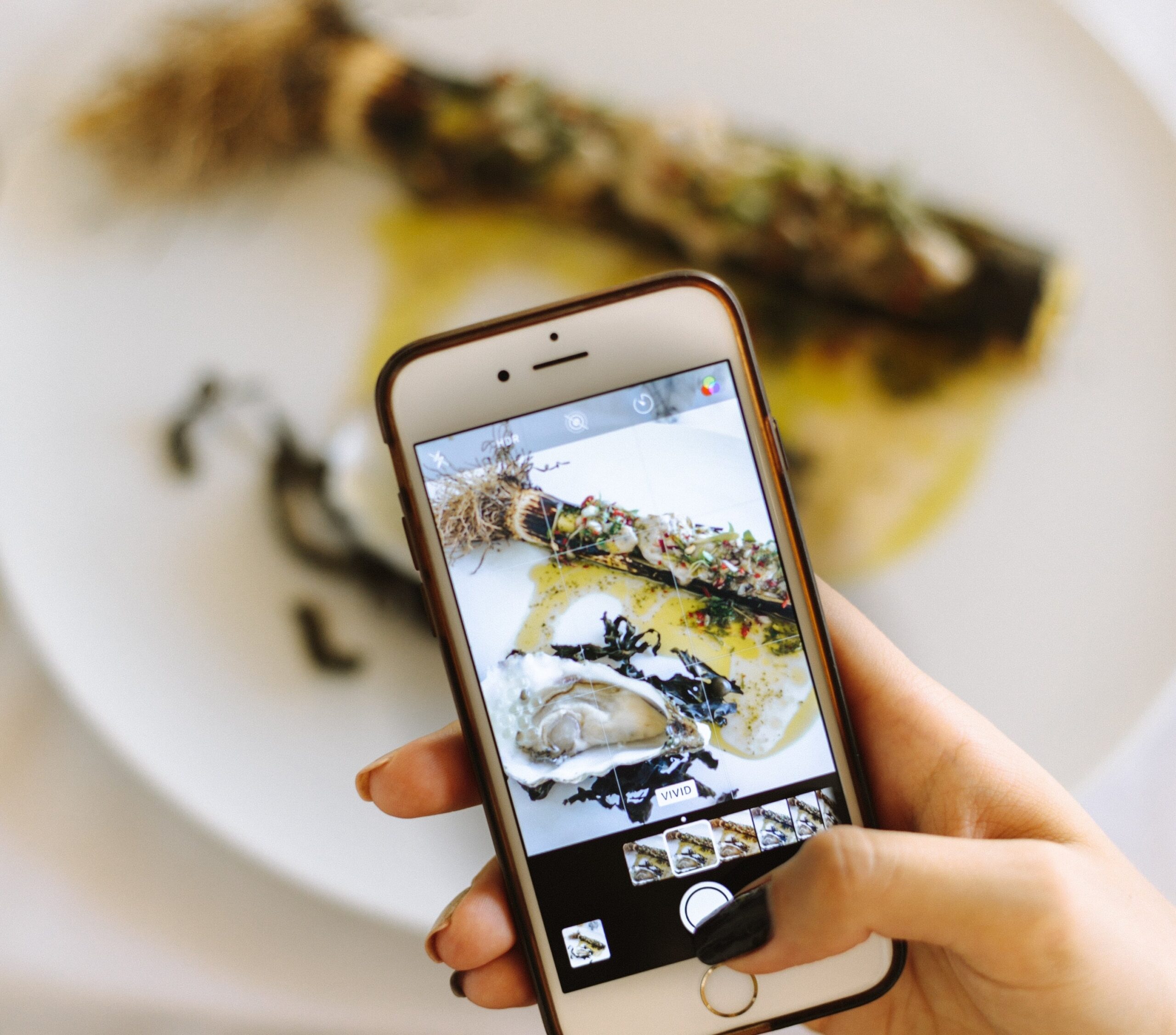
Editing: Editing is the finishing touch. Whether you use photo editing software or smartphone apps, consider adjusting brightness, contrast, and color balance. Be mindful not to overdo it; the goal is to enhance, not completely alter, the photo.
Practice and Patience: Like any art, food photography takes practice. Don’t be discouraged by initial attempts that don’t meet your expectations. Keep experimenting, learning, and, most importantly, enjoying the process. The more you practice, the more you’ll refine your skills.
So, whether you’re photographing a gourmet three-course meal or your morning coffee, remember that food photography is about more than just capturing an image; it’s about telling a story, evoking emotions, and sharing the love you put into your creations. Through the lens, you can savor the beauty of every dish and invite others to savor it with you. Happy clicking!