
Welcome to the captivating world of culinary macro photography, where the smallest details tell the most compelling stories. In this post, we’ll explore how to capture the beauty of food through close-up photography, revealing textures and colours that often go unnoticed.
The Right Equipment
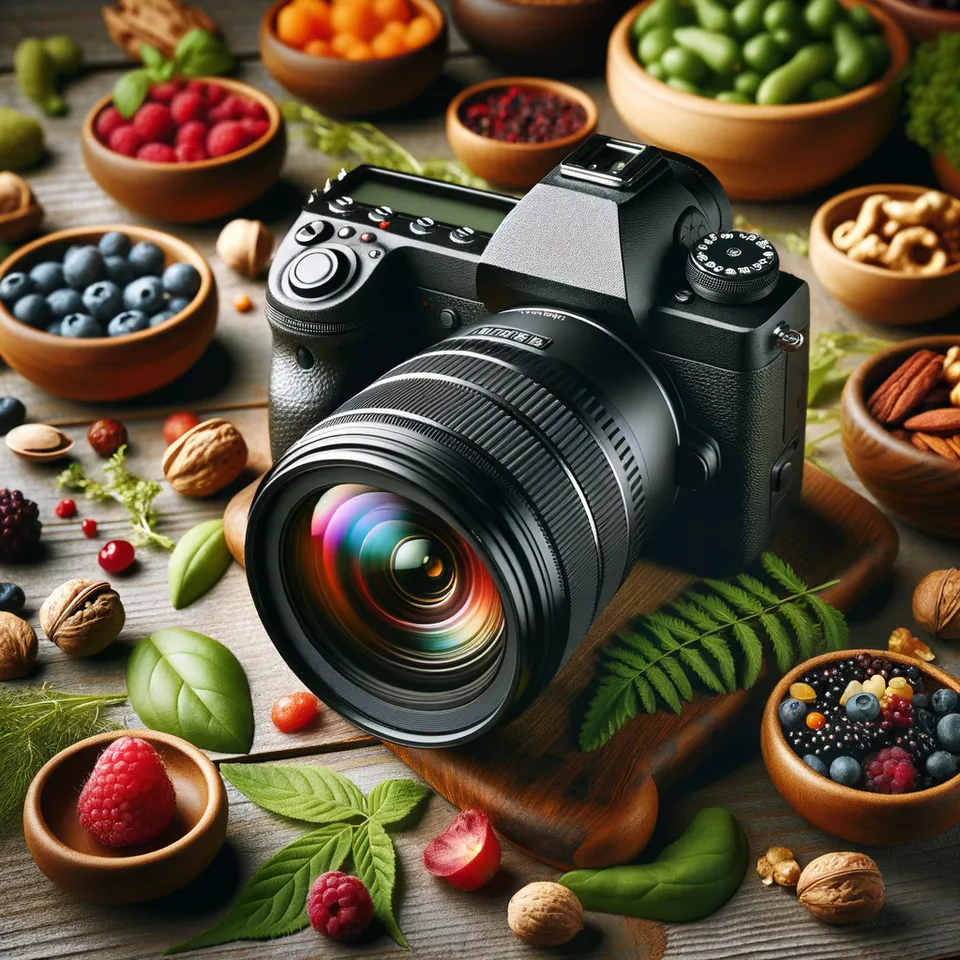
To start your macro photography journey, choosing the right equipment is key. Ideal choices include DSLRs or mirrorless cameras with a dedicated macro lens. For those on a budget, consider macro lens attachments for your smartphone. These are surprisingly effective and a great way to dip your toes into the macro world.
Lighting for Macro Shots
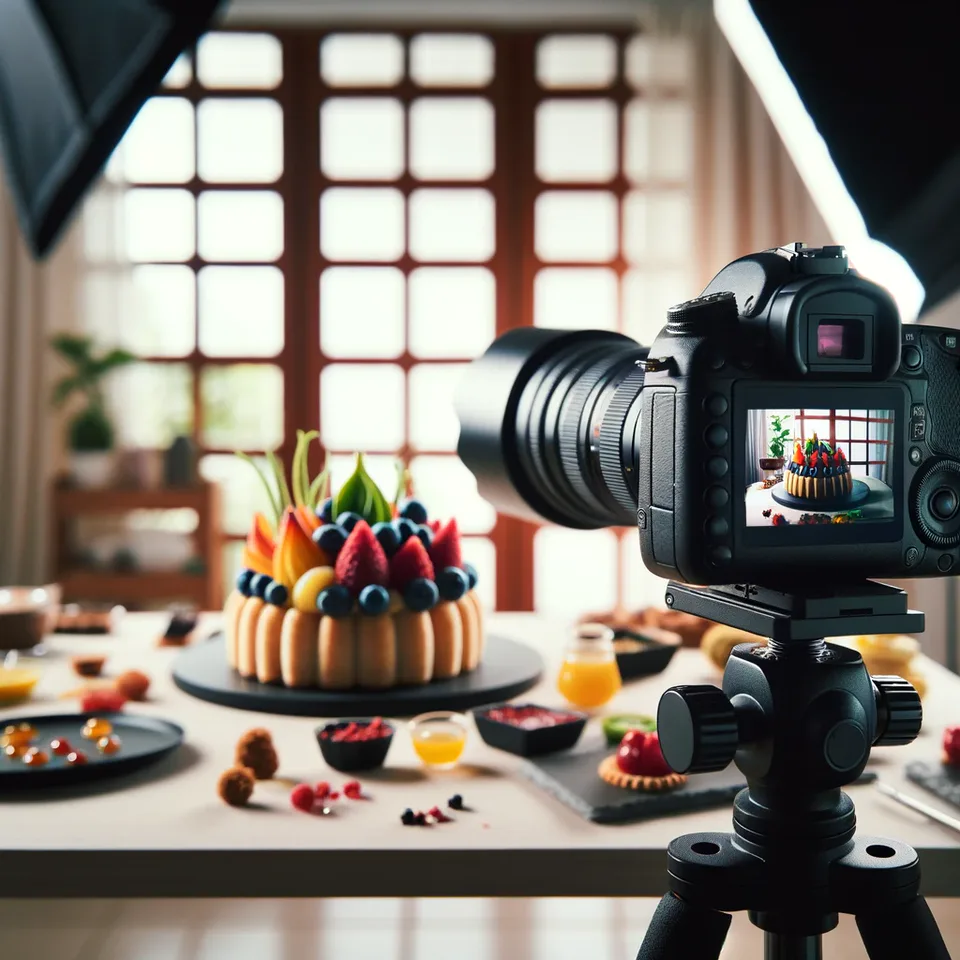
Lighting is crucial in macro photography. Soft, diffused light brings out the best in your food subjects, highlighting details without creating harsh shadows. Experiment with natural light by a window, or use a softbox for more controlled lighting conditions.
Setting Up Your Shot
In macro photography, composition takes on a whole new level. Focus on the textures and patterns in your food. A cross-section of a kiwi or the intricate patterns of a mushroom can make for a fascinating subject. Remember, the beauty often lies in the smallest details.
Post-Processing and Detail Enhancement
After capturing your shots, post-processing can help enhance those details. Adjusting the contrast, sharpness, and colour saturation can make the textures pop. Software like Adobe Lightroom or Photoshop is great for these tweaks, but numerous smartphone apps can also do a decent job.
Creative Ideas and Inspiration
Get creative with your subjects. The glistening of fresh fruits, the intricate patterns of baked bread, or the vibrant colors of spices can all make stunning macro subjects. Play with different foods to see what interesting details you can uncover.
Conclusion
Culinary macro photography opens up a world of creative possibilities, allowing you to see food in an entirely new light. We encourage you to pick up your camera and start exploring the small wonders in your kitchen. Share your best shots with us using the hashtag #FoodMacroChallenge, and let’s celebrate the beauty of food together!