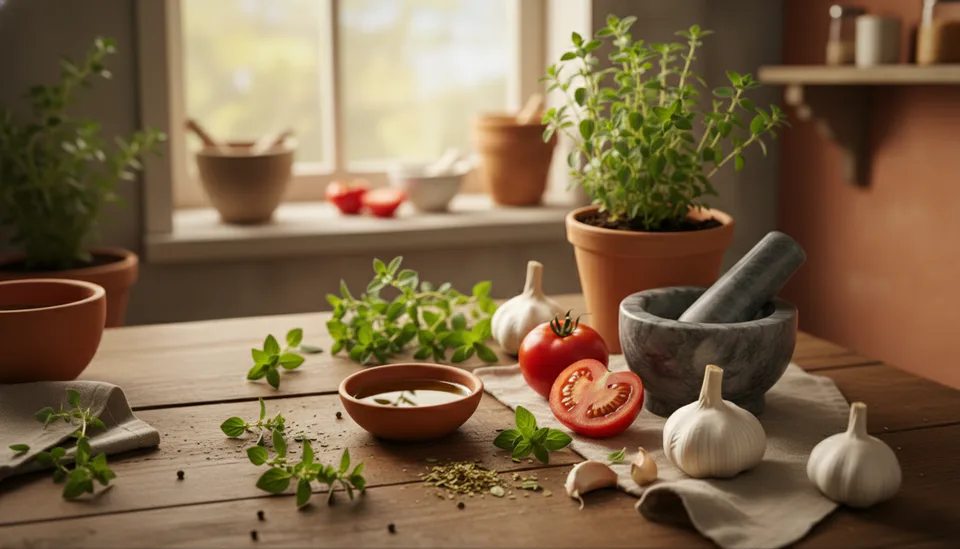
There’s something about oregano that feels like summer bottled in a leaf — a herb that brings sunlight even to the dullest British afternoon. Its scent alone can transport you: a breeze off a Mediterranean hillside, the warmth of terracotta kitchens, a hint of wildness that refuses to be tamed.
Whether sprinkled over pizza, stirred through tomato sauce, or steeped in olive oil, oregano is one of those herbs that makes everything taste more alive. But this humble leaf carries a story that’s as rich and complex as its flavour.
🌿 The History of Oregano Herb — From Ancient Hills to Modern Kitchens
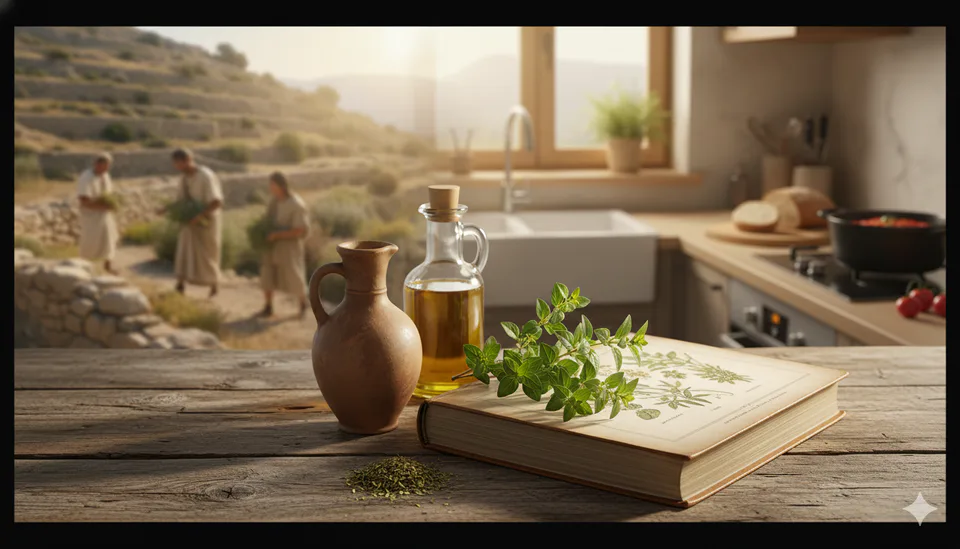
Oregano’s name comes from the Greek oros (mountain) and ganos (joy) — literally, “joy of the mountain.” It first grew wild on the sun-baked slopes of Greece and Anatolia, where shepherds would chew it as they watched their flocks. In ancient times, it was more than a herb; it was a symbol of happiness, love, and protection.
The Greeks crowned newlyweds with garlands of oregano as a blessing for happiness. Hippocrates prescribed it for stomach ailments and respiratory troubles. Romans, ever the practical cooks, brought it north and blended it into sauces, meats, and wines — their early version of “flavour layering.”
When oregano hit Italy, it truly found its voice. It became a cornerstone of la cucina povera — the simple, resourceful cooking of everyday people. Over time, it made its way across the globe with immigrants, following the same paths as tomatoes and olive oil, until it landed on American soil in the late 19th century. By the 1950s, when pizza took the world by storm, oregano finally became a household name.
🍅 The Flavour of Warmth
To describe oregano is to talk about balance. It’s earthy yet bright, robust yet delicate, with notes of citrus, hay, and pepper. Unlike basil’s sweetness or rosemary’s resinous sharpness, oregano hums low — steady and confident. It’s the flavour that grounds a dish, the invisible harmony beneath the melody.
Fresh oregano tastes grassy and green, perfect for marinades or salads. Dried oregano, on the other hand, is concentrated sunshine: deeper, smokier, more intense. It’s one of the few herbs that truly transforms when dried — not losing its magic but distilling it.
🍕 Cooking with the Oregano Herb – Simple Joys
Oregano thrives in simple dishes. It doesn’t need a stage; it is the stage.
Try it in:
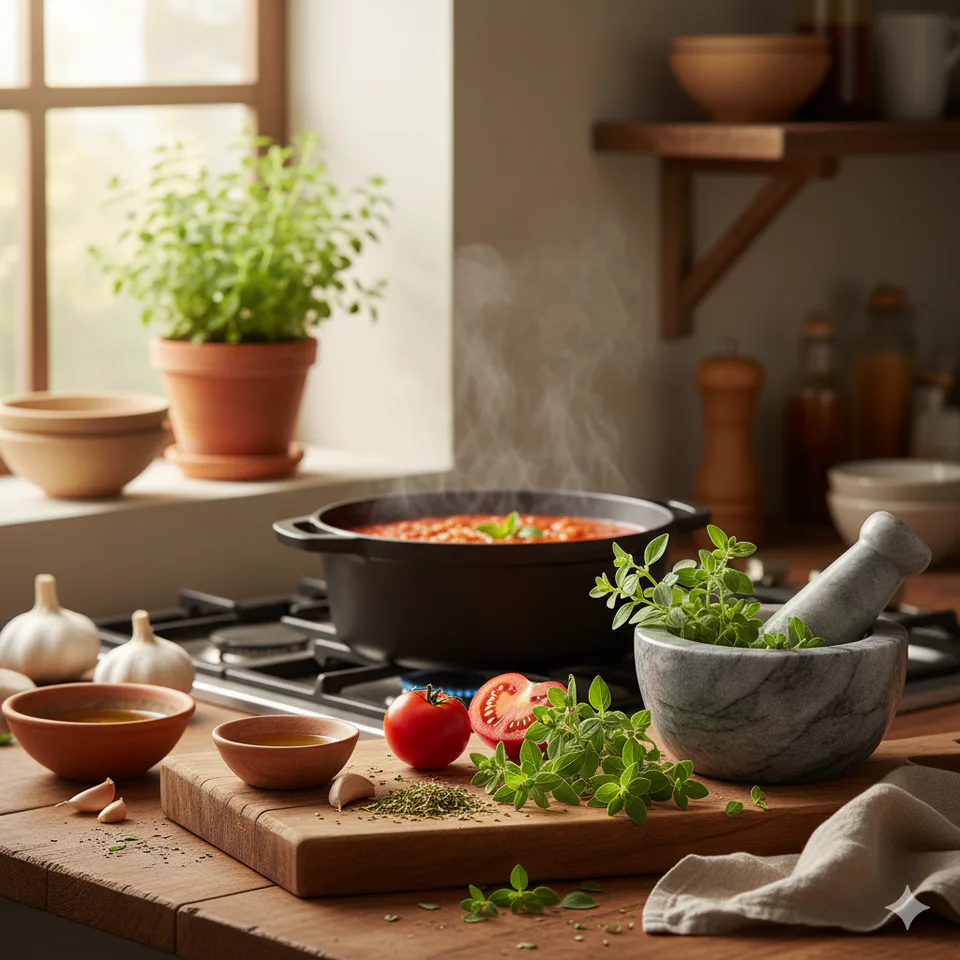
- Tomato Sauce – Simmer dried oregano with garlic and olive oil before adding your tomatoes. It deepens the base and makes every bite feel homely.
- Grilled Meats – Mix oregano with lemon juice, salt, and olive oil for a classic Greek marinade.
- Vegetables – Toss courgettes, aubergine, or peppers with oregano before roasting for a sun-drenched side dish.
- Bread – Add a teaspoon of oregano to your focaccia dough or olive bread. It perfumes the crust like a summer breeze.
- Infused Oil – Warm olive oil gently with a few oregano sprigs, let it cool, and use it to drizzle over soups or salads.
🧂 Growing & Storing the Oregano Herb
Oregano is as resilient as it is aromatic. If you’ve got a sunny windowsill or garden patch, it’s one of the easiest herbs to grow. It thrives in dry soil and full light — neglect it a little, and it loves you more. Harvest just before it flowers, when the essential oils are at their strongest.
To store, dry bunches upside down in a cool, dark place. Once crisp, crumble the leaves into jars and seal tightly. The flavour will stay vibrant for up to a year — a reminder of summer on even the frostiest days.
If you fancy growing your own, I recommend these Greek oregano seeds on Amazon — hardy, aromatic, and perfect for UK windowsills.
🌍 A Story of Joy and Resilience
Oregano’s journey mirrors that of human history — migration, adaptation, survival. From Greek mountains to Roman feasts, from Italian kitchens to global tables, it carries with it a sense of endurance and connection. Every sprinkle is a whisper from the past — of hands that picked, crushed, and tasted the same herb centuries ago.
It’s a reminder that food, like history, isn’t static. It evolves. It travels. It tells stories across generations, often with something as simple as a leaf.
🐾 Dexter’s Little Note
While oregano adds a burst of flavour for us, it’s best kept away from your dog’s bowl. Some herbs — oregano included — can upset canine stomachs if eaten in large amounts. But that doesn’t stop Dexter from sniffing the air every time it hits the pan. It’s his signal that “something tasty is happening.”
📸 Photography Notes
For your oregano photo setup:
- Use natural side light to highlight the texture of fresh leaves.
- Include elements like olive oil, garlic, tomatoes, and a wooden board to tell the Mediterranean story.
- A close-up macro shot of crumbled dried oregano between fingers adds sensory depth.
🌿 A Final Sprinkle of Joy
Oregano might be small, but it’s mighty — a herb that brings together centuries of culture, trade, and shared meals. The next time you crush a pinch between your fingers, take a breath and remember: you’re not just seasoning dinner. You’re stirring a little sunlight, a little history, and a lot of joy into your kitchen.
Read Next:
👉 Tomato Sauce (Sauce Tomate) – because no oregano story is complete without a simmering pot of red.