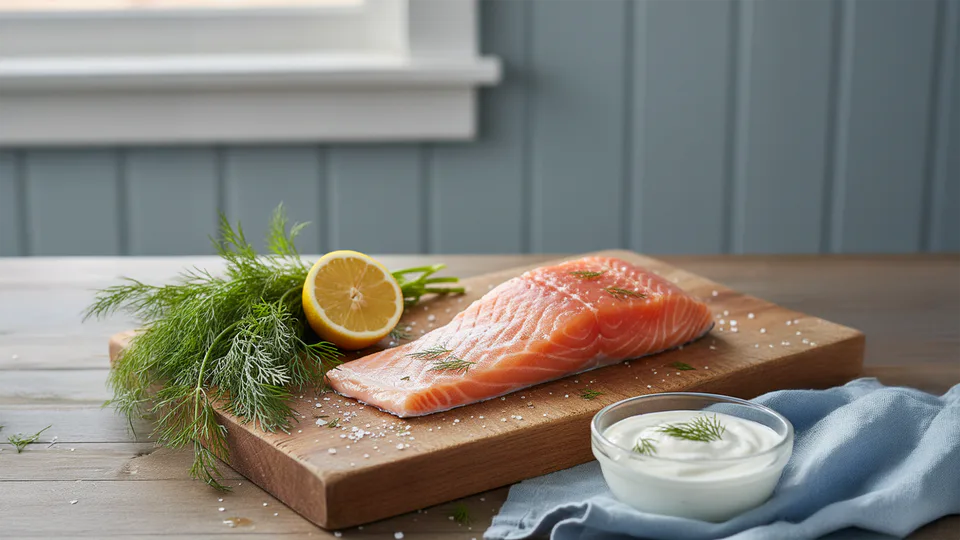
Some herbs have a quiet grace about them — the kind you barely notice until they’re gone. The dill herb, however, has no such shyness. One brush of its feathery fronds releases a scent so bright and lively that it instantly cuts through the noise of heavier flavours.
There’s something inherently joyful about dill — a light, citrusy perfume layered with soft aniseed notes and a whisper of grass. It’s both nostalgic and refreshing, evoking memories of seaside lunches, Scandinavian pickles, and simple meals where freshness is the star. Dill doesn’t dominate; it elevates.
A Herb with History — and Mystery
Dill’s roots reach deep into ancient soil. It has travelled across centuries and continents, collecting folklore and culinary traditions along the way.
In Ancient Egypt, dill was placed in tombs as a symbol of wealth and protection. The Greeks thought it brought good fortune, while Roman gladiators rubbed it on their arms for strength. Medieval monks prescribed it as a potion against melancholy, and in old English gardens, it was tucked near doorways to ward off “ill winds and envious eyes.”
The name itself comes from the Old Norse dilla, meaning to lull or soothe. Fitting, really — because whether it’s calming the stomach in a tea or soothing the senses in a sauce, dill has always had a gentle, comforting soul.
A Symphony of Flavour
Fresh dill’s flavour is best described as a cross between fennel’s sweetness and parsley’s brightness, with a lemony edge that makes it perfect for cutting through richness. It’s one of those rare herbs that can move between cuisines and moods — just as at home in a Scandinavian gravlax as it is in an Indian spiced yogurt or a British potato salad.
Pairings that let dill shine:
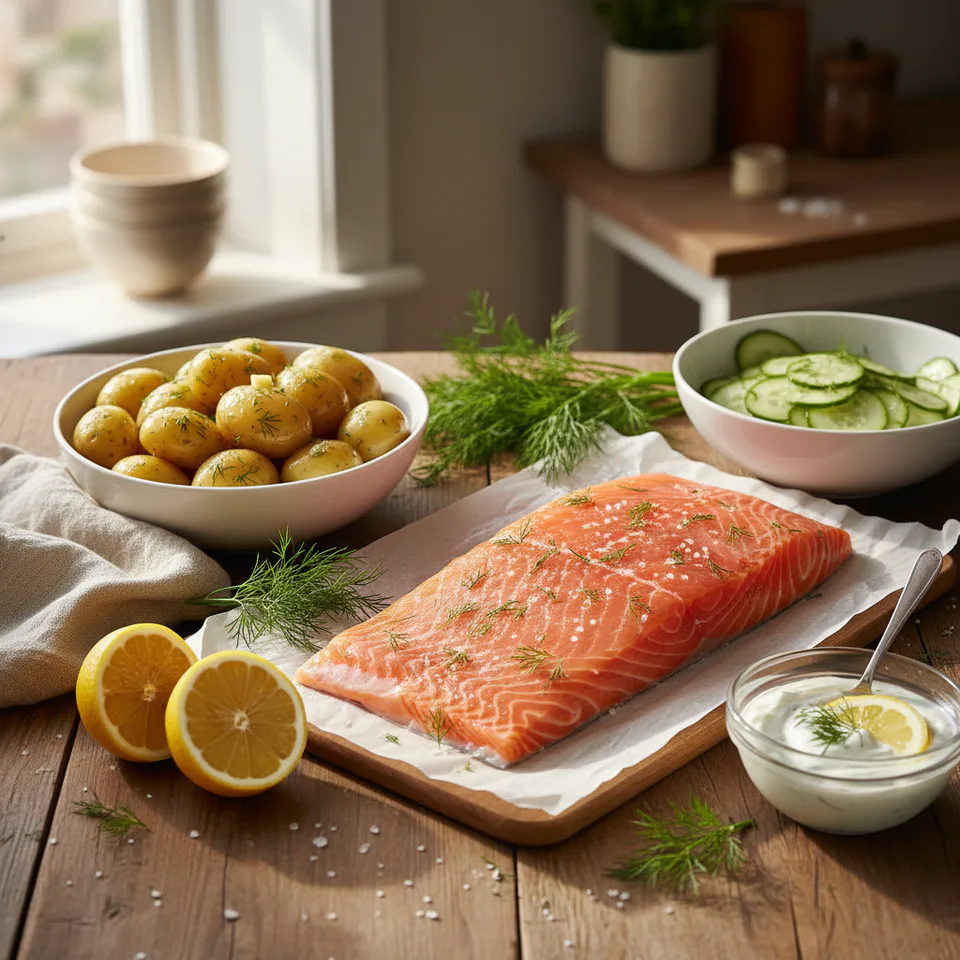
- Seafood: Especially salmon, trout, prawns, and cod. Dill herb is the classic partner for oily fish, bringing balance and freshness.
- Eggs: Add to omelettes, quiches, or scrambled eggs for a fragrant lift.
- Potatoes: Boiled new potatoes tossed with butter, sea salt, and chopped dill are heaven on a plate.
- Cucumber: A timeless match. Try dill-infused vinegar or yogurt dressing for a crisp, cooling salad.
- Sauces & Dips: Blend with lemon juice, garlic, and a dollop of Greek yogurt or crème fraîche — ideal for roasted vegetables or grilled meats.
- Pickles: Dill’s seeds and flowers lend that unmistakable tang to classic gherkins or pickled onions.
Dill’s magic lies in its timing. Add it early, and the heat flattens it. Add it at the end — or sprinkle it fresh over the plate — and you get that bright, zesty lift that transforms a dish from pleasant to perfectly alive.
Growing Dill Herb: A Gardener’s Joy
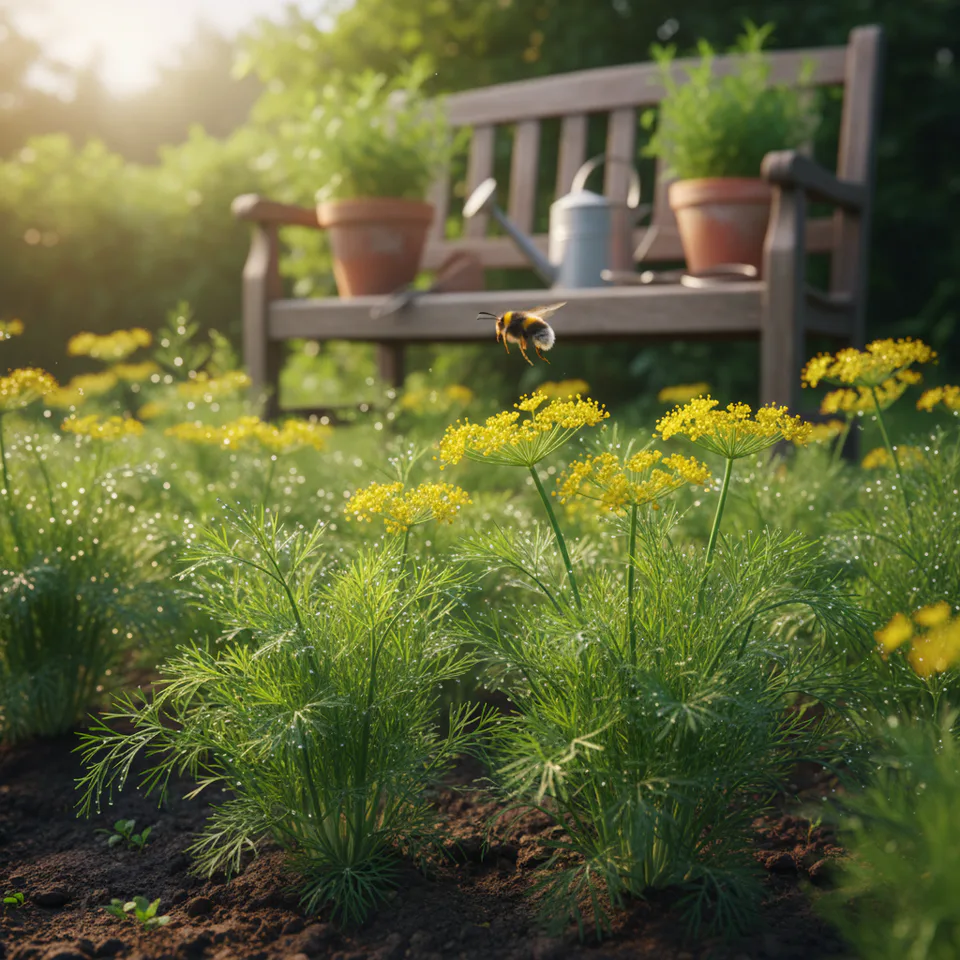
If you’ve ever wanted a forgiving herb that rewards neglect with generosity, dill is your plant. It thrives in sunshine and doesn’t ask for much — just well-drained soil and a bit of space to dance in the breeze. Its delicate stems reach for the sky, soft and feathery, a joy to watch as they sway in the summer wind.
- Sowing: Plant seeds directly where you want them to grow; dill dislikes being moved.
- Spacing: Leave room — about 20cm apart — so air can circulate and prevent mildew.
- Watering: Keep soil moist but never waterlogged.
- Harvesting: Begin snipping once plants reach 20cm tall, always cutting the outer fronds first.
- Self-seeding: If left to flower, dill’s yellow umbels will scatter seeds generously — nature’s way of ensuring you’ll never run out next year.
And as a bonus, dill’s blossoms are bee magnets, making it a small but mighty contributor to your garden’s biodiversity. Dexter might not appreciate the pollinator benefits, but the hum of bees and the scent of dill in warm air make a fine soundtrack for any afternoon potter in the garden.
Keeping Dill Herb Fresh — and Freezing Its Summer Spirit
Fresh dill herb is fleeting, so store it like treasure.
Wrap the stems loosely in a damp paper towel, tuck into a reusable bag, and refrigerate. Or treat it like a bunch of flowers — trim the ends, place them in a glass of water, cover lightly with a plastic bag, and refrigerate. It’ll stay perky for a week or more.
To freeze, finely chop the fronds, mix with a drizzle of olive oil, and spoon into ice cube trays. Pop one into sauces, soups, or butter for an instant taste of summer, even on a frosty December evening.
Beyond the Plate
The dill herb is more than a flavour — it’s an experience.
There’s something ritualistic about picking fresh sprigs, crushing them lightly between your fingers, and feeling that burst of fragrance. It brings you back to the earth, to gardens and greenhouses, to the way food should feel before it’s cooked.
Learn more about dill’s nutritional benefits at BBC Good Food.
And for those of us who love food photography, dill is a visual gift. Its airy, lace-like fronds add texture and life to every shot — especially beside rustic bread, fresh fish, or a bowl of new potatoes gleaming with butter. It’s as photogenic as it is flavoursome.
A Final Word from the Kitchen
Cooking with dill reminds me that freshness doesn’t have to be complicated. A handful of herbs, a squeeze of lemon, and a touch of curiosity — that’s often enough to transform dinner into a small act of joy.
When I scatter dill across a dish, it’s like adding punctuation to a story — a flourish at the end that says, “Here. This is finished. This is right.”
It’s the scent of new beginnings, of green things growing, and of kitchens that hum with life.
The Herb of Freshness, indeed. 🌿🐾