There’s a certain magic that happens when smoked paprika in cooking meets smoke. Unlike fiery chillies, it adds atmosphere. It’s the taste of a campfire in the Spanish hills — gentle, warming, and impossibly moreish.
Smoked paprika doesn’t just flavour food; it paints it. Its deep crimson hue and woodsmoked aroma can transform the simplest dishes — eggs, stews, sauces — into something that smells like home and feels like travel. It’s a spice that whispers stories of the Old World while adding a touch of rustic sophistication to modern cooking.
🕰 A Brief History of Smoked Paprika
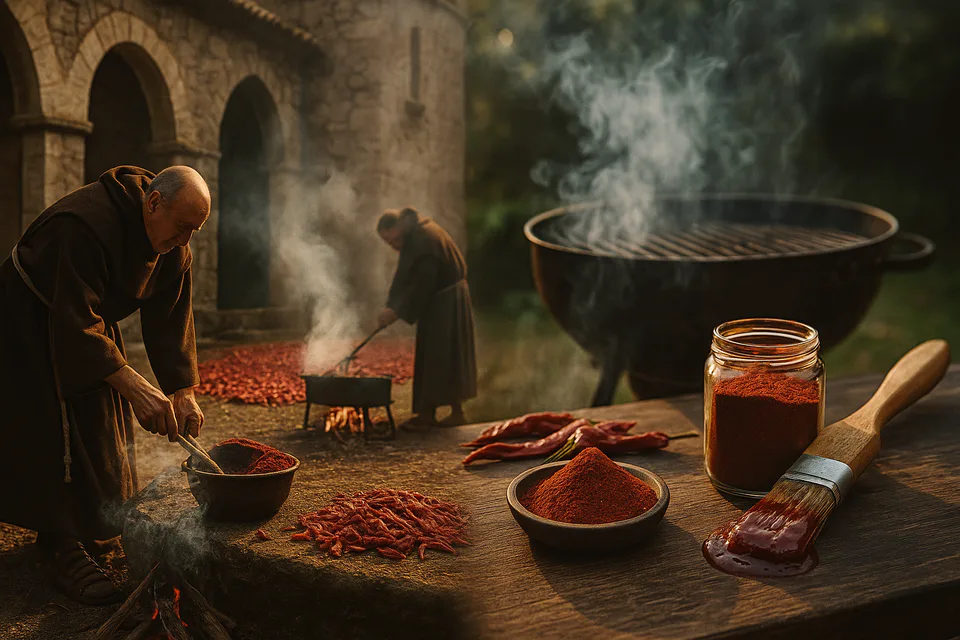
To understand smoked paprika, you have to start with its ancestor — the humble red pepper. These peppers, native to the Americas, arrived in Spain in the late 15th century, brought by explorers returning from the New World. In the fertile plains of Extremadura, Spanish monks in monasteries like Yuste began drying the peppers not under the sun, but over slow-burning oak fires.
The result was revolutionary: peppers that retained their rich red colour but gained an intoxicating smokiness. Thus, pimentón de la Vera was born — the original smoked paprika. By the 17th century, this deep, smoky powder was spreading through European kitchens, flavouring stews, sausages, and sauces with a depth that no other spice could match.
Spain’s famous chorizo owes much of its distinctive colour and aroma to this spice, and from there, its influence travelled — from Hungarian goulash pots to Portuguese marinades and modern barbecue culture. Today, authentic smoked paprika from La Vera holds Protected Designation of Origin (PDO) status, ensuring its methods and quality remain unchanged from the traditions of centuries past.
It’s a legacy of flavour built on time, patience, and fire.
🔥 Sweet vs Smoked: The Tale of Two Paprikas
Both sweet and smoked paprika come from the same red peppers — but they take very different paths once harvested.
- Sweet Paprika (pimentón dulce): Air- or sun-dried, it’s bright, fruity, and mildly sweet. Perfect for colour and warmth without strong flavour. You’ll find it in Hungarian dishes, devilled eggs, and creamy sauces.
- Smoked Paprika (pimentón ahumado): Oak-smoked for up to two weeks before grinding, creating a deep, complex, wood-fired taste with hints of leather, caramel, and charred fruit.
Think of sweet paprika as sunlight, and smoked paprika as embers after dusk. One is lively and open; the other, deep and reflective.
When comparing sweet paprika to smoked paprika in cooking, the difference is the soul of the spice.
🍔 Smoked Paprika in BBQ Sauce – Fire Without Flames
If there’s one place smoked paprika truly comes alive, it’s in BBQ sauce. It’s the ingredient that gives homemade sauce that elusive “grilled all day” depth — even if your kitchen never sees a flame.
Here’s a simple, rich, and wonderfully balanced Smoked Paprika BBQ Sauce that captures summer in a jar:
Ingredients:
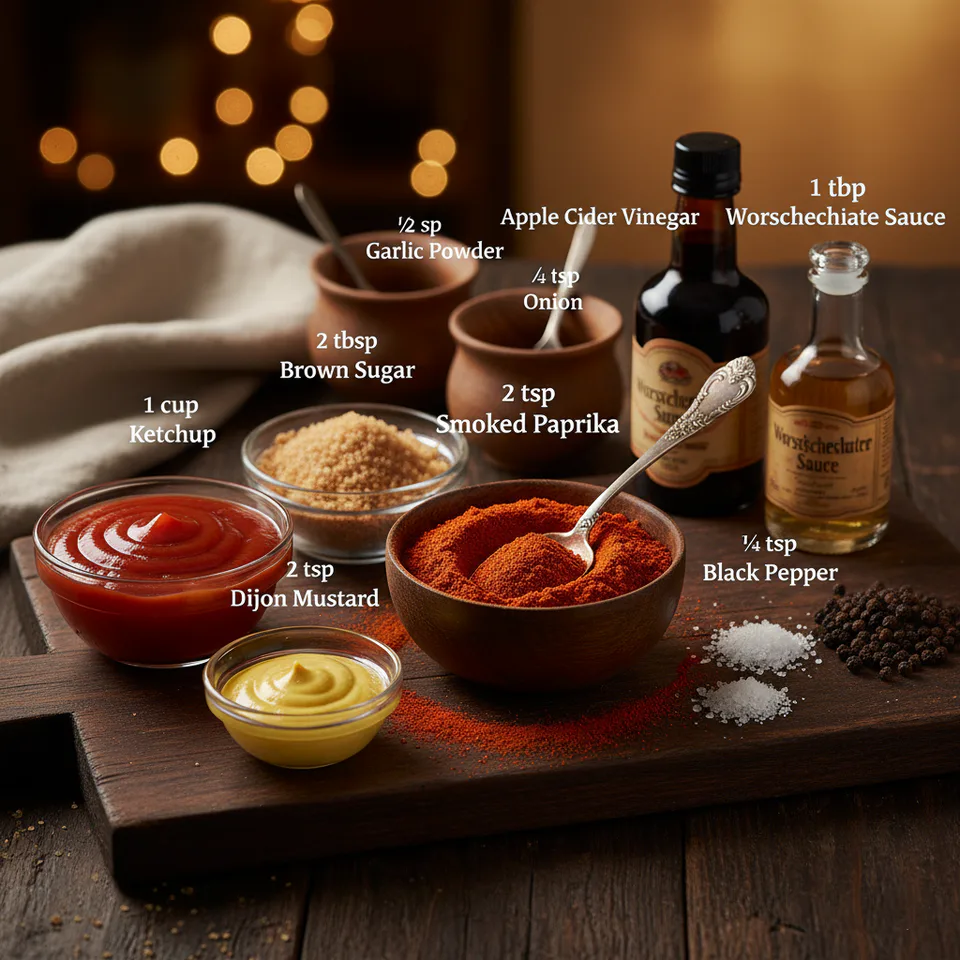
- 1 cup ketchup
- 2 tbsp brown sugar or maple syrup
- 1 tbsp apple cider vinegar
- 1 tbsp Worcestershire sauce
- 1 tsp Dijon mustard
- 2 tsp smoked paprika
- ½ tsp garlic powder
- ¼ tsp onion powder
- Pinch of salt and black pepper
Optional twist: 1 tsp espresso powder or a drizzle of molasses — for complexity and a little mystery.
Method:
- Combine all ingredients in a saucepan over low heat.
- Simmer gently for 10–15 minutes, stirring occasionally.
- Let it cool before serving — the flavours will deepen as it rests.
Brush over chicken, burgers, roasted vegetables, or even tofu. It’s smoky enough to taste grilled, even when cooked indoors.
💡 Tip: For a more intense smokiness, combine both hot and sweet smoked paprika varieties — the perfect balance between warmth and depth.
📸 Capturing the Mood: Food Photography Tips
Smoked paprika is as visual as it is aromatic. Its rich crimson tones and matte texture make it a joy to photograph, especially when paired with the right setting.
For spice shots:
- Use a dark wooden background to enhance the warm reds.
- Shoot with side lighting to bring out texture and subtle shadows in the powder.
- Scatter a few pepper flakes or crushed seeds around for an organic look.
For BBQ sauce photography:
- Think tactile and sensory — glazes, drips, brushes, and shine.
- Highlight the sauce’s reflective gloss by photographing it slightly underexposed.
- Pair with props that tell a story: a smoky grill, a rustic bowl, or even a folded napkin suggesting a family cookout.
📷 Composition idea:
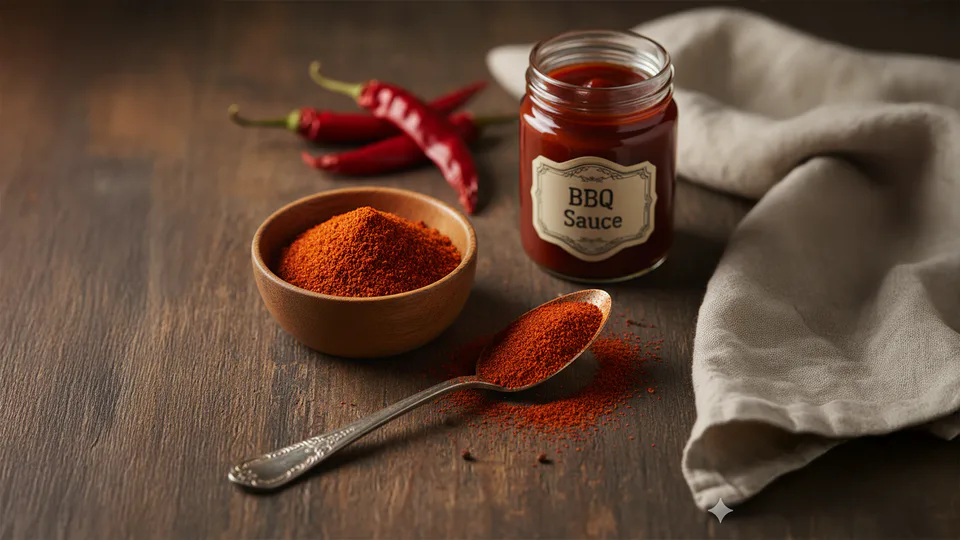
A small jar of homemade BBQ sauce on a wooden board, a basting brush beside it, and a dusting of smoked paprika on the surface. Warm, golden-hour light adds the final touch — smoke you can almost smell.
🐾 Dog-Safety Note
As with many spices, smoked paprika isn’t suitable for dogs. While a small accidental lick won’t cause harm, it can irritate their stomachs and lead to discomfort. If you’re cooking up a storm and Dexter’s watching eagerly from the sidelines, keep his portion spice-free. Roasted carrots or plain grilled chicken make excellent safe alternatives.
💡 Final Thought
Smoked paprika reminds us that flavour isn’t just heat — it’s atmosphere. It’s the culinary equivalent of a campfire story: rich, nostalgic, and comforting.
Whether stirred into a stew, brushed into a glaze, or sprinkled over roast potatoes, it adds soul to your cooking — the kind that lingers long after the plates are cleared.
From the monasteries of La Vera to the BBQ pits of today, smoked paprika’s journey is one of patience, craft, and the enduring magic of smoke.
Across centuries, smoked paprika in cooking remains a story of patience and smoke.
It doesn’t demand attention — it earns it.