The Herb That Captures Summer
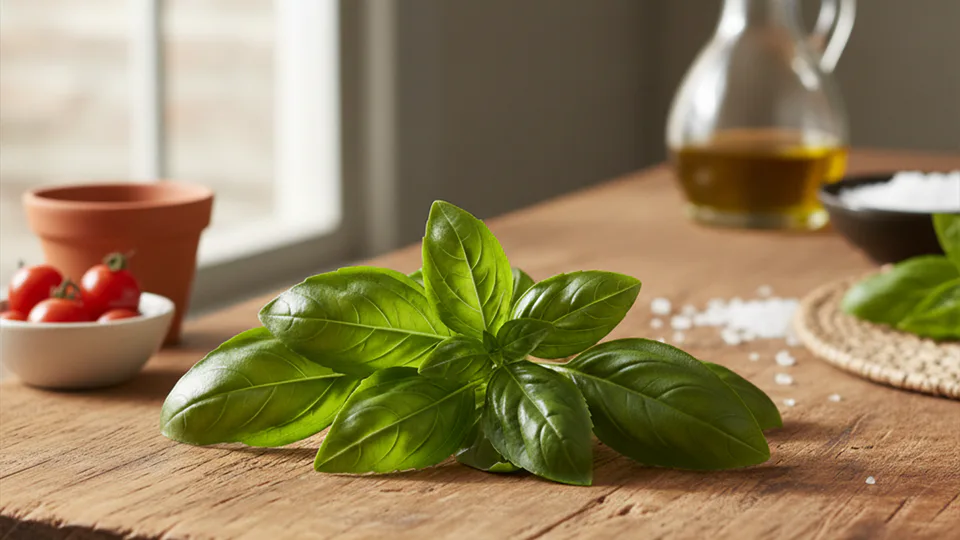
Few herbs carry the spirit of summer quite like basil. Its sweet, peppery fragrance instantly brightens the kitchen — evoking sunny gardens, Mediterranean dishes, and bowls of fresh pasta. Whether torn over a caprese salad or blended into a vibrant pesto, basil has earned its place as the fragrant king of the kitchen.
But this versatile herb is more than just an Italian staple. There are dozens of varieties — from sweet Genovese basil, perfect for pesto, to Thai basil, with its aniseed kick that elevates curries and stir-fries. Each type brings a slightly different aroma and flavour note, offering endless possibilities for experimentation.
Growing Basil at Home
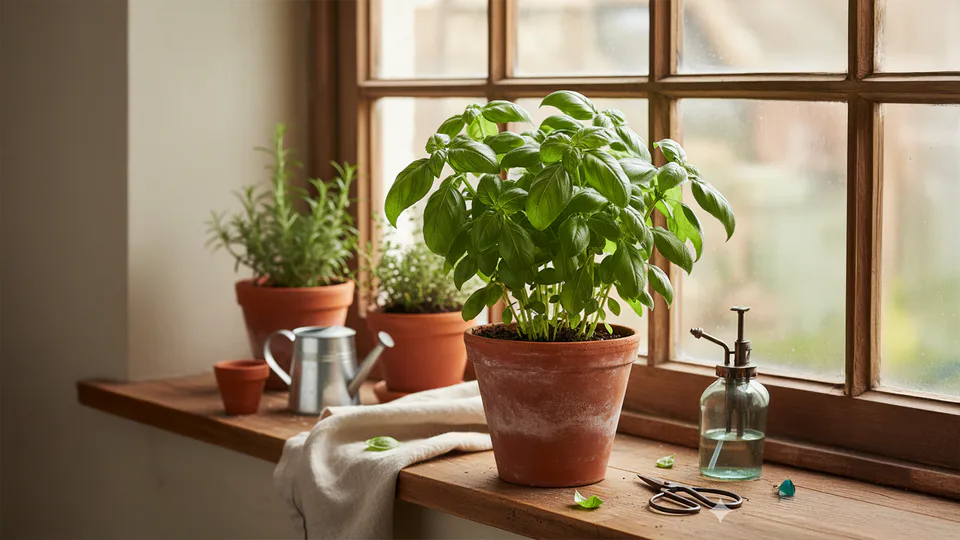
If you’ve ever bought a supermarket pot of basil, you’ll know it’s a little fragile — but given the right care, basil thrives both indoors and outdoors.
🌞 Light: Basil loves warmth and sunlight. Place it on a bright windowsill or in a sunny garden spot with at least 6 hours of light a day.
💧 Water: Keep the soil moist but not soggy. Basil hates having “wet feet” — water from the base if possible.
🌱 Pruning tip: Regularly pinch off the tops once the plant has six sets of leaves. This encourages bushy growth and delays flowering (which can make leaves bitter).
If your basil starts to flower, don’t panic — simply snip off the blooms. You can even dry or save the seeds for next season.
Basil is part of the mint family (Lamiaceae), and the Royal Horticultural Society has an excellent guide on growing it at home.
Cooking with Basil
Basil’s unique chemistry means heat changes its flavour, so how you use it matters:
- Fresh: Add at the end of cooking or use raw to preserve its bright, sweet aroma.
- Cooked: Add early for a softer, savoury flavour in sauces and stews.
- Infused: Use leaves in oils, vinegars, or even cocktails for a subtle herbal note.
Classic uses:
- Pesto: Blend basil with pine nuts, parmesan, garlic, and olive oil.
- Tomato dishes: A natural pairing — from sauces to bruschetta.
- Soups and salads: Adds freshness to both creamy soups and leafy greens.
- Drinks: Try steeping a few leaves in lemonade or gin for an aromatic twist.
Preserving Basil
Fresh basil bruises easily and doesn’t like the fridge, but you can keep it vibrant with a few tricks:
- Water method: Treat it like cut flowers — keep stems in a jar of water on the counter.
- Freeze it: Blitz leaves with olive oil and freeze in ice cube trays for easy use later.
- Dry it: Air-dry or use a dehydrator, but note that dried basil has a milder, less sweet taste.
For more preservation tips, visit our Growing & Storing section.
Fun Fact
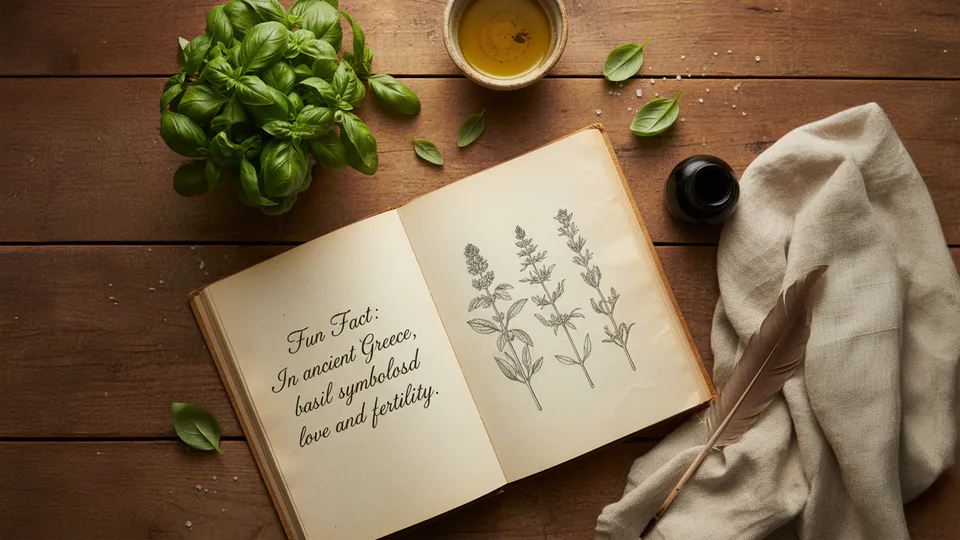
In ancient Greece, basil symbolised love and fertility — though in some cultures, it was once associated with bad luck! Today, it’s simply a symbol of good taste and fresh cooking.
Related Posts
- Flat Leaf Parsley: The Versatile Herb You Need in Your Kitchen
- Should I Only Use Fresh Herbs in Cooking? Debunking the Myth
- How to Keep Herbs Fresh: Tips and Tricks for Prolonging Freshness
Final Thought
Basil reminds us that sometimes, the simplest ingredients create the most memorable dishes. Whether you’re growing it on your windowsill or tossing it through your pasta, every leaf adds a little sunshine to your kitchen. 🌿