
If you’ve ever stared at your camera, wondering “What to photograph?”, you’re not alone. Creative blocks happen, but don’t let them dampen your passion! Let’s dive into a wealth of ideas to get those shutters clicking again.
Uncover the Beauty in the Everyday
Your most captivating photographs might be hiding in plain sight. Let’s transform your familiar surroundings into a source of inspiration:
The Art of Observation: Your Home as a Canvas
The key to unlocking the hidden photographic gems within your home lies in mindful observation. Let’s break this down:
- Slowing down: In our fast-paced lives, we often rush past visual details. Give yourself permission to pause. Choose a single room and take a few minutes to simply look, without judgment or distraction.
- Paying attention: Practice active seeing. This isn’t just about what things look like, but how they feel. Is light hitting a surface smoothly or harshly? Are shadows crisp or softly diffused? Notice the way patterns repeat or diverge unexpectedly.
- Seek the “invisible”: We tend to filter out the familiar. Focus on the things your eyes normally gloss over: the subtle cracks in a well-used armchair, the unique way dust collects on a windowsill, the intricate imperfections in a ceramic mug.
- Question yourself: Ask a simple question: “What have I always walked past without truly seeing?” Consider the nooks and crannies, the objects that have become visual background noise, the way the quality of light shifts throughout the day.
Training Your Eye
- Photo scavenger hunt: Make a list including textures (smooth, rough, bumpy), light qualities (bright, dappled, shadowed), and patterns (lines, curves, geometric). Now search your home specifically for those elements.
- Single-light source: Turn off all the lights in a room except one lamp or window. Notice how dramatically it impacts the mood and reveals different textures and shapes.
- Macro or close-up focus: Whether you have a true macro lens or just your phone’s zoom, get as close as possible to an object. This forces you to notice details you’d miss at normal distance.
The art of observation is a continuous practice. The more mindful you become of the visual world within your own home, the better prepared you’ll be to capture compelling details anywhere you go!

Light as Your Paintbrush: Mastering the Magic of Natural Light
Natural light is a photographer’s greatest gift, and your home is a fantastic studio to explore its potential. Here’s how to use natural light to transform everyday scenes into captivating photographs:
- The Golden Glow: The hour after sunrise and before sunset bathes everything in a warm, golden light. Use this magical time to capture portraits by a window, still life arrangements bathed in softness, or cozy interiors with a sense of intimacy.
- Embrace the Drama: Midday sun creates harsh shadows and bold contrasts. Play with these elements to add depth and drama to your photos. Photograph architectural details with strong shadows, highlight textures on textured walls, or use the light to create a stark silhouette effect.
- Diffused Dreamscape: Overcast days offer a gentle, diffused light that’s perfect for softening harsh contrasts. Capture muted tones on rainy days, photograph delicate flowers with a subtle glow, or use the even light to create a dreamy, ethereal mood.
- Light as a Revelation: Pay attention to how light interacts with objects throughout the day. Watch how a sunbeam travels across the floor, creating a path of illumination. Notice the way light filters through blinds, casting patterned shadows on a wall. Capture these fleeting moments to add a sense of dynamism and time passage to your photographs.
Beyond the Window:
Don’t limit yourself to natural light coming through windows. Explore other sources within your home:
- Lamplight Magic: The warm glow of a table lamp can create a cozy and inviting atmosphere. Use it to highlight a cherished object, cast dramatic shadows on a bookshelf, or create a low-key portrait with a sense of intimacy.
- Kitchen Creativity: The kitchen offers a wealth of natural light and interesting reflective surfaces. Photograph shiny appliances catching light, steam rising from a cup of tea, or colourful ingredients arranged on a countertop.
Practice Makes Perfect:
Experiment with different lighting scenarios within your home. The more you play with natural light, the more you’ll understand its nuances and how to use it to your creative advantage. Remember, even the most ordinary scene can be transformed into something extraordinary with the right lighting and a photographer’s eye!
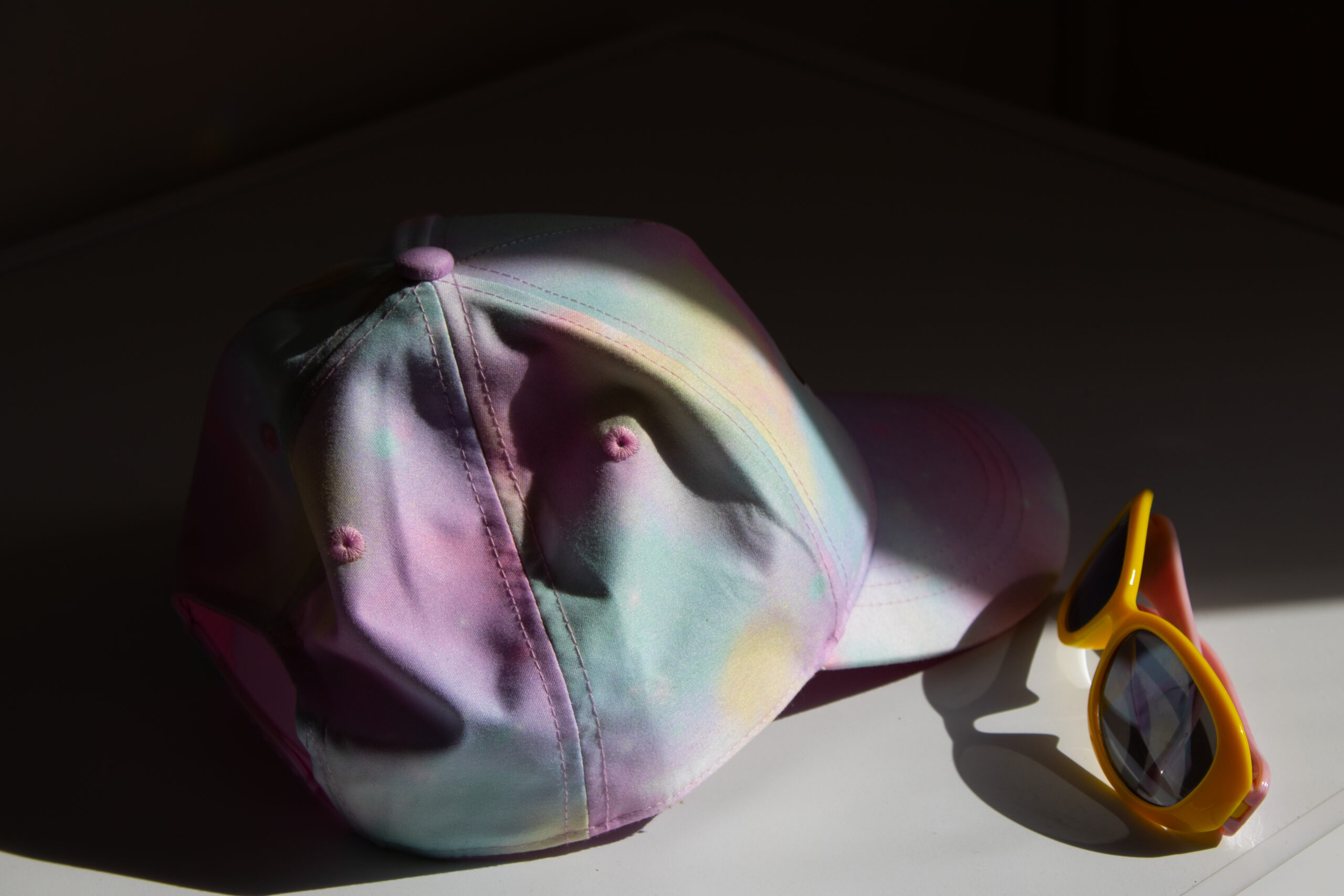
Still Life Stories: Turning Memories into Art
Still life photography allows you to become a visual storyteller. By carefully selecting and arranging meaningful objects, you can create images that evoke emotions, stir memories, and offer a glimpse into your personal world.
Choosing Your “Characters”
- Cherished treasures: Consider objects with sentimental value – a grandparent’s watch, a childhood toy, a handwritten letter. These hold a unique power to tell stories about the past and those you love.
- Everyday favourites: A well-worn coffee mug, a favorite pair of reading glasses, a houseplant flourishing on your windowsill – these represent your present, your routines, and what brings you simple joy.
- Symbols of self: Include objects that express your passions, hobbies, or beliefs. A pile of well-loved books, a paintbrush, or a musical instrument can subtly reveal your personality.
Crafting the Composition
- Think like a filmmaker: Your arrangement is your set design. Consider the backdrop, props, and how your objects interact with each other. Use a simple background to let your objects shine, or create a sense of place with a fabric, piece of vintage wallpaper, or a weathered wooden board.
- Light for mood: Soft, diffused light can create a sense of nostalgia, while bright, directional light can highlight textures and details. Experiment with light to enhance the mood of your story.
- Juxtapositions tell tales: Combine seemingly unrelated items to create intrigue. An old photograph next to a new flower bud can symbolise the passage of time, or a delicate piece of jewellery alongside a rough seashell can evoke a feeling of contrast.
Details Matter
- Get up close: Zoom in to capture the unique imperfections, patterns, and signs of wear on your chosen objects. These are where the true stories reside.
- Consider perspective: Don’t be afraid to shoot from unusual angles. An overhead shot can create a sense of abundance or playful disarray, while a slightly tilted perspective adds dynamism and interest.
Your Still Life, Your Story
The most compelling still life photography is personal. Don’t worry about perfect technique or traditional rules. Be authentic, choose objects that resonate with you, and let the arrangement evoke a unique sense of emotion and meaning.

Ideas to Get You Started
Let’s turn these concepts into photographic adventures! Here are more detailed explorations to spark your creativity:
- Texture Hunt: Challenge Mode
- Limit your palette: Seek out textures solely in one color – red, brown, etc. This sharpens your focus.
- Tactile translation: Close your eyes and run your hands over different surfaces. Now, photograph textures that evoke those sensations (smooth like silk, rough like sandpaper).
- Extreme close-ups: Get as close as your camera allows. Can you turn fabric fuzz or chipped paint into an abstract landscape?
- Shadow Play: Beyond the Basics
- Intentional shadows: Use an object with a striking silhouette (a unique key, a toy figurine) to cast a deliberate shadow-shape.
- Layer it up: Overlapping shadows of different objects creates complexity. Experiment with houseplants, patterned lace, or kitchen utensils.
- Shadows as subjects: Forget the objects casting the shadows. Focus on the interplay of light and darkness as an abstract composition.
- Your Personal Museum: Theme It
- “My Childhood in Objects”: Choose objects that take you back in time – a toy, a ticket stub, a pressed flower from an old adventure.
- “What I Collect”: Showcase a curated collection thematically (coins, postcards, bottle caps). Focus on patterns, color stories, and what makes it yours.
- “My Passion Portrait”: Objects representing hobbies become a still-life self-portrait (paintbrushes, sports gear, gardening tools).
Additional Tips
- Photographer’s Notebook: Keep a small notebook to jot down ideas sparked by your photo sessions. Even ‘failed’ shots can inspire new directions.
- Time-lapse Project: Choose a spot in your home with shifting light throughout the day. Capture the same view every hour to show the transformative power of changing light.
- Community Challenge: Find online photography communities and theme-based challenges to push your skills while connecting with others.
Most importantly, have fun! Photography is about exploration and seeing the world through your unique lens. The possibilities are endless, even within the familiar walls of your own home.
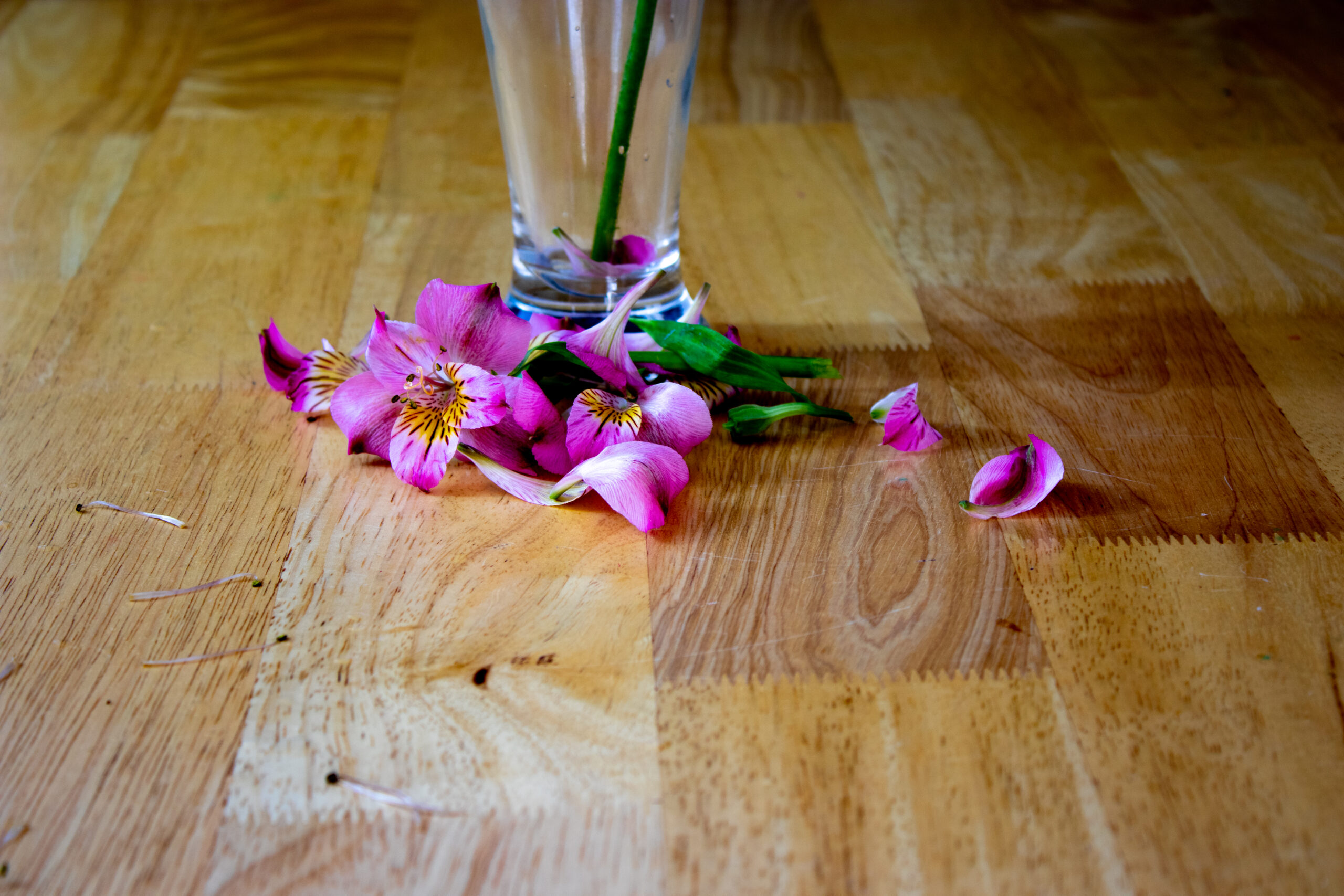
Step Outside: Fresh Eyes for Familiar Places
Your neighbourhood and surrounding areas offer endless inspiration:
Urban Details: Finding Beauty in the Grit
Cities are treasure troves of photographic inspiration, teeming with overlooked beauty in their textures, patterns, and unexpected moments. Here’s how to refine your focus:
- Textures Tell Tales: Move beyond weathered walls (though they’re fantastic!). Seek out:
- Rusty metal with peeling paint: Zoom in for an abstract expressionist artwork.
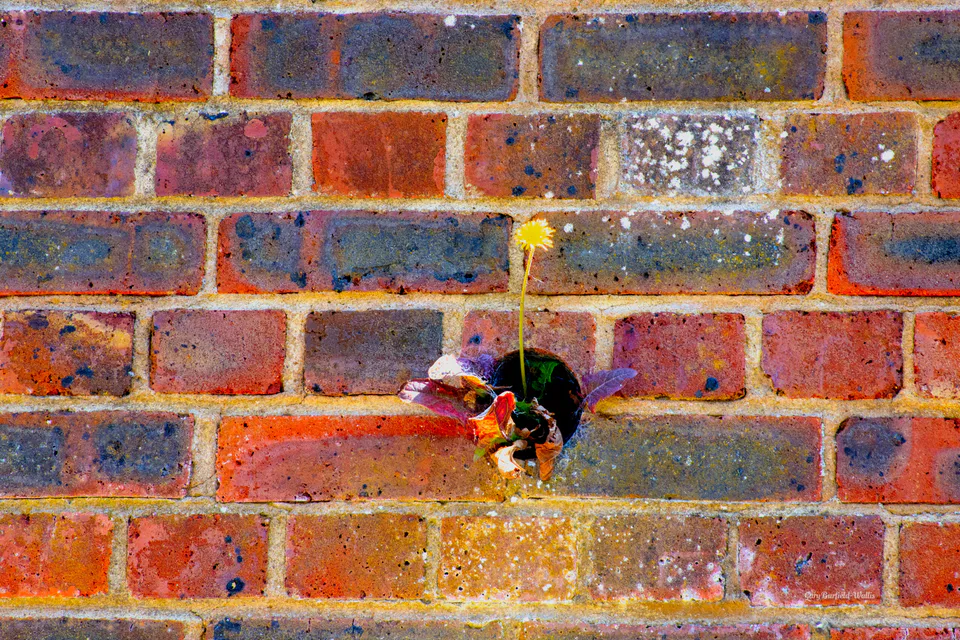
- Cracked pavement blooming with a single weed: A metaphor for resilience.
- Cobblestone streets: Their patterns lead the eye and create a sense of history.
- Geometry in the Chaos: Train your eye to spot the underlying structure within urban environments:
- Fire escapes: Zigzags and strong lines against a brick facade.
- Architectural details: Art Deco flourishes, repetitive window patterns, ornate ironwork.
- Construction zones: A symphony of scaffolding, beams, and geometric shapes.
- Street Life: Unposed and Unfiltered
- Candid moments: Capture the fleeting interactions of people going about their day – a laugh shared, someone deep in thought, a helping hand.
- Silhouettes and shadows: Focus on the shapes of people against the urban backdrop, emphasizing form over identifiable features.
- Reflections: Hunt for puddles, mirrored windows, and shiny surfaces to transform the everyday scene into a surreal streetscape.
Technical Tips for Urban Detail Shots
- Lens choice matters: A wide-angle lens captures the vastness of urban scenes, while a zoom or macro lens helps isolate details.
- Black and white: Often enhances the graphic quality of urban textures and emphasizes shapes.
- Experiment with angles: Shoot from below for a sense of towering grandeur, look directly down from a higher vantage point, or tilt your camera for a sense of dynamism.
Extra Challenge: Tell an Urban Story
- Signs and messages: Capture faded advertisements, graffiti as social commentary, or quirky store signs. These reveal the personality of a place.
- Series project: Choose a theme (doors, storefronts, hands at work) and photograph variations across different neighborhoods.
- Time of day matters: The harshness of midday sun is very different from the soft glow of streetlights at night, both revealing unique details.
Nature’s Patterns: Training Your Eye for Order and Beauty
The natural world presents an endless array of patterns, reminding us of the intricate order and beauty that lie both in the grand landscapes and the smallest details. Here’s how to hone your pattern-spotting skills:
- Think Like a Scientist: Nature is full of mathematical precision and repetition:
- Symmetry & reflection: The mirrored halves of a butterfly wing, ripples in still water.
- Spirals & fractals: Found in seashells, unfurling ferns, and the branching of trees.
- Tessellations: Honeycombs, the scales of a fish, or the hexagonal shapes of rock formations.
- Scale Matters: Patterns exist at every level, from the vast to the nearly invisible:
- Landscape level: Sand dunes sculpted by wind, the repeating peaks of a mountain range, a forest viewed from above.
- Intimate observations: Up-close patterns in leaves, flower petals, the intricate details of a bird feather.
- Microscopic marvels: If you have access to a microscope or macro lens, explore the patterns within cells, pollen grains, or insect wings.
- Break the Perfection: Nature’s patterns are rarely flawlessly uniform:
- Seek out the subtle disruptions: A fallen leaf in a field of symmetrical flowers, the unique markings on an animal’s coat.
- Capture the effects of decay or weather: Broken shells, a tree with a twist in its trunk. These deviations often enhance the pattern’s beauty.
- More Than Visual: Explore other sensory patterns in nature:
- Sounds: Birdsongs, the rhythmic crashing of waves, the rustling of leaves. Can you find a visual equivalent?
- Movement: The synchronized flight of birds, the dance of sunlight on water, the path of ants across the ground.
Creative Challenges
- Pattern scavenger hunt: Make a list of natural patterns (spirals, lines, honeycombs), then go find examples of each.
- Color-blocked patterns: Seek out patterns dominated by a single color, then another, and another. Creates a visually striking series.
- Abstract nature: Zoom in so close that the original source of the pattern becomes ambiguous. Focus purely on form and repetition.
Remember: Nature’s patterns are a constant source of wonder and inspiration. The more you attune yourself to them, the more extraordinary the world will appear!
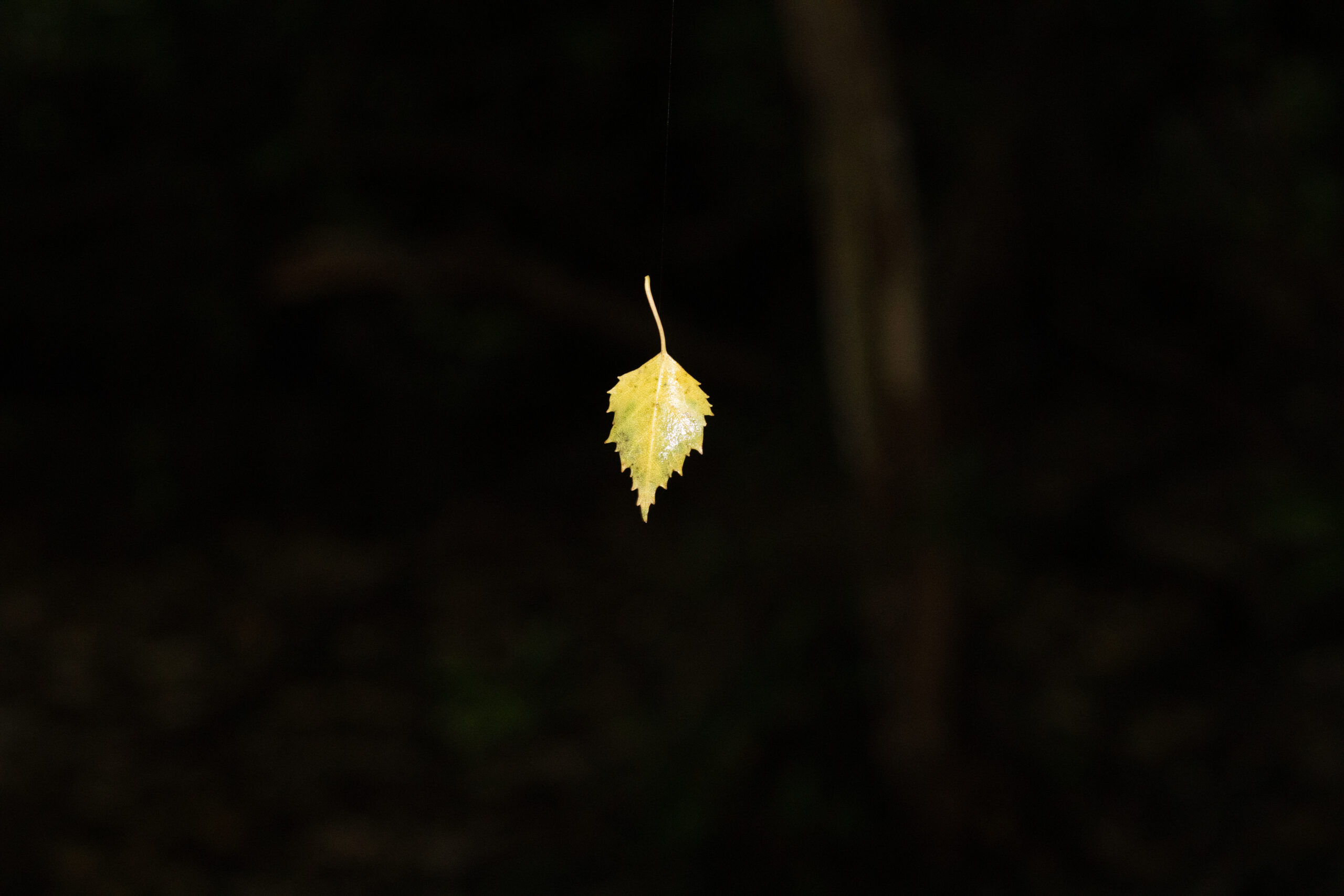
Embracing the Elements: Weather as Your Creative Collaborator
The forces of nature can transform even familiar landscapes into scenes of drama, delicate beauty, and unexpected textures. Here’s how to harness the power of weather in your photography:
- The Drama of Storms
- Capturing the mood: Photograph ominously dark clouds, raindrops streaking across a window, or the dynamic energy of windswept trees.
- Seek out contrasts: Look for a lone figure against a stormy sky, a flash of lightning illuminating a darkened cityscape, or a single spot of light breaking through the clouds.
- Safety First: Never put yourself at risk in pursuit of the perfect storm shot. Use a zoom lens for distance and seek shelter when necessary.
- The Aftermath: Fresh Perspectives
- Raindrops as jewels: Flowers, leaves, and spiderwebs become adorned with sparkling droplets. Use a macro lens or close-up focus to highlight their beauty.
- Enhanced reflections: Rain creates temporary puddles and reflective surfaces, offering a chance to capture the world in a unique, distorted way.
- Vibrant renewal: Colours often appear more saturated after a storm. Capture the freshness of washed landscapes and vibrant rainbows if you’re lucky.
- Winter Wonderland: Ice and Frost as Artists
- Delicate details: Capture the intricate patterns of frost on windows, leaves, or spiderwebs. Look for a touch of morning sunlight to make them sparkle.
- Frozen in time: Icicles offer unique shapes and textures, especially when backlit by the sun.
- Signs of resilience: Seek out vibrant berries against a snowy backdrop, or lingering autumn leaves encased in a layer of ice.
Technical Tips for Element-Focused Photography
- Protect your gear: Weatherproof your camera or use a simple plastic bag shield in a pinch.
- Exposure adjustments: Rainy days often need a bit of exposure compensation to avoid underexposed shots. Experiment for ideal brightness.
- Play with shutter speed: Freeze raindrops in mid-air with a fast shutter speed, or let them blur for an ethereal effect with a slower one.
The Beauty of Impermanence
Weather-influenced photographs hold a special appeal. They capture fleeting moments, the subtle interplay of elements, and the ever-changing face of the natural world.

Challenge Yourself to Spark Your Creativity
Routines are great, but in photography, they can lead to predictable results. Let’s shake things up and rediscover the thrill of experimentation!
- Themed Photo Walks: Your Mission, Should You Choose…
- Beyond basic themes: Explore concepts like “Imperfection,” “Movement,” or “Solitude”. Force yourself to look for the abstract within the everyday.
- Location limitations: Photograph your own neighbourhood, but ONLY in black & white, or ONLY looking for square compositions. Constraints breed creativity.
- The 30-minute challenge: Choose a theme and set a timer. The pressure will force you to improvise and let go of perfectionism.
- Technical Experiments: Break the Rules
- Lens swap: If you always shoot wide-angle, force yourself to use only a telephoto lens for a day, or vice versa.
- Intentional “mistakes”: Try deliberate overexposure, extreme blur, or double exposures (if your camera allows it). The happy accidents might become your new favorite style.
- Perspective play: Shoot from the ground looking up, lie down and shoot straight overhead, or climb high for a bird’s-eye view.
- Personal Projects: Photography with Purpose
- “The 365 Challenge”: Document your year with one photo every single day. The commitment forces you to find inspiration even on uninspired days.
- Skill showcase: Choose a new skill to learn (baking, gardening, etc.). Photograph your progress over time, showing both the successes and the ‘learning curve’ moments.
- Place of the heart: Is there a location that holds special meaning for you? Visit it at different times of day, in different seasons, and capture its changing moods.
Additional Tips
- Find your community: Online groups or local photography clubs offer themed challenges and constructive feedback to help you grow.
- Don’t overthink it: Sometimes the silliest idea can lead to the most surprising results. Let yourself be playful!
- Review and reflect: Take time to look back at your challenge photos. What worked, what didn’t, and what did you learn about your own photographic style?
The greatest reward of challenges is the journey of self-discovery within your photography. Don’t be afraid to surprise yourself!
Photography as Self-Expression
Your camera becomes a powerful tool when wielded with intention. Here’s how to make your photographs unmistakably yours:
- Embrace your emotions: What stirs you? Joy, wonder, nostalgia, a sense of injustice? Let your feelings be your guide towards subjects and compositions.
- Follow your curiosity: What catches your eye that others might pass by? The textures you love to touch, the patterns you see everywhere, the quirky details that make you smile – photograph those.
- Authenticity over perfection: Don’t try to imitate what’s popular. Embrace the technical flaws, the slightly off-kilter composition, the subject matter that seems odd to anyone but you. That is where your unique vision shines through.
Cultivating Your Perspective
Here are a few exercises to help strengthen your personal photographic voice:
- The “Passion List”: List the top 5 things that inspire you in your life – be it music, specific places, nature, social causes. Now, try to represent those passions visually through your photography.
- Reverse engineer your favourites: Take a few photos you love (yours or others) and analyse what draws you to them: color palette, mood, composition, subject matter. Use this as a roadmap for your own work.
- “Just because” photos: Dedicate one photo session to snapping things purely because they caught your eye in that fleeting moment. Don’t overthink, just capture. You’ll be surprised by the patterns that emerge.
The Ever-Evolving Photographer
Your perspective will change and grow as you do. Here’s how to embrace that evolution:
- Be open to the unexpected: The photo you thought you were going to take might be eclipsed by an even better one you stumbled upon.
- The joy is in the process: Focus less on perfect end results and more on the act of seeing with intention, experimenting, and capturing moments that resonate with you.
- Share and seek feedback: Find a safe community where you can share your work and respectfully receive the perspectives of others. It may give you insights about your own work you’d never have considered.
Remember: there is no “right” way to see the world. Your unique viewpoint is your greatest strength as a photographer!
Share your discoveries! Tag me in your finds – I can’t wait to see what inspires YOU!