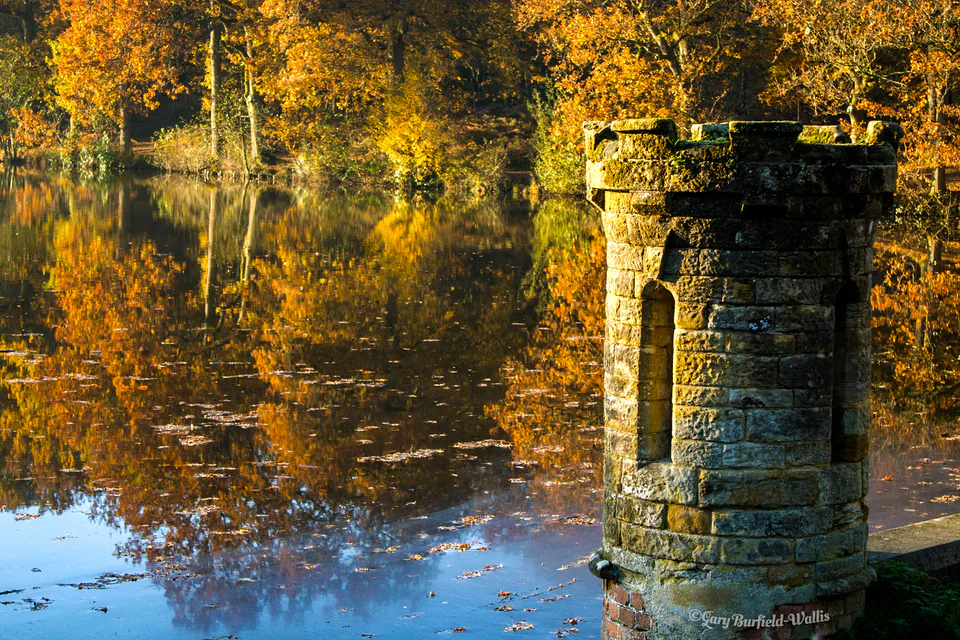
Hey there, fellow shutterbugs! If you’ve ever felt your heart pound a little faster at a breathtaking mountain vista or a field bathed in golden sunset light, you might just be a landscape photographer in the making. It’s about more than getting a pretty picture – it’s about capturing the essence of a place at the perfect moment. Let’s dive in!
A Little Bit of Background
While us modern folks take snapping scenery for granted, landscape photography has a surprisingly long history. You might think it began with cameras, but nope! Painters have been romanticising the natural world for centuries. Think of the sweeping vistas in Hudson River School paintings or even the detailed landscapes in Renaissance works. They laid the artistic groundwork for seeing the world in a frame.
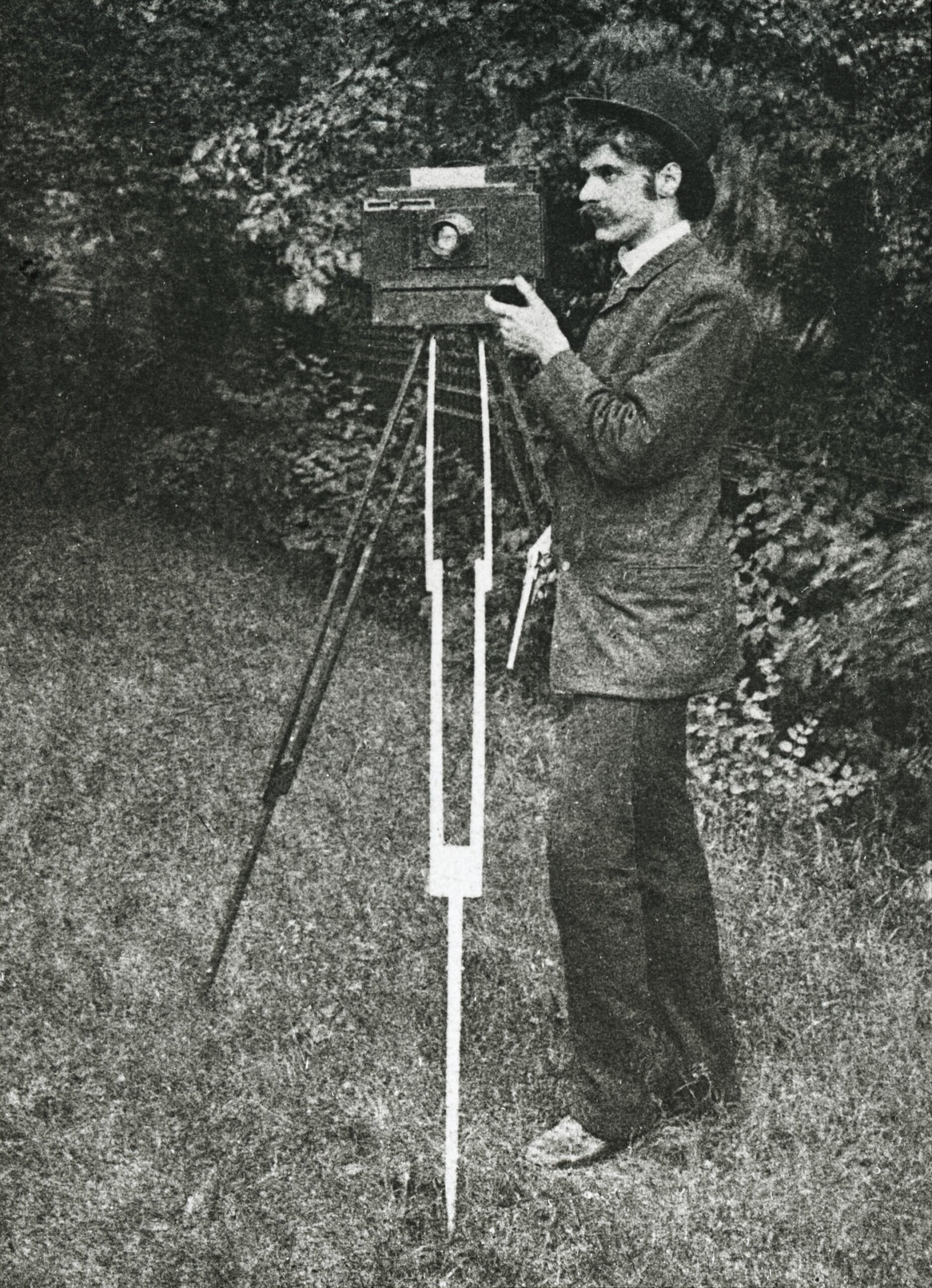
In the early days of photography, those long exposure times meant photographers focused on still subjects – landscapes were perfect for this! It wasn’t a casual hobby, though. Photographers in the 1800s were part explorer, part scientist. They’d haul bulky wooden cameras, glass plates, and dangerous chemicals deep into the wilderness to capture those iconic shots. Talk about commitment!
Pioneers like Timothy O’Sullivan and Carleton Watkins brought us those jaw-dropping views of the American West, documenting its grandeur and wildness. Meanwhile, across the Atlantic, guys like Gustave Le Gray were mastering seascapes, capturing the texture and movement of the ocean. These early masters showed us the power of landscape photography to transport, inspire, and even document history.
What exactly IS landscape photography?
Well, it’s definitely got the word ‘landscape’ in there, so you’re on the right track! Think wide-angle shots that showcase the grand scale of nature: towering mountains, endless deserts, crashing oceans, lush forests, fields stretching towards the horizon…you get the idea.
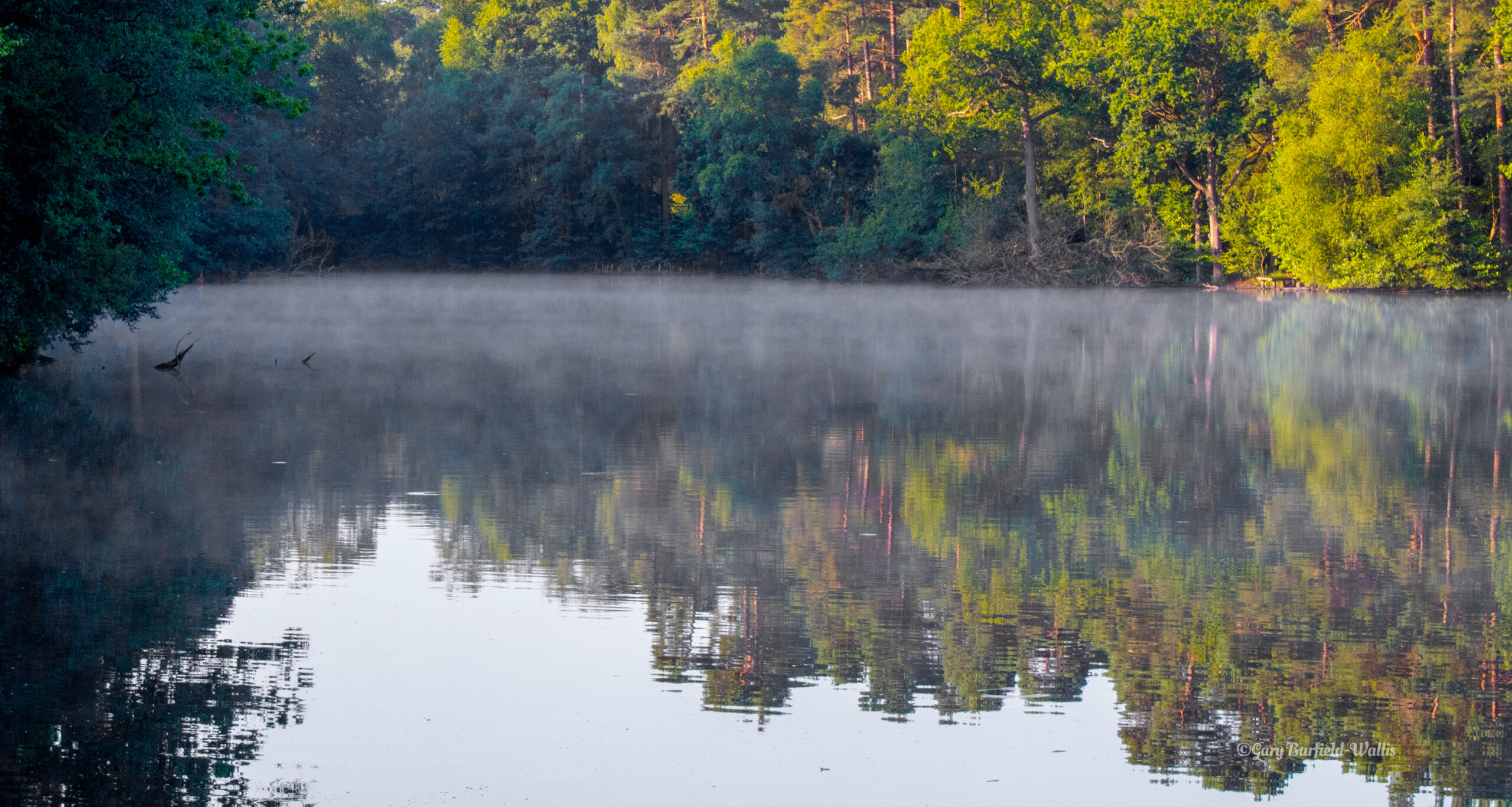
But here’s the thing: landscape photography is about way more than just what you shoot, it’s how you capture it. A great landscape photo doesn’t just document a place; it transports you there. It stirs up emotions within you: the tranquility of a misty lake at dawn, the raw power of a storm rolling across the plains, the warmth and peace of a sun-drenched valley. It’s about translating the magic of the natural world onto a single image.
Do I Need All the Fancy Gear?
Let’s be real: the latest cameras and lenses with all those shiny bells and whistles are tempting. And yes, they can make certain things easier. But here’s the secret: great landscape photography isn’t about the gear, it’s about your eye and your technique.
Don’t get discouraged if you’re starting out! Here’s your essential starter kit:
- A Camera: DSLRs and mirrorless cameras offer fantastic control and image quality. However, don’t underestimate your smartphone! Modern phones have surprisingly powerful cameras and apps to help you adjust settings.
- A Wide Lens: Whether it’s a true wide-angle lens for your camera or using the wide setting on your phone, you want to be able to capture that expansive feeling of the landscape. Think 16-35mm (or equivalent) if you’re shooting with a full-frame camera.
- A Tripod: This is a must-have. It keeps your camera steady for those long exposures (think silky waterfalls or smooth seas) and lets you really take your time composing the perfect shot.
Bonus Gear (as you upgrade):
- Filters: Graduated neutral density filters help balance the exposure of a bright sky against a darker landscape. Polarizing filters reduce glare and make colours pop.
- Remote Shutter Release: This eliminates accidental camera shake when you hit the shutter button, especially useful for long exposures.
Remember, the best way to get better is to simply get out there and start shooting! Experiment, have fun, and let your passion for the natural world guide you. This image was snapped on a smartphone when out walking the dogs and is one of my favourites.

The Magic Ingredients (aka Technique)
Landscape photography might seem simple – find a pretty view, snap a picture, right? But to create images that truly stand out, you need to master the magic ingredients of technique:
Composition Rules: These are your guiding principles.
- Rule of Thirds: Imagine your image divided by two horizontal and two vertical lines, creating a grid. Place your focal points (like a mountain peak or a lone tree) along those lines or at their intersections for a more dynamic image.
- Leading Lines: Look for natural lines within the landscape – think rivers, roads, or mountain ridges – that draw the viewer’s eye deeper into the photo.
- Balance: Think about the overall arrangement of elements. Do heavier elements (like a big rock) balance out lighter ones (like wispy clouds)?
Check out my post on composition for a more in-depth details.
Light, light, light!: It’s the lifeblood of photography, and arguably even more important for landscapes.
- Golden Hour: The hour after sunrise and the hour before sunset bathe the world in gorgeous, warm light, creating long shadows and making colors extra rich.
- Directional Light: Side lighting in the early morning or late afternoon emphasizes texture and form, giving your landscapes a three-dimensional feel.
- Dramatic Light: Overcast skies, filtered light through trees, even spotlights of sun breaking through storm clouds can bring a whole new mood to your images.
Weather is your muse: Don’t just wait for sunny days!
- Storms: Dark clouds and bolts of lightning add drama and power.
- Fog/Mist: Creates a sense of mystery and softens landscapes.
- Rain/Snow: Changes the textures and reflections in a scene, making the ordinary extraordinary.
Remember: Rules are meant to be broken sometimes! Once you understand the basics, you can experiment and find your own unique style.
Pro Tips to Elevate Your Game
- Find Unique Perspectives: Eye-level shots are fine, but they can get a bit…ordinary. Shake things up!
- Get Low: Crouch or kneel down to emphasize foreground elements and create a sense of scale.
- Get High: Safely find a higher vantage point (a rock, a hill) to showcase a sweeping vista and surprising patterns within the landscape
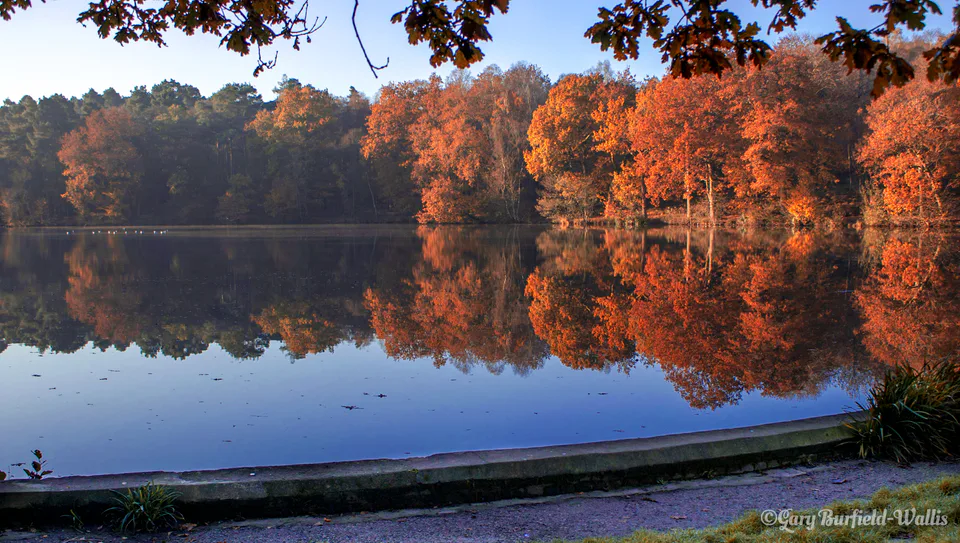
- Shoot Reflections: Still water can turn your landscape into a stunning mirrored composition.
- Embrace the Abstract: Sometimes, zooming into a small section of a landscape – rippling sand, a weathered rock face – can lead to beautiful, unexpected images.
- Patience is Key: Nature runs on her own schedule, not yours. The perfect light or a dramatic cloudscape may take time to develop.
- Scout Locations: Visit potential spots to figure out what time of day the light is best.
- Weather Apps: Become your new best friend. Track those storms or foggy mornings.
- Be Flexible: Have a backup plan (or two) if the weather doesn’t cooperate. Sometimes the ‘unexpected’ light leads to the most unique shots.
- Embrace the RAW Format: Think of it as your digital negative. RAW files give you way more flexibility when editing your photos.
- Recover Details: Pull out detail in those bright skies or shadowy areas.
- Fine-tune Colors: Dial in the exact color saturation you want, making sunsets even more vibrant or forests more lush.
- Experiment Fearlessly: You can always revert to the original RAW, so go nuts experimenting with your edits!
Remember: Landscape Photography is a Journey
Everyone starts somewhere! Don’t get discouraged if your early photos don’t scream “National Geographic cover.” Here’s the thing about landscape photography (and most creative pursuits): it’s about enjoying the process, not just about the end result.
- Celebrate the Learning: Every time you step out with your camera, you’re picking up new skills. How to read light, how to find interesting compositions, how to make your gear work for you. Each of these ‘aha!’ moments is a victory.
- The Thrill of the Unexpected: No two landscapes are ever the same, and even the same location looks entirely different depending on the weather or time of day. This means endless opportunities for surprise and discovery.
- Your Vision Evolves: Your style and what you want to convey through your images will develop over time. Looking back at your older photos becomes the best way to see just how far you’ve come.
- The Joys of Connection: Landscape photography gets you outdoors, exploring your local area or far-off destinations. It can spark a connection with nature you never knew you had. Plus, being part of the photography community means sharing your passion and learning from others.
So embrace the journey! With every shot, you’ll be seeing the world more keenly, finding beauty in unexpected places, and expressing yourself in new ways. Isn’t that even better than a few more likes on Instagram? 😉
Let me know in the comments what kind of landscapes get your heart racing. I’d love to hear about your favorite historical landscape photographers, too! And hey, share your shots – I’m always inspired by other passionate photographers. Happy shooting!