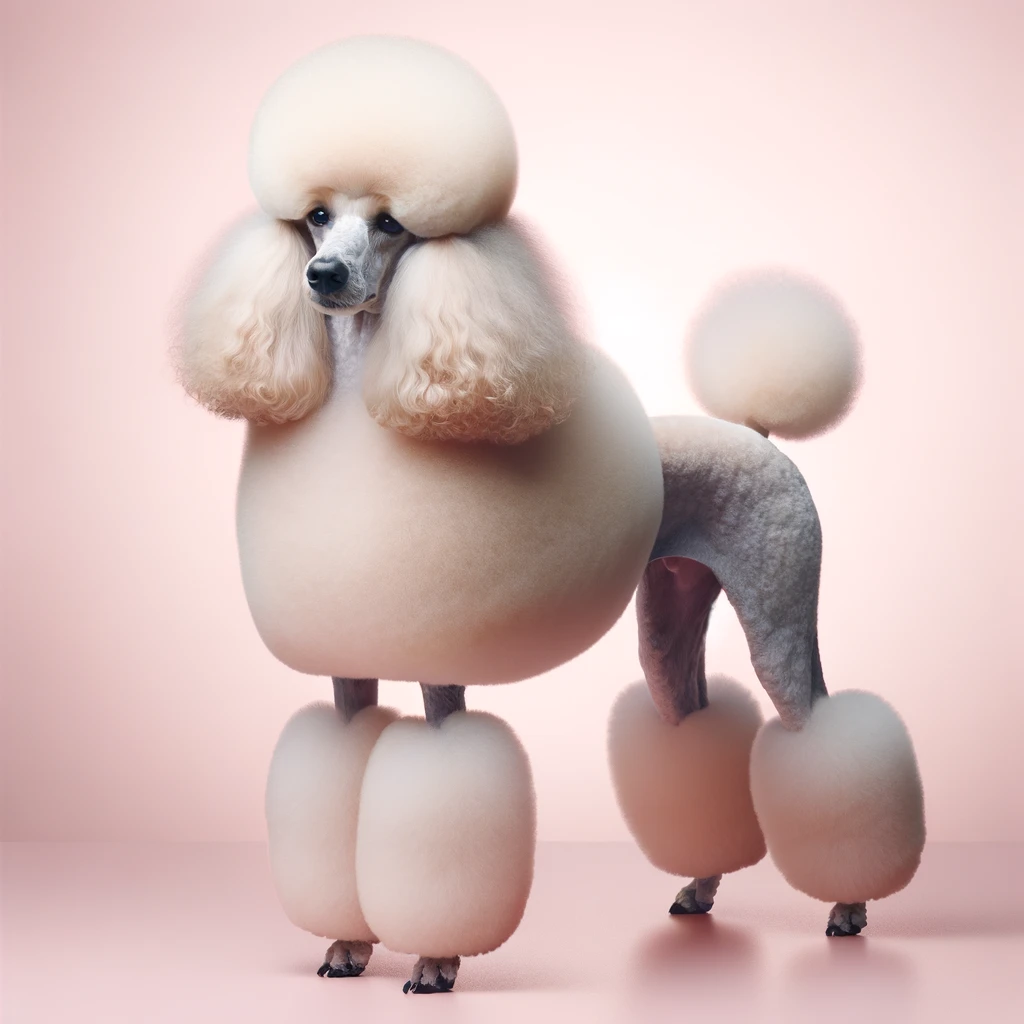
Picture this: a dog with a haircut so extravagant, it rivals a celebrity on the red carpet. That’s the iconic Poodle! But beyond those fluffy show clips lies a fascinating breed with a rich history, a playful personality, and intelligence that makes them stars in the canine world.
A Touch of History
The German Roots of a French Icon
While the Poodle might as well be the national dog of France with its sophisticated image, its ancestry lies across the border in Germany. The name “Poodle” itself likely comes from the German “Pudel” or “Pudelin”, which refers to splashing in water.
Far From a Lapdog: The Poodle as Working Breed
Forget the pampered pooch stereotype! Early Poodles were hardworking water retrievers. Their tightly curled, dense coat provided insulation in cold water while allowing them to move with agility. Hunters prized them for their intelligence, trainability, and sheer joy in retrieving downed waterfowl.
The Journey to France (and Beyond!)
It’s theorised that Poodles traveled to France with German soldiers, where their charms and talents didn’t go unnoticed by French nobility. Over time, they transitioned from working dogs to adored companions, eventually spreading their popularity throughout Europe and beyond.
Brains and Beauty: A Winning Combination
Historically, the Poodle’s value stemmed from a perfect combination of intelligence and athleticism. Here’s how that brainpower manifested itself throughout their history:
- The Circus Stars: Poodles, with their quick learning and eagerness to please, were natural performers. Their ability to master tricks, dance-like movements, and even basic acting made them popular additions to traveling circuses and shows.
- Wartime Work: Poodles weren’t just for entertainment. Their intelligence made them valuable in wartime settings. They served as messengers, carried supplies, and even located injured soldiers on battlefields.
- Devoted Companionship: Perhaps their most enduring role, Poodles excel as loyal friends. Their sensitive nature allows them to deeply bond with their humans, offering affection, playful antics, and a comforting presence.
This multifaceted history proves the Poodle is more than a walking hairstyle – they possess a sharp mind and a willingness to work that cemented their place in human hearts across various roles.
Size Matters (But Personality Doesn’t!)
One of the Poodle’s great appeals is its adaptability in size. While we picture the Standard Poodle with its extravagant show cut, the breed also comes in Miniature and Toy varieties. Here’s the breakdown:
- Standard Poodle: The original, standing over 15 inches at the shoulder. These are athletic dogs needing ample exercise and space.
- Miniature Poodle: Between 10 and 15 inches tall, a popular choice for those seeking a medium-sized companion. Still energetic, but better suited to apartment life than Standards.
- Toy Poodle: Under 10 inches in height. The lapdog of the Poodle family, ideal for city dwellers or those with limited space.
The Core Poodle: No Matter the Size
Importantly, regardless of height, all three Poodle varieties share the same breed standard in terms of personality and temperament. You’ll find that signature Poodle intelligence, eagerness to please, and playful nature across all sizes. The choice is about finding the perfect fit for your home and lifestyle.

Poodle training tips
Harnessing Their Intelligence:
- Positive Reinforcement is Key: Poodles thrive on praise, treats, and making their humans happy. Focus on rewarding desired behaviors rather than punishing mistakes.
- Keep it Fun! Turn training into games with short, engaging sessions. Poodles are easily bored by repetition, so mix things up.
- Brain Games: Teach fun tricks, try puzzle toys, or consider dog sports like agility or obedience where their minds can shine.
- Consistency Matters: Poodles are smart enough to exploit loopholes. Set clear rules and ensure everyone in the household is on the same page.
Addressing Potential Challenges:
- Early Socialisation: Those sometimes dramatic Poodle tendencies can be curbed by exposing them to various sights, sounds, and people as puppies. This prevents them from becoming overly timid or barky.
- Channeling Energy: A bored Poodle is a recipe for mischief. Daily walks, playtime, and mental stimulation are essential.
- Mastering the Leash: Poodles can be excitable walkers. Leash training with positive methods helps them learn good manners outdoors.
Additional Tips:
- Seek Professional Help: A good trainer can tailor techniques to your dog’s personality and your goals, especially for first-time Poodle owners.
- Breed-Specific Resources: Look for books or online resources specifically focused on Poodle training as they might address common quirks.

The Poodle Personality
The Blessing and Curse of Poodle Smarts
Poodles consistently rank among the most intelligent dog breeds in the world. This translates into several key points. Firstly, they pick up new commands and concepts with impressive speed, making training a joy, especially for those who enjoy teaching their dog new things. Additionally, they have a knack for problem-solving, thriving on puzzle toys, canine sports, or even “jobs” around the house that tap into those cognitive skills. However, it’s crucial to remember their intelligence makes them master manipulators, quickly spotting weaknesses in your rules or training.
The downside of this intelligence is that a bored Poodle will find ways to entertain themselves – and that often means digging, excessive barking, or chewing anything they can reach! Their smarts mean they can learn both good and undesirable behaviors quickly, so slipping up on training, even unintentionally, can create bad habits in the blink of an eye. Finally, it’s important to note that Poodles are sensitive souls. Their intelligence makes them prone to anxiety or insecurity if not trained with patience and positive methods.
Poodles: Your Four-Legged Shadows
One of the Poodle’s defining traits is their unwavering devotion to their humans. They yearn for close bonds with their families and absolutely thrive on human interaction. Whether it’s snuggles on the couch, energetic playtime, or learning new tricks, being with their people is where Poodles find true happiness.
The Perils of Loneliness
Leaving a poodle alone for extended periods can lead to more than just a bored (and likely destructive) dog. These sensitive pups are prone to separation anxiety, exhibiting behaviors like:
- Excessive Barking or Whining: Their attempts to communicate their distress.
- Destructive Habits: Chewing, digging, or scratching can become coping mechanisms for their anxiety.
- Housebreaking Issues: Stress can disrupt housetraining, even in previously reliable dogs.
- Emotional Decline: Poodles left alone too often can become withdrawn, depressed, and lose their usual spark.
Ideal Poodle Homes
Poodles do best in situations where someone is home for a significant part of the day. This could mean flexible work schedules, dog walkers or doggie daycare if absences are unavoidable, or retirees and families where someone is usually around. It’s vital to be realistic about the amount of attention and company you can provide before choosing this breed.
Poodles: Sensitive Souls in Furry Coats
While best known for their intelligence and playful nature, Poodles also have a sensitive streak that potential owners need to understand. This sensitivity can lead to:
- Barking: Poodles can be vocal dogs. While some are naturally quieter, many Poodles are quick to sound the alarm over strangers, unfamiliar noises, or simply out of boredom-fueled frustration.
- High-Strung Behavior: A poorly socialised or anxious Poodle might exhibit nervous behaviours like trembling, hiding, or excessive clinginess with their owners. Changes in routine or stressful environments can trigger these anxieties.
- Reactivity: In extreme cases, a fearful or undersocialised Poodle may react defensively, becoming snappy, or exhibiting leash aggression toward other dogs or people.
The Importance of Early Socialisation
The good news is that many of those dramatic tendencies can be curbed with proper socialisation starting when your Poodle is a puppy. Exposing them to a wide range of sights, sounds, people, and other dogs in a positive way builds their confidence and helps them navigate the world with less anxiety.
Additionally, Poodles thrive on structure and routines. A predictable environment makes them feel safe, further reducing those dramatic, stress-driven behaviours.
Beyond the Fluff: The Athletic Poodle
Don’t let those extravagant show clips fool you! Poodles were originally bred as water retrievers, meaning they possess surprising athleticism and stamina. Here’s why exercise is so important for this breed:
- Built for Action: Their history as working dogs shaped their bodies. Poodles are naturally agile, with a graceful stride and a love of movement.
- Energy to Burn: Especially in younger Poodles (and those of any age lacking mental stimulation), unspent energy can lead to those destructive “bored Poodle” behaviors.
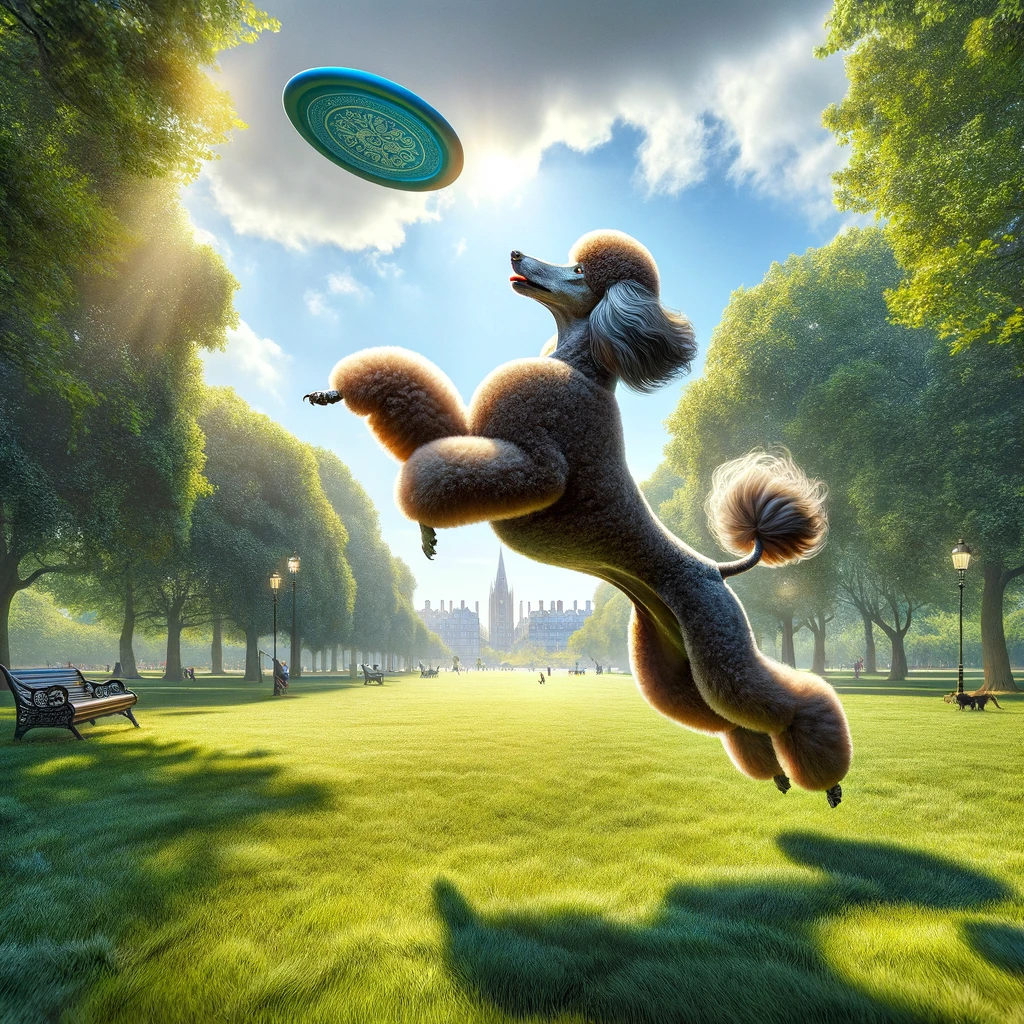
- Sports Stars: Poodles excel in many canine sports, including agility, obedience, rally, and even dock diving! These activities tap into their natural athleticism and their eagerness to learn.
Exercise Needs: What to Expect
Poodles require daily exercise tailored to their size and age. This could mean:
- Brisk walks or jogs
- Active play sessions (fetch, frisbee, etc.)
- Puzzle toys for mental workouts
- Training sessions to keep their minds sharp
Investing in regular physical activity keeps your Poodle healthy, happy, and less likely to get into mischief caused by pent-up energy!
Is a Poodle Right for You? An Honest Assessment
Poodles offer immense love and delightful quirks, but it’s crucial to make an informed decision about whether they’re truly your perfect match. Ask yourself the following questions with complete honesty:
Grooming Galore:
- Are you prepared for the Poodle’s high-maintenance coat? Regular professional grooming appointments are costly, and learning at-home coat care takes dedication and skill.
- Shedding is minimal, but they’re NOT hypoallergenic. Their dense curls require frequent brushing to prevent matting, which can be both time-consuming and irritating for sensitive pups.
Brain Power:
- Do you have time for consistent training and enrichment? A bored Poodle will find their own entertainment – usually destructive!
- Can you provide regular mental stimulation? This means walks, playtime, puzzle toys, teaching new tricks, and possibly even canine sports.
Potential Health Concerns:
- Are you aware of the breed’s predispositions? Researching common Poodle health issues like bloat, eye problems, and Addison’s disease is crucial for being prepared.
- Responsible breeding matters! Choosing a reputable breeder prioritizing health screenings reduces your risk (but doesn’t eliminate it entirely).
The Cost Factor:
- Initial Purchase: Reputable Poodle breeders can be expensive. Be wary of “bargain” pups, as they often come from unethical sources.
- Ongoing costs: Factor in quality food, grooming, routine vet care, and the potential for breed-related health concerns down the line.
Before falling head-over-heels for those fluffy faces, answering these questions with complete honesty helps ensure both you AND your potential Poodle companion live a happily ever after together!

The Poodle: More Than Meets the Eye
If you’re seeking a devoted, brainy dog that’s up for adventures and can turn heads with the right haircut, the Poodle might be your perfect match! Their fluffy exterior hides a sharp mind and a playful character, making them beloved companions worldwide.