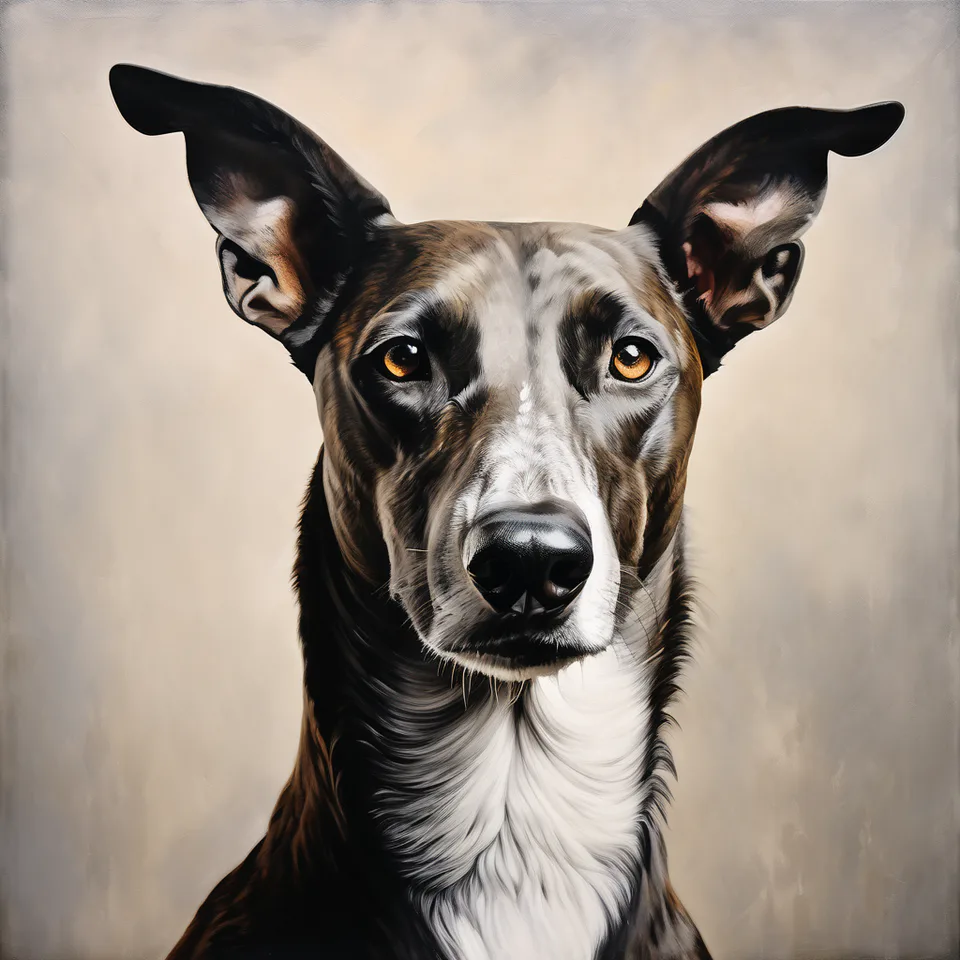
Greyhounds are among the most ancient and noble dog breeds, known for their incredible speed, sleek lines, and gentle demeanour. These dogs carry an air of aristocratic beauty, combined with a friendly and affectionate nature, making them excellent companions. In this blog post, we’ll dive into the world of Greyhounds, exploring their history, characteristics, care needs, and why they make such wonderful pets. Whether you’re a long-time Greyhound lover or considering adding one to your family, this guide will provide valuable insights into the unique world of these elegant canines.
A Glimpse into Greyhound History
The history of the Greyhound is as fascinating as it is ancient, stretching back thousands of years and crossing continents. These elegant canines have been companions to pharaohs, subjects of artists, and cherished by nobility. Let’s delve deeper into the storied past of the Greyhound, exploring its origins, cultural significance, and evolution into the breed we know and love today.
Origins in Ancient Egypt
Divine Companions and Hunters
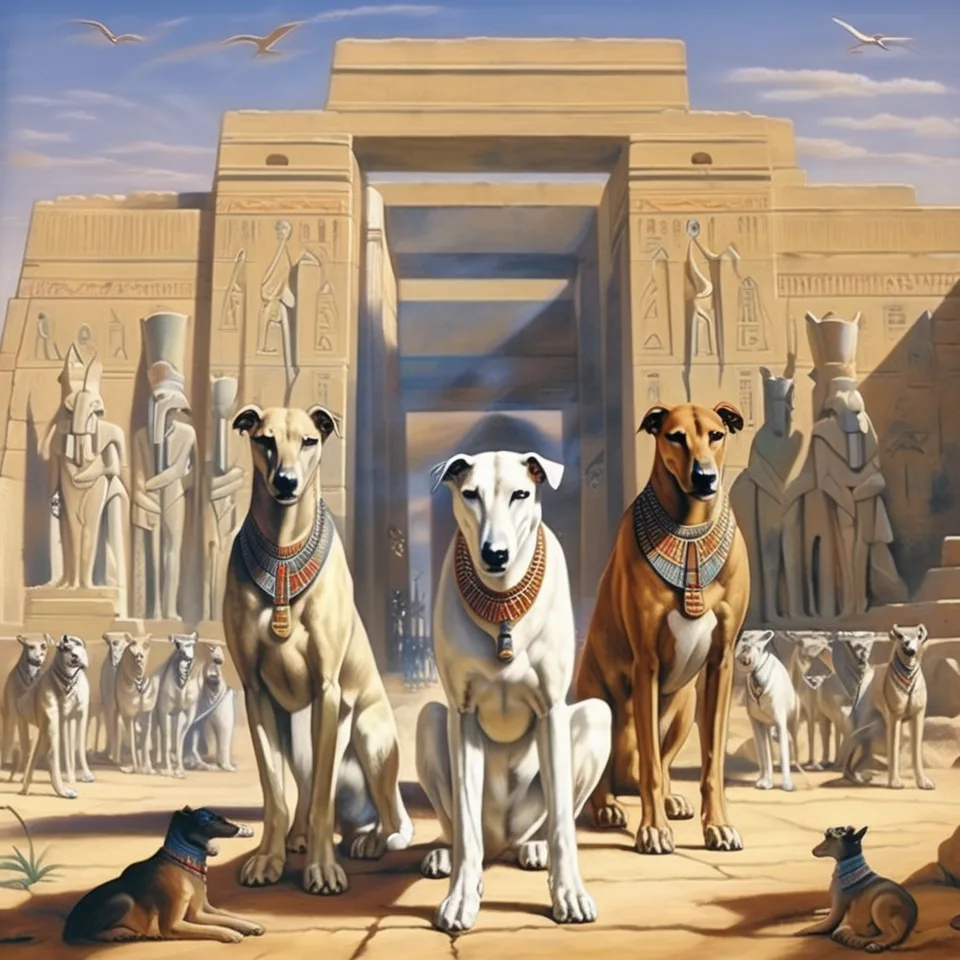
Greyhounds are one of the oldest known dog breeds, their lineage traced back to the ancient civilisations of Egypt over 4,000 years ago. They were not only pets but also revered symbols of hunting prowess and speed. Ancient Egyptians highly esteemed these dogs, often depicting them in their art and literature. Greyhounds were seen as companions of the pharaohs, hunting alongside their masters in the arid deserts, chasing after gazelles and hares. The breed’s elegance and efficiency in the hunt were mirrored in the elaborate depictions found in tomb paintings and relics, showcasing their importance in ancient Egyptian culture.
Symbolism and Reverence
The reverence for Greyhounds extended beyond their practical hunting uses. They were also symbolic of the spiritual and divine. Greyhounds appeared in various artefacts, symbolising characteristics such as nobility, loyalty, and the afterlife. Their sleek form and graceful speed were attributes that the ancient Egyptians admired, attributing almost mystical qualities to these hounds.
Journey to Europe
A Status Symbol in the Dark Ages
As civilisations evolved and empires expanded, Greyhounds made their way from the deserts of Egypt to the heart of Europe. During the Dark Ages, their reputation as swift hunters made them highly sought after by the European nobility. Greyhounds were not just hunting dogs; they became symbols of social status and wealth. Their presence indicated nobility and luxury, qualities that were coveted in the medieval social hierarchy.
Protected by Law
The high regard for Greyhounds was such that laws were enacted to protect their pedigree and ensure their exclusivity to the nobility. In medieval Europe, Greyhounds were among the few possessions that could actually elevate the social standing of their owners. This led to the establishment of stringent laws that prohibited commoners from owning Greyhounds, thus preserving the breed as a privilege of the aristocracy and royalty. Such legislation highlights the unique position Greyhounds held in society, a testament to their enduring legacy and the esteem in which they were held.
The Greyhound’s Lasting Legacy
The historical journey of the Greyhound, from the sands of ancient Egypt to the royal courts of Europe, paints a picture of a breed that has captivated humans for millennia. Their storied past is not only a testament to their adaptability and prowess but also to the deep bond that can exist between humans and dogs. The Greyhound’s evolution from a revered hunter to a symbol of nobility and then to a cherished companion reflects broader changes in society’s relationship with dogs. Today, while the legal protections and societal restrictions of the past are no longer in place, the Greyhound continues to be a beloved pet, admired for its gentle nature, elegant appearance, and, of course, its incredible speed.
The enduring allure of Greyhounds, woven into the fabric of history, culture, and art, underscores the special place they hold in the hearts of dog lovers around the world. Their ancient lineage and noble legacy make owning a Greyhound a unique connection to the past, celebrating a breed that has gracefully sprinted through history to remain one of the most admired and iconic dogs of the modern era.

The Speedy Spirit of Greyhounds
The Greyhound’s reputation as the pinnacle of canine speed and elegance is well-earned and steeped in both biological marvel and evolutionary design. These dogs are not just fast; they embody the very essence of speed, agility, and grace in the animal kingdom. Let’s delve deeper into what makes Greyhounds the ultimate sprinters of the dog world.
Engineered for Speed
Anatomical Perfection
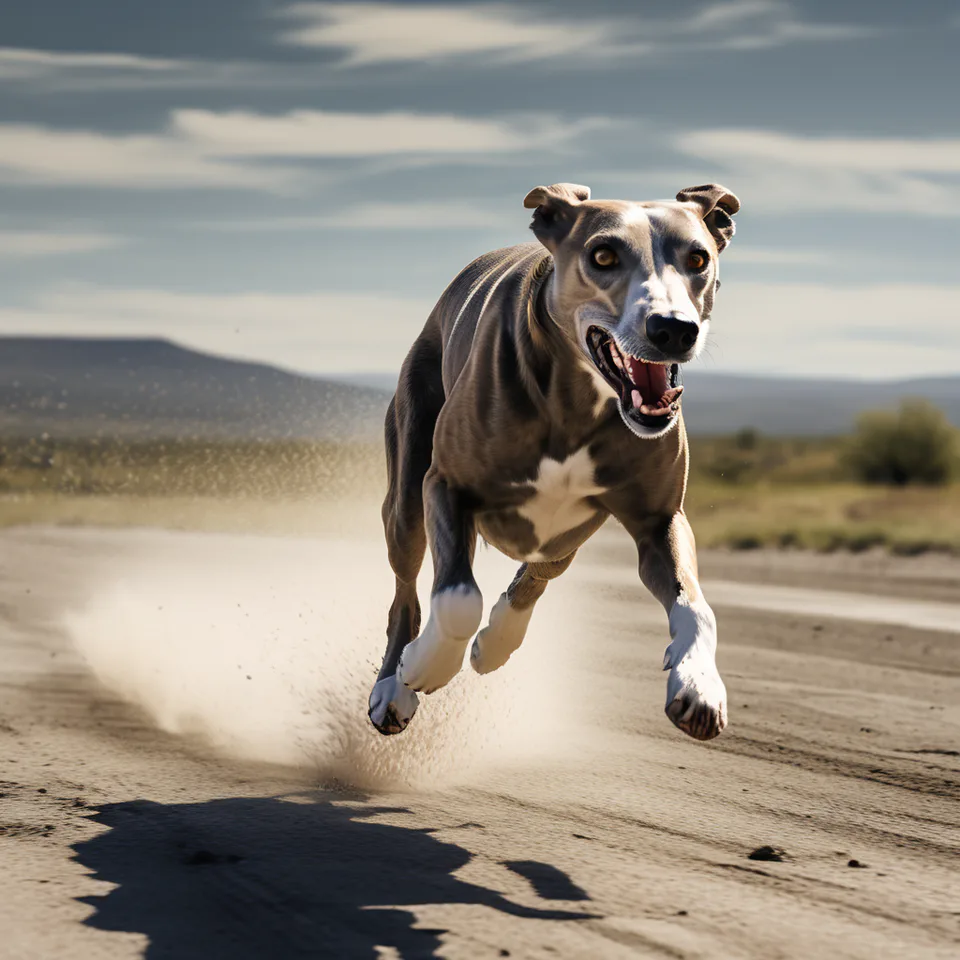
At the heart of a Greyhound’s speed is its unique anatomical structure. Their slender, aerodynamic bodies minimize air resistance, allowing them to cut through the air with incredible efficiency. Greyhounds possess a deep chest that houses a large heart, providing the necessary blood flow to sustain high speeds. Their long, powerful legs act as levers, propelling them forward with each stride, while a flexible spine enables a double-suspension gallop, increasing their stride length and speed.
Muscular and Skeletal Design
The muscular system of a Greyhound is finely tuned for explosive power. Their lean muscle mass is adept at converting energy into speed, making them capable of rapid acceleration. The skeletal structure is also a factor in their speed; their light bone composition reduces overall weight without compromising strength, enabling high-speed pursuits without a significant energy expenditure.
Sight Over Scent
The Role of Vision
As sighthounds, Greyhounds rely primarily on their keen eyesight to detect and chase down prey. This hunting strategy is markedly different from that of scent hounds, which track using their sense of smell. Greyhounds can spot moving objects at great distances, allowing them to calculate and commence their chase with precision. Their wide field of vision enables them to maintain focus on their target while running at full speed.
Evolutionary Advantage
This reliance on sight rather than scent has shaped the Greyhound’s hunting and running techniques. They are able to make split-second decisions during the chase, adjusting their trajectory and speed to match that of their prey. This ability is a testament to their evolutionary adaptation to environments where speed and visual acuity were paramount for survival.
A Legacy of Speed
Historical Significance
The speed of Greyhounds was not only valued in hunting but also made them stars in the arena of dog racing. Greyhound racing, a sport that showcases their incredible velocity and agility, has been a popular pastime, highlighting the breed’s natural talents. While the ethical considerations surrounding greyhound racing have led to changes in the sport, the fascination with their speed endures.
Modern-Day Marvels
Today, Greyhounds are celebrated not just for their ability to reach high speeds but for how they embody the spirit of grace in motion. Watching a Greyhound sprint is to witness a natural phenomenon; it’s a blend of power, precision, and elegance that is rarely matched in the animal kingdom. Their speed is a remarkable feature that continues to captivate and endear these graceful hounds to people around the world.
The Greyhound’s embodiment of speed and grace is a testament to the marvels of natural selection and breeding. Their design is not just functional but beautiful, illustrating the harmony between form and function. As the fastest dog breed, Greyhounds remain unparalleled symbols of agility and speed, capturing the imagination of all who watch them glide effortlessly at breathtaking speeds.
Gentle Giants: The Temperament of Greyhounds
Greyhounds are a study in contrasts: unparalleled athletes on the track, yet at home, they epitomise relaxation and gentleness. This duality makes them fascinating companions, capable of sprinting at breathtaking speeds before transitioning to serene and docile house pets. Let’s explore the nuances of the Greyhound temperament, shedding light on what makes these dogs such endearing pets.
The Essence of Calm
A Homebody at Heart
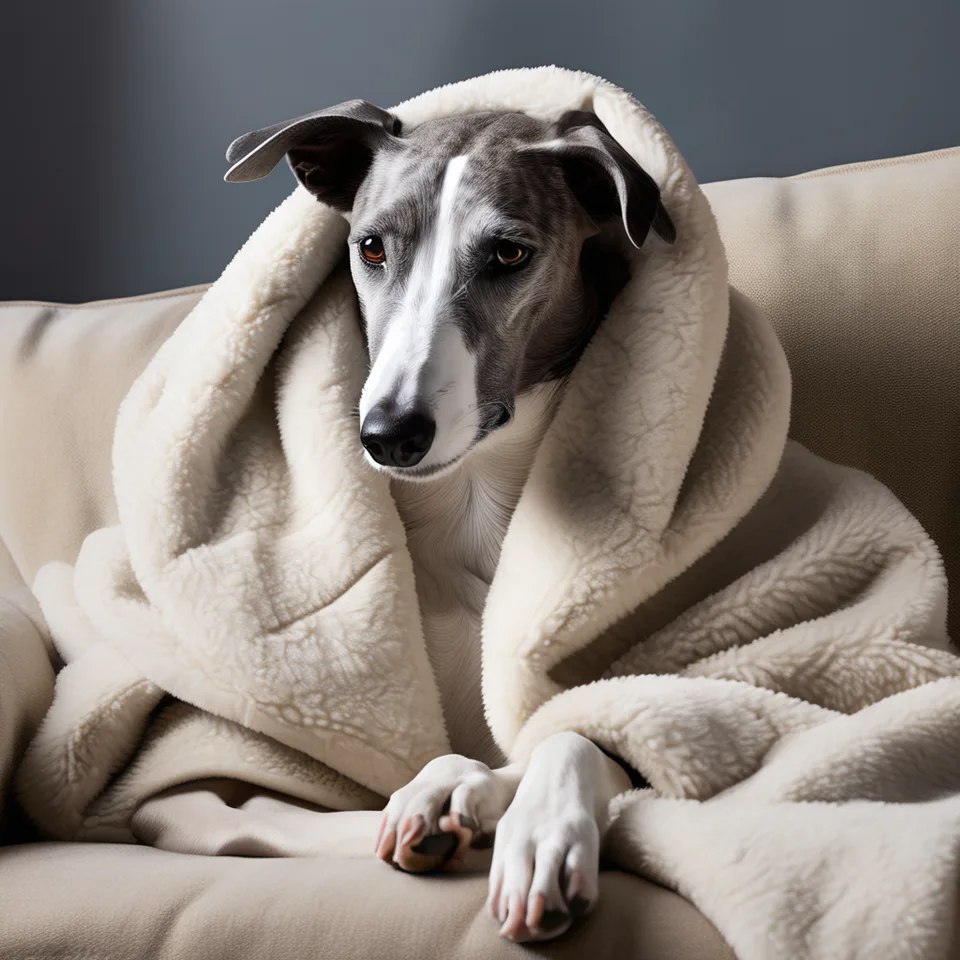
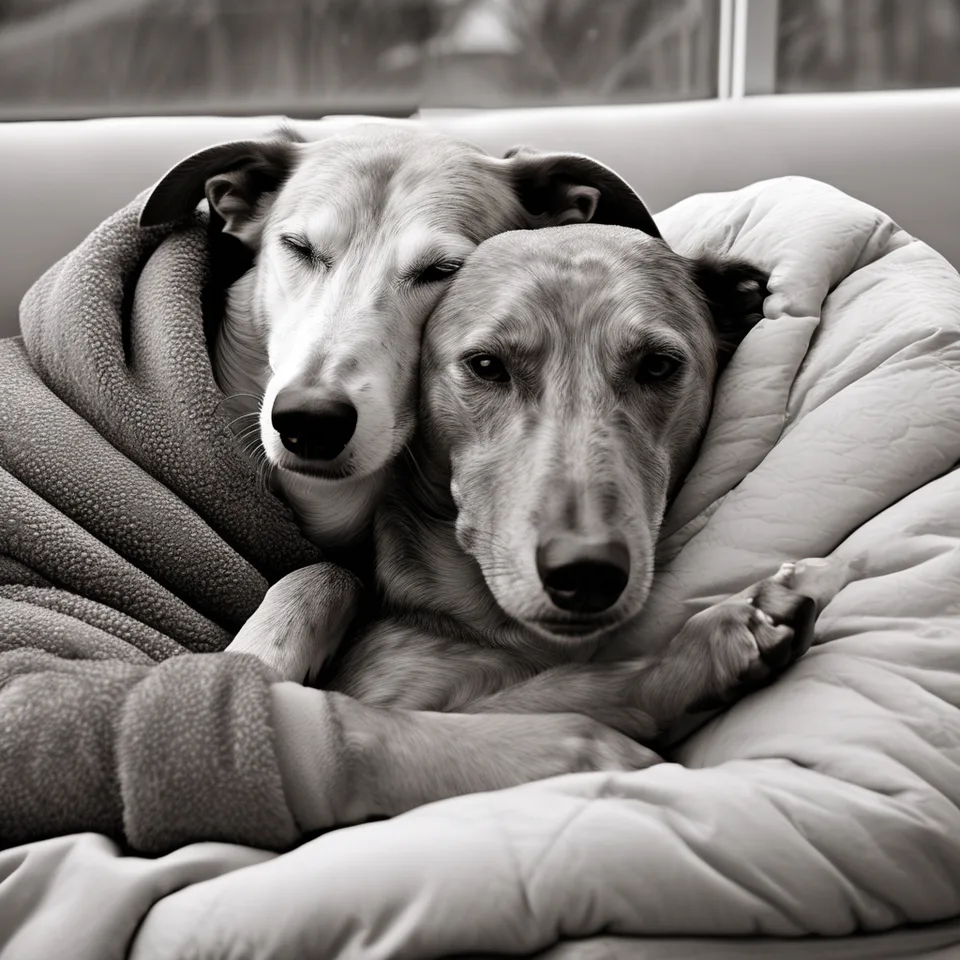
Despite their reputation as elite athletes, Greyhounds are surprisingly laid-back when indoors. They cherish their downtime and are often found lounging in the most comfortable spots around the house. This love for relaxation has earned them the affectionate nickname “45-mile-per-hour couch potatoes.” After expending energy in a sprint or play session, they are content to stretch out and rest, embodying a serene presence that belies their athletic prowess.
Sweet and Mild Nature
Greyhounds possess a gentle disposition that endears them to everyone they meet. Their sweet, mild nature is a hallmark of the breed, making them excellent companions for a wide variety of households. They approach life with a calm and composed demeanor, rarely showing aggression. This tranquility makes them particularly well-suited to families, where their patient and loving nature can shine.
Compatibility with Families and Other Pets
Children and Greyhounds
Greyhounds are typically very good with children, showing patience and gentleness around young family members. Their laid-back personality means they are less likely to become overly excited or rough, making them safe companions for kids. However, as with any breed, interactions between dogs and young children should always be supervised to ensure the safety and comfort of both.
Living with Other Dogs
In general, Greyhounds get along well with other dogs. Their social nature, honed on the racing tracks where they are used to being around other Greyhounds, translates into a harmonious existence with canine siblings. They can adapt to living with other breeds as well, often enjoying the company and even engaging in play.
Prey Drive Considerations
One aspect of the Greyhound’s temperament that potential owners should be aware of is their prey drive. Bred for centuries as hunting dogs, Greyhounds have a natural instinct to chase small animals. This can pose challenges in households with small pets like cats or rabbits. However, with proper socialisation from a young age, many Greyhounds can learn to live peacefully with smaller animals. It’s important to introduce pets carefully and monitor their interactions to ensure harmony in the home.
The Ideal Home Environment
Creating a nurturing environment for a Greyhound involves understanding and accommodating their temperament. Providing them with comfortable resting areas, opportunities for regular, controlled exercise, and a calm, stable household will allow them to thrive. Socialisation and training, particularly focusing on managing their prey drive and reinforcing gentle behavior, are key to integrating a Greyhound into a diverse pet household successfully.
In conclusion, Greyhounds bring a unique blend of athleticism and gentleness to their roles as family pets. Their ability to switch from high-speed pursuits to becoming affectionate, calm companions is truly remarkable. For those willing to accommodate their exercise needs and understand their temperament, Greyhounds make loving, loyal, and wonderfully gentle pets.
Caring for Your Greyhound
Greyhounds, with their elegant build and serene temperament, require a specific approach to care that caters to both their physical and emotional needs. While their maintenance may not be as demanding in some aspects, understanding and meeting their unique requirements is crucial for their well-being. Let’s delve deeper into the essentials of Greyhound care, ensuring your graceful companion remains healthy, happy, and thriving.
Grooming: Simple Yet Essential
Coat Care
Greyhounds boast a short, smooth coat that is relatively low maintenance compared to other breeds. This simplicity, however, does not negate the need for regular grooming. Occasional brushing, about once a week, is sufficient to remove dead hair and maintain the coat’s natural shine. This not only helps in managing shedding but also provides an opportunity to check for any skin issues or abnormalities that may need veterinary attention.
Nail and Dental Health
Regular nail trimming is essential to prevent overgrowth that can lead to discomfort or even affect their gait and posture. Dental hygiene is another critical aspect of their care; regular teeth brushing or the use of dental chews can help prevent dental diseases, which are common in dogs.
Exercise: Balancing Energy and Relaxation
The Need for Regular Activity
Despite their reputation as couch potatoes, Greyhounds require regular exercise to maintain their health and prevent obesity. A combination of short walks and the opportunity to run in a secure, enclosed area allows them to expend energy and stimulates their mind. This breed enjoys sprinting and can benefit greatly from short bursts of high-speed running, which caters to their natural athletic instincts.
Exercise Precautions
It’s important to remember that Greyhounds are built for speed, not endurance. Long, strenuous walks are not necessary and can be taxing for them. Instead, focus on providing quality, controlled exercise sessions that allow them to stretch their legs and run safely.
Managing Sensitivity to Cold
Wardrobe Considerations
Greyhounds have thin coats and low body fat, making them particularly sensitive to cold weather. In cooler climates, investing in a warm, well-fitted coat is essential for outdoor excursions during the colder months. Ensuring their comfort with appropriate clothing can prevent hypothermia and make their outdoor time enjoyable, regardless of the temperature.
Nutrition: Fuelling Their Sleek Physique
Importance of a Balanced Diet
A healthy, balanced diet is vital for keeping your Greyhound in top condition. High-quality dog food that meets their nutritional requirements, considering their age, weight, and activity level, is essential. Greyhounds can be prone to bloating, so smaller, more frequent meals are often recommended to mitigate this risk.
Consulting with a Veterinarian
Given their unique physique and potential health considerations, consulting with a vet to determine the best food and feeding schedule is wise. This ensures their dietary needs are met without overfeeding, maintaining their sleek physique and supporting overall health.
The Value of Companionship
Social Needs
Greyhounds thrive on human interaction and can suffer from separation anxiety if left alone for extended periods. They are social creatures that bond closely with their families, valuing companionship over solitude. Ensuring they have a warm, inviting space within the home, where they can feel included and secure, is crucial.
Strategies to Alleviate Separation Anxiety
For times when they must be left alone, providing interactive toys or puzzles can help keep them occupied. Additionally, considering a dog walker or doggy daycare can ensure they receive the interaction and stimulation they need, even when you’re not around.
Caring for a Greyhound involves a blend of simple grooming, thoughtful exercise, careful dietary management, and providing ample companionship. By addressing these key areas, you can ensure your Greyhound not only enjoys a healthy life but also enriches yours with their affectionate and gentle presence.
Why Greyhounds Make Wonderful Pets
Greyhounds, known for their sleek physique and breathtaking speed, embody a myriad of qualities that extend far beyond their racing legacy. These graceful canines offer a unique blend of companionship, ease of care, and a gentle nature, making them an ideal choice for a wide range of households. Let’s delve into the reasons why Greyhounds are cherished as pets and how they can bring joy and warmth into your home.
Gentle and Affectionate Nature
A Companion for All
One of the most endearing qualities of Greyhounds is their gentle and loving demeanour. Despite their athletic build and potential for speed, they are often described as incredibly sweet-natured and affectionate with their families. This makes them excellent companions for both adults and children, providing a calming presence in the home. Their patience and mild temperament make them suitable for first-time dog owners as well as seasoned pet lovers.
Low-Maintenance Lifestyle
Greyhounds are celebrated not only for their elegant appearance and gentle nature but also for their remarkably low-maintenance lifestyle. This aspect of their personality and care needs makes them particularly appealing to a wide range of pet owners, including those with busy work schedules or who appreciate a more laid-back companion. Let’s delve deeper into what makes Greyhounds such easygoing pets, including their grooming needs and ability to adapt to periods of being alone.
Grooming Made Easy
Simple Coat Care
The sleek, smooth coat of a Greyhound is one of its most distinguishing features, requiring surprisingly minimal effort to maintain. Unlike breeds with long or dense fur, Greyhounds need only occasional brushing to remove dead hair and keep their coat looking its best. This not only minimizes the time needed for grooming but also reduces the amount of dog hair around the home. Their natural cleanliness and lack of a strong doggy odor further contribute to the ease of their care, making them ideal for those who prefer a tidy living environment.
Adapting to Alone Time
Suitable for Working Owners
For pet owners who work outside the home, finding a breed that can comfortably handle periods of solitude is crucial. Greyhounds, with their laid-back and independent nature, are well-suited to this lifestyle. While they cherish companionship and affection, they are also capable of resting peacefully for hours, making them compatible with an owner’s work schedule. It’s important, however, to provide a comfortable and secure environment for them to relax in during these times, such as a cozy bed or a favorite spot on the couch.
Ensuring Their Comfort
To help your Greyhound manage alone time positively, consider leaving them with interactive toys or treat-dispensing puzzles that can offer mental stimulation in your absence. Additionally, establishing a consistent routine for walks and exercise before and after work can help maintain their physical health and ensure they have something to look forward to upon your return.
The Importance of Socialisation and Training
Proper socialisation and training are key to ensuring that your Greyhound remains calm and confident when left alone. Gradually acclimating them to short periods of solitude and gradually increasing the duration can help prevent separation anxiety. Positive reinforcement techniques, such as rewarding calm behaviour and providing plenty of affection and attention when you are home, reinforce their comfort with the routine.
Greyhounds’ ability to adapt to their owners’ lifestyles, combined with their minimal grooming needs, positions them as exceptionally low-maintenance pets. Their capacity to enjoy relaxation and solitude without excessive demands makes them particularly suited for working individuals and those seeking a serene and undemanding companion.
For more insights on ensuring your Greyhound thrives, even when you’re away at work, explore our detailed guide on managing alone time and maintaining a happy, healthy environment for your pet.
Adaptability
From Athlete to Couch Potato
Greyhounds are remarkably adaptable, capable of transitioning from the high-energy environment of the racetrack to a more sedentary lifestyle in a loving home. They have an innate ability to match the energy levels of their household, making them as suitable for active individuals as they are for those who enjoy a more relaxed pace of life. Their ability to lounge peacefully for hours makes them excellent pets for people living in apartments or with limited space.
A Rewarding Rescue Opportunity
Giving Retired Racers a Second Chance
Adopting a retired racing Greyhound offers a deeply rewarding experience, allowing pet owners the opportunity to provide a loving home to a dog in need. These dogs often transition remarkably well from the racetrack to the family home, eager to enjoy the comforts of domestic life. Adopting a Greyhound not only saves a life but also supports the efforts of rescue organisations dedicated to rehoming these deserving dogs.
Health and Longevity
A Generally Healthy Breed
Greyhounds are generally a healthy breed with a lifespan of 10 to 14 years, which is quite long for dogs of their size. Their genetic diversity, a result of being bred for performance rather than specific physical traits, contributes to their overall robust health. While they do have some breed-specific health considerations, such as sensitivity to anaesthesia and a tendency towards dental issues, responsible care and regular veterinary check-ups can help manage these concerns.
Unmatched Loyalty and Companionship
Faithful Friends
Above all, Greyhounds are known for their loyalty and deep bond with their owners. They possess a keen sensitivity to their family’s emotions and are always ready to offer comfort and companionship. This loyalty, combined with their gentle nature, makes Greyhounds not just pets, but cherished members of the family.
Greyhounds enrich the lives of their owners in countless ways, from their affectionate companionship to their graceful presence and easy-care lifestyle. Whether you’re seeking a loyal friend, a gentle family pet, or the chance to make a difference through adoption, Greyhounds offer a unique and fulfilling pet ownership experience.
Conclusion
The Greyhound is a breed that captivates with its speed, astonishes with its elegance, and wins hearts with its affectionate nature. Whether you’re drawn to their historical significance, their athletic prowess, or their gentle souls, Greyhounds have something to offer everyone. By understanding their unique needs and providing them with love and care, you can ensure your Greyhound is not only a fast friend but a lifelong companion.