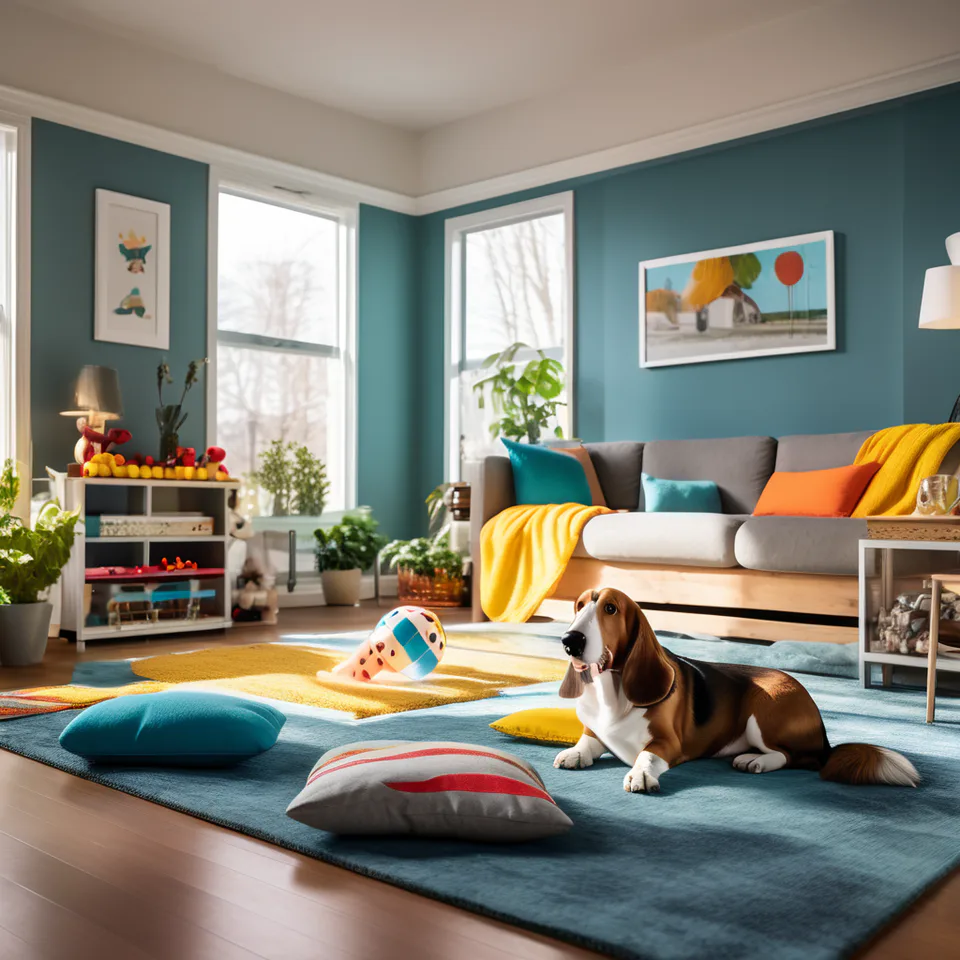
Owning a dog is a rewarding experience that comes with a bundle of joy, unconditional love, and companionship. However, for those of us with 9-to-5 jobs or even longer hours, the question arises: Can I own a dog if I’m at work all day? The answer is a resounding yes, with the right preparations and considerations. Here’s how to ensure your furry friend is happy and healthy even when you’re away.
1. Choose the Right Breed
Owning a dog while maintaining a busy work schedule is entirely possible, but success begins with choosing the right breed. Some breeds adapt better to spending time alone, possessing qualities that make them more independent and less prone to separation anxiety. Below, we dive deeper into the characteristics of these breeds and offer tips on selecting the perfect canine companion for your lifestyle.
Understanding Breed Characteristics
Each dog breed comes with its unique set of characteristics. Breeds like Greyhounds, Basset Hounds, and Shih Tzus are known for their laid-back demeanour and ability to entertain themselves. Greyhounds, surprisingly, are couch potatoes despite their racing background and can spend hours lounging. Basset Hounds, with their easy-going nature, and Shih Tzus, small but independent, are also excellent companions for those who work full-time.
The Importance of Compatibility
Selecting a dog breed that matches your lifestyle and energy level is crucial. If you lead a more sedentary life or don’t have the time for long walks and vigorous play, opting for a high-energy breed like a Border Collie or Australian Shepherd might not be the best fit. Instead, consider a dog whose energy levels and social needs align with your ability to provide care and attention.
Low-Maintenance Breeds for Busy Owners
- Greyhounds: Ideal for apartments and small spaces, Greyhounds require less exercise than one might expect and are content with a cozy spot to relax.
- Basset Hounds: Known for their laid-back attitude, Basset Hounds enjoy short walks and are happy lounging around the home.
- Shih Tzus: These small dogs are adaptable and can easily entertain themselves with toys, making them great for busy individuals.
Research and Preparation
Before deciding on a breed, it’s essential to conduct thorough research. Consider visiting dog shows, meeting with breeders, and talking to other dog owners to get a firsthand look at what owning a particular breed entails. Understanding the grooming needs, exercise requirements, and potential health issues of your chosen breed will help you prepare for a long and happy life together.
Adopting from Shelters
While specific breeds may have traits making them more suitable for busy lifestyles, countless mixed-breed dogs in shelters could fit perfectly into your life. Adoption counsellors can help match you with a dog that suits your lifestyle, offering a loving home to a pet in need.
Conclusion
Choosing the right dog breed is the first step toward a fulfilling companionship, especially for those with demanding work schedules. By prioritising breeds with characteristics that align with your lifestyle, you’ll ensure both you and your new furry friend are set up for a happy, stress-free relationship. Remember, the goal is to find a companion who thrives in your environment as much as you do in theirs.

2. Create a Comfortable Environment
Ensuring your dog has a safe and comfortable environment to spend their time in while you’re at work is paramount. This not only keeps them happy and content but also minimises the risk of anxiety and stress-related behaviours. Here, we delve into how to create such an environment, focusing on various aspects that contribute to your dog’s well-being.
Cozy Resting Area
A designated resting area is essential for your dog’s comfort. This should be a quiet corner of your home where they can retreat without being disturbed. Invest in a high-quality dog bed that supports their joints and keeps them warm. For dogs that seek enclosed spaces, a crate with soft bedding inside can offer a sense of security. Ensure the resting area is away from drafts and direct sunlight to maintain a comfortable temperature.
Access to Fresh Water and Food
Hydration is crucial, especially if your dog will be alone for extended periods. Leave multiple bowls of fresh water in accessible locations. Consider using a pet water fountain to encourage them to drink more, as the continuous flow of water keeps it fresh. For dogs that need to eat during the day, an automatic feeder can dispense meals at scheduled times, ensuring they’re fed even when you’re not home.
Safe Toys and Entertainment
Boredom can lead to destructive behaviour, so it’s important to provide toys that stimulate your dog’s mind and encourage play. Safe, durable toys that they can chew on, puzzle toys that reward them with treats, and toys that mimic the sounds or textures of prey can keep them engaged. Rotate the toys regularly to keep their interest piqued.
Doggy Camera for Monitoring
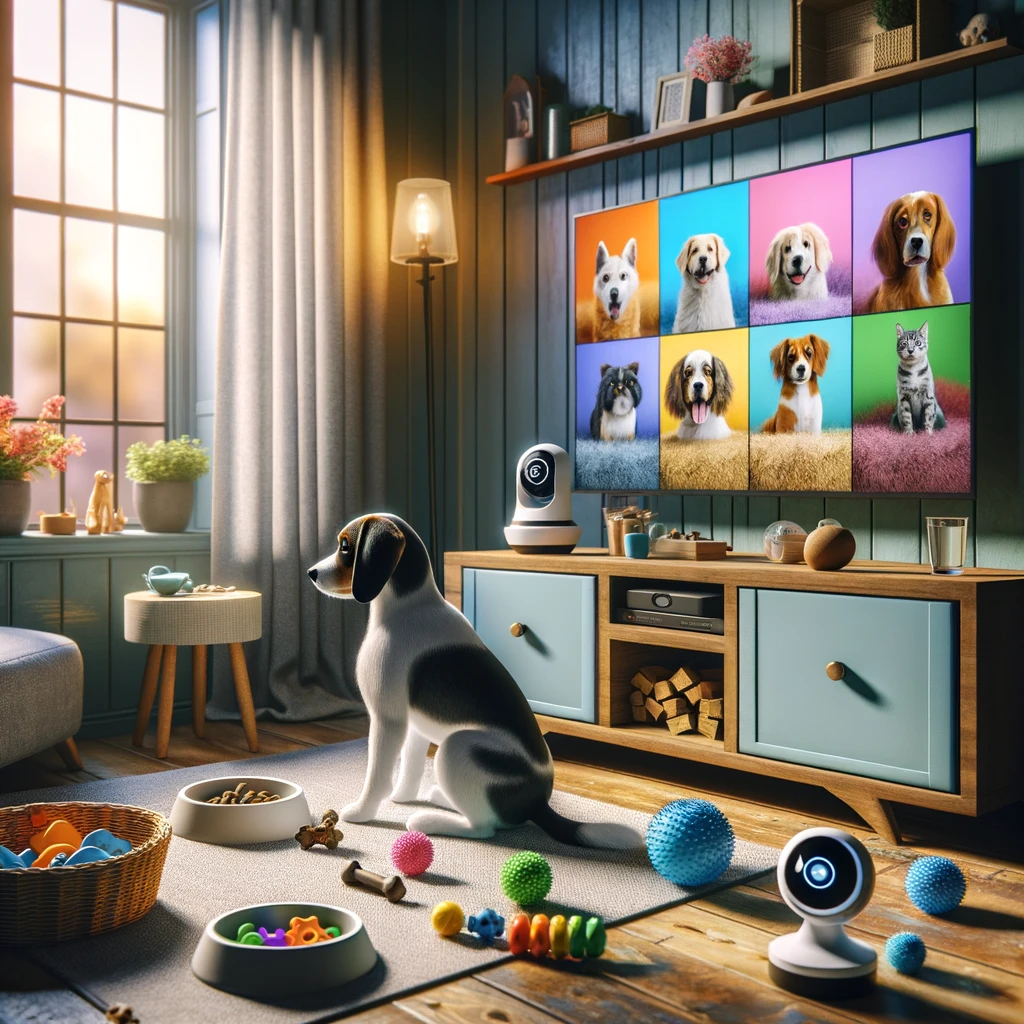
A doggy camera is a great investment for pet owners who work long hours. These cameras often come with two-way audio, allowing you to hear and speak to your dog. Some models even have the capability to dispense treats remotely. This can help alleviate separation anxiety for both you and your pet, ensuring you stay connected throughout the day.
Environmental Enrichment
Finally, consider the overall environment. Make sure your dog has access to windows where they can watch the world go by, which can be very entertaining for them. Playing soft music or leaving the TV on a pet-friendly channel can provide background noise that soothes them and makes your home feel less empty.
Conclusion
Creating a comfortable and stimulating environment for your dog is key to their happiness and well-being when you’re not around. By providing a cozy resting area, ensuring they have access to fresh water and food, offering a variety of toys for entertainment, setting up a way to check in on them, and enriching their environment, you’re setting the stage for a content and well-adjusted pet. Each of these elements plays a crucial role in making sure your dog feels loved, secure, and engaged, even in your absence.
3. Daily Exercise and Interaction
Maintaining your dog’s physical and mental well-being requires a commitment to regular exercise and meaningful interaction. These elements are crucial for their overall happiness, especially for dogs whose owners work long hours. Below, we delve into strategies to ensure your dog receives the exercise and social interaction they need, despite a busy schedule.
Morning Exercise Routine
Starting the day with a morning walk or run is beneficial for both you and your dog. This routine not only provides them with physical exercise but also stimulates their senses, allowing them to explore their environment. Aim for at least 30 minutes to ensure they’re sufficiently tired, which can help them remain calm and content while you’re away. For high-energy breeds, consider a longer session or incorporating activities like fetch or agility training in a nearby park.
Evening Bonding Time
After a day of separation, evening interactions are essential for maintaining a strong bond between you and your dog. This time should be dedicated to activities that both of you enjoy, such as long walks, playtime in the yard, or even training sessions that challenge them mentally. It’s also a perfect opportunity for cuddles and affection, reinforcing your connection and providing them with the reassurance they crave.
Hiring a Professional Dog Walker
For those days when work commitments extend beyond the usual hours, hiring a dog walker can be a lifesaver. A midday walk ensures your dog gets to stretch their legs, relieve themselves, and enjoy some company. When selecting a dog walker, look for someone trustworthy and experienced with handling dogs of similar breeds or temperaments to yours.
Dog Daycare for Socialisation
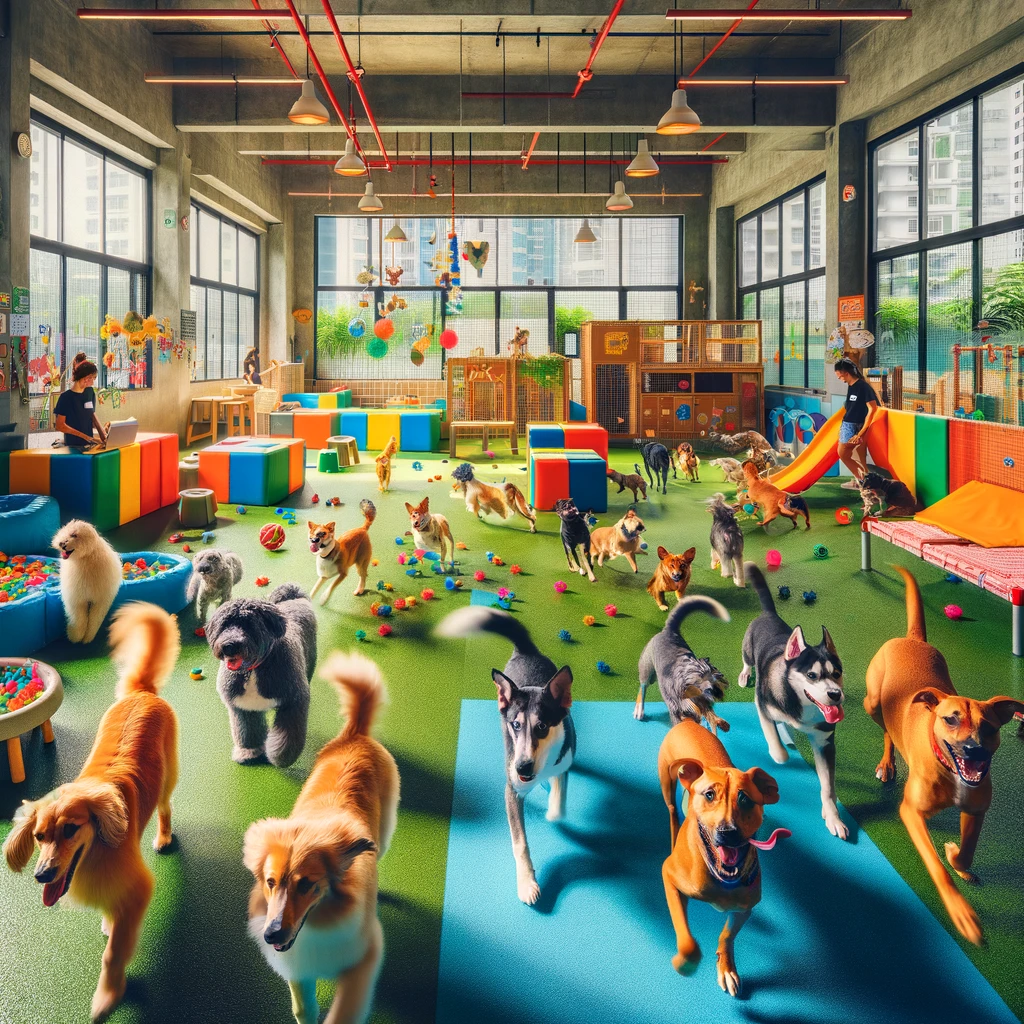
Dog daycare centers offer more than just exercise; they provide invaluable social interaction with other dogs. This environment encourages your dog to develop social skills, play, and engage in a variety of activities under supervised care. It’s particularly beneficial for young dogs or those with high social needs. Research local options and visit in person to ensure the facility meets your standards for safety, cleanliness, and care.
Tailoring Activities to Your Dog’s Needs
Every dog is unique, and what works for one may not suit another. Pay close attention to your dog’s preferences, energy levels, and health requirements when planning their exercise and interaction schedule. Adjusting activities to fit their needs ensures they stay happy, healthy, and engaged, regardless of your work schedule.
Conclusion
Balancing work and dog ownership is undoubtedly challenging, but with thoughtful planning and commitment to your dog’s needs, it’s entirely achievable. By incorporating regular exercise, quality evening time, professional dog walking services, and daycare options, you can ensure your dog leads a fulfilling life. Remember, the goal is to provide a stable, loving environment that meets both the physical and emotional needs of your furry companion.
4. Mental Stimulation
Mental stimulation plays a crucial role in maintaining your dog’s overall well-being, especially for those times when they’re left alone. Just like humans, dogs need tasks that challenge their minds and provide them with a sense of purpose. Neglecting this aspect can lead to boredom, which often manifests as destructive behaviour. Here’s how you can ensure your furry friend stays mentally stimulated, even in your absence.
Puzzle Toys and Interactive Games
Puzzle toys are an excellent way to keep your dog engaged. These toys require your dog to solve a problem to receive a reward, usually in the form of a treat. This not only entertains them but also enhances their problem-solving skills. Interactive games that stimulate their senses, such as sniffing mats or toys that make sounds, can also captivate their attention for hours.
Treat-Dispensing Toys
Treat-dispensing toys serve a dual purpose: they provide mental stimulation and slow down your dog’s eating pace, which is beneficial for their digestion. Toys that randomly dispense treats as your dog plays with them can keep them guessing and engaged for long periods. This unpredictability adds to the excitement and keeps their minds sharp.
Regular Training Sessions
Training sessions are not just for learning commands; they’re also a form of mental exercise. Spending a few minutes each day on training can significantly impact your dog’s mental health. Teaching them new tricks or reinforcing old ones requires concentration and problem-solving, which are excellent for mental stimulation. Plus, it strengthens the bond between you and your pet.
DIY Brain Games
You don’t always need to buy new toys to keep your dog mentally stimulated. DIY brain games can be just as effective and fun. Hide treats around the house for a scavenger hunt, create obstacle courses, or play hide and seek. These activities not only stimulate their brain but also provide an opportunity for physical exercise.
Socialisation
Social interactions with other dogs or humans can also provide mental stimulation. Playdates, visits to the dog park, or simply inviting friends over can introduce your dog to new experiences and environments. Socialisation is key to developing a well-rounded and mentally healthy dog.
The Benefits of Mental Stimulation
- Prevents Destructive Behaviour: Keeping your dog’s mind engaged can prevent them from finding less desirable ways to entertain themselves, such as chewing on furniture.
- Reduces Anxiety: Mental stimulation can help alleviate symptoms of anxiety by providing a focus and outlet for energy.
- Improves Problem-Solving Skills: Regularly challenging your dog’s brain improves their ability to solve problems, making them more adaptable and intelligent.
- Enhances Bonding: Engaging in mentally stimulating activities together can strengthen the bond between you and your dog.
Conclusion
Incorporating mental stimulation into your dog’s daily routine is as vital as physical exercise. It ensures they remain engaged, happy, and healthy, reducing the likelihood of boredom-induced behaviours. By varying the activities and introducing new challenges, you’ll keep your dog’s mind sharp and their spirits high, ensuring a content and well-behaved companion.

5. Regular Quality Time
The essence of a fulfilling relationship between you and your dog lies in the quality time spent together. Despite the constraints of a busy work schedule, carving out dedicated periods for bonding activities can significantly enhance the well-being of both you and your pet. Here’s how to ensure that the time you spend with your dog is enriching and compensates for those hours you’re apart.
Engage in Outdoor Activities
Outdoor activities offer a myriad of benefits for your dog, from physical exercise to mental stimulation and social interaction. Planning weekend hikes through nature trails not only helps in keeping your dog physically fit but also allows them to explore new environments, which is excellent for their mental health. Beach trips can be equally rewarding, giving your dog the freedom to run, swim, and play in the sand. These activities are not just fun; they’re crucial for your dog’s development and happiness.
Incorporate Training into Your Routine
Integrating training sessions into your daily routine can also serve as a bonding activity. Whether it’s basic obedience training or learning new tricks, these sessions enhance communication between you and your dog, reinforcing your role as the leader while also providing mental stimulation for your pet. Training should be seen as a fun and rewarding experience, not a chore, allowing for a stronger bond to develop through positive reinforcement and mutual respect.
Enjoy Simple Pleasures Together
Quality time doesn’t always have to involve grand adventures. Simply cuddling on the couch, playing fetch in the backyard, or enjoying a leisurely stroll around the neighbourhood can be profoundly satisfying. These moments of quiet companionship are invaluable, offering comfort and security to your dog. They also present an opportunity for you to unwind and enjoy the simple joys of pet ownership.
Create a Routine
Establishing a routine can help your dog feel more secure and reduce anxiety associated with your absence. Consistency in your activities and interactions provides a sense of predictability for your dog, making it easier for them to adjust to times when you’re away. Whether it’s morning walks, evening playtime, or weekend outings, a routine builds a framework of expectations that both you and your dog can look forward to.
Prioritise Communication and Affection
Effective communication and display of affection are key to reinforcing your bond with your dog. Talk to your dog, use body language to convey positivity, and don’t skimp on the physical affection. Dogs are highly social animals and thrive on attention from their owners. By regularly showing your love and appreciation, you ensure your dog feels valued and secure in your relationship.
Conclusion
The time you spend with your dog is precious and should be maximised to foster a deep, enduring bond. Regardless of how busy life gets, it’s important to remember that your dog depends on you not just for their physical needs but for emotional support and companionship as well. By dedicating time to engage in both exciting adventures and the simple pleasures of daily life, you ensure a happy, healthy, and fulfilling life for your furry friend.

Conclusion
Owning a dog while working full-time requires thoughtful planning and a commitment to meeting your dog’s needs. By choosing the right breed, ensuring they have a comfortable environment, providing ample exercise, mental stimulation, and quality time, you can enjoy the wonders of dog ownership without compromising their well-being.
Remember, every dog is different, and what works for one may not work for another. It’s about finding the right balance that fits both your lifestyle and your dog’s needs. With love, patience, and some adjustments, you and your furry friend can lead a happy, fulfilling life together.
Are you a busy professional who successfully balances work and dog ownership? Share your tips and stories in the comments below!