Introduction:
Welcome to the enchanting world of “Cooking, Clicks & Canines!” As the chilly winds weave through the bare branches and a gentle layer of frost carpets the landscape, it’s the perfect time to embark on a winter photography adventure. In this post, we’ll delve into the intricate art of capturing the essence of winter scenes through your lens. Whether you’re a seasoned photographer or just starting, join me on this journey as we explore the nuances of “winter photography.”
Picture this: a serene snow-covered landscape, the soft crunch of frost beneath your boots, and the delicate dance of snowflakes in the air. Winter is a canvas waiting for your creativity, and with the right photographic techniques, you can transform this frozen wonderland into a visual masterpiece. Brace yourself for a captivating journey through the lens, where each click tells a story of winter’s silent beauty.
To truly embrace winter photography, it’s crucial to understand the technicalities that come with shooting in colder conditions. The interplay of light and snow requires a keen eye and a bit of technical finesse. Consider adjusting your white balance to combat the cool tones that dominate winter scenes, ensuring your photos radiate warmth and authenticity.
As the winter sun casts long shadows over the landscape, there’s an opportunity to play with contrasts and textures. Experiment with different angles and perspectives to add depth to your shots. Imagine the allure of a frost-covered branch, bathed in the soft glow of the setting sun – it’s an invitation to create images that evoke emotion and nostalgia.
Technical Tips:
Exposure Compensation:
In the captivating realm of winter photography, the interplay between the camera and the snowy landscape can sometimes lead to exposure challenges. The pristine beauty of winter scenes, with their reflective surfaces and varying light conditions, has the potential to deceive your camera’s metering system. To navigate this, consider employing the invaluable technique of Exposure Compensation.
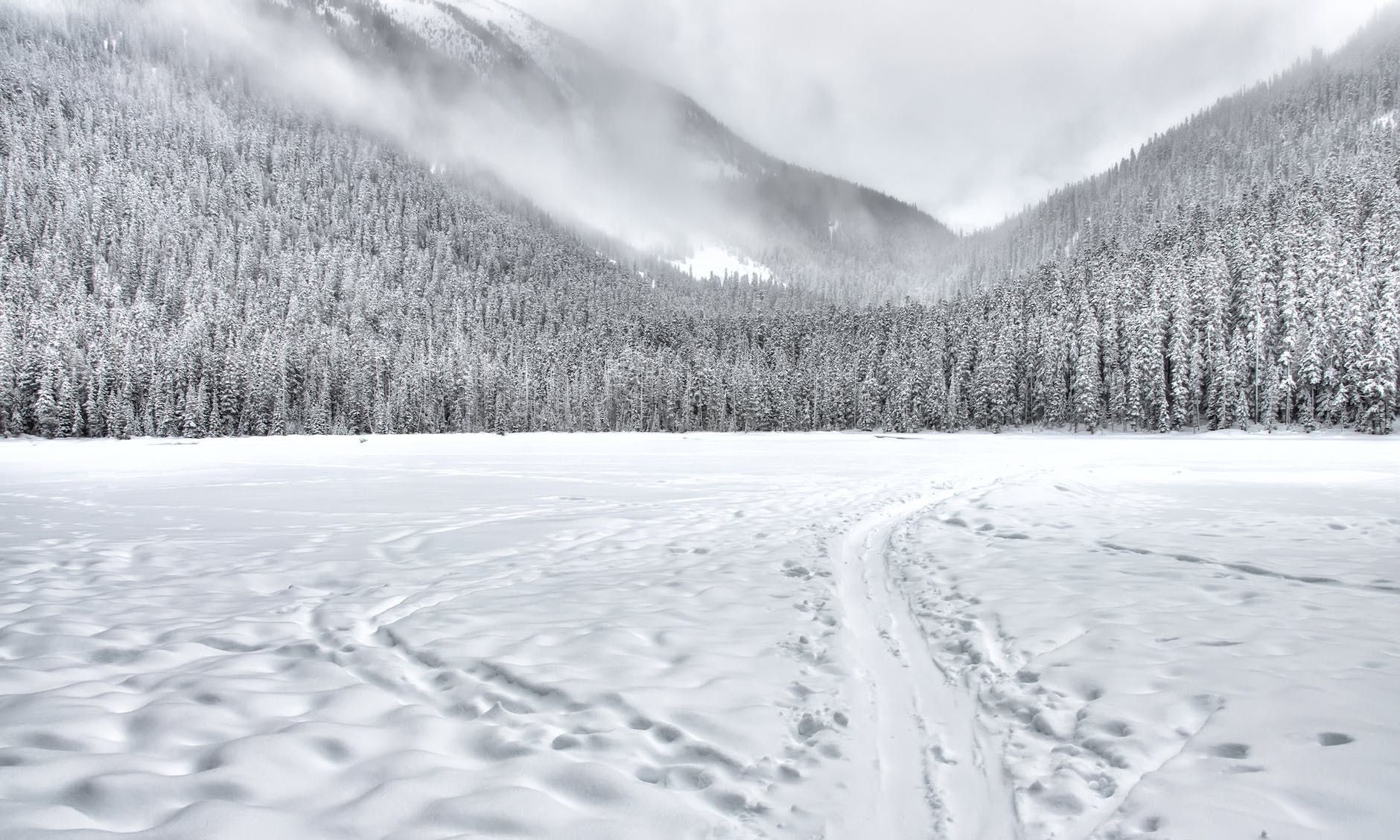
When your camera’s metering system encounters vast expanses of snow, it might interpret the brightness incorrectly, leading to underexposure. This underexposure could result in lost details, turning the pristine white snow into a dull, featureless expanse.
The remedy lies in the hands of Exposure Compensation, a powerful tool that allows you to override your camera’s automatic exposure settings. By dialing in positive exposure compensation, you’re essentially instructing the camera to let in more light than it initially thinks is necessary. This deliberate adjustment ensures that the intricate details of the snow, from the delicate texture of individual flakes to the subtle shadows dancing across the surface, are faithfully captured in your photographs.
Think of exposure compensation as a visual translator, helping your camera speak the language of winter scenes. It’s the key to unlocking the true brilliance of snowy landscapes, preventing the loss of nuances that make each snow-covered vista a unique and awe-inspiring subject.
So, the next time you find yourself amidst a winter wonderland, don’t let the camera be fooled by the deceptive brightness of the snow. Take control with exposure compensation, and watch as your photos come to life with the rich, detailed tapestry of winter’s breathtaking beauty.
Focusing in the Cold:
As you venture into the crisp embrace of winter photography, it’s essential to be aware of the challenges posed by the cold temperatures, particularly when it comes to autofocus. The chill in the air can have a notable impact, slowing down the autofocus mechanism of your camera and potentially affecting the sharpness of your shots.
In the delicate dance between your lens and the frosty ambiance, relying solely on autofocus might result in a delay in locking onto your desired subject. This delay becomes more apparent as the temperature drops, affecting the speed and precision of your camera’s focusing system.
To counteract this, consider taking matters into your own hands – quite literally – by making a seamless shift to manual focus. This adjustment not only provides you with more control over the focusing process but also ensures that your subject remains as sharp and defined as the icicles delicately hanging from a winter-kissed tree.
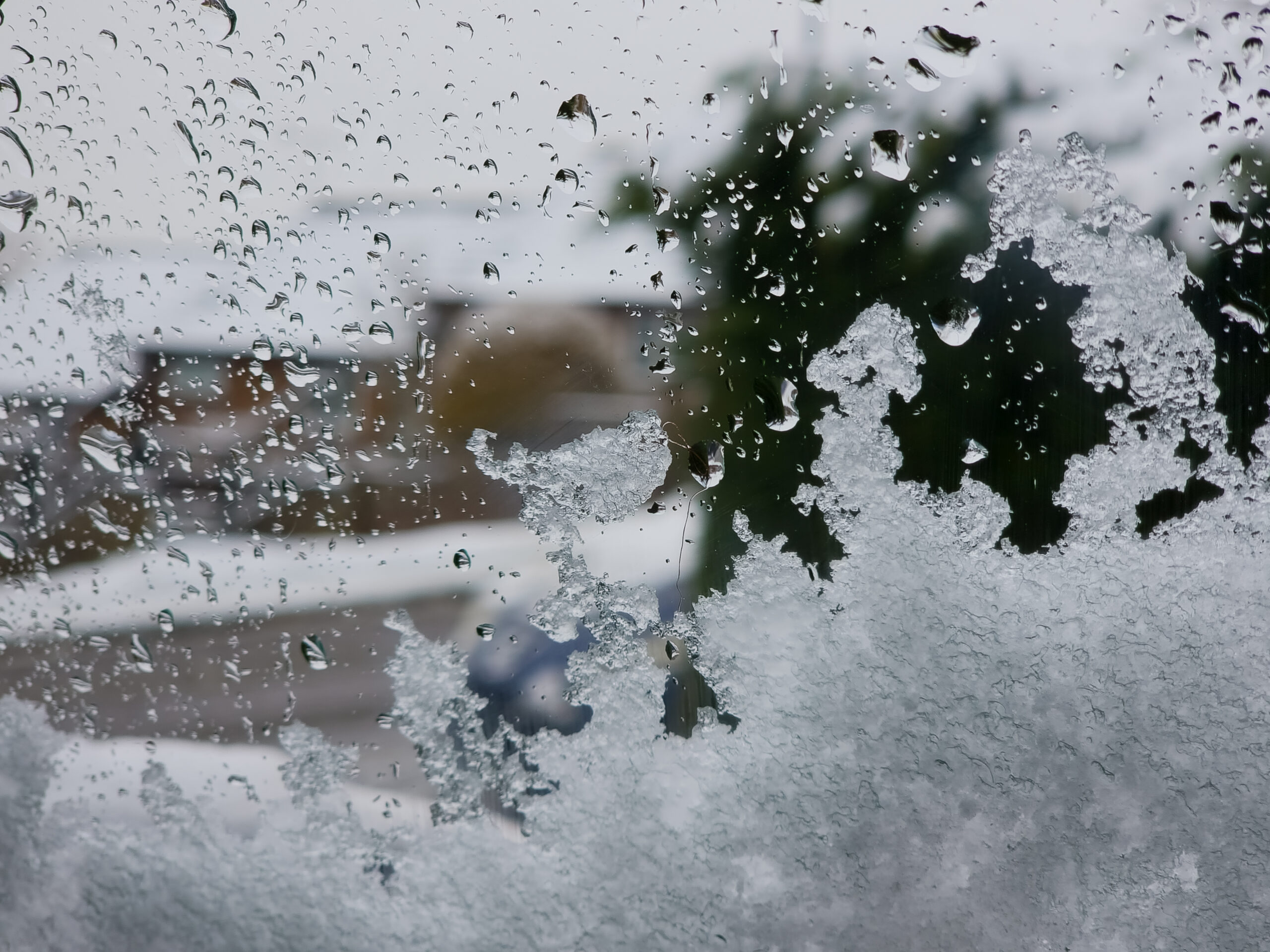
Embracing manual focus in the cold is akin to donning an extra layer of photographic insulation. It allows you to finely tune the focus according to your artistic vision, compensating for any hesitations that autofocus may exhibit in colder conditions. Imagine capturing the intricate details of frost patterns on a window or the delicate textures of snowflakes – manual focus grants you the precision needed to make these intricate winter moments truly come alive in your photographs.
So, as you navigate the winter landscape, be proactive in adjusting your focus. Switching to manual focus not only mitigates the impact of cold-induced autofocus delays but also empowers you to craft images that mirror the crystal-clear beauty of winter’s frozen tableau.
Embrace the Golden Hour:
In the realm of winter photography, unlocking the true enchantment of the season involves embracing a time-honored secret – the Golden Hour. This ethereal period, characterised by the soft, warm hues that paint the sky, has the transformative power to elevate your winter landscapes into breathtaking masterpieces.
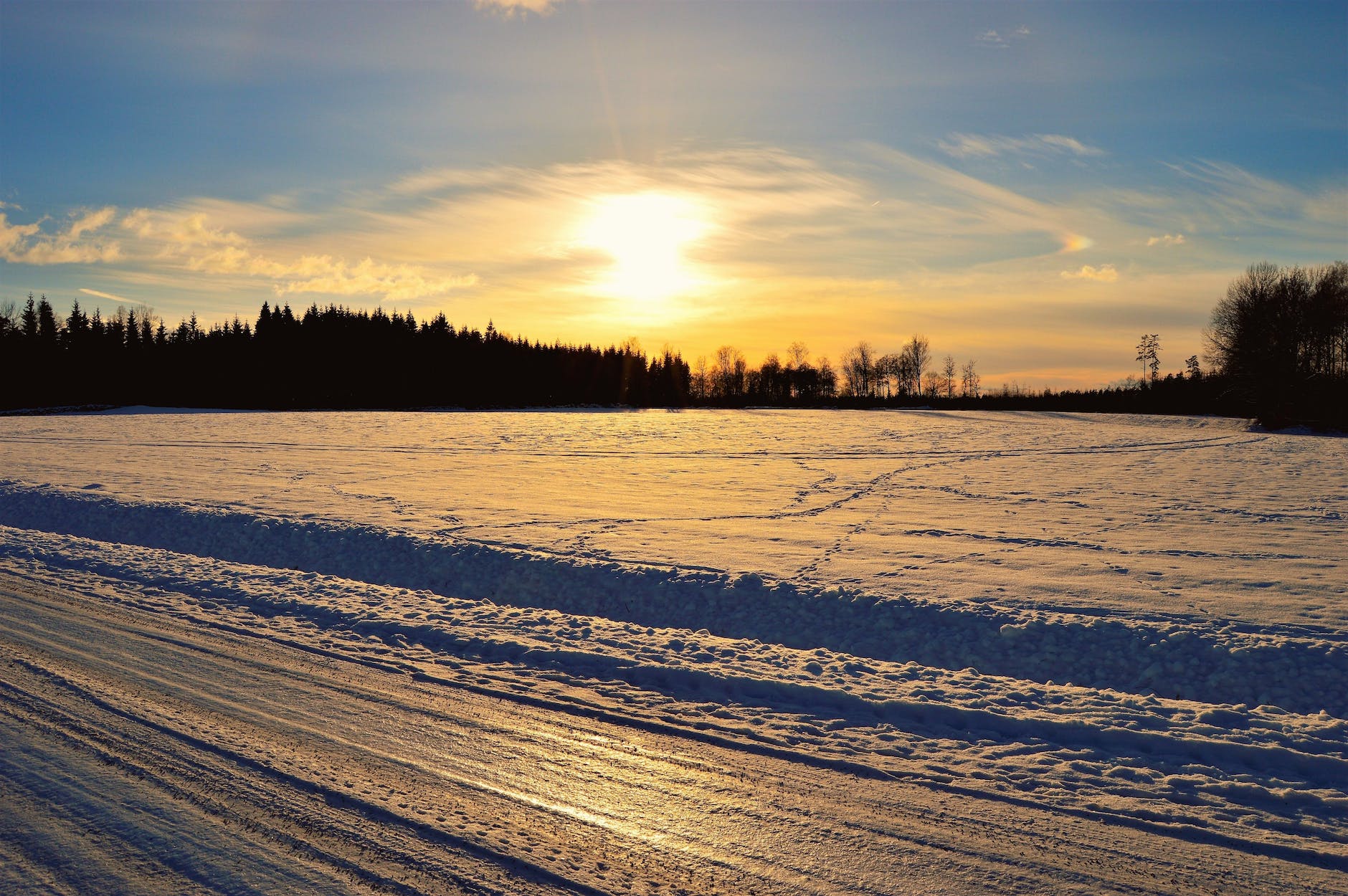
The Golden Hour, occurring during the precious moments just after sunrise and before sunset, bathes the wintry world in a delicate, golden glow. It’s a time when the angle of the sun creates long, enchanting shadows, and the soft light delicately caresses every snow-covered surface. Picture the snow-draped trees adorned with a warm, golden sheen, and the landscape aglow with a magical luminosity.
To harness this enchanting light, consider scheduling your photography sessions strategically around sunrise or sunset. These times offer a unique canvas for your creative expression, allowing you to capture the fleeting moments when winter’s serene beauty is heightened to its fullest potential.
During the Golden Hour, the low angle of the sun results in a soft and diffused light, minimizing harsh shadows and enhancing the overall atmosphere of your photographs. The warm tones infuse a sense of coziness into the wintry scenes, creating a captivating contrast between the cold, icy elements and the inviting glow of sunlight.
As you plan your photographic excursions, pay attention to the changing hues of the sky and the landscape during the Golden Hour. Experiment with different compositions, perspectives, and focal lengths to make the most of this magical time. Whether it’s the silhouette of a lone tree against the golden horizon or the intricate details of frost catching the last rays of sunlight, the results are bound to be nothing short of breathtaking.
In the dance between light and winter’s frozen landscapes, the Golden Hour emerges as your artistic ally, allowing you to craft images that transcend the ordinary and capture the extraordinary beauty that lies within the heart of winter. So, set your alarm early or linger a bit longer in the evening – the Golden Hour
Capture Falling Snow:
In the enchanting world of winter photography, there’s a poetic dance between the camera lens and the delicate choreography of falling snowflakes. To immortalize this ephemeral beauty, masterfully capturing the intricacies of falling snow, you’ll want to employ a couple of key techniques that transform your winter shots into visual poetry.
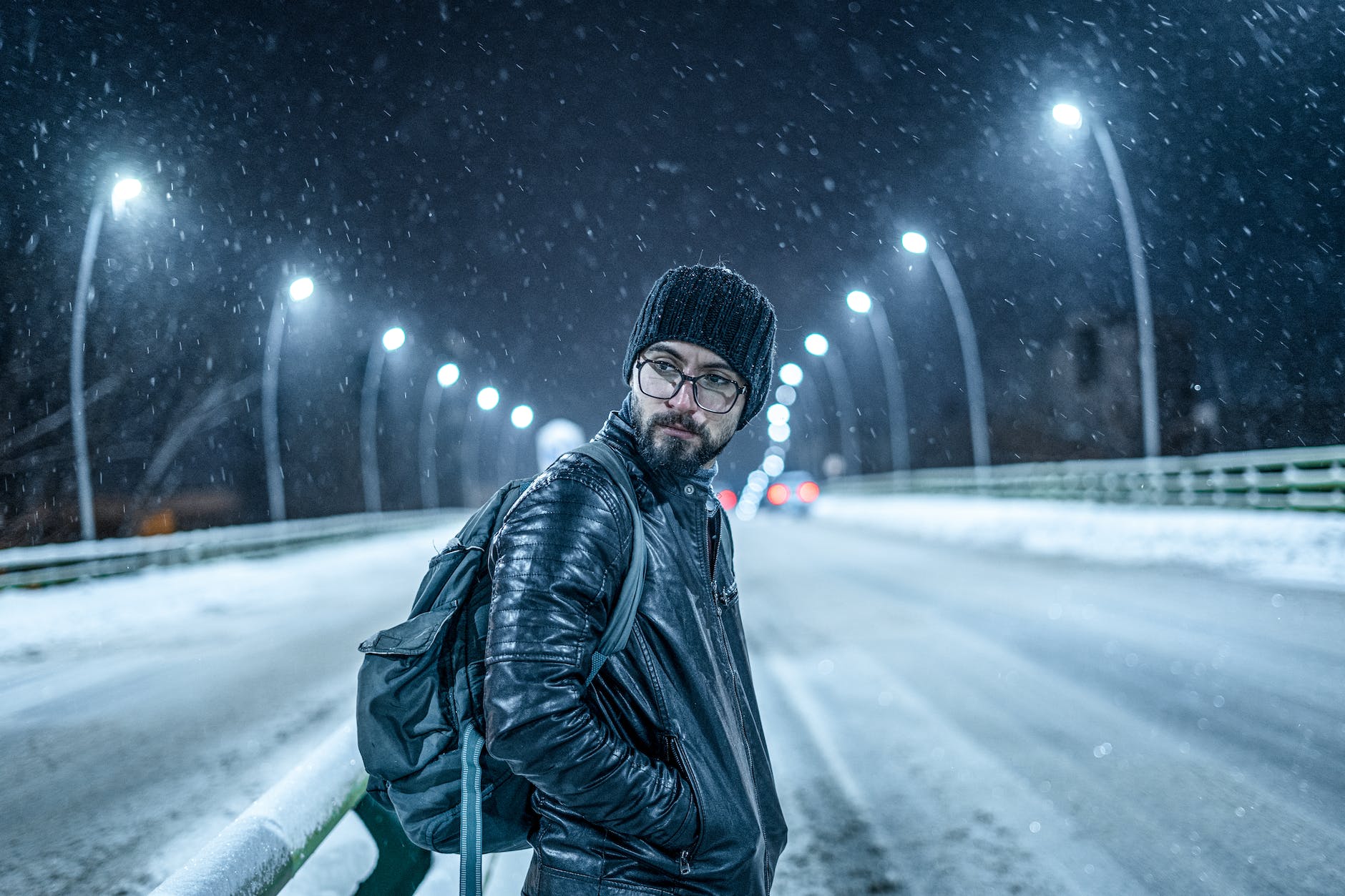
First and foremost, consider the shutter speed as your ally in freezing the dance of snowflakes mid-air. Setting a fast shutter speed is paramount to capturing the individual details of each flake, preserving their unique crystalline structures in your photographs. The swift descent of snowflakes becomes a moment frozen in time, adding a dynamic and captivating element to your winter compositions.
Experiment with shutter speeds on the faster end of the spectrum – think 1/500th of a second or even faster, depending on the intensity of the snowfall. This ensures that even the swiftest snowflakes are captured with precision, creating a mesmerizing visual tapestry in your images.
Additionally, consider adjusting your aperture to enhance the overall aesthetic. Opting for a slightly wider aperture not only allows more light into your lens but also introduces a beautiful bokeh effect to the falling snow. The out-of-focus snowflakes create a dreamy, blurred background that adds a layer of depth and enchantment to your winter scenes.
Picture this – a snowy landscape where each snowflake, suspended in mid-air, is a testament to the magic of winter. The fast shutter speed freezes the delicate ballet of snowfall, while the wider aperture transforms the background into a soft, ethereal canvas.
As you embark on your winter photography escapades, seize the opportunity to play with these technical nuances. Experiment with different combinations of shutter speed and aperture, adapting to the intensity of the snowfall and the mood you wish to convey in your photographs. In doing so, you’ll unveil the hidden artistry within falling snowflakes, turning your winter shots into timeless visual poems that evoke the serene and enchanting spirit of the season.
Take Action:
Gear up, grab your camera, and step into the winter wonderland waiting to be immortalised through your lens. Share your journey with “Cooking, Clicks & Canines” by using the hashtag #WinterPhotographyAdventure. Let’s turn this season into a visual feast that not only warms our hearts but also inspires fellow photographers to embrace the frosty magic that winter brings.
In the spirit of “Cooking, Clicks & Canines,” remember to enjoy the process, savour the moment, and capture the beauty that unfolds when cooking, photography, and the companionship of our furry friends come together in perfect harmony. Happy shooting!