A good kitchen gift removes friction, replaces something worn out or encourages a kind of cooking the recipient already enjoys. A novelty appliance that needs cupboard space is rarely the safest choice.
In this guide
- Start with how they cook
- Baking tools
- Ingredients and spice sets
- Homemade edible gifts
- Books, classes and experiences
- Low-cost useful gifts
Start with how they cook
Look at the meals the person already makes. Someone who uses the recipe library for bread and baking may value scales, tins or a dough scraper; someone who prefers Easy Meals may appreciate good storage containers or a reliable frying pan.
Ask before buying large appliances. Colour, size, controls and storage all matter.
Baking tools
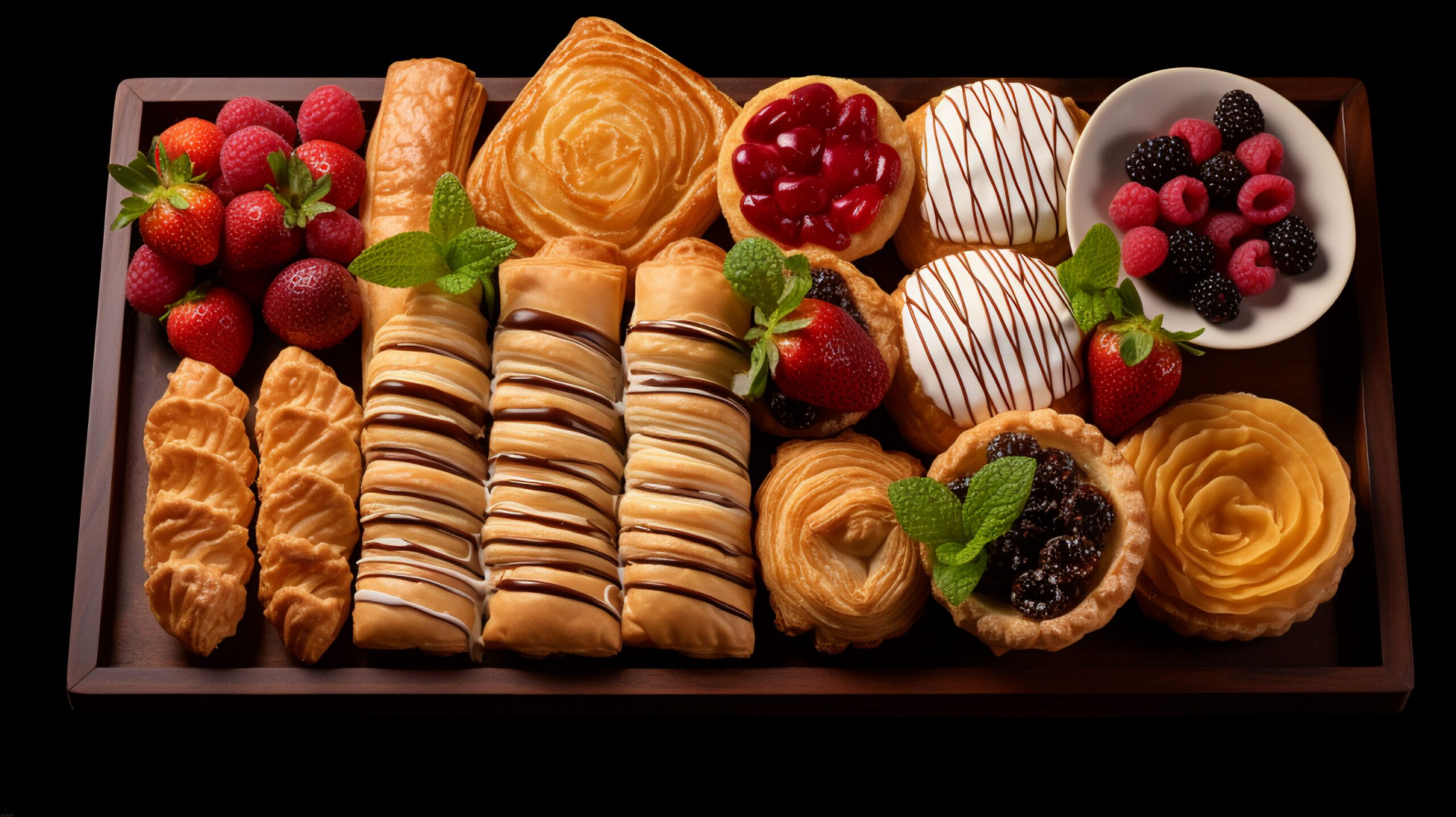
For a keen baker, match the tool to a real project. The Cake Sponges guide suggests uses for cake tins, cooling racks and accurate scales, while the Types of Pastry guide points towards rolling pins, pastry brushes and tart tins.
Choose one solid tool rather than a large box of weak accessories.
Ingredients and spice sets
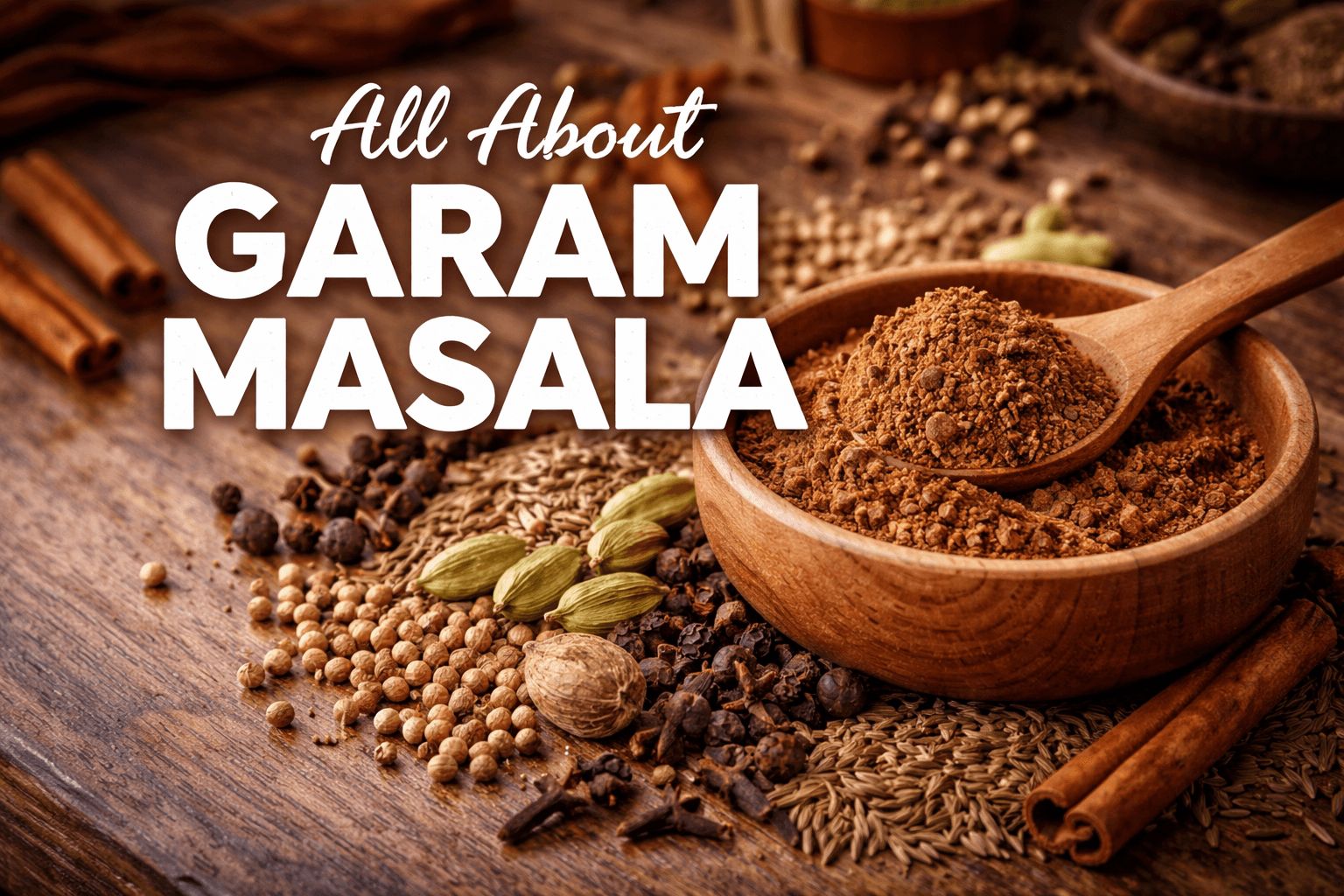
A small set of fresh spices can be more useful than a decorative collection of twenty old jars. Build a focused set around Winter Baking Spice Blend or DIY Italian Herb Mix.
Check whether the recipient already owns a grinder, mortar and pestle or storage jars before adding them.
Homemade edible gifts
Homemade food is personal and does not create permanent clutter. The Homemade Christmas Food Gifts guide covers biscuits, breads, spice mixes and safe labelling.
Choose recipes that travel well and state the ingredients and storage instructions clearly.
Books, classes and experiences
A class or carefully chosen cookbook can be better than more equipment. Use the person’s interest in bread recipes, cake sponges or everyday meals to choose a subject rather than buying a generic celebrity title.
Check dates, location and accessibility before paying for an experience.
Low-cost useful gifts
Useful low-cost ideas include a digital thermometer, sturdy tea towels, a notebook for recipes or a small set of labelled storage containers. Pair one with a recipe such as Focaccia or Filled Viennese Biscuits to turn a modest tool into a complete activity.
The Cook hub is a better source of clues than a list of fashionable gadgets.