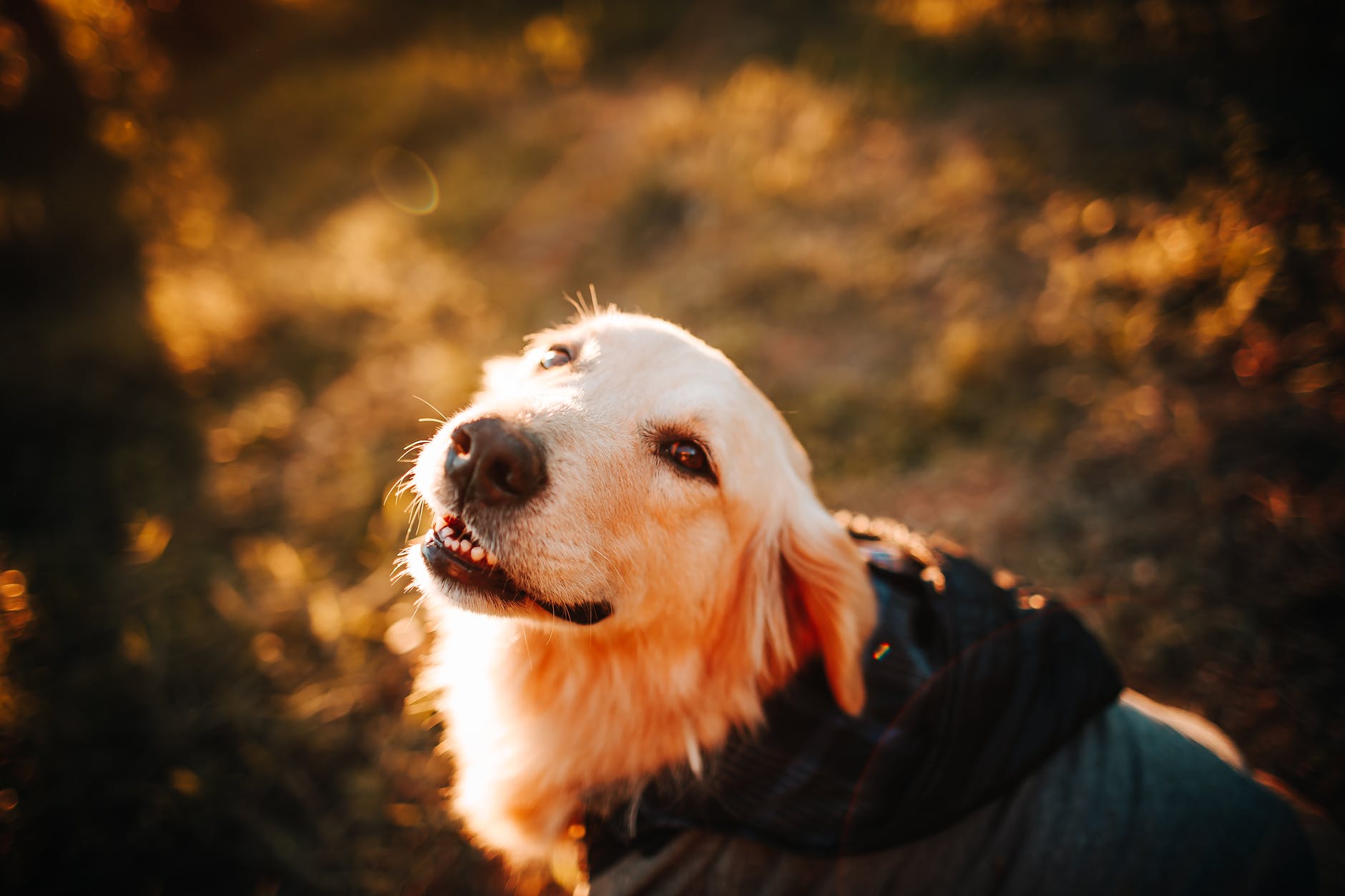
Breed group guide
Gundogs
Breeds developed to locate, flush, point or retrieve game, often combining cooperation with scenting ability and enthusiasm.
A starting point for understanding the work, motivations and practical questions behind this group before choosing an individual breed.
What links the group together?
Purpose first, appearance second.
Gundogs were bred to work closely with people before, during or after a shot. The group includes retrievers, spaniels, setters and pointers with distinct working styles.
Many are sociable and trainable, but friendliness should not be confused with low needs. Scent, movement, carrying and retrieving can be powerful motivations.
Daily reality
What ownership may ask of you.
- Recall and impulse-control training should begin before freedom around wildlife or livestock.
- Scent work, retrieving and structured play can provide useful outlets.
- Mud, water, ears, coats and post-walk checks may be routine parts of ownership.
- Some lines are bred for intense work while others are selected more heavily for companionship or showing.
Before choosing
Questions worth answering honestly.
- Is the household prepared for enthusiasm, scenting and a strong interest in movement?
- Does the chosen line match the owner’s activity level and experience?
- Can training continue around wildlife, water and distracting environments?
- What ear, joint, eye or other breed-specific health checks are relevant?
Breed guides
Breed guides in this group.
4 guides, arranged alphabetically.
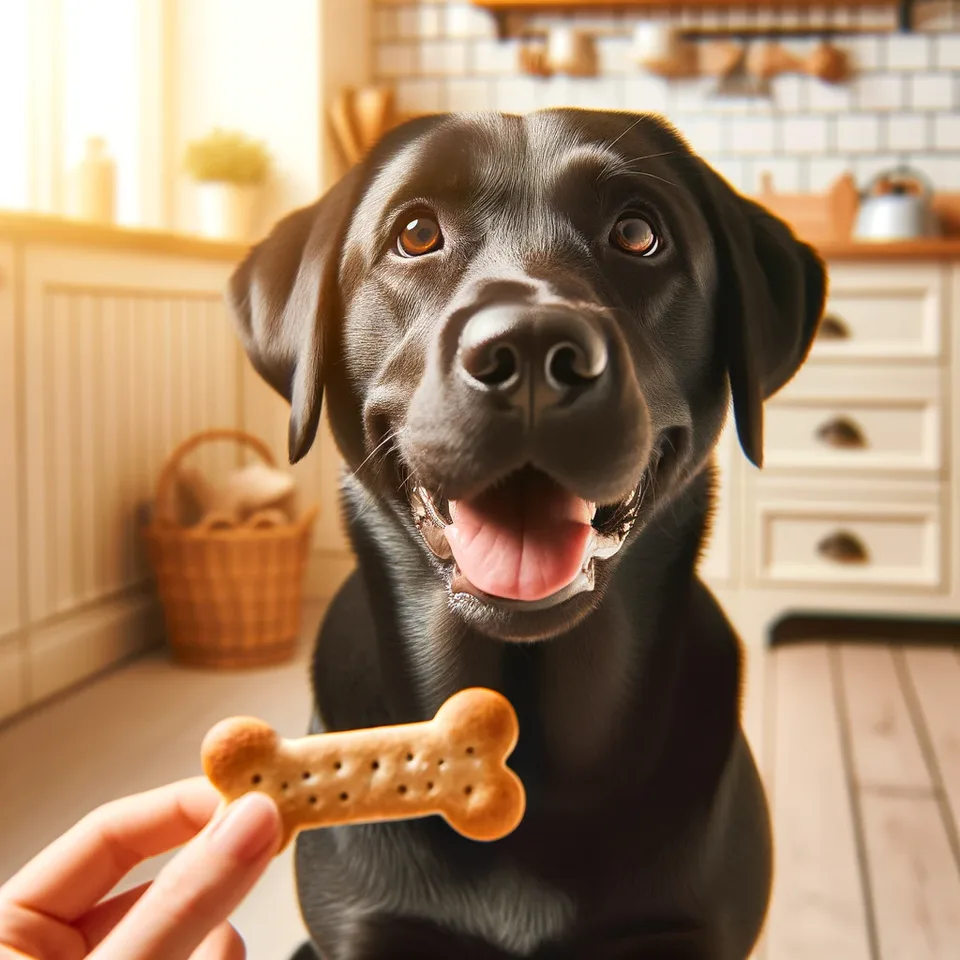
Breed guide
Labrador Retriever
A closer look at the Labrador Retriever.
Read the Labrador Retriever guide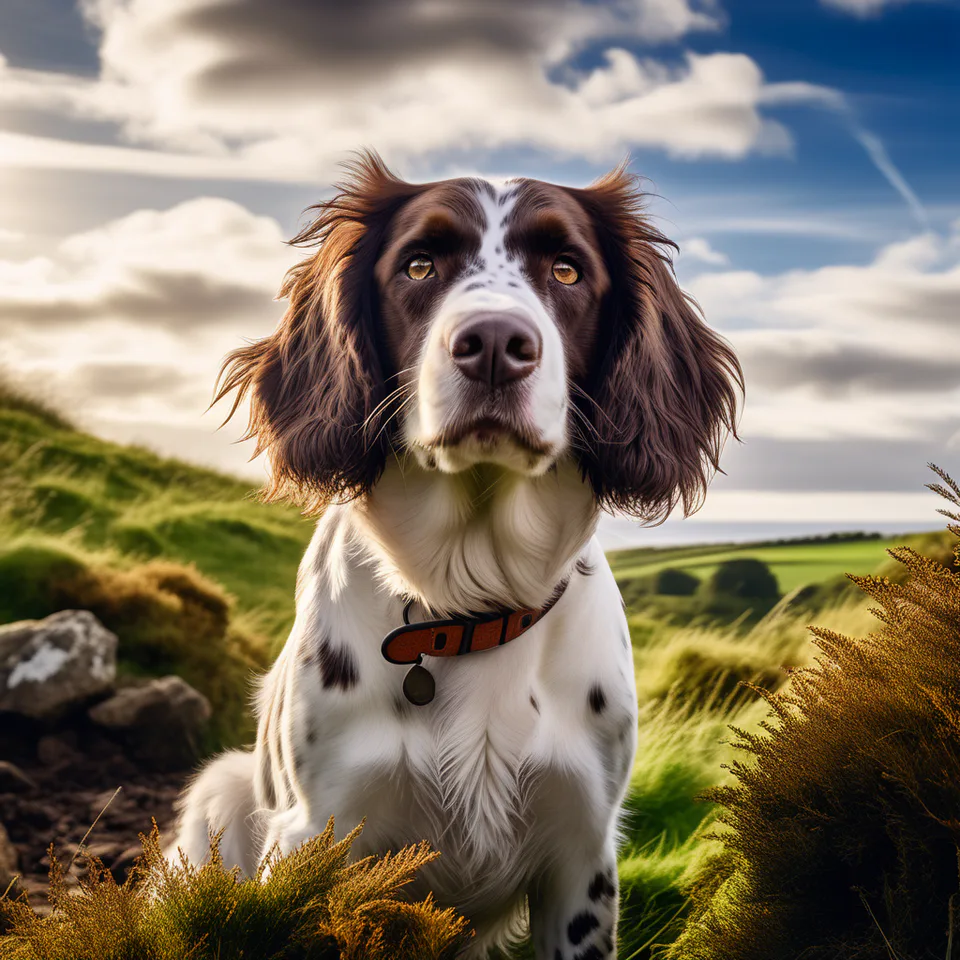
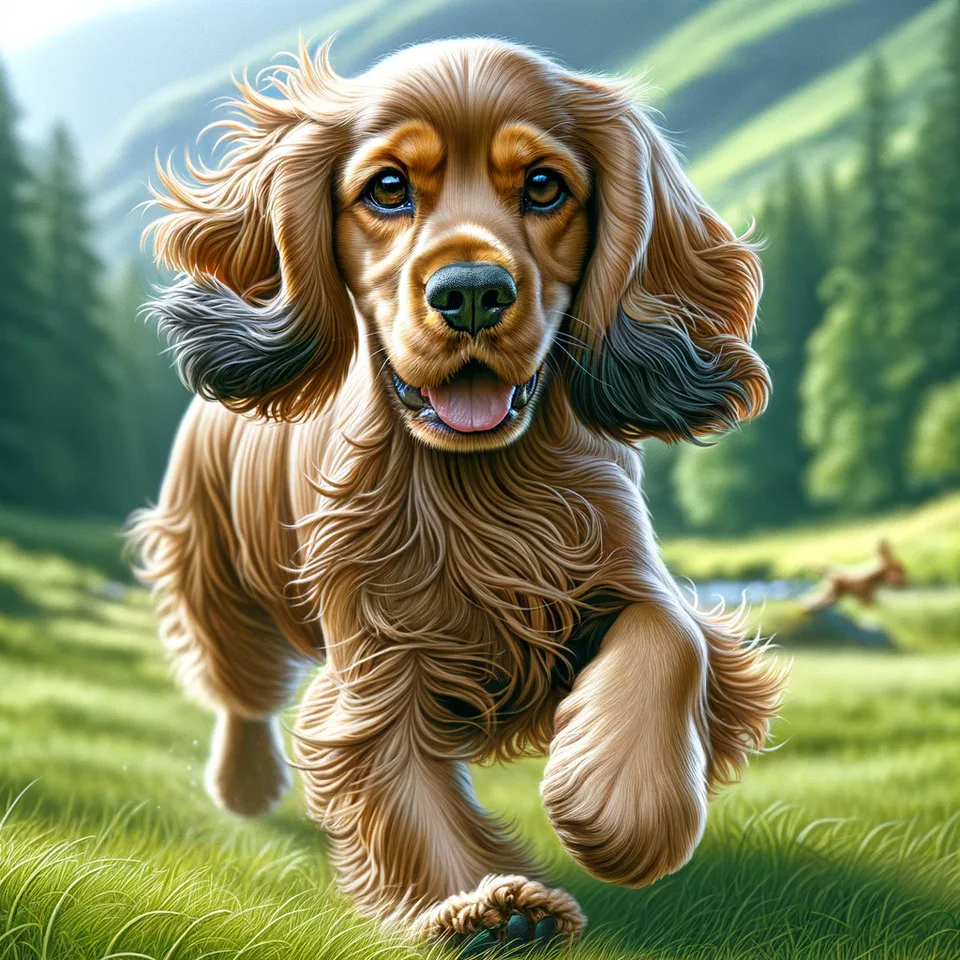
Breed guide
Working Cocker Spaniel
A closer look at the Working Cocker Spaniel.
Read the Working Cocker Spaniel guideImportant boundary
A starting point, not a personality test.
Group tendencies do not predict every dog. Breed, line, early experience, health, learning history and the individual all matter. Research the specific breed and breeder rather than choosing from a group description alone.