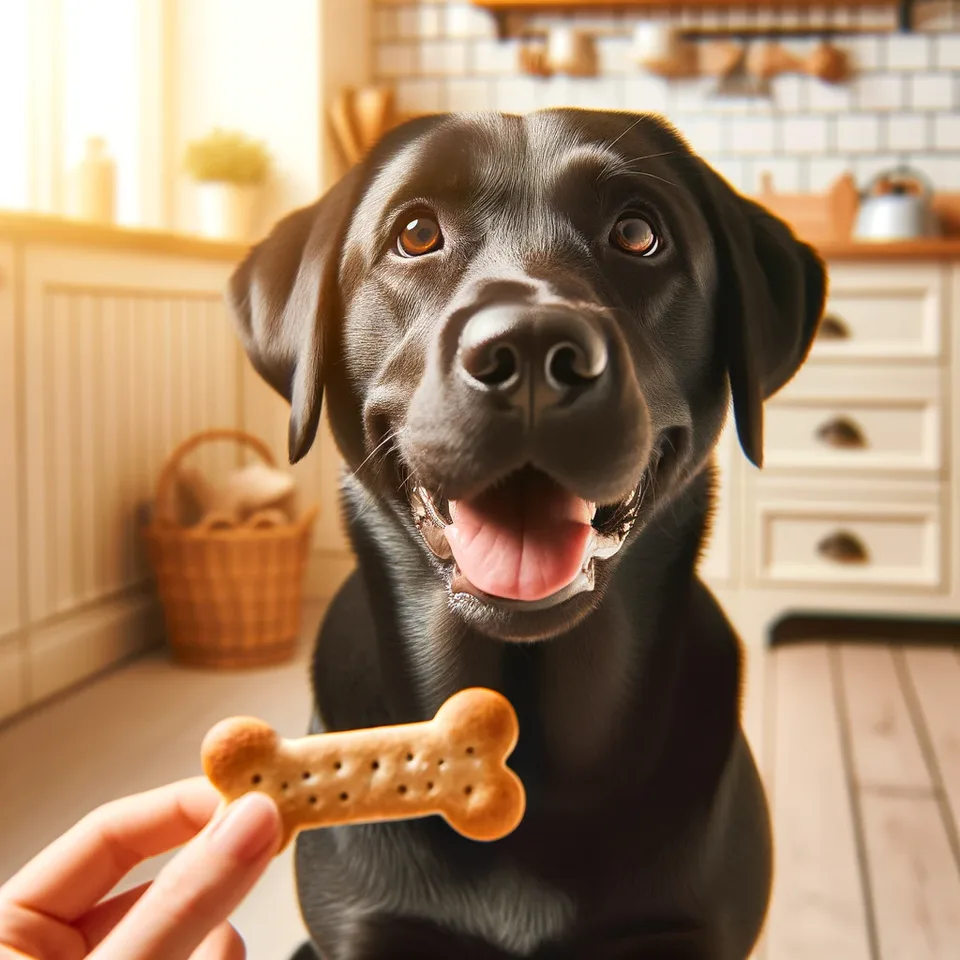
Labrador Retrievers, known for their friendly demeanor and intelligent eyes, are more than just pets; they’re a part of the family. In this edition of ‘Cooking, Clicks & Canines’, we delve into the heartwarming world of Labs, exploring their characteristics, history, and how they can be the perfect culinary companions.
The Labrador Retriever: A Brief History
Origin and Early History
The story of the Labrador Retriever, a breed often mistaken as originating from Labrador, actually begins in Newfoundland, Canada. In the early 19th century, these dogs were indispensable companions to local fishermen. They were primarily bred for their strength and endurance, traits essential for helping in fishing tasks. These tasks included hauling in nets filled with fish and even retrieving fish that escaped from the lines or nets. This early version of the breed was known as the “St. John’s dog,” named after the capital of Newfoundland.
Development of the Breed
The St. John’s dog was notably smaller than the modern Labrador but had many of the same characteristics we admire today – a dense, water-repellent coat, an otter-like tail for swimming, and a kind, intelligent demeanour. In the 19th century, these dogs were brought to England by visiting Englishmen, who were impressed by their skills and temperament. In England, they were crossed with other retriever breeds, refining their skills as hunting dogs. This selective breeding emphasised their natural ability in water and their gentle retrieving technique, which was perfect for retrieving game without damaging it.
The Name ‘Labrador Retriever’
Despite their Newfoundland origins, the name ‘Labrador’ stuck. It’s believed that the name was probably adopted to avoid confusion with the Newfoundland breed, another large working dog from the same region. The ‘Retriever’ part of their name reflects their exceptional ability to retrieve game in hunting scenarios. Their gentle mouth grip, which allows them to carry game without damaging it, became a hallmark of the breed and a highly valued trait among hunters.
Breed Recognition and Popularity
The Labrador Retriever was officially recognised by The Kennel Club in England in 1903 and by the American Kennel Club in 1917. Over the years, their popularity grew not just among hunters but also with families and individuals seeking a friendly, reliable companion. Labs were prized for their trainability, good temperament, and versatility.
Labradors in the Modern Day
Today, Labrador Retrievers are one of the most popular breeds in the United States and many other parts of the world. They are not only cherished as family pets but also excel in various roles such as service dogs, therapy dogs, and working dogs in various fields including search and rescue, and law enforcement. Their history, deeply rooted in assisting and working closely with humans, has shaped them into the affectionate, adaptable, and hardworking dogs we know and love today.
Labrador Characteristics: Perfect for Families and Foodies
Intelligence and Trainability
Labrador Retrievers stand out for their remarkable intelligence, which ranks them among the most trainable dog breeds. This trait is particularly beneficial for culinary enthusiasts who wish to involve their furry friends in kitchen activities. Labs can learn a variety of commands and behaviours that ensure safety and cooperation in the kitchen. From understanding boundaries to responding to basic commands like ‘sit’, ‘stay’, and ‘leave it’, their ability to learn and adapt makes them excellent companions for those who love to cook.
Friendly and Outgoing Nature
One of the most endearing qualities of Labrador Retrievers is their friendly and outgoing nature. They are known for their sociable demeanour, making them fantastic family pets. Their gentle disposition and patience make them particularly good around children, often becoming their playmates and guardians. Labs are also known for being accommodating to other pets and strangers, making them ideal for households that entertain guests frequently. This trait also means they are less likely to be disruptive during meal preparations and can comfortably be around the hustle and bustle of a busy kitchen.
Enthusiasm for Food
Labs have a well-known enthusiasm for food, which makes them eager participants in anything related to cooking and eating. This keen interest can be a delightful aspect for food lovers, as it’s easy to involve them in activities like trying out dog-friendly recipes or simply having them keep you company as you cook. However, their love for food also poses a challenge. It necessitates careful training to prevent counter-surfing or begging for food, and it’s important to be mindful of their diet to prevent overfeeding, as Labs can be prone to obesity. Engaging them in cooking activities should be balanced with healthy food choices and portion control.
Energy and Playfulness
Labradors are a high-energy breed, always ready for a game or a walk. This trait is excellent for active families or individuals who enjoy involving their dogs in outdoor activities. Their playful nature can also be channeled into interactive kitchen activities like finding hidden treats or playing fetch with safe, kitchen-appropriate toys.
Loyal Companions
Above all, Labs are known for their loyalty. They form strong bonds with their family members and are known to be protective and caring. This loyalty makes them not just pets, but integral members of the family, sharing in every aspect of home life, including time spent in the kitchen.

Training Your Lab for the Kitchen
1. Mastering Basic Commands for Kitchen Safety
- Importance: The bustling environment of a kitchen demands that your Lab understands and follows basic commands to ensure both their safety and yours.
- Key Commands:
- Sit: Useful when you need your Lab to stay in a specific spot away from potential hazards like hot stoves or sharp utensils.
- Stay: Essential for keeping them stationary, especially when you’re handling hot ingredients or carrying heavy items.
- Leave it: Crucial for preventing them from picking up or eating food scraps or ingredients that could be harmful.
2. Boundary Training: Establishing a Safe Kitchen Space
- Setting Boundaries: Use barriers or markers to define areas where your Lab is allowed versus areas that are off-limits.
- Consistency: Regular practice, using treats and positive reinforcement, helps them understand and respect these boundaries.
- Benefits: This training prevents accidents like tripping over your pet or them coming into contact with dangerous items.
3. Cultivating Patience with Food
- The Challenge: Labs’ natural affinity for food can lead to begging or attempting to snatch food off counters.
- Training Approach:
- Impulse Control: Teach them to wait patiently for their food or treats. This can be done through controlled feeding exercises where they must sit and wait for your command before eating.
- Distractive Techniques: Engaging them with toys or assigning them a specific spot during meal prep can help manage their focus and reduce the temptation to beg.
- Rewarding Patience: Positive reinforcement, like praise or a healthy treat, when they display good behavior around food is effective.
4. Advanced Kitchen-Related Training
- Fetching Items: Labs can be trained to bring specific items, like towels or certain safe utensils.
- Clean-up Assistance: Some Labs can be taught to help with minor tasks like picking up dropped items (non-food) and bringing them to you.
5. Remembering Individual Temperaments
- Each Lab has its own personality. Tailoring the training to their individual temperament and learning pace is key.
- Patience and Consistency: Regular, patient training sessions are more effective and help strengthen your bond.
Dog-Friendly Recipes to Try with Your Lab
- Peanut Butter Banana Bites
- Sweet Potato Chew.
- Cheesy Biscuits
- Blueberry Oatmeal Cookies
- Chicken and Rice Biscuits

Keeping Your Lab Safe in the Kitchen
1. Food Safety: Navigating the Dangers in Your Pantry and Fridge
- Toxic Foods: While we might relish chocolates, grapes, onions, garlic, and certain nuts, these are toxic to dogs. It’s crucial to be aware of which foods can harm your Lab.
- Safe Storage: Ensure all harmful foods are stored securely, out of reach from curious noses. This includes sealing containers and using high shelves or locked cabinets.
- Education: Educate all family members, especially children, about which foods are unsafe for dogs to prevent accidental feeding.
2. Heat and Sharp Object Safety: Creating a Hazard-Free Environment
- Hot Surfaces: Keep your Lab at a safe distance from the stove, oven, and other hot appliances. Training them to stay out of certain areas while cooking is essential.
- Sharp Objects: Knives, forks, skewers, and other sharp tools should always be kept out of reach. Ensure they are securely stored after use.
- Spills and Breakages: Immediately clean up any spills or broken items to prevent injuries from slips or sharp fragments.
3. Chemical and Cleaning Product Safety
- Storage: Keep all cleaning products, including dishwashing liquids and detergents, in secure cabinets.
- Usage: Be cautious when using cleaning products. Ensure your Lab is in a different room to avoid accidental ingestion or exposure to harmful fumes.
4. Supervision and Containment Strategies
- Supervision: Never leave your Lab unattended in the kitchen, especially when cooking or cleaning.
- Containment: If supervision isn’t possible, consider using baby gates or a crate to keep your Lab safely contained away from the kitchen.
5. Emergency Preparedness
- First Aid: Have a basic pet first aid kit and know how to use it. This should include items like gauze, non-stick bandages, and hydrogen peroxide (for inducing vomiting if instructed by a vet).
- Emergency Contacts: Keep the contact details of your veterinarian and a local emergency pet hospital readily available.
6. Regular Training Refreshers
- Consistency: Regularly reinforcing training around kitchen safety ensures that these important behaviors remain ingrained in your Lab’s routine.
- Positive Reinforcement: Rewarding your Lab for adhering to safety rules keeps them motivated and compliant.
Labrador Health and Diet
1. The Importance of Regular Exercise
- Activity Needs: Labrador Retrievers are a high-energy breed that thrive with regular exercise. This can include daily walks, runs, swimming, or playing fetch.
- Mental Stimulation: Along with physical exercise, Labs need mental stimulation to stay happy. Puzzle toys, training sessions, and interactive play can keep their minds active.
- Exercise and Behavior: Regular exercise helps mitigate common behavioral issues like chewing, digging, or excessive barking, which can stem from pent-up energy.
2. Balanced and Nutritious Diet: Key to Preventing Weight Gain
- Dietary Requirements: Labs require a balanced diet rich in proteins, carbohydrates, fats, vitamins, and minerals. The exact needs can vary based on age, size, and activity level.
- Managing Portion Sizes: Given their propensity for weight gain, it’s important to manage portion sizes and avoid overfeeding. Use measuring cups for kibble and follow feeding guidelines.
- Healthy Treats: Choose low-calorie, nutritious treats. Consider using vegetables like carrots or green beans as treats, which are healthy and low in calories.
3. Avoiding Obesity: A Common Challenge
- Health Risks: Obesity in Labs can lead to joint problems, diabetes, and decreased life expectancy.
- Regular Check-ups: Regular veterinary check-ups are crucial for monitoring your Lab’s weight and overall health.
- Weight Management Strategies: Include a mix of diet control and exercise. If your Lab is overweight, consult with your veterinarian to develop a tailored weight loss plan.
4. Hydration: Essential for Health
- Access to Fresh Water: Ensure your Lab always has access to fresh, clean water, especially after exercise or in hot weather.
- Monitoring Intake: Be observant of how much water your Lab is drinking as changes can indicate health issues.
5. Special Dietary Considerations
- Age-Specific Needs: Puppies, adults, and senior Labs have different nutritional requirements. For example, puppies need more calories and specific nutrients for growth.
- Health Conditions: Labs with health conditions like allergies or joint issues may require specialized diets.
6. The Role of Supplements
- Joint Supplements: Supplements like glucosamine can be beneficial for joint health, especially in older Labs.
- Omega Fatty Acids: Supplements containing omega-3 and omega-6 fatty acids can promote a healthy coat and skin.
Labradors and Photography: Capturing the Perfect Moments
1. Utilising Natural Light for Stunning Photos
- Best Lighting: Natural light is your best ally in photography. Position your Labrador near windows or in well-lit areas of the kitchen to capture the best shots.
- Time of Day: Morning or late afternoon light provides a soft glow that can beautifully highlight your Lab’s features.
2. Capturing Candid Moments
- Natural Behavior: Instead of posed shots, capture your Lab in their natural element – be it watching you cook, playing, or simply lounging in the kitchen.
- Patience is Key: Great candid shots often come from patience. Spend time with your camera ready, and you’ll catch those priceless expressions and moments.
3. Understanding Your Labrador’s Personality
- Unique Traits: Every Lab has its unique quirks and expressions. Capturing these individual traits can make your photos more personal and endearing.
- Activity Shots: If your Lab is more active, photograph them playing or engaging in their favorite activity. For calmer Labs, a serene portrait might be more fitting.
4. Composition and Background
- Simple Backgrounds: Use the kitchen setting to your advantage. A clean and simple background can make your Lab stand out.
- Angles and Perspectives: Experiment with different angles and heights. Sometimes, the best shot is taken from their eye level.
5. Focus on the Eyes
- Expressive Eyes: Labrador’s eyes are expressive and can convey a lot of emotions. Focusing on their eyes can create a powerful connection in the photo.
6. Action Shots in the Kitchen
- Timing and Shutter Speed: Increase your camera’s shutter speed to capture those dynamic moments of your Lab in action, like catching a treat or shaking off water.
7. Engage Your Lab During the Shoot
- Interactions: Encourage interaction between you and your Lab during the photo session. A glance, a pat, or a treat can lead to adorable and natural photos.
8. Post-Processing Tips
- Editing: Basic editing like adjusting brightness, contrast, or cropping can enhance your photos. Avoid over-editing to maintain the natural beauty of your Lab.
Conclusion:
Labrador Retrievers bring joy, energy, and companionship to any home and can be a delightful addition to your culinary experiences. With proper training and safety measures, your Lab can be more than just a pet; they can be a part of your cooking journey.
Share your experiences with your Labrador in the kitchen or try one of our dog-friendly recipes, and let us know how it goes!