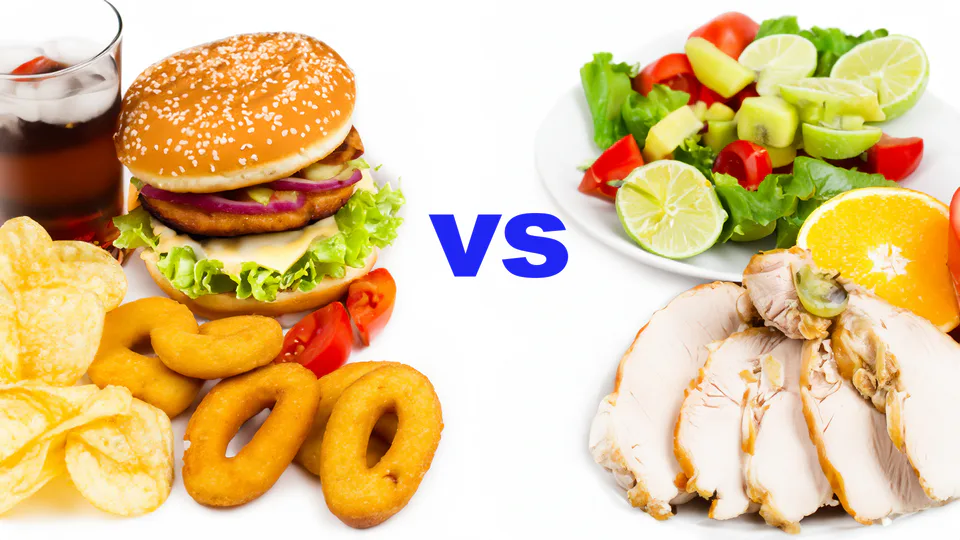
We live in a world where convenience is king. From our smartphones to pre-packaged meals, it seems there’s an easy solution for every task. But when it comes to our diet, convenience can have a sinister side – ultra-processed foods.
What Exactly Are Ultra-Processed Foods?
Forget simple snacks like a bag of chips or a candy bar. Ultra-processed foods are on another level entirely, engineered masterpieces born in factories, not farms. These industrial concoctions result from a complex series of processes unlike anything you’d do in your own kitchen. Their goal isn’t just sustenance – it’s about creating hyper-palatable (think dangerously addictive) food-like products.
Here’s how they work:
- Ingredient Breakdown: Whole foods are stripped apart into components like starches, fats, sugars, and proteins. These isolated ingredients form the base of ultra-processed foods.
- The Flavour Armoury: To mask the blandness of these isolated components, a vast array of additives comes into play. Flavourings, both natural and artificial, create illusions of deliciousness. Emulsifiers bind components that wouldn’t naturally mix, resulting in creamy textures or unnaturally smooth consistencies.
- Preservation Techniques: Ultra-processed foods aren’t built to spoil. Preservatives, antioxidants, and other agents work to ensure a shelf life of months, sometimes even years.
- Beyond Taste & Texture: Don’t be fooled by the vibrant colours and carefully engineered shapes. Dyes make these products visually appealing, while other additives create satisfying crunches or a desirable melt-in-your-mouth sensation.
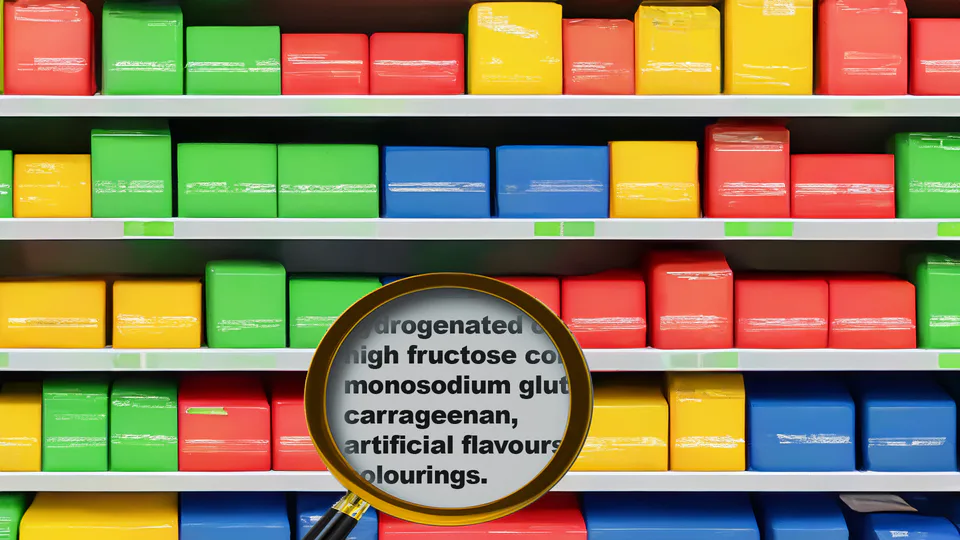
The Chemistry Experiment: Pick up an ultra-processed product and examine the ingredient list. You’ll likely encounter terms more at home in a science lab than a recipe: hydrogenated oils, high fructose corn syrup, monosodium glutamate (MSG), carrageenan, and a whole host of artificial flavours and colours. This laundry list of chemicals should be a clear warning sign that you’re about to eat something far removed from real, nourishing food.
Examples of Ultra-Processed Foods
Sugary Drinks (sodas, flavored juices)
- Beyond the classic sodas: Don’t just think Coke or Pepsi. Flavored waters, sports drinks, energy drinks, and even seemingly healthy-sounding juice cocktails often pack as much sugar as a soda, with minimal nutritional value.
Mass-produced packaged bread and baked goods
- White bread is just the beginning: This category includes most store-bought loaves, hamburger and hotdog buns, bagels, tortillas, muffins, donuts, cakes, and cookies. Watch out for long shelf lives, squishy textures, and added sweeteners.
Sweetened breakfast cereals
- Targeting kids and adults alike: Those colorful, cartoon-decorated boxes usually hide alarming amounts of sugar. Even cereals marketed as “healthy” frequently contain refined grains, sugary coatings, and artificial flavors.
Frozen meals and ready-to-eat snacks
- The “convenience” trap: Frozen pizzas, microwaveable dinners, packaged ramen, instant noodles, and shelf-stable snack packs may be quick, but they’re usually loaded with sodium, unhealthy fats, and a laundry list of additives.
Reconstituted meat products (sausages, hot dogs, chicken nuggets)
- Mystery meat: These products start with heavily processed meat scraps, combined with fillers, binders, preservatives, and flavorings. This makes them unrecognizable from their original form and often questionably nutritious.
Salty, crunchy snacks (chips, crackers)
- Engineered to be addictive: Traditional potato chips are no longer alone. Look out for cheese puffs, flavored crackers, tortilla chips, and extruded snacks in every shape imaginable. These focus on the engineered crunch, excessive salt, and artificial flavors.
Candies, ice creams, and other desserts
- Sugar bombs: This includes candy bars, chocolates, gummies, most pre-packaged puddings and ice creams, and sugary pastries. While an occasional treat is fine, most ultra-processed versions deliver pure sugar with little else to offer.
Important Note: Even seemingly healthy products can surprisingly be ultra-processed. Granola bars, flavoured yogurts, certain protein shakes, and even some veggie burgers undergo extensive processing with added sugars and questionable additives.
Remember, always check the ingredient list for the true story behind any food!

The Dark Side of Convenience
Stripped of goodness: It’s not just what’s removed, but what’s lost
- The power of phytonutrients: Whole plant foods contain thousands of phytonutrients – natural compounds with potent antioxidant, anti-inflammatory, and even hormone-regulating properties. These powerhouses get destroyed or severely depleted in ultra-processed foods.
- Cellular damage control: Free radicals are a natural byproduct of metabolism, but stress, pollution, and poor diet can create excess amounts. Antioxidants neutralise these free radicals, protecting our cells from damage associated with chronic diseases and aging. Without them, our defences are weakened.
- Beyond basic function: Vitamins and minerals don’t solely fulfill individual tasks. They play crucial roles in enzyme reactions, energy production, and a vast array of cellular processes essential to proper body function. Ultra-processed foods lack the nuanced variety to support these intricate systems.
Fiber Failure: The ripple effects on our health
- Good gut feelings: Fiber feeds the beneficial bacteria in our gut. Without this fuel, our microbiome can become imbalanced, potentially contributing to digestive issues, inflammation, and even a weakened immune system.
- Blood sugar balance: Soluble fiber, found in foods like beans and oats, forms a gel-like substance as it passes through the digestive system. This slows down the release of sugar into the bloodstream, preventing spikes and crashes and protecting against insulin resistance.
- Heart health protector: Certain types of fiber help bind to cholesterol in the digestive tract, reducing its absorption into the bloodstream. This plays a role in managing cholesterol levels and reducing heart disease risk.
The fake-food trap: Our bodies know the difference
- Bioavailability matters: Our digestive system is designed to take apart whole foods and extract nutrients efficiently. Isolated nutrients in processed foods may not be absorbed or used as effectively.
- Wholeness can’t be replicated: The thousands of phytonutrients, unique compounds, and interactions between nutrients in whole, fresh foods can’t be artificially mimicked in a lab. Our bodies recognise and respond to this wholeness in a way they simply don’t with fortified, ultra-processed concoctions.
Linked to chronic diseases: Beyond the Weight
- Heart under attack: The salt, unhealthy fats, and sugar in ultra-processed foods create a perfect recipe for high blood pressure, cholesterol problems, and ultimately raise the risk of heart attacks and strokes.
- Blood sugar blues: Regular consumption contributes to insulin resistance, a major player in type 2 diabetes development.
- Cancer connection: While more research is needed, studies suggest a link between diets high in ultra-processed foods and a higher risk of certain cancers, particularly colorectal cancer.
Addictive by design: Trapped in the Craving Cycle:
- Engineered for overconsumption: Food scientists behind ultra-processed products carefully manipulate the combination of fat, sugar, salt, and artificial flavours. This creates a taste explosion that hijacks our natural reward centres, making us crave more.
- Texture tricks: They focus on mouthfeel – crunchy, creamy, melt-in-the-mouth sensations keep us coming back for another bite, even when we’re not truly hungry.
Messing with our gut: The Hidden Impact
- Disrupting our inner ecosystem: Our gut harbours trillions of bacteria, essential for digestion, immunity, and even mental health. Emerging research indicates that ultra-processed foods could upset this delicate balance, potentially contributing to inflammation, digestive issues, and even mood disorders.
Important Note: It’s not just about individual ingredients, but the overall package of ultra-processed foods that matters. Even if a product boasts a seemingly positive claim (like ‘added protein’ or ‘low-fat’), the rest of the formulation could be highly problematic.
How to Break Free
The “real food” rule: Embracing the power of whole foods
- Variety is key: Don’t think of healthy eating as boring! Explore the vast world of fruits, vegetables, whole grains, legumes (beans, lentils), nuts, seeds, lean meats, fish, and eggs. There’s endless flavour and nutrient diversity to discover.
- Seasonal inspiration: Shop at farmer’s markets or look for ‘in season’ produce at your grocery store. Fresh, seasonal ingredients are often tastier and more affordable, making healthy eating more appealing.
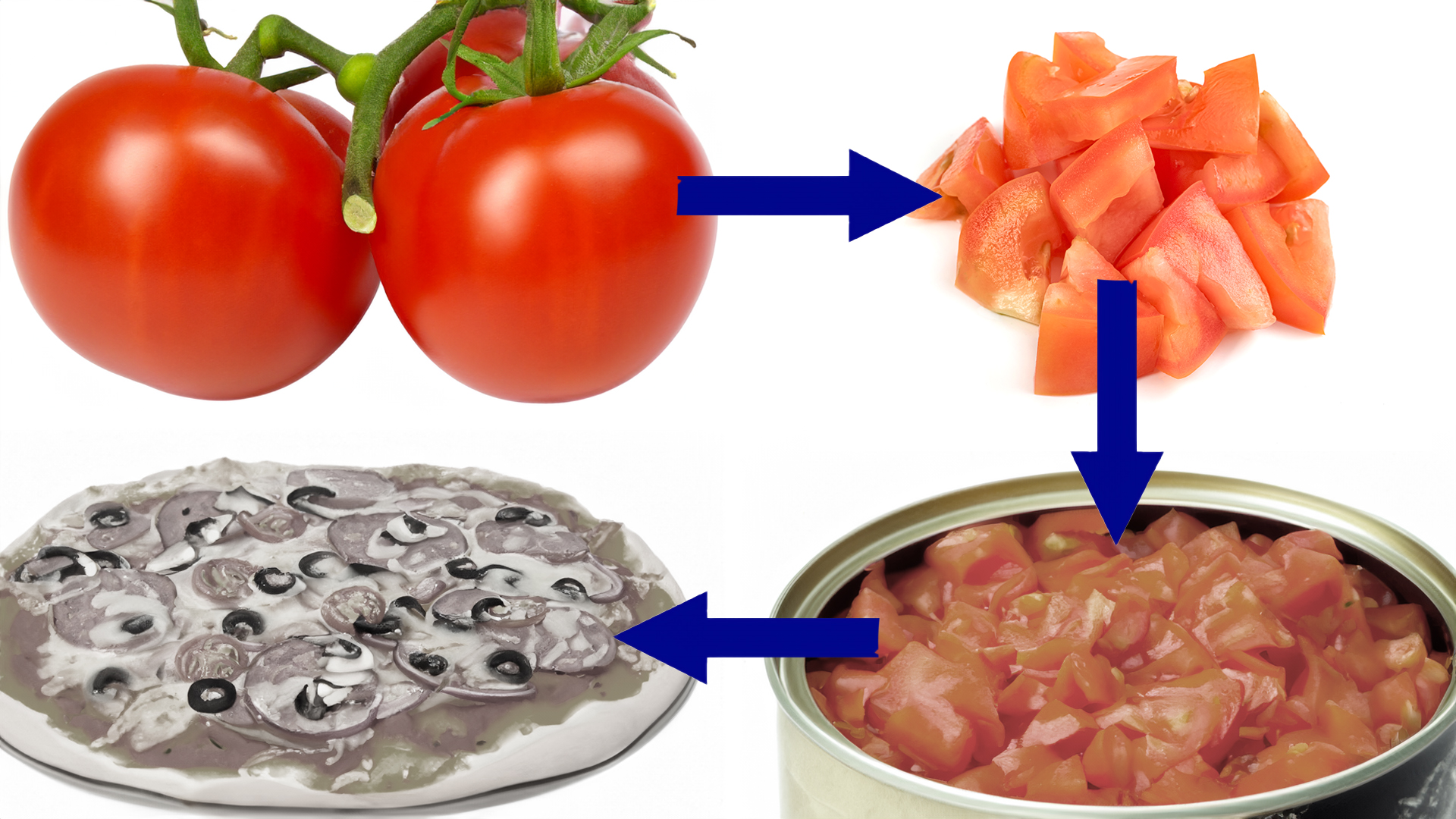
- “Minimally processed” is okay: Some minimally processed foods can streamline healthy cooking – think pre-washed salad greens, frozen vegetables, canned beans (rinse them well!), or rotisserie chicken.
Become an ingredient detective: Decoding the label
- Don’t just scan, scrutinise: Focus on the first few ingredients, as these make up the majority of the product. If sugar, refined flours, or unfamiliar chemical names dominate the list, it’s likely ultra-processed.
- The serving size trick: Check the “serving size” on the label, and then multiply the sugar, salt, and fat amounts accordingly to see what you’re truly getting in a realistic portion.
Sugar’s Many Faces
- Beyond the obvious: Table sugar (sucrose) and high fructose corn syrup are the most well-known, but added sugar hides under dozens of names. Watch out for any word ending in “-ose”:
- Glucose, dextrose, fructose, maltose
- Fruit juice concentrates
- Honey, maple syrup, agave nectar (while natural, they still count as added sugar)
- Cane sugar, molasses, brown rice syrup
- “Healthy” sounding deceptions: Terms like “organic evaporated cane juice”, or “raw sugar” are still sugar by any other name. Don’t be fooled!
Sodium’s Secret Stash
- It’s not just the salt shaker: Processed foods often contain shocking amounts of hidden sodium. Look out for these ingredients:
- Monosodium Glutamate (MSG) – a flavor enhancer heavily used to boost the savory appeal of ultra-processed snacks and meals.
- Baking soda
- Sodium nitrate/nitrite (used in processed meats)
- Any combination of words containing “sodium”
Unhealthy Fats in Disguise
- Partially Hydrogenated Oils: The biggest offender. These trans fats are extremely harmful, so check labels carefully. Even with bans in place, some products may still contain old stock.
- The tropical oil trap: Palm oil and coconut oil are sometimes marketed as ‘healthy’, but are saturated fats that should be limited.
- Confusing terms: Ingredients like “interesterified oils” or “modified food starch”, sometimes signal the presence of less harmful, but still unnecessary unhealthy fats.
How to uncover the truth:
- Ingredient list order: Ingredients are listed by quantity, in descending order. If any of these sneaky versions of sugar, salt, or unhealthy fats are within the first few items, it’s a red flag.
- Online resources: There are many websites and apps that can help you decipher food labels and identify common aliases for sugar, salt, and unhealthy fats.
Remember: The less processed a food is, the less likely it is to contain these hidden traps!
Rediscover your kitchen: Taking back control
- Start with the basics: Don’t be intimidated! Simple cooking skills open up a world of options. Learn how to roast vegetables, cook a pot of grains, or grill some chicken.
- Batch cooking saves the day: Dedicate some time each week to prepare healthy ingredients and snacks in advance for hassle-free meals and to fend off the urge for ultra-processed shortcuts. As a great start look at my blog on 10 Freezer-Friendly Potato Recipes
- Flavour is your friend: Herbs, spices, citrus zest, and good quality vinegar add a burst of flavour to simple dishes, making whole food cooking a delight, not a chore. Check out my blog on flavour pairing to get you started
Gradually replace: Celebrate small wins
- Identify your biggest culprits: Is it the afternoon bag of crisps? The sugary soda? Choose one target to start with.
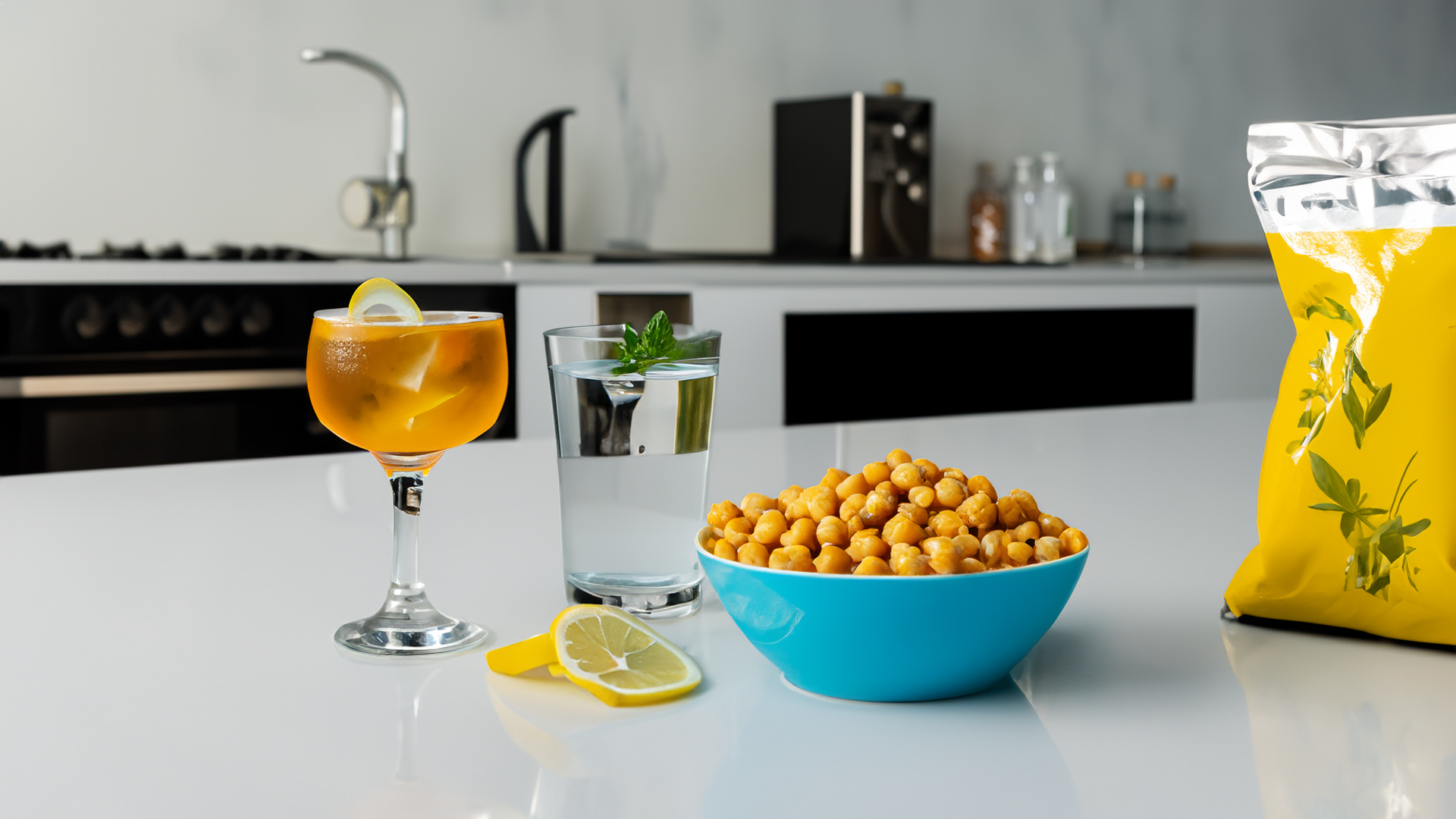
- Find satisfying swaps: Explore healthier but equally enjoyable options. Think crunchy roasted chickpeas instead of crisps, sparkling water with fruit slices instead of soda.
- Don’t strive for perfection: Every whole food choice in place of an ultra-processed one is a victory. Progress, not perfection, is the goal.
The Bottom Line
Ultra-processed foods offer a false promise of convenience and satisfaction, but they ultimately damage our health. By making informed choices and prioritising whole foods, we can reclaim control of our diets and invest in long-term wellness. Remember, real food nourishes, ultra-processed food sabotages. Choose wisely!