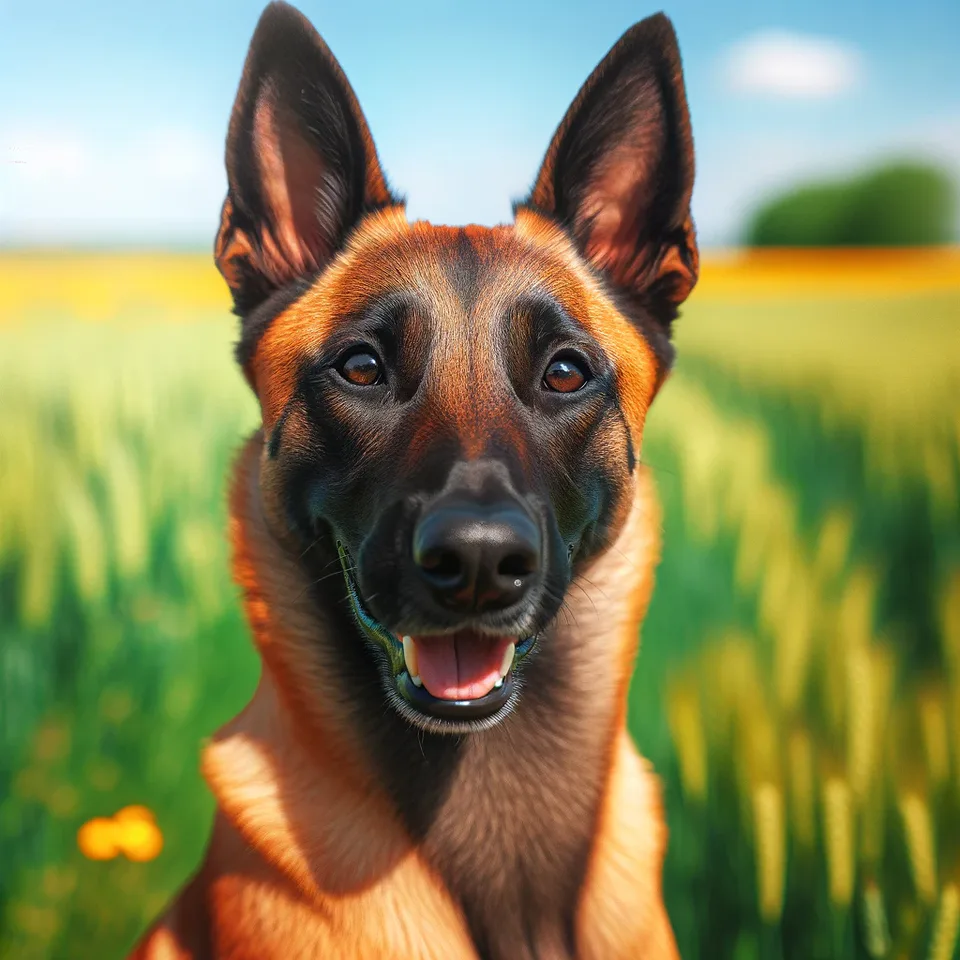
The Belgian Malinois, often simply referred to as the Malinois, is a breed that stands out for its intelligence, energy, and unwavering loyalty. Originally bred in Belgium for herding, the Malinois has evolved into a versatile working dog, excelling in a variety of tasks including police work, search and rescue, and as a loyal family companion. In this post, we’ll delve into the world of the Belgian Malinois, exploring their unique characteristics, care needs, and why they’re such a popular choice in both working and family environments. For a broader understanding of working breeds, don’t forget to check out our comprehensive guide on Working Breeds.
History and Origin
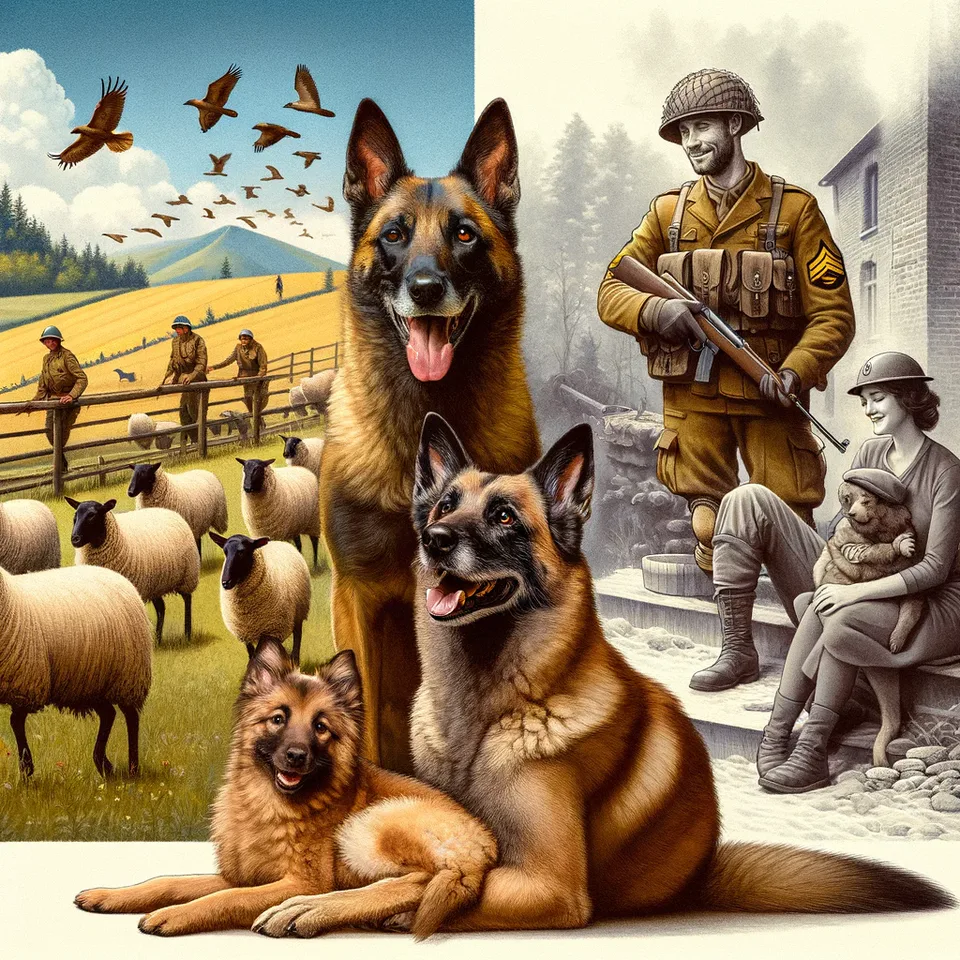
The Belgian Malinois, a distinguished member of the Belgian sheepdog family, shares its lineage with the Tervuren, Laekenois, and Groenendael. This breed’s story begins in the late 19th century in the city of Malines, Belgium, where it was initially bred for herding sheep and protecting farms. The Malinois, named after this Belgian city, quickly gained a reputation for its remarkable intelligence, agility, and a keen sense of duty.
During the early development of the breed, Belgian shepherds faced a period of standardization, which led to the distinction of the four varieties we recognise today. The Malinois, in particular, was favoured for its short, easy-to-maintain coat and its adaptable, hardworking nature. Farmers and shepherds valued these dogs not only for their herding abilities but also for their protective instincts, making them excellent guardians of both livestock and property.
As the world entered the 20th century, the versatility of the Belgian Malinois caught the attention of law enforcement and military organisations. Their trainable nature and keen intelligence made them ideal candidates for more specialised roles. During the First and Second World Wars, the Malinois served valiantly, being used for tasks such as message delivery, ambulance pulling, and even detecting mines. This period marked a significant shift in the breed’s history, as they transitioned from pastoral roles to becoming indispensable in various service capacities.
Post-war, the breed’s popularity began to spread beyond Belgian borders. The Malinois’ skills were soon recognized internationally, leading to its use in police work, search and rescue operations, and as a preferred breed for K-9 units. Their ability to excel in obedience, tracking, and protection work made them a top choice for these demanding roles.
In modern times, the Belgian Malinois has continued to be a popular choice for working roles. They are often seen in the fields of law enforcement, military operations, and as service dogs. However, their loyalty and protective nature have also made them beloved family pets for those who can accommodate their high energy and exercise needs.
As we appreciate the Belgian Malinois today, it’s important to remember their rich history that spans from humble beginnings in Belgian pastures to the front lines of global conflicts and into the homes and hearts of dog lovers around the world. Their journey is a testament to the breed’s adaptability, resilience, and unwavering dedication to the tasks at hand.
Physical Characteristics
- Size: Males typically stand 24-26 inches (61-66 cm) tall, while females are slightly smaller at 22-24 inches (56-61 cm).
- Weight: They weigh between 40-80 pounds (18-36 kg), with males being larger.
- Coat and Colour: The Malinois sports a short, straight coat with colours ranging from rich fawn to mahogany, with black markings on the ears and mask.
Temperament and Personality
The Belgian Malinois is a breed that exemplifies a remarkable blend of intelligence, energy, and loyalty. This section aims to delve deeper into their temperament and personality traits, which make them both challenging and rewarding companions.
Intelligence and Trainability
One of the most striking features of the Malinois is their extraordinary intelligence. They are not just quick learners but also exhibit an eagerness to engage in tasks that challenge their mental capabilities. This intelligence, coupled with their innate desire to please their handlers, makes them highly trainable. They respond well to positive reinforcement techniques, making them excel in obedience training, agility courses, and even complex tasks like search and rescue operations.
High Energy and Activity Needs
Malinois are known for their boundless energy, which is a hallmark of their working-dog heritage. This energy needs to be channeled through regular, vigorous exercise and mental stimulation. Without adequate physical activity, a Malinois may become restless and exhibit unwanted behaviours. Activities such as long walks, runs, fetch games, and participation in dog sports like flyball or disc competitions are excellent ways to expend their energy.
Strong Bonding and Loyalty
These dogs form deep, enduring bonds with their families. They are known for their loyalty and have a strong protective instinct towards their loved ones. This trait makes them excellent watchdogs and loyal companions. However, it’s essential to socialise them from a young age to ensure they are comfortable around strangers and in different environments.
Protective Nature and Watchdog Ability
The protective instinct in a Malinois is strong and deeply ingrained. They are naturally wary of strangers and alert to any changes in their environment, making them excellent watchdogs. Proper training and socialisation are crucial to ensure that their protective nature is appropriately managed and doesn’t turn into overprotectiveness.
Need for Mental Stimulation
Alongside physical exercise, mental stimulation is vital for this intelligent breed. Training exercises that challenge them mentally, puzzle toys, and interactive games can keep their minds active and prevent boredom. A mentally stimulated Malinois is a happy and well-behaved dog.
Sensitivity and Responsiveness
Despite their tough exterior, Malinois are sensitive dogs that respond to the mood and emotions of their owners. They thrive on attention and positive interaction and can become anxious or stressed if neglected or harshly treated. This sensitivity requires owners to be patient, understanding, and consistent in training and everyday interactions.
Conclusion
In summary, the Belgian Malinois is a breed that demands and rewards in equal measure. Their intelligence, energy, loyalty, and protective nature make them outstanding companions and workers. However, these same traits mean they are best suited to experienced dog owners who can provide the structured training, exercise, and affection they need to thrive.
Training and Exercise
The Belgian Malinois is a breed that not only enjoys but also requires a significant amount of training and exercise. This section will provide a more detailed look into the training techniques and exercise routines that are best suited for the Malinois, ensuring they lead a balanced and fulfilling life.
Structured Training Approach
Malinois thrive on structured training that is consistent and challenging. This breed’s intelligence and eagerness to learn make them quick to pick up new commands and tricks. Early obedience training is essential, focusing on basic commands such as sit, stay, come, and heel. Positive reinforcement techniques, like using treats and praise, are highly effective with this breed. It’s also important to establish yourself as a calm, assertive leader to gain their respect and trust.
Advanced training can include more complex commands and tricks. Malinois excel in competitive obedience and protection sports, where their skills can be showcased and further developed. Regular training sessions not only keep their minds active but also strengthen the bond between the dog and the owner.
Physical Exercise Needs
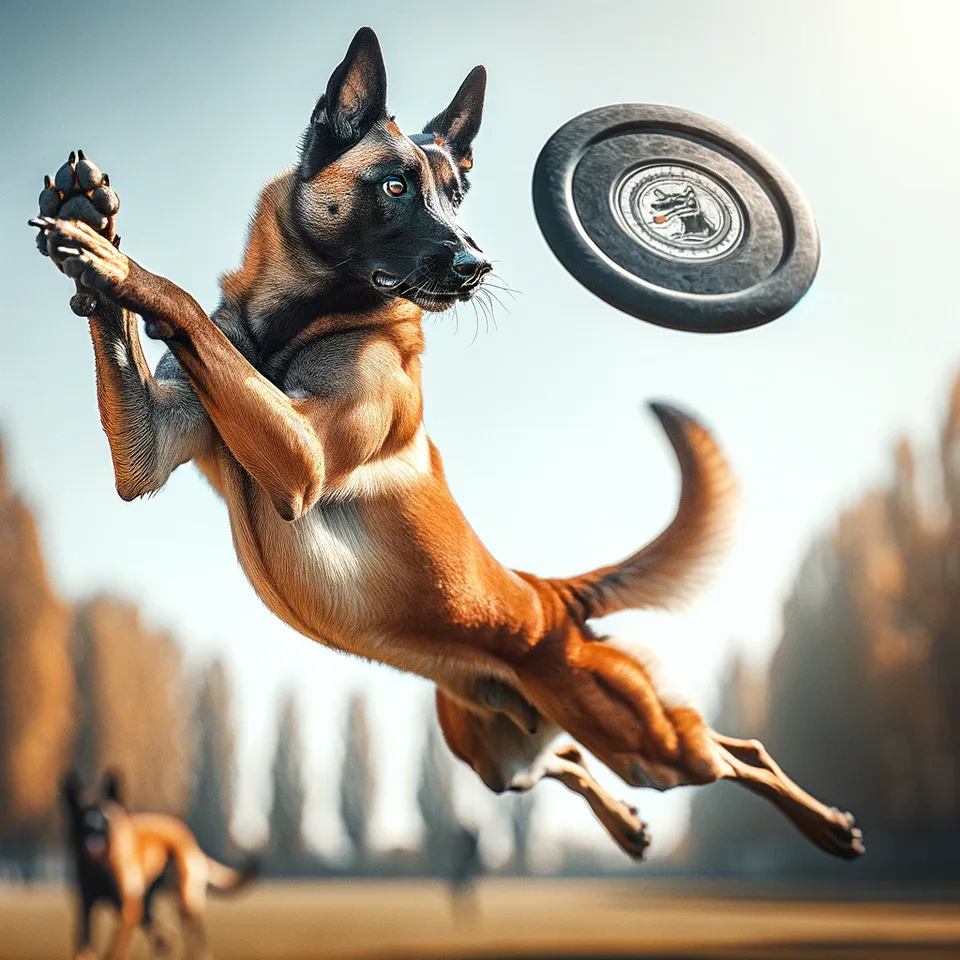
The high energy levels of the Malinois demand regular, vigorous exercise. They are not suited to a sedentary lifestyle and can become restless and destructive if not properly exercised. Activities like brisk walking, running, hiking, and swimming are excellent ways to meet their physical exercise needs. Engaging them in play activities such as fetch, tug-of-war, and frisbee can also provide good physical stimulation.
Agility and Mental Stimulation
Agility training is particularly beneficial for the Malinois, as it challenges them both mentally and physically. Navigating through obstacle courses helps in developing their coordination, speed, and problem-solving skills. Incorporating agility exercises into their routine can be both fun and rewarding.
Tracking and Herding Activities
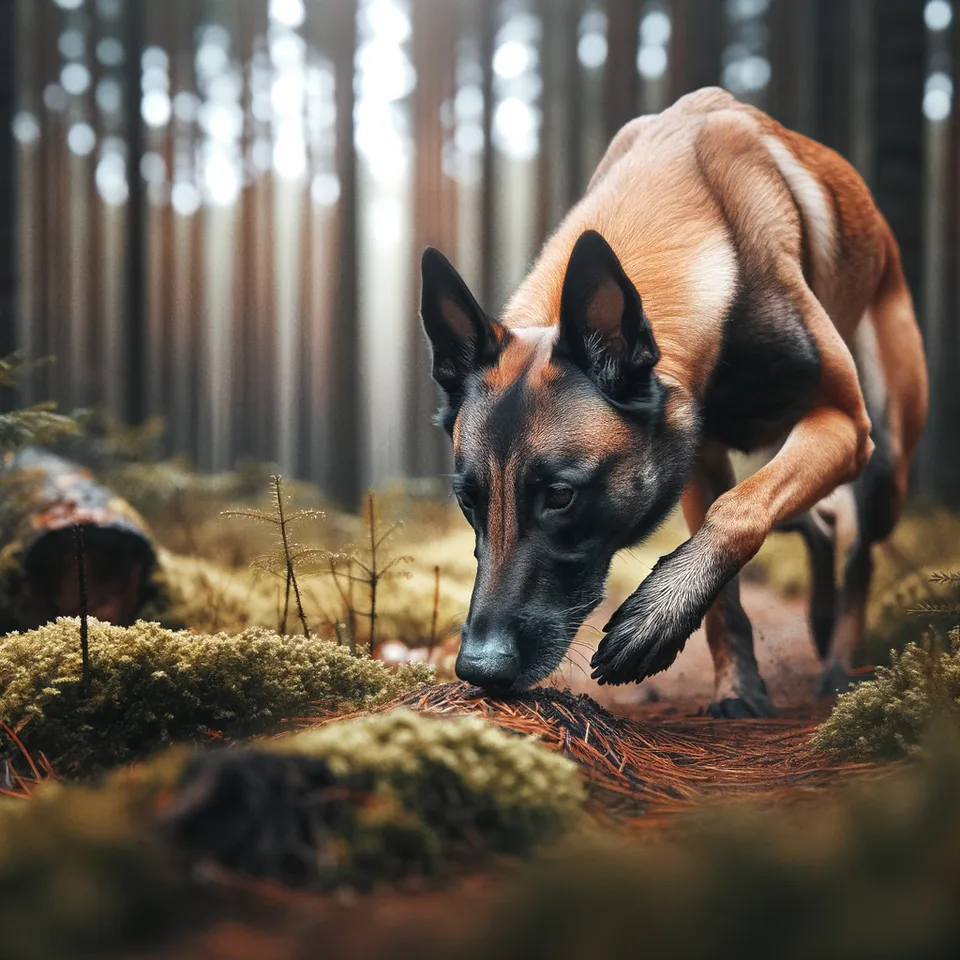
Leveraging their natural instincts, tracking and herding activities can be an excellent way for a Malinois to exercise. These activities engage their senses and fulfil their innate desires to work and focus on tasks. Participation in tracking events or herding livestock (if applicable) can be a great outlet for their energy and intelligence.
Brain Games and Interactive Toys
To keep their minds sharp, incorporate brain games and interactive toys into their daily routine. Puzzle toys, hide-and-seek games, and toys that require them to solve problems to get treats can provide mental stimulation. This is particularly important for days when physical exercise might be limited.
Consistency and Routine
Maintaining a consistent routine is crucial for the Malinois. They benefit from knowing what to expect each day, which helps in keeping them balanced and content. Regular training and exercise sessions should be a part of their daily schedule.
Conclusion
In summary, the Belgian Malinois is a breed that requires a dedicated and active owner who can provide structured training and ample exercise. A well-trained and exercised Malinois is a joy to be around, displaying qualities of intelligence, agility, and loyalty. Meeting their training and exercise needs ensures a happy, healthy, and well-behaved canine companion.
Care and Grooming
Grooming a Malinois is relatively straightforward due to their short coat. Regular brushing, occasional baths, and routine checks for ticks and fleas are sufficient. Pay attention to their diet and ensure they get a balanced intake to maintain their energy levels.
Health Considerations
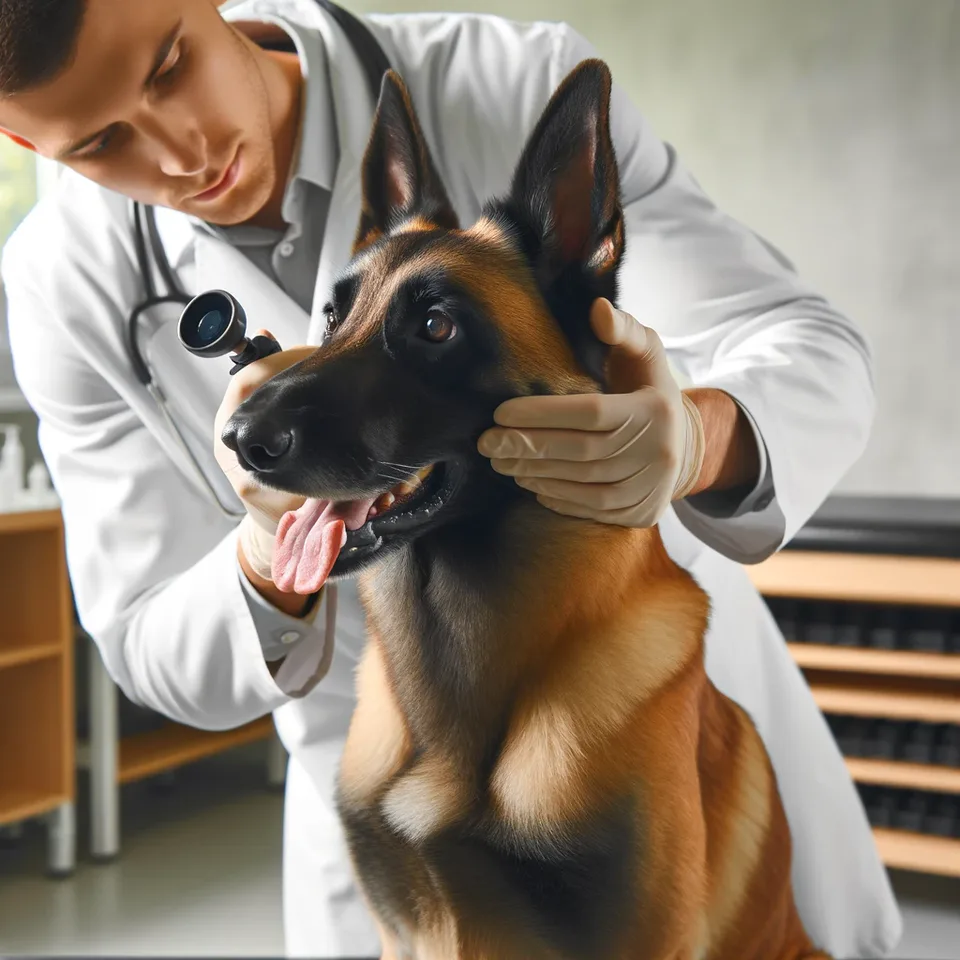
While the Belgian Malinois is known for its robust health and longevity, like all breeds, they are susceptible to certain health conditions. Understanding these potential issues and ensuring regular veterinary care is vital for maintaining the health and well-being of a Malinois.
Common Health Concerns
- Hip and Elbow Dysplasia: This is a common genetic condition in many dog breeds, including the Malinois. Dysplasia refers to an abnormal formation of the hip or elbow joints, which can lead to pain, lameness, and arthritis. Early detection through x-rays and regular check-ups can help manage this condition. Maintaining a healthy weight and proper exercise can also reduce the risk and impact of dysplasia.
- Eye Problems: Malinois are prone to certain eye conditions, such as cataracts, progressive retinal atrophy (PRA), and glaucoma. Regular eye examinations by a veterinarian can help in early detection and treatment of these issues.
- Gastric Dilatation-Volvulus (Bloat): Common in large, deep-chested breeds, bloat is a life-threatening condition where the stomach distends and may twist. Signs include a swollen abdomen, excessive drooling, and signs of distress. Preventive measures include feeding smaller meals throughout the day and avoiding vigorous exercise around meal times.
- Skin Allergies: Some Malinois may suffer from skin allergies, which can be caused by environmental factors, food, or parasites. Symptoms include itching, redness, and hair loss. Veterinary advice should be sought for diagnosis and treatment.
- Epilepsy: Epilepsy can occur in this breed, leading to recurrent seizures. While the condition is not curable, it is often manageable with medication and regular monitoring by a veterinarian.
Preventive Care and Regular Check-Ups
Regular veterinary check-ups are crucial in early detection and management of health issues. Annual health screenings, vaccinations, and parasite control are part of preventive care that can help extend the life and improve the quality of life of a Malinois.
Diet and Nutrition
A balanced diet is essential for maintaining good health. High-quality dog food appropriate for the dog’s age, size, and activity level can prevent obesity and related health issues. It’s also important to monitor their food intake and adjust as needed based on their exercise level.
Exercise and Weight Management
Regular exercise is not only important for the Malinois’ physical health but also for their mental well-being. It helps in maintaining a healthy weight, strengthening muscles, and reducing the risk of joint and heart problems. However, avoid over-exercising young dogs, as their bones and joints are still developing.
Mental Health
Mental health is as important as physical health. Malinois require mental stimulation to prevent boredom and stress, which can lead to behavioral issues. Training, play, and interactive toys can help keep their minds active and engaged.
Conclusion
In summary, while the Belgian Malinois is generally a healthy and resilient breed, being aware of and proactive about their health needs is essential. Regular veterinary care, a balanced diet, adequate exercise, and mental stimulation are key factors in ensuring a long, happy, and healthy life for a Malinois.
The Malinois as a Family Dog
While they are known for their work in police and military roles, Malinois can also be wonderful family pets. They are loyal and protective, making them great companions for active families. However, due to their high energy and training needs, they are best suited for families with experience in dog ownership.
Living with a Malinois
If you’re considering a Belgian Malinois as a pet, it’s important to understand their need for companionship and activity. They are not a breed that can be left alone for long periods. Engaging them in family activities, training exercises, and even dog sports can be a great way to bond and keep them mentally stimulated.
Community and Support
Joining a community of Malinois owners can be incredibly beneficial. Not only will you have a support network, but you’ll also gain access to a wealth of knowledge and experience. Consider joining online forums, local clubs, and attending dog shows to connect with other Malinois enthusiasts.
Adoption and Rescue
If you’re interested in welcoming a Malinois into your home, consider adoption. There are many rescue organisations dedicated to rehoming Malinois and providing them with a second chance at a loving home.
Final Thoughts
The Belgian Malinois is more than just a working dog; they are loyal companions that bring immense joy to the lives they touch. With the right training, environment, and care, a Malinois can be a wonderful addition to any active and experienced family.
For more insights into different dog breeds and their unique traits, remember to explore our Working Breeds post, offering a comprehensive look at various canines and their roles in our lives.